If you’re past 60 and feel like your legs aren’t as strong as they used to be, you’re not alone. A lot of people notice climbing stairs feels harder, standing up takes more effort, or legs just feel heavy after a short walk. Everyone blames aging, but that’s not the whole story. There are plenty of reasons legs weaken, and some of them might surprise you.
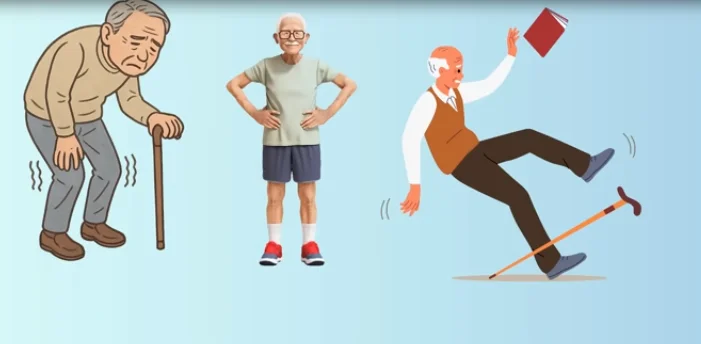
Researchers have a name for the age-related loss of muscle mass and strength: sarcopenia. According to studies published in the Journal of Cachexia, Sarcopenia and Muscle, adults can lose as much as 3 to 8 percent of their muscle mass per decade after age 30, with the pace often accelerating after 60. But here’s the encouraging part—much of that decline isn’t purely about the calendar. It’s shaped by everyday, modifiable factors like nutrition, hydration, activity level, and even small nutrient gaps that are easy to miss. That means leg weakness isn’t necessarily a one-way road. Many of the causes below respond well to simple changes, and addressing them early can help preserve independence, reduce fall risk, and keep daily activities—like getting up from a chair or walking to the mailbox—comfortable for years to come. If you’ve noticed sudden or rapidly worsening weakness, especially on one side of the body, that’s different from the gradual changes discussed here and warrants prompt medical attention.
Table of Contents
Why Leg Strength Matters More Than You Think
Legs do more than help you walk. They keep you steady, stop you from falling, and give you independence. Once they weaken, even simple things—getting up from a chair, carrying groceries, or bending to tie shoes—start feeling harder.

Your leg muscles are also one of the largest muscle groups in your body, which means they play an outsized role in your overall metabolic health. Strong thigh and calf muscles help regulate blood sugar, support healthy circulation, and act as a “second heart” by helping pump blood back up from your lower body when you move. The Centers for Disease Control and Prevention notes that lower-body strength is one of the strongest predictors of fall risk in adults over 65, and falls remain a leading cause of injury-related hospitalizations in this age group. The good news is that leg strength is remarkably responsive to training, even later in life. Studies on resistance exercise in adults in their 70s, 80s, and beyond have shown meaningful gains in muscle strength and walking speed after just 8 to 12 weeks of consistent, moderate exercise. Simple movements like sit-to-stands from a chair, calf raises while holding a counter, or short walks around the house all count. The goal isn’t to build bulk—it’s to maintain the strength needed for the everyday tasks that keep you living independently and confidently in your own home.
1. Vitamin D – Often Ignored
Vitamin D isn’t just about bones; your muscles need it to work properly. Weak, shaky legs and poor balance can show up when levels are low. Sunlight helps, but after 60, the body doesn’t make as much. Foods like fortified milk and eggs can help, or you can ask your doctor about supplements.

The connection between vitamin D and muscle function comes down to receptors found directly in muscle tissue—when vitamin D binds to these receptors, it supports the protein synthesis muscles need to contract efficiently. A widely cited analysis published in the Journal of Clinical Endocrinology & Metabolism found that older adults with low vitamin D levels were significantly more likely to experience falls and reduced lower-body strength compared to those with adequate levels. Skin’s ability to produce vitamin D from sunlight drops by roughly 75 percent between young adulthood and age 70, which is part of why deficiency becomes so common with age. A simple blood test (25-hydroxyvitamin D) can tell you and your doctor whether your levels are on the low side. If supplementation is recommended, it’s usually in the range of 800 to 2,000 IU daily for older adults, though your doctor may suggest more if levels are very low. One safety note: vitamin D is fat-soluble and can build up in the body, so very high doses over long periods should only be taken under medical supervision, particularly if you have kidney issues or take calcium supplements as well.
2. Magnesium – The Cramps Connection
If you wake up at night with tight calves or your legs feel stiff, low magnesium might be the reason. Muscles need magnesium to relax after tightening. Spinach, almonds, or pumpkin seeds are simple ways to get more.

Magnesium plays a balancing role with calcium inside muscle cells: calcium signals a muscle to contract, while magnesium helps it release and relax. When magnesium runs low, that release process can become less efficient, leading to the sudden, often painful cramps many people notice in their calves at night. Research published in nutrition journals has noted that magnesium intake tends to decline with age, partly due to reduced dietary variety and partly because certain common medications, including some diuretics and acid reflux drugs, can lower magnesium absorption or increase its loss through urine. Beyond spinach, almonds, and pumpkin seeds, other good sources include black beans, whole grains, and avocado. For most adults over 50, the recommended daily intake is around 320 mg for women and 420 mg for men. If you’re considering a magnesium supplement, magnesium glycinate is often gentler on digestion than magnesium oxide, which can cause loose stools at higher doses. As with any supplement, check with your doctor first if you take medications for heart rhythm or kidney conditions, since magnesium can interact with both.
3. Too Much Sitting
Spending long hours sitting slowly makes legs weaker. Watching TV or sitting with a book too long keeps muscles inactive, and they shrink if you don’t use them. Standing up every half hour, stretching a bit, or taking short walks makes a big difference.

This phenomenon even has a name in exercise science: “disuse atrophy.” Muscle tissue is metabolically expensive for the body to maintain, so when a muscle group goes unused for extended periods, the body gradually reduces its size and strength to conserve energy. Studies tracking bed rest and prolonged sitting in older adults have found measurable declines in thigh muscle volume within as little as one to two weeks of significantly reduced activity. The encouraging flip side is that brief, frequent movement breaks can meaningfully offset this effect without requiring a formal workout. Try setting a timer to stand during commercial breaks, march in place for 30 seconds, or do a few gentle heel raises while waiting for the kettle to boil. If getting up and down from low chairs or sofas has become difficult, that’s often an early sign worth addressing directly—practicing controlled sit-to-stand movements from a sturdy chair, ideally with arms crossed rather than pushing off, is one of the most practical ways to maintain the exact strength needed for that motion.
4. Poor Blood Flow
Sometimes the issue isn’t the muscles themselves but how well blood moves through them. Poor circulation makes legs feel tired, heavy, or numb. Gentle walks, stretching, or putting your legs up for a while each day can help.
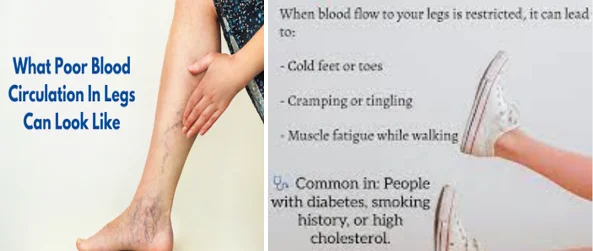
Reduced circulation in the legs, sometimes related to peripheral artery disease (PAD), happens when blood vessels narrow and restrict blood flow to the muscles, especially during activity. The hallmark symptom is a cramping or aching sensation in the calves that comes on with walking and eases with rest, sometimes called “intermittent claudication.” The American Heart Association notes that PAD affects a meaningful percentage of adults over 65 and shares many risk factors with heart disease, including smoking history, diabetes, and high blood pressure. Gentle, regular walking is actually one of the most effective ways to improve circulation over time, as it encourages the body to build small collateral blood vessels around narrowed areas. Elevating the legs above heart level for 15 to 20 minutes a few times a day can also reduce swelling and that heavy feeling. However, if you notice persistent leg pain at rest, color changes in the skin, sores that won’t heal, or one leg that’s notably colder than the other, these are signs that warrant a prompt evaluation by your doctor, since circulation problems are far more manageable when caught early.
5. Not Enough Protein
Muscles need protein to stay strong, but many seniors eat less as they get older. Over time, that leads to muscle loss. Adding eggs, yogurt, fish, or beans to meals helps keep muscles firm.
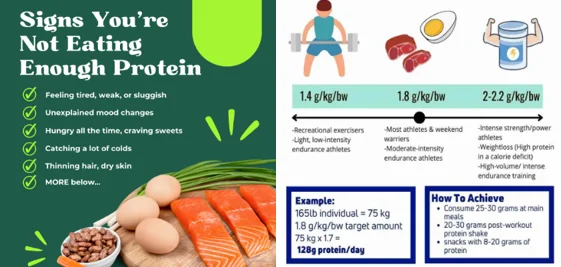
As we age, the body becomes somewhat less efficient at using dietary protein to build and repair muscle—a phenomenon researchers call “anabolic resistance.” This means that the protein intake that was sufficient at 40 may not be enough at 70 to maintain the same muscle mass. The Protein Summit research group and other expert panels have suggested that adults over 65 may benefit from 25 to 30 grams of protein per meal, spread across the day, rather than concentrating most protein at dinner as many traditional eating patterns do. A practical way to apply this: add a serving of Greek yogurt or a couple of eggs at breakfast, where protein intake tends to be lowest for most people. Plant-based options like lentils, chickpeas, and tofu count too, and pairing them with grains creates a more complete amino acid profile. If you have kidney disease, protein recommendations can differ significantly, so it’s worth discussing your specific target with your doctor or a registered dietitian rather than assuming more is always better.
6. Nerve Problems
Tingling, numbness, or legs that feel unsteady can be from nerve issues. Low vitamin B12 is a common cause in seniors because it’s harder to absorb with age. Lean meats, fortified cereals, and eggs can help, but sometimes supplements are needed.

B12 absorption depends on a stomach protein called intrinsic factor, and stomach acid production naturally declines with age—both of which can reduce how efficiently B12 is absorbed from food, even when intake looks adequate on paper. Certain common medications, including long-term use of metformin for diabetes and proton pump inhibitors for acid reflux, can further reduce B12 absorption. When nerves don’t get enough B12, the protective coating around them (the myelin sheath) can deteriorate, leading to the tingling, numbness, or “pins and needles” sensations often felt first in the feet and legs—a pattern called peripheral neuropathy. A simple blood test can check B12 levels, and if they’re low, your doctor might recommend oral supplements, sublingual (under-the-tongue) forms, or in some cases B12 injections, which bypass the absorption issue entirely. Diabetes is another common contributor to nerve-related leg symptoms, so if you have diabetes and notice new numbness or tingling, it’s worth mentioning at your next appointment, since good blood sugar management can help slow further nerve changes.
7. Medication Side Effects
Some medicines—especially certain cholesterol or blood pressure drugs—can make muscles feel weak. If leg weakness started after a new medication, talk to your doctor.
Statins, commonly prescribed for cholesterol management, are one of the best-documented examples of medication-related muscle effects, with some users reporting aching, tenderness, or weakness, particularly in the thighs. Research suggests this affects a notable minority of statin users, and the risk appears to increase with higher doses or when combined with certain other medications. Diuretics (“water pills”) used for blood pressure can also deplete potassium and magnesium, both important for normal muscle function, which can contribute to cramping and weakness. This doesn’t mean these medications should be stopped without guidance—they’re often prescribed for important reasons—but it does mean that new or worsening leg weakness after starting a medication is worth reporting rather than dismissing. Your doctor may suggest a dose adjustment, a different medication in the same class, or simple bloodwork to check electrolyte levels. Keeping a written log of when symptoms started relative to medication changes can be genuinely helpful information for your healthcare team to work with.
8. Dehydration
Not drinking enough water leads to cramps and tired muscles. Many older adults drink less to avoid frequent bathroom trips, but muscles need water to work properly. A few sips through the day really help.
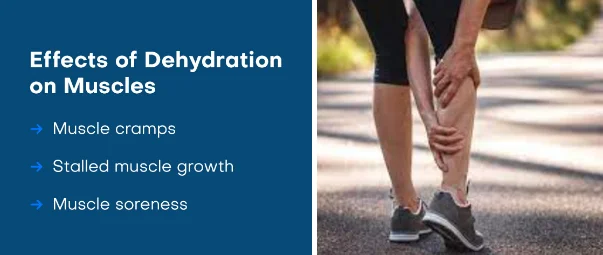
Two age-related changes make dehydration more likely in older adults: the sense of thirst becomes less reliable, so the body doesn’t always send a clear “drink now” signal even when fluid levels are low, and the kidneys become somewhat less efficient at concentrating urine, meaning more water is lost even during ordinary activities. Mild dehydration reduces blood volume, which means less oxygen and fewer nutrients reach working muscles, contributing to that heavy, fatigued feeling in the legs. It can also concentrate the blood, making electrolyte imbalances and cramping more likely. Rather than trying to drink large amounts at once, spacing fluid intake throughout the day—a glass with each meal, plus a few extra in between—is gentler on both the bladder and the body. Foods with high water content, like soups, melons, and cucumbers, also contribute meaningfully to daily fluid intake. If you’re managing a heart or kidney condition that requires fluid restriction, your target intake may differ from general guidelines, so it’s best to follow your doctor’s specific recommendations rather than generic advice.
9. Stiff Joints
Arthritis or stiff joints make you move less, which eventually weakens muscles. Gentle stretching, yoga, or swimming keeps joints flexible and legs active.
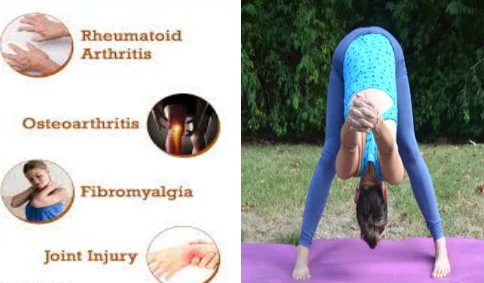
Joint stiffness and muscle weakness often feed into each other in a cycle: a stiff, painful knee makes walking less appealing, reduced walking leads to weaker thigh muscles, and weaker thigh muscles place more strain on the knee joint, which can increase pain and stiffness further. Breaking this cycle is one of the most valuable things a person can do for long-term mobility. The Arthritis Foundation specifically recommends low-impact activities like water aerobics, stationary cycling, and gentle yoga because they move joints through their range of motion and strengthen surrounding muscles without the repetitive impact of activities like jogging. Morning stiffness that improves with gentle movement is typical of many forms of arthritis, while stiffness that worsens with activity or comes with significant swelling, warmth, or redness deserves medical attention, as it could indicate an inflammatory condition that benefits from specific treatment. Warm showers or heating pads before stretching can also make morning movement more comfortable, helping establish a routine that’s easier to stick with.
10. Skipping Balance Exercises
Walking keeps you moving, but it doesn’t work all the small muscles that keep you steady. Simple balance moves, like standing on one leg while holding a chair, or Tai Chi, can help prevent falls and strengthen those smaller muscles.

Balance relies on a coordinated system involving your inner ear, vision, and the small stabilizing muscles in your ankles, hips, and core—and like any system, it works better with regular use. Walking primarily engages the larger muscles involved in forward motion, but it doesn’t place much demand on the muscles that respond to side-to-side shifts or sudden changes in surface, which is exactly the kind of challenge that contributes to falls. The CDC’s STEADI initiative (Stopping Elderly Accidents, Deaths, and Injuries) specifically highlights balance training as one of three pillars—alongside strength and medication review—for fall prevention in older adults. Tai Chi has been studied extensively in this context, with multiple trials showing meaningful reductions in fall risk among regular practitioners. For those just starting out, simple exercises like standing on one foot near a countertop for 10 to 15 seconds, heel-to-toe walking along a hallway, or gentle weight shifts from foot to foot can be done safely at home. As with any new exercise, always have a sturdy chair or counter nearby for support, and stop if you feel dizzy or unsteady.
✅ Quick Q&A – Common Questions Seniors Ask
1. Can low vitamin D really weaken legs?
Yes, low vitamin D affects both balance and muscle strength.
2. Why do I cramp mostly at night?
Low magnesium or dehydration is often the reason.
3. Which foods keep legs strong?
Eggs, yogurt, beans, fish, and leafy greens.
4. Can sitting too much cause weak legs?
Yes, muscles shrink when you don’t use them enough.
5. Are bananas good for cramps?
Yes, potassium in bananas helps muscles relax.
6. How much water should I drink daily?
Around 6–8 glasses, unless your doctor says otherwise.
7. Can low B12 cause leg problems?
Yes, it can cause tingling, numbness, or weak legs.
8. Do balance exercises really work?
Yes, they help strengthen stabilizing muscles.
9. Are multivitamins enough?
Not always—specific deficiencies need targeted vitamins.
10. When should I talk to a doctor?
If weakness comes on suddenly, gets worse, or makes walking unsafe.
Related reading: Learn more about prevent sarcopenia in older adults and practical ways to support strength.
Sources: CDC: Physical activity for older adults · MedlinePlus: Weakness · NIA: Exercise and physical activity
⚕️ Medical Disclaimer
The information provided on this page is for educational purposes only and is not intended as medical advice, diagnosis, or treatment. Always consult a qualified healthcare professional before making changes to your diet, starting any supplement, or if you have an existing medical condition. KeepFitQuote does not provide medical diagnoses or treatment recommendations. Read our full disclaimer.
Related Posts