Quick answer: Cortisol damage means the effects of stress hormones staying high for too long. Signs can include poor sleep, belly fat, low mood, brain fog and getting sick more often. Regular sleep, daily walks, morning daylight, balanced meals and relaxation habits help lower it. Rounded face, purple stretch marks, easy bruising or high blood pressure need a doctor’s check.
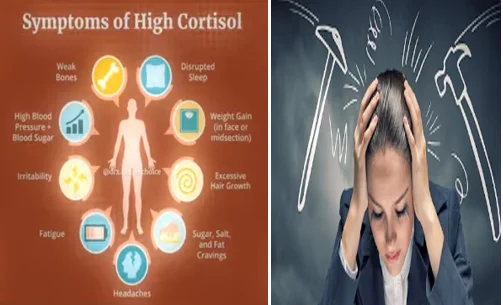
In this article, we’ll break down the signs of hidden cortisol damage, what triggers it, and most importantly, how to begin reversing it naturally. Cortisol is only one of several key hormones, so see how it fits with the others in our guide to hormones and habits after 60.
For adults over 50, this topic deserves extra attention. Research published in the journal Psychoneuroendocrinology has found that average cortisol output tends to rise gradually with age, and the body’s ability to “shut off” the stress response after a challenge becomes less efficient over time. That means the same stressful event—a doctor’s appointment, a grandchild’s visit, a financial worry—can leave a 65-year-old’s cortisol elevated longer than it would for someone in their 30s. Combined with common age-related changes like lighter sleep, more frequent medication use, and shifting hormone levels after menopause, this creates a perfect storm where cortisol can quietly creep upward for years before symptoms become obvious. The encouraging news is that the same gentle, food-and-lifestyle-based strategies covered in this guide are often most effective for older adults precisely because they work with the body’s natural rhythms rather than forcing it.
What Is Cortisol and Why Does It Turn Harmful?
Cortisol is often called the “stress hormone.” It helps your body respond to threats by raising blood sugar and blood pressure and by slowing down functions that aren’t immediately needed—like digestion or immunity.
But what happens when your brain thinks you’re always in danger? Whether it’s work deadlines, family stress, poor sleep, or blood sugar crashes, the result is the same: your cortisol levels stay too high for too long.
And that’s where the damage starts.
Cortisol is produced by your adrenal glands, two small structures that sit on top of your kidneys, in response to signals from your brain’s hypothalamic-pituitary-adrenal (HPA) axis. In a healthy person, cortisol naturally peaks in the early morning to help you wake up and feel alert, then gradually tapers off through the day, reaching its lowest point around bedtime. This is called the cortisol rhythm, and it’s tightly linked to your sleep-wake cycle. Chronic stress disrupts this rhythm—cortisol may stay elevated into the evening (making it hard to wind down) or fail to rise properly in the morning (leaving you feeling groggy and unmotivated). According to research summarized by the Cleveland Clinic, this flattened or reversed pattern is one of the clearest signs that the stress-response system has become dysregulated, and it’s a key reason why addressing cortisol isn’t just about “feeling less stressed”—it’s about restoring a biological rhythm that affects nearly every system in the body.
Signs You’re Suffering From Cortisol Damage
Most people don’t realize they’re being affected until symptoms pile up. Here are some of the most common issues caused by long-term cortisol elevation:
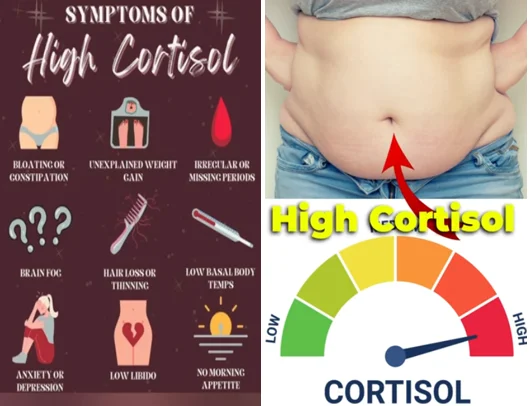
1. Tired But Wired Feeling at Night
You’re exhausted all day, but can’t fall asleep when it’s time for bed. This “sleep switch confusion” is a classic sign of stress-hormone imbalance. If you also wake very early, read about waking up at 4 a.m. after 60.
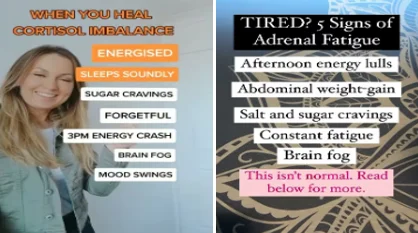
2. Increased Belly Fat and Puffiness
Even if your diet hasn’t changed, you may notice belly bloating, water retention, and stubborn fat around the midsection—often linked to high stress and cortisol. See our guide to losing belly fat after 60 for more.

3. Mood Swings and Anxiety Spikes
Cortisol affects neurotransmitters. You might feel edgy, anxious, or even angry over small things—especially during afternoon slumps.

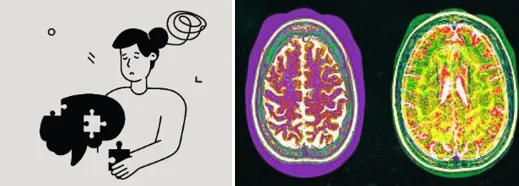
4. Brain Fog and Poor Short-Term Memory
Studies show elevated cortisol can shrink the hippocampus—the brain’s memory center—leading to cortisol-induced forgetfulness and foggy thinking.
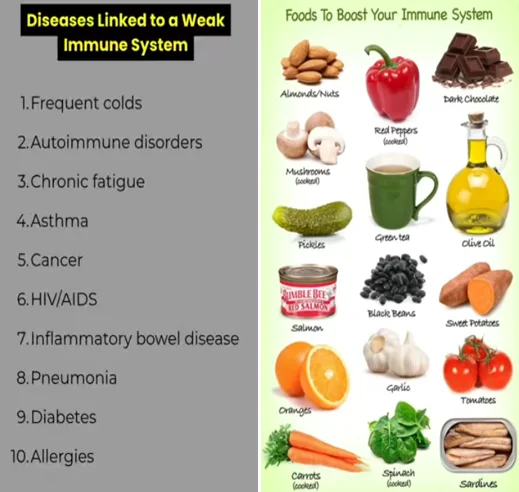
5. Weakened Immune System
Constant stress lowers your immune defenses. You may get sick often, take longer to heal, or suffer from frequent low-grade infections.
What makes these five signs tricky is that they rarely show up alone, and each one can easily be blamed on “just getting older” or “a busy week.” But when you notice two or three of these patterns happening together—say, waking up at 3 a.m. with your mind racing, carrying new weight around your midsection despite no change in diet, and catching every cold that goes around—that clustering is a meaningful clue. A 2019 review in Frontiers in Aging Neuroscience noted that this combination of symptoms in older adults often correlates with measurably altered cortisol patterns on saliva testing. If you recognize several of these signs in yourself, it’s worth mentioning to your doctor, who can check your cortisol levels with a simple morning blood test or a 4-point saliva test that maps your levels throughout the day.
How Cortisol Damages the Body Over Time
Unchecked cortisol doesn’t just impact mood and sleep—it physically affects your tissues and organs. Here’s what chronic exposure can do:
- Thins skin and weakens bones

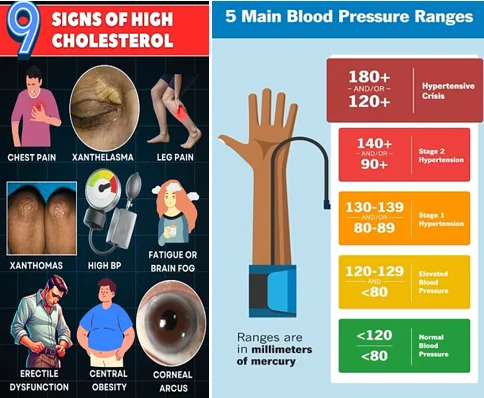
- Raises blood pressure and cholesterol
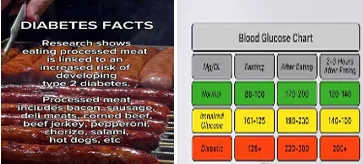
- Disrupts blood sugar, increasing risk of prediabetes
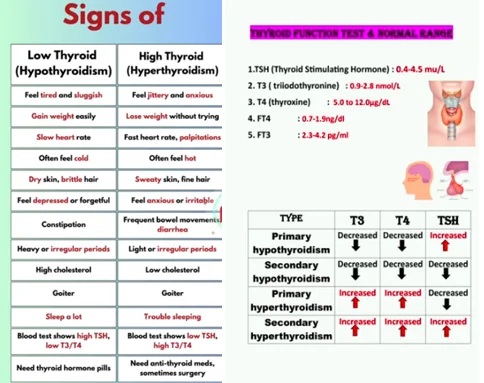
- Suppresses thyroid function
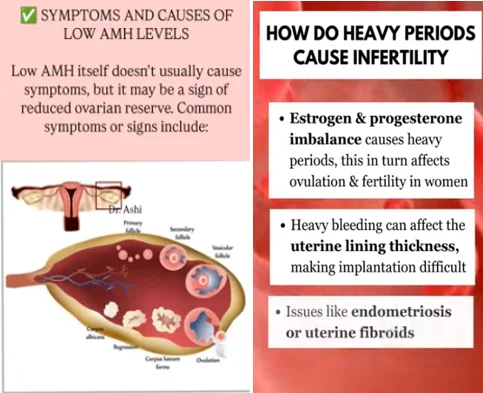
- Causes irregular periods or fertility issues
It’s a full-body assault that doesn’t just go away with rest. You need targeted strategies to recover.
Each of these effects has a clear biological mechanism behind it. Cortisol breaks down collagen in the skin and pulls calcium from bones to help maintain blood sugar during “fight or flight,” which is useful in a true emergency but damaging when it happens day after day—this is part of why chronic high cortisol is associated with an increased risk of osteoporosis, a particularly important concern for women after menopause. On the cardiovascular side, cortisol signals the liver to release more glucose and can make blood vessels more sensitive to substances that raise blood pressure, which is why the American Heart Association lists chronic stress as a contributing factor to cardiovascular risk. The thyroid connection is less well known: cortisol can interfere with the conversion of inactive thyroid hormone (T4) into its active form (T3), which can produce symptoms like fatigue, weight gain, and feeling cold that mimic an underactive thyroid even when standard thyroid tests look normal. Understanding these mechanisms helps explain why managing cortisol is about more than just “relaxing more”—it’s genuinely protective for your bones, heart, and metabolism.
How to Lower High Cortisol Naturally
You can absolutely support your body to recover—but it takes time, consistency, and a natural approach. Here’s how to begin:
1. Practice Gentle Morning Sun Exposure
It resets your circadian rhythm and lowers cortisol naturally throughout the day.

2. Eat Real, Unprocessed Foods
Avoid blood sugar spikes, which trigger cortisol. Focus on protein, healthy fats, and slow-digesting carbs like squash or sweet potatoes.

3. Avoid Over-Exercising
Intense workouts can backfire. Instead, try short walks, yoga, or gentle strength training, which is easier on recovery.

4. Use Adaptogenic Herbs
Some small studies suggest ashwagandha or rhodiola may ease stress. Ask your doctor first: ashwagandha can affect the thyroid and has been linked to rare liver problems, and herbs can interact with medicines.

5. Prioritize Sleep Hygiene
Keep lights low after sunset, avoid screens before bed, and try magnesium glycinate or passionflower tea to support deep rest. For more, see how to sleep 8 hours straight.

A few practical notes can make these five steps easier to put into practice. For morning sunlight, even 10-15 minutes on a porch or balcony with your morning coffee—no sunglasses, but never stare directly at the sun—is enough to send a strong signal to your circadian clock; on cloudy days, outdoor light is still many times brighter than indoor lighting, so it still counts. When it comes to adaptogenic herbs like ashwagandha, a small but growing body of research, including a study published in the Journal of Alternative and Complementary Medicine, found that adults taking ashwagandha extract over 60 days had meaningfully lower cortisol levels than those taking a placebo. That said, ashwagandha and rhodiola can interact with thyroid medication, sedatives, and blood pressure drugs, so if you’re on prescription medications, it’s important to check with your pharmacist or doctor before adding these herbs. For sleep, magnesium glycinate is generally considered gentle on the stomach compared to other magnesium forms and is widely available; passionflower tea is naturally caffeine-free and can be part of a calming bedtime routine alongside dimmed lights and a consistent bedtime.
Cortisol and Gut Health: A Hidden Link
Few people realize how closely cortisol is tied to digestion. High stress hormones decrease stomach acid and slow gut motility, leading to bloating, constipation, and poor nutrient absorption.

This is why many people with adrenal fatigue also experience:
- bloating after meals
- sugar cravings
- irregular bowel movements
Supporting your gut with fermented foods and bone broth can speed healing from the inside out.
The gut-cortisol connection runs in both directions, which is part of why it’s described as a “hidden link.” Not only does high cortisol slow digestion and reduce stomach acid—making it harder to break down protein and absorb nutrients like B12 and iron—but the gut also produces a substantial portion of the body’s serotonin and communicates directly with the brain via the vagus nerve, sometimes called the gut-brain axis. A 2021 review in Nutrients highlighted that an imbalanced gut microbiome can itself contribute to an exaggerated cortisol response to stress, creating a cycle where stress harms the gut and an unhealthy gut amplifies the stress response. For seniors, this is especially relevant because stomach acid production naturally declines with age, and many common medications (including some blood pressure and acid-reflux drugs) can further reduce it. Adding naturally fermented foods like yogurt with live cultures, kefir, sauerkraut, or kimchi in small regular amounts, along with mineral-rich bone broth, gives the gut lining and its bacterial residents some of the building blocks they need to recover.
Who’s at Risk for Cortisol Damage?
While anyone can experience cortisol-related issues, certain groups are more vulnerable:
- Shift workers

- Single parents or caregivers

- People with PTSD or chronic anxiety
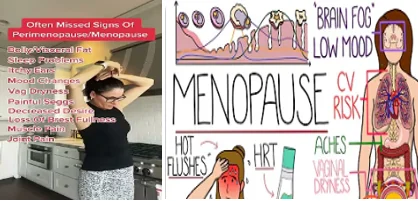
- Women in perimenopause or menopause
- Those recovering from surgery, illness, or trauma
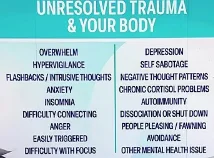
If this sounds like you, start taking small daily steps now to rebalance your stress hormones naturally.
Two of these groups deserve a closer look for readers over 50. Caregivers—whether for a spouse, an aging parent, or grandchildren—face what researchers sometimes call “caregiver burden,” and studies have repeatedly found that long-term caregivers show blunted morning cortisol rises and elevated evening cortisol compared to non-caregivers, a pattern linked to higher rates of depression and cardiovascular disease. Women in perimenopause and menopause face a related challenge: declining estrogen affects the same brain regions that regulate the HPA axis, which is part of why many women report new or worsened anxiety, sleep disruption, and “wired” feelings during this transition even if they handled stress easily before. For both groups, the goal isn’t to eliminate stress—which usually isn’t realistic—but to build in small, consistent recovery practices (a short walk, a few minutes of quiet, a regular bedtime) that give the HPA axis a chance to reset each day rather than staying in a constant state of alert.
Final Thoughts: Don’t Ignore the Warning Signs
Cortisol damage doesn’t happen overnight—and healing won’t either. But with awareness, you can start turning things around. The key is understanding your body’s signals, honoring your need for rest, and rebuilding from the ground up.
You don’t need another supplement stack or extreme diet. You just need to give your body what it truly needs—calm, nourishment, and consistency.
Start today with these simple ways to manage stress. Your future self will thank you.
✅ Frequently Asked Questions (FAQs)
1. What does cortisol do to the body over time?
When cortisol levels stay high for too long, it can lead to fatigue, poor concentration, belly fat storage, and even higher blood sugar levels. Long-term cortisol exposure may also affect sleep, mood, and immune strength.
2. Can stress hormones damage your skin?
Yes. Elevated cortisol can thin the skin, slow wound healing, and contribute to premature aging. Some people notice their skin bruises more easily or looks dull during periods of chronic stress.
3. Is brain fog related to cortisol imbalance?
Absolutely. Many people experience brain fog, forgetfulness, or trouble focusing when cortisol is consistently high due to chronic stress or poor sleep habits.
4. How does cortisol affect belly fat?
Cortisol encourages fat storage around the abdomen, especially when stress levels remain high. This is sometimes called a “cortisol belly” and can happen even if you’re eating healthy.
5. Can you reverse cortisol damage naturally?
Yes. Lifestyle changes like getting more sleep, reducing caffeine, walking outdoors, and talking to your doctor about herbs like ashwagandha may help bring cortisol down without drugs.
6. How long does it take to fix high cortisol symptoms?
Recovery depends on the person, but with consistent changes, many notice improvements in 4 to 8 weeks. Healing adrenals takes time, especially if stress has been ongoing for years.
7. Do poor sleep habits increase cortisol levels?
Yes. Lack of deep sleep or staying up late can spike cortisol at the wrong times, leaving you wired at night and exhausted during the day. Sleep hygiene plays a major role in hormone balance.
8. What foods lower cortisol naturally?
Foods rich in magnesium and B vitamins—like leafy greens, salmon, pumpkin seeds, and berries—can help calm cortisol production. Fermented foods and bone broth support gut balance, which also affects stress hormones.
9. Is adrenal fatigue a real condition?
Adrenal fatigue is not a recognized medical diagnosis, according to the Endocrine Society and Mayo Clinic. The symptoms are real and are often caused by poor sleep, depression, thyroid problems or other conditions, so it’s worth seeing a doctor.
10. Why do I feel tired but can’t fall asleep?
This “tired but wired” feeling is a common cortisol pattern. Your body feels exhausted, but elevated evening cortisol keeps your mind alert and prevents restful sleep.
Sources
⚕️ Medical Disclaimer
The information provided on this page is for educational purposes only and is not intended as medical advice, diagnosis, or treatment. Always consult a qualified healthcare professional before making changes to your diet, starting any supplement, or if you have an existing medical condition. KeepFitQuote does not provide medical diagnoses or treatment recommendations. Read our full disclaimer.
Related Posts