In 2022, Clea Shearer, the co-founder of The Home Edit, known for her role in Netflix’s Get Organized with The Home Edit, faced a life-altering challenge: a breast cancer diagnosis. Her journey is one of inspiration, revealing the personal and physical battles that often go unseen. As she shares her experience, she reminds us of the power of strength, support, and awareness.

The Breast Cancer Diagnosis
In March 2022, Clea Shearer received the news that she had been diagnosed with invasive ductal carcinoma, a form of breast cancer. This came as a shock to Shearer, known for her busy life organizing homes and running a successful business. However, just as in her professional life, she quickly took charge of her situation, determined to face the disease with grace and resolve.
Invasive ductal carcinoma (IDC) is the most common type of breast cancer, accounting for roughly 70 to 80 percent of all diagnoses according to the American Cancer Society. It begins in the milk ducts and can spread into surrounding breast tissue if not caught early, which is why organizations like the CDC recommend routine mammograms starting at age 40 to 45 for most women, with earlier or more frequent screening for those with family history or other risk factors. For women over 50, breast tissue naturally becomes less dense after menopause, which can actually make mammograms more accurate at detecting suspicious masses. Shearer’s diagnosis, while unexpected given her age and active lifestyle, reflects a broader reality: breast cancer can affect anyone, and consistent screening remains one of the most powerful tools for catching it at a treatable stage.
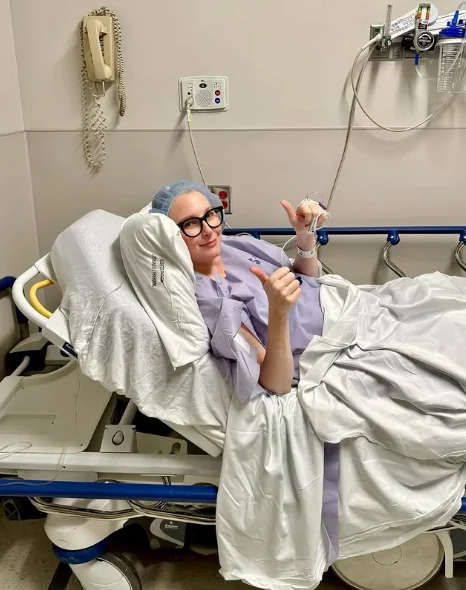
Her diagnosis was not just about the cancer itself, but the journey to healing, which included surgery, chemotherapy, and radiation. Clea underwent a double mastectomy and opted for breast reconstruction surgery, a process that many women go through after a similar diagnosis. Her decision to undergo breast implants as part of her reconstruction was personal, aiming to restore not only her health but her sense of self. For Clea, every step was a way to reclaim the narrative of her body.
From Surgery to Recovery
Like many women who undergo mastectomies, Clea faced numerous procedures that went beyond just the physical. The breast reconstruction process, including options such as the boob lift or breast lift, can be life-changing. Along the way, she was transparent about her healing process, shedding light on the emotional and mental side of recovering from breast cancer.
Recovery from a double mastectomy and reconstruction is typically measured in months, not weeks. According to breast cancer support organizations, most women need six to eight weeks before returning to normal daily activities after mastectomy alone, with reconstruction adding additional recovery time depending on the technique used. Physical therapy is often recommended to help restore shoulder mobility and reduce stiffness in the chest and arm, since the surgery can temporarily limit range of motion. Just as important is the emotional recovery: research published in psycho-oncology journals has found that body image concerns and anxiety are common after mastectomy, which is why many cancer centers now include counseling and peer support groups as a standard part of the treatment plan, not an optional extra.
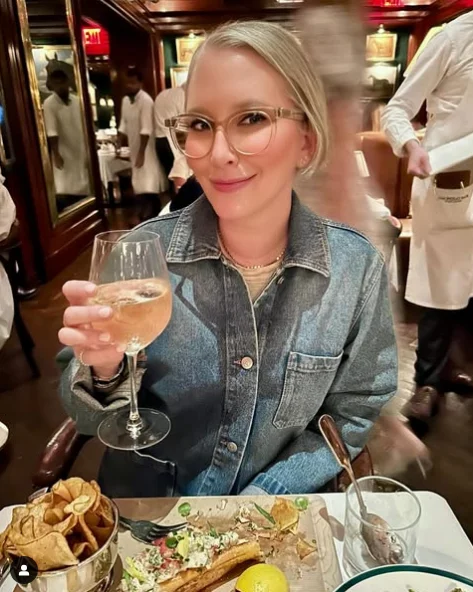
In addition to the mastectomy and reconstruction, Clea also underwent lymph node removal surgery as part of her treatment plan. Shearer was a warrior through every phase, even when the pain of chemotherapy and surgeries, like a panniculectomy or tummy tuck before and after weight fluctuations, set in.
The Role of Modern Medicine and Awareness
Clea’s journey also brought to light the importance of early detection. Similar to the significance of a rhinoplasty or knee replacement surgery in the right medical hands, breast cancer can be effectively managed with the proper interventions. Shearer credits her support system for helping her stay focused on healing, including those closest to her, who stood by her during her surgeries, including eye surgery and skin grafts for further reconstruction.
Early detection dramatically changes breast cancer outcomes. The American Cancer Society reports a five-year survival rate above 99 percent when breast cancer is caught while still localized to the breast, compared to significantly lower rates once it has spread to distant parts of the body. This is the driving reason behind national awareness campaigns and insurance-covered annual mammogram benefits in the U.S., which aim to catch tumors before they become symptomatic. Beyond screening, having a coordinated care team—including an oncologist, breast surgeon, and plastic surgeon working together—has been shown to improve both treatment outcomes and patient satisfaction with reconstruction results. Shearer’s public advocacy echoes what oncology researchers consistently find: patients who feel supported and informed tend to navigate treatment with better mental health outcomes.
Support Beyond Surgery: Sharing the Journey
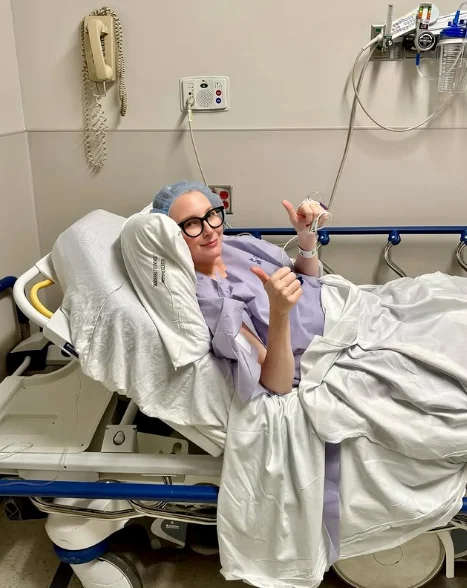
Throughout her recovery, Clea remained open about her experiences, sharing insights with her fans and inspiring others to take charge of their health. Her bravery and transparency extended beyond her surgeries, including discussing the importance of mental health, coping with the effects of cancer treatments, and the emotional side of surgery—whether it’s about bariatric surgery, breast implants, or more complex procedures like laminectomy or robotic surgery.
Studies on cancer survivorship consistently show that social support—whether from family, friends, or online communities—is linked to lower rates of depression and anxiety during and after treatment. Public figures like Shearer who openly discuss their diagnosis play a meaningful role in normalizing conversations about cancer, which can reduce the isolation many patients feel. Support groups, both in-person and online, give patients a space to share practical tips, from managing chemotherapy side effects to choosing post-surgical garments, that they might not get from a clinical appointment alone. For anyone newly diagnosed, organizations like the American Cancer Society and local hospital survivorship programs offer free peer-support matching, connecting new patients with survivors who have been through similar treatment paths.
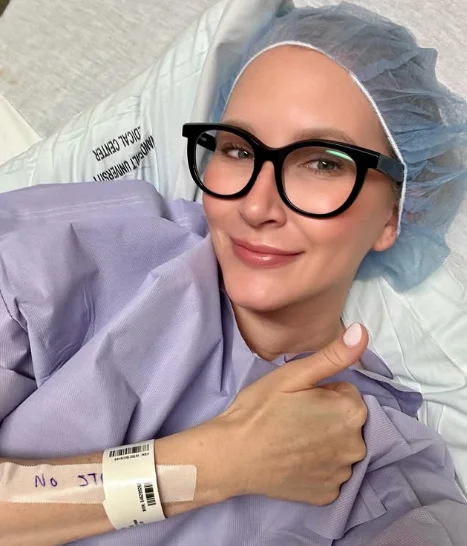
Through this difficult period, Clea’s involvement in various causes became more pronounced, including her efforts to raise funds for breast cancer research and provide resources for those undergoing similar experiences.
A Future Filled with Hope
Today, Clea Shearer is cancer-free and continues to be a voice of empowerment, providing encouragement for those facing similar struggles. With her advocacy for early detection and support for cancer research, Clea’s work extends beyond The Home Edit and Netflix’s Get Organized. Her strength and openness throughout her treatment have left a lasting impact, reminding us that it is possible to turn adversity into empowerment.
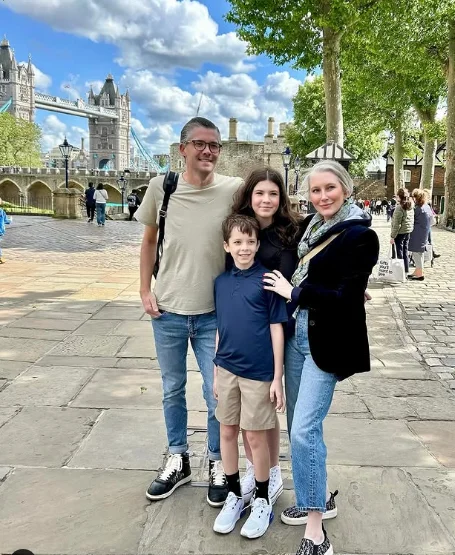
While her professional accomplishments continue to inspire millions, Clea’s most profound legacy may well be her ability to show others that, no matter the challenge, there is hope and strength in embracing both the physical and emotional healing processes.
As we continue to follow Clea’s journey, we are reminded of the importance of understanding the nuances of breast cancer, the surgeries involved, and the healing that goes far beyond the physical. Whether through a simple breast lift or life-altering double mastectomy, every individual’s journey is unique—and Clea’s is a testament to resilience, strength, and the power of support in the face of adversity.
Clea’s Story
Clea Shearer’s breast cancer journey is far from over. While her treatments are complete, her story continues to unfold as she helps others navigate their own challenges. With modern procedures like breast implants, mastectomies, and other surgeries, Clea’s advocacy will undoubtedly help pave the way for those facing similar paths. Through it all, Clea has shown that the power of hope, combined with medical advancements and emotional support, is what truly allows someone to rise after such a life-changing diagnosis.
If you or someone you know is facing a similar challenge, remember that early detection, medical care, and a supportive community can make all the difference in the world.
Frequently Asked Questions
What type of breast cancer did Clea Shearer have?
Clea Shearer was diagnosed with invasive ductal carcinoma, the most common form of breast cancer, which starts in the milk ducts and can spread into nearby breast tissue if untreated.
What treatments did Clea Shearer undergo?
Her treatment plan included a double mastectomy, lymph node removal, breast reconstruction with implants, chemotherapy, and radiation, along with the emotional and physical recovery that follows each of these procedures.
How important is early detection for breast cancer?
Extremely important. When caught while still localized, breast cancer has a five-year survival rate above 99 percent, which is why regular mammograms and self-awareness of changes are strongly recommended, especially for women over 40.
Is Clea Shearer cancer-free now?
Yes, Clea Shearer has completed her treatment and is now cancer-free, continuing to advocate for breast cancer awareness and early detection.
Why do public stories like Clea Shearer’s matter for other patients?
Open, public accounts of a cancer journey help reduce stigma and isolation, and research shows that patients who feel socially supported during treatment tend to experience better mental health outcomes throughout recovery.
⚕️ Medical Disclaimer
The information provided on this page is for educational purposes only and is not intended as medical advice, diagnosis, or treatment. Always consult a qualified healthcare professional before making changes to your diet, starting any supplement, or if you have an existing medical condition. KeepFitQuote does not provide medical diagnoses or treatment recommendations. Read our full disclaimer.
Related Posts