For U.S. readers 50+: a clear, friendly guide to vegetables that naturally support collagen, circulation, and muscle tone in your legs—plus easy ways to put them on your plate.
As the years add up, many seniors notice their legs don’t feel as steady or strong as they once did. Walking long distances, climbing stairs, or even rising from a chair can take more effort. While exercise is essential, nutrition plays an equally important role—especially when it comes to collagen. This protein supports joint flexibility, bone strength, and muscle recovery, making it vital for leg health in older adults.

The good news? You don’t need pricey supplements to get a collagen boost. Certain vegetables are packed with the building blocks your body needs to produce collagen naturally. Adding them to everyday meals can make a real difference in how strong and supported your legs feel.
It helps to understand that collagen production never really stops—but it does slow down. Research published in the Journal of Clinical Medicine shows that natural collagen synthesis can decline by roughly 1% per year starting in a person’s mid-twenties, with the drop becoming more noticeable after age 50. That’s not a reason to panic, but it is a good reason to make sure your diet consistently supplies the raw materials—vitamin C, copper, and quality protein—that your body uses to keep producing collagen at the best rate it can. Think of food as giving your body’s repair crew the tools they need, every single day, rather than a one-time fix.
Quick Facts
- Collagen keeps joints, tendons, and skin resilient. Your body needs vitamin C to make collagen; vitamin C-rich vegetables help that process. (Office of Dietary Supplements)
- Leafy greens and beets carry dietary nitrate, which the body converts to nitric oxide—a compound that supports blood flow and exercise efficiency; studies in older adults show benefits. (PMC)
- Strength activities help keep leg muscle and mobility as you age; pair veggies with movement for best results. (National Institute on Aging)
These three facts work together as a system rather than three separate tips. Vitamin C builds collagen, nitrates support the blood vessels that deliver nutrients and oxygen to your leg muscles, and movement gives those muscles a reason to use what they’re receiving. Skipping any one piece weakens the whole chain—a diet rich in vitamin C won’t do much for leg strength if you’re sedentary, and exercise alone can’t build collagen without the right nutritional cofactors. The encouraging part is that none of this requires a dramatic lifestyle overhaul. Small, consistent additions—a serving of bell peppers here, a short walk there—compound over weeks and months into noticeably steadier, stronger legs.
Why collagen matters for legs after 60
Collagen is a structural protein in tendons, ligaments, cartilage, skin, and blood vessels—all key for comfortable walking, climbing stairs, and balance. Your body can’t build strong collagen without vitamin C, a cofactor for collagen-making enzymes (prolyl/lysyl hydroxylases). (PMC)

Related on KeepFitQuote: a gentle primer on anti-inflammatory swaps: What Foods Cause Inflammation?
To put this in everyday terms: the tendons that connect your calf muscles to your heel, the ligaments that stabilize your knees, and the cartilage that cushions your joints are all largely made of collagen. When collagen production slows or the raw materials run short, these tissues can become less resilient—which is part of why stiffness, achy knees, and a feeling of “weaker” legs become more common after 60. The walls of your blood vessels also rely on collagen and elastin for flexibility, so supporting collagen isn’t just about joints; it’s connected to circulation as well. A 2021 review in Nutrients highlighted that adults who consistently met their vitamin C needs through food had better markers of connective tissue health than those with low intake, reinforcing that this isn’t a “nice to have” nutrient—it’s foundational.
Top collagen-boosting vegetables for seniors (vitamin-C focus)
Smart picks to rotate in:
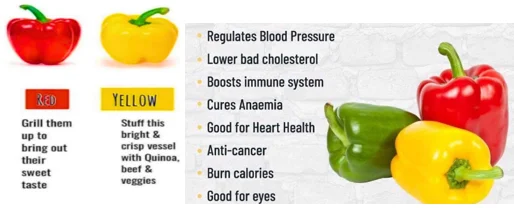
- Red & yellow bell peppers – among the highest veggie sources of vitamin C; great raw or lightly sautéed. (MyPlate)
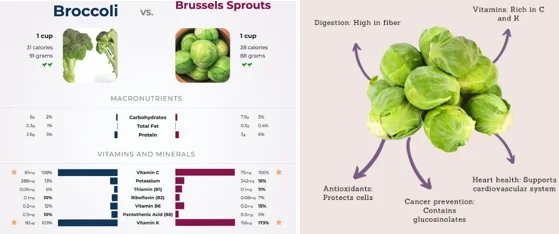
- Broccoli & Brussels sprouts – vitamin C + fiber; steam or roast. (MyPlate)
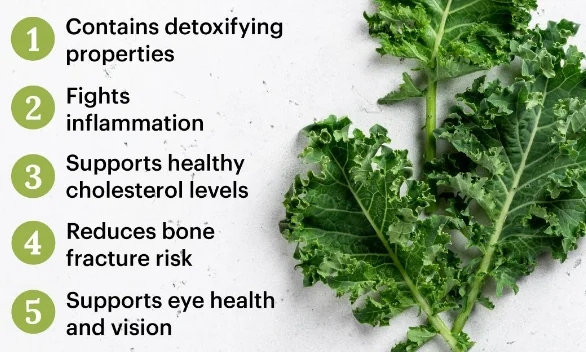
- Kale & other dark greens – vitamin C plus vitamin K (see warfarin note below). (MyPlate)
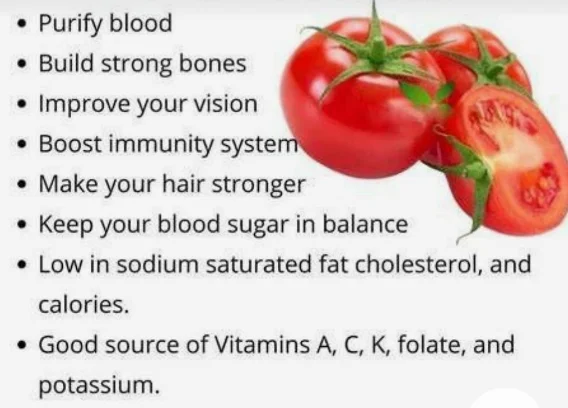
- Tomatoes – add to soups and grain bowls for an easy vitamin-C lift. (MyPlate)
Why vitamin C? It’s literally required for collagen synthesis and connective-tissue repair. (Office of Dietary Supplements)
Want fiber tips that won’t upset your stomach? See Best Gentle Constipation Relief for Seniors.
A practical reason these four vegetables made the list: they’re widely available, inexpensive, and forgiving in the kitchen. One medium red bell pepper provides well over 100% of the recommended daily vitamin C for most adults—more than an equivalent serving of orange juice—while also delivering fiber and antioxidants without the sugar load. Broccoli and Brussels sprouts add a second layer of benefit through sulfur compounds that support the body’s detoxification pathways, while kale’s vitamin K content (more on that in the safety section) works alongside its vitamin C to support bone and connective tissue health. Tomatoes round things out as an easy “stealth” addition—diced into soups, sauces, or grain bowls, they boost vitamin C intake without requiring a separate side dish. Rotating through these four rather than relying on just one helps ensure steady intake even on days when your appetite or grocery list varies.
Nitrate-rich greens and roots for leg circulation
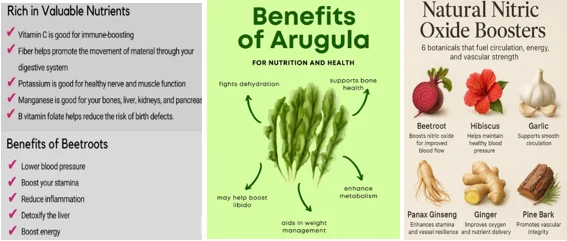
- Beets (roasted or grated, or beetroot juice) and leafy greens (spinach, arugula) supply dietary nitrate, which can be converted to nitric oxide and help vasodilation (vessel widening). Reviews and trials—including in older adults—report beneficial vascular and exercise effects. (PMC)
Prefer gentle caffeine options with your beet salad? Try Matcha Benefits for Older Adults.
Good circulation in the legs matters more than many people realize—it affects how quickly muscles recover after activity, how well wounds heal, and even how steady you feel when standing up quickly. Dietary nitrate works by being converted in the body to nitric oxide, a molecule that signals blood vessels to relax and widen, improving blood flow with less effort from the heart. A study published in the journal Nitric Oxide found that older adults who consumed beetroot juice before walking exercises were able to walk farther with less perceived effort than those who didn’t. For seniors managing reduced mobility or early circulation concerns, this is a meaningful, food-based way to support everyday movement. Roasting beets at home and keeping a container in the fridge for salads, or blending a handful of spinach into a morning smoothie, are both simple ways to make this a daily habit rather than an occasional treat.
Veggie nutrients that support muscle tone
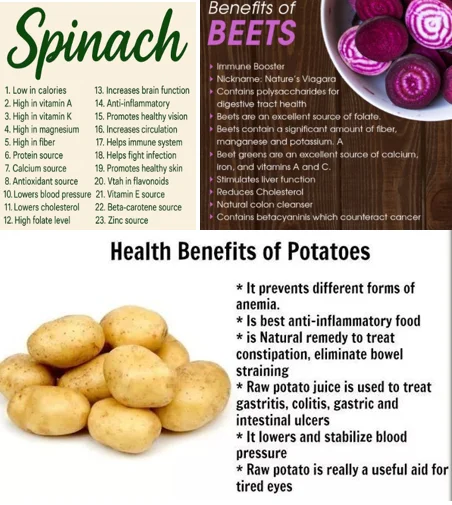
- Magnesium & potassium (spinach, beet greens, potatoes) support normal muscle contraction and recovery; pair with adequate protein across the day to maintain muscle. (MyPlate)
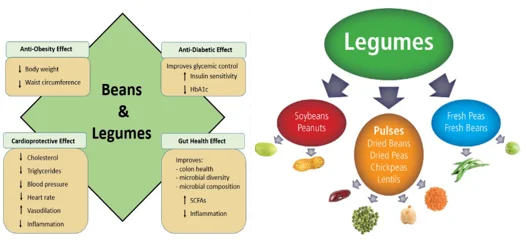
- Copper (from diverse foods, incl. some veg/legumes) is needed for lysyl oxidase, the enzyme that cross-links collagen and elastin. (PubMed)
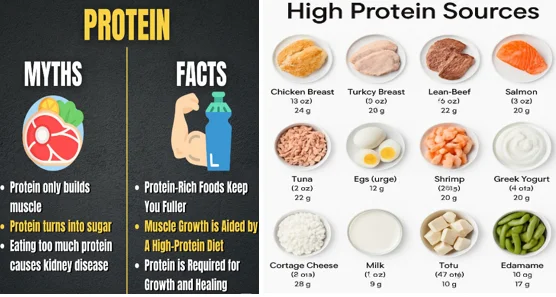
- Seniors generally do better when they spread protein during meals (your clinician/dietitian can individualize targets; many older adults land around 1.0–1.2 g/kg/day unless kidney disease). (ACL Administration for Community Living)
Muscle tone isn’t just about exercise—it depends on a steady supply of electrolytes and minerals that allow muscle fibers to contract and relax smoothly. Magnesium, in particular, plays a role in over 300 enzymatic reactions in the body, including those involved in energy production and muscle relaxation; low magnesium levels have been linked in research to muscle cramps and fatigue, both common complaints among older adults. Potassium works alongside sodium to regulate the electrical signals that trigger muscle contractions, and potatoes (especially with the skin on) are one of the most potassium-dense, budget-friendly foods available. Copper’s role is less talked about but equally important: without it, the enzyme lysyl oxidase can’t properly “stitch together” collagen and elastin fibers, which is part of what gives tendons and blood vessels their strength and elasticity. The takeaway is that a colorful, varied vegetable intake covers far more nutritional ground than any single “superfood” could.
Build a “leg-strong” plate (simple 3-step template)
- Half the plate: colorful veg
- Mix a vitamin-C vegetable (peppers, broccoli, kale) with a nitrate source (beets, spinach, arugula). (MyPlate)
- Quarter plate: protein
- Eggs, yogurt, tofu, fish, or chicken. Distribute protein at each meal for muscle support. (MyPlate)
- Quarter plate: whole grains or beans
- Barley, oats, or beans/lentils (count in the Vegetable Group subcategory—bonus fiber). (MyPlate)
Move most days: aim for walking + light strength/balance to keep legs strong and steady. (National Institute on Aging)
The beauty of this 3-step template is that it removes the guesswork from meal planning. Rather than tracking grams of individual nutrients, you simply build your plate around these proportions at most meals, and the vitamin C, nitrates, protein, and fiber tend to fall into place naturally. For breakfast, this might look like a vegetable omelet (peppers and spinach) with a side of berries and whole-grain toast. For dinner, roasted salmon with a broccoli-and-beet salad and a small portion of barley covers all three sections easily. The “move most days” piece matters just as much as the food—research from the National Institute on Aging shows that even short bouts of walking combined with simple strength exercises like sit-to-stands or wall push-ups can meaningfully improve leg strength and balance within a few months, especially when paired with the nutritional support described above.
Smart shopping & prep for seniors
- Buy frozen or canned (no-salt-added) veggies if fresh is pricey; nutrient profiles hold up well. (MyPlate)
- Roast beets on weekends; slice for salads all week.
- Steam or microwave broccoli briefly to keep texture and vitamin C.
- Blend a handful of spinach into soups; toss arugula on grain bowls for a nitrate boost. (PMC)
Bonus read: Best Foods for Body Detox (veggie-first strategies you’ll actually use)
For seniors on a fixed income or with limited mobility for frequent grocery trips, frozen and canned vegetables are not a “lesser” option—they’re often picked and processed at peak ripeness, which can mean comparable or even higher nutrient levels than produce that’s traveled long distances and sat on shelves for days. Batch-prepping is another practical strategy: roasting a tray of beets or a sheet pan of broccoli once or twice a week means a nutrient-dense side is always just a reheat away, reducing the temptation to skip vegetables on busy or low-energy days. If chopping fresh produce is difficult due to arthritis or hand strength issues, pre-washed, pre-cut bags of greens, baby carrots, or frozen stir-fry blends remove that barrier entirely while still delivering the same vitamin C and nitrate benefits discussed throughout this guide.
Safety notes & when to call your clinician
- Warfarin users: Keep vitamin-K intake consistent if you increase dark greens (kale, spinach, etc.); your clinic can guide you. (University of Iowa Health Care)
- Low blood pressure meds: Beet products can modestly lower BP; ask your clinician about timing and portion. (PMC)
- Red/pink urine after beets (beeturia) is usually harmless. If you notice severe leg cramps, chest pain, or black stools, seek care.
- New/worsening leg weakness, sudden swelling, or unexplained pain—call your clinician.
- For mobility and fall-prevention benefits, add strength + balance sessions weekly. (National Institute on Aging)
These safety notes exist because even healthy foods can interact with medications or signal something that needs medical attention. The warfarin and vitamin K interaction is one of the most common questions pharmacists hear from older adults—the goal is consistency, not avoidance, since a stable vitamin K intake allows your doctor to set an accurate warfarin dose. Beeturia (pink or red urine after eating beets) affects roughly 10-15% of people due to how their bodies process the pigment betalain, and it’s considered a harmless curiosity rather than a health concern. The more important safety message is the last bullet: sudden leg swelling, especially if it’s one-sided, new chest pain, or sudden weakness can be signs of blood clots, cardiovascular issues, or other conditions that need prompt evaluation—don’t attribute these symptoms to diet or aging without getting checked.
Q&A
1. Which vegetables help my body make collagen?
Peppers, broccoli, and kale for vitamin C, a must-have for collagen synthesis. (Office of Dietary Supplements)
2. What greens support blood flow in the legs?
Spinach and arugula (plus beets) supply dietary nitrate that supports nitric-oxide pathways. (PMC)
3. Do beets really help older adults walk or exercise longer?
Trials in older adults suggest beetroot nitrate can improve vascular and some functional measures. (PMC)
4. Best simple plate for leg strength?
Half colorful veg (vitamin-C + nitrate), a quarter protein, a quarter whole grains/beans. (MyPlate)
5. How often should I do strength work?
At least 2 days/week alongside moderate activity for muscle and balance. (National Institute on Aging)
6. Is frozen produce okay for collagen support?
Yes—frozen/canned (no-salt-added) veggies count toward the Vegetable Group. (MyPlate)
7. Do I need a supplement for collagen?
Start with vitamin-C vegetables and adequate protein; discuss supplements with your clinician. (Office of Dietary Supplements)
8. What if I’m on warfarin?
Keep vitamin-K intake consistent (kale, spinach). Don’t yo-yo greens without guidance. (University of Iowa Health Care)
9. Any copper foods for collagen cross-links?
A varied diet covers copper; it’s needed for lysyl oxidase that stabilizes collagen. (PubMed)
10. Quick breakfast idea?
Yogurt + berries + bell pepper-spinach omelet; coffee or tea as you like.
11. Are canned beets fine for circulation benefits?
Yes—check labels for added sugar/salt; the nitrate is from the beet itself. (PMC)
12. How much protein do older adults often aim for?
Many do well around 1.0–1.2 g/kg/day unless limited by kidney disease—ask your clinician. (ACL Administration for Community Living)
Trusted resources & further reading
- NIH ODS: Vitamin C—why your body needs it for collagen. (Office of Dietary Supplements)
- Mechanism: Vitamin C as a cofactor in collagen enzymes. (PMC)
- Nitrates & vascular function: Evidence review and older-adult trials. (PMC)
- USDA MyPlate: Vegetable subgroups & older-adult tips. (MyPlate)
- NIA & CDC-aligned guidance: Strength and balance for independence. (National Institute on Aging)
- Copper & collagen cross-linking: Lysyl oxidase background. (PubMed)
- Warfarin & vitamin K: Keep intake consistent when you add dark greens. (University of Iowa Health Care)
⚕️ Medical Disclaimer
The information provided on this page is for educational purposes only and is not intended as medical advice, diagnosis, or treatment. Always consult a qualified healthcare professional before making changes to your diet, starting any supplement, or if you have an existing medical condition. KeepFitQuote does not provide medical diagnoses or treatment recommendations. Read our full disclaimer.
Related Posts