
Simple, U.S.-friendly choices that support strength, steady energy, and easier movement—no fads.
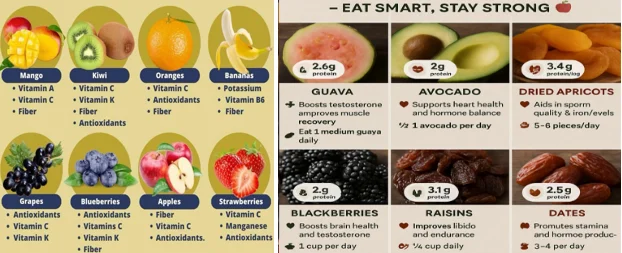
Why fruit matters for muscles after 60
After 60, muscles need three quiet helpers every day: potassium (for contraction and nerve signals), vitamin C (for collagen and connective tissues), and polyphenols (plant compounds tied to recovery and vascular health). U.S. guidelines also remind older adults to keep up with fluids—thirst cues can fade with age. MyPlate
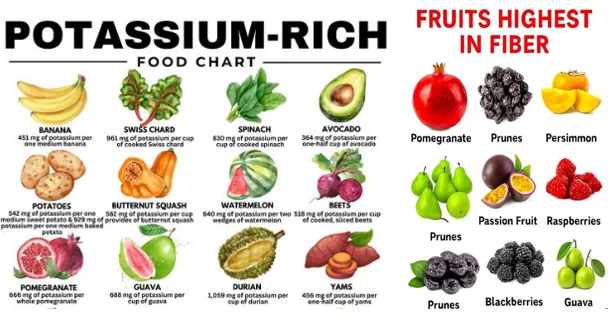
Big picture: fruit covers a lot of this in one move—potassium, fiber, vitamin C, water, and helpful plant compounds. See the USDA MyPlate fruit group for a quick refresher. MyPlate
It helps to understand why these particular nutrients matter so much in this decade of life. Muscle fibers contract through a carefully balanced exchange of sodium, potassium, and calcium ions across cell membranes—a process that becomes less efficient when potassium intake is low, which is common because many Americans eat far less than the recommended amount. The National Institutes of Health notes that adequate potassium intake is also linked to better blood pressure control and reduced strain on the cardiovascular system, both relevant for long-term mobility. Vitamin C’s role goes beyond immune support: it’s a required cofactor for the enzymes that stitch together collagen fibers, the structural protein found in tendons, ligaments, skin, and the cartilage that cushions joints. Without enough vitamin C, the body’s ability to repair and maintain these tissues slows down, which can show up as stiffer joints or slower healing after minor strains. Polyphenols—found in colorful fruits like berries and cherries—act as antioxidants that help protect blood vessel linings from the kind of oxidative stress that accumulates with age, supporting the circulation that delivers oxygen and nutrients to working muscles. Finally, hydration ties everything together: muscle tissue is roughly 75% water, and even mild dehydration can reduce strength and increase the perception of fatigue during everyday activities like climbing stairs or carrying groceries. Fruit, being naturally high in water content, offers a pleasant way to support hydration alongside drinking water itself.
Quick compare: 7 fruits for muscle support after 60
| Fruit | Main help | Easy way to use |
|---|---|---|
| Banana | Potassium for muscle contraction | On yogurt or oatmeal |
| Citrus or kiwi | Vitamin C for connective tissue | Salad or breakfast |
| Berries | Anthocyanins / everyday recovery | ½–1 cup on oats |
| Tart cherries | Pre-activity recovery support | Smoothie 3–5 days before busy week |
| Watermelon | Hydration + citrulline | After outdoor activity |
| Avocado | Potassium + fiber + healthy fats | Toast or salad |
| Prunes / grapes | Regularity + polyphenols | Grab-and-go with protein |
Food tips only — not medical advice. Ask your clinician about potassium if you have kidney disease or take certain blood-pressure medicines.
7 fruits that support strength & mobility
1) Banana (potassium for muscle contraction)
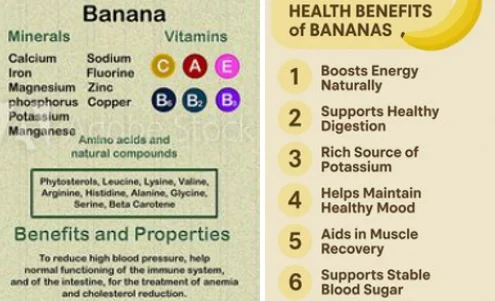
Why it helps: Potassium supports muscle contraction and nerve transmission; bananas are an easy, portable source. Office of Dietary Supplements
Try this: Slice a banana over Greek yogurt or oatmeal before a walk.
Heads-up: If you have kidney disease or take potassium-sparing meds, ask your clinician about daily potassium targets. Office of Dietary Supplements
A medium banana provides roughly 420 mg of potassium—about 9% of the often-cited 4,700 mg daily adequate intake for adults. What makes potassium especially important for older adults is its role in the sodium-potassium pump, a mechanism in every cell that maintains the electrical charge needed for nerves to fire and muscles to respond. When potassium runs low, people may notice muscle weakness, cramping, or a general sense of sluggishness during activity. A study published in the American Journal of Clinical Nutrition found that higher potassium intake was associated with greater muscle mass and lower rates of age-related muscle loss in older adults. Bananas also contain resistant starch when slightly underripe, which functions like fiber and supports gut health—an added bonus for digestion, which often slows with age. For seniors managing diabetes, it’s worth noting that a banana’s natural sugars are absorbed more slowly when the fruit is paired with protein, like the Greek yogurt suggested above. The “heads-up” about kidney disease and potassium-sparing diuretics (such as spironolactone) is an important one: these conditions reduce the body’s ability to clear excess potassium, and too much can affect heart rhythm—so a quick conversation with a doctor or pharmacist is worthwhile before making bananas a daily habit in those circumstances.
2) Citrus & Kiwi (vitamin C for connective tissue)
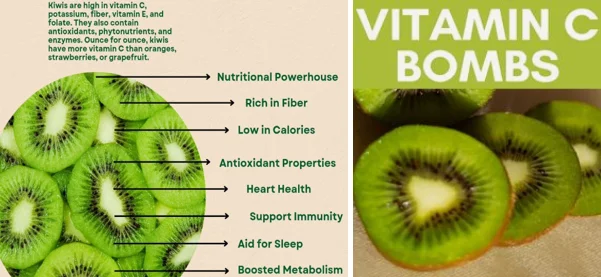
Why it helps: Vitamin C is required to make collagen, a backbone for tendons, ligaments, and joint cartilage. Oranges, grapefruit, and kiwi are simple ways to hit the mark. Office of Dietary Supplements
Try this: Citrus-spinach salad or a kiwi with breakfast (1 kiwi ≈ ~60 mg vitamin C per 100 g). My Food Data
Collagen makes up about a third of the body’s total protein and forms the structural framework of tendons, ligaments, skin, and the cartilage cushioning joints. Vitamin C is essential at a specific step in collagen synthesis—without it, the collagen molecules produced are weaker and less stable, a fact dramatically illustrated by scurvy, the historical disease caused by vitamin C deficiency that produced fragile connective tissue and bleeding gums. While severe deficiency is rare today, many older adults run on the lower end of adequate intake, particularly those who eat fewer fresh fruits and vegetables. Research published in Nutrients has linked adequate vitamin C intake with better physical function scores and reduced frailty risk in adults over 65. A medium orange provides about 70 mg of vitamin C, while a kiwi delivers a similar or higher amount in a smaller package—both comfortably meet the daily recommendation of 75-90 mg for most adults. For seniors recovering from a fall, surgery, or any soft-tissue injury, ensuring steady vitamin C intake alongside protein can support the body’s natural repair processes. One practical tip: vitamin C is water-soluble and sensitive to heat, so raw or lightly prepared citrus and kiwi retain more of their content than cooked versions—making a quick fruit salad or smoothie an efficient way to get the benefit.
3) Berries (anthocyanins & everyday recovery)
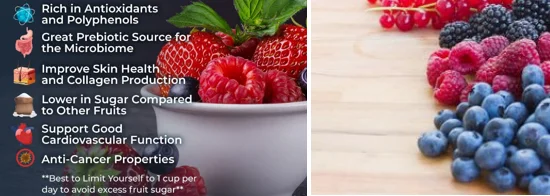
Why it helps: Blueberries, strawberries, and blackberries carry anthocyanins—color compounds linked with vascular health and healthy aging markers. Harvard Health
Try this: ½–1 cup on oatmeal or yogurt; frozen berries are budget-friendly and always ripe.
Anthocyanins are the pigments responsible for the deep blue, purple, and red colors in berries, and they belong to a broader family of plant compounds called flavonoids. What makes them particularly relevant for seniors is their effect on the cells lining blood vessels (the endothelium): research published in the American Journal of Clinical Nutrition found that regular berry consumption improved markers of vascular function and was associated with a measurably lower risk of cardiovascular events over long-term follow-up. Better vascular health translates directly into better circulation to muscles, which supports endurance during everyday activities like walking or climbing stairs. Berries are also among the lower-sugar fruit options, making them a popular choice for people watching blood sugar, and their fiber content—particularly in raspberries and blackberries—supports digestive health. The “frozen berries are budget-friendly” tip is worth taking seriously: frozen berries are typically picked and flash-frozen at peak ripeness, which can mean they retain comparable or even higher levels of anthocyanins than fresh berries that have traveled and sat on shelves. For seniors on a fixed budget, a bag of frozen mixed berries kept in the freezer is a practical way to add this benefit to breakfast year-round without worrying about spoilage.
4) Tart Cherries (pre-exercise recovery support)
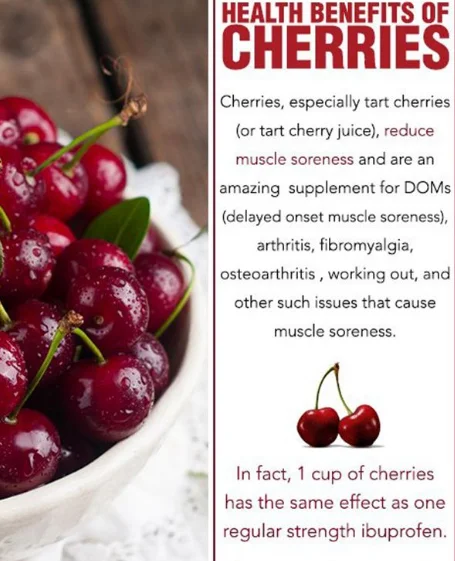
Why it helps: Small trials suggest tart cherry (rich in anthocyanins) can support faster recovery when consumed for several days before activity; effects are clearest in trained folks, but the approach is food-first and senior-friendly when using whole cherries. PMC
Try this: Add frozen tart cherries to a smoothie 3–5 days before a busier week of gardening or walking. (Juice is higher in sugar; whole fruit adds fiber.)
Tart cherries, particularly the Montmorency variety, have been studied for their unusually high concentration of anthocyanins and other anti-inflammatory compounds. The proposed mechanism is that these compounds help reduce the muscle soreness and inflammation that follow unaccustomed physical activity—relevant for seniors who might take on a more demanding task like a long day of yard work, a hike, or helping a family member move furniture. A review in the Journal of the International Society of Sports Nutrition found that consuming tart cherry concentrate in the days surrounding intense activity was associated with reduced markers of muscle damage and faster return to normal strength. While most research uses concentrated juice and focuses on athletes, the underlying anti-inflammatory compounds are present in whole cherries too, just in a more dilute form—meaning the effect may be gentler but comes packaged with fiber and fewer concentrated sugars. There’s also preliminary research suggesting tart cherries may support sleep quality due to their natural melatonin content, which could be a pleasant secondary benefit for seniors who struggle with rest. As with any new food added in larger amounts, those on blood thinners should be aware that very high intakes of dark berries and cherries have a mild theoretical interaction, though typical food-level amounts are not generally a concern—if in doubt, mentioning dietary changes at a regular check-up is a simple precaution.
5) Watermelon (hydration + citrulline)
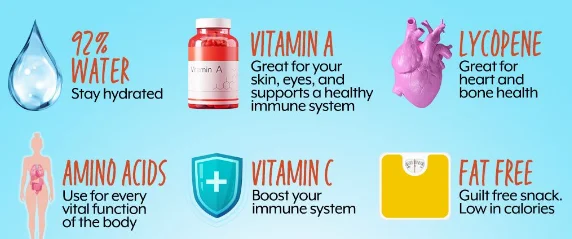
Why it helps: Watermelon is about 92% water, handy when thirst is dull. It also contains L-citrulline, studied for blood-flow and post-exercise comfort. Mayo Clinic Health System
Try this: Blend seedless watermelon with a squeeze of lime; sip after outdoor activity.
The sensation of thirst is regulated by signals from the brain that respond to blood concentration and volume—but research has shown that this signaling becomes less sensitive with age, meaning older adults can be meaningfully dehydrated before they feel thirsty at all. This is one reason dehydration-related hospital visits are disproportionately common among seniors, especially during hot weather. Watermelon’s high water content makes it an appealing way to support fluid intake without relying solely on the sensation of thirst as a cue. L-citrulline, an amino acid concentrated in watermelon (especially the white rind, which is also edible), is converted in the body to L-arginine, a building block for nitric oxide—the same molecule that helps blood vessels relax and widen, improving blood flow to muscles. A study in the Journal of Agricultural and Food Chemistry found that watermelon juice consumption reduced muscle soreness after exercise, an effect attributed in part to citrulline. For seniors, the practical takeaway is that a cup of watermelon after a walk, gardening session, or any warm-weather activity offers a refreshing two-for-one: fluid replacement and a modest circulation-supporting compound, all wrapped in a low-calorie, naturally sweet package that’s easy to chew and digest even for those with dental concerns.
6) Avocado (potassium + fiber + healthy fats)
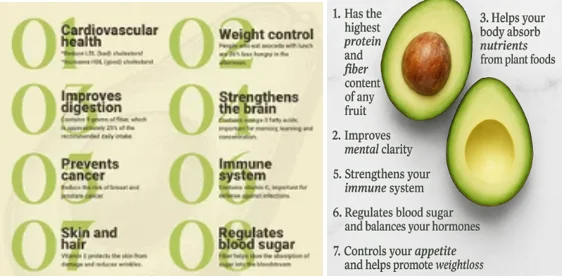
Why it helps: Avocado is technically a fruit—and a rich, creamy way to add potassium, fiber, and heart-healthy fats to meals. SNAP-Ed Connection
Try this: Whole-grain toast with mashed avocado and sliced tomatoes as a satisfying lunch.
Avocado stands out among fruits for its nutrient combination: roughly 975 mg of potassium per whole fruit—more than a medium banana—plus around 10 grams of fiber and a profile of monounsaturated fats similar to olive oil. The monounsaturated fats in avocado have been studied for their role in supporting healthy cholesterol levels, which matters for the blood vessels that supply muscles and the brain. A study published in the Journal of the American Heart Association found that regular avocado consumption was associated with a lower risk of cardiovascular events compared to minimal consumption. For seniors managing appetite changes—a common issue with aging, sometimes related to medications or reduced sense of taste and smell—avocado’s creamy texture and mild flavor can make nutrient-dense food more appealing when other options feel unappetizing. Its fiber content also supports digestive regularity, complementing the role of prunes discussed next. A practical portion is about a quarter to half of a medium avocado per serving, which provides meaningful nutrition without excessive calories—important for seniors balancing weight management with adequate nutrient intake. For those who find whole avocado too rich, even a thin layer mashed onto toast or stirred into a salad dressing delivers much of the benefit.
7) Prunes & Grapes (regularity, polyphenols, easy snacks)
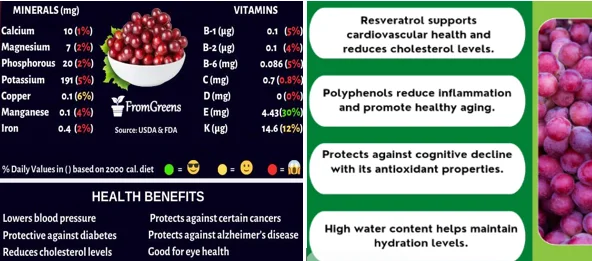
Why they help: Prunes support regularity (fiber + sorbitol), and grapes deliver polyphenols like resveratrol; both are grab-and-go snacks that pair well with protein. For serving sizes and nutrient specifics, use USDA FoodData Central as your quick lookup. FoodData Central
Digestive regularity becomes a more common concern with age, partly due to slower gut motility, reduced physical activity, and certain medications that list constipation as a side effect. Prunes are one of the most well-studied natural remedies for this: they contain both soluble fiber and sorbitol, a natural sugar alcohol that draws water into the intestines and softens stool. A study published in the Alimentary Pharmacology & Therapeutics journal found that prunes were more effective than a common fiber supplement (psyllium) for improving stool frequency and consistency in adults with mild constipation. A serving of three to four prunes daily is a commonly studied amount, and unlike some laxatives, prunes provide this benefit alongside potassium, vitamin K, and antioxidants. Grapes, meanwhile, are a convenient source of resveratrol and other polyphenols that have been studied for their potential role in supporting healthy aging of blood vessels and reducing oxidative stress—though most research uses concentrated extracts rather than whole-fruit amounts, so think of grapes as a pleasant complementary choice rather than a primary therapeutic source. Both fruits travel well, require no preparation, and pair naturally with a handful of nuts or a piece of cheese for a balanced snack that won’t cause the blood sugar spike that more processed snacks might.
Smart pairings for stronger meals
- Fruit + protein: Banana + Greek yogurt; berries + cottage cheese; orange + handful of almonds.
- Fruit + whole grains: Kiwi + overnight oats; prunes folded into barley pilaf.
- Fruit + hydration: Watermelon cubes with a glass of water (easy 2-for-1 on fluids).
- Gentle, senior-friendly keywords to weave in naturally: “fruits to support muscle strength after 60,” “daily fruit snacks for senior mobility,” “potassium-rich fruit for muscle function.”
The idea behind these pairings is a concept nutritionists call “nutrient synergy”—certain nutrients work better, or are absorbed more efficiently, when consumed together. Pairing fruit with protein, for example, doesn’t just add staying power; it also slows the absorption of the fruit’s natural sugars, which helps avoid the rapid rise-and-fall blood sugar pattern that can leave some people feeling shaky or fatigued an hour or two after eating. Pairing fruit with whole grains adds another layer of fiber, which supports both digestive health and a feeling of fullness that can help with weight management—a relevant consideration since maintaining a healthy weight reduces strain on joints during walking and standing. The fruit-plus-hydration pairing addresses a subtle but common issue: many seniors associate “drinking enough water” with a chore, but pairing a naturally hydrating fruit like watermelon with an actual glass of water creates a habit that reinforces itself, since the fruit makes the water feel like part of a treat rather than a task. For anyone building a grocery list around these ideas, a simple approach is to keep at least one item from each of the seven fruit categories on hand at a time—frozen berries, a bag of oranges or kiwis, bananas, an avocado or two, grapes, and prunes—so that a beneficial pairing is always within reach without extra trips to the store.
Hydration, timing, and safety for seniors
- Hydration first: Older adults can miss thirst cues—make fruit an easy hydration add-on and keep a water bottle handy. MyPlate
- Before activity: A light fruit snack 30–90 minutes pre-walk sits well for most people (banana, orange, or berries + yogurt).
- Check your meds: If you take ACE inhibitors, ARBs, potassium-sparing diuretics, or have kidney issues, confirm potassium goals with your clinician. Office of Dietary Supplements
- Diabetes note: Whole fruit (with fiber) generally beats juice; balance portions with protein or fat for steadier energy. See MyPlate—Older Adults tips. MyPlate
These four points work together as a practical safety framework rather than a list of restrictions. The timing guidance—30 to 90 minutes before activity—is rooted in basic digestion physiology: fruit’s natural sugars are absorbed relatively quickly, providing a gentle energy boost without the heaviness of a large meal, which could cause discomfort during a walk or light exercise. The medication note deserves particular attention because several very common prescriptions for blood pressure and heart conditions—including ACE inhibitors like lisinopril, ARBs like losartan, and potassium-sparing diuretics like spironolactone—work by helping the body retain more potassium than it otherwise would. Combined with potassium-rich fruits like bananas, avocados, oranges, and especially dried fruits like prunes (which are very concentrated), this can occasionally push potassium levels higher than ideal, a condition called hyperkalemia that can affect heart rhythm in more severe cases. This isn’t a reason to avoid these fruits—it’s a reason to have a one-time conversation with a doctor or pharmacist about whether blood potassium levels are periodically checked and whether the current diet fits comfortably within that picture. For the diabetes note, the key distinction is between whole fruit and fruit juice: juice removes the fiber that slows sugar absorption and concentrates the natural sugar from multiple pieces of fruit into one glass, producing a much sharper blood sugar response than eating the fruit itself.
FAQs
1) What fruits help muscle function after 60?
Banana (potassium), citrus/kiwi (vitamin C), berries and tart cherries (anthocyanins), watermelon (hydration + citrulline), avocado (potassium + fiber). Mayo Clinic Health System, Office of Dietary Supplements
2) Are bananas good for leg cramps?
Potassium supports muscle and nerve function; whether it fixes cramps depends on your overall diet and health. Office of Dietary Supplements
3) Tart cherry juice or whole cherries—which is better?
Studies often use juice before strenuous activity, but whole cherries add fiber and less added sugar. Evidence is stronger in athletes; seniors can still enjoy cherries as part of meals. PMC
4) Do berries really aid recovery?
Berries supply anthocyanins tied to vascular and recovery markers in research; they’re also versatile and low-effort. Harvard Health
5) Is watermelon a good hydration strategy?
Yes—about 92% water plus vitamins; still drink water alongside. Mayo Clinic Health System
6) Which fruit gives the most vitamin C per bite?
Kiwi is a heavy hitter; citrus is reliable and widely available. My Food Data
7) Are avocados “too fatty” for seniors?
They’re a fruit with heart-healthy fats, potassium, and fiber—great when portioned (¼–½ fruit). SNAP-Ed Connection
8) How much fruit per day for older adults?
MyPlate suggests fruit and vegetables across meals—check the older-adult page for easy serving ideas and hydration tips. MyPlate
9) Should I avoid fruit if I have diabetes?
Not necessarily. Whole fruit with fiber can fit—pair with protein/fat and mind portions; limit juice. MyPlate
10) I’m on blood-pressure pills—anything to watch?
Some meds affect potassium balance; speak with your clinician about daily targets (especially with bananas, avocado, dried fruit). Office of Dietary Supplements
11) What’s the simplest “fruit + strength” breakfast?
Overnight oats + berries/kiwi, or yogurt + banana—fast, inexpensive, and balanced.
12) What if fruit causes bloating?
Start small, choose ripe fruit, and pair with protein; keep a food journal to spot triggers.
Related reads on KeepFitQuote
Best Collagen-Boosting Foods
Matcha Benefits for Older Adults
Helpful outbound reads (embed naturally)
- NIH ODS — Potassium (consumer): muscle contraction & nerve function. Office of Dietary Supplements
- NIH ODS — Vitamin C (health pros): collagen and connective tissue. Office of Dietary Supplements
- USDA MyPlate — Fruits & Older Adults: servings, hydration reminders. MyPlate
- Harvard Health/Nutrition Source —
Berries & antioxidants: anthocyanin overview. Harvard Health - Mayo Clinic Health System — Watermelon & hydration: 92% water note. Mayo Clinic Health System
- Systematic reviews — Tart cherry & recovery: what the evidence shows (and doesn’t). PMC
Related reading: Learn what to eat to gain muscle after 60 and how to prevent sarcopenia in older adults.
Kitchen safety note: For safe storage of oil-based foods, review our garlic-in-oil safety guide.
⚕️ Medical Disclaimer
The information provided on this page is for educational purposes only and is not intended as medical advice, diagnosis, or treatment. Always consult a qualified healthcare professional before making changes to your diet, starting any supplement, or if you have an existing medical condition. KeepFitQuote does not provide medical diagnoses or treatment recommendations. Read our full disclaimer.
Related Posts




I have been absent for some time, but now I remember why I used to love this blog. Thanks, I will try and check back more frequently. How frequently you update your site?