Iron is a vital nutrient that plays a crucial role in maintaining overall health and well-being. It is essential for producing hemoglobin, a protein in red blood cells responsible for transporting oxygen throughout the body. A deficiency in iron can lead to various health issues, including anemia, fatigue, and decreased immunity.
For adults over 50, iron deserves special attention because the body’s ability to absorb and use iron can shift with age, and many common medications, including those for acid reflux and blood pressure, can affect how well iron is absorbed from food. According to the National Institutes of Health, men over 50 and postmenopausal women generally need about 8 milligrams of iron per day, less than younger menstruating women, but deficiency remains surprisingly common in this group due to reduced stomach acid production, certain medications, and chronic conditions like kidney disease or inflammatory bowel disease that affect absorption. Iron deficiency in older adults is also frequently linked to internal bleeding, such as from ulcers or polyps, so unexplained low iron levels should always prompt a conversation with a doctor rather than simply increasing dietary iron on your own.
The Importance of Iron in the Body
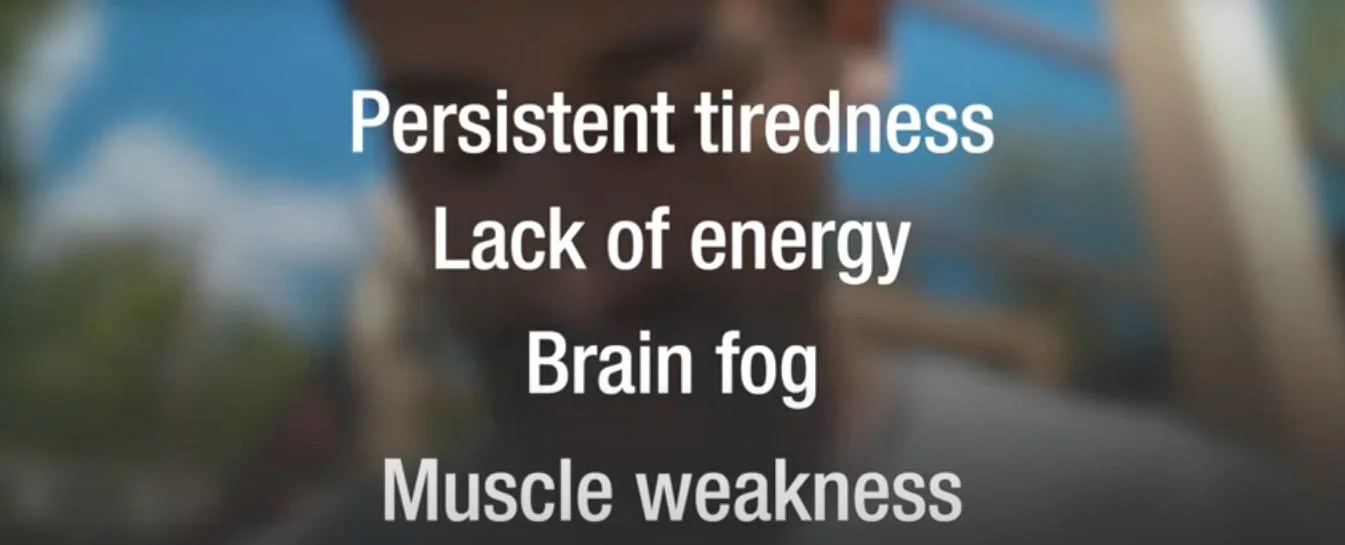
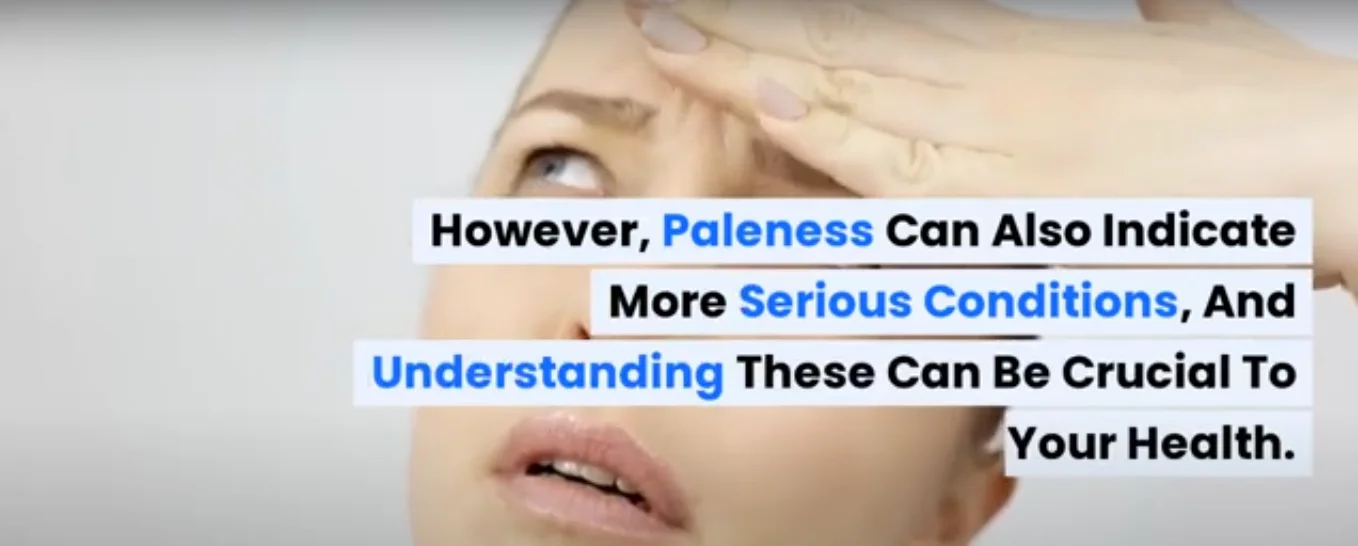
Iron is not only crucial for oxygen transport but also supports brain function, muscle strength, and energy production. It is especially important for women, children, and pregnant individuals, as they have higher iron requirements. During pregnancy, normal hemoglobin levels are vital for both maternal health and fetal development. A diet rich in iron helps maintain healthy hemoglobin levels, preventing symptoms such as fatigue, weakness, and pale skin.

From a biological standpoint, iron is a core building block of hemoglobin, the protein that grabs oxygen in the lungs and releases it to tissues throughout the body, including muscles, the brain, and the heart. Iron is also a key component of myoglobin, a related protein that stores oxygen within muscle cells for quick energy use, which is part of why low iron so often shows up as muscle weakness or feeling unusually winded during everyday activities like climbing stairs. Iron additionally plays a role in immune function, supporting the activity of white blood cells, and in cognitive processes, since the brain is one of the most oxygen-demanding organs in the body. Research published in the journal Nutrients has linked even mild iron deficiency, without full-blown anemia, to reduced concentration, slower reaction times, and increased fatigue, underscoring why maintaining adequate iron status matters for daily functioning, not just for avoiding a diagnosis of anemia.
Signs of Iron Deficiency
Common symptoms of iron deficiency include:
- Fatigue and lack of energy
- Pale skin
- Shortness of breath

- Dizziness

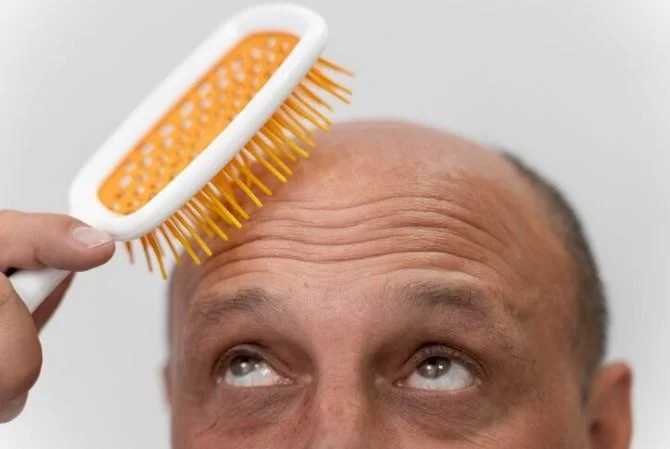
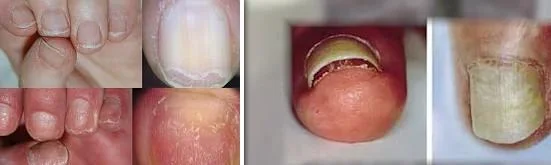
- Brittle nails and hair loss
- Low hemoglobin levels in blood tests
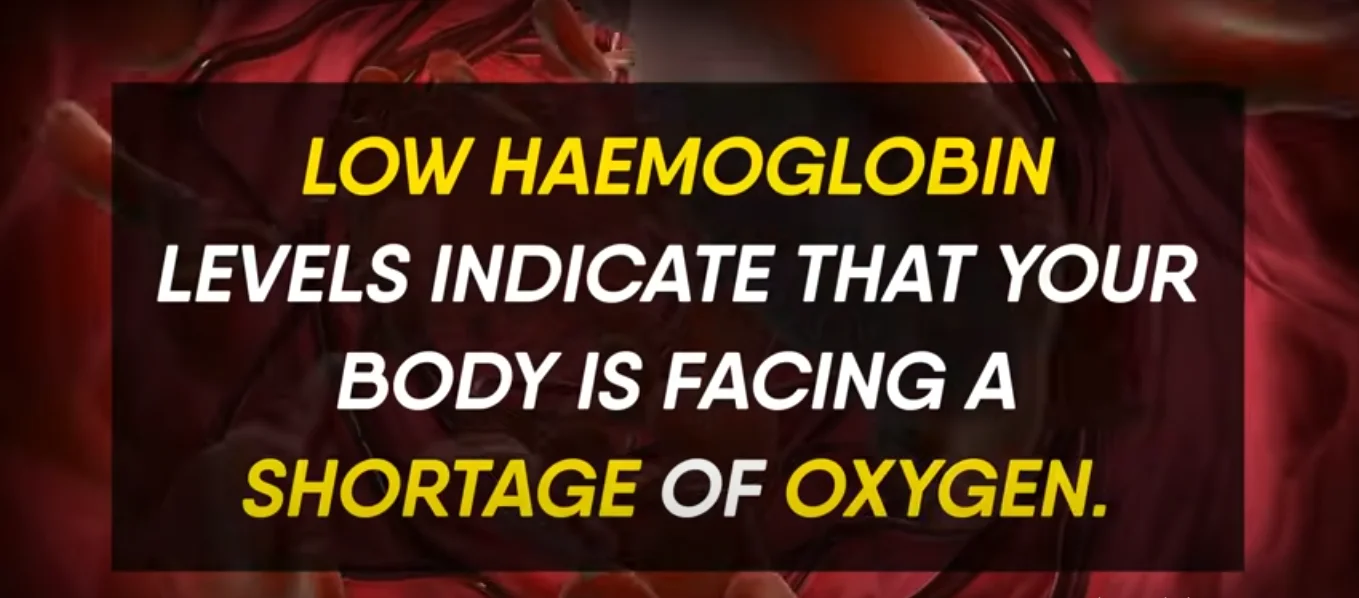
These symptoms can indicate anemia, a condition caused by insufficient iron levels in the body.
For people over 50, some of these signs can be easy to dismiss as “just getting older”, feeling more tired than usual, getting winded faster, or noticing thinner hair. But because iron deficiency anemia develops gradually, the body often adapts in ways that mask how serious the underlying drop in oxygen-carrying capacity has become. According to the Mayo Clinic, other signs worth watching for include unusual cravings for non-food items like ice or starch (a condition called pica), a sore or unusually smooth tongue, restless legs at night, and cold hands and feet. A simple blood test, typically a complete blood count along with ferritin levels, can confirm whether fatigue or other symptoms are related to iron status. Because some of these symptoms overlap with other conditions common after 50, such as thyroid disorders or heart and lung issues, it’s important not to self-diagnose and instead discuss persistent symptoms with a healthcare provider.
Top Sources of Iron for the Body
Consuming iron-rich foods is the most effective way to prevent or treat iron deficiency. Here’s a list of the best dietary sources of iron:
There are two types of dietary iron worth understanding: heme iron, found in animal foods like meat, poultry, and fish, which the body absorbs relatively efficiently (typically 15-35%), and non-heme iron, found in plant foods like beans, lentils, and leafy greens, which is absorbed less efficiently (roughly 2-20%) but can be boosted significantly by pairing it with vitamin C. This is why a squeeze of lemon juice on spinach or a side of bell peppers with a lentil dish isn’t just a flavor choice, it’s a practical way to get more usable iron from plant-based meals, which is especially helpful for older adults who are eating less red meat for heart health reasons.
Iron-Rich Foods
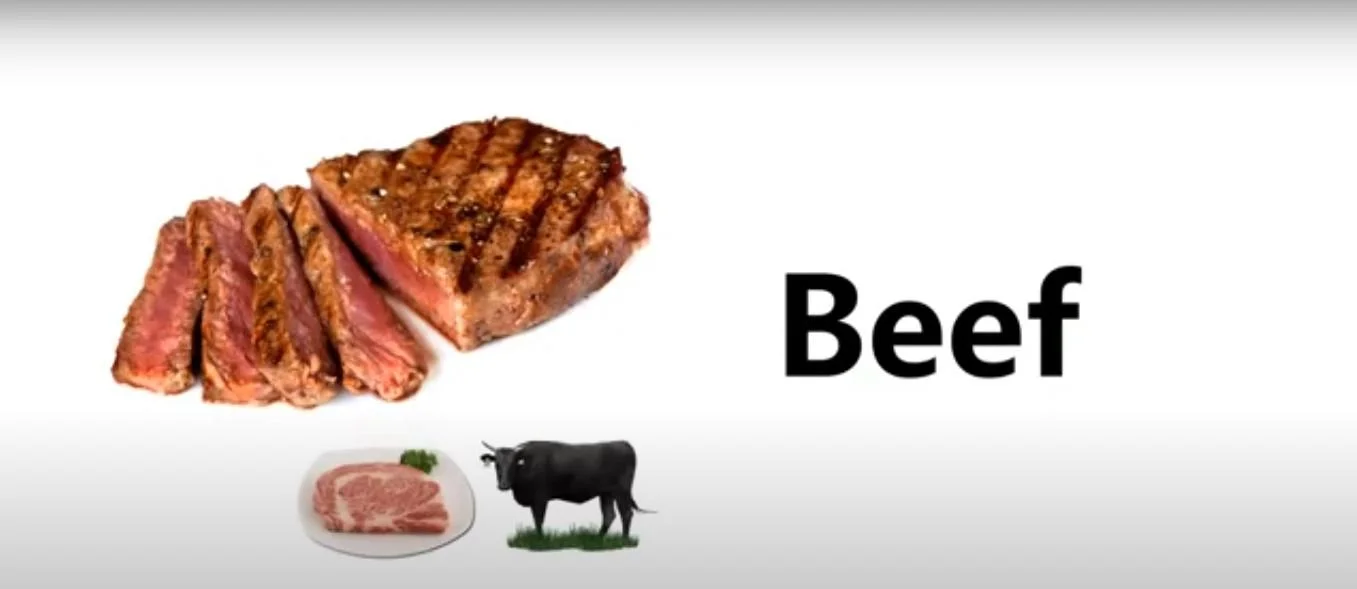
- Meat and Poultry: Beef, liver, turkey, and chicken are excellent sources of heme iron, which is easily absorbed by the body.

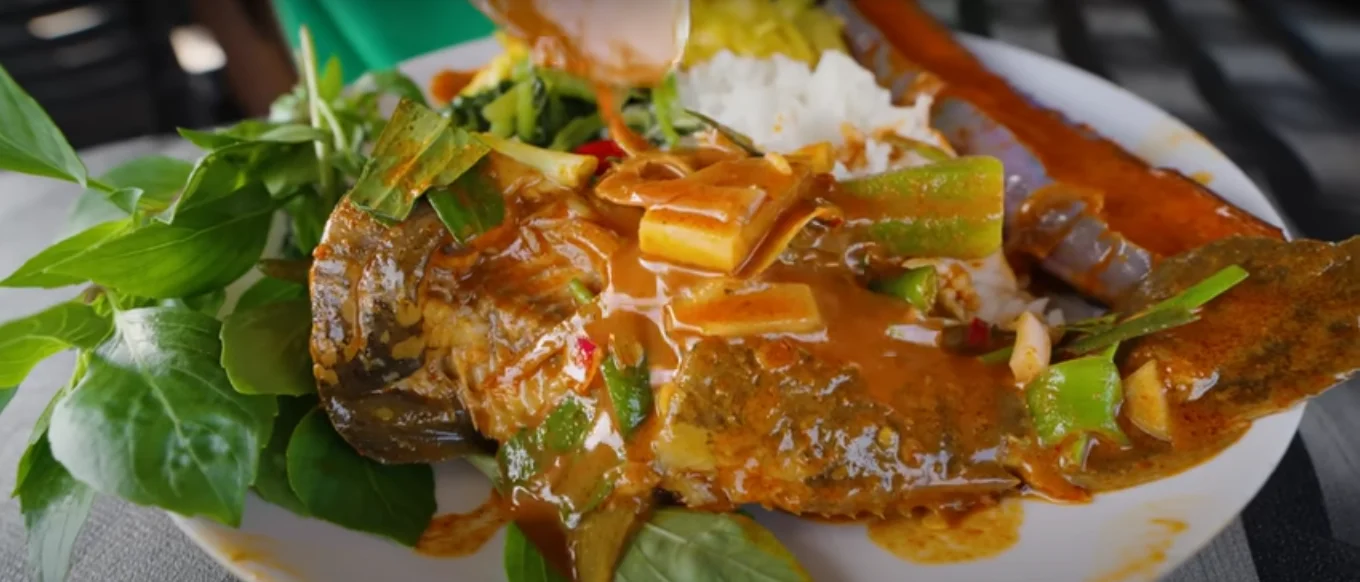
- Seafood: Oysters, clams, and fish like salmon and tuna are rich in iron.
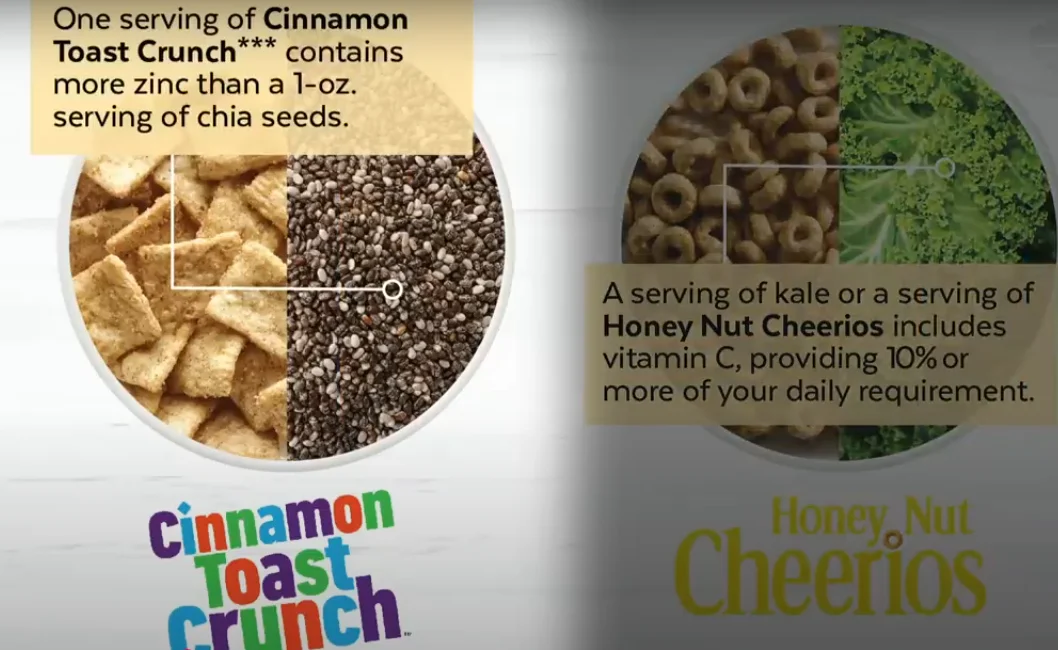
- Fortified Cereals: Many breakfast cereals are fortified with iron, making them a good option for boosting hemoglobin levels.
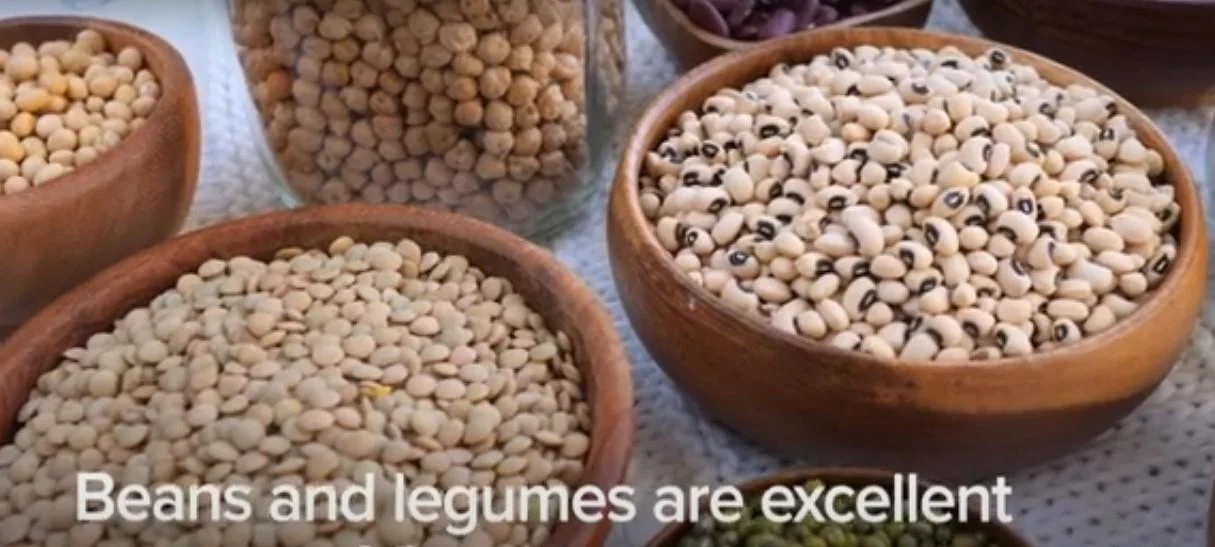
- Legumes: Lentils, chickpeas, and beans are great sources of non-heme iron.
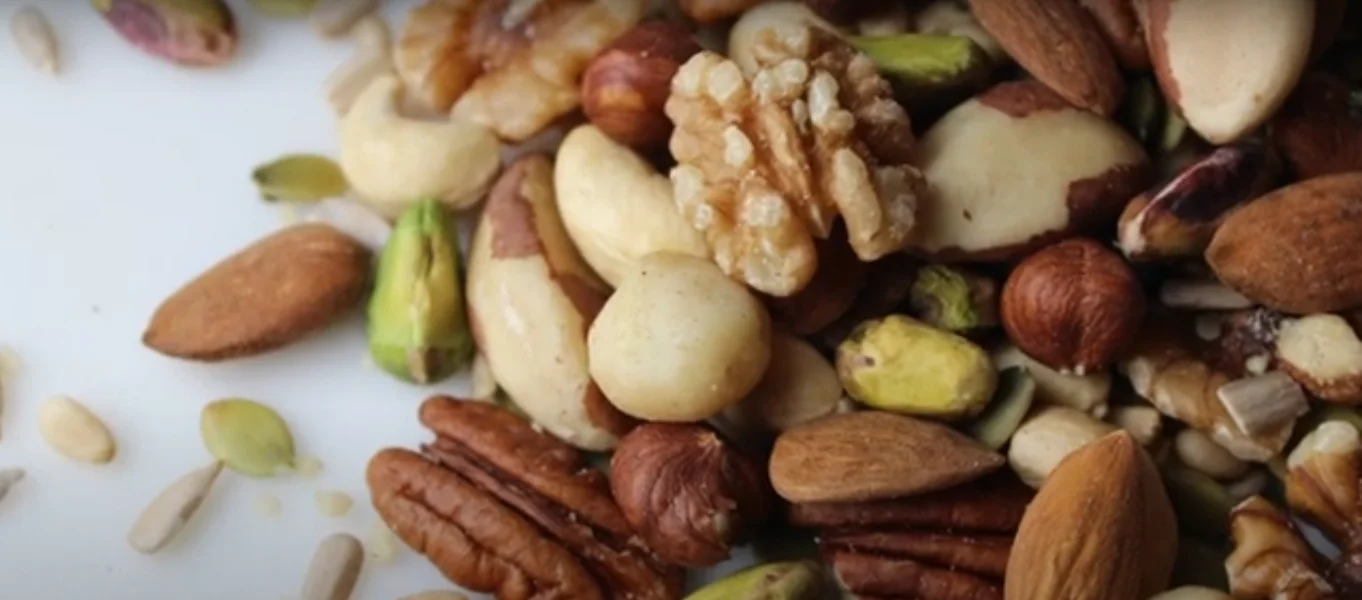
- Nuts and Seeds: Pumpkin seeds, sunflower seeds, and cashews are iron-enriched foods.
Iron-Rich Vegetables
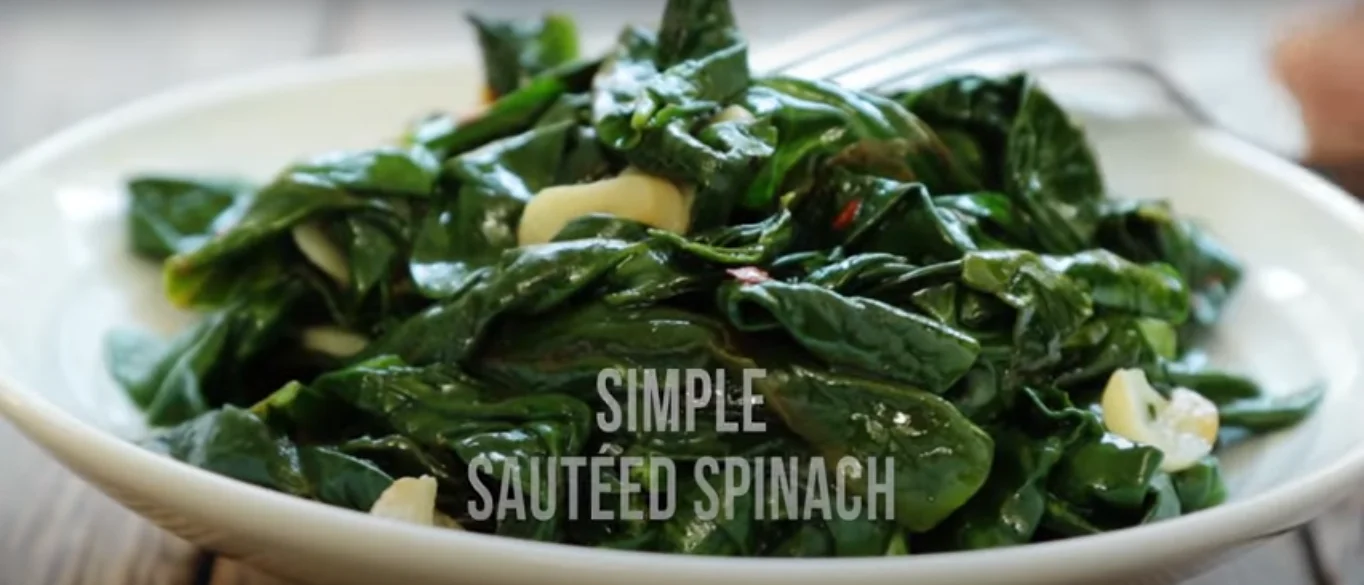
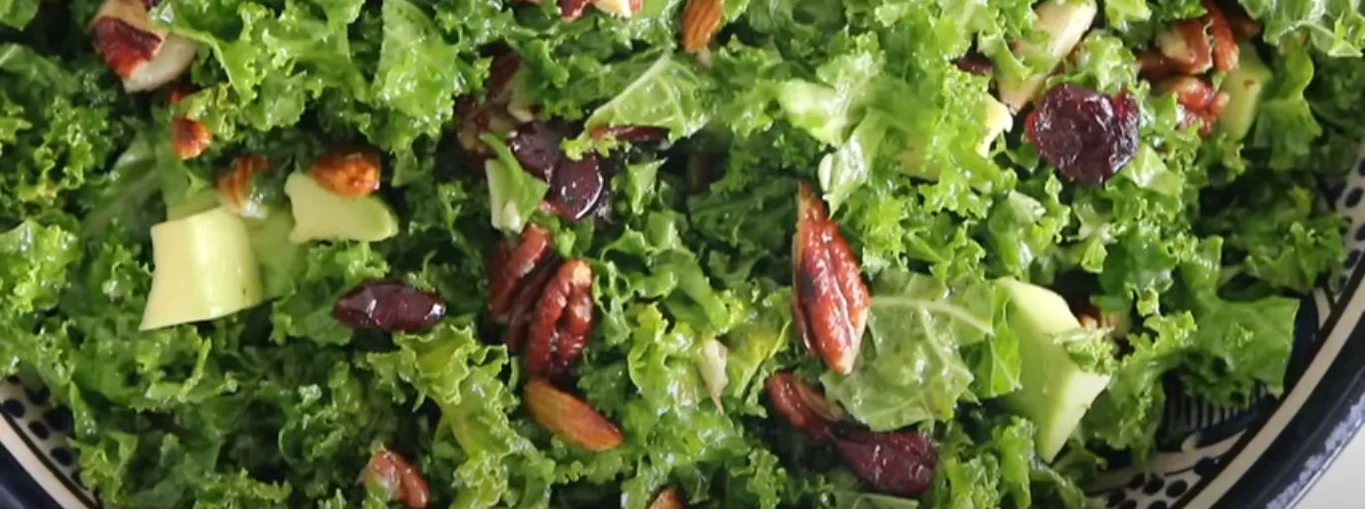
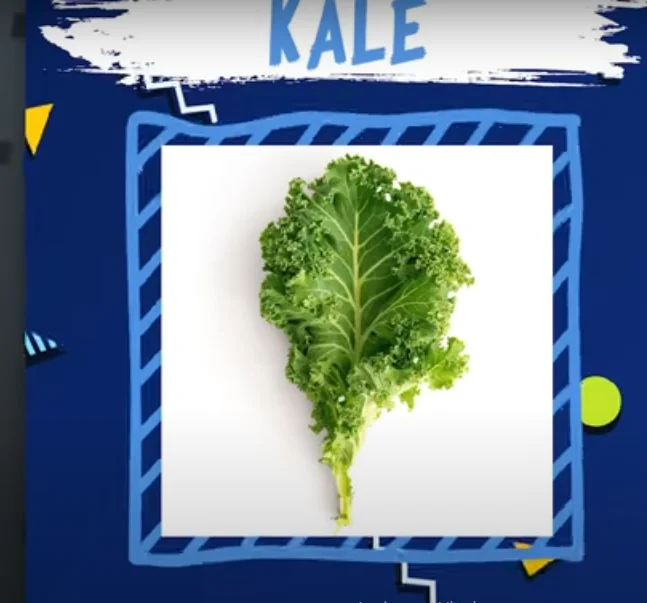
- Spinach, kale, and Swiss chard are iron-rich vegetables ideal for an iron-deficient diet.
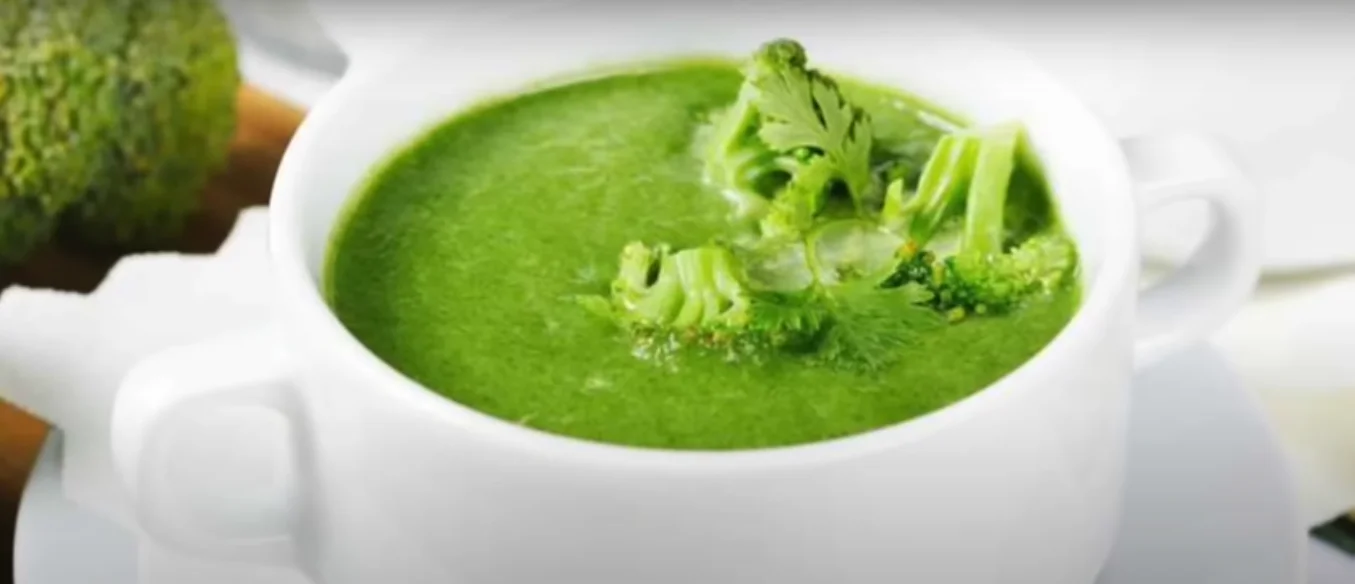
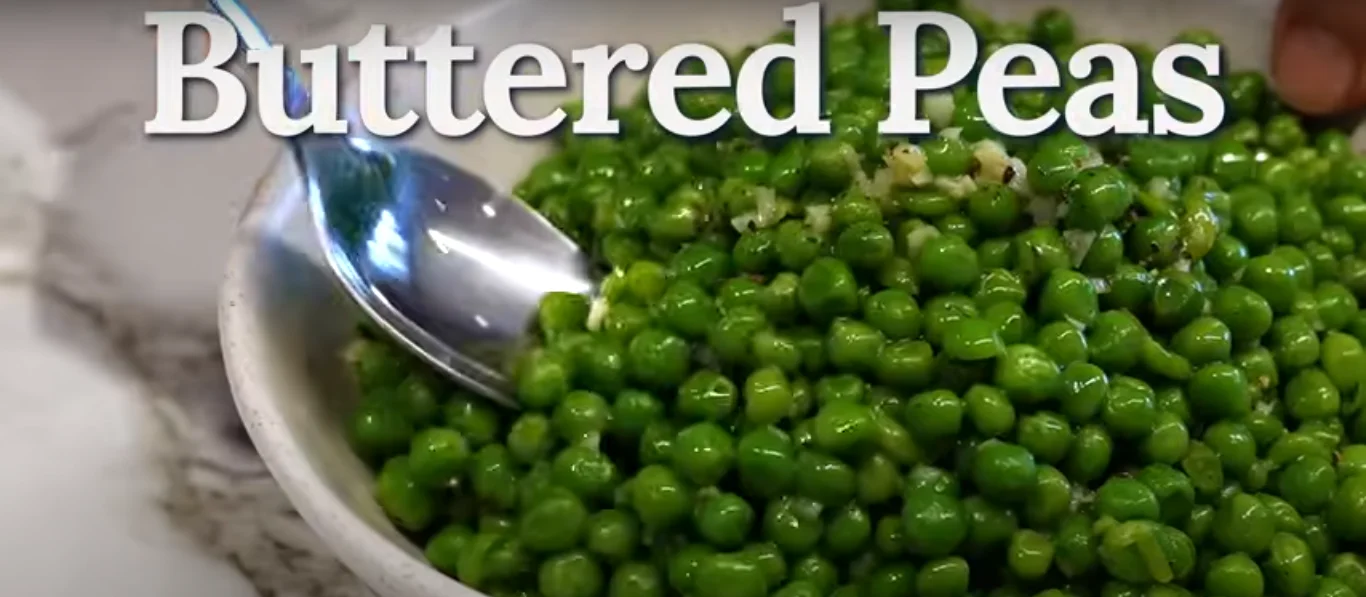
- Broccoli and peas also contain iron and vitamin C, which helps improve iron absorption.
Iron-Rich Fruits
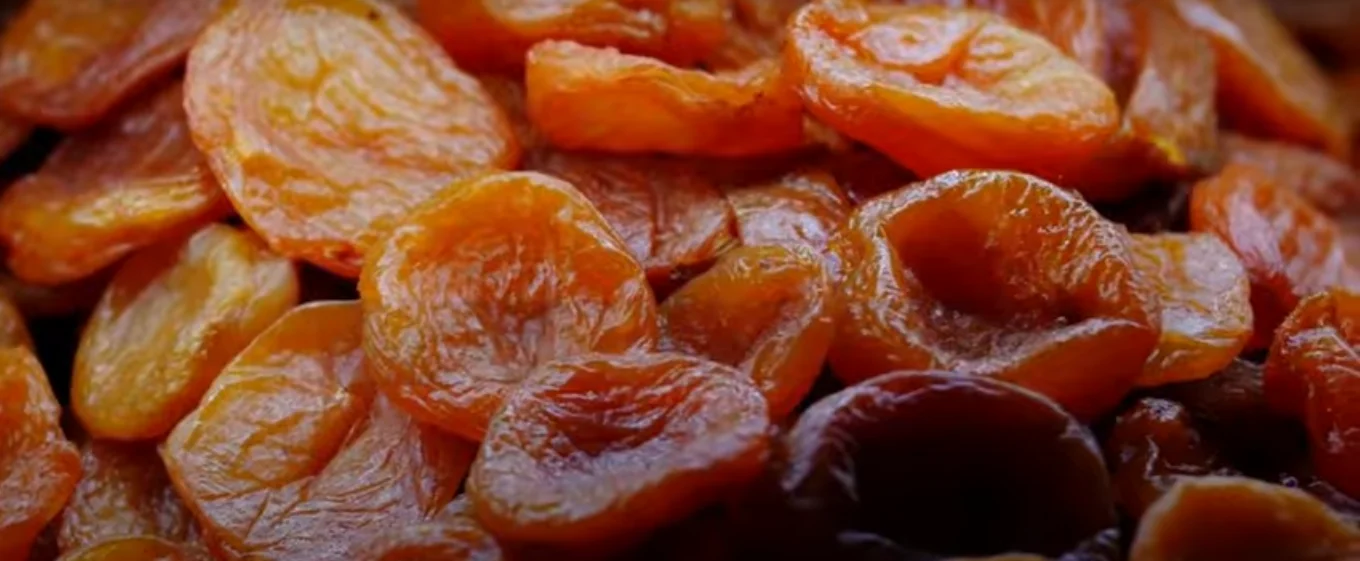
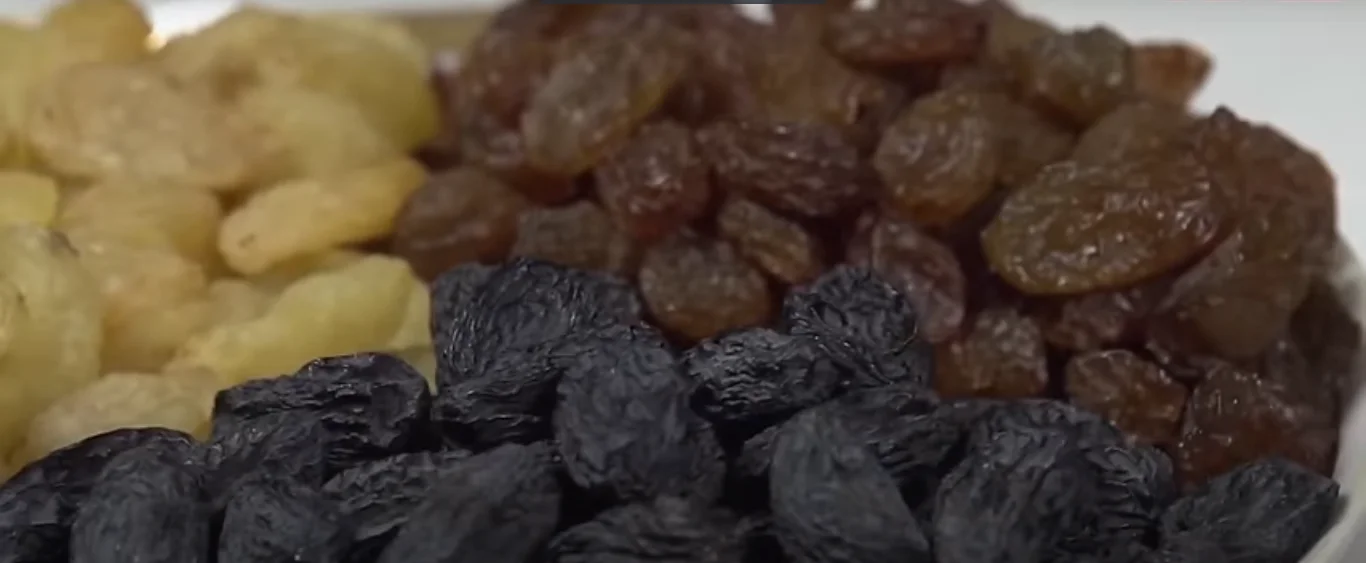
- Dried fruits like apricots, raisins, and prunes are packed with iron.
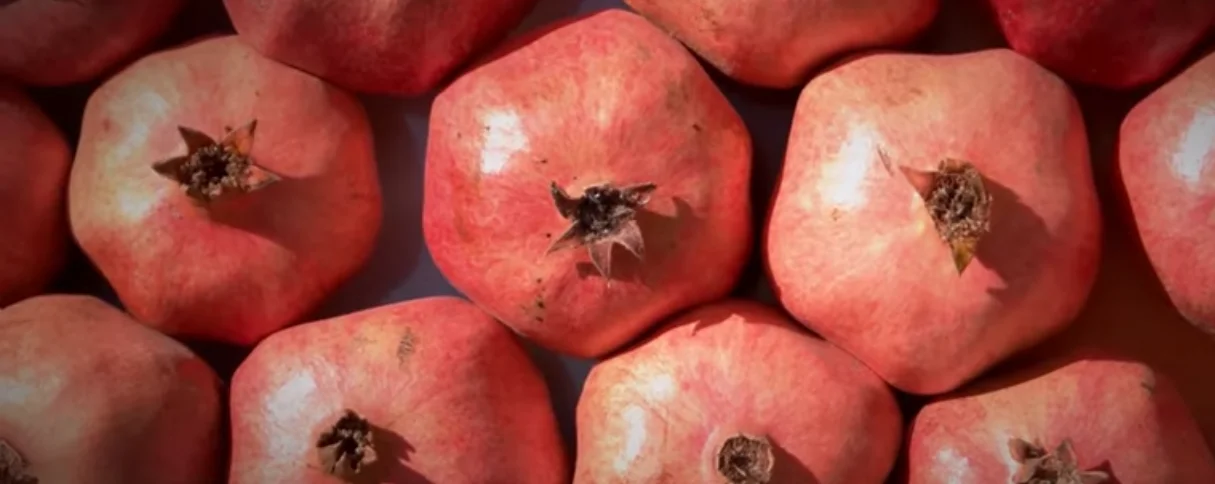
- Fruits like pomegranates and dates are excellent for improving hemoglobin levels.
Best Foods for Anemia
- A combination of iron-rich foods for anemia, such as red meat, spinach, and fortified cereals, can significantly improve iron levels.
- Pairing these foods with vitamin C sources like citrus fruits can further enhance absorption.
Diet Tips for Increasing Iron Levels
To ensure your body gets enough iron, follow these dietary tips:
- Include foods high in iron, like leafy greens, in your daily meals.
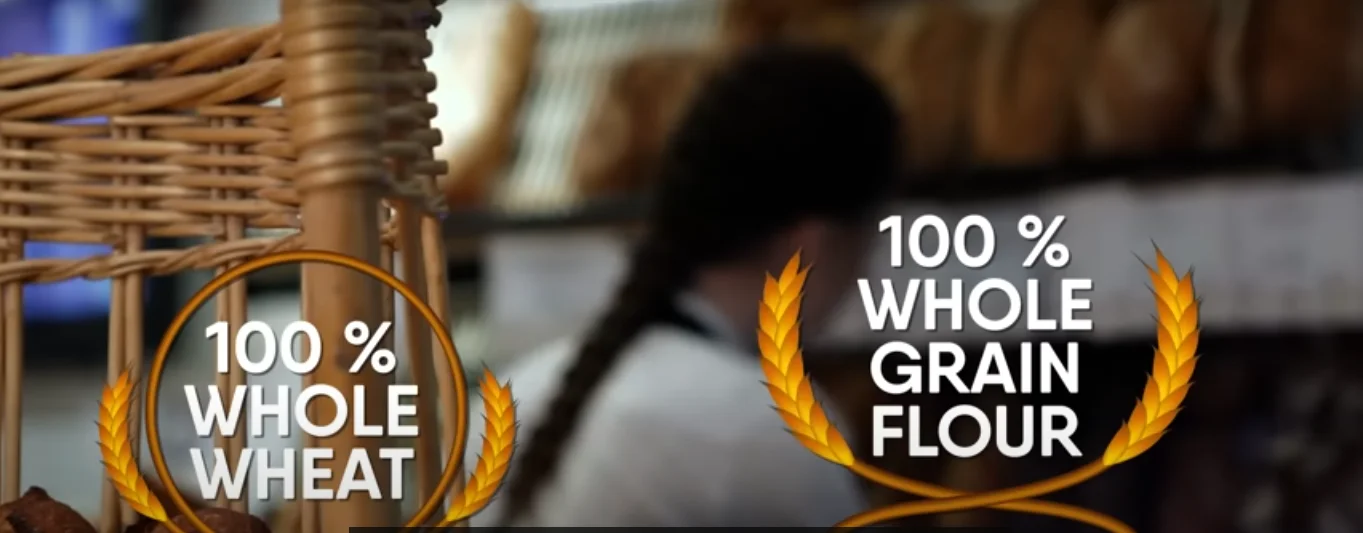
- Incorporate iron-enriched foods such as fortified bread and cereals.
- Eat foods with iron for anemia treatment, such as legumes and seafood.
- Consume vitamin C-rich foods (like oranges, strawberries, and tomatoes) alongside iron-rich foods to boost absorption.
- Avoid consuming tea, coffee, or calcium-rich foods immediately after meals, as they can inhibit iron absorption.
A few additional, practical habits can make a real difference for older adults working on iron intake. Cooking acidic foods, like tomato sauce, in a cast-iron skillet can modestly increase the iron content of the meal, a phenomenon long recognized in nutrition research. Spacing out coffee and tea by an hour or two before or after iron-rich meals helps avoid the tannins in these drinks binding to iron and reducing absorption. For those taking calcium supplements, including calcium-fortified foods, it can help to take them at a different time of day than iron-rich meals or iron supplements, since calcium competes with iron for absorption in the gut. If a doctor recommends an iron supplement, taking it on an empty stomach with a source of vitamin C, such as a small glass of orange juice, can improve absorption, though some people need to take it with a little food to avoid stomach upset. Supplements should always be used under medical guidance, since excess iron can be harmful, particularly for people with a condition called hemochromatosis, which causes the body to store too much iron.
Iron During Pregnancy
Pregnancy increases the body’s iron requirements significantly. Maintaining normal hemoglobin levels during pregnancy is crucial for preventing complications such as low birth weight and preterm delivery. Foods that contain iron for anemia treatment during pregnancy include fortified cereals, lean meats, and iron-rich fruits like dates.
While this section speaks to pregnancy specifically, the underlying message, that the body’s iron needs shift across different life stages, applies broadly. Just as a growing fetus places extra demand on a mother’s iron stores, older adults often face their own set of factors that increase the risk of deficiency, including reduced dietary variety, certain prescription medications, and a higher likelihood of chronic low-level inflammation or blood loss from gastrointestinal issues. The American College of Obstetricians and Gynecologists recommends iron screening during pregnancy precisely because the consequences of untreated deficiency can be significant; similarly, many physicians now recommend periodic blood work for older adults to catch iron deficiency before symptoms become severe, particularly for those who have had bariatric surgery, follow a vegetarian or vegan diet, or take medications that reduce stomach acid.
Iron Deficiency Treatments
Iron deficiency treatment often involves dietary changes, iron supplements, and foods good for iron deficiency. Incorporating iron-filled foods like red meat, spinach, and fortified cereals into meals is effective in treating low hemoglobin levels.
When dietary changes alone aren’t enough, healthcare providers may recommend oral iron supplements, typically ferrous sulfate, ferrous gluconate, or ferrous fumarate, taken for several months to rebuild the body’s iron stores, not just to normalize blood test numbers. It’s common for supplements to cause mild side effects like constipation, nausea, or dark-colored stools; taking a lower dose every other day, rather than daily, has been shown in some research to improve absorption while reducing side effects, an approach worth discussing with your doctor. In cases of more severe anemia, or when oral supplements aren’t tolerated or absorbed well (which can happen with certain digestive conditions), intravenous iron infusions may be recommended. Recovery from iron deficiency anemia isn’t usually instant: most people notice improvements in energy within a few weeks of starting treatment, but it can take three to six months of consistent treatment to fully rebuild the body’s iron reserves, so follow-up blood tests are an important part of the process.
Conclusion
Iron is a cornerstone of good health, playing a key role in oxygen transport, energy production, and overall well-being. Including a variety of iron-rich foods, such as leafy greens, red meat, legumes, and fortified cereals, in your diet can help maintain healthy hemoglobin levels and prevent iron deficiency anemia. For those experiencing symptoms of low iron, such as fatigue or pale skin, consulting a healthcare professional is essential to determine the best course of treatment.
Frequently Asked Questions
How much iron do adults over 50 need each day?
According to the National Institutes of Health, men over 50 and postmenopausal women need about 8 milligrams of iron per day. Individual needs can vary based on health conditions, medications, and diet, so it’s worth discussing your specific needs with a doctor.
Can too much iron be harmful?
Yes. Iron overload, whether from excessive supplementation or a genetic condition called hemochromatosis, can damage the liver, heart, and other organs over time. Iron supplements should only be taken under medical guidance and after a blood test confirms a deficiency.
Why does coffee or tea reduce iron absorption?
Coffee and tea contain compounds called tannins and polyphenols that bind to non-heme iron in the digestive tract, reducing how much the body can absorb. Waiting an hour or two after meals before drinking coffee or tea can help minimize this effect.
Are iron supplements necessary, or can diet alone fix a deficiency?
Mild deficiencies can sometimes be improved through diet alone, especially by combining iron-rich foods with vitamin C sources. However, more significant deficiencies often require supplements or medical treatment, and a healthcare provider can determine the right approach based on blood test results.
What blood tests check for iron deficiency?
A complete blood count (CBC) checks hemoglobin and red blood cell size, while a ferritin test measures the body’s stored iron levels. Doctors often order both, along with additional tests, to get a full picture of iron status.
How long does it take to recover from iron deficiency anemia?
Many people feel improvements in energy within a few weeks of starting treatment, but it typically takes three to six months of consistent treatment, whether through diet, supplements, or both, to fully rebuild the body’s iron stores.
⚕️ Medical Disclaimer
The information provided on this page is for educational purposes only and is not intended as medical advice, diagnosis, or treatment. Always consult a qualified healthcare professional before making changes to your diet, starting any supplement, or if you have an existing medical condition. KeepFitQuote does not provide medical diagnoses or treatment recommendations. Read our full disclaimer.
Related Posts