Explore fruits high in vitamin C, including lesser-known sources, and see how much each one gives you per 100g. Learn how to support your immune system with natural choices.
Older adults often eat fewer fruits because of a smaller appetite or trouble chewing. That makes it useful to know which fruits give the most vitamin C in a small serving.

Table of Contents
- Why Vitamin C-Rich Fruits Are Essential in Daily Life
- Top Fruits High in Vitamin C Per 100g
- Kakadu Plum (Terminalia ferdinandiana)
- Camu Camu Berry
- Acerola Cherry (Barbados cherry)
- Guava (Psidium guajava)
- Black Currants (Ribes nigrum)
- More Fruits High in Vitamin C You Shouldn’t Ignore
- Whole Fruits vs. Vitamin C Supplements
- How to Preserve Vitamin C in Fruits
- Daily Vitamin C Intake: Are You Getting Enough?
- Final Thoughts: Choose the Right Fruit for Better Immunity
- Frequently Asked Questions About Vitamin C in Fruits
- Pro Tip for Readers
- Sources and Further Reading
Why Vitamin C-Rich Fruits Are Essential in Daily Life
When it comes to supporting your immune system, promoting collagen production, and keeping your energy up, vitamin C is king. But not all fruits are created equal when it comes to their vitamin C content. In fact, many lesser-known fruits beat the usual suspects like oranges and lemons in this department.

If you’re looking for real data on vitamin C content in fruits per 100g, or want to know which fruit has most vitamin C naturally, this article is your go-to source.
Let’s dig deep into the top choices you probably haven’t added to your shopping list – yet.
Top Fruits High in Vitamin C Per 100g
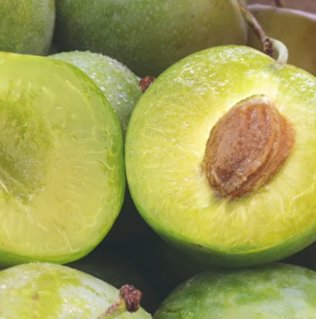
1. Kakadu Plum (Terminalia ferdinandiana)
Vitamin C content: 2,907 mg per 100g
Native to Australia but now available in some specialty U.S. health stores, the Kakadu plum blows away all competition. If you’re looking for a natural high vitamin C fruit, this is it. Reported values vary widely by sample, so treat this number as an estimate.
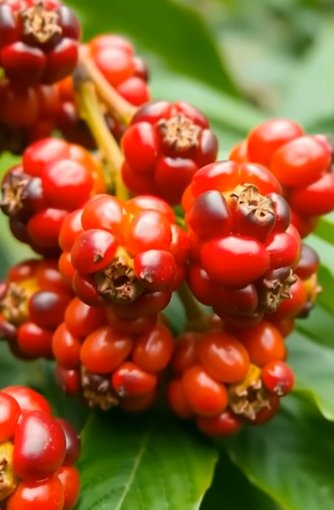
2. Camu Camu Berry
Vitamin C content: 2,145 mg per 100g
Popular in powders and supplements, this Amazon rainforest berry is extremely potent. If you’re wondering what the strongest natural source of vitamin c is, Camu Camu ranks near the top. Like Kakadu plum, its vitamin C level varies by source.
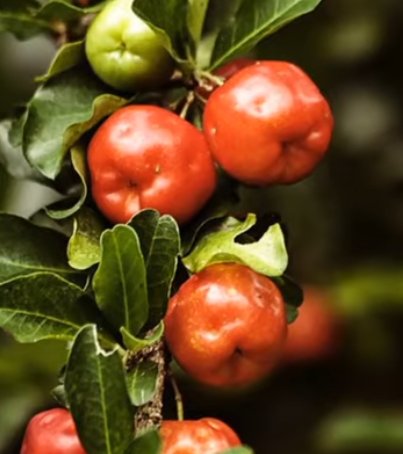
3. Acerola Cherry (Barbados cherry)
Vitamin C content: 1,677 mg per 100g
These small red fruits pack a huge punch. Many people search for acerola cherry vitamin c comparison because they outperform oranges by a mile.
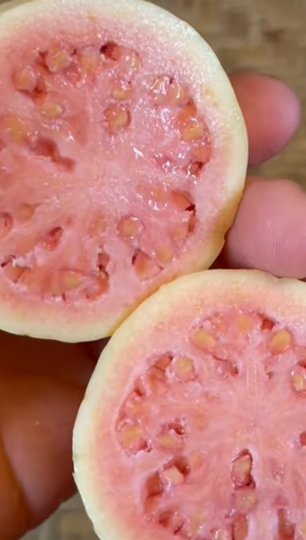
4. Guava (Psidium guajava)
Vitamin C content: 228 mg per 100g
A tropical favorite that’s finally gaining popularity in U.S. grocery stores. Guava is not just delicious – it’s one of the best fruits high in vitamin c and fiber.
5. Black Currants (Ribes nigrum)
Vitamin C content: 181 mg per 100g
Black currants are small, dark berries that are easy to find frozen, in juices, and in jams (check labels for added sugar). USDA FoodData Central lists raw European black currants at about 181 mg of vitamin C per 100g, which is more than three times the amount in an orange. They are a practical choice for older adults who want fruits high in vitamin C beyond citrus.
More Fruits High in Vitamin C You Shouldn’t Ignore
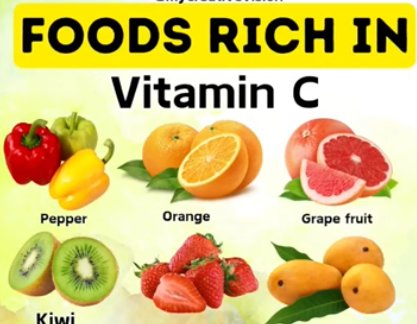
| Fruit | Vitamin C (mg/100g) | Extra Benefit |
|---|---|---|
| Kiwi | 92.7 | Skin rejuvenation |
| Lychee | 71.5 | Gut-friendly fruit |
| Papaya | 60.9 | Great for digestion |
| Strawberries | 58.8 | Low sugar fruit |
| Orange | 53.2 | Familiar citrus fruit |
| Pineapple | 47.8 | Enzyme-rich |
These fruits are easily accessible in most U.S. supermarkets and can be added to smoothies, salads, or eaten as snacks. Values come from USDA FoodData Central, are rounded, and vary with ripeness and storage.
Whole Fruits vs. Vitamin C Supplements
Many Americans reach for vitamin C tablets, but food is usually enough. According to the NIH Office of Dietary Supplements, the body absorbs vitamin C from foods and supplements about equally well. Whole fruits also supply fiber, potassium, and other nutrients that a tablet does not. Most older adults can meet their needs with a varied diet. To learn when a supplement may make sense, read our guide to high dose vitamin C and immunity.
How to Preserve Vitamin C in Fruits
Vitamin C is water-soluble and heat-sensitive. Here’s how to get the most out of your fruits:

- Eat them raw when possible.
- Store in cool, dry conditions.
- Avoid prolonged cooking or microwaving.
Wash fruit just before you eat it, not before you store it. Our guide on how to wash fruits at home explains safe, simple steps.
Daily Vitamin C Intake: Are You Getting Enough?
According to the NIH Office of Dietary Supplements, the daily recommended amounts for adults are:
- Women: 75 mg/day
- Men: 90 mg/day
- Smokers: Add +35 mg/day
One guava (about 125 mg) or a cup of strawberries (about 98 mg) can meet the daily amount for most adults. The same amounts apply to older adults. Soft fruits such as kiwi, papaya, and strawberries are easy to eat if chewing is hard. For more ideas that support strength, see our list of fruits that help mobility and muscle health after 60.
Food sources are very unlikely to cause problems. High-dose supplements are different: the upper limit for adults is 2,000 mg per day, and more can cause stomach upset and diarrhea. Older adults who take medicines or have kidney problems should talk with a doctor before using vitamin C supplements.

Final Thoughts: Choose the Right Fruit for Better Immunity
Next time you’re at the store, think beyond oranges. Whether it’s the tropical guava or the Amazonian camu camu, adding fruits high in vitamin C to your diet is an easy way to support your health along with other key nutrients.
Small changes lead to big benefits.
Frequently Asked Questions About Vitamin C in Fruits
Q1. What fruit has the most vitamin C per bite?
Surprisingly, the acerola cherry wins this title. Though tiny, it delivers an impressive amount of vitamin C in just a few bites. If you’re looking for a compact fruit with powerful vitamin C, acerola should be on your radar.
Q2. Is guava better than orange for vitamin C?
Yes, guava contains more vitamin C per 100g than oranges. While oranges offer about 53 mg, guava delivers around 228 mg. Guava also brings extra fiber.
Q3. What’s the best fruit for daily vitamin C needs?
One medium kiwi (about 64 mg) or a cup of strawberries (about 98 mg) gives most adults a large share of their daily vitamin C needs. Both are soft, easy to eat, and simple to add to breakfast or a snack.
Q4. Are frozen fruits still high in vitamin C?
Yes, but vitamin C levels can drop slightly during freezing and storage. To retain the most nutrients, choose flash-frozen fruits and use them within a few months.
Q5. Does dried fruit still contain vitamin C?
Most dried fruits lose a significant amount of vitamin C during the drying process because it’s a heat-sensitive vitamin. If vitamin C is your goal, stick to fresh or frozen options.
More Questions About Safety, Juice, and Health
Q6. Can I get too much vitamin C from fruit?
It’s very unlikely from food. Your body removes extra vitamin C in urine. Still, eating a balanced variety of fruits is better than overloading on just one type.
Q7. Which fruit juice is highest in vitamin C naturally?
Guava juice and acerola cherry juice are among the highest, though orange juice is also a good source. Check labels, since many juices contain added sugar.
Q8. How does vitamin C help your immune system naturally?
Vitamin C supports immune cells and acts as an antioxidant. Eating enough of it supports normal immune function, but it does not prevent colds.
Q9. What fruit is best for vitamin C and skin health?
Kiwi and papaya are good choices. Your body needs vitamin C to make collagen, a protein found in skin. For more ideas, see our list of collagen-boosting vegetables.
Q10. Do cooking and heating destroy vitamin C in fruits?
Yes, high heat breaks down vitamin C quickly. To preserve its benefits, eat fruits raw or lightly chilled. If you cook them, consider steaming briefly instead of boiling.
Pro Tip for Readers
Save this list and start rotating these fruits into your weekly routine. Variety is the easiest way to get enough vitamin C.
Sources and Further Reading
- NIH Office of Dietary Supplements: Vitamin C Fact Sheet for Consumers
- USDA FoodData Central: nutrient values for raw fruits
- MedlinePlus: Vitamin C
This article is for general information and is not medical advice. Talk with your doctor or a registered dietitian about your own vitamin C needs, especially if you take medicines or have a health condition.
⚕️ Medical Disclaimer
The information provided on this page is for educational purposes only and is not intended as medical advice, diagnosis, or treatment. Always consult a qualified healthcare professional before making changes to your diet, starting any supplement, or if you have an existing medical condition. KeepFitQuote does not provide medical diagnoses or treatment recommendations. Read our full disclaimer.
Related Posts