
In today’s world, natural remedies are gaining traction as effective alternatives to synthetic antibiotics. While they don’t replace prescribed medication for serious infections, many natural ingredients have been used for centuries to treat infections and boost immunity.

The renewed interest in natural antimicrobial agents is driven partly by a genuine and serious public health crisis: antibiotic resistance. The CDC estimates that antibiotic-resistant bacteria and fungi cause more than 2.8 million infections and 35,000 deaths in the United States each year, a direct consequence of decades of antibiotic overuse in both medicine and agriculture. This has sparked renewed scientific interest in the antimicrobial compounds found throughout the plant kingdom — many of which have been used empirically for centuries and are now being validated (and sometimes explained) through modern pharmacological research. It’s important to frame this correctly from the outset: these natural remedies are best understood as complementary tools for mild infections, immune support, and prevention — not as replacements for prescribed antibiotics in serious bacterial infections, which require the precision, potency, and dosing reliability that only pharmaceutical antibiotics can provide. With that framework in mind, the compounds below represent some of the most scientifically interesting and practically useful natural antimicrobials available.
Table of Contents
- Garlic: Nature’s Antibiotic Powerhouse
- Ginger: A Multi-Purpose Antimicrobial Agent
- Honey: The Sweet Antimicrobial Elixir
- Cloves: The Ancient Remedy for Infections
- Echinacea and Goldenseal: Herbal Immunity Boosters
- Oregano Oil: The Ultimate Antiviral and Antibacterial Agent
- Conclusion: Embrace Natural Antibiotics for Healthier Living
Garlic: Nature’s Antibiotic Powerhouse
Garlic (Allium sativum) is one of the most potent natural antibiotics. It contains ajoene, a sulfur compound that fights bacteria, along with allicin, which has strong antimicrobial properties.

Raw garlic for colds: Crushing or chopping garlic releases allicin, its active ingredient, which fights infections.

Garlic fermented in honey: This combination enhances the antibacterial properties of both ingredients.
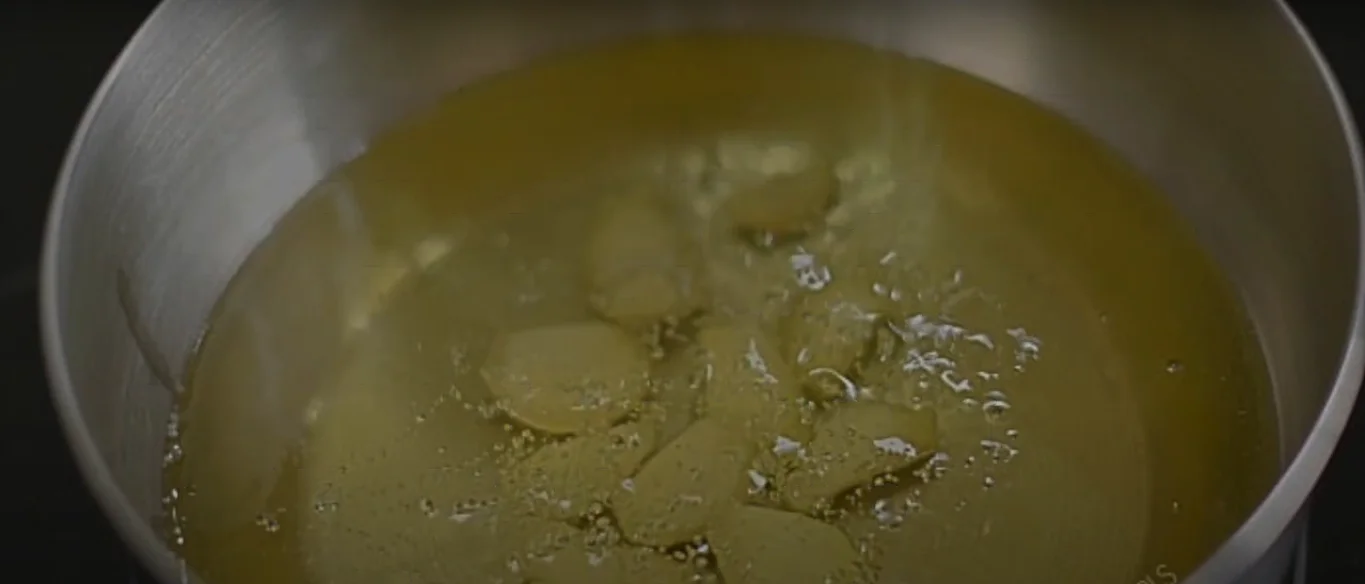
Boiled garlic: A gentler alternative for those who cannot tolerate raw garlic.

Garlic and honey for cough: A time-tested remedy that soothes the throat and fights infections.

For those looking to grow their own garlic, growing garlic in pots or garlic farms near me can be an excellent way to have a fresh supply on hand.
Allicin, garlic’s most studied active compound, is formed only when garlic is crushed, chopped, or chewed — the mechanical damage to the plant cell releases an enzyme called alliinase that converts the odorless precursor alliin into allicin within seconds. This is why whole, unbroken garlic cloves have minimal antimicrobial activity, while crushed garlic left to rest for 10 minutes before use maximizes allicin formation. Research published in the Journal of Antimicrobial Chemotherapy has demonstrated allicin’s broad-spectrum activity against gram-positive and gram-negative bacteria, including some antibiotic-resistant strains, through mechanisms involving inhibition of bacterial RNA synthesis and disruption of cell membrane integrity. Ajoene, formed from the further breakdown of allicin, has additional antifungal and antiplatelet properties. Fermenting garlic in raw honey combines two independently antimicrobial substances while the fermentation process itself can enhance the bioavailability of garlic’s sulfur compounds; this preparation is traditionally kept for several weeks in a cool, dark place before use, with the flavor mellowing over time. Boiling garlic reduces allicin content somewhat (heat degrades this heat-sensitive compound) but retains other beneficial compounds and is markedly gentler on the stomach — a reasonable trade-off for people who experience GI upset from raw garlic.
Ginger: A Multi-Purpose Antimicrobial Agent
Ginger (Zingiber officinale) is widely known for its digestive benefits, but it is also a strong natural antibiotic. It contains gingerol and shogaol, compounds that have antimicrobial and anti-inflammatory properties.

Ginger for digestion: It helps break down food, reducing bloating and gas.
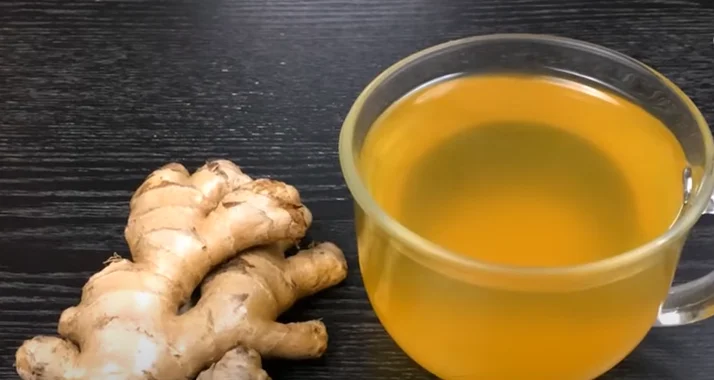
Ginger for sore throat: A ginger tea or ginger and honey mixture can provide relief from throat infections.

Ginger and clove: A powerful combination that fights respiratory infections.

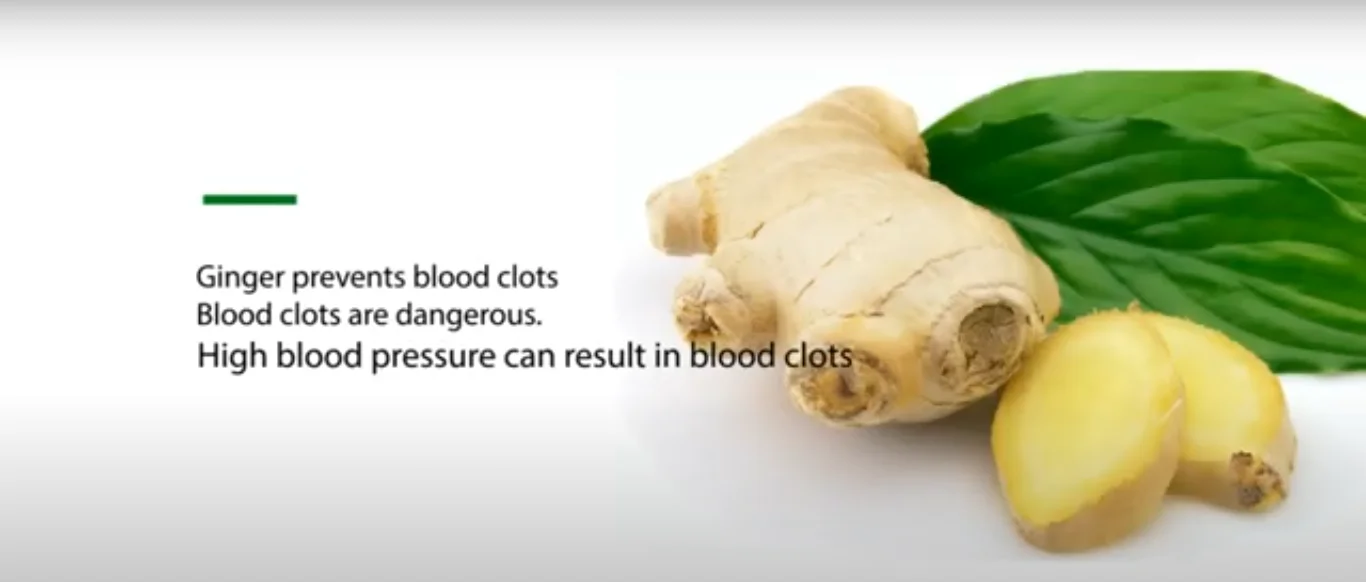
Ginger and blood pressure: Helps maintain a healthy cardiovascular system while supporting immune function.
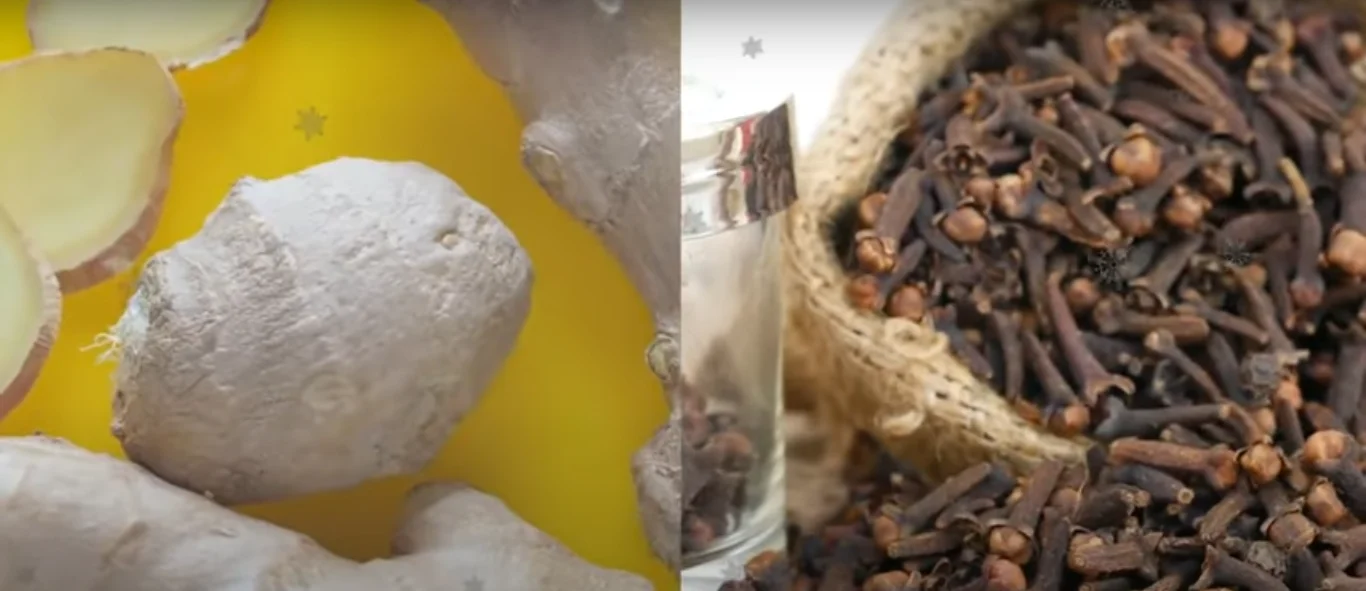
Ginger also pairs well with other natural antibiotics like clove and cardamom, making it a great ingredient for herbal teas and immune-boosting concoctions.
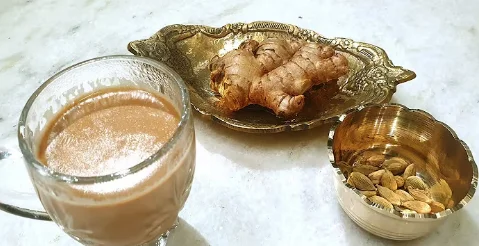
Gingerol, the primary pungent compound in fresh ginger, and shogaol, which forms when ginger is dried or heated, both exhibit significant antimicrobial activity against a range of bacterial and fungal pathogens in laboratory studies, including activity against H. pylori (the bacteria implicated in stomach ulcers) and several strains of Streptococcus responsible for throat infections. Beyond direct antimicrobial action, ginger’s anti-inflammatory activity — mediated through inhibition of COX-2 and reduction of pro-inflammatory prostaglandins — helps ease the symptomatic discomfort of infection (sore throat pain, congestion, digestive upset) alongside its pathogen-fighting properties, making it genuinely dual-purpose. The combination of ginger with clove leverages complementary antimicrobial mechanisms: clove’s eugenol content adds direct antiseptic action while ginger’s gingerols provide anti-inflammatory and mild expectorant support, a combination frequently used in traditional Ayurvedic and Chinese medicine formulations for respiratory infections. For blood pressure, ginger’s vasodilatory effects (through calcium channel modulation) provide a complementary cardiovascular benefit alongside its immune-supporting properties, though people on blood pressure medication should discuss regular ginger use with their physician to avoid additive effects.
Honey: The Sweet Antimicrobial Elixir
Honey is not just a natural sweetener; it’s also one of the oldest known antibiotics. It has antibacterial properties that help fight infections while soothing the body.
Honey antibacterial properties: Honey contains hydrogen peroxide, which kills bacteria.


Lemon and honey: A soothing combination for colds and flu.

Honey and diabetes: Raw honey has a lower glycemic index than sugar, making it a better choice for diabetics in moderation.


Garlic and honey for cough: A well-known home remedy.

If you’re looking for high-quality honey, searching for a honey bee farm or honey farm near me ensures you get the freshest, most potent product.
Honey’s antimicrobial mechanism is genuinely multi-layered, which is part of why it remains effective against bacteria even after millennia of use — a stark contrast to synthetic antibiotics, against which resistance can develop within years. The glucose oxidase enzyme naturally present in honey produces a slow, steady release of hydrogen peroxide when honey is diluted (such as by wound exudate or saliva), providing a gentle but sustained antibacterial effect. Honey’s extremely low water activity (due to its high sugar concentration) creates an osmotic environment that draws water out of bacterial cells, effectively dehydrating and killing them. Its low pH (typically 3.2-4.5) is itself inhospitable to many pathogens. Manuka honey, produced from the New Zealand manuka bush, contains an additional unique antibacterial compound called methylglyoxal (MGO) that provides antimicrobial activity independent of the hydrogen peroxide mechanism, making it particularly potent and the subject of extensive modern clinical research, including FDA-cleared medical-grade honey wound dressings. For diabetics, honey’s glycemic index (around 58) is somewhat lower than table sugar’s (65), and its distinct flavor profile means less total volume is often needed to achieve desired sweetness — though portion awareness remains important regardless.
Cloves: The Ancient Remedy for Infections
Cloves (Syzygium aromaticum) have strong antibacterial and antifungal properties. They contain eugenol, which acts as a natural pain reliever and antiseptic.

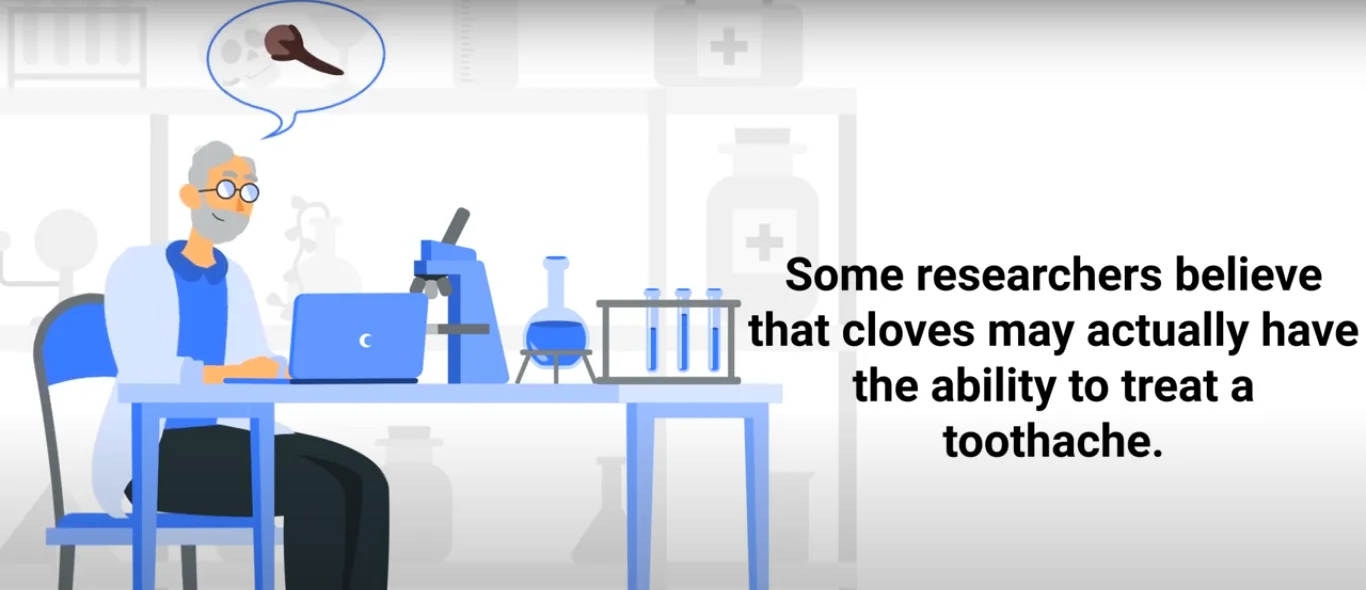
Clove for toothache: Ground cloves for toothache or clove tea for toothache provides instant relief.
Clove water for skin: Acts as an antibacterial toner for acne-prone skin.

Clove and pregnancy: Cloves should be consumed in moderation during pregnancy due to their potent effects.
Clove anti-inflammatory properties: Helps reduce pain and swelling in infections.
Clove and blood pressure: May help regulate hypertension naturally.


Eugenol, which comprises 70-90% of clove essential oil, is remarkable for its dual analgesic and antimicrobial properties — a combination that explains clove’s centuries-long use for toothache, where it simultaneously numbs the pain and combats the underlying bacterial infection. Eugenol works as a local anesthetic by blocking voltage-gated sodium channels in nerve fibers, the same basic mechanism used by pharmaceutical local anesthetics, while its antimicrobial action disrupts bacterial cell membranes and inhibits key metabolic enzymes in a broad range of oral pathogens, including those implicated in dental caries and gingivitis. For toothache relief, a small piece of whole clove held against the affected tooth, or a few drops of diluted clove oil applied with a cotton swab, remains a genuinely effective temporary measure while awaiting dental care — though it should never substitute for proper dental treatment of the underlying issue. For skin, clove water’s astringent and antibacterial properties help combat the P. acnes bacteria implicated in acne, though it should always be diluted (never applied as concentrated essential oil directly to skin) to avoid irritation. The pregnancy caution is well-founded: high-dose clove/eugenol has been associated with uterine stimulant effects in animal studies, so culinary amounts are generally considered safe but concentrated clove oil or supplements should be avoided during pregnancy without medical guidance.
Echinacea and Goldenseal: Herbal Immunity Boosters
Echinacea is widely used for immune support and has antibacterial properties that help fight colds and infections.

Echinacea and pregnancy: Generally safe in small doses but should be used under guidance.
Echinacea for colds: Helps shorten the duration of respiratory infections.
Goldenseal medical medium: Contains berberine, an antimicrobial compound that supports digestive health and immunity.

Echinacea’s immune-supporting mechanism operates primarily through stimulation of the innate immune system rather than direct pathogen killing — it activates macrophages and natural killer cells and increases the production of certain cytokines involved in the early immune response to viral infection. A comprehensive Cochrane review found modest but measurable evidence that echinacea preparations may reduce the incidence of colds and could modestly shorten their duration, with the strongest evidence for preparations made from the whole plant (Echinacea purpurea) rather than root-only extracts. Goldenseal’s active compound, berberine, has a substantially different and more directly antimicrobial mechanism: it interferes with bacterial cell adhesion, disrupts bacterial DNA replication, and inhibits the formation of biofilms — protective bacterial colonies that make infections harder to treat. Berberine’s evidence base has expanded significantly in recent years beyond infection to include research on blood sugar regulation and gut microbiome support, where it shows effects on glucose metabolism comparable to some pharmaceutical interventions in certain studies. Because both echinacea and goldenseal can interact with medications and have contraindications (goldenseal in particular affects liver cytochrome P450 enzymes, altering the metabolism of many drugs), consulting a healthcare provider before regular use, especially alongside prescription medications, is important.
Oregano Oil: The Ultimate Antiviral and Antibacterial Agent
Oregano oil is packed with carvacrol and thymol, two powerful compounds that fight bacteria and viruses.
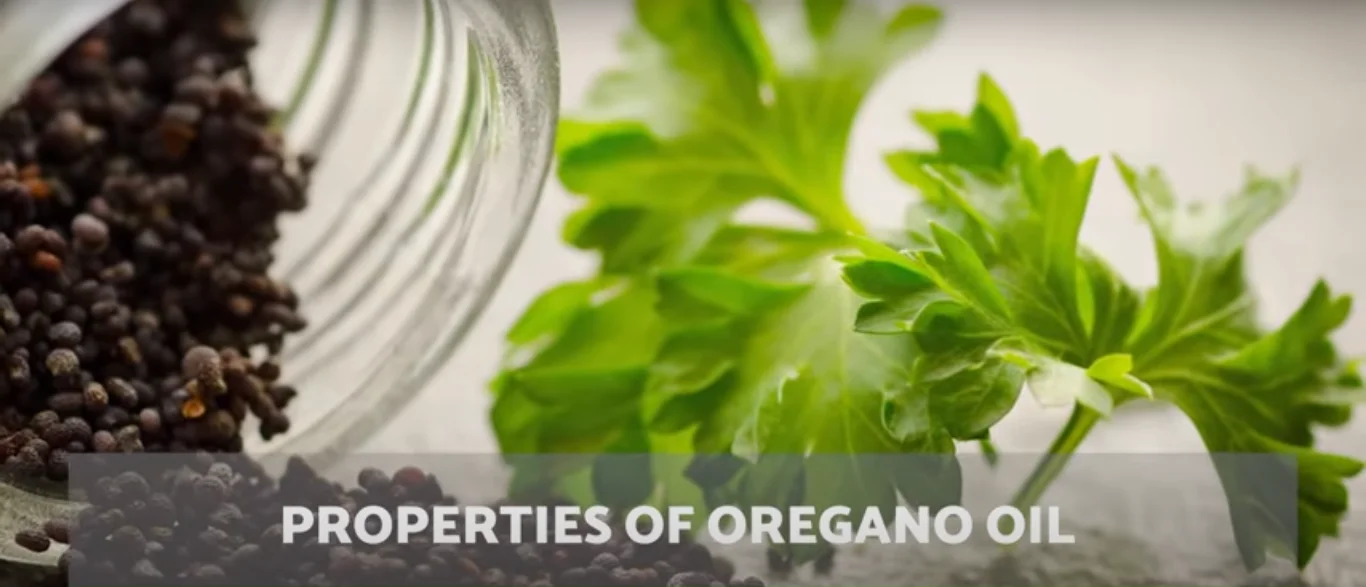
Homemade oregano oil: Can be made by infusing dried oregano in a carrier oil.
Oregano oil for stomach pain: Helps combat bacterial infections in the gut.
Oregano oil for pneumonia: Some studies suggest it can help clear lung infections.
Oregano oil in belly button: An ancient Ayurvedic practice to boost immunity.
Carvacrol and thymol, the two dominant phenolic compounds in oregano essential oil, have among the most extensively documented antimicrobial profiles of any natural compound, with published research demonstrating activity against a remarkably broad range of bacteria (including MRSA and other resistant strains in laboratory studies), fungi (particularly Candida species), and even some viruses. These compounds work by disrupting bacterial cell membrane integrity, causing leakage of essential cellular contents, and by inhibiting quorum sensing — the chemical communication system bacteria use to coordinate virulent behavior and biofilm formation. A notable 2001 study published in the Journal of Applied Microbiology found oregano oil effective against several foodborne pathogens including E. coli and Salmonella at concentrations achievable through dietary use. For internal use, oregano oil is potent and should always be diluted — either in a carrier oil for topical use or in capsule form with a carrier oil base for oral use — since concentrated essential oil applied directly can cause significant irritation to skin and mucous membranes. The “belly button” application reflects a traditional Ayurvedic practice based on the idea that the navel area allows efficient absorption into systemic circulation, though this specific application route has limited modern clinical research; more established oral and topical (diluted) applications have substantially more evidence behind them.
Conclusion: Embrace Natural Antibiotics for Healthier Living
Nature has provided us with powerful antibacterial agents in the form of garlic, ginger, honey, cloves, echinacea, goldenseal, and oregano oil. While these remedies can support immune health and fight minor infections, they are not substitutes for prescribed antibiotics in serious bacterial infections. Always consult with a healthcare professional when dealing with severe symptoms, and consider these natural options as valuable complements to your overall wellness routine.
The most responsible way to incorporate natural antimicrobials into a health routine is to view them as tools for prevention, mild symptom relief, and immune support — not as replacements for antibiotics when a serious bacterial infection is diagnosed. Signs that warrant prompt medical attention rather than home remedies alone include: fever above 103°F, symptoms that worsen after several days rather than improve, difficulty breathing, severe or worsening pain, signs of a spreading skin infection (red streaking, increasing swelling), or any infection in someone who is immunocompromised, elderly, very young, or pregnant. For everyday immune support and mild, early-stage symptoms, the compounds in this guide offer genuine, research-supported benefit with a long history of safe traditional use. Building simple daily habits — fresh garlic and ginger in cooking, raw honey in tea, a home stocked with clove and oregano oil for occasional use — creates a low-cost, evidence-informed layer of support that complements, rather than competes with, modern medical care.
⚕️ Medical Disclaimer
The information provided on this page is for educational purposes only and is not intended as medical advice, diagnosis, or treatment. Always consult a qualified healthcare professional before making changes to your diet, starting any supplement, or if you have an existing medical condition. KeepFitQuote does not provide medical diagnoses or treatment recommendations. Read our full disclaimer.
Related Posts








Pingback: Nutrition Facts: 7 Natural Remedies for Common Health Issues