Ever wonder why your jeans feel tighter even though you’re not eating massive meals? The culprit might be some sneaky, high-calorie foods that are loaded with sugar, fat, and refined carbs. While these foods taste amazing (hello, pizza and ice cream), they can make weight gain almost effortless.
If you’re looking to stay in shape, here’s a list of the top 10 foods that could be sabotaging your goals.
Weight gain becomes more complicated to manage as we age. After 50, metabolism naturally slows by roughly 1 to 2 percent per decade according to research published in Science, and muscle mass — which burns more calories at rest than fat tissue — gradually declines too. That means the same slice of pizza or bowl of ice cream that was easily “burned off” at 30 has a bigger impact on the scale at 60. None of this means giving up favorite foods entirely; it means understanding which ones deserve the “occasional treat” label versus the “everyday” one, and knowing simple swaps that keep flavor while cutting the calorie load.
1. Pizza – The Ultimate Guilty Pleasure
Pizza is a universal favorite, whether it’s a cheesy deep pan pizza, a fancy quattro pizza, or a quick Domino’s offer today deal. But here’s the downside—it’s packed with refined carbs, saturated fats, and processed meats that can cause weight gain when eaten too often.
Healthier Swap: Try a thin-crust pizza with veggie toppings instead of extra cheese and fatty meats.
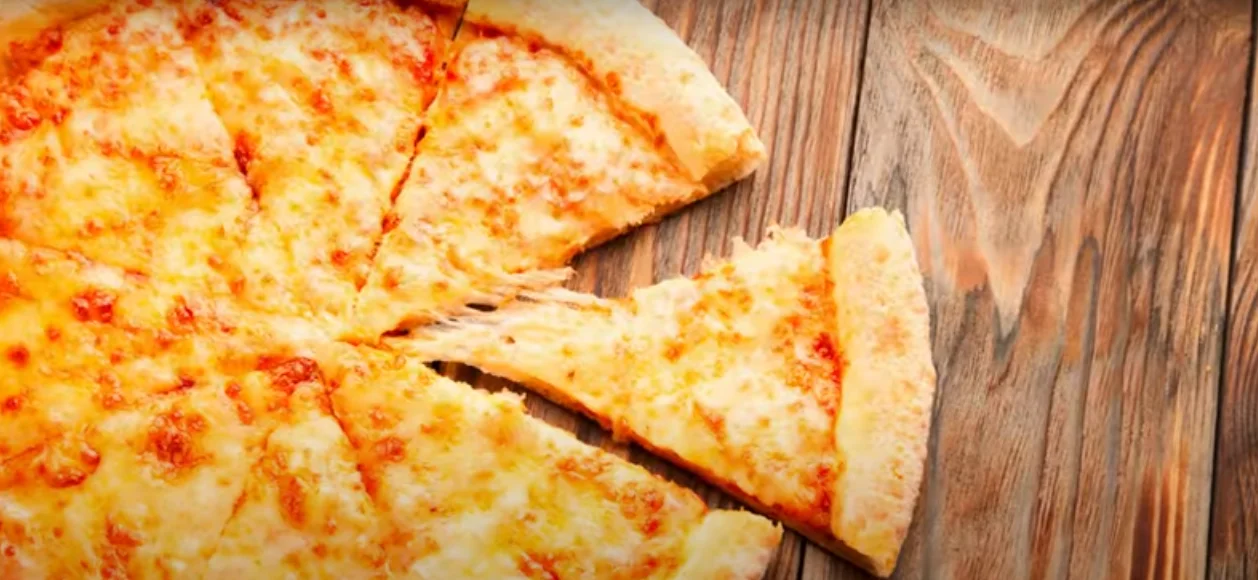

A standard slice of deep-dish pizza can carry 400 to 500 calories and a full day’s worth of saturated fat in a single serving, largely from the cheese and processed toppings. Thin-crust versions cut the refined-carb load roughly in half while veggie toppings add fiber, which slows digestion and helps you feel fuller on fewer calories — a meaningful advantage for older adults managing blood sugar or cholesterol. If pizza night is a weekly tradition, portioning two slices with a side salad instead of four slices alone is a simple way to keep the tradition without the calorie overload.
2. Ice Cream – A Sugar Bomb in Every Bite
A few scoops of Ferrero ice cream, Baskin Robbins, or even Brave Robot Ice Cream might seem harmless, but they’re loaded with sugar and fat. Even “fancy” versions like Toblerone ice cream or golden opulence sundae can pack more calories than a full meal.
Healthier Swap: Choose dairy-free or protein-based ice cream made with natural sweeteners.

A typical premium ice cream serving can contain 20 to 30 grams of added sugar — close to the American Heart Association’s entire daily added-sugar limit for women in a single sitting. Protein-based or Greek yogurt-style frozen treats often deliver a similar creamy texture with a fraction of the sugar and a meaningful dose of protein, which helps preserve muscle mass that naturally declines with age. Portioning ice cream into a small bowl rather than eating from the container is also an easy, effective way to enjoy dessert without overdoing it.
3. Sugary Soft Drinks – Liquid Calories You Don’t Notice 🥤
A Pepsi Starry here and a Smart Soda there might not seem like a big deal, but sugary sodas are one of the biggest contributors to weight gain. The problem? They don’t make you feel full, so you keep consuming extra calories without realizing it.
Healthier Swap: Choose Singha Soda Water or fresh lime soda instead of sugary colas.

Liquid calories are particularly sneaky because the body doesn’t register them the same way it registers calories from solid food, according to research on satiety hormones — a 12-ounce soda can add 140 to 150 calories with virtually no effect on fullness. Over a year, a daily sugary soda habit can add up to more than 50,000 extra calories, equivalent to roughly 14 pounds of body weight if nothing else changes. Sparkling water with a splash of fruit juice or fresh lime satisfies the craving for something fizzy and flavorful without the sugar load, making it one of the easiest single swaps on this list.
4. Fast-Food Burgers – Calorie Bombs in Disguise
That pizza and co run might turn into a full-blown fast-food feast, and that’s where things get tricky. Burgers are often loaded with processed meats, refined carbs, and high-calorie sauces, which can make weight gain inevitable.
Healthier Swap: Opt for a grilled chicken sandwich or a homemade veggie burger.
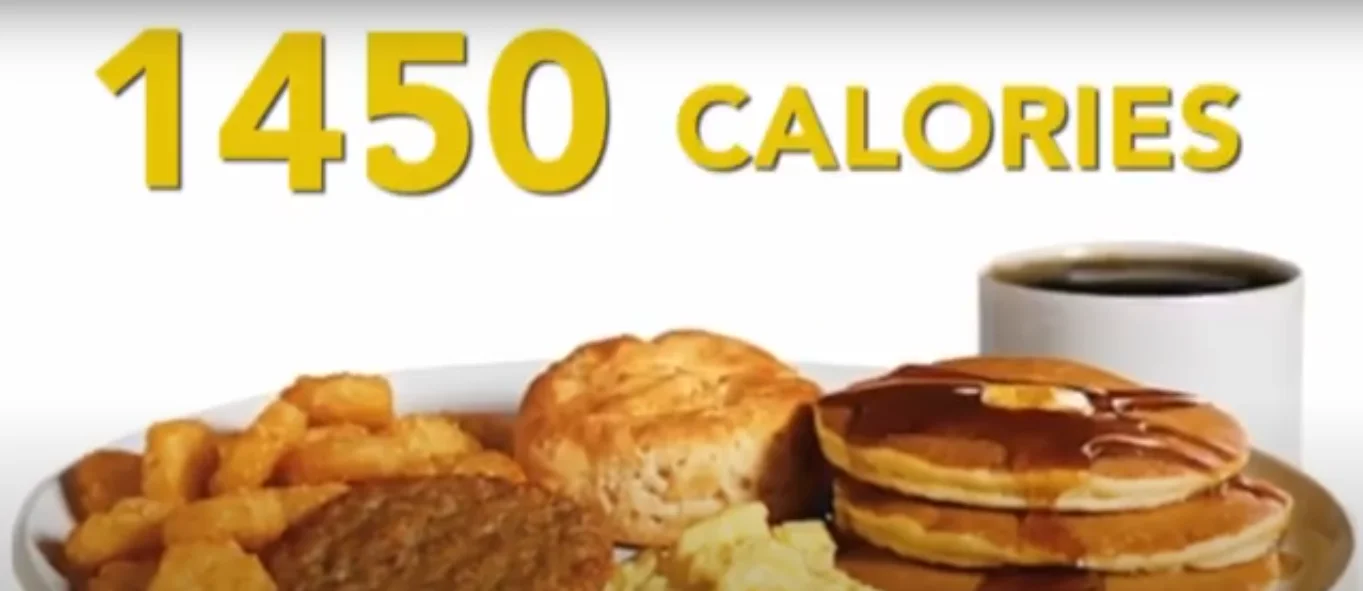
A standard fast-food combo meal (burger, fries, and a soda) can easily total 1,200 to 1,500 calories — well over half of a typical day’s calorie needs for many adults over 50. Special sauces are often the hidden culprit, adding 100 to 200 calories per serving from sugar and oil without contributing much flavor value compared to simpler condiments like mustard or a fresh salsa. Ordering burgers without the top bun, skipping the fries for a side salad, or simply splitting a meal are practical ways to enjoy fast food occasionally without derailing weight goals.
5. Donuts – Sweet, Fried, and Loaded with Sugar
A Biscoff donut from Krispy Kreme or a cookie butter doughnut from Dunkin might be irresistible, but they’re also deep-fried, full of sugar, and packed with refined carbs—a perfect recipe for weight gain.
Healthier Swap: Try a baked donut made with whole grains and natural sweeteners.

Because donuts combine deep-frying with heavy glazing, a single specialty donut can contain 350 to 500 calories — more than a full breakfast of eggs and toast. The frying process also adds trans and saturated fats, which have been linked in long-term studies to increased cardiovascular risk, a particularly relevant concern for adults over 50. Baked donuts, or simply treating donuts as an occasional weekend indulgence rather than a daily coffee-break habit, can preserve the enjoyment without the frequent calorie hit.
6. Chocolate Bars – More Sugar Than You Think
Sure, a Toblerone cocktail or a Cadbury’s Secret Santa sounds delicious, but most chocolate bars are high in sugar, unhealthy fats, and artificial additives. Even “premium” chocolates like white chocolate drip or dulcey chocolate can be calorie traps.
Healthier Swap: Choose dark chocolate (70% cacao or higher) in moderation.

Milk and white chocolate bars typically derive most of their calories from sugar and added fats, while dark chocolate with 70 percent cacao or higher contains less sugar and more of the flavanol antioxidants studies have linked to modest heart-health benefits. Portion matters here too — a standard chocolate bar can be 200 to 250 calories, but a one-ounce square of dark chocolate, eaten slowly to savor the flavor, is closer to 150 calories with more staying power against cravings. Keeping dark chocolate squares individually wrapped, rather than a full bar within easy reach, naturally limits portion creep.
7. Fried Foods – Crispy but Dangerous
From deep pan pizza to fried chicken and fries, these foods are high in trans fats and refined carbs, which promote fat storage and slow down metabolism.
Healthier Swap: Use an air fryer or bake your favorite crispy foods instead of deep-frying.

Deep frying can nearly double the calorie content of a food compared to baking or air frying, since the food absorbs a significant amount of oil during cooking. Air fryers work by circulating hot air around food, creating a similarly crispy texture using a fraction of the oil — often just a light spray — which studies suggest can reduce calorie content by 70 to 80 percent compared to traditional deep frying. For older adults managing cholesterol, this swap also reduces intake of the oxidized fats that form when oil is reused at high frying temperatures, a common practice in fast-food kitchens.

8. White Bread and Refined Carbs – Hidden Weight Gainers
White bread, bagels, pasta, and even some pizza crusts (Pizzeria Mamma Mia, we’re looking at you!) can cause blood sugar spikes, leading to increased fat storage.
Healthier Swap: Choose whole grain bread, sourdough, or sprouted grain alternatives.
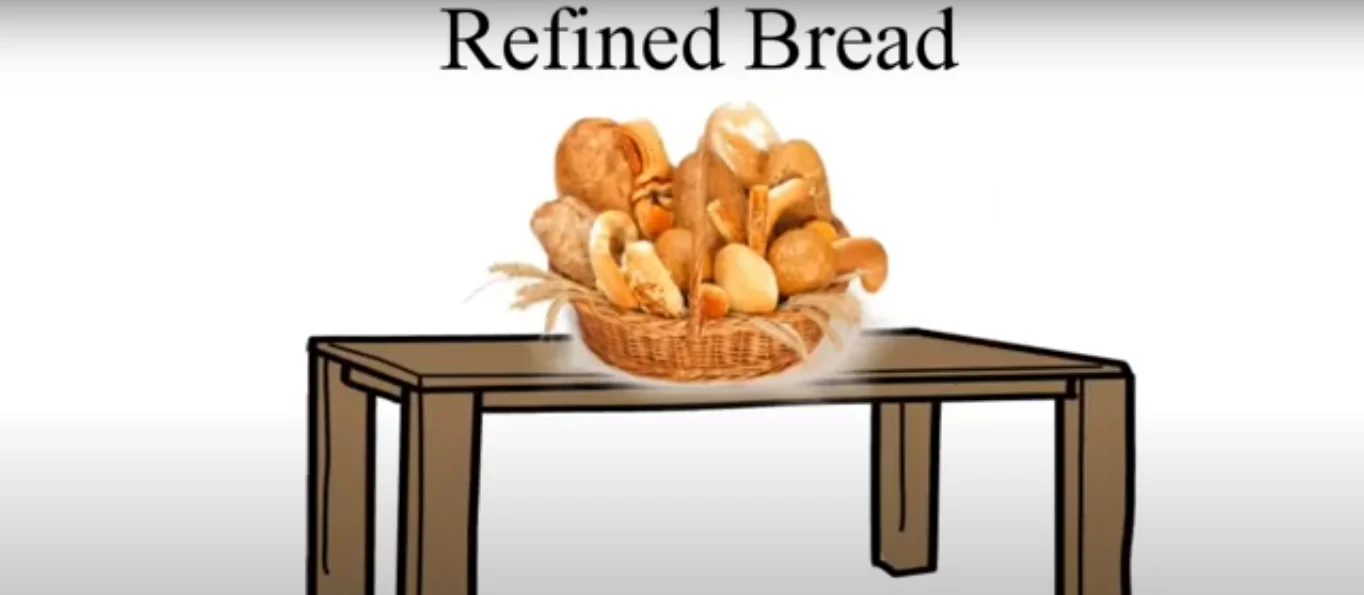
Refined carbohydrates are stripped of the bran and germ during processing, removing most of the fiber that would otherwise slow sugar absorption into the bloodstream. This rapid spike-and-crash pattern triggers a surge of insulin, the hormone responsible for storing excess blood sugar as fat, and can leave you feeling hungry again within an hour or two. Whole grain and sprouted grain breads retain more fiber and nutrients, producing a gentler, more sustained rise in blood sugar — an especially important distinction for adults over 50, who are at higher risk for insulin resistance and type 2 diabetes.
9. Processed Snacks – Chips, Crackers, and Popcorn
That bag of chips you grab along with your Pepsi and Smores might seem small, but processed snacks are designed to be addictive. They contain high amounts of sodium, refined carbs, and artificial flavors that make overeating too easy.
Healthier Swap: Snack on homemade popcorn, nuts, or vegetable chips instead.

Food scientists have long studied the “bliss point” — the precise combination of salt, sugar, and fat that makes processed snacks difficult to stop eating, which is why serving sizes on the label rarely match what most people actually eat in one sitting. High sodium intake is a particular concern for older adults, since it’s directly linked to elevated blood pressure, a risk factor that becomes more common with age. Air-popped popcorn seasoned with herbs, or a small handful of unsalted nuts, delivers the same satisfying crunch with far less sodium and no artificial flavor additives, making it easier to stop at a reasonable portion.
10. Sugary Breakfast Cereals – The Morning Trap 🥣
You might think you’re making a smart choice with your favorite cereal, but most brands are packed with added sugar and low in fiber, causing sugar crashes and increased cravings.
Healthier Swap: Go for oatmeal, high-fiber cereals, or protein-packed breakfasts instead.

Many popular breakfast cereals contain 10 to 15 grams of added sugar per serving — nearly as much as a small candy bar — while providing only 1 to 2 grams of fiber, leading to a mid-morning energy crash and hunger well before lunch. Oatmeal, by contrast, provides beta-glucan fiber that has been shown in clinical studies to slow digestion and support healthy cholesterol levels, both particularly valuable for adults over 50. Adding a scoop of protein powder, nuts, or a boiled egg alongside cereal or oatmeal helps balance the meal further, keeping blood sugar steadier and reducing the urge to snack before lunchtime.
Final Thoughts
The key to staying fit isn’t cutting out all your favorite foods—it’s about moderation and smarter choices. Instead of ordering Pizza Hut takeaway every weekend, try a homemade version with healthy toppings. Instead of diving into Drumstick Blizzard, go for Greek yogurt with fruit. Small changes can lead to big results!
Which of these foods do you love but need to cut back on? Let me know in the comments!
Frequently Asked Questions
Do I need to completely avoid these foods to lose weight?
No. The goal is moderation and smarter swaps, not total avoidance. Occasional treats are fine as part of an overall balanced diet — it’s the daily habit that adds up to weight gain over time.
Why does weight gain feel easier after 50 even if I eat the same as before?
Metabolism slows gradually with age, and muscle mass — which burns more calories at rest — naturally declines. This means the same foods and portions that maintained your weight at 30 may need to be adjusted at 60.
Are “healthier” versions of these foods, like baked chips or diet soda, actually better?
Often yes, though it depends on the product. Baked snacks generally have less fat than fried versions, and diet sodas remove sugar calories, though some people find artificial sweeteners affect cravings differently — checking ingredient labels is still worthwhile.
What’s the single easiest change to make from this list?
Swapping sugary soda for sparkling water with fruit is often the easiest win, since it requires no cooking and directly removes a significant source of “invisible” liquid calories.
Should older adults worry about sodium in processed snacks specifically?
Yes. Blood pressure tends to rise with age, and the CDC recommends most adults keep sodium under 2,300 mg per day — a single serving of chips or crackers can contain 150 to 300 mg, making it easy to exceed that limit through snacking alone.
⚕️ Medical Disclaimer
The information provided on this page is for educational purposes only and is not intended as medical advice, diagnosis, or treatment. Always consult a qualified healthcare professional before making changes to your diet, starting any supplement, or if you have an existing medical condition. KeepFitQuote does not provide medical diagnoses or treatment recommendations. Read our full disclaimer.
Related Posts