
Simple Food Triggers You Should Know About Today
Inflammation isn’t always bad. In fact, it’s a natural defense mechanism that helps your body heal. But when it becomes chronic — silently burning in the background — it’s linked to heart disease, type 2 diabetes, arthritis, Alzheimer’s, and several cancers. Diet is one factor that can influence inflammation over time, alongside sleep, activity, stress, medicines, and underlying conditions.

Here are common foods that may contribute to inflammation for some people—and practical swaps to discuss with your clinician. For a companion guide, see our anti-inflammatory foods guide.
1. Packaged Meats: A Hidden Firestarter
Processed meats like bacon, ham, sausages, and deli slices often contain preservatives like sodium nitrite. These compounds react with amino acids in meat during processing and digestion to form nitrosamines — potent pro-inflammatory compounds classified as probable human carcinogens by the World Health Organization.
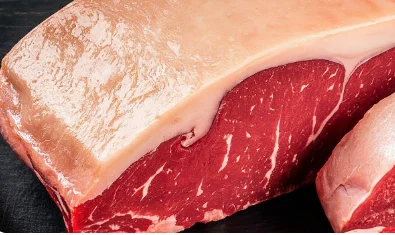
Watch out for:
Pre-sliced deli meats

Bacon with artificial smoke flavor
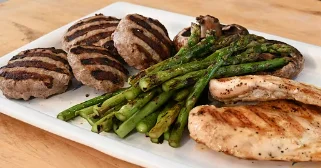
Canned meats with long ingredient lists

Beyond nitrosamines, processed meats are concentrated sources of advanced glycation end products (AGEs) — compounds formed when proteins and fats react with sugars during high-heat processing (smoking, curing, frying). AGEs directly activate inflammatory receptors (RAGE receptors) throughout the body, triggering NF-κB — the master inflammatory signaling pathway — and elevating cytokines including TNF-α and IL-6. A 2014 study in the Proceedings of the National Academy of Sciences linked dietary AGEs to accelerated aging and organ dysfunction in animal models, with parallel human studies associating high dietary AGE intake with elevated CRP (C-reactive protein) — the blood marker of systemic inflammation.
The sodium content of processed meats adds another inflammatory layer: most deli products contain 400–800 mg of sodium per serving, and excess sodium activates immune cells in blood vessel walls (particularly Th17 lymphocytes), promoting a pro-inflammatory vascular environment directly linked to hypertension and cardiovascular disease. For adults over 50, in whom arterial stiffness is already increasing, this vascular inflammation from processed meat sodium is a compounding risk that operates independently of nitrite exposure.
Practical swap: replace processed deli meats with home-roasted chicken or turkey breast, canned wild-caught tuna (in water or olive oil), or hard-boiled eggs for sandwich and snack protein. These provide comparable convenience, far higher nutritional quality, and essentially zero nitrite or AGE load.
2. Refined Sugar: Feeding the Inflammatory Cycle
Sugar might taste sweet, but the way it behaves in your body isn’t. High sugar intake — especially in the form of fructose from high-fructose corn syrup — triggers rapid insulin spikes, feeds harmful gut bacteria, and directly activates inflammatory pathways including NF-κB and the NLRP3 inflammasome.

Common sources include:
Breakfast pastries

Flavored yogurts

Sweetened iced teas and sports drinks

The fructose component of refined sugar is particularly problematic because it is metabolized almost exclusively in the liver, bypassing the hormonal feedback that normally signals fullness and regulates energy storage. High fructose intake overwhelms liver capacity, leading to de novo lipogenesis (fat production in the liver), elevated triglycerides, increased uric acid production, and activation of the NLRP3 inflammasome — a cellular “alarm system” that triggers interleukin-1β release and systemic inflammation. This pathway is the same one implicated in gout, non-alcoholic fatty liver disease, and metabolic syndrome.
Refined sugar also disrupts the gut microbiome within 24–48 hours of a high-sugar meal, reducing populations of beneficial Bifidobacterium and Lactobacillus while feeding pro-inflammatory bacteria like Clostridium and Enterobacteriaceae. This dysbiosis increases intestinal permeability (leaky gut), allowing bacterial lipopolysaccharides (LPS) — potent inflammatory triggers — to enter the bloodstream and activate immune cells systemically. A 2015 study in Cell demonstrated these microbiome shifts occurring within two days of dietary change, meaning sugar’s inflammatory effects on the gut begin almost immediately after consumption.
The daily added sugar limit recommended by the American Heart Association is 25 grams for women and 36 grams for men — yet the average American adult consumes approximately 77 grams daily. Even reducing this by half produces measurable reductions in inflammatory markers (CRP, IL-6) within four to six weeks, based on dietary intervention trials. Reading labels carefully is essential: added sugars hide under over 60 different names including maltose, dextrose, evaporated cane juice, agave nectar, and “organic cane sugar” — all of which are metabolically equivalent to table sugar.
3. Industrial Oils: Not as Healthy as You Think
Many everyday cooking oils — like corn oil, soybean oil, and sunflower oil — are heavy in omega-6 fatty acids. At the current dietary ratio of roughly 15:1 (omega-6 to omega-3), these oils shift the body’s eicosanoid balance toward pro-inflammatory prostaglandins and leukotrienes.
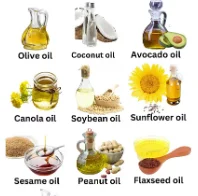
Better options include:
Olive oil (cold-pressed)

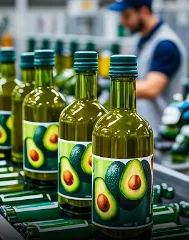
Avocado oil
Coconut oil (in moderation)

The omega-6 to omega-3 ratio problem is rooted in the industrialization of the food supply. Humans evolved on a dietary ratio of approximately 1:1 to 4:1 (omega-6 to omega-3); modern Western diets average 15:1 to 20:1 due to the ubiquity of refined vegetable oils in processed foods, restaurant cooking, and packaged snacks. At this elevated ratio, arachidonic acid (an omega-6 derivative) outcompetes EPA and DHA for the enzymes that produce inflammatory mediators — systematically tilting the body’s inflammatory set-point upward. A 2018 review in Biomedicine & Pharmacotherapy found that dietary omega-6/omega-3 imbalance independently predicts cardiovascular disease, rheumatoid arthritis, and depression — three of the most prevalent chronic conditions in adults over 50.
Industrial seed oils also present a separate concern: their high polyunsaturated fat content makes them chemically unstable at cooking temperatures. When corn, soybean, or sunflower oil is heated to typical frying temperatures (350–375°F), it begins producing oxidized lipids and aldehydes — toxic byproducts that trigger direct cellular inflammation. A 2015 study found that repeatedly heated sunflower oil produced concentrations of the aldehyde HNE (4-hydroxynonenal) 200 times higher than olive oil heated to the same temperature. Restaurant fryer oils, typically re-used many times, are a concentrated source of these oxidized compounds.
Extra virgin olive oil (EVOO) is the gold standard replacement: it is high in oleic acid (a stable monounsaturated fat resistant to oxidative breakdown at cooking temperatures), rich in polyphenols including oleocanthal (which inhibits COX-1 and COX-2 enzymes identically to ibuprofen), and supported by the strongest evidence base of any single dietary fat for reducing cardiovascular inflammation. Use EVOO as your primary cooking and dressing fat; reserve avocado oil for higher-heat applications where olive oil’s lower smoke point is a concern.
4. White Bread and Refined Grains: Quick Burn, Long Fallout
When you eat white bread, crackers, or pasta made from enriched flour, your body rapidly digests these carbs into glucose, causing sharp blood sugar spikes. Repeated glycemic spikes activate NF-κB, increase AGE formation, and elevate inflammatory markers including CRP and IL-18 — the same pathway driven by excess sugar.

Swap with:
Whole grain bread

Rolled oats

Quinoa

The glycemic index (GI) of white bread averages 75 — comparable to pure glucose (GI 100) — while whole grain bread typically scores 50–55, and oats score 55–60. This 25–30 point difference translates to substantially lower post-meal insulin secretion, reduced AGE formation, and a more stable inflammatory environment. A landmark Nurses’ Health Study analysis found that women with the highest refined grain consumption had 38% higher CRP levels than those consuming primarily whole grains — a relationship that held independent of total calorie intake, body weight, and other dietary factors.
The fiber removed during grain refining does more than slow digestion. Intact grain fibers are fermented by gut bacteria into short-chain fatty acids (SCFAs) — particularly butyrate, propionate, and acetate — that directly inhibit NF-κB activity in intestinal cells and reduce systemic inflammatory signaling. Whole grains essentially deliver their own anti-inflammatory payload alongside their slower-digesting carbohydrates, while refined grains strip away this protection entirely. A daily serving of oats alone can reduce CRP by 10–15% over 12 weeks, according to a 2018 meta-analysis in the American Journal of Clinical Nutrition.
For adults managing weight alongside inflammation, the satiety advantage of whole grains is equally important: the fiber and protein in whole grains trigger cholecystokinin (CCK) and GLP-1 release — satiety hormones that reduce subsequent calorie intake by an average of 15–20% at the following meal. Swapping just breakfast and lunch grains to whole-grain versions can produce meaningful improvements in both inflammatory markers and weight management within four to six weeks.
5. Alcohol: Weakens the Gut Wall
Drinking alcohol regularly — especially in excess — can affect your gut health profoundly. Alcohol weakens the tight junctions between intestinal epithelial cells (causing leaky gut), disrupts the gut microbiome, and is directly metabolized into acetaldehyde — a toxic compound that triggers inflammatory cytokine release in the liver and throughout the body.

Tips for minimizing damage:
Stick to one drink per day (if at all)

Hydrate well alongside alcohol

Choose organic red wine over sweet cocktails

Alcohol’s gut-barrier disruption is rapid and measurable: a single heavy drinking episode (4–5 drinks) increases intestinal permeability within hours, allowing bacterial endotoxins (LPS) to cross the gut wall and enter systemic circulation. These LPS molecules bind to TLR4 receptors on immune cells, triggering a powerful inflammatory response that elevates TNF-α, IL-1β, and IL-6 — the same cytokines elevated in chronic inflammatory diseases. This is why even occasional binge drinking in otherwise healthy adults produces measurable inflammation the following day — it’s not just a hangover; it’s an acute inflammatory event.
Chronic moderate drinking (more than 7 drinks per week for women, 14 for men) progressively depletes the microbiome of beneficial bacteria — particularly Akkermansia muciniphila, which maintains the mucus layer protecting the gut wall — while selectively enriching pro-inflammatory bacterial species. This dysbiosis persists for weeks after alcohol cessation, which partly explains why inflammatory markers remain elevated long after someone stops drinking regularly.
If you choose to drink, red wine in moderation (one glass with a meal) offers the most favorable inflammatory profile among alcoholic beverages. Resveratrol and other polyphenols in red wine activate SIRT1 — a protein that suppresses NF-κB and reduces inflammatory gene expression — partially counteracting alcohol’s pro-inflammatory effects. However, this benefit does not apply to wine consumed in excess: more than two glasses eliminates the polyphenol benefit and amplifies the gut-disruption harm.
6. Dairy: Not a Problem for All, but Some Should Be Cautious
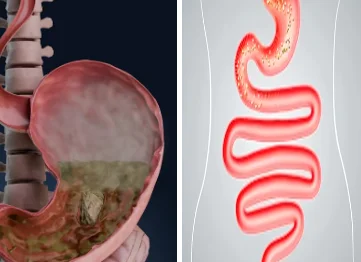
Dairy products like milk, cream, and cheese may not bother everyone. But if you’re sensitive to casein (the main dairy protein) or lactose-intolerant, consuming dairy can trigger gut inflammation, immune activation, and systemic inflammatory responses that manifest in unexpected locations.

Try eliminating for a week if you experience:
Puffy eyes or sinus congestion

Gas or bloating
Joint discomfort

The dairy-inflammation relationship is complex and highly individual, which is why it’s important to distinguish between different mechanisms. Lactose intolerance (affecting approximately 65% of adults globally and increasing with age as lactase enzyme production declines) causes digestive symptoms through undigested lactose fermenting in the colon — producing gas, bloating, and diarrhea but not necessarily systemic inflammation. Casein sensitivity, by contrast, triggers an immune response to the milk protein itself, which can elevate IgG antibodies and produce the diffuse, hard-to-attribute symptoms — joint aching, brain fog, skin issues, sinus congestion — that many adults attribute to other causes.
A2 milk (from certain breeds like Guernsey and Jersey cows) has gained attention as a potentially better-tolerated alternative for casein-sensitive individuals. A2 milk contains only the A2 beta-casein protein variant, which research suggests is less likely to cause gut inflammation than the A1 beta-casein dominant in conventional cow’s milk. A 2019 trial in the Nutrition Journal found that A2 milk produced significantly less digestive discomfort and lower post-consumption inflammation markers than conventional milk in adults reporting milk sensitivity — suggesting the casein variant matters as much as the lactose content.
Fermented dairy (yogurt, kefir, aged cheeses) is generally better tolerated because fermentation converts most lactose and partially breaks down casein, while introducing beneficial bacteria that actively reduce gut inflammation. For adults who suspect dairy sensitivity but don’t want to eliminate dairy entirely, switching to full-fat fermented dairy products like kefir or aged hard cheese is a practical middle ground supported by good evidence for gut health benefits.
7. Artificial Sweeteners: Zero Calories, Real Issues
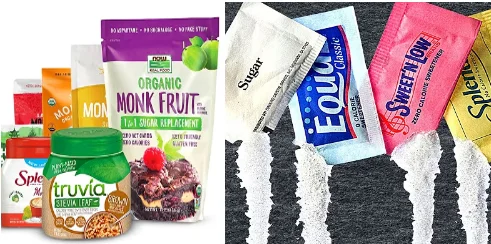
Sweeteners such as aspartame and sucralose are often found in “diet” products, but their effect on the gut microbiome is increasingly concerning. Multiple studies have found that non-caloric artificial sweeteners alter gut bacterial populations in ways that impair glucose metabolism — producing glucose intolerance through microbiome disruption even in the absence of caloric intake.
Sneaky places they hide:
Sugar-free gum

Light yogurt

Flavored protein powders

The 2014 Weizmann Institute study published in Nature was landmark: it found that saccharin, sucralose, and aspartame all induced glucose intolerance in mice and in a subset of human subjects by altering gut microbiome composition — specifically reducing Bacteroidetes and enriching Firmicutes in a pattern associated with metabolic inflammation. When gut bacteria from sweetener-consuming mice were transplanted into germ-free mice (who had never consumed sweeteners), the recipients immediately developed glucose intolerance — proving the microbiome mediated the metabolic disruption, not the sweetener directly.
Sucralose at baking temperatures degrades into chlorinated compounds (chloropropanols) with potential genotoxic and pro-inflammatory properties, making it particularly problematic in baked goods where it’s often used as a sugar substitute. Aspartame breaks down into methanol, phenylalanine, and aspartic acid during digestion — the methanol component is converted to formaldehyde in the liver at a rate that, while small at normal doses, compounds over years of daily consumption. For adults consuming multiple “diet” products daily, total exposure can be meaningful.
Better alternatives: small amounts of raw honey (which contains anti-inflammatory polyphenols and antimicrobial compounds), pure maple syrup (rich in manganese and zinc), or monk fruit sweetener (which appears to have a neutral or beneficial effect on the gut microbiome based on preliminary research) provide sweetness with significantly less inflammatory risk than synthetic sweeteners.
8. Refined Gluten: A Silent Gut Trigger
Even if you don’t have celiac disease, highly refined gluten found in pastries, cakes, and white flour may irritate the gut lining in sensitive individuals. Non-celiac gluten sensitivity (NCGS) affects an estimated 6% of the population and produces intestinal permeability and systemic inflammation without the autoimmune antibody markers of celiac disease.

Not all gluten is created equal. Look for:
Sprouted grain bread

Ancient grains like spelt or einkorn

Certified organic whole wheat

The distinction between refined gluten and whole-grain gluten matters considerably. Whole wheat bread contains the bran, germ, and all the fiber and micronutrients that modulate how gluten behaves in the gut — the fiber feeds beneficial bacteria that maintain the gut mucus layer, reducing how much gliadin (the inflammatory component of gluten) contacts intestinal cells. Refined white flour strips away this protective matrix, leaving concentrated gliadin to interact directly with gut epithelium. This is why studies of gut inflammation from wheat consistently find larger effects from refined wheat products than from equivalent amounts of whole grain wheat.
Sprouted grain breads (like Ezekiel bread) represent a further improvement: the sprouting process activates enzymes that partially break down gliadin proteins and phytic acid, reducing gut irritation and improving mineral absorption compared to unsprouted whole grain. Ancient wheat varieties — spelt, einkorn, emmer — have a different gluten protein structure (lower in the specifically immunogenic omega-5 gliadin fraction) that many gluten-sensitive individuals tolerate better than modern high-yield wheat, though they are not safe for celiac disease.
If you suspect gluten sensitivity, a four-week elimination trial (removing all wheat, barley, and rye) followed by a systematic reintroduction is the most practical diagnostic approach available outside a clinical setting. Keep a symptom diary during both phases — gut, skin, joint, cognitive, and energy symptoms should all be tracked, as NCGS can manifest in any of these systems.
Smart Swaps for a Low-Inflammation Diet
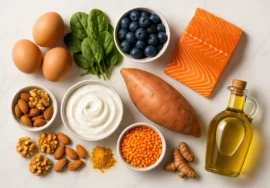
Use turmeric, ginger, and garlic in your cooking to reduce inflammation naturally.

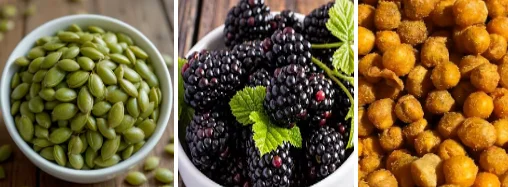
Choose snacks like berries, pumpkin seeds, or roasted chickpeas instead of cookies or chips.
Aim to fill half your plate with colorful vegetables at lunch and dinner.

Cut back on deep-fried fast food and sugary beverages whenever possible.

These swaps work because they address inflammation through multiple simultaneous pathways. Turmeric’s curcumin inhibits NF-κB directly; ginger’s gingerols block COX-2; garlic’s allicin reduces inflammatory cytokine production. Berries’ anthocyanins protect against AGE formation; pumpkin seeds provide zinc and magnesium that regulate immune cell activity; chickpeas provide prebiotic fiber that feeds anti-inflammatory gut bacteria. Colorful vegetables deliver carotenoids and polyphenols that activate the Nrf2 antioxidant pathway — the same pathway that sulforaphane from broccoli activates, effectively upregulating your body’s own internal anti-inflammatory machinery.
A 2020 PREDIMED study follow-up found that adults who most closely followed a Mediterranean-style diet (naturally low in all eight inflammatory foods above) had 30% lower risk of cardiovascular events, 19% lower risk of type 2 diabetes, and significantly lower CRP and IL-6 throughout a 5-year follow-up period compared to a standard Western diet control group — confirming that dietary inflammation management produces measurable, clinically meaningful long-term health outcomes, not just theoretical biochemical benefits.
Frequently Asked Questions
❓ What is the number one food that causes inflammation?
Refined sugar is at the top of the list due to its ability to rapidly increase insulin, activate NF-κB, trigger the NLRP3 inflammasome, and disrupt the gut microbiome within hours of consumption. Among sugar forms, high-fructose corn syrup is the most problematic due to its hepatic (liver-based) metabolism that bypasses normal satiety and glycemic regulation.
❓ Can dairy cause inflammation in healthy people?
Not always. However, individuals sensitive to casein protein or with declining lactase activity (increasingly common after 40) may experience digestive upset and systemic inflammatory responses. Fermented dairy like kefir and yogurt is generally better tolerated and may actually reduce inflammation through its probiotic content.
❓ Are all oils bad for inflammation?
No. Oils like extra virgin olive oil and avocado oil are strongly anti-inflammatory. Cold-pressed EVOO contains oleocanthal, which inhibits COX-1 and COX-2 in a manner identical to ibuprofen at typical serving doses. Corn, soybean, and sunflower oils shift the omega-6/omega-3 ratio unfavorably and degrade into pro-inflammatory compounds when heated.
❓ How do I know if food is causing inflammation?
Look for patterns: fatigue, joint stiffness, headaches, brain fog, skin breakouts, and bloating occurring 1–48 hours after eating specific foods are common indicators. An elimination diet — removing the eight inflammatory food categories above for four weeks, then systematically reintroducing them — is the most reliable self-assessment tool available without laboratory testing.
❓ Does gluten cause inflammation in non-celiacs?
For some people, yes. Refined gluten products can irritate the gut lining and trigger intestinal permeability in non-celiac gluten sensitivity, affecting an estimated 6% of adults. Choosing sprouted grains, ancient wheat varieties, or certified whole-grain products reduces this risk without requiring complete gluten avoidance for most people.
Final Thoughts: Practical Changes, Not Perfection
You do not need to eliminate every food on this list. Start with one or two realistic swaps—such as water instead of a sugary drink, whole grains instead of refined grains, or fresh poultry instead of processed deli meat. Overall eating patterns matter more than a single food, and individual responses vary.
Adults 60+ should make gradual changes that fit their appetite, budget, medicines, and health conditions. A clinician or registered dietitian can help tailor advice for diabetes, heart disease, kidney disease, gout, or other chronic conditions.
Food choices may support general health, but they do not cure inflammation or replace medical care. Persistent joint pain, swelling, fever, unexplained weight loss, or other concerning symptoms deserve a healthcare evaluation.
Sources
- American Heart Association: Anti-Inflammatory Diet
- Harvard Health: Foods That Fight Inflammation
- MedlinePlus: Inflammation
⚕️ Medical Disclaimer
The information provided on this page is for educational purposes only and is not intended as medical advice, diagnosis, or treatment. Always consult a qualified healthcare professional before making changes to your diet, starting any supplement, or if you have an existing medical condition. KeepFitQuote does not provide medical diagnoses or treatment recommendations. Read our full disclaimer.
Related Posts








Pingback: Healthy Fats Guide U.S. Dietary Guidelines Best Practices
Pingback: Dandelion Root for Seniors Benefits Safety Cancer Research
Pingback: Gentle Body Reset After 60 with 7 Simple Foods for Better Health
Pingback: Collagen-Boosting Vegetables for Seniors Leg Strength
Pingback: Natural Joint Pain Relief for Seniors 7 Proven Home Remedies
I found your weblog site on google and verify a number of of your early posts. Proceed to maintain up the very good operate. I just extra up your RSS feed to my MSN News Reader. Searching for ahead to reading extra from you afterward!…
Thanks for the sensible critique. Me and my neighbor were just preparing to do a little research about this. We got a grab a book from our local library but I think I learned more from this post. I’m very glad to see such wonderful info being shared freely out there.