Most of us think of cinnamon sticks and cloves as holiday spices. We toss them into cider or sprinkle them on baked goods. However, these two pantry staples also have a long history in traditional wellness. Early research supports some claims, while other claims lack support.
In this guide, we explain the benefits of cinnamon sticks and cloves, what research actually shows, and how to use them safely. It is written with older adults in mind, since medicines and blood sugar needs often change with age.
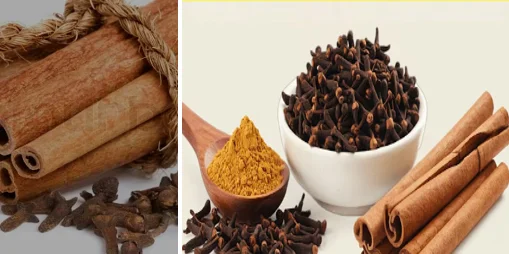
Short answer: cinnamon sticks and cloves are safe in normal food amounts, and they add flavor without sugar. However, the National Center for Complementary and Integrative Health (NCCIH) says research does not clearly support cinnamon for any health condition. Clove oil needs even more care.
Cinnamon Sticks: More Than Just Flavor
You have probably seen cinnamon bark rolled into fragrant sticks at the grocery store. Whole sticks are easy to simmer in tea or broth, and you can lift them out afterward. In contrast, you stir ground cinnamon into food, and it is harder to measure.
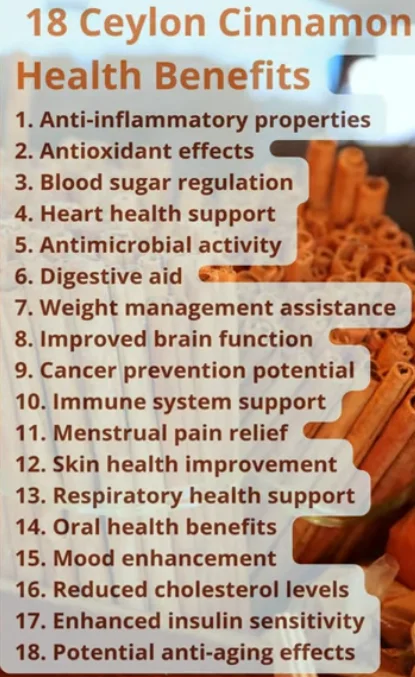
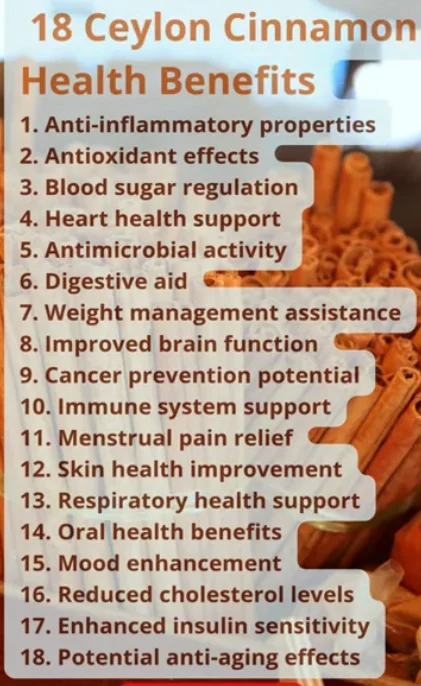
Popular graphics, like the one above, list many claimed benefits. However, many of those claims have not been proven in people. The sections below explain what researchers know.
Cinnamon Stick Tea and Blood Sugar
Cinnamon tea is often promoted for blood sugar support. Some studies suggest cinnamon may change how cells respond to insulin. However, results are mixed. According to NCCIH, it is unclear whether cinnamon helps with diabetes.
Treat it as a flavorful habit, not a replacement for diabetes care. Our guide to blood sugar tips for seniors covers steadier everyday habits.
Cinnamon Water and Weight
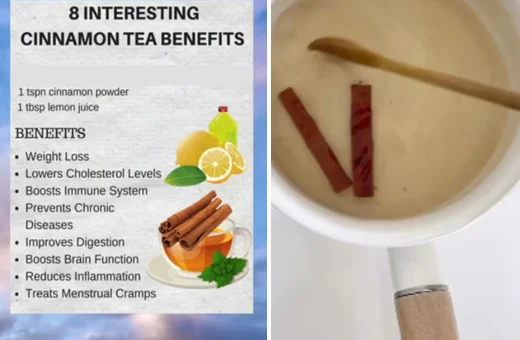
Simmered cinnamon water is popular in traditional wellness for appetite and weight. However, NCCIH notes that it is unclear whether cinnamon supplements help with weight loss. Still, a warm, unsweetened drink may help you skip sugary ones.

Cinnamon and Oral Care
Cinnamon shows antibacterial properties in lab studies, which is why it appears in some gums and mouth rinses. Chewing a stick is a traditional habit. However, it does not replace brushing, flossing, or dental checkups.

The type of cinnamon matters, too. NCCIH explains that people call Ceylon cinnamon true cinnamon, while cassia is the most common type sold in North America. Cassia contains coumarin, a compound that researchers have linked with liver effects. Most people get only small amounts from food. However, prolonged use could be an issue for sensitive people, such as those with liver disease.
Ceylon cinnamon may contain only a trace amount of coumarin. Therefore, Ceylon sticks are the safer choice if you drink cinnamon tea every day.
Cloves: A Tiny Spice With Traditional Uses
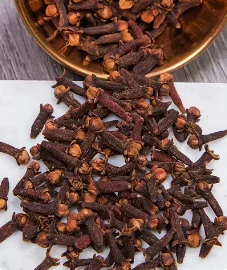
Cloves are dried flower buds with a strong aroma. People have used them for centuries in cooking and traditional medicine. Their main active compound is eugenol, which makes up most of clove oil. Cinnamon sticks and cloves are a classic pairing, but each has its own traits.
Clove Water for Digestion
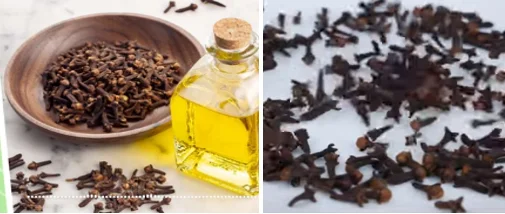
Soaking a few cloves in warm water is an Ayurvedic custom for bloating and discomfort. It is gentle for many people. However, according to NIH LiverTox, there are no convincing data that cloves treat digestive problems.
Clove Oil and Tooth Pain
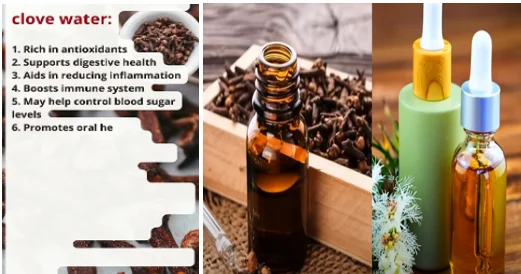
People have long used clove oil for toothache and sore gums. LiverTox says sources claim it has gentle numbing and antiseptic effects, and it was once common in dentistry. However, the FDA has not approved it for any medical condition in the United States.
Never swallow clove oil. In high doses, such as an overdose, it can cause severe liver injury. If a tooth hurts, see a dentist.
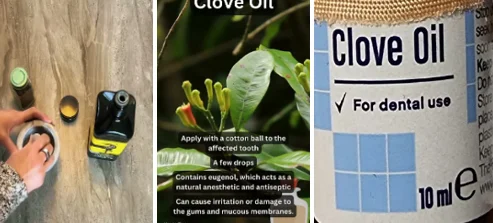
Clove Steam for Stuffy Noses
Inhaling steam from simmered cloves is a home habit for congestion. The warm vapor itself may feel soothing. However, there is little evidence that cloves add benefit beyond the steam. Be careful to avoid burns.
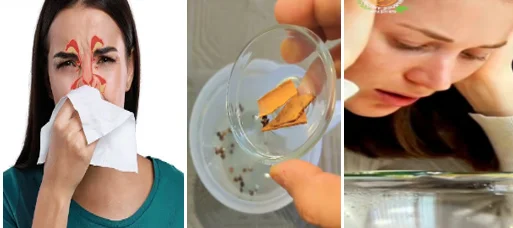
In lab studies, eugenol has shown antibacterial, antifungal, and antioxidant activity. However, lab results do not always carry over to people. For that reason, treat cinnamon sticks and cloves as flavorful spices rather than treatments.
When You Combine Cinnamon Sticks and Cloves
These two spices pair well, both in flavor and in traditional recipes.
Cinnamon and Clove Tea
Boil two cinnamon sticks with four cloves in two cups of water for a warm tea. The warmth and fluid can soothe a sore throat. However, these spices have not been proven to prevent colds or boost immunity.
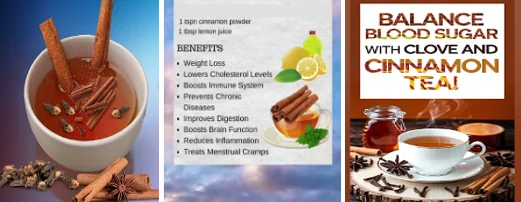
Spiced Water Instead of Detox Water
Infusing your daily water with cinnamon sticks and cloves adds flavor without sugar. It may also help you drink more fluids. However, your liver and kidneys already clear waste, so no spice water is needed to cleanse the body.

Both spices contain antioxidant compounds. Lab research on their antimicrobial activity is interesting, yet human studies are limited. In contrast, staying hydrated and warm clearly helps during cold and flu season.
How to Use Cinnamon Sticks and Cloves Every Day
Here are simple ways to add cinnamon sticks and cloves to your routine in food-sized amounts:
- Simmer in water for a calming, low-calorie herbal drink.
- Add to oatmeal or smoothies while cooking for a warm, spiced flavor.
- Use in broth for savory stews, especially during colder months.
- Chew whole (1 clove or 1 small piece of cinnamon stick) occasionally after meals for a fresh mouth.
Safety Notes for Cinnamon Sticks and Cloves
Choose fresh, aromatic whole cloves and, when possible, Ceylon cinnamon sticks. Cheap cassia powder is more likely to contain higher levels of coumarin.

Talk with your doctor or pharmacist before using more than food amounts of cinnamon sticks and cloves if any of these apply:
- You take any medicine. NCCIH says some components of cinnamon may interact with an anticancer medicine or nicotine.
- You have diabetes. Ask whether cinnamon fits your plan, and read the NCCIH guide to diabetes and dietary supplements.
- You have liver disease. Cassia cinnamon contains coumarin, which researchers have linked with liver effects.
- You are pregnant. Experts consider larger amounts of Ceylon cinnamon during pregnancy unsafe.
Also, never try the internet “cinnamon challenge.” NCCIH calls it an unsafe dare, and serious harm is possible.
Final Thoughts on Cinnamon Sticks and Cloves
Cinnamon sticks and cloves are small, but they bring flavor, aroma, and interesting plant compounds to everyday cooking. They are not cures. Still, they are an affordable way to add flavor without extra sugar.
Start small with cinnamon sticks and cloves. For example, try a warm cinnamon-clove tea in the afternoon, and use Ceylon sticks if you drink it daily. Pair it with balanced meals, as our guide to anti-inflammatory foods suggests. Looking for another kitchen spice? See the health benefits of ginger.
FAQs
What happens if I drink cinnamon stick water daily?
In food-sized amounts, it is likely safe for most adults. However, research does not clearly show that it improves digestion or blood sugar. If you take diabetes medicine, ask your provider first.
How many cloves should I use per day for digestion?
One to two whole cloves steeped in water or used in cooking is a common food-sized amount. There is no proven dose for digestion, so ask your doctor if you have liver disease or take medicines.
Is it better to use whole cinnamon or ground cinnamon for health?
Whole sticks are easy to steep in tea and remove afterward. Ground cinnamon is easier to add to oatmeal. For daily use, choose Ceylon cinnamon in whichever form you prefer.
Can cinnamon sticks and cloves cleanse the body?
No. Your liver and kidneys already handle waste removal. Cloves and cinnamon add flavor and some antioxidants, but they are not a cleanse.
Does boiling cinnamon sticks and cloves together improve immunity?
It is not proven. Both spices contain antioxidants, and a warm drink can feel soothing in cold season. However, no study shows that the tea prevents colds or flu.
Sources and Further Reading
- NCCIH: Cinnamon
- NCCIH: Diabetes and Dietary Supplements, What You Need To Know
- NIH LiverTox: Eugenol (Clove Oil)
This article is for general education and is not medical advice. Talk with your doctor or pharmacist before using cinnamon or cloves in larger amounts, especially if you take medicines or have liver disease or diabetes.
⚕️ Medical Disclaimer
The information provided on this page is for educational purposes only and is not intended as medical advice, diagnosis, or treatment. Always consult a qualified healthcare professional before making changes to your diet, starting any supplement, or if you have an existing medical condition. KeepFitQuote does not provide medical diagnoses or treatment recommendations. Read our full disclaimer.
Related Posts