Ginger isn’t just a flavorful spice that adds a warm kick to your meals — it’s a powerhouse of healing benefits backed by centuries of traditional use and a growing body of modern clinical research. From managing blood sugar to easing pain, ginger’s potential is wide-ranging and well worth exploring.
1. Ginger and Blood Sugar: A Natural Stabilizer
If you’re wondering how to lower blood sugar quickly or searching for ways to manage type 2 diabetes naturally, ginger may be a valuable addition to your routine. Research suggests that ginger can improve insulin sensitivity and reduce fasting blood glucose levels — two key factors in blood sugar management.
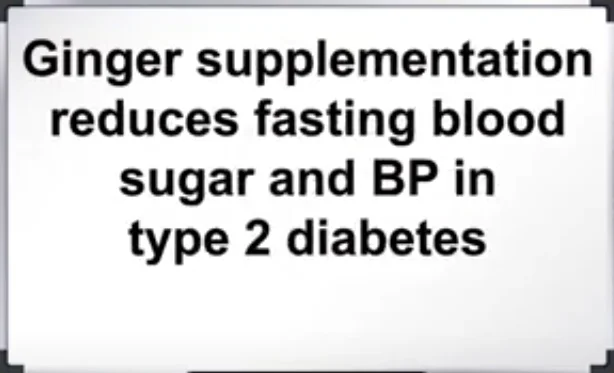
If you’ve been asking, “Does ginger help lower blood sugar?” — the answer is encouraging, especially when combined with a balanced diet and regular movement.

The mechanism behind ginger’s blood sugar effects is well-documented. Gingerol — ginger’s primary bioactive compound — inhibits key enzymes involved in carbohydrate digestion (alpha-glucosidase and alpha-amylase), slowing the breakdown and absorption of starches into the bloodstream. This blunts post-meal glucose spikes in a manner similar to the diabetes medication acarbose, but without the gastrointestinal side effects. A 2015 randomized controlled trial published in the Journal of Complementary and Integrative Medicine found that 2 grams of ginger powder daily for 12 weeks significantly reduced fasting blood glucose, HbA1c, insulin levels, and triglycerides in adults with type 2 diabetes.
Ginger also activates AMPK (AMP-activated protein kinase) — the same cellular energy sensor targeted by the diabetes drug metformin. AMPK activation increases glucose uptake into muscle cells, reduces glucose production by the liver, and improves overall insulin sensitivity. This makes ginger particularly relevant for adults over 50, in whom declining muscle mass and age-related insulin resistance are common precursors to prediabetes.
Practical dosing: most studies showing benefit used 1–3 grams of dried ginger powder daily (roughly ½ to 1 teaspoon), split between meals. Fresh ginger root offers the same active compounds; a 1-inch piece of fresh ginger is approximately equivalent to ¼ teaspoon of ground ginger. If you take metformin or other glucose-lowering medications, inform your doctor before adding therapeutic doses of ginger, as the combined effect may lower blood sugar more than intended.
2. The Ultimate Anti-Nausea Remedy
Ginger is a go-to for easing all types of nausea, including:

- Morning sickness
- Vomiting during pregnancy
- Nausea from motion sickness or food poisoning
- Hangover-related vomiting
Looking for natural ways to stop throwing up? Ginger tea, fresh ginger, or capsules are fast-acting and easy on the stomach.
Ginger’s anti-nausea action operates through the enteric nervous system — the “second brain” lining the gut. Gingerols and shogaols (a related compound formed when ginger is dried or cooked) antagonize 5-HT3 serotonin receptors in the gut wall, the same receptors targeted by powerful prescription anti-nausea drugs like ondansetron. This receptor blockade prevents the vomiting reflex from being triggered by gut irritation, inner ear disturbance, or chemotherapy-related stimuli. A 2014 meta-analysis of 12 randomized trials in the British Journal of Anesthesia found ginger significantly more effective than placebo for post-operative nausea, and comparable to low-dose metoclopramide — without sedating side effects.
For chemotherapy-induced nausea — a significant quality-of-life issue for many older adults — a University of Rochester study involving 576 cancer patients found that 0.5–1.0 gram of ginger supplements daily reduced acute nausea severity by 40% compared to placebo when taken alongside standard anti-nausea medications. Ginger doesn’t replace prescription antiemetics in this setting, but it enhances their effectiveness and may allow lower doses of medications that cause fatigue and dizziness.
For everyday nausea, ginger tea made from fresh-grated root is among the fastest-acting forms: active compounds are extracted into hot water within 5 minutes of steeping. Sipping slowly — rather than drinking a large amount quickly — prevents the stomach distension that can worsen nausea. Ginger candies, crystallized ginger, and ginger chews are practical travel-friendly options for motion sickness; keep them accessible in your bag or car. If you are curious about ginger and weight claims, see our guide to lemon and ginger metabolism.
3. Anti-Inflammatory and Pain Relief Benefits
Ginger’s active compound, gingerol, has properties similar to NSAIDs, but without the side effects. It’s widely used for:

- Menstrual cramps
- Joint pain from arthritis
- Inflammation-related headaches and muscle pain
If you’re considering an anti-inflammatory diet, ginger deserves a top spot alongside turmeric and cinnamon.
Gingerol inhibits both COX-1 and COX-2 enzymes — the same enzymes blocked by ibuprofen and naproxen — reducing prostaglandin synthesis and thereby lowering inflammation and pain signaling. Unlike NSAIDs, ginger does not significantly irritate the stomach lining or impair kidney function at normal dietary doses, making it particularly valuable for older adults who are advised to limit long-term NSAID use. A 2015 meta-analysis in Osteoarthritis and Cartilage found that ginger extract significantly reduced pain and disability in knee osteoarthritis, with effects comparable to ibuprofen in two direct-comparison trials.
For muscle soreness specifically — a real barrier to exercise for many seniors — a study in the Journal of Pain found that consuming 2 grams of raw or heat-treated ginger daily for 11 days reduced exercise-induced muscle pain by 25% compared to placebo. This matters practically: if post-exercise soreness discourages you from staying active, adding ginger to your daily routine may help you exercise more consistently, compounding the long-term benefits of movement.
Shogaol — formed when ginger is dried or cooked — is actually a more potent anti-inflammatory agent than fresh gingerol. This means dried ginger powder or cooked ginger dishes may offer superior anti-inflammatory benefits compared to raw ginger alone. For arthritis or chronic pain management, alternating between fresh ginger (for nausea and digestion) and powdered ginger (for anti-inflammatory effect) covers both bases. Always check with your doctor if you’re on blood thinners, as high-dose ginger has mild antiplatelet properties.
4. Ginger for Weight Loss and Fat Burning
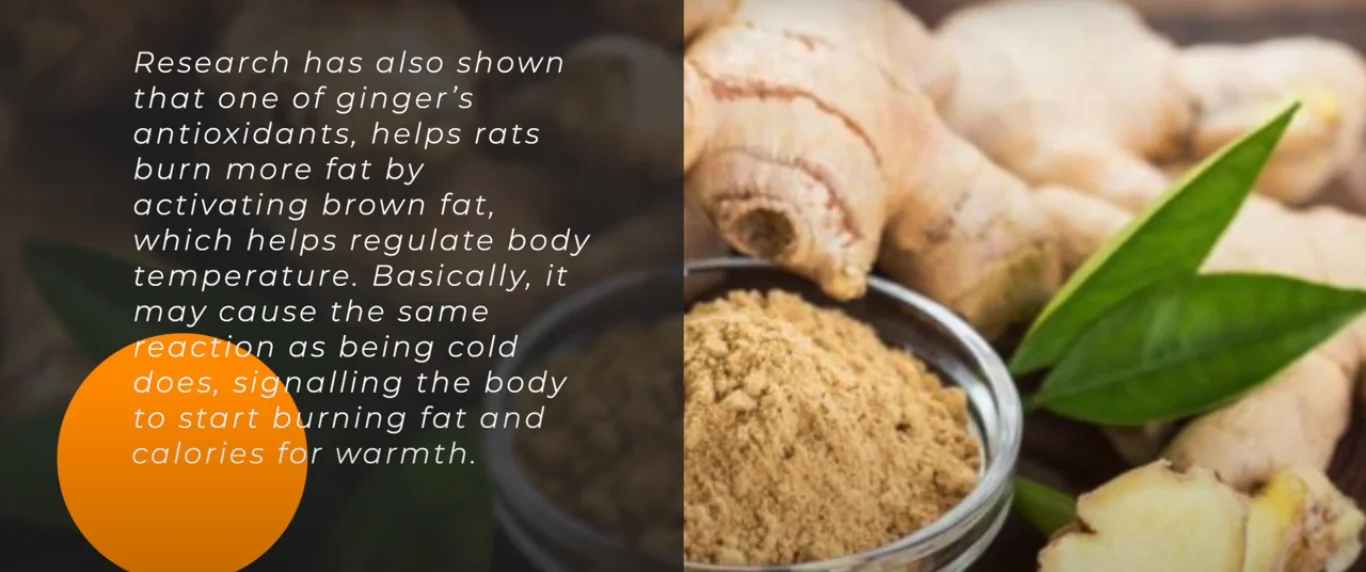
Trying to lose belly fat or lose weight naturally? Ginger supports digestion, curbs appetite, and may increase thermogenesis — your body’s fat-burning heat production.
It works well when paired with:
- A high-fiber diet for weight loss
- A low-calorie meal plan
- Weight loss after pregnancy
Whether you’re using an online weight loss program or following a structured plan, ginger is a natural complement to your strategy.

Want to nudge your metabolism forward? Ginger might just give it the push it needs.
Ginger’s thermogenic effect — its ability to slightly raise body temperature and metabolic rate — is driven by its activation of brown adipose tissue (BAT) and stimulation of catecholamine release. A 2012 study in Metabolism found that men who consumed hot ginger beverages with breakfast reported significantly higher satiety, lower hunger scores, and reduced overall food intake throughout the day compared to a control beverage. The thermic effect is modest (estimated at 43–50 extra calories burned per day at therapeutic doses), but the appetite-suppressing effect compounds meaningfully over weeks and months.
Ginger’s impact on the gut also plays a role in weight management. It accelerates gastric emptying — the rate at which food moves from the stomach into the small intestine — which reduces the “heavy” post-meal feeling that can trigger cravings for lighter, sweeter foods. A 2011 study in the European Journal of Gastroenterology & Hepatology found ginger accelerated gastric emptying by nearly 50% in healthy volunteers. Faster gastric emptying correlates with better blood sugar control and reduced post-meal insulin spikes — both directly relevant to belly fat accumulation.
For best results in weight management, consume ginger before or with meals rather than after. Ginger-lemon hot water taken 20–30 minutes before breakfast is a well-validated “metabolic primer” — it stimulates digestive enzyme production, reduces morning cortisol, and provides a mild appetite-dampening effect before the day’s eating begins. One to two teaspoons of freshly grated ginger in 8 oz of hot water with lemon and a small amount of raw honey is an accessible, low-calorie format.
5. Cholesterol Control and Heart Health
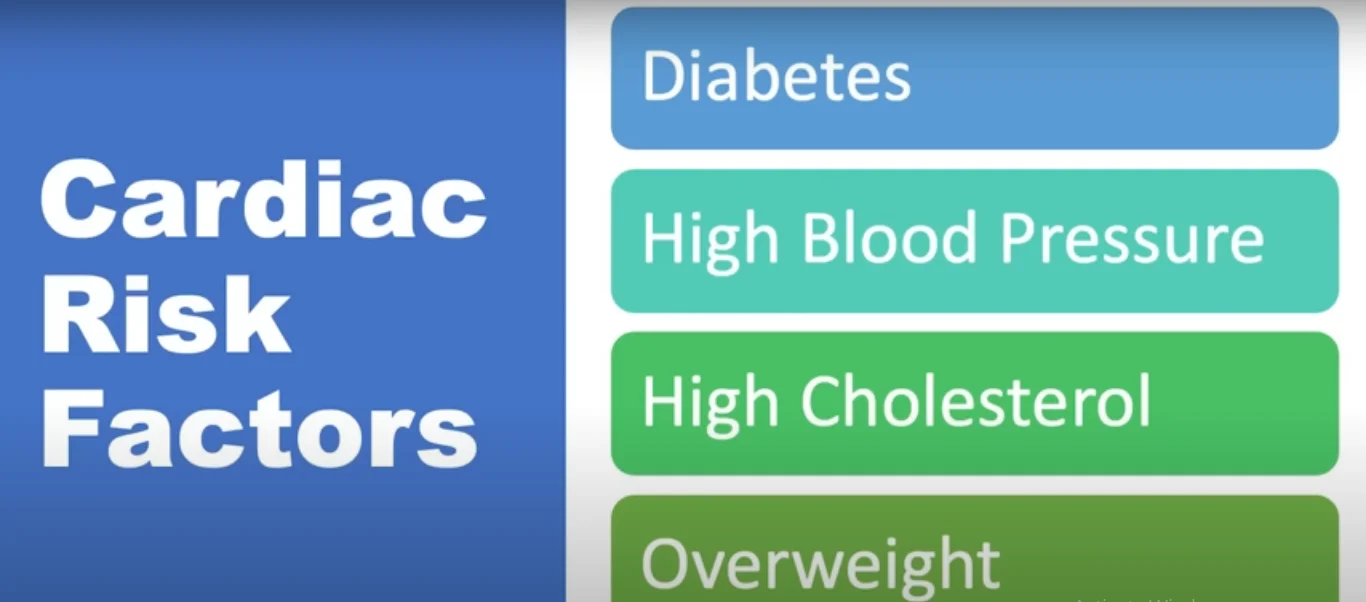
Ginger may also help lower LDL cholesterol and reduce triglycerides, promoting heart health. It’s even more effective when combined with:
- A Mediterranean diet
- Oats and fiber-rich foods
- Healthy fats like avocado

Looking to improve cholesterol naturally? Add ginger to smoothies, soups, or teas.
A 2014 double-blind, randomized controlled trial in the Saudi Medical Journal found that 3 grams of ginger powder daily for 45 days significantly reduced triglycerides (by 23%), LDL cholesterol (by 10%), and total cholesterol (by 13%) in adults with elevated cardiovascular risk. The proposed mechanism involves ginger’s activation of cholesterol 7-alpha hydroxylase — the enzyme that converts cholesterol into bile acids for excretion, essentially removing cholesterol from the body through the digestive tract.
Ginger also has mild antiplatelet and anticoagulant properties, reducing the tendency of platelets to clump together and form artery-blocking clots. While these effects are much weaker than aspirin or prescription blood thinners, they contribute to ginger’s overall cardioprotective profile. One important caution: if you take warfarin, clopidogrel, or any prescription anticoagulant, discuss ginger supplementation with your doctor before significantly increasing intake, as even modest antiplatelet effects can interact with these medications.
The synergy between ginger and other heart-healthy foods is real and worth leveraging. Ginger’s anti-inflammatory gingerols complement the cholesterol-lowering beta-glucan in oats, the LDL-oxidation protection of olive oil’s polyphenols, and the triglyceride-reducing omega-3s in fatty fish. A morning routine of oatmeal with ground ginger, followed by an olive oil-dressed lunch salad, delivers multiple overlapping cardiovascular benefits without any supplements required.
6. Gut Health and Digestion
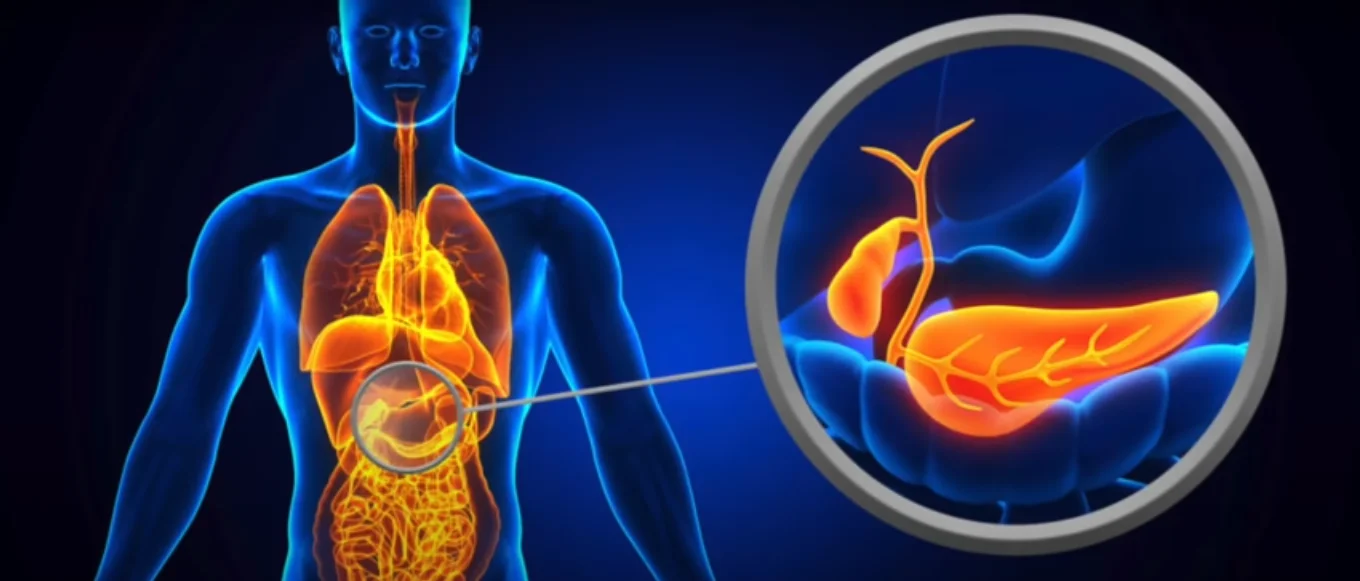
Ginger soothes the stomach lining, reduces bloating, and helps ease vomiting after eating. It can also be helpful for:
- Stomach bugs and food poisoning
- Digestive issues from cold and flu
- Menstrual nausea and vomiting

Many people turn to ginger for its quick action as a home remedy for nausea, especially when other medications aren’t available or cause unwanted side effects.
Ginger’s digestive benefits stem from its dual action on both the mechanical and chemical aspects of digestion. Mechanically, it promotes peristalsis — the rhythmic muscle contractions that move food through the digestive tract — reducing the stagnation that leads to bloating and discomfort. Chemically, it stimulates the production of digestive enzymes including lipase and amylase, improving the breakdown of fats and carbohydrates. For older adults, whose digestive enzyme output naturally declines with age, this enzymatic boost can meaningfully improve nutrient absorption from meals.
Ginger also has direct antimicrobial properties against common gut pathogens. Laboratory studies have shown gingerol and shogaol inhibit the growth of H. pylori (the bacteria responsible for most stomach ulcers), E. coli, and Salmonella strains. While these findings are primarily in vitro (test tube) rather than clinical trials, they support the traditional use of ginger in food preparation — it’s no coincidence that ginger features prominently in the cuisines of tropical climates where foodborne illness risk is higher.
For IBS (irritable bowel syndrome) — which affects up to 15% of adults over 60 — ginger’s antispasmodic effect on the smooth muscle of the intestinal wall can reduce cramping and urgency. A low-FODMAP approach combined with daily ginger tea is a well-tolerated starting point for adults managing IBS symptoms. Start with ½ teaspoon of ground ginger or a small piece of fresh root and increase gradually; some individuals with acid reflux find large amounts of ginger aggravating, so calibrate to your own tolerance.
Final Thoughts
Whether you’re managing blood sugar naturally, trying to reduce inflammation, or seeking safe, natural help for nausea, the health benefits of ginger make it one of the most versatile additions to a senior wellness routine.
Add it to your diet in any form — tea, capsules, powder, or fresh — and enjoy its wide-ranging benefits for your health, digestion, and vitality.
The evidence base for ginger is unusually strong for a culinary herb: dozens of randomized controlled trials, multiple systematic reviews, and a clear mechanistic understanding of how its active compounds work at the cellular level. This isn’t folk medicine unsupported by science — it’s a well-studied botanical with a safety profile that compares favorably to many pharmaceutical alternatives, particularly for older adults managing multiple conditions and medications.
That said, “natural” does not mean “without risk.” Ginger at culinary doses (up to about 1 teaspoon per day) is safe for virtually everyone. At therapeutic doses (2–4 grams daily), it’s important to consider interactions with blood thinners, diabetes medications, and antihypertensive drugs — all commonly prescribed in the 50+ population. A brief conversation with your doctor or pharmacist before starting a ginger supplement is always worthwhile, especially if you have multiple prescriptions.
The simplest and most sustainable approach: incorporate ginger daily as a food rather than a supplement. Grate it fresh into stir-fries, soups, and salad dressings. Brew a cup of ginger tea each morning. Add ground ginger to oatmeal, smoothies, and baked goods. These small, consistent additions deliver real therapeutic benefit without the cost of supplements — and they make your food more delicious in the process.
⚕️ Medical Disclaimer
The information provided on this page is for educational purposes only and is not intended as medical advice, diagnosis, or treatment. Always consult a qualified healthcare professional before making changes to your diet, starting any supplement, or if you have an existing medical condition. KeepFitQuote does not provide medical diagnoses or treatment recommendations. Read our full disclaimer.
Related Posts