Pain After 60: 6 Common Types & When to Get Help
- Quick Answer
- Key Takeaways
- Is Pain Normal After 60?
- Why Pain Changes as We Age
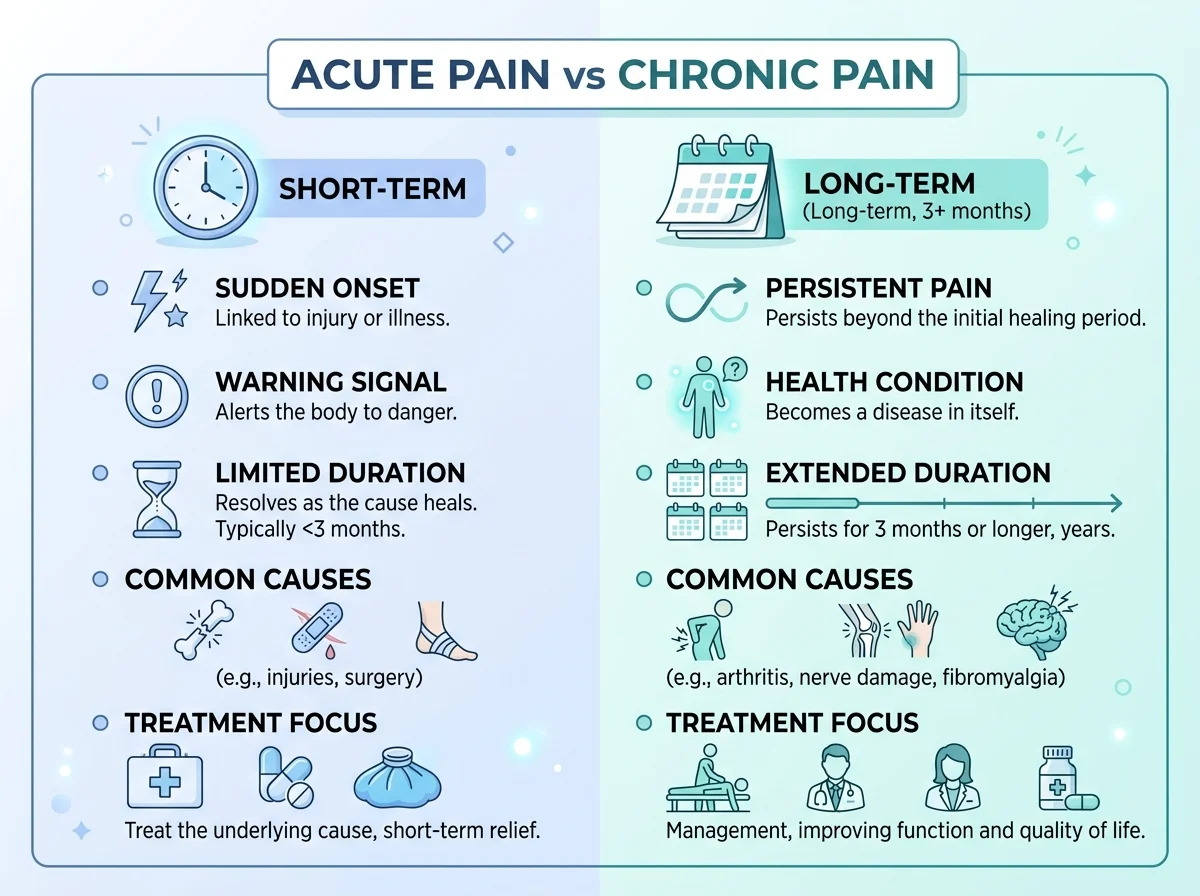
- Acute vs Chronic Pain After 60
- The 6 Common Types of Pain After 60
- Simple Pain Type Table
- When to Get Medical Help
- Safe Pain Relief After 60
- Heat or Ice for Pain Seniors
- Pain Diary for Older Adults
- Sleep and Chronic Pain in Older Adults
- Bottom Line
- FAQs
- Sources and References
Quick Answer
Pain after 60 is common, but it should not be dismissed as “just aging.” Some pain comes from joints, muscles, nerves, inflammation, old injuries, or changes in mobility. Other pain can be a warning sign that needs medical evaluation.
According to the CDC chronic pain report, chronic pain affects millions of adults and can limit daily activities. The National Institute on Aging also emphasizes that older adults should tell a doctor where they hurt and exactly how the pain feels.
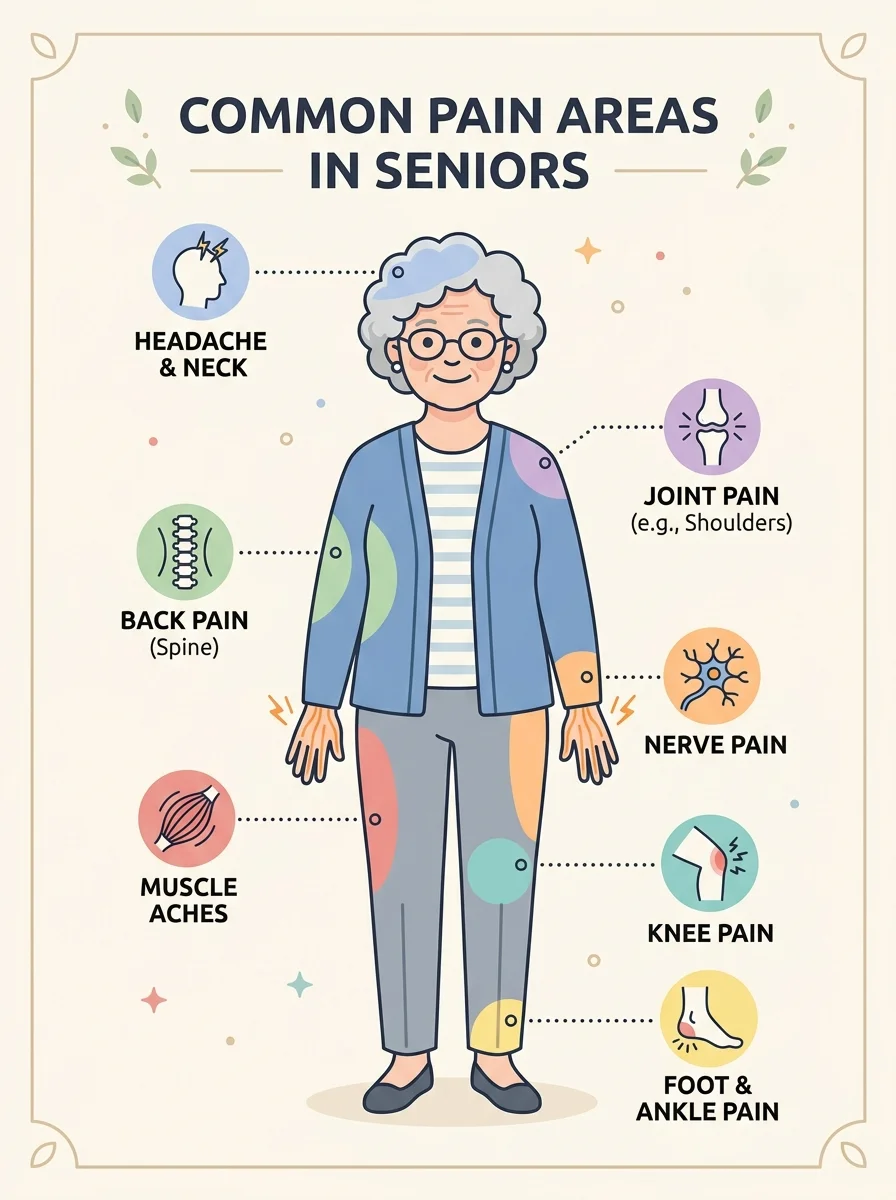
The 6 common types of pain after 60 are:
- Joint and arthritis pain
- Back and neck pain
- Nerve pain
- Muscle pain and cramps
- Headaches
- Foot or leg pain
The safest approach is to understand what the pain feels like, where it happens, what triggers it, and whether it affects walking, sleep, mood, balance, or daily life.

Key Takeaways
| Main Point | Simple Meaning |
|---|---|
| Pain after 60 is common | But it should not be ignored if it affects daily function. |
| Different pain types mean different things | Burning pain is different from stiff joint pain or cramping pain. |
| Red flags matter | Sudden severe pain, weakness, fever, or pain after a fall needs attention. |
| Non-drug relief may help | Movement, physical therapy, sleep support, heat, and ice may be useful. |
| Tracking pain is powerful | A pain diary helps older adults explain symptoms clearly to a doctor. |
Is Pain Normal After 60?
Some stiffness, soreness, or slower recovery can become more noticeable with age. Joints may be less flexible, muscles may lose strength, and older injuries may become easier to feel.
But pain that continues for weeks, limits walking, disturbs sleep, or changes mood is not something to simply tolerate.
The National Institute on Aging explains that chronic pain is pain lasting 3 months or longer. It also notes that pain can disturb sleep, affect eating habits, make daily activities harder, and contribute to anxiety or depression.
For adults over 60, the goal is not only to reduce pain. The real goal is to protect mobility, sleep, independence, mood, and quality of life.
Why Pain Changes as We Age
Pain after 60 can happen for many reasons. Some are related to wear and tear. Others are related to medical conditions, nerve sensitivity, inflammation, medication side effects, or reduced movement.
- Osteoarthritis and joint stiffness
- Lower back strain or spinal changes
- Nerve irritation or neuropathy
- Poor circulation in the legs
- Muscle cramps or dehydration
- Past injuries
- Shingles-related nerve pain
- Poor sleep and stress
- Reduced strength or balance
Pain is personal. The International Association for the Study of Pain defines pain as an unpleasant sensory and emotional experience associated with, or resembling that associated with, actual or potential tissue damage.
Clinical Classification: From a biological standpoint, the physical aches older adults experience generally split into two major physiological mechanisms:
Nociceptive Pain: Driven by physical wear-and-tear, structural strain, or localized tissue inflammation (such as osteoarthritis, muscle spasms, or mechanical joint stiffness).
Neuropathic Pain: Driven by underlying nervous-system irritation, compression, or hypersensitivity (such as sciatica, diabetic peripheral neuropathy, or post-shingles nerve pain).
In simple words, pain is not only a body signal. It is also affected by sleep, mood, memory, stress, movement, and daily function.
Acute vs Chronic Pain After 60
| Pain Type | What It Means | Example |
|---|---|---|
| Acute pain | Starts suddenly and usually has a clear cause | Pain after a fall, sprain, burn, infection, or surgery |
| Chronic pain | Lasts 3 months or longer | Arthritis pain, long-term back pain, neuropathy |
| High-impact chronic pain | Long-term pain that limits daily life | Pain that prevents walking, cooking, sleeping, or social activity |
A useful rule is simple: if pain changes your daily function, it deserves attention.
The 6 Common Types of Pain After 60
1. Joint and Arthritis Pain
Joint pain after 60 is one of the most common complaints. It may affect the knees, hips, hands, shoulders, or feet.
This pain often feels like aching, stiffness, swelling, grinding, or soreness during movement. Some people notice it most when climbing stairs, opening jars, walking after sitting, or getting out of bed.
Common causes include osteoarthritis, inflammatory arthritis, old injuries, reduced muscle support, and joint overuse. The National Institute on Aging pain guide gives arthritis as one condition that may cause chronic pain in older adults.
Successfully managing joint pain after 60 requires monitoring localized inflammatory spikes. For example, severe chronic knee pain after 60 can fundamentally alter walking mechanics, while dealing with hand pain and stiffness in seniors makes simple, everyday activities like opening jars or typing highly difficult.
What may help
Gentle movement, range-of-motion exercises, physical therapy, weight management, heat for stiffness, and cold for swelling may help.
A doctor should evaluate persistent swelling, warmth, redness, or morning stiffness that lasts a long time.
2. Back and Neck Pain
Back pain after 60 may come from muscles, discs, joints, posture changes, spinal arthritis, spinal stenosis, or nerve irritation. Neck pain may also come from stiffness, poor posture, muscle tension, or arthritis in the cervical spine.
Lower back pain in seniors may feel dull, sharp, tight, or radiating. If pain travels down the buttock or leg, it may involve nerve irritation such as sciatica.
Severe lower back pain in seniors often stems from long-term postural changes or spinal changes. Whether you are addressing localized neck pain after 60 or a radiating issue like sciatica after 60, persistent back pain after 60 should always be evaluated if it begins to limit daily movement.
Back and neck pain becomes more concerning when it comes with weakness, numbness, trouble walking, fever, unexplained weight loss, or bladder or bowel changes.
What may help
Avoid long bed rest unless advised by a clinician. Gentle walking, physical therapy, posture support, heat for stiffness, and guided strengthening may help many people.
If back pain follows a fall, get checked. The CDC older adult fall prevention page highlights falls as a major safety issue for older adults.
Read our comprehensive guide analyzing the best low-impact stretches for sciatica relief.
3. Nerve Pain and Neuropathy
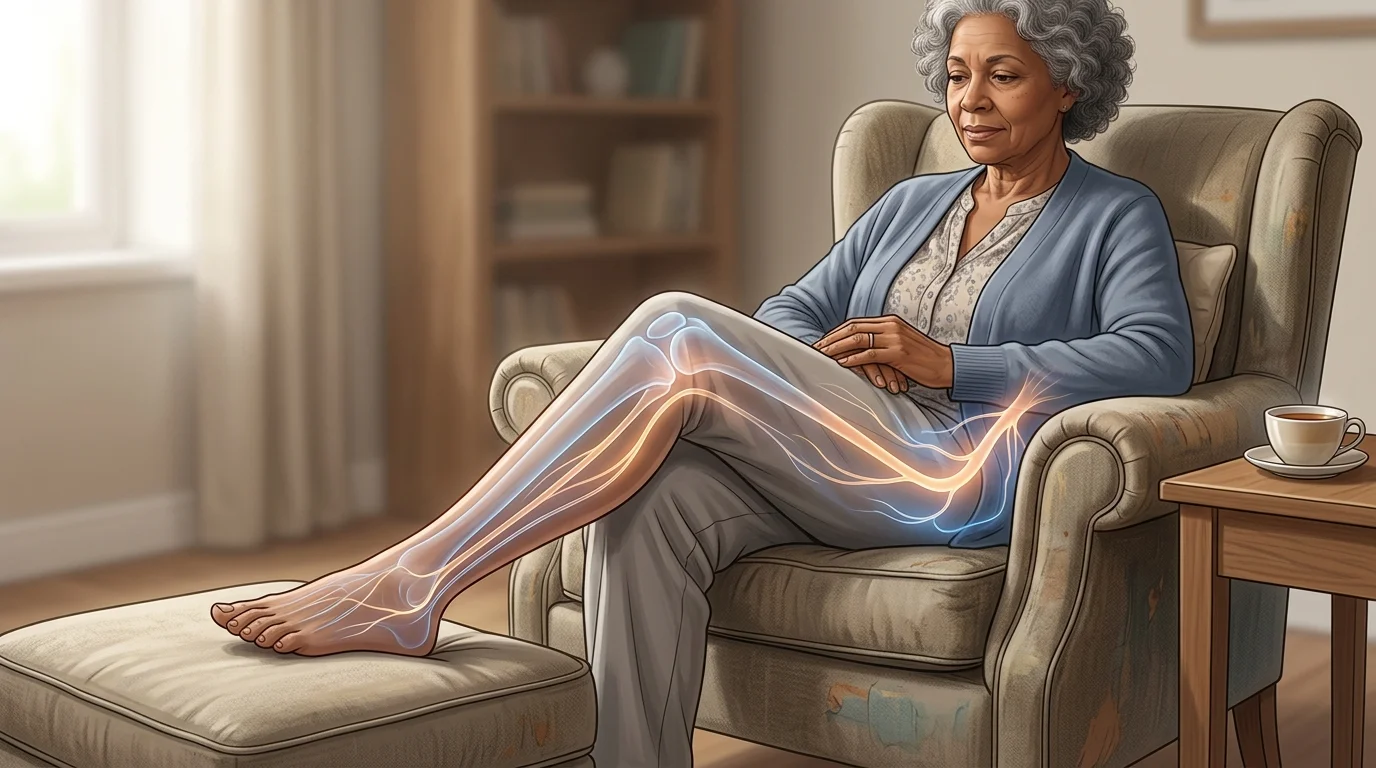
Nerve pain after 60 often feels different from joint or muscle pain. It may feel burning, tingling, electric, shooting, stabbing, or numb.
Many older adults describe nerve pain as “pins and needles” or “fire in the feet.” It may be worse at night, triggered by light touch, or linked with numbness and balance problems.
According to MedlinePlus peripheral nerve disorders, damaged peripheral nerves may cause pain, trouble walking, tingling, numbness, balance problems, and pain from even light touch.
Common causes may include diabetes, vitamin B12 deficiency, shingles, spinal nerve compression, chemotherapy, alcohol-related nerve damage, or other nerve conditions.
Addressing localized nerve pain after 60 requires looking closely at sensory changes. Conditions like shingles nerve pain older adults encounter can cause intense skin sensitivity, while peripheral neuropathy often shows up as a constant burning pain in feet older adults experience, or a radiating tingling pain in legs after 60.
What may help
Nerve pain should not be ignored, especially if it is new or worsening. A clinician may check blood sugar, vitamin levels, circulation, medication history, and nerve function.
Seek medical help if nerve pain comes with weakness, foot wounds, repeated falls, or sudden numbness on one side of the body.
4. Muscle Pain and Cramps
Muscle pain after 60 may feel like soreness, tightness, pulling, spasms, or cramping. Some people notice leg cramps at night, calf tightness while walking, or muscle soreness after simple activity.
Possible causes include overuse, dehydration, low activity, electrolyte imbalance, medication effects, poor circulation, sleep problems, or muscle strain.
Muscle cramps in seniors are often harmless, but they should be checked if they are frequent, severe, one-sided, linked with swelling, or triggered by walking.
Sudden muscle cramps in seniors are incredibly common but usually manageable. If you experience disruptive leg cramps at night after 60 or generalized muscle pain after 60 due to low activity or dehydration, tracking these episodes will help ensure it is not evolving into a pattern of constant body pain after 60.
What may help
Gentle stretching, hydration, light activity, warm baths, massage, and reviewing medications with a clinician may help.
For comfort rather than a cure, see this cautious mustard-oil massage for achy knees guide, and check with a clinician before trying massage over swollen or injured joints.
The NCCIH chronic pain guide explains that approaches such as massage therapy, relaxation techniques, tai chi, qigong, and yoga are generally safe for healthy people when performed appropriately, although people with medical conditions may need modifications.
Do not start supplements for cramps without medical advice, especially if you take heart, kidney, or blood pressure medications.
5. Headaches and New Head Pain
Headaches after 60 need careful attention because a new headache in later life may have different causes than headaches that started earlier in life.
Some headaches are related to tension, neck stiffness, dehydration, poor sleep, eye strain, sinus issues, or medication changes. Others may be related to blood pressure, infection, inflammation, or more serious conditions.
While many occasional headaches after 60 are driven by simple tension or neck stiffness, experiencing a completely new headache after 60 requires careful tracking. Understanding major headache red flags older adults face, such as sudden and severe onset, is vital for knowing when to seek urgent evaluation.
A headache should be treated as urgent if it is sudden and severe, called the “worst headache,” linked with confusion, weakness, vision changes, fever, stiff neck, fainting, or head injury.
What may help
Track when the headache started, where it is located, what it feels like, and whether it comes with vision changes, nausea, weakness, or fever.
New or unusual headaches after 60 should be discussed with a healthcare professional.
6. Foot and Leg Pain
Foot pain in seniors can affect walking, balance, and independence. Pain may come from arthritis, plantar fasciitis, bunions, neuropathy, poor footwear, circulation problems, or tendon issues.
Leg pain when walking in older adults can sometimes be related to circulation. Pain that improves with rest and returns with walking should be checked.
Foot and leg pain may also increase fall risk. Burning feet, numb toes, wounds that do not heal, cold feet, or color changes should not be ignored.
Experiencing ongoing foot pain in seniors can quickly compromise your independence. When localized discomfort causes chronic balance problems with foot pain, it increases your fall risk, much like vascular-related leg pain when walking older adults notice when tracking patterns of unexpected pain and weakness in seniors.
What may help
Supportive shoes, foot checks, gentle stretching, physical therapy, and medical review can help protect mobility.
People with diabetes should inspect their feet regularly and report wounds, numbness, or burning pain.
Simple Pain Type Table
| Pain Pattern | What It May Feel Like | Possible Source |
|---|---|---|
| Aching, stiff, swollen | Joint pain | Arthritis or inflammation |
| Sharp with movement | Tissue or muscle pain | Strain, injury, joint irritation |
| Burning or tingling | Nerve pain | Neuropathy or nerve compression |
| Cramping | Muscle pain | Dehydration, overuse, circulation, medication effect |
| Deep or vague | Internal pain | Organ-related pain needing evaluation |
| Widespread and persistent | Chronic pain pattern | Nervous-system sensitivity, sleep, stress, inflammation |
When to Get Medical Help
Some pain symptoms after 60 should not wait.
| Red Flag | Why It Matters |
|---|---|
| Chest pain or pressure | Could involve heart or lung problems |
| Sudden weakness, numbness, or speech trouble | Could suggest stroke or nerve emergency |
| Pain after a fall | Could involve fracture or internal injury |
| Pain with fever | Could suggest infection |
| New severe headache after 60 | Needs medical evaluation |
| Back pain with bladder or bowel changes | Could involve nerve compression |
| Unexplained weight loss with pain | Needs medical review |
| Pain that repeatedly wakes you at night | Should be checked |
| Foot wound with numbness or diabetes | Needs prompt care |
The National Institute on Aging says it is important to see a doctor if you have new pain because managing pain is often easier when it is addressed early.
If pain feels new, severe, unusual, or frightening, get help. Pain in the jaw, neck, upper back, or arm, especially with chest pressure, breathlessness, or a cold sweat, can sometimes be a heart attack warning. Read our guide to heart attack symptoms in seniors and call 911 right away if you think it could be one.

Safe Pain Relief After 60
Pain relief after 60 should focus on safety. What was safe at age 35 may not be safe at age 70, especially if you take blood thinners, blood pressure medicine, diabetes medicine, kidney medicine, or heart medicine.
Non-drug pain relief may include:
- Gentle walking
- Physical therapy
- Stretching for seniors with pain
- Strength training with guidance
- Heat for stiffness
- Ice for swelling
- Supportive shoes
- Better sleep routine
- Balance exercises
- Relaxation breathing
- Activity pacing
The National Institute on Aging notes that pain treatment plans may include medicine and non-medicine approaches and should be specific to the person’s needs.
Do not take over-the-counter pain relievers every day without asking a doctor or pharmacist. Some pain medicines can affect the stomach, kidneys, liver, blood pressure, bleeding risk, or interact with prescriptions.
Heat or Ice for Pain Seniors
| Situation | Usually Better |
|---|---|
| Stiff joints | Heat |
| Tight muscles | Heat |
| New swelling | Ice |
| Recent injury | Ice |
| Arthritis stiffness | Heat may help |
| Sharp pain after activity | Rest and medical review if persistent |
Use a towel barrier. Do not place heat or ice directly on bare skin.
Avoid extreme temperatures, especially if you have numbness or poor circulation.

Pain Diary for Older Adults
A pain diary helps you explain symptoms clearly. This is useful when you are trying to describe pain to a doctor.
The National Institute on Aging recommends thinking about where the pain is, when it started, what it feels like, other symptoms, when it happens, and what makes it better or worse.
Write down:
- Pain location
- Start date
- Pain type: sharp, dull, burning, tingling, cramping
- Pain score from 0 to 10
- What makes it worse
- What makes it better
- Time of day
- Sleep changes
- Falls or injuries
- Medicines taken
- Fever, swelling, weakness, numbness, or weight loss
Bring this diary to your appointment. It helps your clinician see patterns faster.
Sleep and Chronic Pain in Older Adults
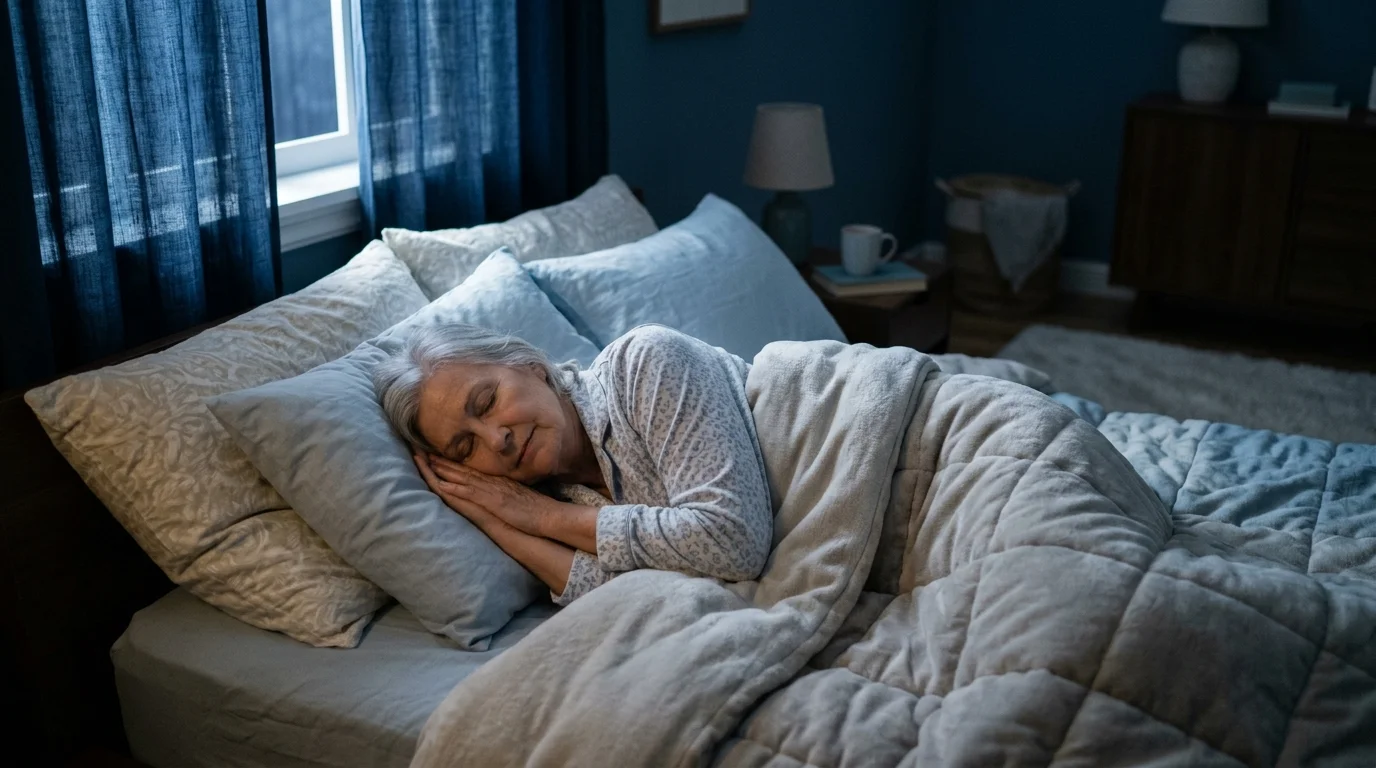
Pain and sleep affect each other. Pain can disturb sleep, and poor sleep can make pain feel stronger the next day.
The National Institute on Aging notes that pain can disturb sleep and that getting enough sleep can reduce pain sensitivity, support healing, and improve mood.
Helpful steps include a regular bedtime, limiting long naps, reducing late caffeine, using supportive pillows, and discussing nighttime pain with a clinician.
If pain wakes you repeatedly, do not ignore it. Night pain should be reviewed, especially if it is new or worsening.
Read our guide on how chronic joint stiffness impacts overnight REM sleep cycles.
Bottom Line
Pain after 60 is common, but it is not something to dismiss. The 6 common types include joint and arthritis pain, back and neck pain, nerve pain, muscle pain and cramps, headaches, and foot or leg pain.
The most important step is to describe the pain clearly. Is it burning, tingling, stiff, swollen, cramping, sharp, deep, or spreading? Does it affect walking, sleep, mood, balance, or daily life?
Safe relief may include gentle movement, physical therapy, sleep support, heat, ice, and careful medication review. But red flags such as chest pain, sudden weakness, fever, pain after a fall, new severe headache, bladder or bowel changes, or unexplained weight loss need medical help.
Pain is not always normal aging. It is your body asking for attention.
FAQs
What are the 6 common types of pain after 60?
The 6 common types are joint and arthritis pain, back and neck pain, nerve pain, muscle pain and cramps, headaches, and foot or leg pain.
Is pain normal after 60?
Some occasional stiffness or soreness can happen with age, but ongoing pain that affects walking, sleep, balance, or daily life should be checked.
What pain should older adults not ignore?
Do not ignore chest pain, sudden weakness, severe headache, pain after a fall, pain with fever, back pain with bladder changes, or pain with unexplained weight loss.
What does nerve pain feel like?
Nerve pain may feel burning, tingling, electric, stabbing, numb, or sensitive to light touch.
Why do my legs hurt when I walk after 60?
Leg pain with walking may come from muscles, joints, nerves, or circulation problems. If it improves with rest and returns with walking, ask a clinician.
Is heat or ice better for pain after 60?
Heat often helps stiffness and tight muscles. Ice is usually better for new swelling or recent injury.
Why do I get more body aches after 60?
Body aches may come from joint changes, reduced muscle strength, inflammation, poor sleep, old injuries, medication effects, or chronic health conditions.
Can poor sleep make pain worse?
Yes. Poor sleep can make pain feel stronger, and pain can also disturb sleep. Both should be addressed together.
How should I describe pain to a doctor?
Describe where it is, when it started, what it feels like, how severe it is, what triggers it, what helps, and whether you have weakness, fever, swelling, or numbness.
What is the safest pain relief for seniors?
The safest plan depends on your health conditions and medicines. Gentle movement, physical therapy, heat or ice, sleep support, and medication review are safe starting points.
Can pain after 60 be prevented?
Not all pain can be prevented, but strength training, balance work, good sleep, healthy weight, supportive shoes, and early care may reduce risk.
When should I see a doctor for chronic pain?
See a doctor if pain lasts more than a few weeks, lasts 3 months or longer, worsens, limits daily life, or needs regular pain medicine.
Sources and References
- CDC — Chronic Pain Among Adults, United States 2019–2021
- National Institute on Aging — Pain: You Can Get Help
- International Association for the Study of Pain — Pain Terminology
- MedlinePlus / NIH — Peripheral Nerve Disorders
- NCCIH — Chronic Pain and Complementary Health Approaches
- CDC — Older Adult Fall Prevention
⚕️ Medical Disclaimer
The information provided on this page is for educational purposes only and is not intended as medical advice, diagnosis, or treatment. Always consult a qualified healthcare professional before making changes to your diet, starting any supplement, or if you have an existing medical condition. KeepFitQuote does not provide medical diagnoses or treatment recommendations. Read our full disclaimer.