Longevity Formula After 60: Daily Habits That Work
Living longer is not only about adding years to life. It is also about protecting healthspan — the years in which you can move comfortably, think clearly, stay connected, and manage everyday life with confidence. After 60, the most useful longevity formula is not a secret supplement, an extreme diet, or a perfect morning routine. It is a small group of repeatable habits that support physical, mental, and social well-being over time.
The encouraging part is that healthy aging does not require an overnight transformation. The strongest plan is usually the one you can continue on ordinary days, not just when motivation is high. A ten-minute walk that happens most days is more valuable than an exhausting workout you abandon after a week. This guide turns the core principles — move, strengthen, eat well, sleep consistently, stay connected, keep your mind engaged, and maintain preventive care — into daily actions for adults over 60, including beginners and those who need gentler options. Individual needs differ, especially with chronic conditions, pain, disability, medications, or recent illness, so use these ideas as a flexible framework and discuss major changes with a qualified healthcare professional.
What Does a Longevity Formula After 60 Really Mean?
A useful longevity formula focuses on what you can influence. Genetics, past experiences, income, environment, and access to healthcare all affect aging, but daily behavior still matters. The goal is not to guarantee a certain lifespan — no responsible article can promise that. The goal is to create conditions that support energy, mobility, independence, emotional well-being, and a lower risk of preventable problems.
The CDC’s healthy aging guidance describes healthy aging as maintaining physical, mental, and social health and well-being as we grow older. Its framework includes nutrition, physical activity, mental stimulation, sleep, social connection, emotional well-being, injury prevention, regular checkups, vaccinations, screenings, and management of chronic conditions. That broad view matters because longevity is rarely the result of one isolated behavior — the habits reinforce one another. Activity can support sleep, sleep can improve energy for activity, social plans can make exercise more enjoyable, and better meals can support strength and recovery.
How to Make Healthy Habits Stick After 60
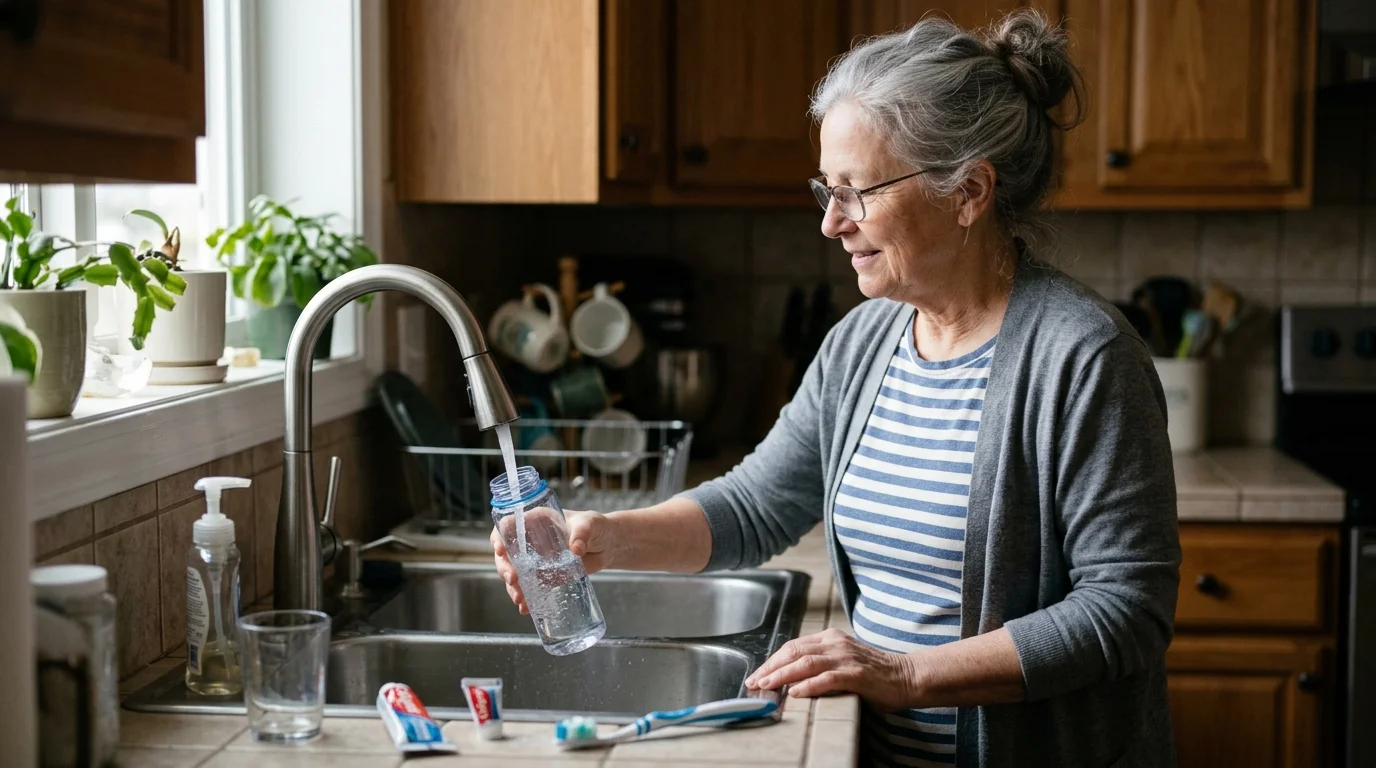
Knowing what to do is not the same as doing it consistently. Successful routines are usually built around clear cues, small actions, and an immediate sense of completion. A cue is something that already happens — finishing breakfast, brushing your teeth, taking a regular medication, or turning off the television. The routine is the new behavior. The reward can be as simple as marking a calendar, enjoying a cup of tea afterward, or noticing that you kept a promise to yourself.
Start with a two-minute version
Make the first step almost too easy to skip. Put on walking shoes and walk for two minutes. Perform five supported chair stands. Prepare one piece of fruit. Fill a water bottle. Read one page. Send one message to a friend. Small actions reduce resistance and build self-efficacy — the belief that you can succeed. Once the habit feels normal, increase it gradually.
Attach the habit to an existing routine
Habit stacking connects a new behavior to something already established. After morning tea, walk around the home for five minutes. After brushing your teeth, practice balance while holding a sturdy counter. After lunch, refill your water bottle. After the evening news, write tomorrow’s top health action. The existing routine becomes a reliable reminder.
Use a specific plan
A vague goal such as “exercise more” is easy to postpone. A specific plan is easier to follow: “On Monday, Wednesday, and Friday at 8:30 a.m., I will walk for 15 minutes in the mall.” An if-then plan also helps: “If the weather is too hot, I will do a chair-based routine indoors.” This prepares you for obstacles before they appear.
The Five Pillars of Healthy Longevity After 60
-
Move every day—and include strength and balance
Regular movement is the foundation of the formula because it supports many systems at once. The CDC’s activity recommendations for older adults state that adults 65 and older should aim for a weekly mix that includes at least 150 minutes of moderate-intensity aerobic activity, at least two days of muscle-strengthening activity, and activities that improve balance. Moderate intensity can be understood through the “talk test”: you can speak in sentences, but singing would be difficult. Brisk walking, cycling, swimming, water aerobics, dancing, and active household tasks can all contribute.
Do not let the weekly number discourage you. It can be divided into manageable sessions — ten minutes in the morning and ten minutes later in the day still count. The most important first target is to reduce long periods of sitting. Stand during phone calls, walk through the house between television programs, take a longer route through the grocery store, or perform ankle pumps and knee extensions while seated.
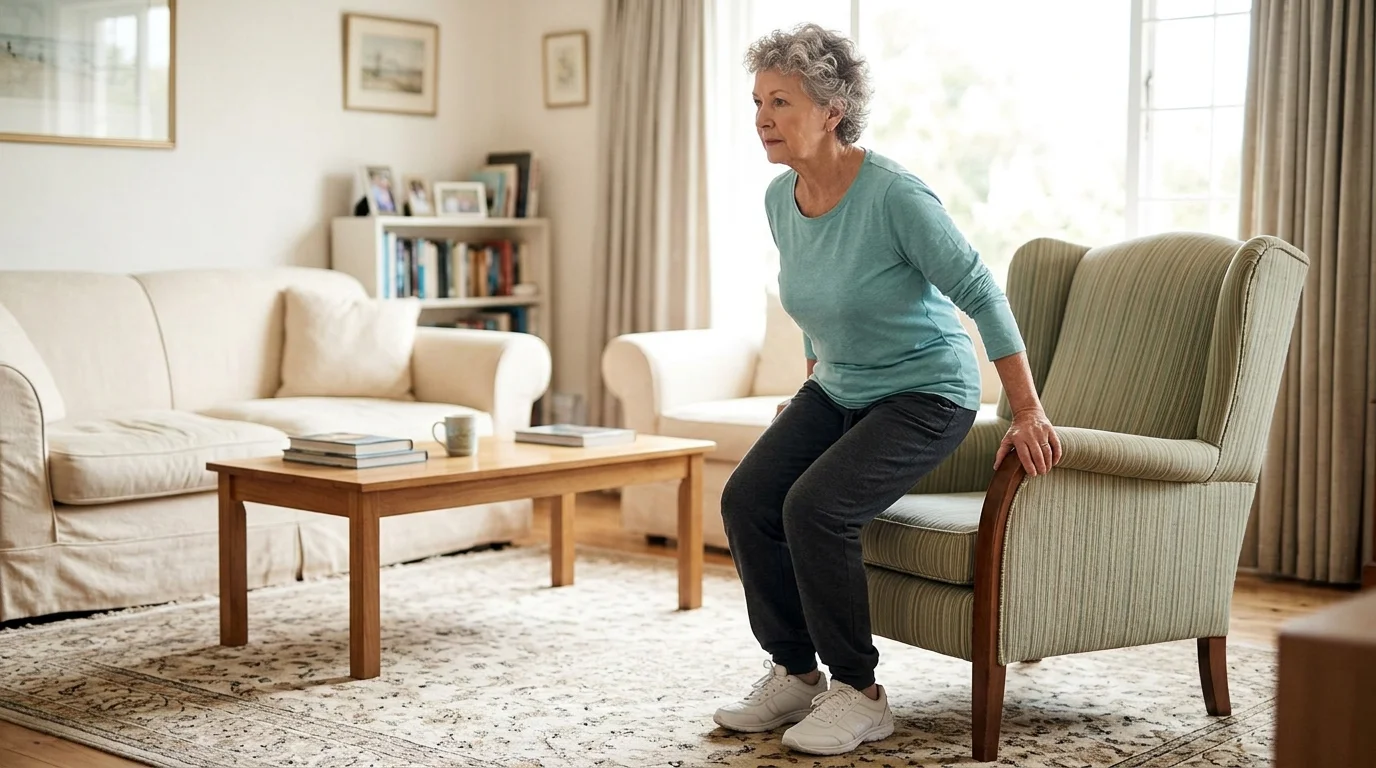
Strength training becomes especially valuable after 60 because maintaining muscle supports balance, bone health, metabolism, and the ability to perform everyday tasks. Beginner options include supported chair stands, wall push-ups, resistance-band rows, heel raises, and carrying light grocery bags with good posture. Start with a level that allows smooth, controlled movement. Pain, dizziness, chest discomfort, unusual shortness of breath, or a sudden loss of balance are reasons to stop and seek medical guidance.
Balance practice can be brief. Stand near a stable counter and shift weight from side to side, walk heel-to-toe with support, or hold a supported single-leg stance for a few seconds. The CDC notes that regular activity can support independent living, bone strength, brain health, and fall reduction in older adults. If you have fallen, feel unsteady, or use medications that affect alertness or blood pressure, ask a clinician or physical therapist for an individualized plan.
-
Eat for muscle, heart, energy, and digestion

A longevity formula meal plan for seniors does not need exotic ingredients. Build most meals from minimally processed foods that you enjoy and can afford. The World Health Organization’s healthy diet guidance emphasizes adequacy, balance, moderation, and diversity, with a foundation of vegetables, fruit, whole grains, legumes, nuts, seeds, and appropriate protein foods, while limiting foods high in sodium, free sugars, and unhealthy fats.
For a practical plate, start with vegetables or fruit, add a protein-rich food, include a high-fiber carbohydrate when appropriate, and use mostly unsaturated fats. Examples include lentil soup with whole-grain bread, yogurt with berries and nuts, grilled fish with vegetables, eggs with tomatoes and whole-grain toast, or beans with brown rice and salad. Protein is important for maintaining muscle, but needs vary — people with kidney disease, swallowing problems, poor appetite, diabetes, or other medical conditions may need personalized advice. For more meal ideas, see our list of 10 best foods to eat every day after 60.
Hydration deserves equal attention. Thirst can become a less reliable signal with age, and some medicines or health conditions affect fluid needs. Keep water visible, drink with meals, and use water-rich foods such as soups, fruit, vegetables, and yogurt when suitable. However, people with heart failure, kidney disease, or medically prescribed fluid restrictions should follow their clinician’s plan rather than a general target.
A useful food-first rule is to improve one repeated meal before trying to redesign your entire diet. Add protein to breakfast, vegetables to lunch, or a piece of fruit to your usual snack. Supplements may be appropriate for a documented deficiency or clinical need, but the core longevity formula is still built on food quality, movement, sleep, relationships, and healthcare.
-
Protect sleep and recovery
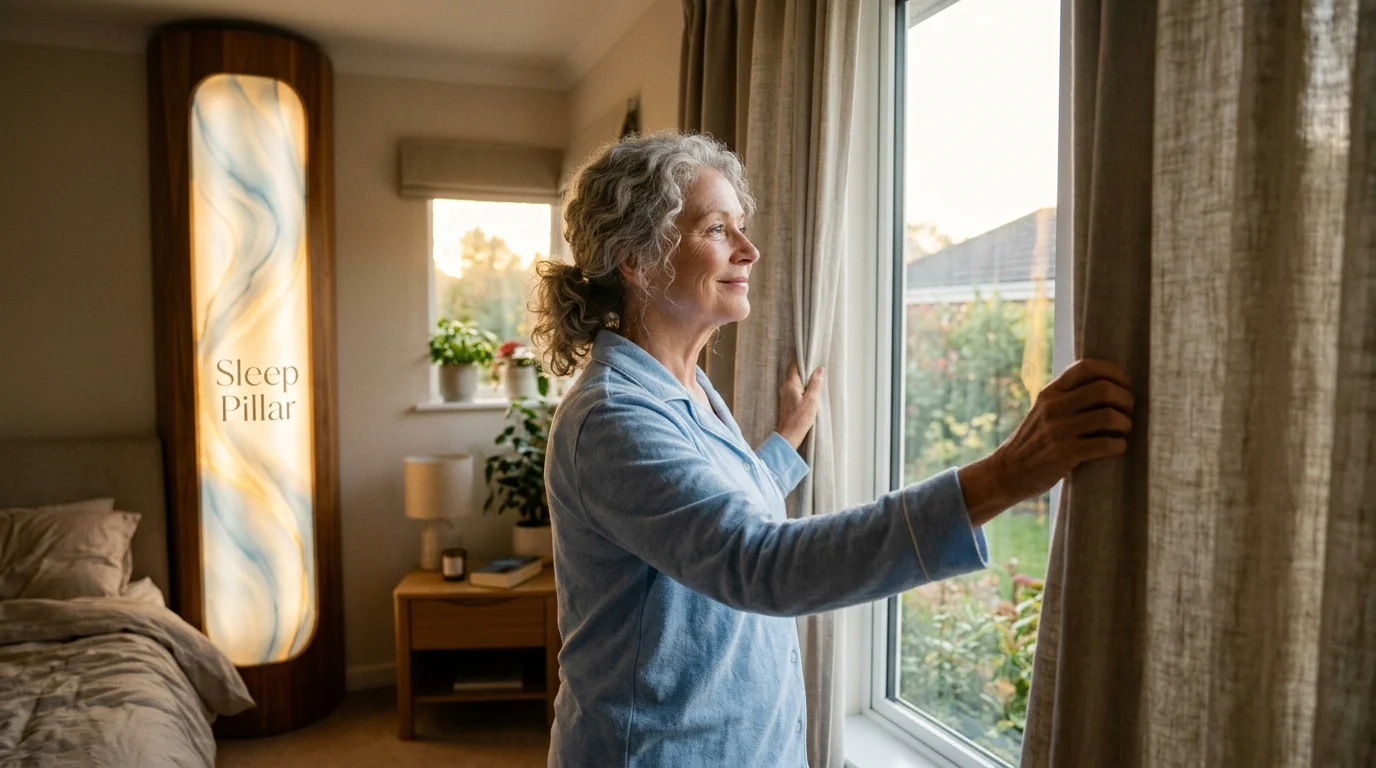
Sleep is not passive time; it supports attention, memory, mood, metabolic health, and the energy needed for movement. CDC sleep guidance lists seven to eight hours as the general daily recommendation for adults 65 and older. The exact amount that feels restorative varies, so pay attention to daytime alertness and consistency as well as the clock.
A simple longevity formula sleep routine begins with a regular wake time. Get morning light, stay physically active during the day, limit long or late naps, and create a quiet wind-down period. Reduce caffeine later in the day and avoid using alcohol as a sleep aid. Keep the bedroom dark, comfortable, and associated with rest rather than prolonged scrolling or worrying.
Persistent insomnia, loud snoring, gasping during sleep, morning headaches, restless legs, frequent nighttime urination, or severe daytime sleepiness deserve professional attention. Sleep problems can be related to pain, mood, medications, sleep apnea, or other treatable conditions. Do not assume that poor sleep is simply an unavoidable part of aging. If you use a CPAP machine, see our guide on CPAP dry mouth in older adults for fixes that protect both therapy and sleep quality.
-
Keep the brain active and protect emotional well-being

Brain health after 60 is supported by the same broad habits that help the rest of the body: movement, sleep, nutritious food, social interaction, and management of blood pressure and other health conditions. Mental activity is most useful when it is meaningful and slightly challenging. Learn a language, practice music, take a course, read about a new subject, cook a new recipe, play strategy games, write family stories, or teach a skill to someone else.
The goal is not to complete endless puzzles in isolation. Variety matters — activities that combine thinking, movement, and social interaction may be easier to continue. A dance class, walking group, community project, or gardening club can challenge the brain while supporting fitness and connection.
Emotional well-being also belongs in the formula. Chronic stress can interfere with sleep, activity, eating patterns, and relationships. Use brief practices that fit your preferences: slow breathing, prayer, journaling, time outdoors, gratitude, relaxation exercises, or speaking with a trusted person. A sense of purpose may come from caring for family, volunteering, creating something, learning, faith, work, or helping a neighbor. Purpose does not need to be grand; it needs to feel personally meaningful.
-
Make social connection a scheduled health habit
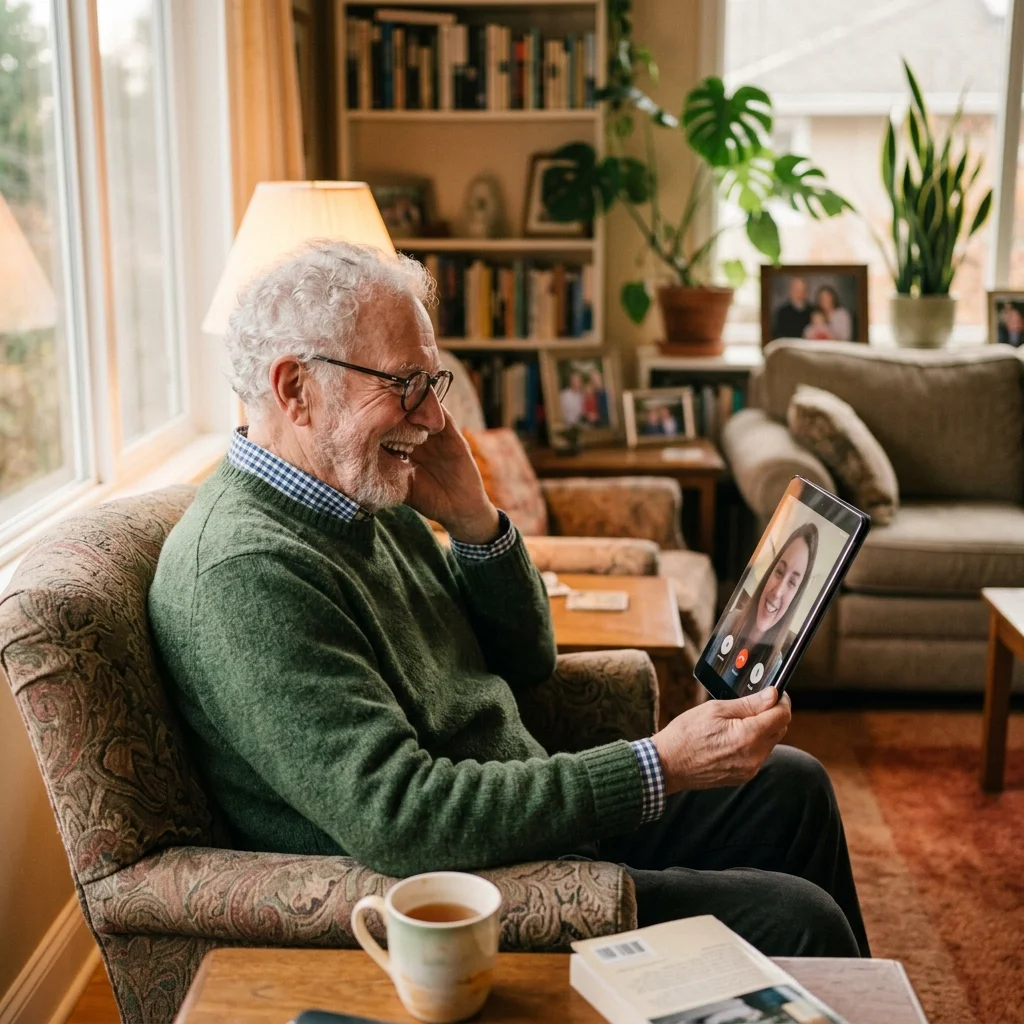
Social connection is not an optional extra. CDC guidance on social connection notes that supportive relationships are linked with better mental and physical health and can improve stress management, healthy behavior, and sleep. Retirement, bereavement, reduced mobility, hearing loss, relocation, and illness can shrink a person’s social world, so connection may need to become intentional.
Schedule it like any other health habit. Call one person on the same day each week. Join a walking group, class, place of worship, library program, or volunteer project. Eat with someone when possible. If leaving home is difficult, use video calls, telephone groups, online classes, or regular visits. Quality matters more than the size of the contact list — one dependable relationship can be more protective than many superficial interactions.
If loneliness is persistent, tell a healthcare professional. Hearing or vision problems, depression, anxiety, grief, transportation barriers, and physical limitations may all contribute, and practical support can make connection easier.
The Often-Missed Pillar: Preventive Care and Medication Review
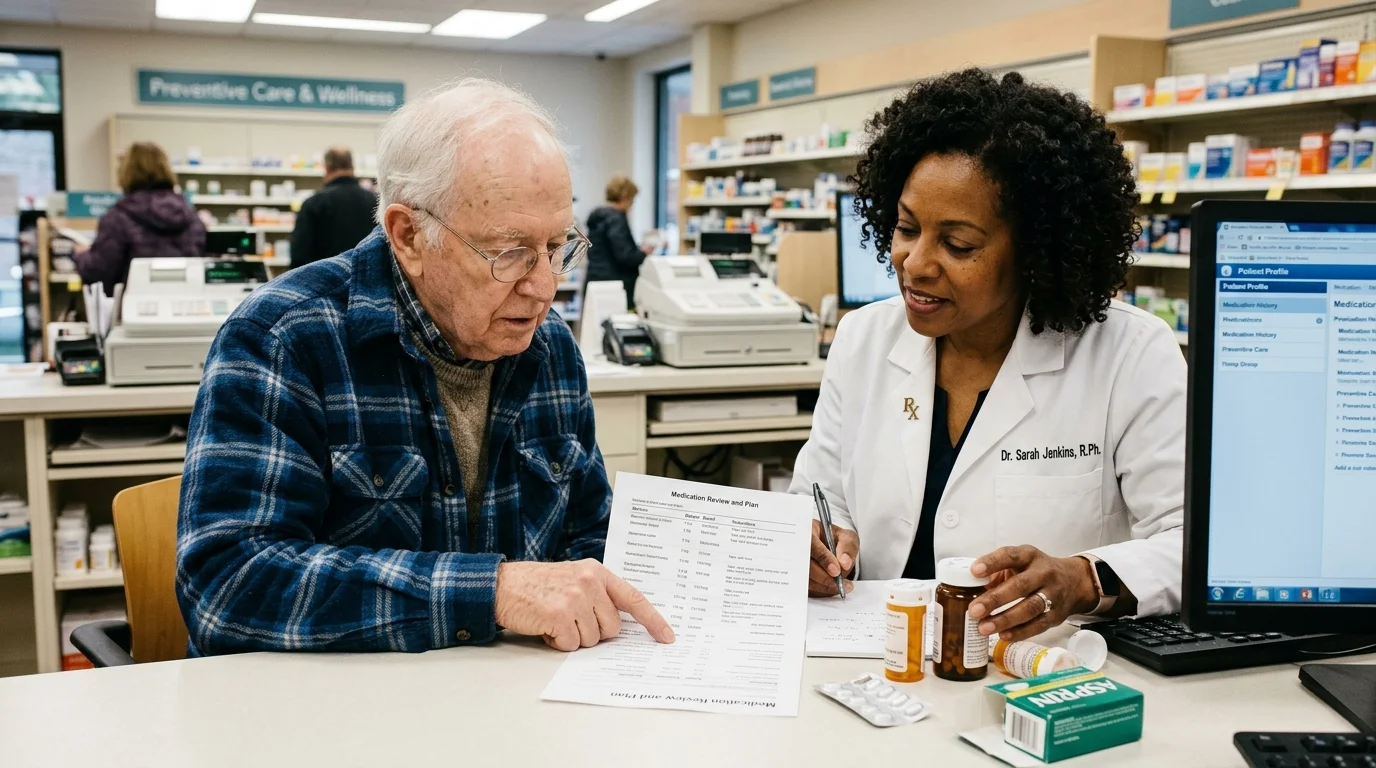
Healthy routines cannot replace medical care. Regular checkups, appropriate vaccinations, dental and vision care, hearing assessment, and recommended screenings can help identify problems earlier. The exact schedule depends on age, sex, personal history, and existing conditions, so use current local guidance rather than a one-size-fits-all checklist. The CDC’s recommended adult vaccines and the CDC’s fall prevention guidance are good starting points for this conversation with your doctor.
Review medications periodically with a doctor or pharmacist, including over-the-counter products and supplements. Some medicines can affect balance, alertness, blood pressure, appetite, hydration, or sleep. Never stop a prescribed medicine on your own, but ask whether each item is still needed, whether doses remain appropriate, and whether combinations create avoidable side effects. Pairing this review with a consistent strength routine, like the one in our guide to building muscle after 60 with cheap everyday foods, supports both safety and function.
A Simple Seven-Day Longevity Starter Plan
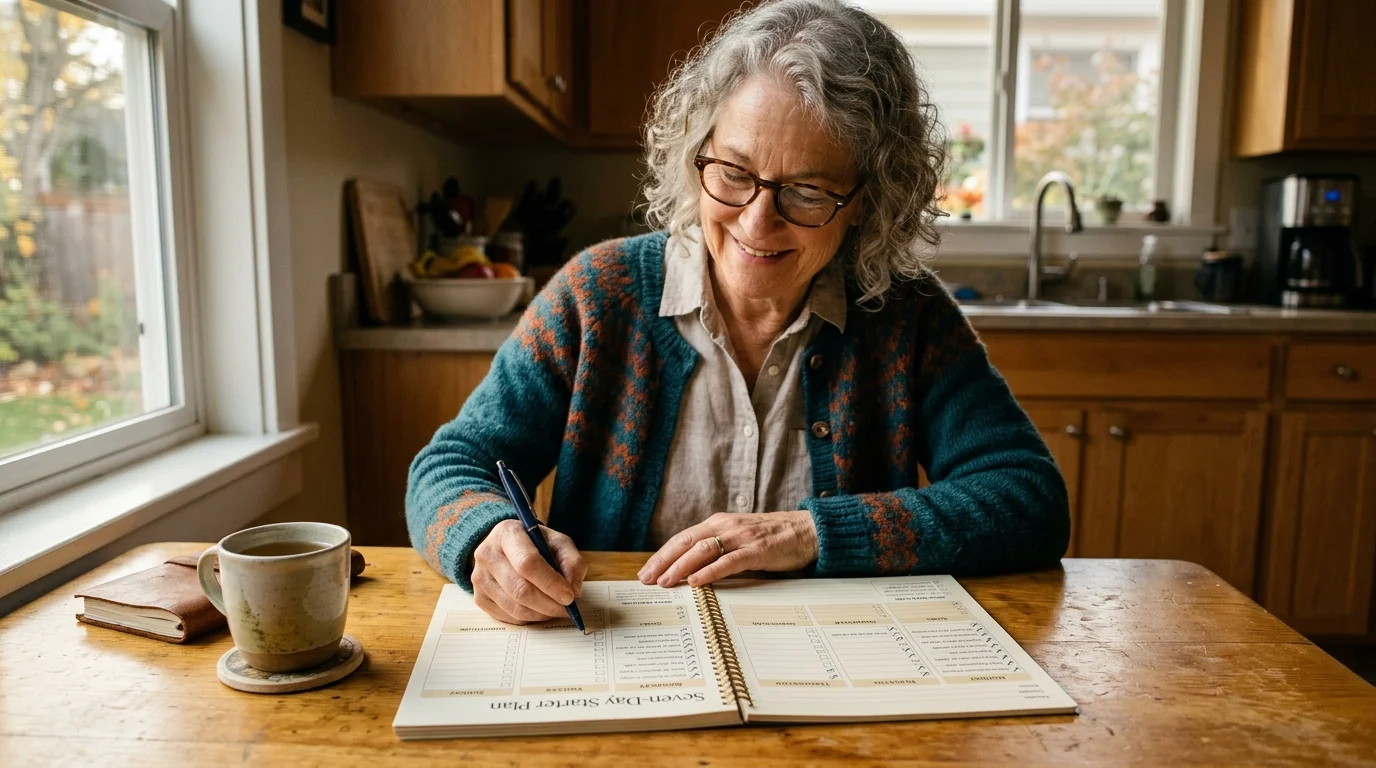
| Day | Action |
|---|---|
| Day 1 | Walk for ten minutes at a comfortable pace and record how you feel. |
| Day 2 | Add vegetables or fruit to one meal and refill your water bottle after lunch. |
| Day 3 | Perform one set of supported chair stands and wall push-ups. |
| Day 4 | Call a friend or attend a community activity. |
| Day 5 | Set a consistent bedtime routine and dim screens thirty minutes before bed. |
| Day 6 | Practice five minutes of balance near a stable support and prepare a protein-rich meal. |
| Day 7 | Review the week and choose the two habits that felt easiest to repeat. |
In week two, keep the easiest habits and increase only one variable: a few more minutes, one additional strength set, or one extra social contact. This prevents the common mistake of changing everything at once. A weekly longevity checklist can be simple: aerobic movement, strength, balance, nutritious meals, hydration, consistent sleep, social connection, mental engagement, and preventive care. Aim for progress, not a perfect score.
How to Measure Progress Without Obsessing Over Numbers
Track behaviors before outcomes. Mark the days you walked, practiced strength, ate a balanced meal, followed your sleep routine, or contacted someone. Also notice practical signs: climbing stairs with less effort, rising from a chair more easily, steadier balance, better energy, or improved confidence. These changes may appear before weight, blood pressure, or laboratory results shift. Review progress monthly and adjust the plan with your healthcare team when needed.
Frequently Asked Questions
Regular movement is an excellent place to start because it supports cardiovascular health, strength, balance, mood, sleep, brain health, and independence. However, it works best as part of a wider routine that includes nutrition, recovery, connection, and medical care.
Walking is valuable aerobic activity and can become the foundation of a longevity walking plan after 60. For a more complete routine, add muscle-strengthening and balance activities. Adapt the pace, surface, footwear, and duration to your ability.
Many people can begin with light activity, but individual safety matters. Start below your maximum ability and progress gradually. Speak with a clinician before vigorous exercise if you have been inactive, have significant symptoms, or manage conditions that may affect exercise safety.
No product can replace the foundations of healthy aging. Supplements can be medically useful in certain circumstances, but they should be chosen for a specific need rather than as a substitute for movement, food, sleep, connection, and preventive care.
There is no universal timetable. Simple actions usually become easier when the cue and setting stay consistent. Focus on repeating the smallest useful version, then build gradually. Missing one day is not failure; resume at the next planned opportunity.
Bottom Line
The longevity formula after 60 is not a single hack. It is a system of ordinary actions that support one another: move daily, train strength and balance, eat varied minimally processed foods, protect sleep, keep learning, stay socially connected, and maintain preventive care. Begin with one action that is safe and realistic. Repeat it until it becomes part of your day, then add the next layer. Aging well is not about controlling every outcome — it is about improving the odds of more capable, connected, and meaningful years. The best plan is not the most impressive one; it is the one you can still follow next month.
Authoritative Sources
- CDC – Healthy Aging at Any Age – Overview of physical, mental, and social health behaviors that support healthy aging.
- CDC – Physical Activity Recommendations for Older Adults – Weekly aerobic, strength, and balance targets.
- CDC – Benefits of Physical Activity for Adults 65+ – Independent living, bone, brain, and fall-reduction benefits.
- WHO – Healthy Diet – Dietary balance, moderation, and diversity guidance.
- CDC – About Sleep – Recommended sleep duration and sleep-health basics.
- CDC – Social Connection – Health benefits of supportive relationships in older adults.
- CDC – Older Adult Fall Prevention – Home safety and balance guidance.
- CDC – Recommended Vaccines for Adults – Preventive care and immunization guidance.
⚕️ Medical Disclaimer
The information provided on this page is for educational purposes only and is not intended as medical advice, diagnosis, or treatment. Always consult a qualified healthcare professional before making changes to your diet, starting any supplement, or if you have an existing medical condition. KeepFitQuote does not provide medical diagnoses or treatment recommendations. Read our full disclaimer.