Vitamin C, also called ascorbic acid, is an essential nutrient. Your body cannot make it, so you need it from food or supplements. High dose vitamin C has become popular online. However, the evidence is more modest than many headlines suggest.
This guide explains what research says about high dose vitamin C, what a safe daily limit looks like, and who should be careful. It is written with older adults in mind, since medicines and kidney health matter more with age.
Short answer: most older adults can meet their needs from food. The NIH Office of Dietary Supplements lists an upper limit of 2,000 mg a day for adults, counting food, drinks, and supplements together. Going above that can upset the stomach. People with kidney problems or a history of kidney stones should also check with a doctor first.
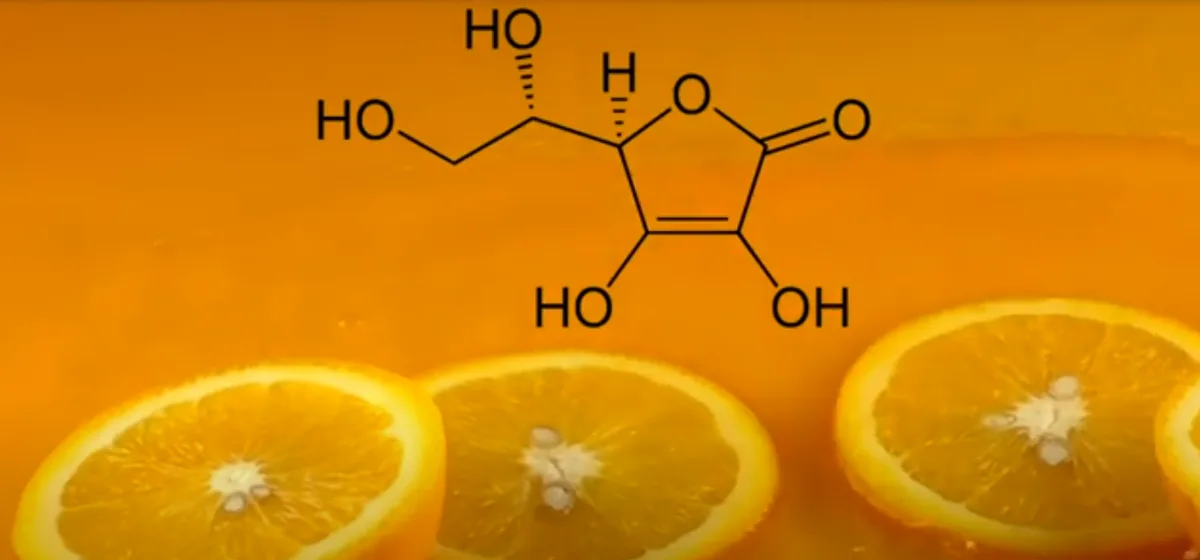
Table of Contents
- What Counts as High Dose Vitamin C?
- 1. Vitamin C, Aging and Cell Protection
- 2. Vitamin C, Colds and Immune Health
- 3. Vitamin C and Inflammation
- 4. Vitamin C for Skin, Hair and Energy
- 5. Vitamin C and Your Body’s Natural Systems
- Is High Dose Vitamin C Safe? Who Should Be Careful
- Final Thoughts: Should You Try High Dose Vitamin C?
- Frequently Asked Questions
- Sources and Further Reading
What Counts as High Dose Vitamin C?
The recommended daily amount is about 90 mg for men and 75 mg for women, according to the NIH Office of Dietary Supplements. People who smoke need 35 mg more. A medium orange or a cup of strawberries gives you roughly 70 to 95 mg.
For example, supplements often contain 500 mg to 1,000 mg or more. Anything well above the recommended amount is usually called high dose vitamin C. For adults, the upper limit is 2,000 mg a day from all sources.
Higher doses are also absorbed less well. In fact, the body passes unused vitamin C out in the urine. As a result, more is not always better. For food ideas, see our guide to fruits high in vitamin C.
1. Vitamin C, Aging and Cell Protection
Vitamin C is an antioxidant. Specifically, it helps protect cells from damage caused by free radicals. These unstable molecules form during normal metabolism, and they also come from smoke and pollution.
Your body also needs vitamin C to make collagen. Collagen is a protein that helps wounds heal and supports skin and blood vessels. However, no study has shown that high dose vitamin C slows aging. Eating enough vitamin C-rich foods simply supports these normal processes.

Some people take vitamin C supplements hoping to stay youthful. Honestly, the best-supported steps are still balanced meals, regular movement, good sleep, and not smoking.
2. Vitamin C, Colds and Immune Health
Vitamin C is often linked with colds, but the research is mixed. According to the NIH health professional fact sheet, taking vitamin C every day does not appear to lower the risk of catching a cold in the general population. However, it may modestly shorten a cold and ease symptoms.
Regular intake of at least 200 mg a day may lower cold risk for some groups. These include people who exercise intensely, spend time in cold environments, or have low vitamin C levels. In contrast, starting vitamin C only after symptoms begin does not appear to help.
Vitamin C also helps immune cells work properly. That role is met at normal intakes, though. Very large doses have not been shown to add extra protection.
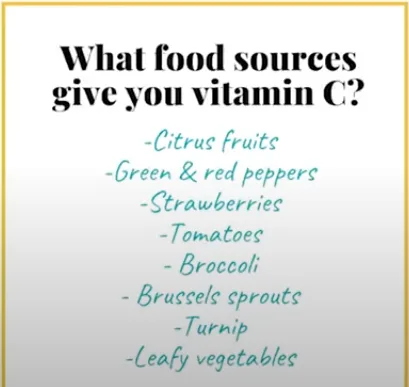
Good food sources of vitamin C include:
- Citrus fruits and their juices
- Red and green peppers
- Kiwifruit and strawberries
- Broccoli and Brussels sprouts
Cooking can reduce vitamin C. Therefore, include some raw fruits and vegetables each day.
3. Vitamin C and Inflammation
Chronic inflammation is linked with conditions such as arthritis and heart disease. Because vitamin C is an antioxidant, many people assume it lowers inflammation. However, research on this is still early.
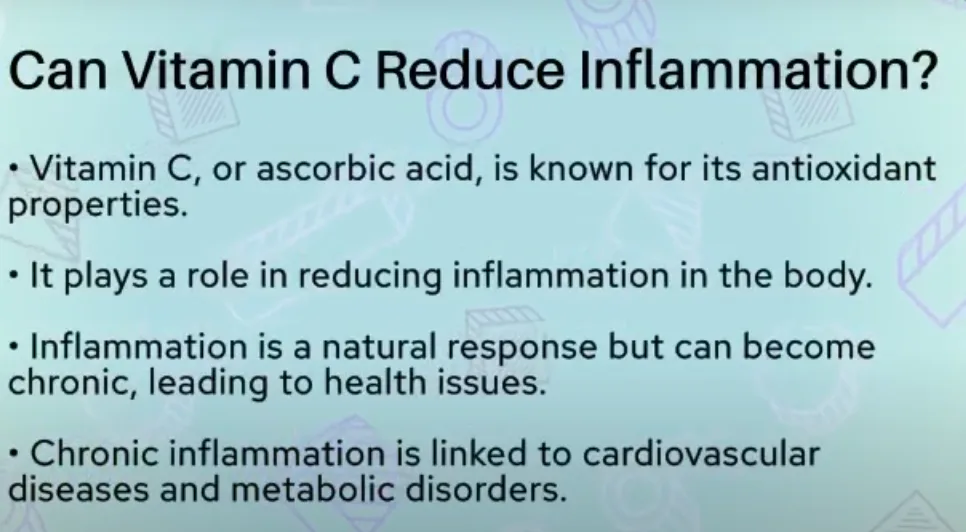
People who eat plenty of fruits and vegetables tend to have a lower risk of heart disease. However, scientists are not sure that vitamin C itself is the reason. Other nutrients in produce may play a part.
Instead, build meals around colorful plants. Our guides to anti-inflammatory foods and the best everyday foods after 60 show simple ways to do this.
4. Vitamin C for Skin, Hair and Energy
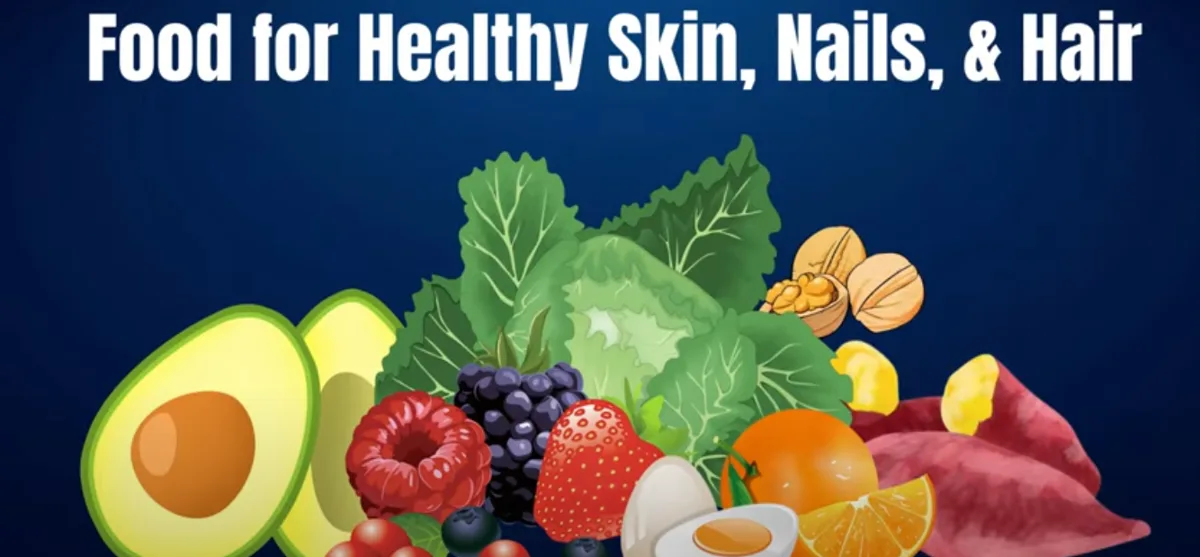
Vitamin C helps your body make collagen, which supports healthy skin. Getting enough from food keeps that process working. However, there is little proof that extra high dose vitamin C gives firmer skin, thicker hair, or more energy.
Fatigue has many causes. For example, poor sleep, low iron, thyroid problems, and some medicines can all play a role. If you feel tired all the time, see your doctor instead of adding a supplement. Severe vitamin C deficiency, called scurvy, is rare in the United States.
5. Vitamin C and Your Body’s Natural Systems
Your liver and kidneys already remove waste every day. Therefore, vitamin C is not a cleanse, and it is not a treatment for toxins. It does help your body absorb iron from plant foods, and it supports normal immune function.
You do not need a special protocol to support these organs. Instead, a balanced diet, enough fluids, and regular checkups matter most.
Intravenous vitamin C is a separate topic. The NIH Office of Dietary Supplements says it is not clear whether high-dose intravenous vitamin C helps treat cancer in people. More research is needed. Anyone in cancer treatment should talk with their oncologist before taking vitamin C, especially in high doses.
Is High Dose Vitamin C Safe? Who Should Be Careful
For most healthy adults, vitamin C has low toxicity. Still, high dose vitamin C can cause diarrhea, nausea, and stomach cramps. These effects are one reason for the 2,000 mg upper limit.
Please check with your doctor or pharmacist first if any of these apply:
- Kidney disease or kidney stones. Some research links high intakes to kidney stones. This is not considered a risk for most healthy people, but your kidneys clear extra vitamin C, so ask first.
- Hemochromatosis. This condition causes the body to store too much iron. High doses of vitamin C could worsen iron overload.
- Cancer treatment. Vitamin C supplements might interact with chemotherapy and radiation therapy.
- Statin plus niacin. In one study, vitamin C plus other antioxidants reduced the heart benefits of this drug combination.
- Several daily medicines. Older adults often take many, so a pharmacist review is useful.
Also, tell your care team about every supplement you take. This helps them spot interactions and watch your lab results.
If you have chronic kidney disease, ask your kidney care team before taking any vitamin C supplement. You can learn more about kidney health from the CDC and about stones from the NIDDK.
Final Thoughts: Should You Try High Dose Vitamin C?
High dose vitamin C is not a proven way to slow aging, prevent colds, or cleanse the body. It may still have a role for some people, with a doctor’s guidance. For most older adults, food is the safest starting point.
Here are the practical takeaways:
- Aim for the recommended 75 to 90 mg a day, mostly from fruits and vegetables.
- Stay below the 2,000 mg daily upper limit from all sources.
- Do not use vitamin C to replace medical care for colds or flu.
- Check with your doctor first if you have kidney, iron, or cancer treatment concerns.
- Bring your supplement list to every medical visit.
Small steps work best. For example, add one extra serving of colorful produce to your day, and review any supplements at your next checkup.
Frequently Asked Questions
Q: How do you slow down aging naturally?
A: Balanced meals, regular exercise, enough sleep, not smoking, and staying socially active all support healthy aging. No single vitamin has been proven to slow aging.
Q: What are cells of chronic inflammation?
A: These include macrophages, lymphocytes, and plasma cells, all of which contribute to tissue damage over time.
Q: What’s the difference between acute and chronic inflammation?
A: Acute inflammation is short-term and part of healing. Chronic inflammation is long-term and damaging to your health.
Q: Is it safe to take high dose vitamin C daily?
A: For adults, the upper limit is 2,000 mg a day from all sources, according to the NIH Office of Dietary Supplements. Higher doses can cause diarrhea and stomach cramps. Talk with your doctor first, especially if you have kidney problems or take medicines.
Sources and Further Reading
- NIH Office of Dietary Supplements: Vitamin C (Consumer Fact Sheet)
- NIH Office of Dietary Supplements: Vitamin C (Health Professional Fact Sheet)
- NIDDK: Kidney Stones
- CDC: Chronic Kidney Disease Basics
This article is for general education and is not medical advice. Talk with your doctor or pharmacist before starting high dose vitamin C, especially if you have kidney disease or take prescription medicines.
⚕️ Medical Disclaimer
The information provided on this page is for educational purposes only and is not intended as medical advice, diagnosis, or treatment. Always consult a qualified healthcare professional before making changes to your diet, starting any supplement, or if you have an existing medical condition. KeepFitQuote does not provide medical diagnoses or treatment recommendations. Read our full disclaimer.
Related Posts