A plain-English guide for U.S. readers 50+: what your pancreas does, simple daily habits that help, and when to call your clinician.
The pancreas—the small gland that releases digestive enzymes (to break down fat, protein, and carbs) and hormones like insulin (to steady blood sugar)—can use a little extra care at this stage. If you’ve noticed heavier meals sitting longer, afternoon energy dips, or more bloating than before, small daily shifts can make digestion feel easier and keep your energy steadier.

Featured article image
Below we’ll share pancreas-smart habits that fit a normal U.S. kitchen and routine: when and how to eat, simple food swaps that are easier to digest, hydration cues that actually stick, movement that nudges enzymes along, and signs it’s time to check in with your clinician. If you manage diabetes, take pancreatic enzymes, or have a history of pancreatitis, bring these ideas to your care team so they can tailor them to you.
Why your pancreas matters after 60
This small organ does two big jobs:
- Digestion: it releases enzymes that break down fat, protein, and carbs so meals don’t “sit heavy.”
- Blood sugar control: it makes insulin and glucagon to keep glucose in a healthy range.
If things go off track, you might notice gas, floating/greasy stools, belly pain after meals, sudden fatigue, or unexplained weight changes. Ongoing symptoms deserve a check-in with your doctor — conditions like pancreatitis or exocrine pancreatic insufficiency (EPI) need proper testing and treatment.
What many people don’t realize is that pancreatic enzyme output declines naturally with age. Studies suggest that enzyme secretion can drop by up to 25–40% between the ages of 40 and 70, which partly explains why many adults over 60 find that meals they once tolerated easily now cause bloating, discomfort, or sluggishness. This isn’t a disease — it’s physiology — but it does mean your pancreas benefits from a bit more support than it did at 40.
On the endocrine (hormone) side, insulin sensitivity decreases with age, especially when combined with reduced physical activity and increased abdominal fat. The beta cells of the pancreas must work harder to produce enough insulin to keep blood sugar stable, and over decades they can slowly lose that capacity. This is the biological root of type 2 diabetes in older adults — and it’s why pancreas health tips for seniors that focus on diet and movement are so directly relevant to blood sugar management, not just digestion.
There’s also a gut-pancreas connection worth knowing about: the gut microbiome communicates with the pancreas via hormones like GIP and GLP-1, which signal the organ to release insulin in proportion to a meal. A diet rich in diverse plant fibers helps maintain a healthy microbiome, which in turn supports more precise insulin signaling. In other words, eating your vegetables isn’t just good for your colon — it’s good for your pancreas too.
Gentle, senior-friendly habits (low effort, real payoff)
1) Build steady, fiber-forward plates
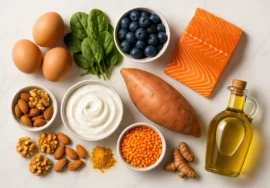
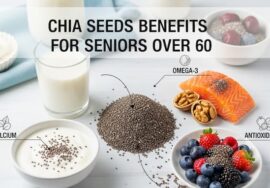
Use a simple formula at each meal: fiber + lean protein + healthy fat. Think oatmeal with berries and nuts; beans with greens and olive oil; yogurt with chia. Increase fiber gradually and drink water to limit gas.
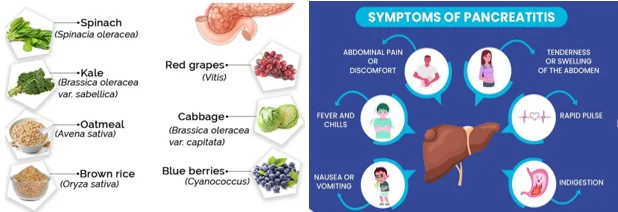
Related reading: What Foods Cause Inflammation? (smart swaps you can actually keep)
The science behind fiber and digestive health is compelling. Soluble fiber — found in oats, barley, beans, and berries — forms a gel in the gut that slows glucose absorption, blunting blood sugar spikes after meals and reducing the insulin demand placed on your pancreas. A 2019 meta-analysis in the British Medical Journal found that adults who consumed the most dietary fiber had a 15–19% lower risk of developing type 2 diabetes compared to those who ate the least. That’s a meaningful reduction from a change as simple as swapping white bread for oat-based crackers.
Spacing meals evenly — roughly every 4–5 hours — gives the pancreas scheduled rest periods between enzyme and insulin bursts. Many seniors do well with three moderate meals rather than one or two large ones, since large volumes of fat and protein at once demand a surge of lipase and protease that the aging pancreas may struggle to meet quickly. If you find yourself uncomfortably full after dinner, try moving your largest meal to midday and keeping the evening meal lighter and earlier (before 7 p.m. when possible).
One practical tip: add your fiber incrementally. Going from minimal fiber to 25–35 grams per day overnight almost guarantees gas and bloating — the very discomfort you’re trying to avoid. Increase by 3–5 grams per week over a month, and pair each fiber increase with an extra glass of water to keep everything moving comfortably.
2) Move most days (short sessions count)
Aim for walking, light cycling, or water aerobics on most days, plus 2x/week gentle strength and some balance work. Movement helps insulin do its job, which supports both energy and appetite control.
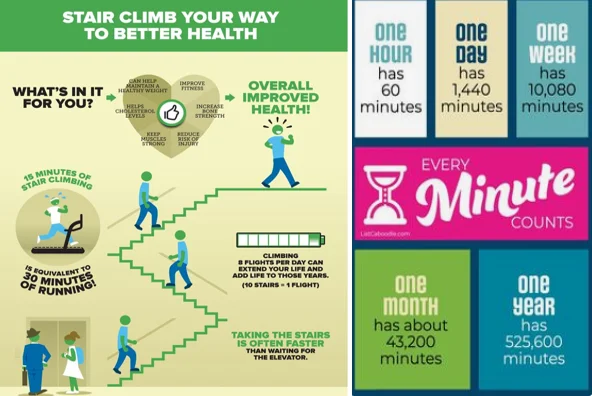
The mechanism here is well-established: skeletal muscle is the largest glucose-consuming tissue in the body. When muscles contract during exercise, they absorb glucose directly from the bloodstream — independently of insulin — through a transporter called GLUT4. This means even a 15-minute walk after a meal can lower post-meal blood sugar by 20–30 mg/dL, directly reducing the workload on your pancreas’s insulin-producing beta cells. A 2022 trial in Sports Medicine found that three short 10-minute walks spread through the day were more effective at controlling daily blood sugar than one 30-minute session.
For seniors with joint discomfort, water aerobics and chair-based strength exercises offer a low-impact way to capture these benefits. The buoyancy of water reduces joint stress by up to 90% while still providing meaningful resistance — making it an ideal activity for anyone managing arthritis alongside digestive or metabolic concerns. If you haven’t been active recently, start with just 10 minutes a day and build from there; consistency matters far more than intensity.
3) Be “enzyme-aware”
Persistent bloating, pale/oily stools that float, or weight loss can point to EPI. Doctors can prescribe pancreatic enzyme replacement therapy (PERT) when needed. Don’t guess — get evaluated, then tailor meals with your clinician or dietitian.
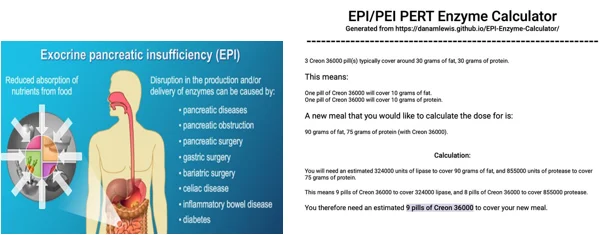
Exocrine pancreatic insufficiency is more common in older adults than most people realize — and it’s significantly underdiagnosed. EPI occurs when the pancreas produces fewer than 10% of its normal enzyme output, leaving fat, protein, and some carbohydrates only partially digested. The result: pale, greasy, foul-smelling stools that may float (steatorrhea), uncomfortable bloating within 30–60 minutes of eating, and — over months — unintentional weight loss and deficiencies of fat-soluble vitamins (A, D, E, and K).
The good news is that EPI is highly treatable. Prescription PERT delivers the missing enzymes in capsule form taken with meals, and most people notice significant improvement within two to four weeks. Vitamin D deficiency — already common in adults over 60 — is especially important to correct, as it affects bone density, immune function, and mood. If you’ve been told your vitamin D is low and you also have any of the digestive symptoms above, ask your doctor to test for EPI with a fecal elastase-1 test, a simple, non-invasive stool test.
4) Keep alcohol modest; skip tobacco
Heavy drinking and gallstones are common pancreatitis triggers. If you drink, keep it light and consistent; if you smoke, ask about proven quit aids — your pancreas (and heart) will thank you.
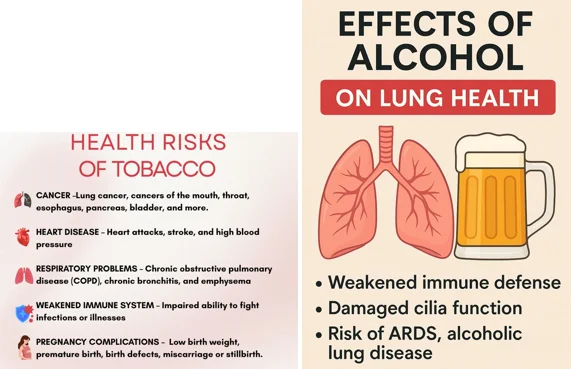
Alcohol is the leading cause of both acute and chronic pancreatitis in the United States, responsible for roughly 70% of chronic cases. When alcohol is metabolized in the pancreas, it generates toxic byproducts (acetaldehyde and fatty acid ethyl esters) that trigger premature enzyme activation inside the pancreatic cells themselves — essentially, the gland begins digesting its own tissue. The damage is cumulative; even moderate drinking over many years can reduce functional enzyme capacity. The American Gastroenterological Association recommends no more than one standard drink per day for women and two for men, and preferably less in anyone with a history of digestive issues.
Smoking is a separate but equally important risk factor: it roughly doubles the risk of pancreatic cancer and accelerates the progression of chronic pancreatitis independent of alcohol use. If you smoke, know that FDA-approved cessation aids — including varenicline (Chantix) and combination nicotine replacement therapy — are covered under Medicare and most insurance plans with no cost-sharing under the ACA. Your doctor can prescribe these, or you can call 1-800-QUIT-NOW for free coaching and support.
5) Watch gallbladder signals
Sharp upper-abdominal pain (often to the back), fever, vomiting, or yellowing of the eyes/skin can mean a blocked duct. That’s urgent — seek care.
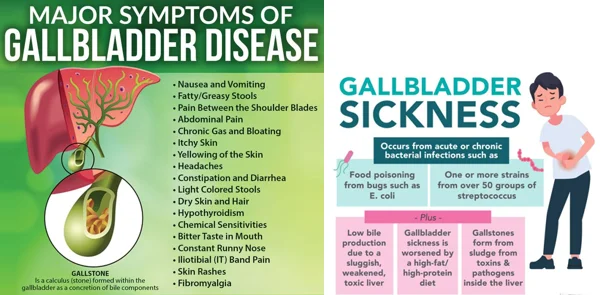
The pancreas and gallbladder share a common drainage duct (the common bile duct), which means gallstones are the second most common cause of acute pancreatitis — accounting for up to 40% of cases in older adults. When a gallstone lodges at the junction of this duct, it blocks the flow of both bile and pancreatic enzymes, causing a dangerous buildup of pressure and enzyme activation within the pancreas itself. This is a medical emergency.
Pain from gallbladder-related pancreatitis typically begins in the right upper quadrant or the center of the abdomen (epigastric area), often radiating straight through to the back. It typically starts 30–60 minutes after a fatty meal. If you experience this type of pain even once — especially with fever, yellowing of the skin or whites of the eyes (jaundice), or a racing heartbeat — go to the emergency room immediately rather than waiting for a clinic appointment. Early intervention significantly reduces the risk of serious complications including pancreatic necrosis.
6) Sleep, stress, and weight in a reasonable lane
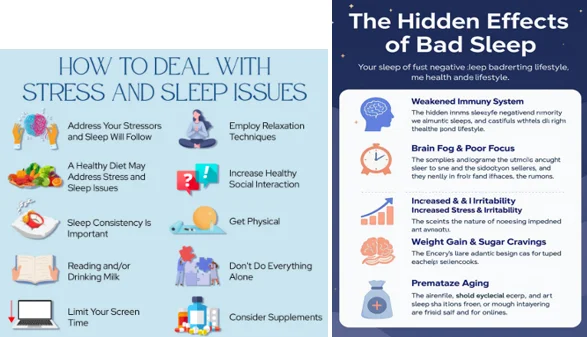
Regular sleep and a calm daily rhythm help insulin sensitivity. Pair that with short, daily walks and produce-heavy meals for steadier energy.
Also helpful: Best Gentle Constipation Relief for Seniors (fiber and hydration tips that also ease digestion)
Chronic stress raises cortisol, which in turn raises blood glucose — adding directly to the insulin burden on your pancreas. A 2021 study in Diabetes Care found that adults with high perceived stress had significantly worse glycemic control even after adjusting for diet and exercise, suggesting that stress management is a legitimate metabolic intervention, not just a “nice to have.” Simple daily practices — even five to ten minutes of slow breathing or mindfulness — have been shown to reduce cortisol and improve insulin sensitivity over eight to twelve weeks.
Sleep quality is equally important. During deep (slow-wave) sleep, the body is highly sensitive to insulin; poor sleep dramatically blunts this sensitivity by the following morning. Studies show that just one week of sleeping under six hours per night causes insulin resistance equivalent to gaining 20–30 pounds of body fat. If you’re not sleeping well — whether due to pain, anxiety, sleep apnea, or other causes — addressing sleep is one of the highest-return investments you can make in your metabolic health. Ask your doctor about a sleep study if you snore heavily or wake feeling unrefreshed.
Pantry quick list: easy wins
- Fiber staples: oats, barley, rye crackers, beans/lentils, chia, raspberries, broccoli, leafy greens. Add slowly.
- Protein with a light touch: eggs, yogurt, tofu, fish, chicken; spread protein across meals to avoid sugar dips.
- Better fats: olive or canola oil, avocado, nuts/seeds; trim heavy saturated fats to support metabolism.
Prefer a calm, lower-caffeine routine? Try Matcha Benefits for Older Adults for a gentle comparison of morning drinks.
Building a pancreas-friendly pantry doesn’t require exotic ingredients or expensive specialty foods — most of what your digestive system needs is already in the grocery store’s middle sections and produce aisle. The biggest practical shift for most seniors is reducing ultra-processed foods: boxed snacks, fast food, processed meats, and refined sugars create erratic blood sugar spikes that force repeated insulin surges, gradually exhausting the pancreas’s beta cells over years.
Hydration deserves a special mention here. The pancreas secretes a bicarbonate-rich fluid alongside its enzymes to neutralize stomach acid as food enters the small intestine. Mild dehydration — surprisingly common in adults over 60, whose thirst sensation naturally diminishes with age — can reduce the volume of this fluid, slowing enzyme delivery and contributing to that “heavy” post-meal feeling. Aim for at least 6–8 cups of water or low-sugar fluids daily; herbal teas, broth, and water-rich fruits (cucumber, melon, citrus) all count. If plain water feels boring, try adding a squeeze of lemon — citric acid actually helps stimulate digestive secretions.
When to call your clinician
Don’t wait if you have severe or worsening upper-abdominal pain, pain that reaches the back, fever, vomiting, a fast heartbeat, shortness of breath, or jaundice. Also call for ongoing greasy/floating stools, stubborn diarrhea/constipation, or unplanned weight loss.
One sign that’s frequently overlooked: new-onset diabetes in someone over 50 with no family history and no obvious lifestyle risk factors. A sudden change in blood sugar regulation can, in rare cases, be an early marker of pancreatic disease — including pancreatic cancer, which is most treatable when caught before symptoms become severe. This isn’t meant to cause alarm; the vast majority of new diabetes diagnoses in older adults are straightforward type 2. But if the diagnosis surprises both you and your doctor, ask about imaging of the pancreas as part of the initial workup. The American Cancer Society recommends that any unexplained new-onset diabetes in adults over 50 include consideration of pancreatic evaluation.
Useful, trustworthy resources
- NIDDK: Pancreatitis—Symptoms, Causes, Treatment
- Cleveland Clinic: Exocrine Pancreatic Insufficiency (EPI)
- CDC: Physical Activity for Older Adults
- American Diabetes Association: Exercise & Blood Sugar
- American Heart Association: Healthy Fats 101
- More from KeepFitQuote: Best Foods for Body Detox
Q&A
What does the pancreas do?
Breaks down food with enzymes and helps control blood sugar with hormones.
What’s the simplest habit that helps?
Build fiber-forward plates and move a little every day.
How much activity should I aim for?
About 150 minutes/week of moderate activity plus strength and balance work.
Which foods are easiest on digestion?
Oats, beans, berries, yogurt, tofu/fish/chicken, olive oil, nuts, and plenty of vegetables.
Are healthy fats okay?
Yes — favor unsaturated fats (olive/canola, nuts, avocado) over heavy saturated fats.
What are red-flag symptoms?
Severe upper-abdominal pain (especially to the back), fever, vomiting, yellow eyes/skin — seek care now.
What is EPI?
Exocrine pancreatic insufficiency — not enough enzymes; may cause greasy stools, gas, and weight loss. It’s treatable.
Do I need enzyme pills?
Only if your clinician diagnoses EPI or a related condition; self-prescribing can miss the real cause.
Does alcohol matter?
Yes. Heavy use raises pancreatitis risk. Keep intake modest or skip.
What about smoking?
Smoking increases pancreatic cancer risk; quitting helps across the board.
How do fiber and water work together?
Add fiber gradually and drink water so stool stays soft and comfortable.
Any quick plate formula to remember?
Half vegetables/fruit, a palm of protein, a thumb of healthy fat, and a fist of whole grains — adjust for appetite and meds.
Can pancreas health affect my energy levels directly?
Absolutely. When the pancreas doesn’t release enzymes efficiently, nutrients from food aren’t fully absorbed — meaning your cells don’t get the fuel they need even when you’re eating well. Similarly, when insulin signaling is impaired, glucose stays in the bloodstream rather than entering cells for energy. Both scenarios produce that familiar afternoon fatigue that many seniors attribute to “just getting older.” Addressing pancreas health through diet, movement, and — when needed — medical treatment often produces a noticeable improvement in sustained daily energy within four to eight weeks.
Bottom line
Keep it simple and repeatable: walk most days, build fiber-rich plates, use healthy fats, keep alcohol modest, and don’t smoke. If new belly pain or greasy stools show up, call your clinician — early care protects digestion and energy.
⚕️ Medical Disclaimer
The information provided on this page is for educational purposes only and is not intended as medical advice, diagnosis, or treatment. Always consult a qualified healthcare professional before making changes to your diet, starting any supplement, or if you have an existing medical condition. KeepFitQuote does not provide medical diagnoses or treatment recommendations. Read our full disclaimer.
Related Posts