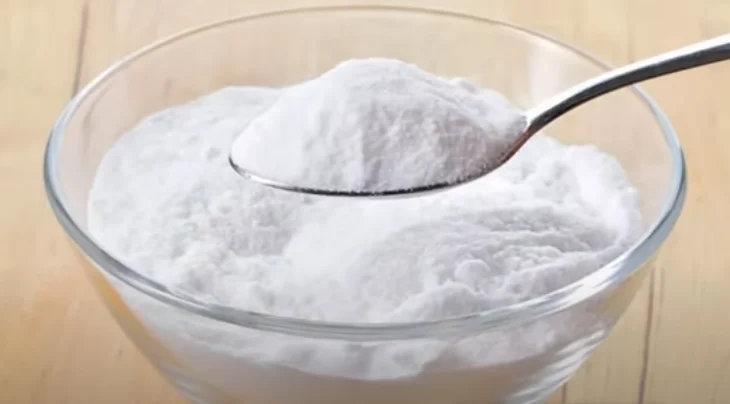
Most people think of baking soda as just something for baking or cleaning, but for older adults, it can be much more useful. This ordinary white powder has been used for decades as a simple, low-cost home remedy. When used carefully, it can help with small daily discomforts that often come with aging.
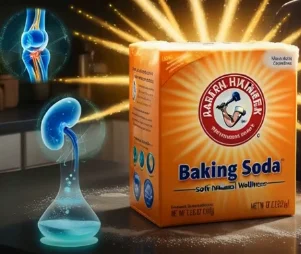
If you are caring for an elderly loved one—or you’re a senior yourself—here’s how baking soda can be a gentle addition to daily life.
Sodium bicarbonate—the chemical name for baking soda—has a long and well-documented history in both folk medicine and mainstream healthcare. It is the active ingredient in many over-the-counter antacids, and hospitals use intravenous forms to treat serious metabolic acidosis. For everyday home use by older adults, its most valuable property is its amphoteric nature: it can react with both acids and bases, making it effective at neutralizing the acidic environment that underlies many common discomforts. At under a dollar per pound, it is also one of the most affordable health tools available. The key for seniors is understanding both what it can help with and where the limits are—because used appropriately, baking soda is a gentle, time-tested ally; used carelessly or to excess, it can interfere with blood chemistry or interact with medications.
Table of Contents
- Baking Soda Benefits for Older Adults: A Simple Home Remedy Guide
- A Quick Look at Its Uses
- Soothing Heartburn Naturally
- Keeping Breath Fresh and Teeth Cleaner
- An Easy Denture Cleaner
- Relaxing Aching Feet
- Calming Dry or Itchy Skin
- Helping With Joint Stiffness (With Caution)
- A Natural Deodorizing Option
- 10 Questions Seniors Often Ask
- Safety Reminders for Older Adults
A Quick Look at Its Uses
Baking soda, or sodium bicarbonate, can:
- Calm mild acid reflux when taken occasionally
- Freshen breath and help with oral hygiene
- Keep dentures clean and odor-free
- Relax tired, swollen feet in a warm soak
- Ease mild skin irritation or itching
- Possibly support joint comfort when approved by a doctor
Always check with a doctor before using it regularly, especially if there are heart, kidney, or blood pressure concerns.
What makes baking soda particularly relevant for the 65+ age group is that many of the discomforts it addresses—heartburn, dry skin, foot aches, denture odor, and joint stiffness—become more common as the body ages. Stomach acid production changes with age, the skin’s natural oil production decreases, and joint inflammation often increases. Rather than reaching immediately for a separate commercial product for each issue, many seniors find that one inexpensive box of baking soda covers several bases. This guide walks through each application with specific instructions, realistic expectations, and clear guidance on who should check with a physician first—because the safety profile, while generally favorable, is not the same for everyone.
Soothing Heartburn Naturally
Older adults often deal with occasional heartburn, especially after eating heavy or spicy meals. Baking soda can offer quick relief because it balances excess stomach acid.
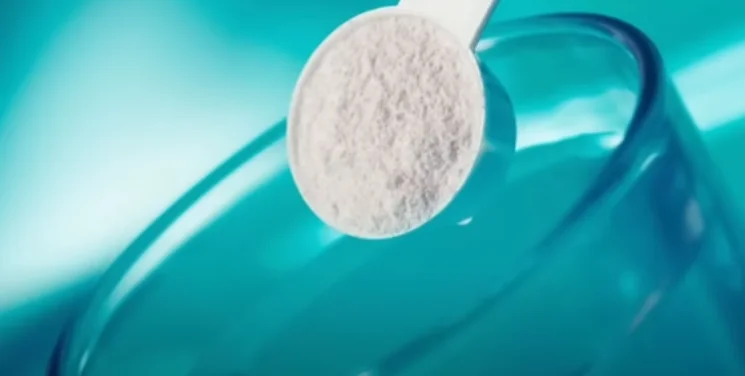
The simplest way to try it is by mixing half a teaspoon in a glass of warm water and sipping slowly. This is only for occasional use—too much baking soda can upset the stomach, and people with high blood pressure should avoid it unless a doctor says it’s safe.
Heartburn occurs when stomach acid rises into the esophagus, creating that familiar burning sensation beneath the breastbone. Baking soda works by rapidly neutralizing that acid through a straightforward chemical reaction: sodium bicarbonate + hydrochloric acid → sodium chloride + water + carbon dioxide. The relief is quick—often within minutes—which is why it has been used as an antacid for over a century. The FDA actually recognizes sodium bicarbonate as a safe and effective over-the-counter antacid when used as directed. For older adults, one important consideration is the sodium content: half a teaspoon of baking soda contains about 616 mg of sodium. For someone on a 1,500 mg/day sodium restriction (common for heart failure, hypertension, or kidney disease), a single dose is nearly half their daily limit. This is why commercial antacids formulated for seniors—which use calcium carbonate or magnesium hydroxide instead—may be more appropriate for those with cardiovascular or renal conditions. Use baking soda for heartburn no more than once or twice a week, not as a daily solution, and never take it on a very full stomach, as the gas produced can be uncomfortable.
Keeping Breath Fresh and Teeth Cleaner
Dry mouth and bad breath are common in seniors, especially for those taking multiple medications. Baking soda’s mild cleansing action helps neutralize odor and remove surface stains.
Make a soft paste by mixing a pinch of baking soda with a little water and brush very gently once or twice a week. Another option is to dissolve half a teaspoon in warm water and use it as a quick mouth rinse. Too much scrubbing can wear down tooth enamel, so use it sparingly.
Bad breath in older adults is frequently caused by dry mouth (xerostomia)—a side effect of over 400 common medications, including antihistamines, antidepressants, blood pressure drugs, and diuretics. When saliva production drops, bacteria thrive and produce volatile sulfur compounds, the primary source of unpleasant oral odor. Baking soda combats this through its alkaline pH, which neutralizes the acidic environment in which odor-causing bacteria flourish. A 2017 review in the Journal of the American Dental Association confirmed that baking soda–containing toothpastes effectively reduce plaque and gingival inflammation compared to non-baking-soda formulas. For seniors who prefer a natural approach, the rinse method—half a teaspoon dissolved in four ounces of warm water, swished for thirty seconds—is gentler on enamel than paste brushing and still delivers meaningful odor control. If you wear a nightguard or partial denture, soaking it briefly in a mild baking soda solution (one teaspoon per cup of water) will also help keep it fresh. Limit direct brushing with baking soda paste to once or twice weekly to protect enamel.
An Easy Denture Cleaner
Dentures can sometimes hold odor, even with regular cleaning. Baking soda is a safe alternative to commercial denture cleaners.
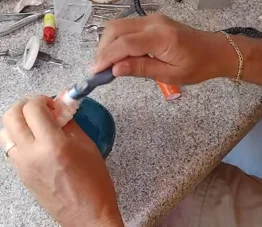
Simply stir one teaspoon into a cup of warm water and soak dentures for 15–20 minutes. Rinse them thoroughly afterward before wearing them again.
Denture hygiene is more important for overall health than many people realize. Research has linked poor denture hygiene to an increased risk of pneumonia (from inhaling oral bacteria), oral candidiasis (a fungal infection), and gum disease in remaining natural teeth. Baking soda is an effective and gentle cleaning agent for dentures because its mild abrasiveness removes food film and staining without scratching the acrylic resin surface the way harsh scrubbers or toothpaste can. Its alkaline pH also disrupts the biofilm that Candida albicans—the fungus responsible for denture stomatitis—needs to adhere to surfaces. For a deeper weekly clean, you can make a paste of baking soda and a few drops of water, apply it gently with a soft denture brush, and rinse thoroughly. Never use hot or boiling water on dentures, as it can warp the fit. Always remove dentures overnight to give the gum tissue time to recover, and store them in plain water or a mild baking soda solution—not dry, which can cause warping.
Relaxing Aching Feet
Older adults who spend long hours sitting or standing often complain about sore or swollen feet. A baking soda foot soak can be surprisingly comforting.
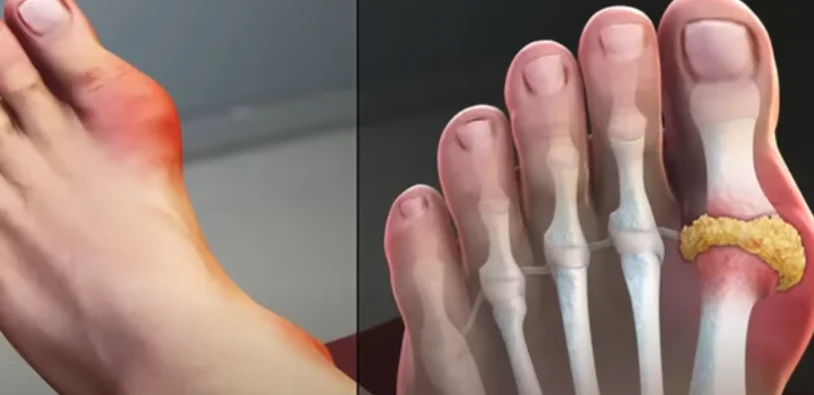
Add two tablespoons to a basin of warm water and soak for about 15 minutes. Always dry feet well afterward. People with diabetes or circulation issues should ask their doctor before trying this.
Foot discomfort is among the most common complaints in adults over 60, affecting up to 80% of older Americans according to research published in the Journal of Foot and Ankle Research. The causes range from plantar fasciitis and bunions to edema and neuropathy. A warm baking soda foot soak provides relief through two mechanisms: the warmth itself improves circulation and relaxes tight muscles and connective tissue, while the alkaline solution softens calluses and dead skin, eases mild fungal conditions like athlete’s foot, and soothes any minor skin irritation. The 15-minute soak is also a natural stress-reduction ritual—an important consideration since stress hormones contribute to muscular tension and inflammation. After soaking, dry thoroughly between the toes to prevent fungal growth, and apply a rich moisturizer immediately while skin is still slightly damp to lock in hydration. For seniors with diabetes, peripheral neuropathy, or poor circulation, foot care requires special caution: even mild heat can cause unnoticed burns, and small skin breaks can become serious. These individuals should always get physician approval before any foot soak.
Calming Dry or Itchy Skin
Skin can become drier and more sensitive with age. Adding baking soda to bathwater can help calm mild irritation.

Pour half a cup into a warm bath and soak for 10–15 minutes, then moisturize the skin afterward to prevent further dryness.
Itchy skin (pruritus) in older adults is extremely common—affecting up to 50% of people over 70—and is driven by a combination of factors: reduced sebum production, thinner skin, decreased natural moisturizing factors, and sometimes medication side effects. Baking soda baths have a long tradition in dermatology as a soothing measure for conditions like mild eczema, chicken pox, and contact dermatitis. The mechanism is primarily pH-related: normal, healthy skin maintains a slightly acidic pH around 4.5–5.5, which supports the skin’s barrier function. When this is disrupted—by harsh soaps, medications, or environmental factors—the resulting alkaline shift triggers inflammation and itching. Counterintuitively, a mild baking soda bath does not worsen this, and many people find relief from the antipruritic (anti-itch) effect of the soak, likely because it briefly neutralizes irritants on the skin surface. Always use warm (not hot) water—hot water strips the skin’s natural oils more aggressively—and apply a fragrance-free moisturizer within three minutes of stepping out of the bath, while skin is still damp, to seal in hydration. If itching is severe, widespread, or accompanied by rash, see a dermatologist rather than relying on home remedies.
Helping With Joint Stiffness (With Caution)
Some wellness practitioners believe that slightly reducing body acidity can help ease stiff joints. Baking soda is alkaline, but it should only be used internally if a doctor approves.
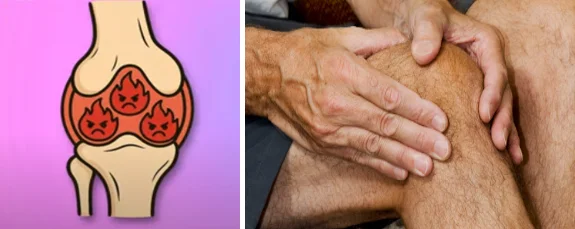
If given the green light, mix a quarter teaspoon in a glass of water and drink it no more than a few times a week. This is not a treatment for arthritis—only a traditional home remedy some seniors find helpful.
The connection between baking soda and joint health has gained some scientific credibility in recent years. A 2018 study published in the Journal of Immunology from the Medical College of Georgia found that drinking a baking soda solution prompted a shift in immune cell activity—from inflammatory macrophages to anti-inflammatory ones—in both healthy adults and animal models. The researchers proposed that baking soda may signal to the spleen to calm down inflammatory immune responses. While this research is early-stage and does not represent a proven treatment for osteoarthritis or rheumatoid arthritis, it provides a plausible biological mechanism for why some people report feeling less stiff when occasionally using diluted baking soda. It is essential to frame this correctly for seniors: joint disease requires proper medical diagnosis and treatment, and baking soda should never replace prescribed medications, physical therapy, or physician-recommended interventions. It is at best a supplementary comfort measure for mild stiffness, approved by your doctor, used occasionally, and discontinued if you notice any side effects such as increased thirst, headache, or swelling.
A Natural Deodorizing Option
Body odor sometimes changes with age because of differences in sweat gland activity. Baking soda can be used as a mild natural deodorant.

Mix a little with water to form a soft paste, apply it gently under the arms, and rinse off after a few minutes. People with sensitive skin should test a small spot first.
Changes in body odor with aging are real and documented. As apocrine sweat gland activity decreases with age, the composition of sweat changes—as does the skin’s microbiome, the community of bacteria that metabolize sweat into odor-causing compounds. Some older adults find that products they have used for decades are no longer as effective, or cause more skin sensitivity. Baking soda works as a deodorant because it neutralizes the acidic fatty acids that bacteria produce from sweat, eliminating the odor at its chemical source rather than masking it with fragrance. The main caution is skin sensitivity: baking soda’s pH (~8.3) is significantly higher than skin’s natural pH (~4.5–5.5), and prolonged or frequent contact can disrupt the skin barrier, causing irritation, redness, or even a chemical-like “burn” in sensitive individuals. A patch test on the inner forearm before underarm application is always wise. Alternately, mixing a small amount of baking soda with cornstarch reduces the alkalinity somewhat while preserving the deodorizing effect. Use it sparingly and give skin a break if any irritation appears.
10 Questions Seniors Often Ask
Q1: Can baking soda be taken every day?
A1: No, it should only be used occasionally and never without medical approval.
Q2: Is it safe for high blood pressure?
A2: Not unless a doctor approves, because it contains sodium.
Q3: Can it help arthritis pain?
A3: Some believe it helps by reducing acidity, but there’s no strong scientific proof. Early research suggests possible anti-inflammatory effects, but it is not a substitute for proper arthritis care.
Q4: Does it whiten teeth?
A4: It can gently remove surface stains but will not change natural tooth color.
Q5: How often can feet be soaked in baking soda?
A5: A few times a week is fine unless you have diabetes—then check with a doctor.
Q6: Is it safe for dentures?
A6: Yes, soaking dentures in a mild solution keeps them fresh and odor-free.
Q7: Can it help with bad breath?
A7: Yes, rinsing with a mild baking soda solution can neutralize odors.
Q8: Can it help with itchy skin?
A8: Yes, adding it to bathwater can soothe mild irritation. Always moisturize after the soak.
Q9: What’s the safest way to use it?
A9: Occasional use for heartburn, oral care, and foot soaks is generally fine. Internal use requires physician oversight for anyone with heart, kidney, or blood pressure issues.
Q10: Can it really help with joint stiffness?
A10: Maybe, but only with medical guidance and not as a substitute for treatment. Preliminary research is interesting but not conclusive.
Safety Reminders for Older Adults
- Talk to a doctor first before taking baking soda internally.
- Use occasionally, not every day.
- Be careful with sodium intake if you have heart or kidney issues.
- Test skin first if using as a paste or bath soak.
Baking soda is one of the safest household substances when used correctly—but “correctly” is the operative word, especially for older adults who may take multiple medications. It can interfere with the absorption of certain prescription drugs (including some antibiotics, aspirin, and iron supplements) if taken at the same time, because it alters the pH of the digestive tract. As a general rule, wait at least two hours between taking baking soda internally and taking any medication. People with chronic kidney disease face a particular consideration: the kidneys are responsible for regulating bicarbonate levels in the blood, and supplementing with sodium bicarbonate can be either therapeutic or harmful depending on the individual’s kidney function—always a decision to be made with medical guidance. Used on the skin or in foot soaks, baking soda is very safe for most people; the main risks are skin irritation and the hazard of hot water for those with reduced sensation in the feet. Stored in a sealed container in a cool, dry place, a box of baking soda lasts well over a year. A single box provides months of use across all the applications described here, making it one of the most cost-effective additions to a senior’s wellness toolkit.
⚕️ Medical Disclaimer
The information provided on this page is for educational purposes only and is not intended as medical advice, diagnosis, or treatment. Always consult a qualified healthcare professional before making changes to your diet, starting any supplement, or if you have an existing medical condition. KeepFitQuote does not provide medical diagnoses or treatment recommendations. Read our full disclaimer.
Related Posts