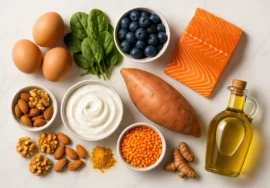
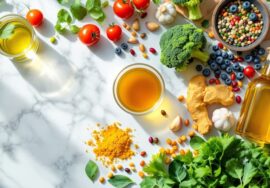
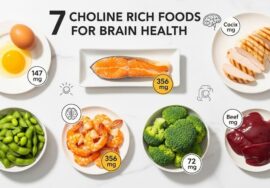
If you’ve been avoiding certain foods because of something you read in a headline, you’re not alone. A lot of once-trusted advice about nutrition has since been walked back, revised, or outright reversed by newer research. Some foods were painted as harmful for decades. Here’s the truth behind what you’ve been told.
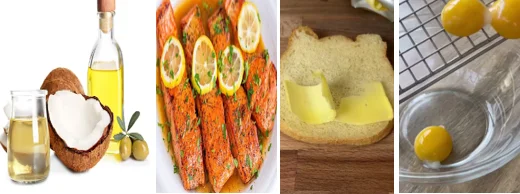
The history of nutrition science is, in many ways, a history of oversimplification. The pattern repeats across decades: a single study or hypothesis generates a headline, that headline becomes public health guidance, and years later more rigorous research reveals the original story was incomplete or simply wrong — often after an entire generation has restructured their diet around outdated advice. The 1970s and 1980s low-fat movement is perhaps the most consequential example, driven substantially by Ancel Keys’ Seven Countries Study, which correlated saturated fat intake with heart disease but has since been criticized for selective country inclusion and failure to account for sugar intake, which rose dramatically as fat was removed from processed foods. Understanding where the science actually stands today — as opposed to where 1980s headlines left it — allows for a more nuanced, evidence-based approach to eating that doesn’t require fearing entire food categories.
Table of Contents
- Coconut Oil Was Never the Problem
- Salmon Got Labeled ‘Too Fatty’
- Butter Was Replaced by Something Worse
- Dark Chocolate Isn’t Junk
- Eggs Do Not Raise Your Cholesterol Dangerously
- Potatoes Were Blamed for What People Added to Them
- Red Meat Got Thrown in with Processed Meat
- Whole Dairy Fat Was Wrongly Blamed
- Bread Isn’t Always Bad
- Salt Was Oversimplified
- Quick Snapshot: The Myths vs. Facts
- Questions People Ask
- Closing Thought
1. Coconut Oil Was Never the Problem
Coconut oil was targeted because it’s high in saturated fat. But the kind of fat in virgin coconut oil behaves differently in the body — it contains medium-chain triglycerides (MCTs), which are metabolized quickly and used for energy rather than stored. These fats are not the same as hydrogenated oils.

👉 Reality: Using small amounts of cold-pressed coconut oil for cooking isn’t dangerous. It’s a stable oil, ideal for higher-heat cooking due to its resistance to oxidation.
The critical distinction the media missed is the difference between medium-chain triglycerides (MCTs, primarily lauric, caprylic, and capric acid, which make up 60-70% of coconut oil’s fat content) and the long-chain triglycerides found in most other saturated fat sources like fatty beef or processed foods. MCTs are absorbed directly into the portal vein and transported straight to the liver, where they are rapidly oxidized for energy rather than being packaged into lipoproteins and circulated for storage — a metabolic pathway fundamentally different from long-chain fats. Research published in the American Journal of Clinical Nutrition has found that MCT consumption can increase energy expenditure and promote satiety more than equivalent calories from long-chain fats. This doesn’t mean coconut oil is a “health food” to consume in unlimited quantities — it remains calorie-dense and high in saturated fat by weight — but the blanket “clogs arteries” narrative failed to account for coconut oil’s distinct metabolic behavior compared to the trans fats and heavily processed oils that were the actual subjects of the strongest cardiovascular risk research.
2. Salmon Got Labeled ‘Too Fatty’
Yes, salmon has fat. That’s the benefit. Wild-caught salmon is rich in EPA and DHA, two omega-3s that help keep blood vessels flexible and reduce inflammation.

👉 Reality: Salmon supports brain health and heart rhythm. The fat is part of the benefit, not a flaw.
The “fatty fish is bad” narrative reflects one of the more embarrassing oversimplifications in modern nutrition messaging — a conflation of all dietary fat as uniformly harmful that ignored decades of research on omega-3 fatty acids specifically. EPA (eicosapentaenoic acid) and DHA (docosahexaenoic acid) are structural components of cell membranes throughout the body, particularly concentrated in retinal and neural tissue, and are precursors to anti-inflammatory signaling molecules called resolvins and protectins. The American Heart Association specifically recommends two servings of fatty fish per week for cardiovascular health, based on consistent evidence from studies including the GISSI-Prevenzione trial, which found significant reductions in cardiac mortality with omega-3 supplementation in heart attack survivors. The irony is stark: salmon’s fat content, once used as a reason to limit consumption, is now recognized as precisely the reason it should be a dietary staple.
3. Butter Was Replaced by Something Worse
During the margarine craze, butter was dismissed. Now we know that trans fats — often found in margarine — are more harmful than the saturated fat in butter. Grass-fed butter contains vitamins like K2 and healthy saturated fats.

👉 Reality: Real butter, in modest portions, is far better than processed spreads.
This substitution represents perhaps the most consequential dietary mistake driven by media oversimplification in the 20th century. When Americans were advised to replace butter with margarine to reduce saturated fat intake, the alternative offered — partially hydrogenated vegetable oil — introduced trans fats into the food supply at scale. Trans fats were later found to be dramatically more atherogenic than saturated fat: they simultaneously raise LDL (“bad”) cholesterol and lower HDL (“good”) cholesterol, a double negative effect that natural saturated fat does not produce to nearly the same degree. The FDA formally banned artificial trans fats from the U.S. food supply in 2018, decades after their cardiovascular harms were first documented in research, illustrating how long it can take for policy to catch up with science. Grass-fed butter specifically contains vitamin K2 (important for directing calcium to bones rather than arteries) and conjugated linoleic acid (CLA), a fatty acid with some evidence for anti-inflammatory and metabolic benefits — nutritional value entirely absent from margarine’s engineered fat profile.
4. Dark Chocolate Isn’t Junk
When you hear “chocolate,” you might think candy bars. But dark chocolate (70%+ cocoa) is rich in antioxidants. It supports blood flow and contains iron and magnesium.
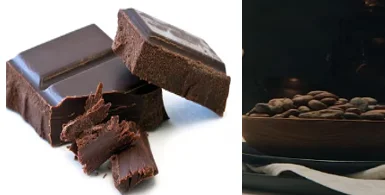
👉 Reality: It’s not about banning chocolate — it’s about choosing the right kind.
The conflation of “chocolate” as a single category — lumping a Snickers bar together with 85% cacao dark chocolate — represents a common pattern in food demonization: judging an entire ingredient category by its most processed, sugar-laden form. Dark chocolate with high cacao content (70% or above) contains flavanols, particularly epicatechin, which multiple clinical trials have linked to improved endothelial function and modest blood pressure reduction through enhanced nitric oxide production in blood vessels. A meta-analysis published in the American Journal of Clinical Nutrition found regular dark chocolate consumption associated with reduced cardiovascular disease risk. The mineral content is also genuinely significant: a one-ounce serving of dark chocolate provides meaningful iron, magnesium, copper, and manganese. The key distinguishing factor from candy bars is sugar content — quality dark chocolate typically contains a fraction of the added sugar found in milk chocolate confections, making moderate daily consumption (one to two squares) a genuinely defensible dietary choice rather than an indulgence to avoid entirely.
5. Eggs Do Not Raise Your Cholesterol Dangerously
Old studies linked eggs to heart disease. That connection was overblown. Eggs are one of the most complete natural foods — offering choline, protein, and key vitamins.

👉 Reality: One egg per day is fine for most people, even those watching cholesterol.
The egg-cholesterol scare rested on a fundamental misunderstanding of lipid metabolism that has since been thoroughly corrected by modern research. For approximately 70% of the population (sometimes called “hyporesponders”), dietary cholesterol has minimal effect on blood cholesterol levels, because the liver compensates by reducing its own cholesterol production when dietary intake rises. A large meta-analysis published in the BMJ in 2020, following over 177,000 participants, found no significant association between moderate egg consumption and cardiovascular disease risk in the general population. The 2015-2020 Dietary Guidelines for Americans removed the previous 300mg daily cholesterol limit entirely, reflecting this shift in scientific consensus. Eggs remain one of the only foods providing significant choline — a nutrient critical for brain and liver function that the vast majority of Americans fail to get enough of — alongside complete, highly bioavailable protein and the full spectrum of B vitamins.
6. Potatoes Were Blamed for What People Added to Them
It’s not the potato. It’s the fries, the butter-soaked mash, and the toppings. A plain potato with skin is a source of potassium, fiber, and resistant starch.

👉 Reality: A boiled potato can be part of a balanced meal. What you put on it matters more.
The potato’s reputation problem is a textbook case of preparation method being conflated with the base ingredient itself. A medium baked potato with skin contains more potassium than a banana, along with vitamin C, vitamin B6, and — when cooled after cooking — a meaningful amount of resistant starch, a type of fiber that resists digestion in the small intestine and ferments in the colon to produce beneficial short-chain fatty acids, similar to the benefits attributed to prebiotic fiber. The glycemic response to potatoes also varies considerably based on preparation and cooling: research has shown that cooling cooked potatoes (even after reheating) increases resistant starch content and lowers the glycemic response compared to freshly cooked potatoes, through a process called starch retrogradation. The actual health concern with potatoes in the American diet is almost entirely attributable to preparation: deep-frying in industrial oils, loading with butter and sour cream, or processing into chips introduces the fat, sodium, and calorie density that drives negative health outcomes — not the potato’s inherent nutritional profile.
7. Red Meat Got Thrown in with Processed Meat
Media coverage often blurs the line between natural red meat and processed meats like deli slices. Lean red meat contains iron and B12 and supports muscle recovery.
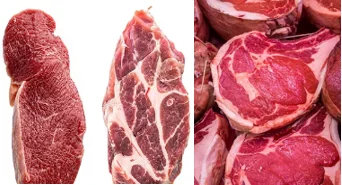
👉 Reality: The type of meat and how it’s cooked matters more than the color.
The World Health Organization’s 2015 classification of processed meat as a Group 1 carcinogen (alongside tobacco, in terms of certainty of evidence, though not magnitude of risk) and red meat as a Group 2A “probable” carcinogen was widely reported in media coverage that frequently failed to distinguish between the two categories or explain the actual risk magnitudes involved. Processed meats — those preserved through smoking, curing, or salting, such as bacon, hot dogs, and deli meats — contain nitrites and nitrates that can form carcinogenic N-nitroso compounds during digestion, along with typically higher sodium content and advanced glycation end-products from processing. Unprocessed lean red meat, by contrast, provides highly bioavailable heme iron (more efficiently absorbed than plant-based non-heme iron), complete protein, vitamin B12 (essential and found almost exclusively in animal products), zinc, and creatine, which supports muscle mass — particularly important for older adults managing sarcopenia. Cooking method matters considerably too: high-temperature grilling or charring meat produces heterocyclic amines and polycyclic aromatic hydrocarbons, compounds with their own cancer risk associations, meaning that moderate consumption of unprocessed, moderately-cooked lean red meat carries a substantially different risk profile than daily processed meat or frequently charred preparations.
8. Whole Dairy Fat Was Wrongly Blamed
Whole milk and yogurt were tossed aside during the low-fat era. But full-fat dairy is more filling and supports hormone function. Fat-free versions often come with added sugar.
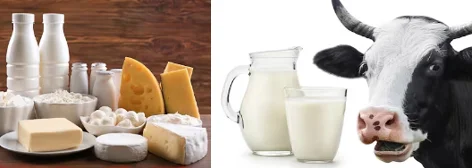
👉 Reality: Eating the full-fat version may help with satiety and nutrient absorption.
The low-fat dairy movement inadvertently created a substitution problem similar to the butter-to-margarine shift: when fat was removed from dairy products to reduce calorie and saturated fat content, manufacturers frequently added sugar to compensate for the resulting loss of flavor and mouthfeel, meaning “low-fat” yogurts in particular often contain more added sugar than their full-fat counterparts. A large body of observational research, including a 2016 study in Circulation, has found that full-fat dairy consumption is not associated with increased cardiovascular risk and may even be associated with modest metabolic benefits, likely reflecting dairy fat’s unique fatty acid profile, including some odd-chain fatty acids associated with improved insulin sensitivity in research. Fat also plays an essential role in the absorption of fat-soluble vitamins A, D, E, and K, meaning skim dairy products deliver meaningfully less of these nutrients in bioavailable form than their full-fat counterparts. The satiety argument is well-supported too: fat slows gastric emptying and promotes the release of satiety hormones like CCK, meaning full-fat dairy tends to be more filling per calorie than its low-fat, higher-sugar alternative.
9. Bread Isn’t Always Bad
Sourdough and wholemeal breads are very different from refined white bread. Sourdough undergoes fermentation, which helps break down gluten and supports digestion.

👉 Reality: Bread isn’t the enemy. The ingredients and process determine how your body reacts.
The blanket demonization of “bread” as a food category ignores enormous variation in how different breads are produced and how the body responds to them. Traditional sourdough fermentation — using wild yeast and lactic acid bacteria over many hours rather than the rapid commercial yeast process used for most industrial bread — partially breaks down gluten proteins and phytic acid (which normally inhibits mineral absorption), while the resulting organic acids lower the bread’s glycemic index compared to conventionally leavened bread made from the same flour. A study published in the British Journal of Nutrition found sourdough bread produced significantly lower post-meal blood glucose responses than yeast-leavened bread, even when the flour composition was identical. Whole grain breads retain the bran and germ layers of the wheat kernel, providing fiber, B vitamins, and minerals stripped away during the refining process that produces white flour. The actual distinguishing variable is not “bread versus no bread” but rather the degree of processing, the fermentation method, and the specific grain composition — factors that vary enormously across the bread aisle and that blanket dietary advice consistently fails to address.
10. Salt Was Oversimplified
The “salt raises blood pressure” narrative missed the mark. The real issue is processed food loaded with refined salt. Sea salt and Himalayan pink salt contain trace minerals your body needs.
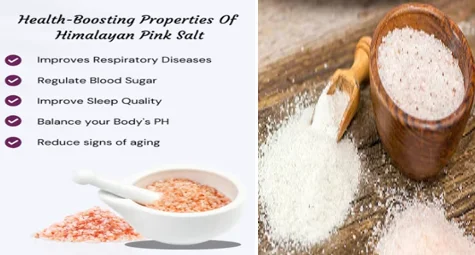
👉 Reality: The amount and source of salt matter. Blanket fear of all salt is misleading.
The salt-blood pressure relationship is real but has been substantially oversimplified in mainstream reporting. Sodium sensitivity — the degree to which blood pressure responds to sodium intake — varies enormously between individuals based on genetics, kidney function, and other factors; research suggests only about 25% of the general population (and a higher proportion of those with existing hypertension) are meaningfully “salt-sensitive.” More importantly, the vast majority of sodium in the American diet (estimated at 70-75%) comes from processed and restaurant foods, not from salt added at the table or in home cooking — meaning the practical intervention for most people is reducing processed food intake rather than fearing salt itself. Unrefined sea salt and Himalayan pink salt do contain trace minerals including magnesium, potassium, and calcium, though in amounts too small to be nutritionally significant on their own; their primary benefit over heavily refined table salt is the absence of anti-caking agents and, in the case of iodized table salt, the intentional addition of iodine (important for thyroid function) that unrefined salts typically lack. The nuanced reality — moderate sodium intake from whole foods is not the primary driver of hypertension for most people, while sodium from ultra-processed foods is a genuine concern — rarely survives translation into a punchy headline.
Quick Snapshot: The Myths vs. Facts
| Food | Media Said | What’s Actually True |
|---|---|---|
| Coconut Oil | Clogs arteries | Contains MCTs, good for metabolism |
| Salmon | Too fatty | High in omega-3s, heart protective |
| Butter | Worse than margarine | Natural fat, contains vitamin K2 |
| Dark Chocolate | Just candy | Rich in antioxidants, iron, magnesium |
| Eggs | Raise bad cholesterol | Good source of protein and choline |
| Potatoes | High carb junk | Potassium-rich whole food |
| Red Meat | Causes disease | Lean cuts are full of iron and B12 |
| Whole Dairy | Makes you fat | Supports appetite control and hormones |
| Sourdough | Causes glucose spikes | Easier to digest and less processed |
| Salt | Always harmful | Natural salt is essential in small amounts |
Questions People Ask
1. Is butter really better than margarine?
Yes. Margarine often contains industrial fats. Grass-fed butter is more natural and includes vitamin K2 and other fat-soluble nutrients that margarine lacks entirely.
2. Can I eat eggs every day?
For most healthy adults, yes. One to two eggs a day is fine if you eat a balanced diet overall — current research does not support the previous strict cholesterol limits.
3. What kind of bread is okay?
Look for fermented sourdough or sprouted grain breads without added sugar. These undergo processes that improve digestibility and lower glycemic impact.
4. Should I cut all red meat?
No. Unprocessed, grass-fed cuts are different from deli meats or sausages. Moderate consumption of lean cuts, cooked without charring, fits well within a balanced diet.
5. Is salt ever good?
Unrefined sea salt in moderation helps with hydration and nerve function. The concern is mainly with excessive sodium from processed foods, not salt itself.
Closing Thought
The media has a pattern of simplifying complex nutrition science. They turn real food into villains and often miss the bigger picture: it’s not any single food that determines your health, but the overall pattern, quality, and preparation of what you eat.
The consistent thread across all ten examples in this guide is that nuanced, mechanistic nutrition science does not translate well into attention-grabbing headlines — and the incentive structure of media coverage rewards simplicity and alarm over accuracy and context. This doesn’t mean all nutrition advice from media sources is wrong, but it does mean a healthy skepticism toward absolute claims (“X food causes disease,” “Y food is a superfood”) is warranted. The most reliable approach remains what nutrition science has consistently supported across decades of accumulating research: a diet built primarily from whole, minimally processed foods, in reasonable portions, with attention to overall dietary pattern rather than the presence or absence of any single ingredient. Foods that were vilified for decades — coconut oil, eggs, full-fat dairy, potatoes, butter — turn out to have been perfectly reasonable dietary choices all along, once the actual research replaced the oversimplified headline.
⚕️ Medical Disclaimer
The information provided on this page is for educational purposes only and is not intended as medical advice, diagnosis, or treatment. Always consult a qualified healthcare professional before making changes to your diet, starting any supplement, or if you have an existing medical condition. KeepFitQuote does not provide medical diagnoses or treatment recommendations. Read our full disclaimer.
Related Posts