Discover the Health-Boosting Greens Hiding in Your Kitchen
When most people think of nutrition, their minds go straight to leafy greens, fruits, or whole grains. But herbs—those small leafy additions you often use just for flavor—pack a surprising nutritional punch. From immune support to digestive help, certain herbs quietly provide a range of essential nutrients and protective compounds.
It’s easy to overlook herbs because we tend to use them in small amounts, but that’s part of what makes them so valuable: a teaspoon of dried herb or a handful of fresh leaves can deliver a concentrated dose of vitamins, minerals, and plant compounds called polyphenols without adding extra calories, sodium, or sugar to a meal. For adults over 50, this matters more than ever. Appetites often shrink with age, medications can interfere with nutrient absorption, and it becomes harder to get everything the body needs from food alone. Working more herbs into daily cooking is one of the simplest, lowest-effort ways to close some of those nutritional gaps. Research from nutrition science has increasingly highlighted that herbs aren’t just flavor additions—many contain antioxidant levels per gram that rival or exceed those found in fruits and vegetables. The herbs covered here were chosen because they’re widely available, inexpensive, easy to grow on a windowsill, and backed by a reasonable body of research into their specific health benefits. As with any dietary change, if you take prescription medications—especially blood thinners, blood pressure medication, or diabetes medication—it’s worth mentioning significant increases in herb intake to your doctor or pharmacist, since some herbs can interact with these drugs in meaningful amounts.
Let’s dive into some of the most nutritious herbs you can include in your daily meals—and why your body will thank you.
Table of Contents
🌿 1. Parsley: More Than a Garnish
Often pushed to the side of the plate, parsley is anything but ordinary. Rich in vitamin K, vitamin C, and a compound called apigenin, parsley helps support bone health and your body’s natural detox systems. A small handful added to soups, salads, or smoothies can go a long way.
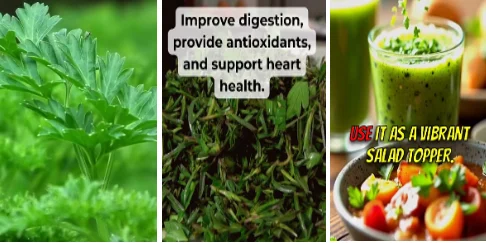
Vitamin K plays a central role in activating proteins that help direct calcium to the bones where it belongs, rather than allowing it to build up in blood vessels. This is particularly relevant for older adults, since adequate vitamin K intake has been associated with better bone mineral density in observational studies of postmenopausal women and older men. Just two tablespoons of fresh parsley provide more than half of the recommended daily vitamin K intake. Apigenin, the flavonoid found in parsley, has been studied for its calming effects on the nervous system and its potential role in supporting healthy cell function as the body ages. To work parsley into your routine, try chopping a small handful into soups, omelets, or mashed potatoes right before serving—heat can reduce some of the more delicate nutrients, so adding it fresh near the end of cooking preserves more of its value. One safety note: because parsley is rich in vitamin K, people taking blood-thinning medications like warfarin should keep their intake fairly consistent day to day, since sudden large changes in vitamin K intake can affect how these medications work. A quick check-in with your doctor or pharmacist can help you find a comfortable, consistent amount.
🌿 2. Cilantro: The Heavy Metal Cleanser
Cilantro, also known as coriander leaf, contains compounds that may bind to heavy metals like mercury and lead—helping the body clear them out. It’s also a source of quercetin, a natural antioxidant that supports immune function and cellular protection.
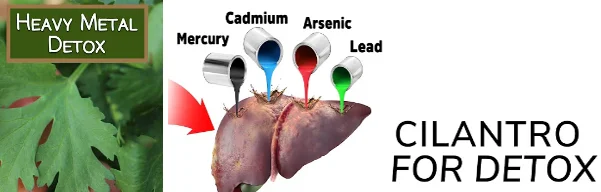
The idea that cilantro can help the body process certain heavy metals comes from small early studies suggesting some of its plant compounds may bind to metal ions, making them easier for the body to eliminate through normal digestive processes. While this area of research is still developing and cilantro shouldn’t be relied on as a treatment for known heavy metal exposure, it’s a reasonable everyday addition for general wellness. Quercetin, meanwhile, is one of the more well-studied plant antioxidants and has been linked in research to reduced inflammation markers and support for blood vessel health—both relevant to cardiovascular health in older adults. Cilantro also provides a useful dose of vitamin A and vitamin K in a very low-calorie package. Practically speaking, cilantro is easiest to enjoy raw, since cooking diminishes some of its more delicate compounds and changes its flavor significantly. Stir a handful into salsas, top soups or grilled fish, or blend it into a simple dressing with lime juice and olive oil. If you’re among the minority of people who find cilantro tastes soapy—a documented genetic trait affecting how certain people perceive its aroma compounds—parsley or basil can provide many of the same general benefits.
🌿 3. Basil: Brain and Skin Support
Beyond its aroma, basil is high in vitamin A, magnesium, and certain oils that support brain clarity and skin tone. Sweet basil and holy basil (also known as tulsi) offer slightly different benefits. Holy basil is often used in teas for its calming and focus-enhancing qualities.
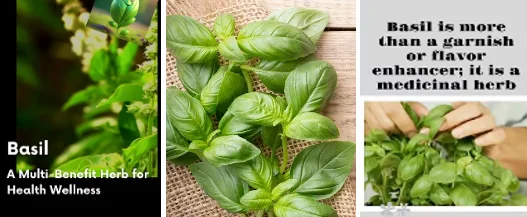
The essential oils in basil, including eugenol and linalool, are part of why fresh basil has such a distinctive aroma—and these same compounds have been studied for mild anti-inflammatory and antioxidant properties. Vitamin A from plant sources like basil supports eye health and skin repair, both areas that become more noticeable concerns with age, including dry skin and changes in night vision. Magnesium, also present in basil, contributes to the same muscle-relaxation and nerve-signaling functions discussed elsewhere in nutrition research, and many older adults fall short of the recommended daily intake. Holy basil (tulsi) stands somewhat apart from sweet basil in that it’s classified by some researchers as an “adaptogen”—a category of plants studied for their potential to help the body manage everyday stress. Small clinical studies on tulsi have looked at modest improvements in stress-related symptoms and sleep quality when consumed as a tea. A cup of tulsi tea in the afternoon or evening is a gentle, low-risk way to wind down. If you’re pregnant or take medication for diabetes or blood pressure, check with your doctor before using tulsi regularly in larger amounts, as some studies suggest it may have mild blood-sugar-lowering effects.
🌿 4. Rosemary: Antioxidant Shield
Rosemary isn’t just for roasted potatoes—it’s rich in rosmarinic acid, which is linked to cognitive support and healthy circulation. The scent alone has been shown to enhance memory in some small studies. It also contains iron and calcium, which support energy and bone strength.
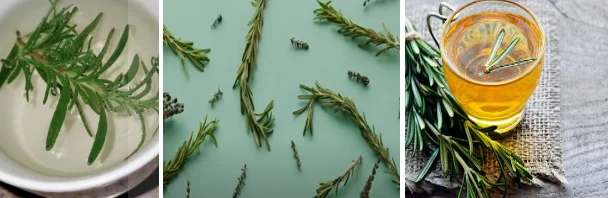
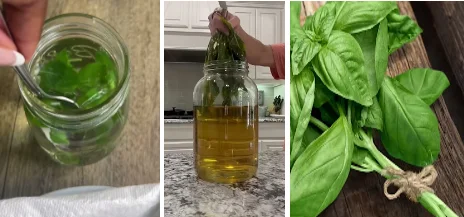
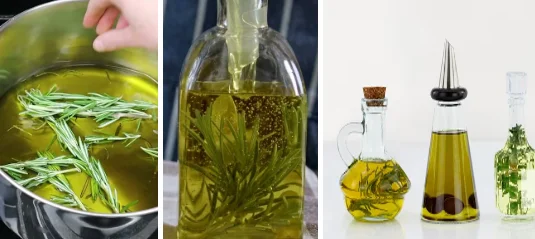
Rosmarinic acid is one of the most extensively studied compounds in rosemary, and laboratory research has explored its potential to help protect cells from oxidative stress—the kind of cellular wear-and-tear that’s thought to play a role in age-related cognitive decline. The much-discussed “rosemary and memory” connection traces back to small studies where simply being in a room scented with rosemary essential oil was associated with modestly improved performance on memory tasks compared to unscented rooms, though larger studies are still needed to confirm how meaningful this effect is in daily life. Beyond aroma, rosemary contributes iron, which supports oxygen transport in the blood, and calcium, which works alongside vitamin D for bone health. Because rosemary is typically used in small quantities, it won’t replace a balanced diet for these minerals, but it adds up as part of an overall pattern of herb-forward cooking. A practical way to enjoy rosemary daily is infusing a few sprigs into olive oil for a week, then using that oil for roasting vegetables or finishing soups—just be sure to store homemade herb-infused oils in the refrigerator and use them within a week or two, since oils infused with fresh herbs can support bacterial growth if left at room temperature for extended periods.
🌿 5. Dandelion Greens: Bitter but Brilliant
Yes, the same plant that pops up in your backyard has edible leaves. Dandelion greens are incredibly rich in vitamin A, calcium, potassium, and inulin—a prebiotic fiber that feeds the beneficial bacteria in your gut. They’re best lightly sautéed or blended into green juices.
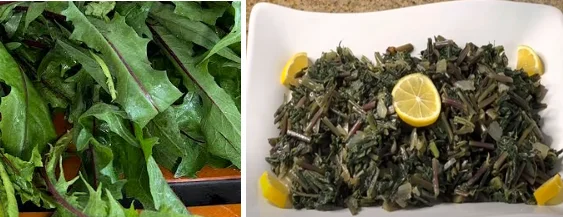
Dandelion greens are considered one of the more nutrient-dense leafy greens available, with vitamin A levels comparable to spinach and kale and a notably high potassium content—a mineral that plays an important role in maintaining healthy blood pressure and proper muscle and nerve function. Inulin, the prebiotic fiber found in dandelion greens, isn’t digested by the body directly but instead serves as food for beneficial gut bacteria, which research has increasingly linked to digestive comfort, regularity, and even immune function. For older adults managing occasional constipation, fiber-rich greens like dandelion can be a gentle, food-based addition to support regularity. The bitter flavor that gives dandelion greens their reputation actually comes from compounds that may stimulate digestive secretions, which is part of why bitter greens have traditionally been eaten before meals in many food cultures. If you’re harvesting dandelion greens yourself rather than buying them, only pick from areas you’re certain haven’t been treated with lawn chemicals or pesticides, and rinse thoroughly. One caution: dandelion has a mild natural diuretic effect, so if you take diuretic medications (“water pills”) for blood pressure or heart conditions, mention regular dandelion consumption to your doctor to avoid an additive effect on fluid and electrolyte balance.
🌿 6. Oregano: Small Leaf, Strong Punch
A tiny pinch of oregano goes a long way—not just in flavor, but in benefits. It’s known for its high carvacrol content, which supports immune defense. Oregano also has zinc, iron, and antibacterial properties that make it a great choice during seasonal changes.
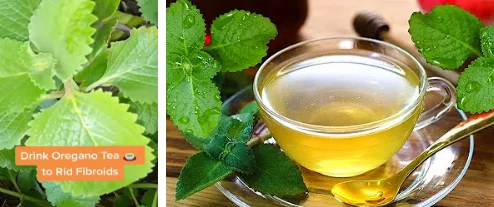
Carvacrol, the compound responsible for much of oregano’s distinctive aroma, has been one of the more heavily researched plant compounds for its antimicrobial properties, with laboratory studies showing activity against a range of bacteria and fungi. While this doesn’t mean a sprinkle of oregano on your pasta will fight off an infection, it’s part of why oregano oil has long been used in traditional wellness practices, particularly during cold and flu season. Gram for gram, dried oregano is also surprisingly rich in iron and a useful source of zinc, a mineral that plays a direct role in immune cell function and wound healing—an area where older adults sometimes fall short due to reduced absorption efficiency. Because oregano is potent, even small amounts used regularly (a teaspoon of dried oregano in sauces, dressings, or roasted vegetables) can contribute meaningfully over time. If you’re considering concentrated oregano oil supplements rather than the culinary herb, be aware that these are much more potent and have been associated with digestive upset in some people, plus possible interactions with blood-thinning and diabetes medications—so concentrated oregano oil supplements should be discussed with your doctor before starting.
🌿 7. Thyme: Respiratory and Immune Support
Thyme contains thymol, a compound that helps the respiratory system and supports natural immunity. It’s often used in herbal cough syrups and teas for its throat-soothing properties. Nutritionally, it’s rich in vitamin C and copper, two key elements for immune resilience.
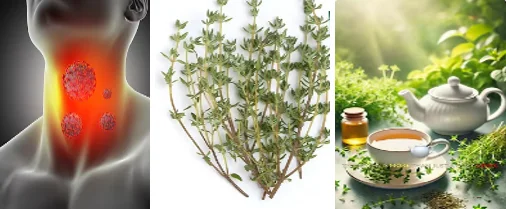
Thymol belongs to a class of plant compounds that have been studied for their soothing effects on the airways, and thyme extract has a long history of use in cough preparations, including in some over-the-counter products sold in Europe for bronchitis-related coughs. A simple thyme tea—made by steeping a few sprigs of fresh thyme or a teaspoon of dried thyme in hot water for 5 to 10 minutes—is a gentle home remedy many people find soothing for a scratchy throat, though it shouldn’t replace medical care for persistent respiratory symptoms, especially in older adults where lingering coughs or breathing changes deserve a doctor’s evaluation. Copper, found in meaningful amounts in thyme, works alongside iron to support red blood cell formation and plays a role in maintaining healthy connective tissue, including blood vessel walls. Vitamin C, also present in thyme, supports immune cell function and helps with the absorption of iron from plant foods—useful to keep in mind if you’re also eating iron-rich herbs like parsley or rosemary in the same meal, since pairing them can improve how much iron your body actually absorbs.
✅ How to Use These Herbs More Often
- Blend fresh parsley into smoothies or pesto

- Sprinkle oregano or thyme into scrambled eggs

- Use cilantro in fresh salsas or rice bowls

- Drink holy basil (tulsi) tea in the afternoon
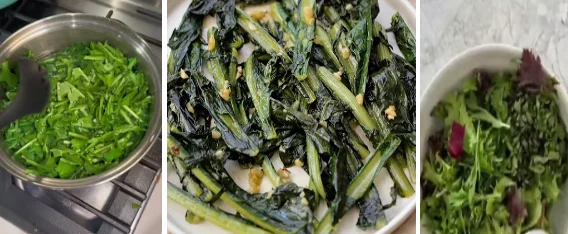
- Toss dandelion greens into salads or sauté with garlic
- Infuse rosemary into olive oil for dressings
You don’t need to eat large amounts—just a little each day can enhance your meals and your wellness.
One of the easiest ways to build a herb habit at any age is to keep a few small pots of the hardiest herbs—rosemary, thyme, and oregano are especially forgiving and tolerate occasional neglect—on a sunny windowsill or back step. Having them within reach makes it far more likely you’ll actually use them. If fresh herbs aren’t practical, dried versions still retain meaningful amounts of minerals and many antioxidant compounds, even if some delicate vitamins diminish over time; just store them in a cool, dark cabinet rather than next to the stove, where heat speeds up flavor and nutrient loss. Another simple strategy is “herb batching”: chop a mix of fresh herbs on the weekend, portion them into ice cube trays with a little olive oil or water, and freeze. Pop a cube into soups, stews, or sauces during the week for an instant flavor and nutrition boost without daily prep. Rotating through two or three herbs at a time, rather than trying to use all seven daily, keeps things manageable and lets you notice how your meals—and how you feel—change over a few weeks.
🟨 Frequently Asked Questions
Which herb has the most vitamins?
Parsley is one of the most nutrient-dense herbs, especially in terms of vitamin K, vitamin C, and iron content.
What herbs are good for gut health?
Dandelion greens and oregano both contain compounds that support digestion and balance gut flora.
Can herbs help the immune system?
Yes—thyme, basil, and oregano contain natural compounds like thymol and carvacrol that boost immune strength.
Is it safe to eat herbs daily?
For most people, yes. Using herbs in cooking or teas is generally safe, but always start with small amounts if you have sensitivities.
Do dried herbs offer the same benefits?
Fresh herbs often retain more nutrients, but high-quality dried herbs still offer antioxidants and therapeutic compounds.
Final Thoughts
Herbs don’t get the spotlight they deserve when it comes to nutrition. Whether you’re tossing parsley onto pasta or sipping a warm cup of tulsi tea, these small but mighty greens deliver serious health benefits. They support digestion, immunity, brain clarity, and even skin health—all without adding calories or fillers to your meals.
Start small. Try a new herb this week and see how your body responds. You may be surprised by how much these overlooked plants can do.
For most people over 50, the biggest win isn’t any single herb—it’s the cumulative effect of small, consistent additions over months and years. A pinch of oregano here, a sprig of rosemary there, a cup of tulsi tea in the evening: none of these will transform your health overnight, but together they add up to a more nutrient-rich, flavorful, and enjoyable way of eating. And because herbs are inexpensive and easy to find at any grocery store or farmers market, there’s very little barrier to giving a few of them a regular place in your kitchen. If you’re managing a chronic health condition or take regular medications, it’s always worth a quick conversation with your doctor or pharmacist before making any significant dietary changes, including a notable increase in herb intake—but for the vast majority of people, herbs are one of the safest, most accessible upgrades available to a daily diet.
⚕️ Medical Disclaimer
The information provided on this page is for educational purposes only and is not intended as medical advice, diagnosis, or treatment. Always consult a qualified healthcare professional before making changes to your diet, starting any supplement, or if you have an existing medical condition. KeepFitQuote does not provide medical diagnoses or treatment recommendations. Read our full disclaimer.
Related Posts