Caring for an aging loved one can be emotional, especially when you start to notice changes that suggest life is coming to a natural end. Understanding these signs doesn’t make saying goodbye easier, but it can help families feel prepared and provide the comfort seniors need during their final days.
This guide is written gently, with respect for families and caregivers in the United States who want simple, reassuring information.
Knowing what to expect in the final weeks and days of an elderly loved one’s life can ease some of the fear and uncertainty that often comes with this stage. Hospice and palliative care teams see these patterns regularly, and most describe them as the body’s natural, gradual transition—not something to be alarmed by. Many of the changes covered here happen slowly, often over weeks, giving families time to gather, say what needs to be said, and simply be present. If you’re a caregiver noticing some of these signs in a parent, spouse, or other loved one, please remember that you don’t have to navigate this alone—hospice organizations, palliative care teams, and your loved one’s doctor can offer guidance, support, and answers tailored to your specific situation.
Table of Contents
🧠 Quick Overview for Families
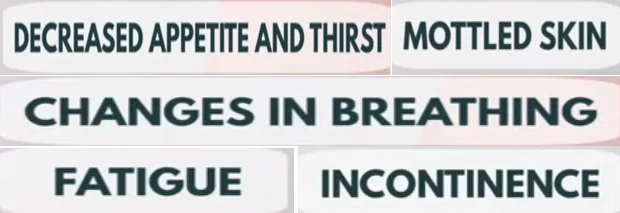
As the body slows down in old age, you may notice:
- More time spent sleeping and less interest in talking
- Hands and feet becoming cooler or slightly bluish
- Changes in breathing, sometimes with longer pauses
- Loss of appetite or almost no interest in food
- A quieter, withdrawn attitude or moments of confusion
These are all natural signs that the body is saving energy as it reaches the end of life.
It’s important to understand that these changes typically don’t appear all at once or in a strict order. Some signs, like increased sleep and reduced appetite, may emerge gradually over several weeks as the body’s metabolism slows. Others, such as changes in breathing patterns or skin color, often appear in the final days or hours. Every person’s experience is unique, shaped by their specific health conditions, medications, and overall frailty. If your loved one is under hospice care, the nursing team can help you understand which signs are typical for their particular situation and what might be expected next, which can bring real peace of mind during an uncertain time.
Physical Changes You Might See
1. Long Periods of Rest
Seniors often sleep much more than usual. Even when awake, they may talk less and prefer quiet. This isn’t rejection; it’s simply the body’s way of conserving energy.
As the body’s metabolism slows in the final weeks of life, the energy needed for everyday activities like eating, talking, and moving becomes harder to come by, and sleep becomes the body’s way of redirecting that limited energy toward essential functions. It’s common for a loved one to sleep 18 to 20 hours a day or more during this stage, waking only briefly. Try not to wake someone who is resting peacefully unless it’s for comfort care, such as repositioning to prevent pressure sores or offering moisture for dry lips. If your loved one does wake, gentle conversation, soft lighting, and familiar voices can be comforting, even if they drift back to sleep quickly. Increased sleepiness on its own is not usually a medical emergency, but if it’s accompanied by sudden, severe changes—like difficulty breathing or signs of pain—it’s worth checking in with the hospice team or doctor.
2. Cool or Pale Skin
Reduced blood flow is common as the body focuses on keeping vital organs working. Hands, feet, and sometimes the nose may feel cool or look slightly pale or bluish.
This change happens because, as the heart weakens and circulation slows, the body naturally prioritizes blood flow to the brain, heart, and other vital organs over the extremities. The medical term for the bluish or mottled discoloration that can appear on the skin, especially on the hands, feet, knees, and legs, is “mottling,” and it’s a well-recognized sign that circulation is changing. Keeping your loved one warm with light blankets or socks can help with comfort, though it won’t change the underlying process. There’s generally no need for alarm if you notice these changes—they reflect the body’s normal adjustments rather than pain or distress. If you’re ever unsure whether a change signals discomfort, hospice nurses are trained to assess for signs of pain separately from these natural circulatory shifts and can reassure you or adjust comfort measures as needed.
3. Eating Very Little
It’s natural for older people to lose interest in food or drink during this stage. Small sips of water or moistening the lips may be enough.
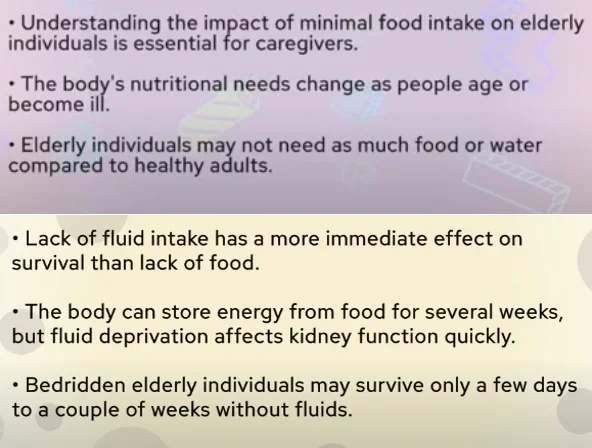
This loss of appetite, sometimes called “terminal anorexia,” happens because the digestive system slows down along with the rest of the body, and forcing food or fluids can actually cause discomfort, including nausea or aspiration (when food or liquid enters the lungs). Many families find this one of the hardest signs to accept, since sharing meals is often such a central part of caregiving and connection. It can help to shift the focus from quantity to comfort—offering a favorite food in tiny amounts if your loved one shows interest, using a damp washcloth or oral swab to keep the mouth and lips moist, and applying lip balm to prevent cracking. Hospice teams often emphasize that a decreased appetite at this stage is not the cause of decline but rather a reflection of it, which can help ease feelings of guilt about a loved one “not eating enough.”
4. Different Breathing Patterns
Breathing often becomes irregular, with pauses or soft sighs. Some caregivers notice what’s known as Cheyne-Stokes breathing, where breaths come in cycles of deep and shallow.
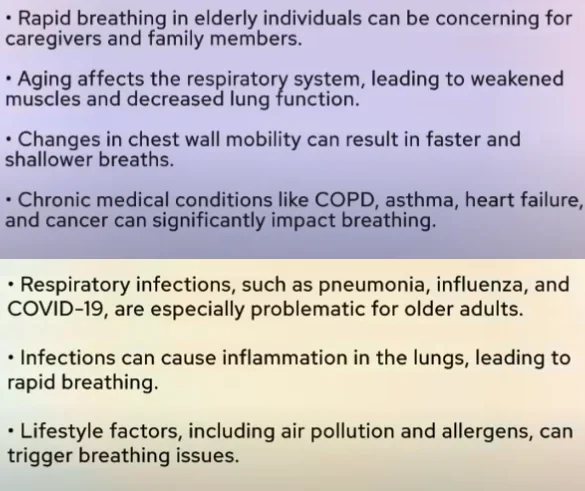
Cheyne-Stokes breathing is a well-documented pattern in which breathing gradually becomes faster and deeper, then slower and shallower, sometimes followed by a pause of several seconds before the cycle repeats. While this can be unsettling to witness, research and hospice experience both suggest it is not typically associated with the kind of distress that gasping in a healthy person would indicate—the brain’s usual triggers for the sensation of breathlessness are reduced in this state. Other common changes include a rattling or gurgling sound, sometimes called the “death rattle,” caused by saliva and secretions that the person can no longer clear by coughing or swallowing. Repositioning the head slightly, or turning the person gently onto their side, can sometimes reduce this sound. Hospice nurses can also help determine if any medication might ease secretions if the sound is distressing to family members in the room.
5. Changes in Skin Texture
Skin may look drier, thinner, or looser as circulation slows. The face sometimes appears more relaxed because of muscle changes.
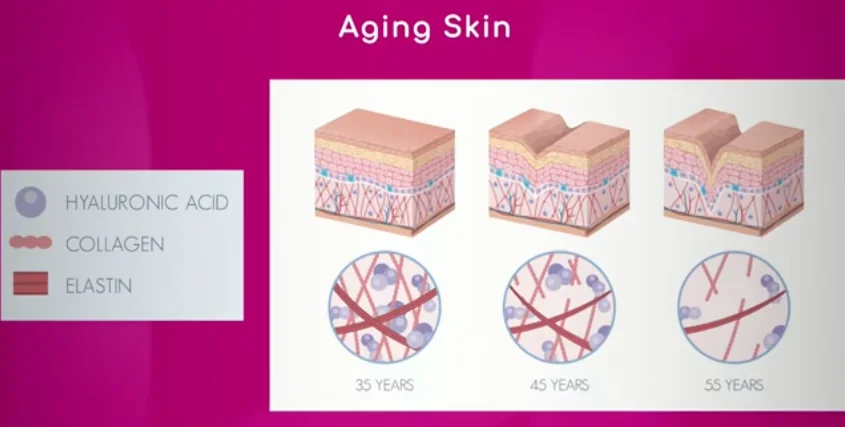
As the body’s hydration levels shift and circulation decreases, skin can lose elasticity and take on a more translucent or papery appearance, particularly over the cheekbones, hands, and forearms. Many family members notice that their loved one’s facial features seem to soften or smooth out, which is often described as a peaceful or relaxed expression—this happens as facial muscles that have held tension for years finally release. Gentle skin care remains important even at this stage: a soft application of unscented lotion to the hands, arms, and face can be soothing for your loved one and also gives family members a meaningful way to provide physical comfort and connection through touch.
6. Mild Confusion or Forgetfulness
A drop in oxygen to the brain can cause confusion or slower responses. This is a common and natural part of the process.

This kind of confusion, sometimes called “terminal restlessness” or “terminal delirium” when more pronounced, can include disorientation about time and place, difficulty recognizing familiar people, or speaking words that don’t quite make sense. It happens as oxygen delivery to the brain decreases and as the body’s chemistry shifts in ways that affect cognitive function. While it can be distressing to see a loved one seem confused or to hear them say things that don’t align with reality, try to respond with calm reassurance rather than correction—gently orienting them (“I’m here with you, it’s Tuesday afternoon”) without arguing if they insist otherwise. If confusion is accompanied by agitation or apparent distress, hospice teams have approaches, including certain medications, that can help your loved one feel calmer and more comfortable.
7. Less Interest in Company
Many seniors pull away from long conversations or social visits. They aren’t upset—most simply want peace and quiet.
This withdrawal is often described by hospice professionals as part of the natural process of “letting go,” where a person’s focus gradually narrows from the wider world to their immediate surroundings, and eventually to just a few close loved ones or even just their own inner experience. It can be painful for family members who want to spend every remaining moment connecting, but pushing for conversation or activity can sometimes increase a person’s fatigue or discomfort. Quiet presence—sitting nearby, holding a hand, playing soft familiar music, or simply being in the room—is often more meaningful at this stage than active interaction, even if your loved one doesn’t respond in an obvious way.
8. Bladder or Bowel Changes
The muscles that control these functions weaken, and incontinence is common in the final days or weeks.
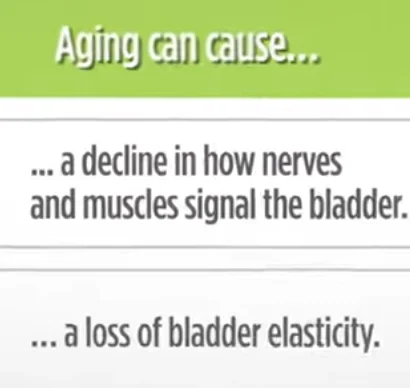
As the body’s muscles relax and weaken overall, including those that control bladder and bowel function, incontinence becomes increasingly common and is a normal part of the dying process rather than a sign of decline that needs to be “fixed.” You may also notice a decrease in urine output as kidney function slows and fluid intake decreases. Using protective pads, absorbent bedding, and gentle, frequent skin care can help maintain comfort and dignity. Hospice aides are often able to assist with this kind of personal care, which can ease the physical and emotional burden on family caregivers while ensuring your loved one stays clean, dry, and comfortable.
9. Swollen Feet or Ankles
You may notice puffiness in the legs or feet due to fluid retention.
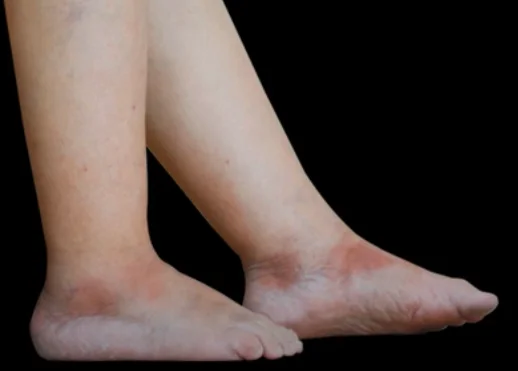
This swelling, known as edema, occurs because the heart and kidneys are working less efficiently, allowing fluid to build up in the tissues, particularly in areas affected by gravity like the feet, ankles, and lower legs. Elevating the legs slightly with a pillow when your loved one is resting can sometimes ease discomfort, though it’s not always necessary if they don’t seem bothered by it. Avoid tight socks, stockings, or shoes that could restrict circulation further or irritate the skin. As with many of the changes covered here, edema at this stage is generally a sign of the body’s overall systems slowing down rather than something requiring active treatment, though the care team can advise if it seems to be causing pain or skin breakdown.
10. A Sudden Moment of Alertness
Some people unexpectedly become more talkative or seem cheerful for a short time before passing. This is sometimes called “a final rally” or “terminal lucidity.”

Terminal lucidity has been documented and discussed in medical literature for many years, though its exact cause remains something of a mystery to researchers. Families often describe it as their loved one suddenly seeming “like themselves again”—recognizing people, recalling memories clearly, asking for a favorite food, or expressing love and gratitude—sometimes after days of reduced responsiveness. This rally can last anywhere from a few minutes to a day or more, and it’s often followed by a return to rest and, frequently, death within a short time afterward. If this happens, many hospice professionals encourage families to use this precious window for connection—sharing words of love, saying goodbye, or simply being present together—while also gently preparing for what may follow.
Emotional and Behavioral Shifts
- Many seniors seem calmer, as if accepting the natural process.
- Some talk about past memories or even speak as though they see loved ones who have already passed away.
- Interest in daily activities—like watching TV or chatting—usually fades as rest becomes the priority.
These emotional and behavioral shifts are among the most meaningful, and sometimes the most mysterious, parts of the dying process for families to witness. Visions or conversations involving deceased loved ones, often called “deathbed visions,” are reported across many cultures and are generally considered by hospice professionals to be a normal and even comforting part of this stage—not something to dismiss or argue against. Rather than correcting or redirecting your loved one, many caregivers find it more comforting (for everyone involved) to gently ask questions about what they’re experiencing, if they seem willing to share, or simply to acknowledge their feelings (“That sounds like it brought you peace”). A growing sense of calm or acceptance, even after a period of anxiety, is also commonly observed and is often described by hospice staff as part of the body and mind preparing together for the end of life.
Questions Families Often Ask
Q1: What’s usually the first sign?
Longer naps and eating less are often early indicators.
Q2: Can these changes last weeks?
Yes, some signs appear gradually over weeks, while others happen just days before death.
Q3: Does not eating mean death is near?
Not right away, but in late-stage aging, a very low appetite is common as the body slows.
Q4: Why does breathing slow down?
As circulation decreases, the body doesn’t need the same oxygen levels, which changes breathing patterns.
Q5: What causes cold hands and feet?
Blood is directed to vital organs, leaving extremities cooler.
Q6: Is confusion normal?
Yes, lower oxygen levels in the brain often cause mild confusion or slower thinking.
Q7: Do seniors sense when death is close?
Many appear to know and may seem unusually peaceful.
Q8: How can I help during this time?
Offer comfort: soft blankets, quiet music, and a gentle hand to hold are often enough.
Q9: What is a “burst of energy” before death?
Some people briefly become more alert or chatty shortly before passing.
Q10: When should hospice be called?
If daily activities stop and discomfort increases, hospice care can focus on comfort and dignity.
How Families Can Provide Comfort
- Keep Them Warm and Comfortable – Soft blankets and loose clothing help.
- Avoid Forcing Food or Drink – Offer small sips or moist lips instead.
- Be Present – Sitting quietly beside them, holding their hand, or speaking gently can bring peace, even if they don’t respond.
Beyond these core comfort measures, many families find it helpful to create a calm, familiar environment—soft lighting, favorite music played quietly, and the presence of cherished photos or objects can all contribute to a peaceful atmosphere. Hearing is often one of the last senses to fade, so continuing to talk gently, read aloud, or play recordings of family voices can be meaningful even when a loved one no longer responds. It’s also worth taking care of yourself during this time: caregiving at the end of life is physically and emotionally demanding, and accepting help from other family members, friends, or hospice volunteers isn’t a sign of giving up—it’s part of being able to stay present for the moments that matter most. If you haven’t already connected with a hospice or palliative care team, they can provide not only medical support for your loved one but also guidance, grief resources, and reassurance for the whole family during this profound time.
⚕️ Medical Disclaimer
The information provided on this page is for educational purposes only and is not intended as medical advice, diagnosis, or treatment. Always consult a qualified healthcare professional before making changes to your diet, starting any supplement, or if you have an existing medical condition. KeepFitQuote does not provide medical diagnoses or treatment recommendations. Read our full disclaimer.
Related Posts