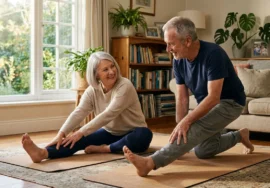
Legs do a lot more for you than just getting you from one place to another — they keep you steady, let you move with confidence, and give you the freedom to stay independent. But after 50, it’s common to notice stiff knees, slower walking, or that “heavy leg” feeling. The truth? A little extra attention every day can keep them working the way you need.
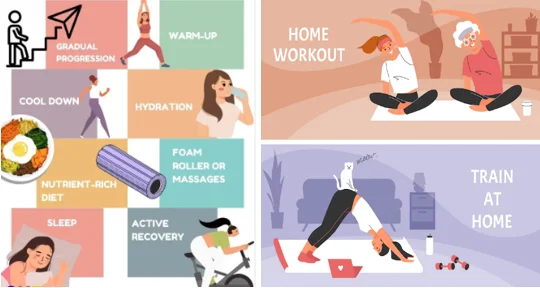
Why Leg Care Becomes So Important
Muscles don’t stay as strong as they were in your 30s, and joints stiffen when you’re not moving enough. Good leg health means better balance, fewer falls, and more energy to do the things you enjoy. Think of it as an investment — small daily habits now, less pain later.
Scientists call the age-related loss of muscle mass sarcopenia, and research published in the Journal of Cachexia, Sarcopenia and Muscle shows it can begin as early as our 30s but accelerates significantly after 50. Adults can lose 3–8% of their muscle mass per decade, with the rate increasing after 60. The good news is that this process is not inevitable — targeted daily habits can slow, halt, or even partially reverse it.
From a physiological standpoint, the legs contain some of the body’s largest muscle groups — the quadriceps, hamstrings, glutes, and calf muscles. These powerhouses do double duty: they move you forward and they stabilize the skeleton against gravity. When they weaken, the body compensates by shifting load to joints, which accelerates cartilage wear. Keeping leg muscles active essentially protects your knees and hips as a side effect.
For adults over 50, the stakes are particularly high. The CDC reports that falls are the leading cause of injury-related death in adults 65 and older, and most falls can be traced back to weakened leg muscles and reduced balance. Investing just 20–30 minutes most days in leg health activities can dramatically lower that risk while also improving your mood, circulation, and sleep quality.
Walk, Even If It’s Just Around the Block
You don’t need a fancy workout plan. A short, steady walk — even 10 minutes — gets blood moving and keeps joints from tightening up. If walking outside isn’t easy, pace around your living room or use the hallway. Comfortable shoes matter more than speed, so take it slow if you need to.

A landmark study in the New England Journal of Medicine found that older adults who walked at least 150 minutes per week — just over 20 minutes a day — experienced significantly better mobility and a lower rate of major mobility disability compared to those who did only stretching and flexibility exercises. You don’t have to do it all at once; three 10-minute walks achieve similar benefits to one 30-minute session.
Mechanically, walking is a low-impact activity that cycles the knee joint through its full range of motion, pumps synovial fluid into the cartilage (which has no blood supply of its own), and triggers the calf-muscle pump that returns venous blood from the legs back toward the heart. This is why your legs feel lighter after a walk — circulation is genuinely improved. For those with arthritis or joint tenderness, walking on grass or a track rather than pavement reduces the impact by roughly 15–25%.
A practical starting point: aim for two 10-minute walks daily — one after breakfast and one after lunch. Use a simple step counter or watch to track progress, and try to add two minutes every week until you reach 20–30 minutes at a time. If you use a walking stick or cane, that’s perfectly fine — it actually improves stability and keeps you safer on uneven surfaces.
Stretch Like It’s Part of Morning Routine
A quick stretch first thing loosens muscles that feel tight after sleeping. Sit on the edge of your bed and reach gently for your toes, roll your ankles, or do a simple calf stretch against the wall. It’s a small effort, but you’ll notice your legs feel lighter afterward.

Research from the Journal of Physiology confirms that connective tissue — tendons, ligaments, and the fascia surrounding muscles — becomes stiffer as collagen cross-links accumulate with age. Morning stiffness is partly the result of this reduced elasticity combined with reduced joint fluid circulation during sleep. A few minutes of gentle stretching signals the nervous system to relax these tissues and restores normal movement patterns before the day begins.
Three stretches stand out for leg health in older adults. First, a seated hamstring stretch (straighten one leg on the bed edge and lean forward gently) improves the back-of-thigh flexibility that protects the lower back and knees. Second, ankle circles (10 rotations each direction) warm up the ankle joint and lower leg — an area often overlooked despite being critical for balance. Third, a standing calf stretch (hands on a wall, one foot stepped back) is particularly important for preventing plantar fasciitis, a common and painful condition in older adults.
Hold each stretch for 20–30 seconds without bouncing — static stretching is safer for older tissues. If balance is a concern, do the standing stretches near a counter or doorframe. Over four to six weeks of consistent morning stretching, most people report noticeably reduced stiffness and improved ease of movement throughout the day.
A Bit of Strength Work Goes a Long Way
Muscle loss happens faster with age, and weak legs make everything harder — even getting out of a chair. You don’t need weights. Try a few chair squats, stand up and sit down 10 times, or do side leg lifts while holding onto a counter. A couple of times a week is enough to keep muscles awake.
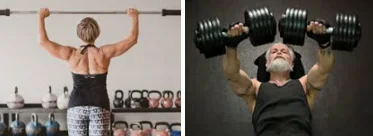
The American College of Sports Medicine and the American Heart Association jointly recommend that older adults perform muscle-strengthening activities on at least two non-consecutive days per week. Studies published in Medicine & Science in Sports & Exercise show that even a single set of 10–15 repetitions of simple resistance exercises produces measurable gains in strength and functional capacity in adults over 60 when done consistently.
The chair stand (sit-to-stand exercise) deserves special attention. It targets the quadriceps and glutes — the muscles most responsible for rising from chairs and climbing stairs — and it doubles as a balance and coordination exercise. Research shows the number of chair stands a person can complete in 30 seconds is a reliable predictor of functional independence in older adults. If you can do 10 or more in 30 seconds, your leg strength is in a healthy range; if fewer than 8, that’s a signal to prioritize strength work.
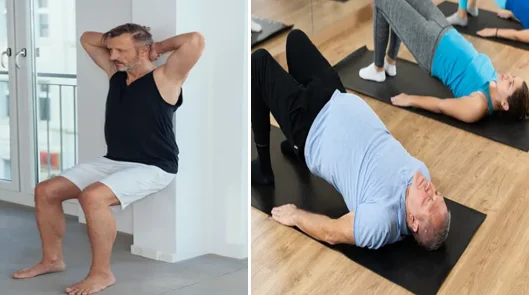
Other effective bodyweight options include wall sits (hold 20–30 seconds), heel raises while standing (work the calves, improve ankle stability), and seated leg extensions (useful for those who find standing exercises difficult). Progress gradually — add one or two repetitions per week rather than large jumps. If you experience joint pain, switch to a pool or chair-based program, which reduces load on joints by up to 50% while still building strength.
Don’t Sit for Hours Without Moving
Long sitting is tough on circulation. If you’re reading or watching TV, stand up every half hour, stretch your legs, or just take a few steps. Even wiggling your toes and rotating your ankles while sitting helps when standing isn’t possible.
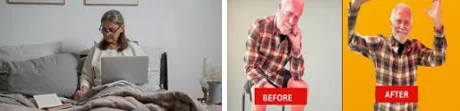
Prolonged sitting has been called “the new smoking” in public health circles, and for good reason. A study in Annals of Internal Medicine found that adults who sat for more than 10 hours a day had significantly higher risks of cardiovascular disease, type 2 diabetes, and all-cause mortality — even when they exercised at other times of day. For the legs specifically, extended sitting compresses veins and slows blood flow by up to 50%, increasing the risk of deep vein thrombosis (DVT) and worsening varicose veins.
The physiological mechanism is straightforward: the calf muscles act as a secondary pump, squeezing blood back toward the heart with each contraction. When you sit still, this pump stops. Blood pools in the lower legs, causing the swollen-ankle sensation many seniors recognize after a long afternoon in the recliner. Simply standing for two minutes every 30 minutes restores this pump action and has been shown to normalize blood glucose and reduce inflammation markers.
A helpful strategy is to tie movement breaks to existing habits. Stand up during TV commercials (a standard commercial break is about two minutes — perfect timing). Set a kitchen timer as a reminder if you tend to lose track of time while reading. For those with limited mobility, seated leg marching (lift knees alternately while seated, 20 repetitions) and ankle pumps (flex foot up and down) provide meaningful circulation benefits without requiring you to get up at all.
Eat for Strong Muscles and Bones
Good movement starts with good nutrition.
- Protein: Eggs, yogurt, fish, or beans help keep muscles firm.

- Calcium & Vitamin D: A little cheese, milk, or fortified cereals protect bone strength.

- Magnesium: Spinach, almonds, or avocados help prevent cramps.

Nutrition science increasingly supports a “food first” approach to maintaining leg strength and bone density after 50. Research published in the American Journal of Clinical Nutrition found that older adults who consumed at least 1.2 grams of protein per kilogram of body weight daily maintained significantly more muscle mass than those consuming the standard 0.8 g/kg recommendation. For a 150-pound person, that translates to roughly 82 grams of protein per day — achievable with three protein-containing meals.
Timing matters as much as total intake. A growing body of evidence suggests that spreading protein across three meals — rather than eating most of it at dinner — maximizes muscle protein synthesis. Aim for 25–30 grams of protein at each meal. Practical examples: two eggs with Greek yogurt at breakfast (~25g), a 4-ounce salmon fillet at lunch (~28g), and a cup of lentil soup with a side of chicken at dinner (~30g). This pattern keeps the anabolic signals running throughout the day.
Vitamin D deserves particular attention because deficiency is extremely common in adults over 60 — estimates suggest 40–70% of older Americans are deficient. Low vitamin D impairs both muscle function and calcium absorption for bone health simultaneously. The National Institutes of Health recommends 800–1,000 IU of vitamin D3 daily for adults over 70; sun exposure (10–15 minutes on arms and legs, three times a week) can supplement dietary sources. Consult your doctor before adding supplements, as very high doses carry risks.
Drink Water — Your Legs Need It Too
Cramps and heavy-feeling legs are often linked to dehydration. A glass of water in the morning and sips through the day can make a surprising difference. Herbal tea works, too, if plain water feels boring.

Dehydration affects leg function in multiple ways that often go unrecognized. Water makes up approximately 75% of muscle tissue, and even mild dehydration (just 1–2% of body weight) reduces muscle strength, coordination, and endurance. A review in the Journal of Athletic Training confirmed that dehydration significantly increases muscle cramp susceptibility by altering the balance of electrolytes — particularly sodium and potassium — that control muscle contraction and relaxation.
Older adults are at higher risk of dehydration for several reasons: the thirst sensation diminishes with age, the kidneys become less efficient at conserving water, and many common medications (diuretics, certain blood pressure drugs) increase fluid loss. This means waiting until you feel thirsty is often too late. Instead, build hydration into your routine: a glass of water with each meal, one upon waking, and one before bed — that alone provides 5–6 cups, a reasonable daily baseline.
Electrolyte balance matters alongside plain hydration. If you experience frequent leg cramps despite drinking adequate water, discuss potassium and magnesium intake with your doctor. Potassium-rich foods like bananas, sweet potatoes, and orange juice, combined with magnesium from nuts and leafy greens, often resolve cramping without supplements. Limit caffeine after midday, as it has a mild diuretic effect that can worsen overnight leg cramps — a complaint many seniors know all too well.
Rest Smart: Elevate or Massage
If your legs feel swollen or tired after standing, prop them on a pillow for 10–15 minutes. A light massage — even rubbing them yourself — improves blood flow and gives relief after long days.
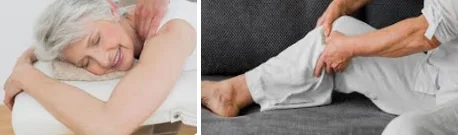
Leg elevation works by using gravity to assist venous return — the process by which blood in the leg veins travels back toward the heart. When your feet are raised above heart level, the pressure gradient reverses, allowing pooled blood and interstitial fluid to drain from the lower extremities. Studies in vascular medicine show that 15–20 minutes of leg elevation at 30–45 degrees above heart level reduces lower-leg edema by measurable amounts and provides subjective relief within minutes.
Self-massage is a practical complement to elevation. Using both hands, apply gentle upward strokes from ankle to knee using moderate pressure — this manual technique, known as effleurage, mimics the pumping action of the calf muscles and stimulates lymphatic drainage. A 2018 study in the Journal of Physical Therapy Science found that regular self-massage of the lower legs reduced perceived fatigue and improved circulation scores in sedentary older adults within four weeks. Adding a small amount of a neutral body lotion makes the strokes smoother and also benefits skin health.
Compression socks are worth mentioning as a daytime complement to evening elevation. Medical-grade compression socks (15–20 mmHg is a good starting level for most seniors) provide graduated pressure that supports vein walls and reduces swelling throughout the day. They’re particularly valuable during long car trips or flights, when circulation is further compromised by limited movement. Many people find they end each day with much less leg fatigue when they wear compression socks consistently.
Choose the Right Shoes
Supportive shoes keep your knees and ankles from taking extra strain. Soft cushioning and good arch support are better than completely flat shoes or high heels, especially if you walk daily.
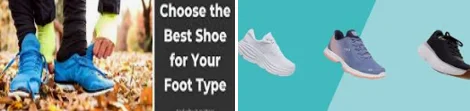
Footwear science has advanced considerably in recent years, and podiatric research consistently shows that shoe choice has cascading effects on the entire lower-body kinetic chain. A study in Gait & Posture found that seniors who wore shoes with appropriate midsole cushioning reduced knee joint stress by up to 12% during walking compared to those in flat shoes. This reduction in stress, sustained over thousands of steps per day, translates to meaningfully less cartilage wear over time.
When shopping for walking shoes after 50, look for four key features. First, a rocker sole or mild heel-to-toe drop (ideally 8–10mm) promotes a smooth heel-to-toe gait pattern that reduces impact. Second, a wide toe box prevents compression of the forefoot, which becomes more vulnerable to bunions and hammertoes with age. Third, removable insoles allow you to insert custom orthotics if your doctor recommends them. Fourth, a firm heel counter (the rigid section that cups your heel) controls excessive pronation — a common issue that contributes to knee and hip pain in older walkers.
Replace walking shoes every 300–500 miles or every 6–12 months, whichever comes first — the cushioning compresses with use even when the outer sole looks fine. Shopping for shoes in the afternoon is also advisable because feet naturally swell slightly throughout the day; fitting shoes on slightly swollen feet ensures they’ll be comfortable during your walks. If you notice pain on the bottom of your feet in the morning or after rest, mention it to your doctor as it may indicate plantar fasciitis, which responds well to early treatment.
Balance Practice for Safety
Falls are a big worry as we age, but balance training keeps you steady. Try standing on one leg for 10 seconds (hold a chair if needed), or practice gentle Tai Chi if you enjoy group activities.
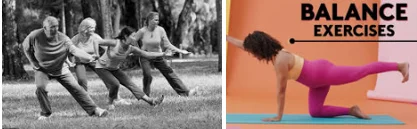
Balance declines with age due to changes in three interconnected systems: the vestibular system (inner ear), proprioception (the body’s sense of limb position), and vision. Research published in JAMA Internal Medicine demonstrates that balance training programs reduce fall risk by 23–34% in older adults. Crucially, balance improvements are highly trainable even in those over 80 — the nervous system retains remarkable plasticity throughout life when challenged appropriately.
Tai Chi has received particular scientific attention for fall prevention. A landmark study of 256 adults aged 70 and older published in the Journal of the American Geriatrics Society found that 15 weeks of Tai Chi practice reduced fall risk by 47.5% compared to a control group. The slow, deliberate weight shifts in Tai Chi specifically train the proprioceptive feedback loops that keep you stable during real-world activities like stepping off a curb or reaching for a shelf. Many senior centers and YMCAs offer beginner classes for under $10 per session.
For home practice, progress balance training gradually. Start with two-hand support (both hands on a sturdy counter), advance to one-hand, then fingertip contact only, and finally no support — always with the counter within arm’s reach as a safety backup. Once comfortable, add a challenge by closing your eyes briefly during the single-leg stand, or try standing on a folded towel for an unstable surface. Even five minutes of balance practice three days a week produces measurable improvement within four to six weeks.
Pay Attention to Pain
Soreness after a long walk is normal, but pain that sticks around, swelling that doesn’t go away, or frequent cramps should be checked by a doctor. It’s easier to fix small issues early.

Distinguishing between normal exercise soreness and warning signs is an important skill for anyone over 50 who is becoming more active. Delayed onset muscle soreness (DOMS) — the achiness that peaks 24–48 hours after unfamiliar exercise — is a sign of normal muscle adaptation and typically resolves within three to five days. However, several symptoms warrant prompt medical evaluation rather than a wait-and-see approach.
Pain that is sharp, localized to one joint, or worsens during activity rather than afterward may indicate a stress fracture, tendon injury, or joint degeneration that needs assessment. Swelling confined to one leg — especially if accompanied by warmth or redness — can be a sign of deep vein thrombosis (DVT), a potentially serious blood clot that requires immediate medical attention. Calf pain that occurs at a predictable point during walking and disappears with rest (called claudication) is a classic sign of peripheral artery disease (PAD), a condition that restricts blood flow and is treatable but not something to ignore.
A useful rule of thumb: if a pain doesn’t improve meaningfully within a week of rest and gentle care, or if it interferes with basic daily activities, schedule an appointment. Your primary care doctor can often identify the cause and refer you to physical therapy, which is remarkably effective for most age-related leg conditions. Starting physical therapy early — before a problem becomes chronic — typically means a faster recovery and less disruption to your active routine.
Quick Q&A for Fast Answers
1. How long should I walk after 50?
At least 10–20 minutes most days keeps legs flexible.
2. Can I skip strength exercises if I walk daily?
Walking is great, but a few squats or leg lifts help maintain muscle better.
3. Do stretches really help morning stiffness?
Yes, even two or three minutes of stretching can ease tightness.
4. Is sitting too long really that bad?
Yes, it slows circulation and can make legs feel heavy or swollen.
5. Which foods are best for leg health?
Protein for muscles, calcium for bones, and magnesium to prevent cramps.
6. Does drinking water prevent leg cramps?
It helps — dehydration is a common reason for cramps.
7. Should seniors wear special shoes?
Not special, just supportive and comfortable for walking.
8. Are massages good for older legs?
Yes, gentle massage improves circulation and eases soreness.
9. Are balance exercises necessary after 50?
Yes, they lower fall risk and keep stabilizing muscles strong.
10. When should I worry about leg pain?
If pain lasts more than a few days, or if swelling keeps coming back, see a doctor.
⚕️ Medical Disclaimer
The information provided on this page is for educational purposes only and is not intended as medical advice, diagnosis, or treatment. Always consult a qualified healthcare professional before making changes to your diet, starting any supplement, or if you have an existing medical condition. KeepFitQuote does not provide medical diagnoses or treatment recommendations. Read our full disclaimer.
Related Posts