The Mike Fremont diet is simple and fully plant-based: oatmeal with blueberries for breakfast, beans at lunch, vegetables such as broccoli at dinner, and no meat or dairy. Fremont, a Cincinnati runner born in 1922, switched to this way of eating after a colon cancer diagnosis at about age 69, and went on to set age-group running records into his 90s. His story is inspiring, but it is one person’s experience. It does not show that a diet can cure cancer, and he also had surgery. The useful lessons for adults over 60 are about steady movement, enough protein, regular screening, and purpose.
Below, we look at who Mike Fremont is, what he eats, how he trains, and which parts of his routine are backed by good evidence for older adults.

Who Is Mike Fremont?
Mike Fremont was born on February 23, 1922, in Cincinnati, Ohio. He worked as a mechanical engineer and has long been a canoeist and an advocate for rivers, according to his Wikipedia biography. People magazine reports that he took up running in his late 30s, to cope with stress after his first wife died suddenly, and began racing competitively only after his cancer diagnosis in his late 60s.
His results are remarkable. At the 2012 Marshall University Marathon, aged 90, he finished in 6 hours, 35 minutes, and 47 seconds, a world record for men aged 90 and over. People also reports a U.S. mile record at age 96. In 2025, at 103, he was the oldest participant in a Flying Pig Marathon weekend mile race in Cincinnati, WCPO reported, having completed some 60 marathons over his life.

His Cancer Story, Told Carefully
Around 1991 or 1992, at about age 69, Fremont was diagnosed with colon cancer. Reports differ on the details, but he has said he was told he might have only months to live. He chose to delay surgery and switched to a macrobiotic-style vegan diet. According to People, about two and a half years later surgeons removed the tumor and found no sign that it had spread.
It is important to read this story with care. No one can say what caused his good outcome, and he did have the tumor surgically removed. Many people with cancer follow healthy diets and still need, and benefit from, standard treatment. Delaying recommended cancer treatment can be dangerous. If you are facing a cancer diagnosis, a healthy diet can support you, but make treatment decisions with your cancer care team.
His story does carry one practical reminder: colon cancer is common later in life, and screening finds it early. The U.S. Preventive Services Task Force recommends screening for adults aged 45 to 75, with an individual decision for ages 76 to 85. The American Cancer Society offers similar guidance. Ask your doctor which test suits you.
What Is the Mike Fremont Diet?
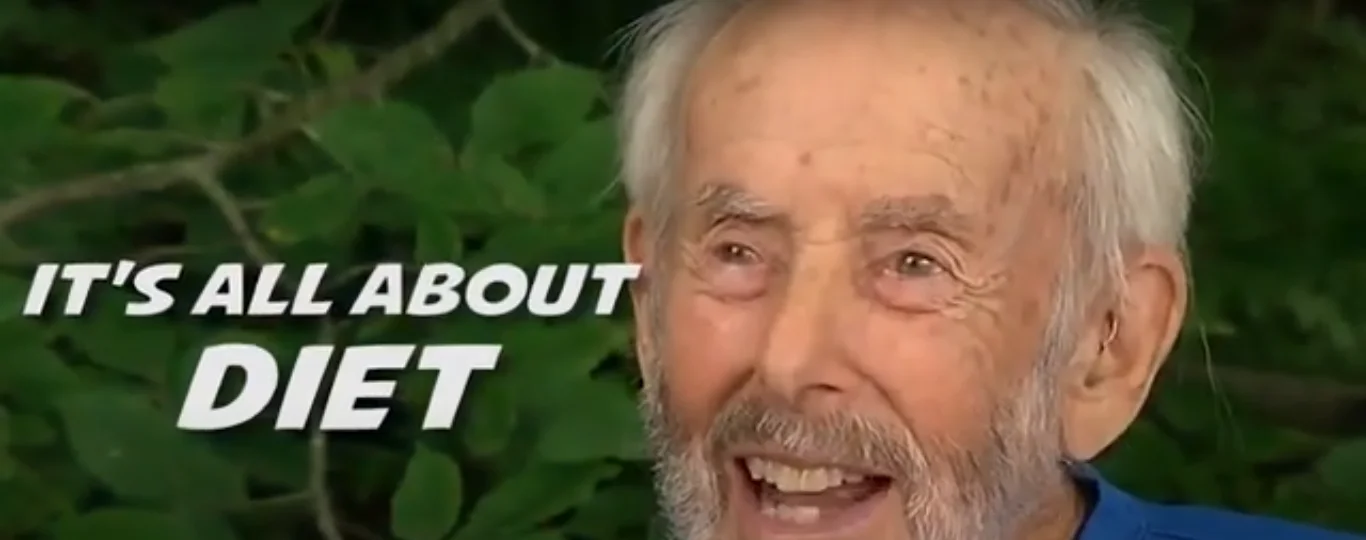
The Mike Fremont diet is a whole-food vegan diet with roots in macrobiotic eating. Based on interviews, a typical day looks like this:
- Breakfast: oatmeal with blueberries and a little syrup
- Lunch: beans
- Dinner: vegetables such as broccoli
- Not on the menu: meat and dairy. He told WLWT he had not eaten meat in about 30 years.
Those meal details come from a CNBC TV18 profile, which also notes that he credits a low-stress life. Wikipedia adds almond milk, fresh fruit and vegetables, legumes, whole grains, mushrooms, potatoes, and tofu. Even for his 100th birthday, People reported, the cake was vegan.

Can Adults Over 60 Follow the Mike Fremont Diet Safely?
Yes, a well-planned plant-based diet can work at any age. However, three nutrients need attention after 60:
- Protein: older muscles need steady protein to stay strong. On a plant-based diet, include beans, lentils, tofu, soy milk, nuts, or seeds at every meal. See our guide on what to eat to gain muscle after 60.
- Vitamin B12: it comes naturally only from animal foods. The NIH Office of Dietary Supplements notes that vegans may not get enough, so use fortified foods or a supplement your doctor approves.
- Calcium and vitamin D: without dairy, choose fortified plant milks and talk to your doctor about vitamin D.
The National Institute on Aging has practical meal-planning tips for older adults, whatever eating style you choose.
How Mike Fremont Trains

Fremont’s training has always been steady rather than extreme. CNBC TV18 reported that, past 100, he ran about five miles three times a week and also did push-ups and pull-ups. WLWT likewise described him running three times a week. He also stayed active on the water, racing canoes well past 100. And he has been realistic about his limits: “I think I’m sensible enough not to try to run marathons at 100,” he told People.
In other words, he kept moving, mixed endurance with strength, and adjusted as his body changed.
Lessons for Adults Over 60
Key takeaways from Mike Fremont’s routine
- Move most days. The CDC recommends that adults 65 and older aim for 150 minutes a week of moderate activity, such as brisk walking, and add that some activity is better than none.
- Build strength twice a week. Muscle loss speeds up with age. Our guide to preventing sarcopenia explains simple ways to protect it.
- Look after your legs and balance. Strong legs keep you independent. Try the ideas in leg health after 50.
- Eat enough protein. Plant or animal, spread it across your meals; see what to eat to gain muscle after 60.
- Keep up with screening. Colon cancer screening saves lives.
- Find your purpose. Community, a goal, and something to look forward to keep many people moving.

You don’t need to copy the Mike Fremont diet exactly to borrow its best ideas. Before starting a new exercise plan or a big change in diet, talk with your doctor, especially if you have heart disease, diabetes, joint problems, or take medicines that affect blood sugar or blood pressure. Start slowly and build up. The National Institute on Aging notes that older adults can gain real benefits from exercise, even when starting later in life.
What His Story Does Not Prove
Stories like Mike Fremont’s are powerful. Still, a single case cannot show that a diet beats cancer or adds years to life. Genes, luck, medical care, and many other factors all play a part, and we rarely hear from people who tried the same thing without the same result. The safest takeaway is the everyday one: eat plenty of plants, move often, keep up with screening, and work with your doctor.
Frequently Asked Questions
What does Mike Fremont eat?
He follows a plant-based vegan diet. Profiles describe oatmeal with blueberries for breakfast, beans for lunch, and vegetables such as broccoli for dinner, with no meat or dairy.
Did Mike Fremont cure his cancer with diet?
No one can say that. He changed his diet after a colon cancer diagnosis around age 69, and about two and a half years later the tumor was surgically removed with no sign of spread. It is one person’s story, not proof that diet cures cancer.
How old is Mike Fremont?
He was born on February 23, 1922. In 2025, at 103, he took part in a Flying Pig Marathon weekend mile race in Cincinnati.
What running records does Mike Fremont hold?
He ran a marathon in 6:35:47 at age 90 in 2012, a world record for men 90 and older, and People reports a U.S. mile record at age 96.
Is a vegan diet safe for adults over 60?
A well-planned vegan diet can be safe, but older adults should make sure they get enough protein, vitamin B12, calcium, and vitamin D. Talk with your doctor or a dietitian before making a big change.
Sources and Further Reading
- Wikipedia: Mike Fremont
- People: 100-Year-Old Runner Holds World Records
- WCPO: Meet the 103-Year-Old Runner at the Flying Pig Marathon (2025)
- WLWT: Catching Up With Cincinnati’s Running Centenarian
- CNBC TV18: Profile of Mike Fremont at 103
- USPSTF: Colorectal Cancer Screening
- American Cancer Society: Colorectal Cancer Screening Guideline
- CDC: Physical Activity for Older Adults
- NIH Office of Dietary Supplements: Vitamin B12
- National Institute on Aging: Healthy Meal Planning Tips for Older Adults
- National Institute on Aging: Health Benefits of Exercise and Physical Activity
⚕️ Medical Disclaimer
The information provided on this page is for educational purposes only and is not intended as medical advice, diagnosis, or treatment. Always consult a qualified healthcare professional before making changes to your diet, starting any supplement, or if you have an existing medical condition. KeepFitQuote does not provide medical diagnoses or treatment recommendations. Read our full disclaimer.
Related Posts