Written by Allan Smith · Medically reviewed by Dr. Mark McGarey, MBBS · Last Updated: September 12, 2026
There’s no miracle cleanse for plaque. The safest way to protect arteries is a steady routine: move more, go salt-smart, choose unsaturated fats, add soluble fiber, quit tobacco, sleep well, and track your health numbers with a clinician.
Normal Aging, Risk, and Why Lifestyle Matters
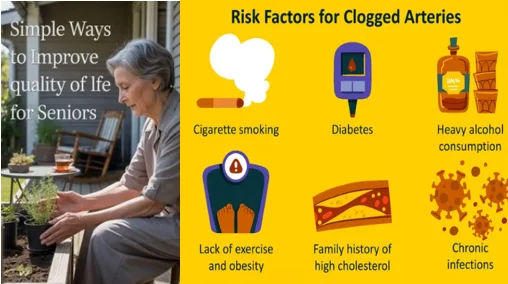
As we age, artery health depends less on hacks and more on daily habits. Consistent movement, smarter sodium choices, better fats, and fiber-rich foods support blood pressure, LDL cholesterol, and healthy circulation. Combined with tobacco cessation, sleep, and routine checkups, these steps lower the chance of heart attack and stroke.
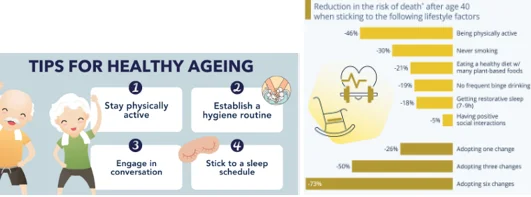
To understand why these habits matter so much after 60, it helps to know what’s actually happening inside the arteries. Atherosclerosis—the process behind “clogged arteries”—develops slowly over decades as cholesterol, fats, and inflammatory cells build up along artery walls, forming plaques that can stiffen vessels and narrow the space blood flows through. The CDC notes that this process often begins silently in midlife and accelerates with unmanaged blood pressure, high LDL cholesterol, smoking, and inactivity. The encouraging part of the research is that this process is highly responsive to lifestyle changes at any age—studies of older adults who adopted heart-healthy habits, even after age 60 or 70, showed measurable improvements in blood pressure, cholesterol ratios, and inflammatory markers within months. A landmark concept from the American Heart Association called “Life’s Essential 8” identifies the eight modifiable factors (diet, activity, nicotine exposure, sleep, weight, blood lipids, blood sugar, and blood pressure) most strongly tied to cardiovascular risk—and notably, all eight are things a person can influence regardless of age. For seniors managing multiple health conditions, the good news is that these habits tend to reinforce each other: better sleep supports healthier blood pressure, regular movement helps manage blood sugar, and improved diet supports both cholesterol and weight. This is why a “steady routine” approach, rather than chasing single miracle foods, tends to produce the most durable results. CDC
1) Move Most Days
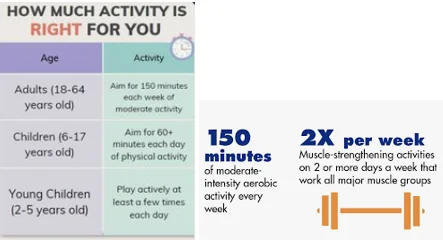
Aim for about 150 minutes/week of moderate activity—e.g., 25–30 minutes of brisk walking on most days. Add strength training twice weekly and balance work if you’re 65+. Start with 10-minute bouts if that’s easier.
- Guide for older adults: CDC—Activity for older adults
Jump links:
Try our walking tips → KeepFitQuote Walking Basics
Balance & leg strength → KeepFitQuote Balance Drills
Walking is one of the most studied activities for cardiovascular protection, and the benefits compound with consistency rather than intensity. When muscles contract during walking, they help pump blood back toward the heart, easing the workload on the cardiovascular system and supporting healthy blood pressure over time. A study published in the British Journal of Sports Medicine found that even short walking sessions broken into 10-minute increments throughout the day produced similar cardiovascular benefits to one continuous session—great news for anyone managing joint pain or fatigue. Strength training adds another layer of protection: muscle tissue acts as a “glucose sink,” helping the body manage blood sugar more efficiently, which in turn reduces the inflammatory processes linked to plaque buildup. For adults 65 and older, balance exercises—like standing on one foot while holding a counter, or heel-to-toe walking—are specifically recommended because falls are a leading cause of injury-related hospitalizations in this age group, and a hospitalization itself can disrupt the very routines that protect heart health. A practical starting point: a short walk after meals (even 10 minutes) has been shown in several studies to blunt the blood sugar spike that follows eating, offering a twofer of cardiovascular and metabolic benefit. Always check with a clinician before starting a new exercise routine if you have existing heart conditions, uncontrolled blood pressure, or joint replacements.
2) Go “Salt-Smart”
Most sodium comes from restaurant and packaged foods, not the salt shaker. Keep total sodium under 2,300 mg/day (many people with high BP aim for ~1,500 mg/day). Read labels, pick low-sodium versions, rinse canned beans, and taste before salting.
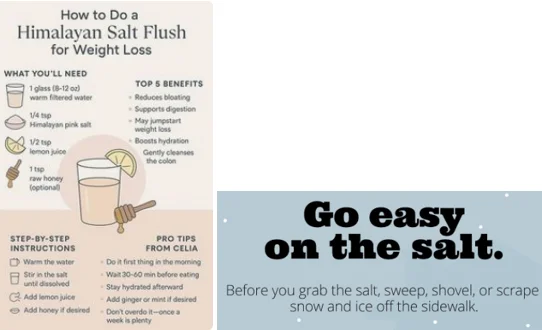
- Sodium targets: American Heart Association—How much sodium per day?
Jump links:
Low-sodium swaps → KeepFitQuote Salt-Smart Recipes
Excess sodium causes the body to retain extra fluid, which increases the volume of blood the heart must pump and raises pressure against artery walls—over years, this added strain contributes to the stiffening and damage that allows plaque to take hold more easily. The American Heart Association estimates that the average American adult consumes well over 3,400 mg of sodium daily, more than double the lower target recommended for those managing blood pressure. What makes this tricky is that taste isn’t a reliable guide: many foods that don’t taste particularly salty—bread, cereal, deli meat, canned soups, and restaurant sauces—are major contributors simply because of how often they’re eaten. For seniors, blood pressure tends to become more sensitive to sodium with age, a phenomenon researchers call “salt sensitivity,” meaning the same amount of sodium may raise blood pressure more in a 70-year-old than it did at 40. The good news is that small, sustainable swaps add up: choosing “no salt added” canned vegetables and beans, rinsing canned beans (which can reduce sodium content by roughly 40%), using herbs, citrus, and vinegar for flavor instead of salt, and gradually retraining taste buds over a few weeks. Most people find that after about a month of lower-sodium eating, previously normal-tasting foods start to taste noticeably salty—a sign the palate has adjusted.
3) Choose Better Fats
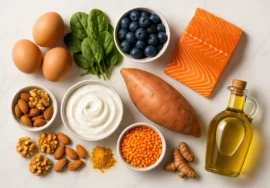
Trade saturated fats (fatty meats, butter, full-fat dairy) for unsaturated fats (olive/canola oil, avocados, nuts, seeds, salmon). This supports healthier cholesterol patterns. Many adults benefit from keeping saturated fat to <6% of calories.
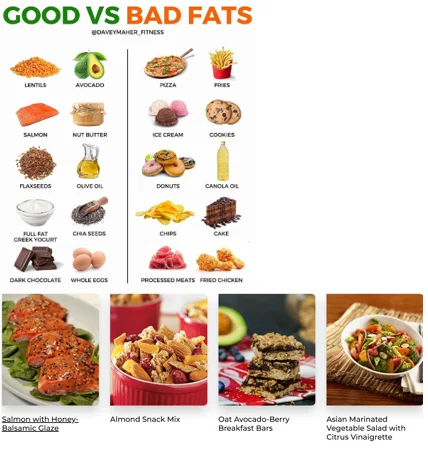
- Fat choices: AHA—Saturated fats
Jump links:
Mediterranean-style ideas → KeepFitQuote Olive-Oil Meals
The type of fat matters more than the total amount when it comes to artery health. Saturated fats tend to raise LDL (“bad”) cholesterol, the particles that can deposit into artery walls and contribute to plaque formation, while unsaturated fats—found in olive oil, nuts, seeds, avocados, and fatty fish—tend to improve the ratio of LDL to HDL (“good”) cholesterol. The PREDIMED study, a large randomized trial published in the New England Journal of Medicine, found that older adults at high cardiovascular risk who followed a Mediterranean-style diet rich in olive oil and nuts had significantly fewer heart attacks, strokes, and cardiovascular deaths compared to those on a standard low-fat diet. Omega-3 fatty acids, found in salmon, sardines, and walnuts, have additional research behind them for reducing triglycerides and supporting healthy heart rhythm—both relevant for seniors managing arrhythmia risk. A practical way to apply the “<6% of calories from saturated fat" target without obsessive calorie counting: think of it as swapping rather than adding—replace butter with olive oil in cooking, choose a handful of almonds instead of crackers, and aim for fish twice a week in place of red meat. For those on cholesterol-lowering medications like statins, dietary changes still matter; research shows the combination of medication and a heart-healthy diet produces better outcomes than either approach alone.
4) Add Soluble Fiber
Soluble fiber helps lower LDL by reducing cholesterol absorption. Easy wins: oatmeal, barley, beans, citrus, apples. If your clinician agrees, psyllium can help close the gap.
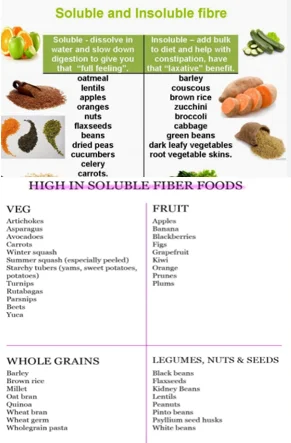
- Fiber & LDL: MedlinePlus—Lower cholesterol with diet
Jump links:
Oat & barley ideas → KeepFitQuote High-Fiber Breakfasts
Bean-based dinners → KeepFitQuote Fiber-Rich Meals
Soluble fiber works through a fairly elegant mechanism: as it passes through the digestive tract, it forms a gel-like substance that binds to bile acids (which are made from cholesterol), causing the body to excrete them rather than reabsorb them. To replace the lost bile acids, the liver pulls more cholesterol out of the bloodstream—directly lowering LDL levels. A meta-analysis published in The American Journal of Clinical Nutrition found that consuming 10-25 grams of soluble fiber daily was associated with meaningful reductions in LDL cholesterol, comparable in some studies to low-dose cholesterol medications, though fiber and medication are not interchangeable and many people benefit from both. Oats are particularly well-studied because of their beta-glucan content—a specific type of soluble fiber that the FDA has recognized with an official heart-health claim. For seniors, fiber has a second benefit worth mentioning: it slows digestion, which helps moderate blood sugar spikes after meals, a relevant consideration since blood sugar swings also contribute to vascular inflammation over time. One practical note on increasing fiber: doing so gradually (over 1-2 weeks) and drinking enough water alongside it helps avoid the bloating or digestive discomfort that can occur with a sudden jump in fiber intake, which is especially common when older adults start a new psyllium supplement too aggressively.
5) Quit Tobacco
Quitting quickly improves heart health—the risk of coronary disease drops markedly within 1–2 years and keeps falling. Use counseling, quitlines, and (if appropriate) medications.
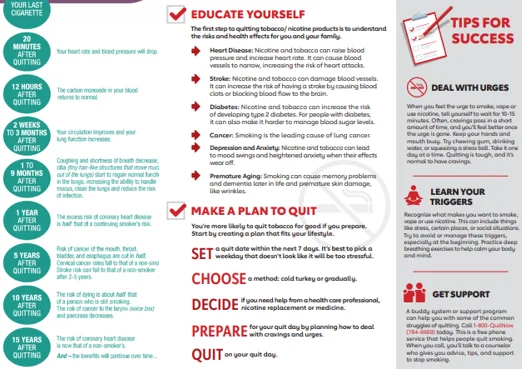
- Benefits timeline: CDC—Benefits of quitting smoking
Jump links:
Craving control tips → KeepFitQuote Quit-Support Articles
Smoking damages arteries through several mechanisms at once: it injures the delicate inner lining of blood vessels (the endothelium), promotes the oxidation of LDL cholesterol into a form that’s more likely to be deposited in artery walls, increases blood clotting tendency, and raises both heart rate and blood pressure with every cigarette. The encouraging research finding is how quickly some of this damage begins to reverse. According to the CDC, within just 20 minutes of quitting, heart rate and blood pressure begin to drop; within a year, the excess risk of coronary heart disease falls by about half compared to a continuing smoker; and within 5-15 years, stroke risk can approach that of someone who never smoked. For older adults who may have smoked for decades, it’s a common misconception that “the damage is already done” and quitting won’t help—but research consistently shows meaningful risk reduction at any age, including for people in their 60s, 70s, and beyond. Quitting is rarely a single-attempt success, and that’s normal: studies show that combining behavioral counseling with FDA-approved medications (such as nicotine replacement therapy, varenicline, or bupropion) roughly doubles or triples quit success rates compared to going it alone. Free resources like 1-800-QUIT-NOW connect callers with trained counselors, and many Medicare and insurance plans cover cessation medications and counseling at no cost—worth checking before assuming cost is a barrier.
6) Sleep 7–9 Hours
Sleep is one of the Life’s Essential 8 pillars for heart and brain health. Keep a set bedtime, dim evening screens, and ask about snoring or suspected sleep apnea.
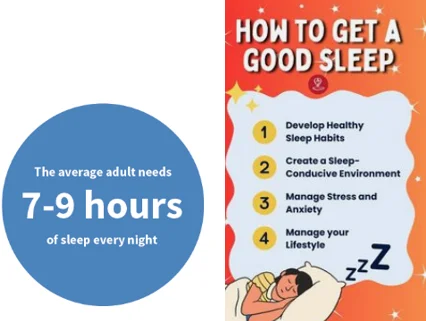
- Pillars overview: AHA—Life’s Essential 8
Jump links:
Better sleep routines → KeepFitQuote Sleep Guides
During deep sleep, blood pressure naturally dips by 10-20%—a phenomenon researchers call “nocturnal dipping” that gives the cardiovascular system a nightly recovery period. People who don’t experience this dip, often due to poor sleep quality or sleep apnea, tend to have higher rates of hypertension, heart attack, and stroke, according to research published in the journal Hypertension. Sleep apnea—a condition where breathing repeatedly stops and starts during sleep—becomes more common with age and is frequently underdiagnosed in older adults, particularly women, whose symptoms (fatigue, morning headaches) are sometimes mistaken for normal aging. Untreated sleep apnea causes repeated drops in oxygen levels that stress the cardiovascular system and have been linked to higher rates of atrial fibrillation, a heart rhythm disorder. Beyond apnea, insufficient sleep in general has been associated with higher levels of inflammatory markers and disrupted blood sugar regulation, both of which play a role in plaque development. Practical sleep hygiene steps that research supports include: keeping a consistent sleep and wake time even on weekends, dimming lights and screens an hour before bed (blue light suppresses melatonin production), keeping the bedroom cool (around 65-68°F is often ideal), and limiting caffeine after early afternoon since its effects can linger for 6-8 hours in some people, especially as metabolism slows with age. If a bed partner mentions loud snoring, gasping, or pauses in breathing, that’s worth raising with a doctor, since treating sleep apnea has been shown to improve blood pressure control.
7) Know Your Numbers
Check in with your clinician about blood pressure, fasting lipids, A1C/blood sugar, and weight/waist. Pair lifestyle with medication when indicated—that combo often works best.
- Prevention basics: CDC—Preventing heart disease
Jump links:
Heart-healthy plate → KeepFitQuote Anti-Inflammatory Meals
Starter strength plan → KeepFitQuote Beginner Strength
These four numbers function like a dashboard for cardiovascular risk, and tracking them over time is often more useful than any single reading. Blood pressure should ideally be checked at multiple visits (and sometimes at home) since a single high reading can be influenced by stress, caffeine, or “white coat” anxiety in a clinical setting. Fasting lipid panels measure total cholesterol, LDL, HDL, and triglycerides—and the trend over years matters as much as any individual number, since gradual increases often precede a diagnosis of cardiovascular disease by years. A1C reflects average blood sugar over roughly three months and is used to screen for prediabetes and diabetes, both of which significantly raise cardiovascular risk by promoting inflammation and damaging blood vessel linings over time. Waist circumference has emerged as an important measure independent of overall weight, because fat stored around the abdomen (visceral fat) is metabolically active and releases inflammatory compounds directly into the bloodstream—research published in the Journal of the American College of Cardiology found waist circumference to be a stronger predictor of cardiovascular risk than BMI alone in older adults. For seniors managing multiple medications, an annual review with a clinician or pharmacist is also valuable, since some medications can affect these numbers (for example, certain blood pressure medications can affect blood sugar readings), and adjustments are sometimes needed as the body changes with age.
1-Week Starter Plan
- Mon–Fri: 25–30 min brisk walk; add a 10-min balance routine Tue/Thu
- Strength (2 days): chair squats, wall pushups, light bands
- Breakfast: oatmeal + fruit + nuts (soluble fiber + healthy fats)
- Meals: half-plate veggies; swap one red-meat dinner for beans and one for fish
- Sodium: pick low-sodium canned goods; rinse beans; taste before salting
- Sleep: consistent lights-out; limit late caffeine
- Tobacco: set a quit date; remove triggers; call a quitline
This 7-day starter plan is designed around a principle behavioral researchers call “stacking”—attaching new habits to routines that already exist, which makes them far more likely to stick. Rather than trying to overhaul every habit at once (a common reason New Year’s resolutions fail), this plan layers small, specific actions onto an existing daily structure: a walk that’s already part of the morning routine gets a balance exercise added twice a week; a breakfast that’s already eaten gets upgraded to include oats and nuts; dinners that are already being cooked get one or two ingredient swaps. For seniors juggling multiple health priorities, this approach reduces decision fatigue—each day has a clear, short checklist rather than an overwhelming list of lifestyle changes. It’s also worth noting that the plan intentionally includes all seven of the lifestyle pillars discussed above in a single week, which mirrors how the research on combined lifestyle interventions tends to work: studies looking at multiple simultaneous small changes (rather than one dramatic change) tend to show better long-term adherence and meaningful reductions in cardiovascular risk markers within 8-12 weeks. After the first week, the most sustainable approach is simply repeating the same structure, perhaps rotating breakfast and dinner options for variety, while gradually increasing walking duration or strength training intensity as it starts to feel easier—a sign the body is adapting in a good way.
FAQs
1) Can a home remedy “unclog” arteries?
No single drink or herb can scrub plaque. Diet, fiber, movement, tobacco cessation, and BP/cholesterol control work together over time.
2) How much walking helps?
Aim for ~150 minutes/week of moderate activity, plus strength twice weekly and balance work if you’re 65+. Short sessions add up.
3) What’s a realistic first sodium step?
Cut about 1,000 mg/day from your current intake; then move toward <2,300 mg/day (or ~1,500 mg for many with high blood pressure).
4) Which fats are better for heart health?
Use unsaturated fats (olive/canola oil, nuts, seeds, fish) instead of saturated/trans fats.
5) How much soluble fiber should I aim for?
A practical range is 10–25 g/day from oats, barley, beans, and fruit; consider psyllium if your clinician recommends it.
6) Do I need supplements?
Most people can meet goals with food. Use supplements only if your clinician suggests them.
7) How fast do benefits show up after quitting smoking?
Coronary risk drops significantly within 1–2 years and continues to fall thereafter.
8) Is strength training worth it for arteries?
Yes—2+ days/week supports blood sugar, blood pressure, and daily function. Pair it with walking.
9) What if lifestyle changes aren’t enough?
Stay with the habits and talk to your clinician. Medication plus lifestyle is often most effective.
10) One easy kitchen swap today?
Replace processed lunch meats with beans or fish, choose low-sodium canned items, and dress with olive oil + lemon.
11) Do older adults need balance work?
Yes—balance and leg-strength drills help cut fall risk while you meet weekly activity goals.
12) Is oatmeal actually useful?
Oats provide soluble fiber (β-glucan), a simple, budget-friendly LDL helper when part of an overall heart-healthy pattern.
Resource Box
- CDC—Preventing heart disease
- AHA—Daily sodium targets
- AHA—Saturated vs. unsaturated fats
- MedlinePlus—Lower cholesterol with diet
- CDC—Benefits of quitting smoking
- AHA—Life’s Essential 8
Related guides
For warning signs that need urgent attention, read early heart-attack warnings for older adults. For a practical blood-pressure habit, see blood-pressure-lowering drinks.
Additional Sources
- NHLBI: Atherosclerosis — overview of atherosclerosis and risk-reduction approaches.
⚕️ Medical Disclaimer
The information provided on this page is for educational purposes only and is not intended as medical advice, diagnosis, or treatment. Always consult a qualified healthcare professional before making changes to your diet, starting any supplement, or if you have an existing medical condition. KeepFitQuote does not provide medical diagnoses or treatment recommendations. Read our full disclaimer.
Related Posts