
If you’re over 60 and feel your legs or arms aren’t as strong as they used to be, you’re not imagining it. Muscle loss, also called sarcopenia, is common with age — but here’s the good news: balanced protein choices can support muscle health, and eggs are one practical option.

Why Muscle Loss Speeds Up After 60
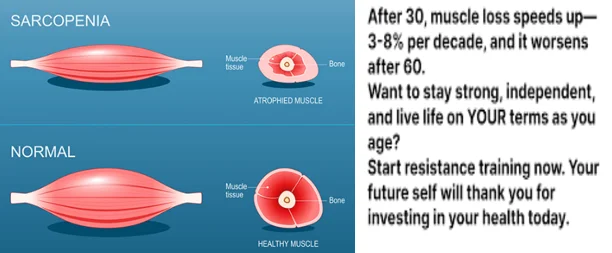
Muscles naturally get smaller with age because the body produces less protein for repair. Hormonal changes, lower activity levels, and eating less protein than you need all make it worse. The result? Weak legs, poor balance, and sometimes trouble doing simple daily things.
Researchers call this process sarcopenia, and studies published in the Journal of Cachexia, Sarcopenia and Muscle estimate that adults can lose 3 to 8 percent of their muscle mass per decade after age 30, with the rate accelerating significantly after 60. Part of this comes from “anabolic resistance” — aging muscle becomes less responsive to the same amount of dietary protein that once triggered muscle repair easily, meaning older adults often need more protein per meal, not less, to get the same rebuilding effect. Declining levels of growth hormone and testosterone also play a role, as does the natural decrease in daily movement that often comes with retirement or joint pain. The encouraging part, confirmed by multiple clinical trials, is that resistance exercise combined with adequate protein intake can meaningfully slow or even partially reverse this decline at any age.
The One Food That Helps Most
Eggs.
Yes, something as simple as an egg is one of the best muscle-preserving foods for seniors. Eggs are packed with high-quality protein, which your muscles need to repair and grow. They also contain leucine, an amino acid proven to help prevent age-related muscle loss.
And they’re easy to add to your day — scrambled, boiled, or even in a simple omelet with vegetables.

Eggs are considered a “complete protein,” meaning they contain all nine essential amino acids the body cannot produce on its own — a rare quality among affordable, everyday foods. Leucine specifically acts as a trigger for a cellular pathway called mTOR, which switches on muscle protein synthesis; research in older adults has shown that meals containing at least 2.5 to 3 grams of leucine (roughly what’s in two large eggs) are more effective at stimulating this muscle-building response than smaller amounts spread across the day. Eggs are also inexpensive and require no special preparation, making them one of the most practical muscle-preserving foods available, especially for seniors on a fixed budget or those who find cooking large meals tiring. For most healthy older adults, the American Heart Association notes that moderate egg consumption (about one egg per day) is not associated with increased heart disease risk, though anyone with diabetes or existing high cholesterol should check with their doctor about the right amount for them.
Why Protein Matters More After 60
1. Prevents Muscle Shrinking
The older you get, the more protein your muscles need. Without enough, the body starts breaking down muscle for energy.
This happens because the body prioritizes maintaining blood sugar and vital organ function above muscle mass; when dietary protein is insufficient, it pulls amino acids from muscle tissue to meet those more urgent needs. The Recommended Dietary Allowance (RDA) for protein was set decades ago and is now considered too low for older adults by many geriatric nutrition experts — newer guidance from groups like the PROT-AGE Study Group suggests adults over 65 aim for roughly 1.0 to 1.2 grams of protein per kilogram of body weight daily, notably higher than the general adult RDA. Spacing protein evenly across breakfast, lunch, and dinner (rather than loading it all into one meal) appears to make better use of it for muscle maintenance, according to several nutrition studies on older adults.
2. Helps Maintain Balance and Strength
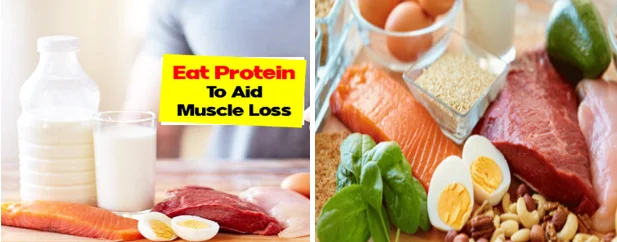
Weak muscles increase the risk of falls. Stronger muscles mean better stability, especially for legs and core.
The CDC reports that falls are the leading cause of injury among adults 65 and older, and weakened leg and core muscles are one of the most modifiable risk factors involved. Muscle strength directly affects how quickly the body can correct a stumble or catch itself before a fall becomes serious — a capability that declines noticeably once sarcopenia sets in. Combining adequate protein with simple balance-focused movements, like standing from a chair without using your hands or walking heel-to-toe, has been shown in geriatric research to meaningfully reduce fall risk over time. This is one reason many fall-prevention programs pair a nutrition component with light strength training rather than focusing on exercise alone.
3. Supports Faster Recovery
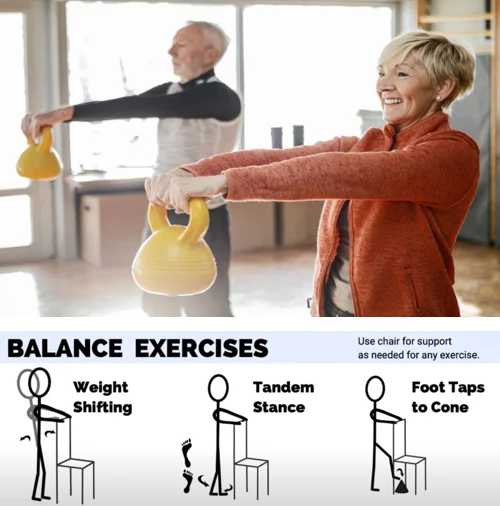
Whether you garden, take daily walks, or do light exercise, protein helps muscles recover and stay firm.
Any physical activity, even light gardening or a daily walk, creates tiny amounts of muscle stress that need protein to repair — this repair process is what actually builds and maintains muscle over time. Older adults typically need slightly more recovery time between activities than younger people, and inadequate protein intake can extend that recovery window even further, leading to more soreness and stiffness. Getting a source of protein within a couple of hours after activity — such as a boiled egg or a small serving of Greek yogurt — may help support this repair process more efficiently, based on research into protein timing in older populations. This is especially relevant for seniors trying to stay consistent with light exercise routines, since faster recovery makes it easier to keep moving regularly rather than needing extended rest days.
Other Muscle-Friendly Foods to Add
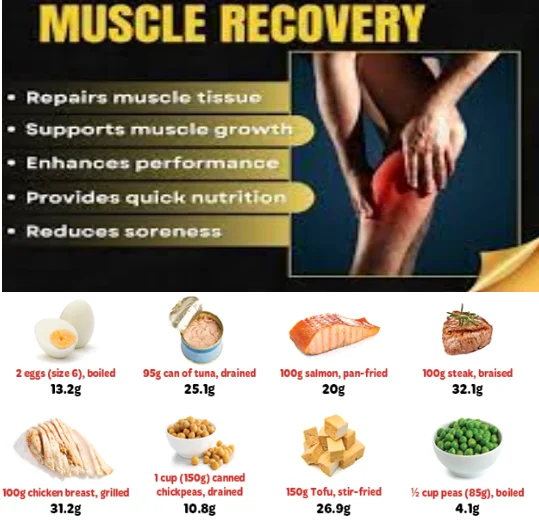
While eggs are a star, variety matters too:
- Greek yogurt – Rich in protein and easy to digest.

- Beans and lentils – Great plant-based option.

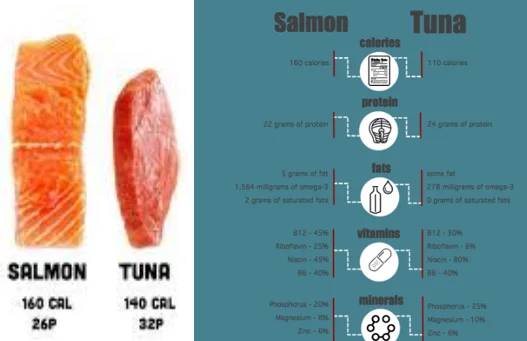
- Salmon or tuna – High in protein and omega-3s to support muscle repair.
- Almonds and pumpkin seeds – Magnesium for muscle relaxation and recovery.
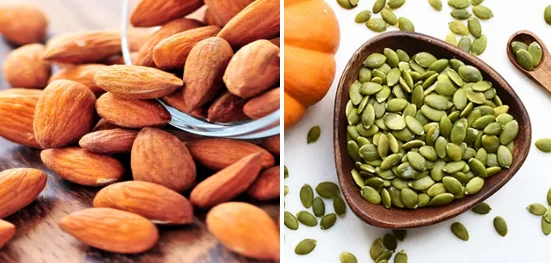
Each of these foods brings something slightly different to the table. Greek yogurt is strained to remove excess whey, which concentrates its protein content to roughly double that of regular yogurt while also providing probiotics that support digestive health — a helpful bonus since digestion can slow with age. Beans and lentils are a good option for those managing cholesterol or looking to eat more plant-based meals, and combining them with a grain like rice creates a more complete amino acid profile similar to animal protein. Salmon and tuna provide omega-3 fatty acids, which research suggests may help reduce the inflammation that contributes to age-related muscle breakdown, in addition to their protein content. Magnesium, found in almonds and pumpkin seeds, plays a role in muscle contraction and relaxation, and mild magnesium deficiency — more common in older adults due to reduced absorption — has been linked to muscle cramping and weakness in some studies.
Simple Ways to Eat More Muscle-Building Foods
- Start breakfast with one or two eggs instead of just toast.

- Add a spoon of Greek yogurt as a snack.

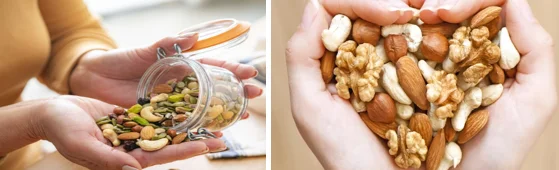
- Swap processed snacks for nuts or seeds.
- Make beans or lentils a side dish at lunch or dinner.

Small, consistent swaps tend to work better than a complete diet overhaul, especially for habits built over decades. Starting the day with eggs instead of just toast is one of the highest-impact changes, since breakfast is often the meal lowest in protein for most people, yet morning protein appears to be particularly effective for triggering muscle protein synthesis after the overnight fast. Keeping washed, ready-to-eat nuts or a container of Greek yogurt within easy reach in the fridge or pantry removes the friction that often leads to reaching for crackers or chips instead. If cooking dried beans feels like too much effort, canned beans (rinsed to reduce sodium) offer the same protein and fiber benefits with far less prep time — a practical option worth keeping stocked in the pantry.
✅ Quick Q&A
1. Why do seniors lose muscle after 60?
Because the body slows protein production, and many eat too little protein to maintain muscle.
2. Can eating eggs really help support muscle maintenance?
Yes, eggs provide high-quality protein and leucine, which help preserve muscle mass.
3. How many eggs should seniors eat daily?
One or two eggs a day is generally safe, but ask your doctor if you have cholesterol concerns.
4. What other foods help support muscle maintenance?
Greek yogurt, beans, salmon, and almonds all support muscle health.
5. Is exercise still needed if you eat enough protein?
Yes, light strength exercises work with protein to keep muscles strong.
6. Can low magnesium cause weak muscles?
Yes, magnesium supports muscle relaxation and recovery, so add seeds and leafy greens.
7. Should seniors eat more protein than younger adults?
Yes, older adults need slightly more protein to prevent muscle shrinking.
8. Are plant proteins as good as animal proteins?
Yes, but you may need to eat a mix (beans, lentils, nuts) to get all essential amino acids.
9. Can skipping meals speed up muscle loss?
Yes, long gaps without protein make muscle breakdown worse.
Build a practical muscle plan: see our guide to what to eat to gain muscle after 60 and sarcopenia-prevention guide. For a related kitchen-safety reminder, review safe garlic-in-oil storage.
10. How fast can seniors rebuild muscle with better nutrition?
With daily protein and light exercise, improvements can show in a few weeks.
Sources: NIA: Healthy eating for older adults · American Heart Association: Are eggs good for you? · NIA: Exercise and physical activity
⚕️ Medical Disclaimer
The information provided on this page is for educational purposes only and is not intended as medical advice, diagnosis, or treatment. Always consult a qualified healthcare professional before making changes to your diet, starting any supplement, or if you have an existing medical condition. KeepFitQuote does not provide medical diagnoses or treatment recommendations. Read our full disclaimer.
Related Posts







Pingback: Natural Joint Pain Relief for Seniors 7 Proven Home Remedies
Pingback: Gentle Body Reset After 60 with 7 Simple Foods for Better Health
Służysz społeczności blogowej, pięknie przy tym składasz frazy, przyjmij najszczersze wdzięczności moich wyrazy 🙂