Bone strength declines gradually with age, but for many seniors, this weakness shows up suddenly—sometimes after a minor fall or even a simple twist. Fragile bones can lead to fractures, slow recovery, and limited mobility. Understanding why bones weaken with age and how to protect them can make a big difference.
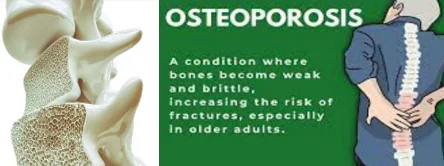
Bone health doesn’t get the attention it deserves until something breaks. Yet the skeleton is living tissue—constantly being broken down and rebuilt in a process called bone remodeling. In youth, rebuilding outpaces breakdown, so bones grow denser and stronger. Somewhere around midlife, that balance tips, and breakdown begins to win. For seniors, the result is often called osteopenia (mild bone thinning) or, in more advanced cases, osteoporosis (significant bone loss that raises fracture risk). According to bone health researchers, roughly one in two women and up to one in four men over 50 will experience an osteoporosis-related fracture in their lifetime. The good news is that bone loss is rarely sudden—it’s a slow drift that gives you years to notice the warning signs and respond with the right nutrition, movement, and medical checkups, all of which we’ll walk through below.
Why Do Bones Weaken as We Get Older?
Several overlapping changes drive bone weakness in later life, and they rarely act alone. Aging cells become less efficient at laying down new bone, vitamin D absorption from the gut and skin both decline, hormone levels shift (especially estrogen in women and testosterone in men), daily activity tends to drop, and chronic conditions or long-term medications can quietly chip away at bone density. Each of these factors is explored below, because understanding the “why” makes the “what to do about it” much easier to follow. For most seniors, it isn’t a single cause but a combination—which is also why a combination of small daily habits tends to work better than any single fix.
Age-Related Bone Changes
After the age of 50, bone renewal slows down. Old bone breaks down faster than new bone forms, which leads to gradual thinning and brittleness.
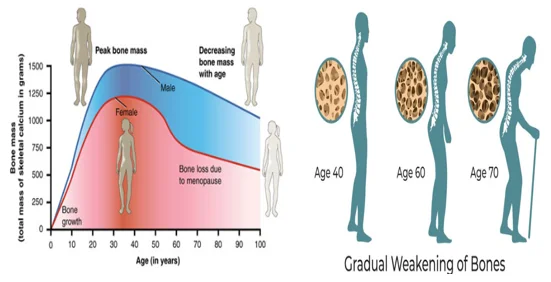
On a microscopic level, bone is made of a honeycomb-like lattice of collagen reinforced with calcium and phosphate minerals. The cells that build bone (osteoblasts) and the cells that break it down (osteoclasts) are normally in balance. After midlife, osteoclast activity tends to outpace osteoblast activity, so the honeycomb structure becomes thinner and more porous—like a sponge with larger holes. This is why a bone density scan, called a DEXA scan, often shows a steady decline of around 0.5% to 1% per year after age 50 for many adults, with faster rates during the years right around menopause. The encouraging part is that this process responds to lifestyle input at any age—muscle-loading exercise and adequate calcium and protein intake send signals that encourage osteoblasts to keep building, even in your 70s and 80s.
Vitamin D Decline
Older adults often have low vitamin D levels because of limited sun exposure. Without enough vitamin D, calcium is poorly absorbed, leaving bones less dense and more fragile.
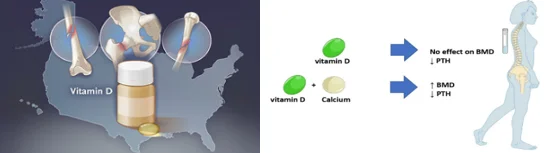
Vitamin D acts like a key that unlocks calcium absorption in the small intestine—without it, much of the calcium from food or supplements simply passes through the body unused. As skin ages, it becomes less efficient at converting sunlight into vitamin D, and many seniors also spend less time outdoors, compounding the problem. The National Institute on Aging notes that adults over 70 generally need around 800 IU of vitamin D daily (some guidelines suggest up to 1,000–2,000 IU for those with documented deficiency), often paired with 1,000–1,200 mg of calcium from food and supplements combined. A simple blood test can check vitamin D levels, and correcting a deficiency is one of the most cost-effective ways to support bone density. As always, check with a doctor before starting any new supplement, since vitamin D can interact with certain heart and blood pressure medications.
Hormonal Shifts
Women experience estrogen drop after menopause, speeding up bone loss. Men are not immune—low testosterone also contributes to reduced bone density.
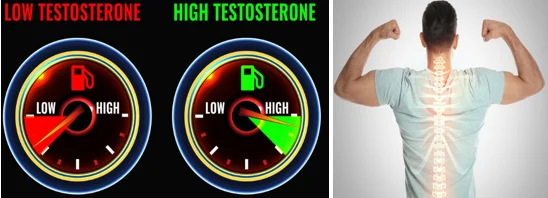
Estrogen plays a protective role by slowing down osteoclast activity—the cells responsible for breaking down bone. When estrogen levels fall sharply during menopause, that brake is loosened, and women can lose up to 20% of their bone density in the five to seven years following menopause, according to bone health research from major endocrine societies. Men experience a more gradual decline, but low testosterone—sometimes linked to age, certain medications, or underlying health conditions—has a similar, slower effect on bone-building cells. For both men and women, this is one of the strongest reasons that bone density screening becomes more important in the 50s and 60s, since hormone-driven bone loss often happens with no obvious symptoms until a fracture occurs.
Lack of Physical Activity
Spending long hours sitting or avoiding weight-bearing exercises weakens both muscles and bones, making them more prone to injuries.
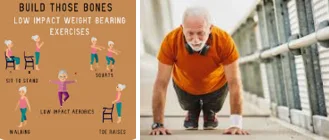
Bone responds to mechanical stress the same way muscle does: use it or lose it. Weight-bearing activities—walking, climbing stairs, dancing, or light resistance training—create small forces that signal bone-building cells to stay active. Without that stimulus, bone density can decline more quickly, and the surrounding muscles that help cushion falls also weaken, creating a double risk. Research on older adults consistently shows that even modest amounts of regular activity, such as 30 minutes of walking most days, are associated with better bone density and a lower fracture risk than a sedentary lifestyle. For seniors who have been inactive, the safest approach is to start slowly—short walks, chair-based strength exercises, or supervised physical therapy—and build up gradually rather than starting with high-impact activity.
Health Issues and Medications
Certain conditions, such as thyroid disorders, or long-term steroid use can interfere with bone rebuilding and make them softer over time.
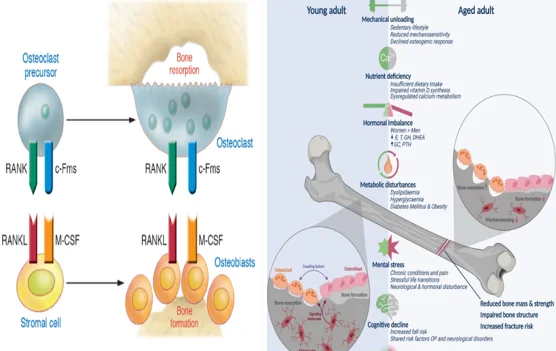
Several common medications and health conditions are known to accelerate bone loss, often without people realizing it. Long-term use of corticosteroids (such as prednisone, often prescribed for arthritis, asthma, or autoimmune conditions) is one of the most well-documented causes of medication-related osteoporosis, because steroids both slow new bone formation and increase bone breakdown. Overactive thyroid (hyperthyroidism), some acid-reflux medications taken long-term, certain anti-seizure drugs, and some cancer treatments have also been linked to lower bone density. None of this means these medications should be stopped—they’re often essential—but it does mean seniors taking them long-term may benefit from periodic bone density monitoring and a conversation with their doctor about calcium, vitamin D, or other protective steps.
Signs That Your Bones Are Losing Strength
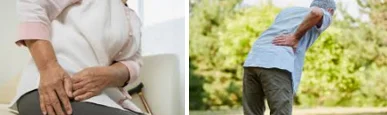
- Back discomfort or shrinking height – small spinal fractures can cause subtle posture changes.
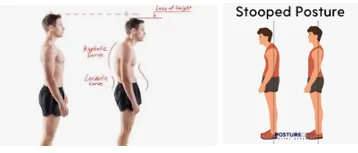
- Rounded shoulders or stooped back – a sign of spinal compression.
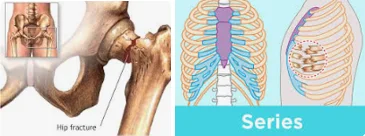
- Frequent fractures from simple falls – a clear warning of low bone density.
- Weak hand grip – often linked to reduced muscle and bone strength.
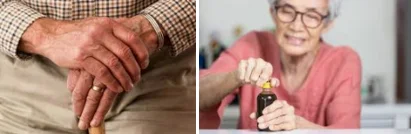
Many of these signs develop so gradually that they’re easy to write off as “just getting older.” A loss of an inch or more in height over several years, for example, is often caused by tiny compression fractures in the spinal vertebrae that may not even cause noticeable pain at the time. Similarly, studies have found that grip strength is a surprisingly reliable marker doctors use to estimate overall bone and muscle health in older adults, because the same factors—activity level, nutrition, hormones—affect both. If you notice new back pain, a change in how your clothes fit around the shoulders and waist, or a fracture from a fall that wouldn’t have seemed serious in your younger years, it’s worth mentioning to your doctor. A bone density (DEXA) scan is quick, painless, and can confirm whether further action is needed.
When Does Bone Loss Speed Up?
Most seniors experience a sharp drop in bone density between 55 and 70 years of age. Women tend to lose bone faster right after menopause, while men usually notice significant loss after 65.
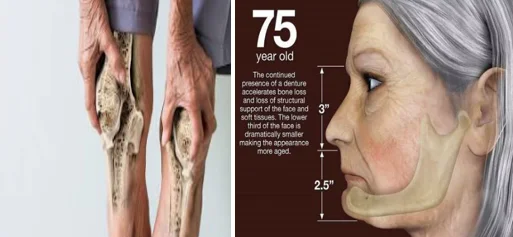
The years immediately surrounding menopause are sometimes described by researchers as a “window of accelerated bone loss,” during which some women lose bone density two to three times faster than they did in the preceding decade. This window typically lasts several years before the rate of loss slows to a steadier pace. For men, bone loss tends to be more gradual until around 65–70, when testosterone decline and reduced activity levels often combine to speed things up. Knowing roughly when this acceleration tends to happen is useful because it lines up with when many doctors recommend a baseline bone density scan—generally around 65 for women and slightly later for men, though earlier if there are additional risk factors like steroid use, a family history of osteoporosis, or a previous fracture.
How Seniors Can Maintain Strong Bones
1. Eat Bone-Friendly Foods
Include sardines, fortified cereals, collard greens, almonds, and eggs. These provide calcium, magnesium, and vitamin D—key nutrients for strong bones.

Calcium is the mineral most associated with bone strength, but it doesn’t work in isolation—magnesium and vitamin K2 help direct calcium into bones rather than soft tissue, and protein provides the collagen framework bone minerals attach to. A practical target for most adults over 50 is around 1,000–1,200 mg of calcium per day from a combination of dairy, leafy greens, fortified foods, and canned fish with soft bones (like sardines or salmon). Spreading calcium intake across two or three meals improves absorption compared with taking it all at once. If dietary intake consistently falls short, a calcium supplement can help fill the gap, but more isn’t always better—excess calcium supplementation has been linked to other health concerns, so it’s worth discussing your overall intake with a doctor or dietitian.
2. Move More, Sit Less
Gentle exercises like walking, light weight training, or Tai Chi improve balance and bone strength.

Weight-bearing and resistance exercises are considered the gold standard for maintaining bone density in older adults. Walking, climbing stairs, and dancing put gentle, repetitive load on the legs, hips, and spine—common fracture sites—while light resistance training (using bands, dumbbells, or even bodyweight) helps preserve the muscle mass that protects bones during a fall. Tai Chi and yoga deserve special mention because, beyond their effect on bone, multiple studies have found they meaningfully improve balance and reduce fall risk in seniors, which matters just as much as bone density itself. A reasonable starting goal is 20–30 minutes of weight-bearing activity most days of the week, with two sessions of resistance work, adjusted to your current fitness level and any guidance from your physical therapist or doctor.
3. Safe Sunlight or Supplements
A short morning sun routine boosts vitamin D naturally, but seniors may need supplements after consulting a doctor.
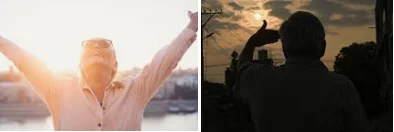
About 10–15 minutes of midday sun exposure on the arms and face, a few times a week, can help the skin produce vitamin D—though this varies by skin tone, latitude, and season, and becomes less efficient with age. For seniors in northern climates or those who spend most of their time indoors, sunlight alone often isn’t enough, which is why many guidelines recommend a vitamin D supplement, particularly during fall and winter months. The key is moderation and balance: enough sun to support vitamin D production without increasing skin cancer risk, and supplementation calibrated to your blood test results rather than guesswork. A simple annual vitamin D blood test can help your doctor fine-tune the right amount for you.
4. Avoid Smoking and Heavy Drinking
These habits accelerate bone loss and should be avoided.

Smoking interferes with the body’s ability to absorb calcium and reduces blood supply to bones, which slows the bone-rebuilding process and has been linked to lower bone density and slower fracture healing in numerous studies. Heavy alcohol use has a similar effect—it can interfere with calcium balance, vitamin D activation in the liver, and hormone levels that support bone formation, while also increasing fall risk through impaired balance and coordination. The encouraging news is that cutting back—even later in life—can help slow further bone loss and improve overall health markers, including blood pressure and circulation, which indirectly supports better bone health too. If quitting smoking or reducing alcohol feels overwhelming, a primary care doctor can connect you with resources designed specifically for older adults.
5. Check Bone Density Regularly
A bone scan helps detect osteopenia or osteoporosis early, allowing treatment before serious fractures occur.
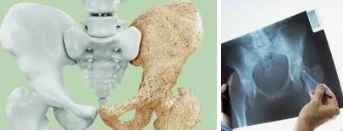
A DEXA (dual-energy X-ray absorptiometry) scan is a quick, low-radiation test that measures bone mineral density, usually at the hip and spine, and compares it to that of a healthy young adult to produce a “T-score.” A T-score between -1 and -2.5 generally indicates osteopenia, while -2.5 or lower indicates osteoporosis. Most major health organizations recommend a baseline scan for women at 65 and for men around 70, or earlier for anyone with risk factors like long-term steroid use, a parent who had a hip fracture, or early menopause. If results show significant bone loss, doctors have several treatment options—from lifestyle adjustments to medications that slow bone breakdown or help rebuild bone—so catching the issue early genuinely changes what’s possible.
What Happens If Weak Bones Are Ignored?
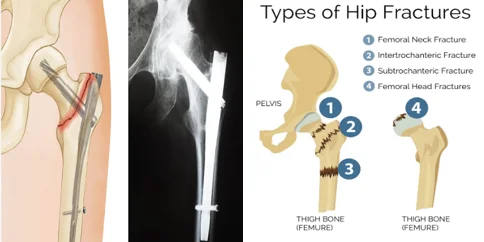
- Hip fractures can lead to permanent mobility issues.
- Spinal fractures may cause lasting pain and posture problems.
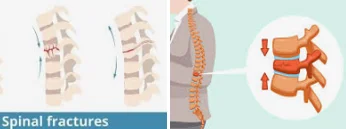
- Slower healing makes recovery from injuries harder, increasing dependence on others.
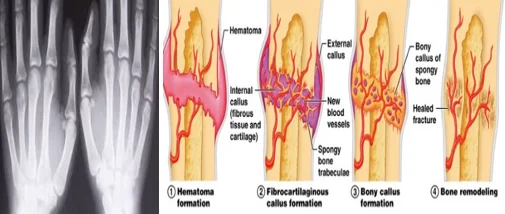
The numbers around hip fractures in particular are worth taking seriously: research has found that roughly one in five seniors who experience a hip fracture pass away within a year, often due to complications from reduced mobility rather than the fracture itself, and many others lose the ability to live independently afterward. Spinal compression fractures can happen with surprisingly little force—even a hard sneeze or a misstep—and once they occur, they often lead to chronic pain and a permanently altered posture that affects balance going forward. Beyond the physical toll, ignoring weak bones often means missing the window where simple interventions—better nutrition, targeted exercise, fall-proofing the home, or medication—could have prevented the fracture in the first place. This is why bone health deserves the same proactive attention as blood pressure or cholesterol, rather than something addressed only after an injury.
FAQs – Quick Answers for Seniors and Caregivers
1. At what age do bones start getting weaker?
Bone thinning begins around 40, but noticeable weakness usually appears after 50.
2. Do weak bones hurt?
Yes, bone pain or tenderness can be an early sign of bone loss.
3. Can diet alone fix weak bones?
A healthy diet can slow bone loss but cannot fully reverse advanced bone thinning.
4. Why are women more at risk?
The drop in estrogen after menopause speeds up bone loss.
5. Does walking really help?
Yes, even gentle walking strengthens bones and improves balance.
6. Should calcium supplements be taken daily?
Only under medical supervision, as too much calcium can cause other health issues.
7. How can seniors avoid hip fractures?
Strong bones, better balance, and making homes fall-proof reduce risks.
8. Do all seniors need bone scans?
A scan is recommended after 65, even for healthy seniors.
9. Can men lose bone due to low testosterone?
Yes, low testosterone levels can lead to gradual bone thinning.
10. Do older adults heal slower after fractures?
Yes, because bones rebuild more slowly with age.
Final Thoughts
Weak bones aren’t just an age problem—they’re a lifestyle problem. By focusing on nutrition, movement, and early screening, seniors can maintain stronger bones and live more active, independent lives. Paying attention to early signs of bone weakness can prevent serious injuries later.
For most people over 50, the path forward doesn’t require dramatic changes—it’s the steady accumulation of small habits: a calcium-rich breakfast, a daily walk, a few minutes of morning sunlight, and a conversation with your doctor about whether a bone density scan is due. Bone health is one of the few areas of aging where the science is genuinely encouraging—bones remain responsive to good nutrition and exercise well into the 80s and 90s. Taking weak bones seriously today is one of the simplest ways to protect tomorrow’s independence, mobility, and quality of life.
⚕️ Medical Disclaimer
The information provided on this page is for educational purposes only and is not intended as medical advice, diagnosis, or treatment. Always consult a qualified healthcare professional before making changes to your diet, starting any supplement, or if you have an existing medical condition. KeepFitQuote does not provide medical diagnoses or treatment recommendations. Read our full disclaimer.
Related Posts