In today’s world, our lifestyles and environmental factors can lead to various respiratory issues, making lung detoxification essential. If you’re experiencing mucus build-up, phlegm in your throat, or seeking recovery strategies after smoking, this guide offers natural remedies and lifestyle adjustments to help cleanse your lungs.
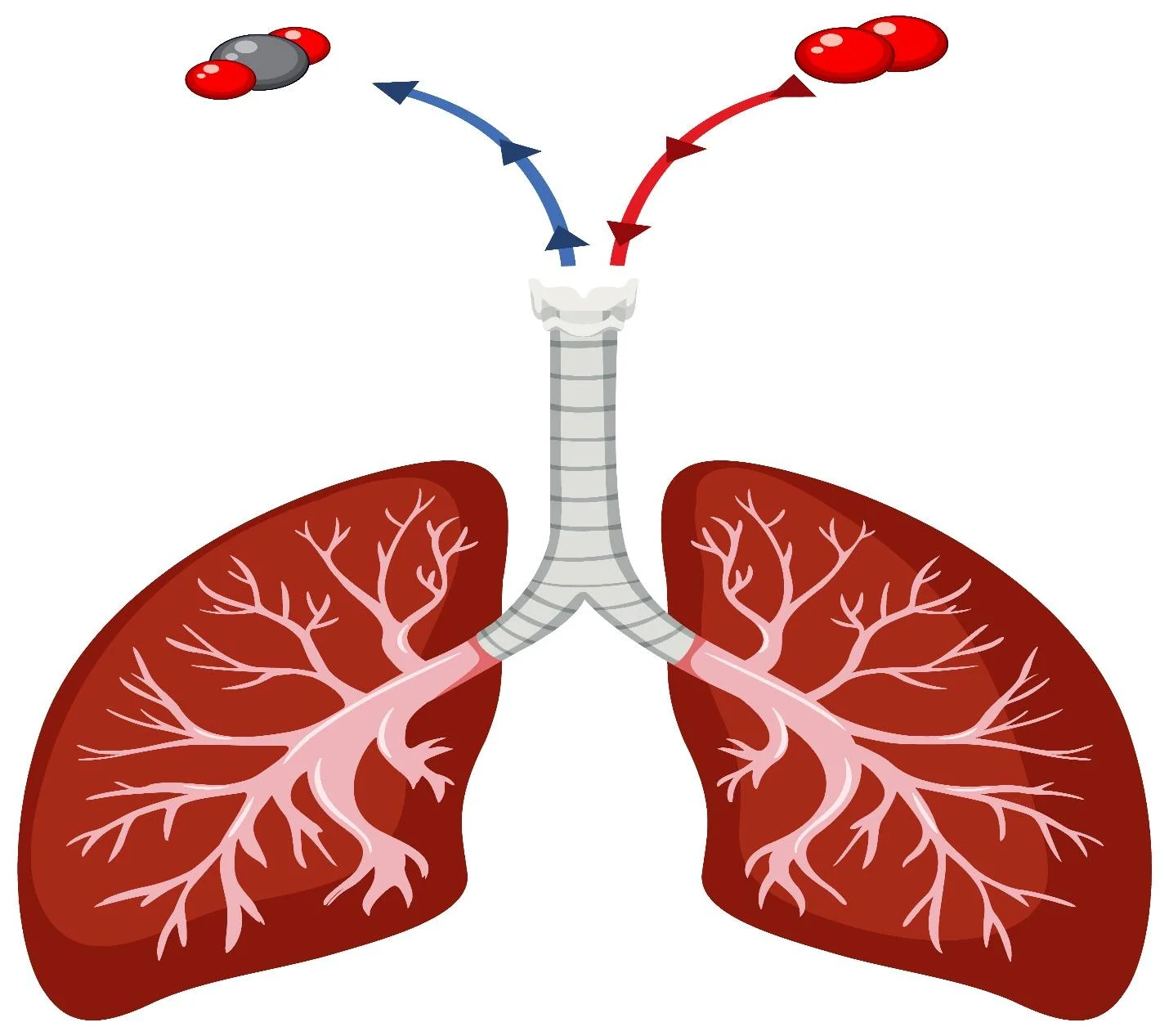
The phrase “lung detox” deserves a brief explanation: the lungs themselves aren’t an organ that accumulates toxins the way the liver or kidneys do — they don’t require a special diet to “flush out” stored substances. What’s actually happening with the strategies in this guide is supporting the lungs’ own natural clearance mechanisms — primarily mucociliary clearance, the system of mucus production and tiny hair-like cilia that constantly sweep particles, irritants, and pathogens up and out of the airways. When this system is overwhelmed (by smoke, pollution, infection, or allergens) or impaired (by inflammation, dehydration, or certain conditions), mucus builds up and breathing becomes harder. The approaches below work by supporting this clearance system, reducing airway inflammation, and improving the conditions that make it easier for your lungs to do what they’re designed to do.
Common indicators include:
- Excess mucus or phlegm in the throat.
- A persistent cough, particularly with yellow, green, or bloody mucus.
- Shortness of breath and chest congestion.


For adults over 50, these symptoms deserve a bit more attention than they might at younger ages — not because they’re necessarily more serious, but because the baseline rate of underlying conditions (COPD, heart-related causes of shortness of breath, and others) increases with age, and because lung function itself gradually declines after about age 35 even in healthy non-smokers, at a rate of roughly 1% per year. This means symptoms that might be “wait and see” in a 30-year-old are worth tracking more carefully, and discussing with a doctor sooner, in someone over 50 — particularly any new or worsening shortness of breath, which should never simply be attributed to “getting older” without at least a conversation with a healthcare provider to rule out treatable causes.
Causes
These issues can stem from environmental toxins, smoking, allergies, and infections such as COVID-19 or bronchitis.
Environmental toxins deserve particular mention because exposure is often invisible and cumulative. Indoor air quality is frequently worse than outdoor air — cooking fumes (especially from gas stoves and high-heat frying), household cleaning products, mold in damp areas, and dust mites in older carpets and bedding all contribute to a daily inhaled toxin load that builds up over years. For adults who have spent decades in homes with these exposures, even modest improvements — better kitchen ventilation, switching to fragrance-free cleaning products, addressing any mold issues, and regular vacuuming with a HEPA filter — can meaningfully reduce the daily irritant burden on the airways, complementing the more “active” remedies discussed below.
Effective Ways to Open Airways and Detoxify
Matula Tea

Renowned for its detoxifying effects, Matula Tea can help alleviate mucus buildup and calm inflamed airways.
Matula Tea is a South African herbal blend traditionally used for digestive and respiratory complaints, containing a mixture of indigenous plants. While it has a long history of traditional use, it’s worth being clear-eyed that rigorous, large-scale clinical trials specifically validating its respiratory effects are limited compared to better-studied options like green tea or steam therapy discussed elsewhere in this guide. That doesn’t mean traditional remedies lack value — many have plausible mechanisms based on their individual herbal components, which often include anti-inflammatory and mildly expectorant (mucus-loosening) compounds. As with any herbal product, quality and sourcing vary considerably between brands, and anyone taking prescription medications — particularly blood thinners or medications metabolized by the liver — should check with a pharmacist before adding a new herbal tea to their routine, since herb-drug interactions are an underappreciated but real consideration, especially for older adults often managing multiple prescriptions.
Green Tea and Variants
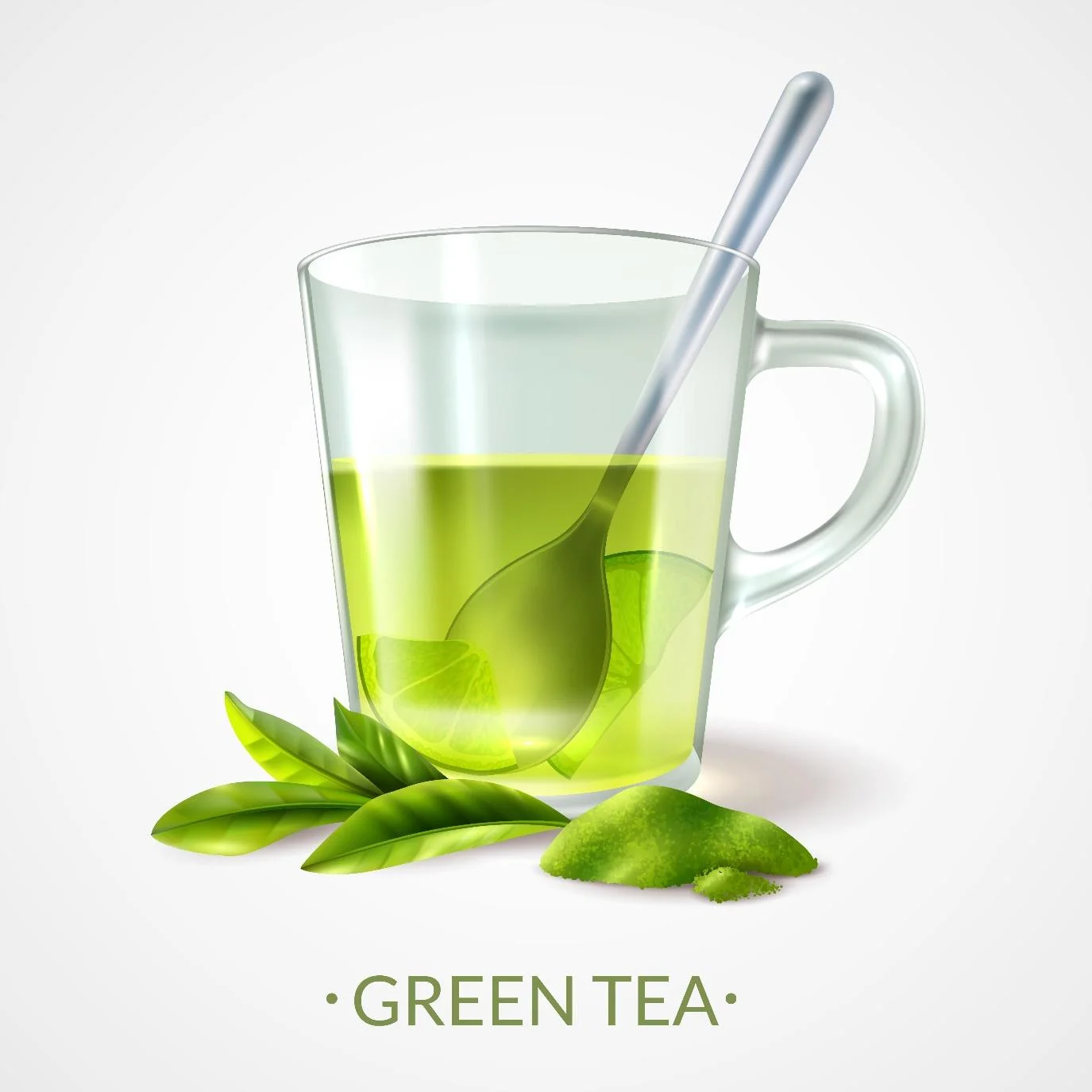
Gunpowder Green Tea and Pu’er: Packed with antioxidants, they promote overall lung health.
Green tea’s relevance to lung health centers on its catechin content — particularly EGCG (epigallocatechin gallate), one of the most studied antioxidant compounds in nutrition science. EGCG has been shown in laboratory and animal studies to reduce oxidative stress in lung tissue and to have anti-inflammatory effects on airway cells specifically. A number of population studies have found associations between regular green tea consumption and better lung function measurements, as well as lower rates of respiratory symptoms among smokers — though it’s important to note that tea drinking doesn’t offset the harms of smoking, and the strongest evidence for any “lung detox” intervention remains simply not smoking or quitting if you currently do.
Pu’er tea, a fermented variety, contains additional compounds produced during the fermentation process, including certain polyphenols that have been studied for their effects on inflammation and metabolism. The “antioxidant” framing for these teas is accurate but worth contextualizing: antioxidants help neutralize the reactive oxygen species generated when lung tissue is exposed to smoke, pollution, or infection-related inflammation — they’re a support for the lungs’ own repair processes, not a substitute for avoiding the exposures that create the need for that repair in the first place.
Jasmine Milk Tea: Merges the benefits of green tea with a comforting touch.

Jasmine Milk Tea
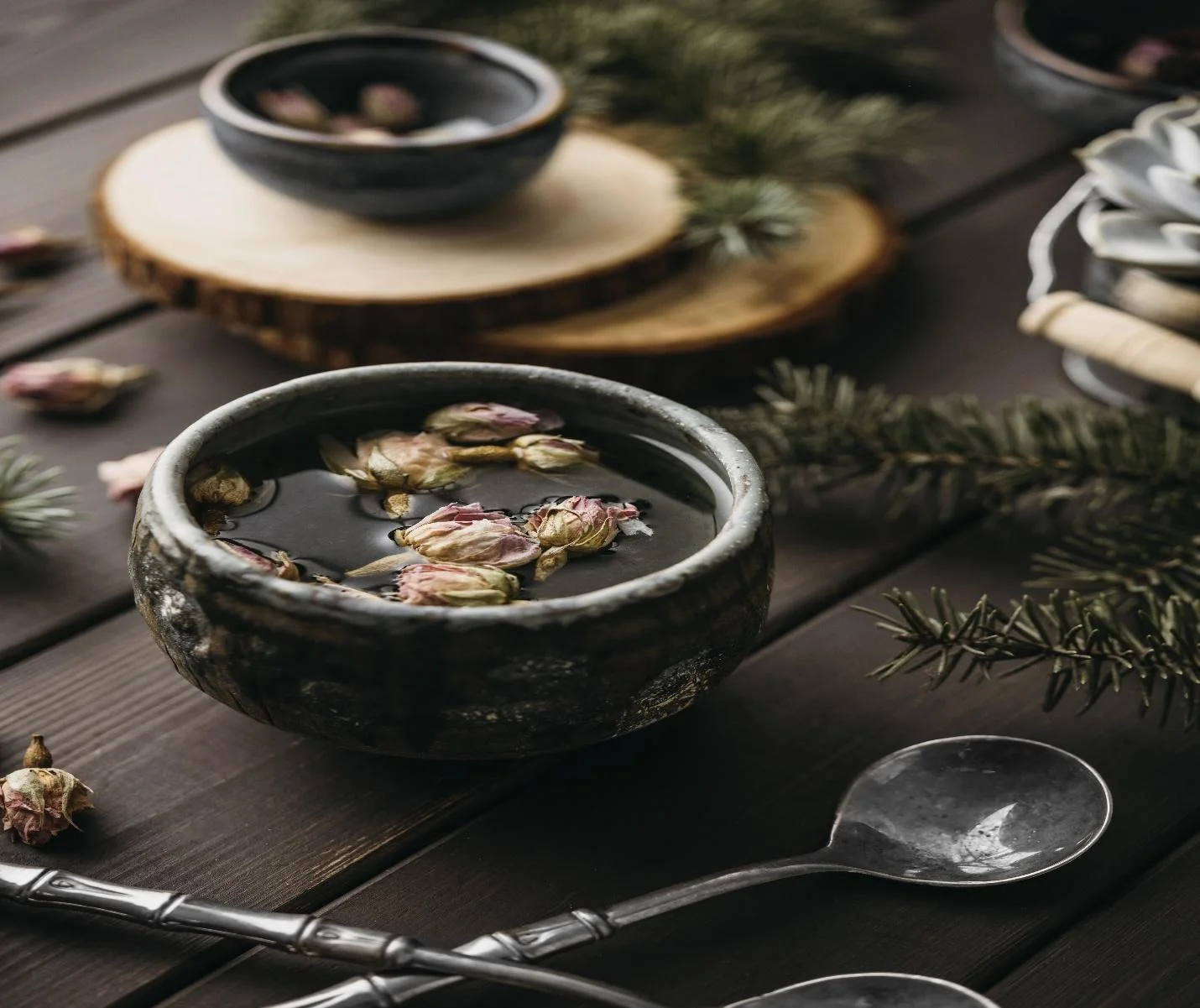
Moon Tea: Encourages deep detoxification and relaxation.
Jasmine tea is traditionally made by scenting green or white tea leaves with jasmine blossoms, which contributes the green tea base’s catechin content discussed above, along with the aromatic compounds from jasmine itself — some of which (particularly linalool, a compound also found in lavender) have been studied for mild calming and anti-anxiety effects when inhaled or consumed. For respiratory wellness specifically, the relaxation component shouldn’t be underestimated: stress and anxiety are known to tighten airway muscles and can worsen the sensation of breathlessness even when oxygen levels are normal, so a calming ritual around tea consumption may provide genuine, if indirect, respiratory comfort by reducing this anxiety-driven airway tension.
3. Ginger and Lemon Tea
A homemade remedy that combats mucus, boosts immunity, and helps clear phlegm that may linger in the throat for months.
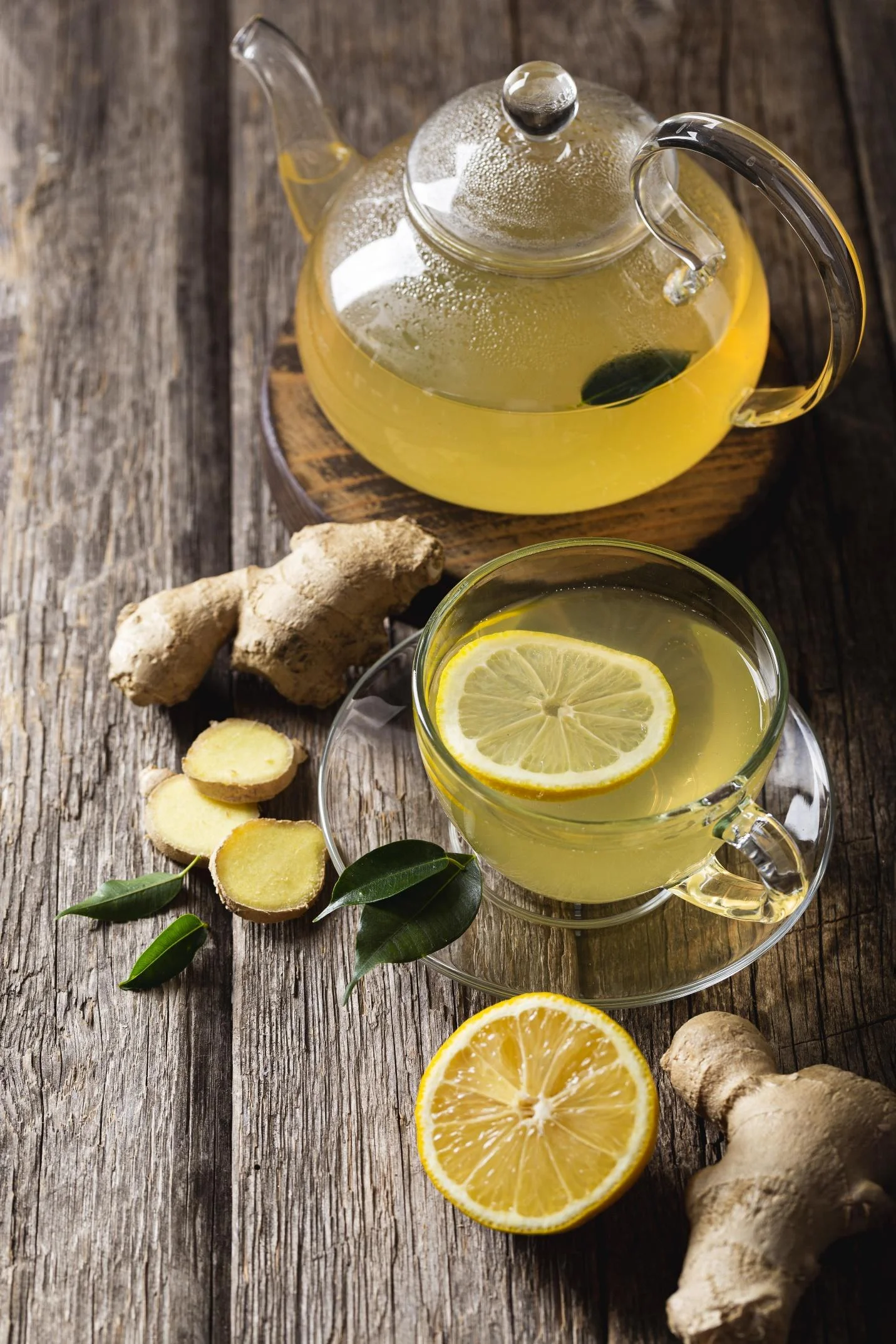
Of the remedies in this guide, ginger and lemon tea is one of the most accessible and best-grounded in mechanism. Ginger’s gingerols and shogaols have documented anti-inflammatory effects on airway tissue, and ginger has traditionally been used as an expectorant — a substance that helps loosen and expel mucus by thinning its consistency, making it easier for the cilia (the tiny hair-like structures lining the airways) to sweep it upward and out. Warm liquids in general support this process simply through their temperature, which helps thin mucus that becomes thicker and stickier when cold.
Lemon contributes vitamin C, which supports immune cell function generally, and its acidity can help cut through the sensation of thick mucus coating the throat — many people find the combination of warmth, ginger’s slight pungency, and lemon’s acidity provides a noticeably soothing sensation that feels distinctly different from, and often more effective than, plain warm water. To prepare: simmer a few thin slices of fresh ginger root in water for 10 minutes, then add fresh lemon juice and a small amount of honey if desired. This can be consumed up to two to three times daily during periods of congestion.
Tea Culture for Respiratory Wellness
Delve into the tea world with:
- The Tea House and The Langham Afternoon Tea for classic selections.
- Bubble Tea Shops like The Alley Boba or Tiger Tea for contemporary options.
- Teaology and Tea Love for a holistic approach to tea therapy.
Beyond the specific compounds in different teas, there’s a behavioral dimension to tea culture that’s relevant to respiratory wellness: the simple act of regularly consuming warm fluids throughout the day supports the hydration that’s foundational to healthy mucus consistency (discussed further below), and building a “tea ritual” — a consistent time of day associated with a warm, calming beverage — can become a sustainable habit in a way that “drink more water” sometimes isn’t for people who don’t naturally reach for plain water. Exploring different tea traditions, whether through a local tea house or trying new varieties at home, can make this hydration habit something to look forward to rather than a chore, which matters considerably for long-term consistency.
Mucus and Phlegm: Causes and Solutions
Causes
Allergies, infections, and irritants.
Acid reflux that leads to mucus accumulation in the throat.
The acid reflux connection deserves particular attention for adults over 50, in whom gastroesophageal reflux disease (GERD) becomes increasingly common — partly due to changes in the lower esophageal sphincter with age, and partly due to dietary patterns, weight changes, and certain medications. When stomach acid reaches the throat (a condition sometimes called laryngopharyngeal reflux, or “silent reflux” because it often doesn’t cause classic heartburn), it irritates the throat lining, triggering increased mucus production as a protective response. This means that for some people, a persistent “throat-clearing” sensation and excess mucus that seems to have no clear respiratory cause may actually be a reflux issue — and addressing reflux (through dietary changes, not eating close to bedtime, and elevating the head of the bed) can resolve mucus symptoms that tea and steam alone wouldn’t fully address.
Solutions
Herbal Infusions: Consider spirit tea or dragon tea to help clear nasal drainage.
Throat Gargles: Use a saltwater solution or a honey-ginger mix for soothing relief.
Saltwater gargling has one of the better evidence bases among home remedies for throat-related symptoms: the salt creates a hypertonic (higher salt concentration than body tissues) environment that draws fluid out of swollen throat tissue through osmosis, temporarily reducing swelling and discomfort. A simple ratio — about half a teaspoon of salt in 8 oz of warm water — gargled for 30 seconds, several times daily, is a low-cost, virtually risk-free practice (aside from the obvious caution not to swallow large amounts of salt water, which matters more for anyone on a sodium-restricted diet for blood pressure or heart conditions).
Hydration: Stay well-hydrated with plenty of fluids, including hot teas like chai or rooibos tea, to help thin mucus.
The hydration-mucus connection is one of the most direct mechanisms in this entire guide. Mucus is primarily water — when the body is even mildly dehydrated, mucus becomes thicker, stickier, and harder for the cilia to move, contributing to the sensation of congestion and the urge to clear the throat repeatedly. For adults over 50, whose thirst sensation naturally diminishes with age (as discussed in many contexts throughout health literature for this demographic), maintaining adequate fluid intake — roughly 6-8 cups daily for most people, adjusted for activity level and any medical fluid restrictions — is one of the simplest, most foundational steps for keeping mucus at a manageable consistency, regardless of which specific teas or remedies are also being used.
Detox for Smokers and Post-COVID Recovery
After Quitting Smoking
Boost your antioxidant intake with green tea Chinese blends or matcha-infused teas.
Focus on remedies like onion tea.

The lungs’ capacity for recovery after quitting smoking is genuinely remarkable and worth understanding, because it provides real motivation during the difficult early period of quitting. Within 2-3 weeks of quitting, circulation improves and lung function begins to increase. Within 1-9 months, coughing and shortness of breath decrease as the cilia in the airways — which are paralyzed and reduced in number by cigarette smoke — begin to regrow and regain their normal function, allowing the lungs to better clean themselves and reduce infection risk. This cilia regeneration is precisely why many people experience an increase in coughing and mucus production in the weeks after quitting — it’s often a sign of the lungs’ clearance mechanisms coming back online and finally being able to expel years of accumulated debris, not a sign that something is wrong. Understanding this can help former smokers persevere through this temporarily uncomfortable but ultimately positive phase.
Onion tea’s traditional use stems from onions’ sulfur-containing compounds (similar in family to those in garlic), which have documented anti-inflammatory and antimicrobial properties in laboratory studies. While “onion tea” specifically for lung detox doesn’t have dedicated large clinical trials, the broader category of allium vegetables (onions, garlic, leeks) has substantial research support for general anti-inflammatory and immune-supporting effects, making their inclusion in a recovery-focused diet reasonable as part of an overall nutrient-dense eating pattern — alongside, not instead of, the proven benefits of simply not smoking.
Post-COVID Respiratory Care
Combat green phlegm with teas such as mucus-busting blends. Use eucalyptus steam inhalation to help open your airways.
Post-COVID respiratory recovery has become an area of significant research interest, given how many people experienced lingering respiratory symptoms after acute infection. For adults over 50 — who were more likely to experience more severe initial illness — persistent symptoms including cough, breathlessness on exertion, and fatigue affecting breathing have been documented to last months in some cases. The remedies discussed in this guide (steam, hydration, gentle breathing exercises) are supportive measures that many people find helpful for symptom comfort during recovery, but persistent post-COVID respiratory symptoms — particularly breathlessness that doesn’t gradually improve, or that limits daily activities — warrant evaluation by a doctor, who may recommend pulmonary function testing or referral to a post-COVID recovery program, as some lingering effects benefit from structured pulmonary rehabilitation that goes beyond home remedies.
Tea Pairings for Enhanced Detox
Best Bubble Tea Options
Try Mango Milk Tea or Okinawa Milk Tea for a refreshing treat. Wintermelon Milk Tea or Thai Tea Boba offer unique flavors worth exploring.
Afternoon Tea Ideas
Indulge in experiences at Harrods Afternoon Tea or The Wolseley Afternoon Tea for a delightful afternoon.
Functional Teas
Tea Sommelier Suggestions: Adding lemon or honey to your teas can enhance their detox benefits.
A practical note on the sweeter tea options mentioned in this section: many bubble teas and flavored milk teas, while enjoyable as occasional treats, contain significant added sugar — often 30-50 grams or more per serving, depending on preparation. For adults managing blood sugar or simply being mindful of overall sugar intake, these are best thought of as occasional indulgences within the broader “tea culture” theme of this guide, rather than as regular contributors to the hydration and antioxidant goals that the unsweetened teas (green tea, ginger tea, herbal infusions) more directly support. Many bubble tea shops now offer options with reduced sugar or alternative sweeteners — requesting “half sugar” or “no sugar” when ordering is an easy way to enjoy the experience while moderating sugar intake.
Home Practices for Lung Health
Steam Therapy

Inhale steam infused with essential oils or herbal teas to help loosen and expel mucus.
Steam therapy works through a straightforward physical mechanism: warm, moist air helps hydrate and loosen thickened mucus in the nasal passages and airways, making it easier to clear through coughing or blowing the nose, and the warmth itself can provide a soothing sensation for irritated airway tissue. To do this safely: fill a bowl with hot (not boiling) water, optionally add a few drops of eucalyptus or peppermint essential oil, drape a towel over your head and the bowl to trap the steam, and breathe deeply for 5-10 minutes, keeping your face a comfortable distance from the water’s surface to avoid burns from the steam itself.
Breathing Exercises
Engage in techniques like diaphragmatic breathing to strengthen your lungs and clear any blockages.
Diaphragmatic breathing — sometimes called “belly breathing” — involves consciously using the diaphragm (the large muscle beneath the lungs) to drive breathing, rather than the shallower, chest-dominant breathing pattern many people default to, especially under stress. To practice: sit or lie comfortably, place one hand on your chest and one on your belly, and breathe in slowly through your nose so that your belly rises while your chest stays relatively still, then exhale slowly through your mouth, feeling your belly fall. This pattern engages more of the lung’s total capacity with each breath, including the lower lobes that shallow breathing tends to underuse.
For adults over 50, a related technique called “pursed-lip breathing” — inhaling through the nose and exhaling slowly through pursed lips, as if blowing out a candle gently — is particularly useful for anyone who experiences breathlessness with exertion, as it helps keep airways open slightly longer during exhalation, allowing more complete emptying of the lungs before the next breath. Both techniques are commonly taught in pulmonary rehabilitation programs for people with chronic respiratory conditions, and practicing them even when feeling well builds a habit that becomes valuable during periods of congestion, anxiety, or breathlessness.
Diet and Supplements
Incorporate foods rich in antioxidants into your diet. It’s also wise to avoid dairy, as it can increase mucus production.
The “dairy increases mucus” claim is one of the most commonly repeated pieces of respiratory folk wisdom, and the research on it is more nuanced than the blanket statement suggests. Several controlled studies have found that dairy consumption does not objectively increase mucus production in most people — however, milk proteins can create a sensation of thicker saliva or a coating feeling in the mouth and throat for some individuals, which may be perceived as “more mucus” even without an actual change in mucus volume or consistency. For people who personally notice a clear pattern of increased throat-clearing or congestion sensation after dairy, there’s no harm in reducing it during periods of active congestion and observing whether symptoms improve — but for those who don’t notice this pattern, dairy doesn’t need to be avoided on a “lung health” basis alone, and dairy products are a valuable source of protein, calcium, and vitamin D that matter for other aspects of health, particularly bone health in adults over 50.
For the antioxidant-rich foods recommendation: berries, leafy greens, citrus fruits, and colorful vegetables provide vitamin C, carotenoids, and polyphenols that support the same antioxidant defenses discussed in the green tea section — these dietary antioxidants work alongside (not instead of) the compounds in teas, providing a more comprehensive nutritional foundation for managing the oxidative stress that environmental exposures place on lung tissue.
When to Seek Medical Attention
If you experience persistent symptoms such as constant phlegm, bloody mucus, or difficulty breathing, these could signal underlying conditions like lung cancer or severe infections. It’s important to consult a healthcare professional without delay.
Embrace a Tea Life
From gunpowder tea to boba tea, the rich variety of tea culture provides both indulgence and healing. Combining these with a lung-friendly lifestyle can help you breathe easier and detox naturally.
Rediscover your wellness journey through the power of tea and mindful practices.
The overarching theme of this guide — and perhaps its most important takeaway — is that supporting lung health doesn’t require dramatic interventions or expensive products. Hydration, gentle warming remedies like ginger and lemon tea, steam, breathing exercises, and a generally anti-inflammatory, antioxidant-rich diet all work by supporting mechanisms the lungs already possess. For adults over 50, combining these gentle, sustainable practices with attentiveness to the genuine warning signs that warrant medical evaluation — rather than either ignoring concerning symptoms or assuming home remedies can address everything — represents the most balanced and protective approach to respiratory wellness at this stage of life.
⚕️ Medical Disclaimer
The information provided on this page is for educational purposes only and is not intended as medical advice, diagnosis, or treatment. Always consult a qualified healthcare professional before making changes to your diet, starting any supplement, or if you have an existing medical condition. KeepFitQuote does not provide medical diagnoses or treatment recommendations. Read our full disclaimer.
Related Posts