Not all forgetfulness means dementia. But a pattern of short-term memory slips, word-finding trouble, getting lost on familiar routes, mistakes with bills, new mood or behavior changes, sleep disruption, or safety issues may signal early Alzheimer’s or another dementia and deserves a medical evaluation.
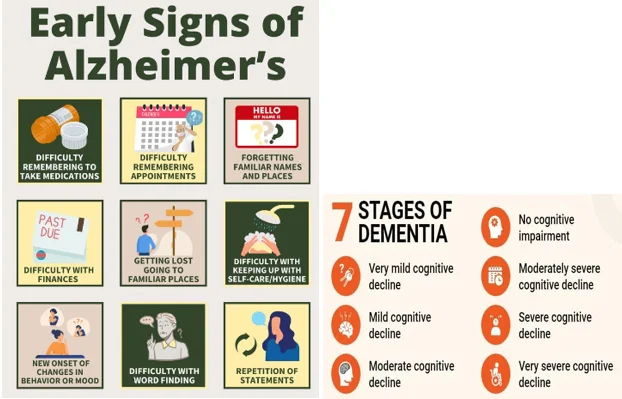
Featured article image
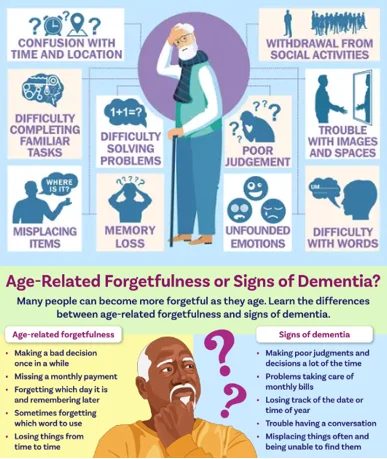
Normal Aging vs. Early Dementia
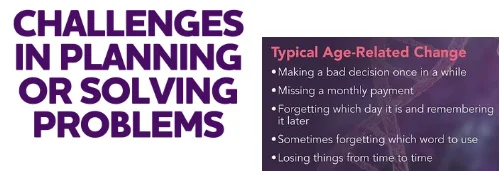
Normal aging can include: occasionally misplacing items, momentarily blanking on a name, or needing more time to learn new tech.
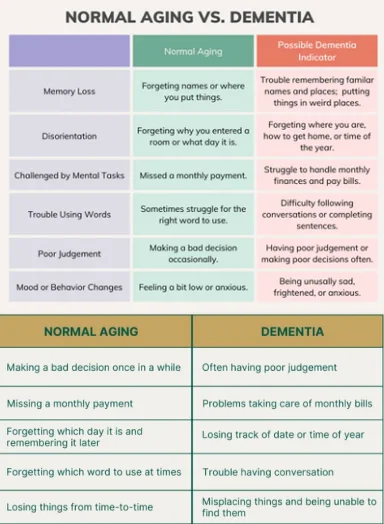
Possible early dementia/Alzheimer’s often shows progressive changes that begin to disrupt daily life:
-
- Repeating questions or stories; missing important dates and appointments
- Word-finding trouble and losing the conversational “thread”
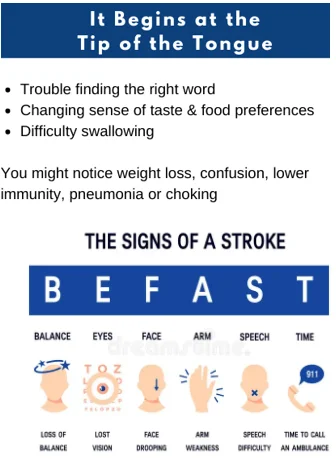
-
- Getting disoriented on familiar routes; time/place confusion
- Decline in planning and organization (recipes, multi-step tasks)
- Money mistakes, unpaid bills, increased vulnerability to scams
- New mood, personality, or behavior changes (apathy, anxiety, irritability)
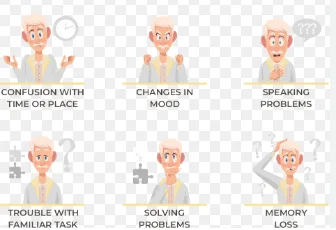
- Safety issues (stove on, doors open, risky purchases)
Helpful overviews:
Understanding the difference between normal aging and early Alzheimer’s dementia signs is one of the most important distinctions a 50+ adult — or a caring family member — can make. The key is not any single slip-up, but a pattern that others also notice and that worsens over weeks or months. Research published in JAMA Neurology confirms that self-reported memory concerns, when backed up by a knowledgeable family member, are significantly associated with later Alzheimer’s diagnosis — making early awareness genuinely lifesaving.
Why does the brain change with age at all? Normal aging involves gradual slowing of the hippocampus (the brain’s memory filing system), mild reductions in the neurotransmitter acetylcholine, and decreased blood flow — none of which obliterates daily function. Alzheimer’s, by contrast, is driven by the buildup of amyloid-beta plaques and tau tangles that actively damage and disconnect neurons. The result is a progressive loss that cannot be explained away as “just stress.”
A practical rule of thumb: if you occasionally forget where you put your keys but can still manage your calendar, cook familiar meals, and hold a conversation, that’s normal. If you forget what keys are for, cannot complete a familiar recipe, or lose track mid-sentence repeatedly — those are red flags worth discussing with a clinician. Keeping a short daily log (even three sentences in a phone note) for four to six weeks can make the pattern visible before your appointment.
At-Home Early Signs Checklist
Use this educational checklist to track patterns over 4–6 weeks. If several items apply—and others notice—book a medical visit. (Not a diagnostic tool.)
-
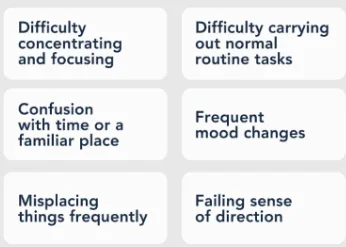
- Short-term memory slips that disrupt routines (e.g., repeating questions, forgetting recent conversations or events)
-
- Word-finding trouble or stalled conversations; losing the “thread”
- Navigation issues (getting turned around on familiar routes)
-
- Planning & bills: missed payments, math errors, trouble following steps/recipes
-
- Misplacing essentials and being unable to retrace steps

-
- Judgment changes (risky purchases, scams, poor safety choices)
-
- Social withdrawal or loss of interest in hobbies
-
- Mood/personality changes (apathy, anxiety, irritability)
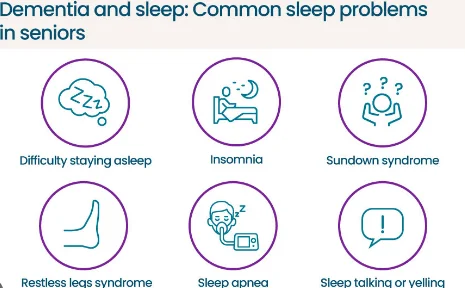
- Sleep disruption or day/night confusion that’s new
-
- Vision/space challenges (depth perception, recognizing objects)

Tip: Keep a simple log (date, example, who noticed). Bring it to your appointment.
This checklist works best as a collaborative tool. Research from the Alzheimer’s Association shows that a “study partner” — a spouse, adult child, or close friend who can confirm or add observations — significantly improves the diagnostic value of a cognitive evaluation. Before your doctor’s visit, ask one trusted person to review the list independently and note what they have observed. Two perspectives are far more informative than one.
Pay particular attention to the financial and safety items. A 2018 study in the Journal of Alzheimer’s Disease found that financial missteps — missed bill payments, unusual purchases, vulnerability to phone scams — often appear up to six years before a formal dementia diagnosis, making them among the earliest detectable signals. If you’ve recently been targeted by a scammer and found it harder than usual to recognize the deception, that’s worth mentioning to your doctor.
Sleep disruption is another underappreciated early marker. The brain clears metabolic waste (including amyloid-beta) primarily during deep sleep; disrupted sleep both results from and accelerates Alzheimer’s pathology. If you or a bed partner notice new restlessness, day-night reversal, or vivid nighttime behaviors, note those carefully — they belong in your log as much as the memory slips do.
Mild Cognitive Impairment (MCI)
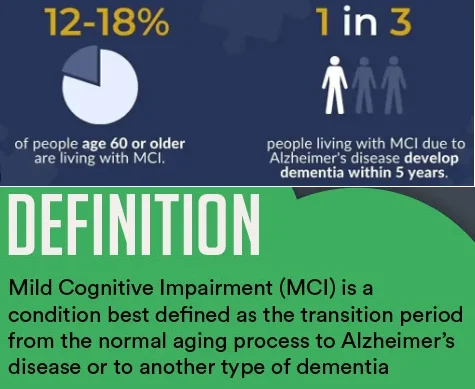
MCI is an “in-between” stage: noticeable change (especially memory or language) but most daily function remains. MCI increases the risk of later dementia, including Alzheimer’s. Early evaluation matters.
- Learn more: Mayo Clinic: Mild Cognitive Impairment
Approximately 15–20% of adults over 65 have MCI, according to the National Institute on Aging — yet many go undiagnosed for years because the changes feel subtle. There are two main subtypes: amnestic MCI (primarily affecting memory) and non-amnestic MCI (affecting attention, language, or visuospatial skills). Amnestic MCI carries a higher risk of converting to Alzheimer’s disease, while non-amnestic forms may progress toward other dementias such as Lewy body or frontotemporal dementia.
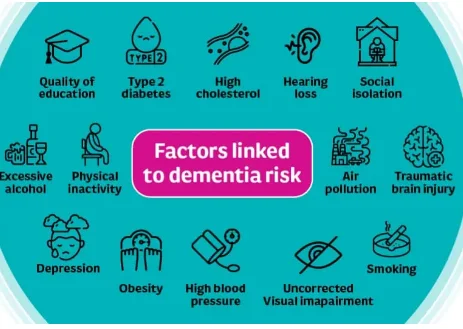
The encouraging news: not everyone with MCI progresses to dementia. Studies suggest that roughly one-third of people with MCI remain stable over time, and some even show improvement — particularly when modifiable risk factors like poor sleep, hearing loss, social isolation, and physical inactivity are addressed. A 2020 report in The Lancet identified twelve modifiable risk factors that together account for about 40% of dementia cases worldwide, reinforcing that lifestyle changes at the MCI stage can make a real difference.
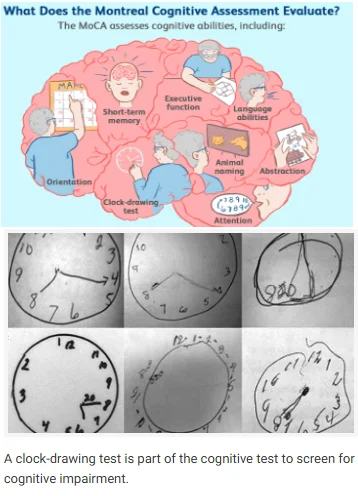
If your doctor suspects MCI, ask about a referral to a neurologist or geriatric specialist who can administer more detailed cognitive testing (such as the MoCA or neuropsychological battery) and discuss biomarker tests — including cerebrospinal fluid analysis or PET imaging — that can clarify whether Alzheimer’s pathology is present. Catching the diagnosis at this stage opens the door to the earliest treatment options and gives you and your family more time to plan.
When to See a Doctor (U.S.)
If multiple checklist items persist for months, ask for a cognitive evaluation. Expect history, short memory/thinking tests, lab work (e.g., thyroid, B12), and sometimes imaging or specialized biomarker tests.
For adults 65+ without symptoms, the USPSTF says evidence is insufficient for routine dementia screening. This does not apply when you or family notice signs—then an evaluation is appropriate.
Useful U.S. resources:
Many people delay seeking care because they fear the diagnosis more than the disease itself. But research consistently shows that early evaluation leads to better outcomes. A timely diagnosis allows clinicians to rule out reversible causes of cognitive change — including thyroid dysfunction, vitamin B12 deficiency, medication side effects, depression, and sleep apnea — all of which can mimic Alzheimer’s symptoms but are fully treatable. Getting those ruled out is itself a win, regardless of what else the workup reveals.
When you call to make an appointment, use specific language: “I’d like a cognitive evaluation — I’ve been tracking memory and behavior changes for several weeks and have a log to share.” This framing signals medical urgency and helps your primary care doctor allocate enough time. Bring a trusted person with you if possible; clinicians find the observer’s account invaluable. Under the Affordable Care Act, Medicare Annual Wellness Visits include a cognitive assessment component — so if you’re 65+, you may already have a pathway built into your coverage.
If your primary care provider doesn’t feel equipped to conduct a full evaluation, ask for a referral to a geriattrician, neurologist, or memory care specialist. The Alzheimer’s Association’s 24/7 helpline (800-272-3900) can also connect you to local resources and help you prepare for the conversation with your doctor.
Early-Action Brain-Health Steps
These do not diagnose or cure, but they support brain health while you seek care:
- Track patterns in a notebook or phone note (4–6 weeks)
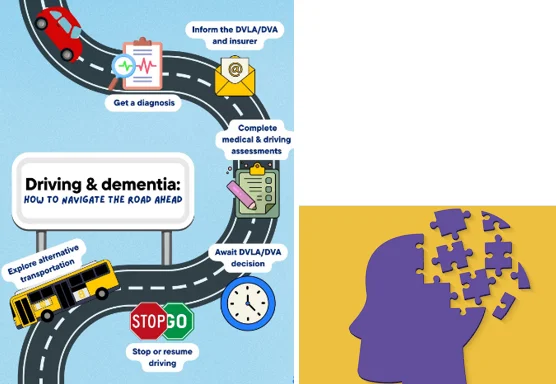
- Safety first: driving review, stove/oven routines, medication and finance safeguards
- Lifestyle supports: regular physical activity, social connection, hearing care, sleep routines, and heart-healthy habits (see CDC risk-reduction guidance)
- Care team: primary care clinician, eye/hearing checks; ask about MCI assessment if patterns persist
Suggested further reading on KeepFitQuote:
The science behind these lifestyle steps is substantial. A 2024 update to the Lancet Commission on Dementia Prevention, Intervention, and Care added two new modifiable risk factors — high LDL cholesterol and vision loss — to its earlier list, bringing the preventable-fraction estimate to nearly 45%. That means nearly half of all dementia cases worldwide may be preventable or delayable through actions you can start today. You don’t need a diagnosis to benefit from these steps.
Physical activity is the single most evidence-backed brain-health intervention. Aerobic exercise increases brain-derived neurotrophic factor (BDNF), a protein that supports neuron growth and synaptic plasticity. Aim for at least 150 minutes per week of moderate activity — brisk walking counts — and consider adding two days of resistance training, which has been shown in clinical trials to specifically benefit executive function in older adults. Even a 20-minute daily walk has measurable effects on hippocampal volume within six months.
Hearing loss, often undertreated in adults over 60, deserves special mention. A Johns Hopkins study found that untreated mild hearing loss doubles the risk of dementia, and severe loss raises it fivefold — possibly because the social isolation and cognitive load of straining to hear accelerate brain aging. If you’ve been putting off a hearing evaluation, consider scheduling one alongside your cognitive checkup. Treating hearing loss with aids is one of the highest-return interventions on the dementia-prevention checklist.
FAQs
1) What early memory issues are not “just aging”?
Frequently repeating questions, missing important dates, or heavy reliance on reminders for routine tasks.
2) Is word-finding trouble a red flag?
Occasional tip-of-the-tongue moments are common; persistent difficulty holding everyday conversations may be an early sign.
3) Can getting lost locally be an early clue?
Yes — time/place confusion or turning around on familiar routes can appear early.
4) What is Mild Cognitive Impairment (MCI)?
An intermediate state with measurable cognitive change but relatively intact daily function; it raises dementia risk.
5) When should I talk to a doctor?
If several checklist items persist for months and others notice changes, seek evaluation.
6) Do mood or personality shifts matter?
Yes — apathy, anxiety, irritability, or withdrawal can appear early.
7) What medical tests are common?
History, brief cognition tests, labs (e.g., thyroid, B12), plus imaging or biomarkers when appropriate.
8) Are vision or spatial issues part of early signs?
They can be — depth perception or object recognition changes may occur.
9) Do bill-paying mistakes count?
Yes — new, repeated errors or missed payments are concerning.
10) Does everyone with MCI develop dementia?
No. Some remain stable or even improve, but MCI increases risk, so monitoring is important.
11) Is routine screening recommended for symptom-free adults 65+?
The USPSTF finds insufficient evidence for routine screening in those without symptoms.
12) What should families track?
Dates, concrete examples, safety concerns, and who noticed the change.
13) Are there medications approved for early Alzheimer’s?
Yes. The FDA has approved lecanemab (Leqembi) and donanemab for early Alzheimer’s disease in adults who still have mild symptoms and measurable amyloid plaques. These are the first treatments shown to slow disease progression — not just manage symptoms — making early diagnosis more valuable than ever. Ask your neurologist whether you’d be a candidate.
14) Can diet help protect the brain?
Emerging evidence supports the MIND diet (a hybrid of Mediterranean and DASH eating patterns) for brain health. A 2023 study in The New England Journal of Medicine found the MIND diet did not slow cognitive decline in cognitively healthy adults — but earlier observational studies showed strong associations with reduced Alzheimer’s risk. Emphasizing leafy greens, berries, nuts, whole grains, fish, and olive oil while limiting red meat and sweets remains a sensible, low-risk approach supported by cardiovascular benefits alone.
15) Is the Alzheimer’s Association helpline free?
Yes. The 24/7 helpline (800-272-3900) is free, confidential, and staffed by specialists who can help with diagnosis questions, care planning, and local resource referrals — in English and Spanish.
⚕️ Medical Disclaimer
The information provided on this page is for educational purposes only and is not intended as medical advice, diagnosis, or treatment. Always consult a qualified healthcare professional before making changes to your diet, starting any supplement, or if you have an existing medical condition. KeepFitQuote does not provide medical diagnoses or treatment recommendations. Read our full disclaimer.
Related Posts