Quick answer: You can’t “detox” your lymphatic system with a drink or brush, but you can help lymph flow. Daily walking, deep breathing, staying hydrated, raising swollen legs and gentle massage all help lymph move. New swelling in one arm or leg, or swelling with pain, redness or shortness of breath, needs a doctor’s check right away.
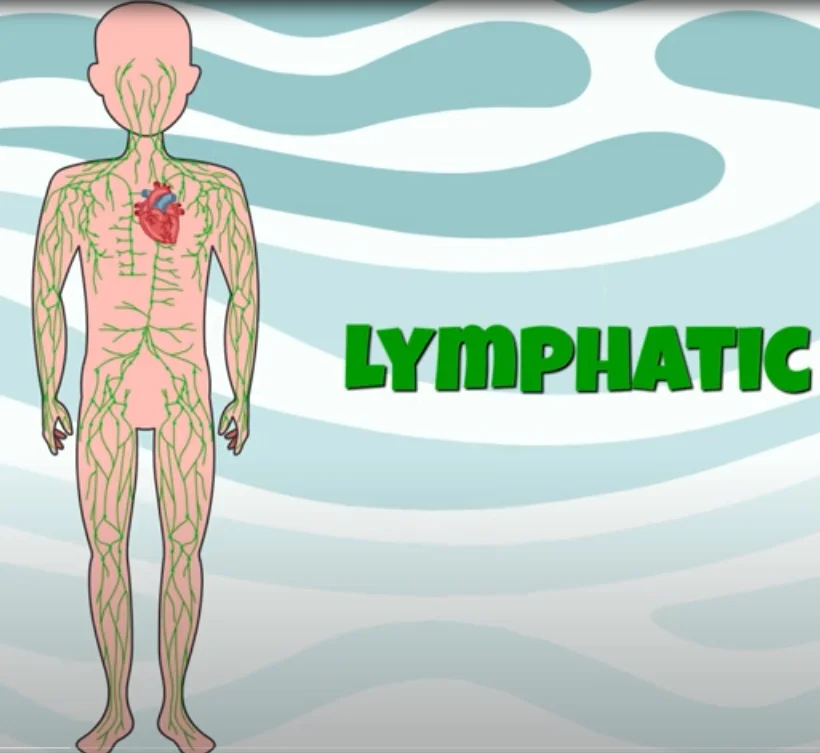
The lymphatic system is a network of vessels and lymph nodes that carries fluid, fats from digestion and immune cells around the body. Lymph nodes filter germs and damaged cells. Unlike blood, lymph has no heart to pump it, so muscle movement and breathing keep it flowing.
Let’s look at what a lymphatic system detox can and can’t do, and simple habits that may help you feel less puffy.
Why the Lymphatic System Matters
Your lymphatic system is made up of lymph nodes, lymph fluid, and vessels that run throughout your body. It plays a key role in:
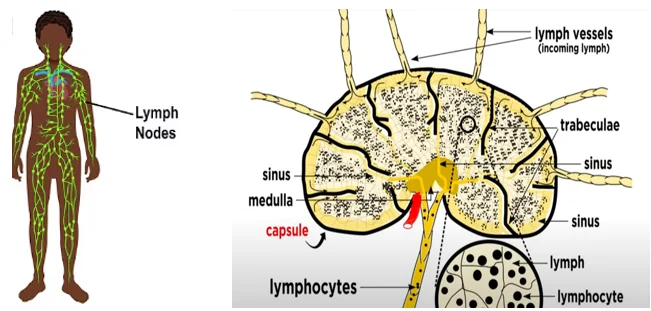
- Filtering germs and damaged cells
- Balancing body fluid and electrolytes
- Absorbing fats from digestion (specifically fat-soluble vitamins)
- Supporting your immune response
- Preventing water-electrolyte imbalance
If lymph flow is poor, the most typical effects are swelling, heaviness and slower recovery from infections. Skin changes such as dry skin or patchy pigmentation usually have other causes and are worth showing to a doctor.
The lymphatic system is often called the body’s “forgotten circulatory system,” yet it contains three times more fluid than blood and is directly connected to every organ and tissue in the body. Unlike the cardiovascular system, the lymphatic network has no dedicated pump—it relies entirely on movement, breathing, and muscle contractions to propel lymph fluid through roughly 700 lymph nodes. Lymph flow slows when you sit for long periods, because it depends on muscle movement and breathing. For adults over 50, this becomes particularly relevant because physical activity tends to decline with age, and the lymphatic vessels themselves lose some elasticity, making efficient drainage even more dependent on deliberate movement and lifestyle habits.
For older adults, a sluggish lymphatic system can also contribute to recurring infections and slow wound healing. The lymph nodes house immune cells called lymphocytes and macrophages that identify and destroy pathogens. When lymph flow is impaired, these immune cells cannot circulate effectively. A 2022 review in Frontiers in Physiology confirmed that lymphatic dysfunction is associated with increased systemic inflammation, autoimmune flare-ups, and impaired immune surveillance—all concerns that become more relevant as immune function naturally changes with age.
Signs of Poor Lymph Flow (and When to See a Doctor)
Swelling, heaviness and frequent infections are the most typical signs of poor lymph flow. The skin changes below have many causes and are not specific to the lymphatic system, so see a doctor or dermatologist rather than self-treating:
- Persistent skin rashes or random scabs on body
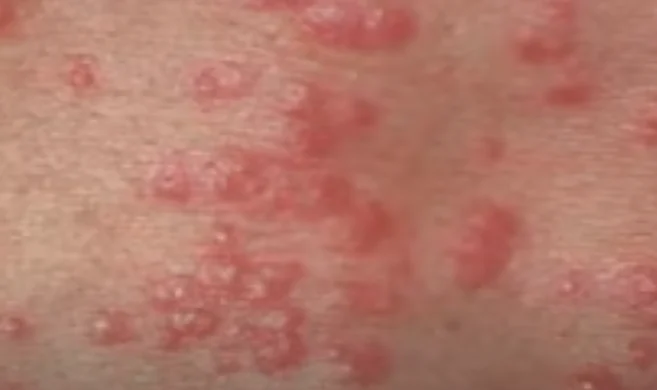
- Dry skin on top of toes or cracked fingertips
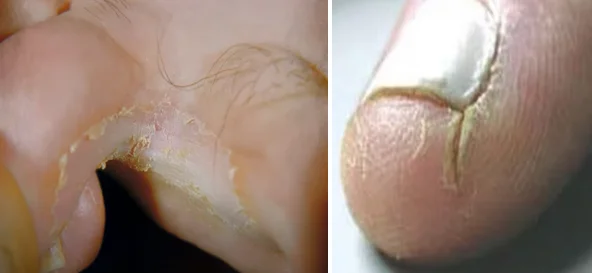
- Scaly skin, white dry patches, or red spots on legs
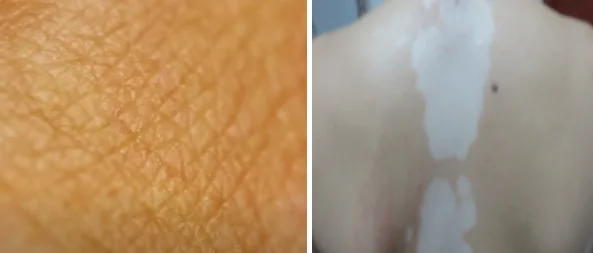
- Blistering skin conditions, particularly between the toes or under calluses
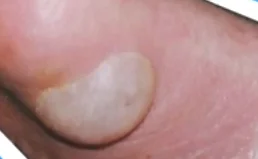
- Frequent colds, bloating, or fatigue
- Itchy skin due to liver, kidneys, or autoimmune problems

- Skin color changing diseases like vitiligo (also known as white skin disease)
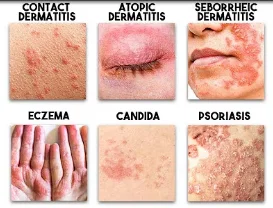
Beyond skin symptoms, a stagnant lymphatic system commonly manifests as morning stiffness and joint aching that improves after moving around, persistent swollen lymph nodes in the neck or armpits, difficulty losing weight despite a healthy diet, and a feeling of heaviness or tightness in the arms and legs. If several of these symptoms are present together, speak with your doctor.
See a doctor soon for swelling in only one leg or arm, swelling after cancer surgery or radiation (possible lymphedema), or a swollen, warm, painful calf (possible blood clot).
Lymphatic System Detox: 5 Habits That Help Lymph Flow
1. Move Your Body—Daily
Unlike your blood, lymph doesn’t have a pump. It depends on your body movement to flow.
- Rebounding (mini trampoline exercise) is popular, but only try it if your balance is good.
- Try walking, yoga, or stretching daily.
- Vibration plates are popular, but evidence for them is limited.
Bonus: Movement also helps circulation, mood and balance.
Rebounding on a mini trampoline is a popular option, but it is not for everyone, and falls are a real risk after 60. Gentle seated movement or simple ankle pumps (flexing the foot up and down while seated) are safer ways to use your calf muscles. Even 10 to 15 minutes of brisk walking uses your leg muscles and breathing, which help move lymph. Deep breathing exercises, such as inhaling fully for four counts, holding for two and exhaling for eight, also create pressure changes in the chest that help lymph flow back toward the heart. For more on staying steady on your feet, see our tips on walking and leg strength after 60.
2. Drink Enough Fluids
Drinking enough fluid keeps you hydrated. There’s no proof lemon water thins lymph or flushes toxins, but if you enjoy it, it’s an easy way to drink more.
Lymph is mostly water, so staying hydrated helps your body keep fluids moving. A common guideline is about 6–8 cups of fluid a day, but needs vary, and people with heart or kidney disease should follow their doctor’s fluid advice. Warm or cool is a matter of preference.
3. Dry Brushing
Use a soft-bristled brush to sweep your skin toward the heart before a shower. Some people find it relaxing and it removes dead skin cells, but there’s little evidence that it moves lymph or treats skin conditions.

If you try it, use very light pressure and a soft brush, especially if your skin is thin or sensitive. Avoid dry brushing over broken skin, varicose veins, or areas of active inflammation.
4. Try Gentle Hot-Cold Contrast (If Your Doctor Agrees)
Some people find a short cool rinse refreshing. Evidence for lymph benefits is limited, and sudden cold can strain the heart, so adults with heart disease or high blood pressure should skip it or ask their doctor first.

Some people enjoy alternating warm and cool water, for example two to three minutes of warm water followed by 20 to 30 seconds of cool (not icy) water. Contrast footbaths (alternating warm and cool water in a basin) are a gentler option. Evidence that this moves lymph is limited. If you have cardiovascular disease, Raynaud’s syndrome, or blood pressure concerns, consult your doctor before trying it.
5. Eat Anti-Inflammatory Foods
Foods rich in antioxidants and omega-3s support overall health and healthy aging.
Top picks:
- Flaxseed
- Chia seeds
- Leafy greens
- Garlic and ginger
These foods fit well into an anti-inflammatory eating pattern.
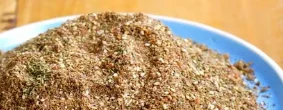
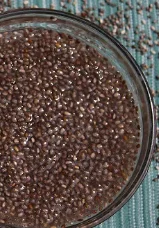

A Mediterranean-style diet rich in olive oil, vegetables, lean fish, nuts and legumes is a well-supported pattern for overall health and a healthy weight, which eases strain on your circulation. Omega-3 foods such as salmon, sardines, walnuts and ground flaxseed fit well into it, and limiting heavy processed foods can help you feel less sluggish. For more ideas, see our list of foods that help circulation after 60.
Frequently Asked Questions
What causes fluid retention in the lymphatic system?
Sitting too long, poor diet, dehydration, or internal inflammation (from liver/kidney issues) can slow lymph flow and cause swelling, fatigue, and itchy skin.
Can lymphatic detox fix my skin discoloration?
No. Vitiligo and most skin color changes are not caused by poor lymph flow. A dermatologist can find the cause and suggest treatment.
How is fat absorbed in the lymph system?
Fats are absorbed through lacteals in your small intestine. If your lymph is backed up, fat-soluble vitamins (A, D, E, K) don’t get delivered, which affects skin hydration, elasticity, and immunity.
$1
Your lymphatic system works around the clock, and a lymphatic system detox drink or brush can’t flush it. What you can do is keep it moving: walk daily, breathe deeply, stay hydrated, elevate swollen legs and eat a balanced diet.
These simple habits may help you feel less puffy and more energetic. If you want a wider plan, try a gentle body reset after 60 (no fasting).
And if you notice swelling in one limb, skin changes that don’t clear up, or swelling with pain, redness or shortness of breath, don’t wait. See a doctor.
Sources
⚕️ Medical Disclaimer
The information provided on this page is for educational purposes only and is not intended as medical advice, diagnosis, or treatment. Always consult a qualified healthcare professional before making changes to your diet, starting any supplement, or if you have an existing medical condition. KeepFitQuote does not provide medical diagnoses or treatment recommendations. Read our full disclaimer.
Related Posts