Why You Should Never Mix Honey with Hot Water After 60
Written by Allan Smith · Medically reviewed by Dr. Mark McGarey, MBBS · Last Updated: September 12, 2026
Very hot water can damage the good stuff in honey, create unwanted by-products, and make blood sugar and reflux harder to manage—issues that matter more after age 60. The fix is simple: let drinks cool before adding honey, or use gentler alternatives.
Key Takeaways (for seniors)
- Heat hurts honey: High heat reduces natural enzymes and antioxidants and increases HMF (hydroxymethylfurfural)—a heat-formed compound older adults may wish to limit.

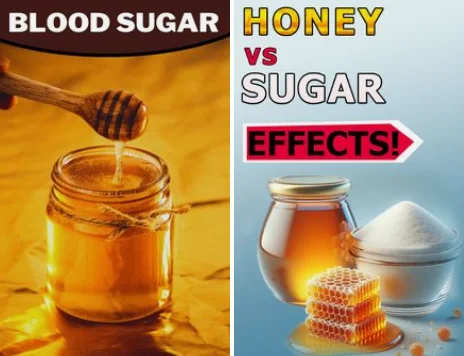
- Blood sugar matters more: Honey is mostly simple sugars. In very hot drinks, people tend to sip quickly, which can spike post-meal glucose, especially for adults 60+.
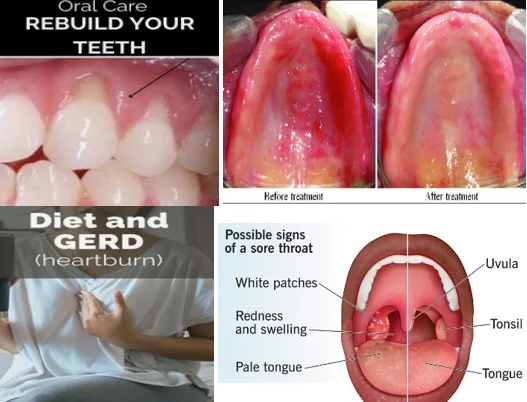
- Reflux & throat sensitivity: Hot liquids can aggravate GERD/heartburn, dry the throat, and irritate sensitive oral tissues or dentures.
- Simple safe rule: Add honey only to warm (not hot) water—ideally below ~105–110°F (comfortably warm to your finger).
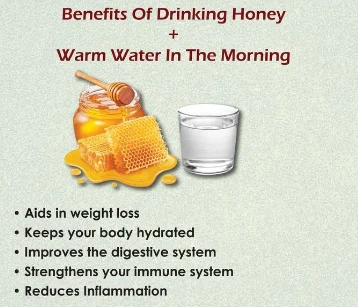
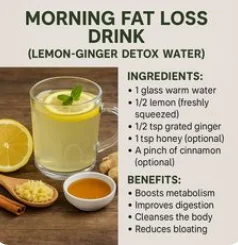
- Better options: Warm lemon-ginger water, room-temp honey in yogurt or oatmeal, or herb teas cooled a few minutes before sweetening.
Understanding why heat and honey don’t mix well after 60 is about more than just preserving flavor—it’s about protecting your health at a stage of life when metabolism, digestion, and blood sugar regulation work a little differently. Research published in food science journals, including studies from the Journal of Food Science, consistently shows that heating honey above 104°F (40°C) begins to degrade its bioactive compounds, including polyphenols and flavonoids that support cellular health. For older adults who may already have reduced antioxidant capacity due to age-related changes, protecting those compounds matters more.
The practical takeaway is simple: always let your drink cool a bit before adding honey. If you’re making morning herbal tea, pour the hot water first, let it steep and sit for five to eight minutes, then stir in your teaspoon of honey. This one habit shift preserves more of what makes honey worthwhile while keeping your blood sugar steadier and your digestive system happier.
What Heat Actually Does to Honey
1) Enzyme loss & antioxidant drop
Raw honey naturally contains enzymes (like diastase) and antioxidant compounds. Heating above mild warmth degrades these. If you’re using honey for throat comfort or wellness, you’ll keep more benefits by avoiding high temperatures.
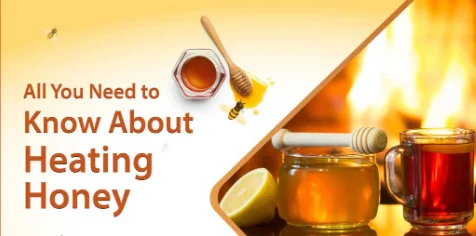
The enzyme diastase in honey is particularly heat-sensitive. A 2016 study in Food Chemistry found that diastase activity dropped significantly when honey was exposed to temperatures above 50°C (122°F) for even short periods. Antioxidants like caffeic acid and quercetin, which give honey its anti-inflammatory properties, also decline with heat exposure. For seniors who rely on honey as a natural throat soother or immune support, this degradation means the remedy may deliver far less than expected if added to steaming-hot liquid. The good news is that keeping the temperature below 110°F preserves a meaningful portion of these beneficial compounds—and the taste improvement is noticeable too.
2) HMF forms when honey is heated
When honey is heated or stored too long in warm places, HMF can increase. While typical dietary amounts aren’t an emergency, the prudent approach—especially for older adults focused on heart and metabolic health—is to avoid unnecessary heating and keep HMF low.
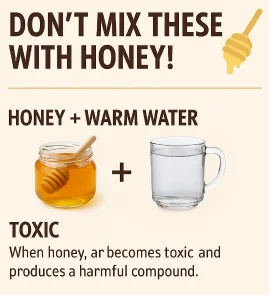
HMF (hydroxymethylfurfural) is a naturally occurring compound that forms when fructose breaks down under heat or acidic conditions. Regulatory agencies such as the European Union set maximum HMF limits in commercial honey to protect consumers, with fresh raw honey typically containing well under 10 mg/kg. Boiling or near-boiling temperatures can push HMF levels dramatically higher within minutes. While occasional exposure at normal dietary doses is not considered dangerous for most adults, reducing unnecessary HMF intake is a sensible precaution for older adults who may already carry higher cumulative oxidative stress from decades of dietary exposure to processed foods and environmental factors.
3) Flavor and aroma fade
Heating dulls honey’s floral notes. If you love the varietal taste (orange blossom, clover, wildflower), keep it warm—not hot.
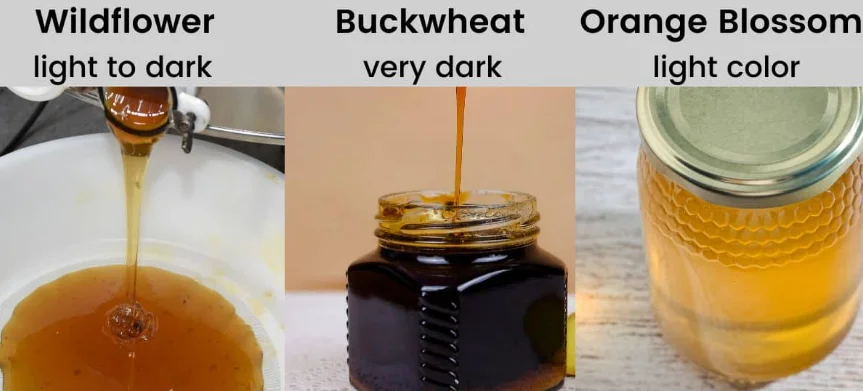
Beyond the health angle, there’s also a sensory reason to protect honey from heat. The delicate volatile aromatic compounds that give different honey varieties their distinctive character—the fragrant top notes of orange blossom honey or the earthy warmth of buckwheat—are lost rapidly when exposed to high temperatures. A 2020 review in LWT – Food Science and Technology confirmed that aromatic profiles are among the first qualities compromised by heating. If you spend a little extra on artisan or raw honey, you’re essentially throwing away what you paid for by adding it to boiling water. Keeping the drink warm, not scalding, lets you fully enjoy both the taste and the health properties you sought out.
Why This Matters More After 60
1) Blood sugar spikes feel bigger
Many older adults aim to keep added sugars modest. A mug of hot honey water can go down fast, causing a sharper glucose surge versus slowly enjoying honey on whole-grain toast or mixed into protein-rich Greek yogurt.
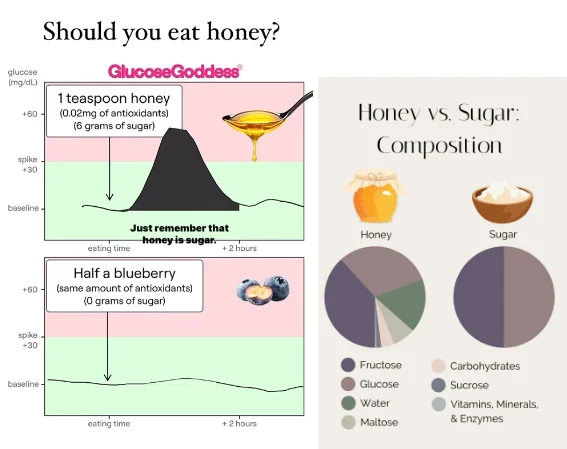
After age 60, insulin sensitivity often decreases—a normal part of aging that can be worsened by inactivity, certain medications, and dietary patterns. Research from the American Journal of Clinical Nutrition confirms that liquid sugars, compared to the same sugars consumed with fiber or protein, produce a faster and higher blood glucose spike. When you drink sweet hot water quickly (as people naturally do when warming up), you’re effectively delivering a bolus of simple sugars to your bloodstream with nothing to slow absorption. Pairing honey with a fiber-rich food, or simply choosing to eat it on whole-grain toast with almond butter, produces a much gentler glucose curve—something especially important for the estimated 29% of adults over 65 who have diagnosed diabetes and many more with pre-diabetes.
2) Reflux and indigestion
Very hot drinks can aggravate GERD. Adding a quick-absorbing sweetener to that hot fluid may further trigger heartburn or bloating in sensitive individuals.

GERD (gastroesophageal reflux disease) affects an estimated 30–40% of older American adults, with frequency and severity often increasing after 60 due to changes in lower esophageal sphincter tone and reduced gastric motility. Hot beverages relax the lower esophageal sphincter, making it easier for stomach acid to flow upward. Adding a concentrated sweet liquid accelerates gastric emptying in some individuals, which can further disrupt the pressure balance that keeps acid down. If you experience heartburn after hot honey drinks, switching to the same honey in lukewarm or room-temperature water often eliminates the trigger entirely—the benefit of the honey remains while the thermal irritant is removed.
3) Mouth, throat, and dental comfort
Hot, sugary liquids can soften dental adhesives, irritate gums, and feed oral bacteria. If you wear dentures or have dry mouth, keep drinks warm—not scalding—and rinse with plain water after sweetened beverages.
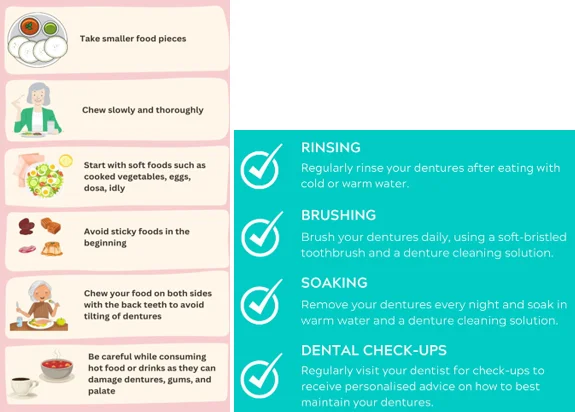
Oral health changes significantly with age. Dry mouth (xerostomia) affects up to 40% of adults over 65, often as a side effect of common medications like antihypertensives and antidepressants. Saliva plays a key protective role against oral bacteria, and when it’s reduced, sugary drinks—even in small amounts—pose a greater cavity risk. Hot, sweet liquids also reduce the effectiveness of denture adhesives within minutes, which can lead to discomfort during the rest of the day. Dentists recommend rinsing with plain water after any sweetened beverage, waiting at least 30 minutes before brushing to avoid abrading softened enamel, and keeping all sweet drinks at warm rather than hot temperatures to minimize gum sensitivity.
4) Hydration and pace
Seniors often work to stay hydrated. Very hot, sweet drinks can be dehydrating if they nudge you to drink less plain water—or if you sip hot liquids instead of balanced fluids throughout the day.
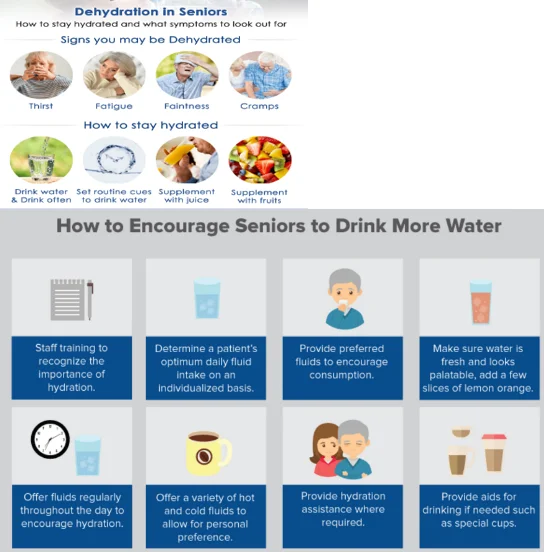
Older adults have a diminished thirst sensation compared to younger people—a well-documented physiological change that increases the risk of dehydration, which can impair kidney function, cognitive clarity, and joint lubrication. Sweet drinks, while not inherently dehydrating, can create a psychological sense of satisfaction that reduces total water intake if they replace rather than supplement plain water. Additionally, very hot drinks are sipped slowly and in smaller quantities than cooler beverages, which may mean you’re consuming fewer total fluids than you think. The ideal strategy is to use warm honey drinks as an occasional addition to your daily 6–8 glasses of water, not a substitute for them.
How Hot Is “Too Hot” for Honey?
- Practical rule: If you can’t comfortably keep your finger on the mug for a few seconds, it’s too hot for honey.
- Kitchen cue: Boiling water is ~212°F. Let it sit 5–10 minutes to cool below ~110°F before stirring in honey.
- Tea tip: For most herbal teas, steep with hot water, then wait a few minutes; add honey once the mug feels warm, not hot.
If you have a kitchen thermometer, it takes the guesswork out entirely—simply check that your drink has dropped below 110°F before adding honey. But most people don’t reach for a thermometer when making a morning cup of tea, so the finger test is a reliable low-tech alternative. Touch the outside of the mug; if you can hold your fingertip there comfortably for a full five seconds, the drink is likely below the threshold. Another useful cue: steam rising vigorously from a cup means it’s still too hot. A gentle wisp or no steam at all typically signals a safe temperature. Developing this small habit requires about a week of conscious practice before it becomes second nature.
Safer Ways to Enjoy Honey After 60
- Warm Lemon-Ginger Sipper: Steep ginger in hot water, let it cool, then add lemon and 1 tsp honey.
- Honey + Protein/Fiber: Drizzle room-temp honey on Greek yogurt, steel-cut oats, or chia pudding to slow sugar absorption.
- Cooler Teas: Peppermint, chamomile, or rooibos—sweeten after cooling a bit.
- Sore Throat Soother: Mix honey with room-temperature lemon and a pinch of salt; take by the spoon or mix into lukewarm water.
For older adults who use honey for its anti-inflammatory and antimicrobial properties, these preparation methods are not just safer for blood sugar—they’re actually more effective. A systematic review in BMJ Evidence-Based Medicine found that honey outperformed most over-the-counter cold remedies for reducing upper respiratory symptoms, particularly cough frequency and severity. The antimicrobial compounds in honey—hydrogen peroxide and methylglyoxal—remain most potent at cooler temperatures. Taking a teaspoon of raw honey directly or mixing it into lukewarm liquid delivers these compounds to throat tissues more effectively than boiling hot preparations would.
Adding honey to fiber-rich foods like steel-cut oats or chia pudding has the added benefit of a lower glycemic response. The fiber in these foods slows gastric emptying and blunts the glucose spike that would otherwise follow a pure sugar load. One teaspoon of honey on a bowl of plain oatmeal is a pleasantly sweet and metabolically kinder choice than the same honey dissolved in hot water—something worth keeping in mind at breakfast time.
Who Should Be Extra Cautious?
- Adults with pre-diabetes or diabetes
- Anyone with GERD/heartburn or frequent throat irritation
- Those with dental sensitivity, dentures, or dry mouth
- People on calorie- or sugar-conscious eating plans
Note: If you manage blood sugars or reflux, ask your clinician or dietitian how to fit honey into your plan.
It’s worth noting that even for generally healthy adults over 60, honey should be considered an added sugar and counted accordingly. The American Heart Association recommends no more than 6 teaspoons (25 grams) of added sugar per day for women and 9 teaspoons (36 grams) for men—and a single tablespoon of honey provides about 17 grams of sugar. If you’re monitoring your intake for heart health, weight management, or metabolic reasons, it’s easy to exceed daily targets by using honey liberally in drinks and food throughout the day. Tracking your honey use for a week can provide a useful baseline for making informed adjustments.
Quick Recipe: Warm Honey-Lemon
- Heat water to a boil, then cool 5–10 minutes.
- Add 1–2 tsp lemon juice.
- Stir in 1 tsp honey once the cup is only warm.
- Optional: add a thin slice of fresh ginger.
- Sip slowly. Follow with a few sips of plain water for dental health.
This recipe is a simple and time-honored preparation that becomes even more beneficial when you respect the temperature guidelines. The lemon provides vitamin C and citric acid, which complement honey’s antimicrobial properties and add brightness without additional sugar. Ginger contributes gingerols and shogaols—compounds with well-documented anti-inflammatory and nausea-relieving effects, as confirmed by multiple clinical trials in the Journal of Ethnopharmacology. Together, these three ingredients create a functional warming drink that supports immune resilience, soothes the throat, and—because you’ve let it cool before adding the honey—preserves every beneficial compound intact.
When to Skip Honey in Hot Water
- You’re having a night of reflux or sore esophagus.
- You need to keep post-meal glucose steady.
- The water is steaming and still near-boiling.
- You’re about to brush your teeth (sweet drinks before brushing can feed bacteria).
Developing a sense of when to skip honey entirely—not just when to cool it down—is equally important. If you’re already experiencing digestive discomfort from a meal, a sweet drink of any temperature is unlikely to help and may worsen bloating or acid reflux. Similarly, if you’ve already had sweetened coffee, fruit, or dessert during the day, adding honey to an evening drink may push your total daily sugar intake higher than is ideal for blood sugar regulation overnight. Good nutrition is cumulative, and viewing each food choice in the context of your whole day’s intake is a habit that pays dividends for metabolic health as you age.
FAQ
1) Is warm honey water safe for seniors?
Yes—warm is fine. Avoid hot or boiling water to protect enzymes, flavor, and comfort.
2) What’s the best temperature to add honey?
Add honey below ~105–110°F—when the mug feels comfortably warm, not hot.
3) Does heating honey create toxins?
Heating raises HMF, a heat-formed compound. Keeping temperatures low helps minimize HMF and preserve honey’s natural goodness.
4) Can hot honey water spike blood sugar?
It can. Hot, sweet liquids are easy to sip quickly. Add honey to warm drinks and pair with fiber/protein to blunt spikes.
5) Is honey better than white sugar for older adults?
Honey offers trace compounds and flavor, but it’s still an added sugar. Use sparingly and mind temperature.
6) Does honey help a senior cough?
Honey can soothe. Use it in lukewarm tea or by the spoon; avoid very hot liquids.
7) Can I add honey to coffee?
If you like it, let coffee cool a few minutes first, then add a small amount of honey.
8) Does hot water destroy all honey benefits?
Not all, but high heat reduces enzymes and aroma. Warm temps preserve more.
9) How much honey is okay after 60?
Portions vary. A general conservative serving is 1–2 teaspoons at a time, mindful of total added sugars in your day.
10) Is raw honey different here?
Raw honey has more heat-sensitive components. It’s especially worth avoiding high heat with raw honey.
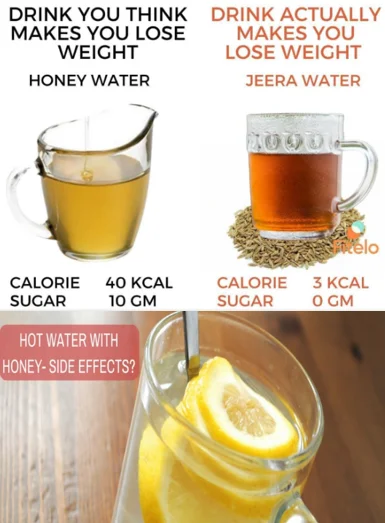
11) What about lemon-honey water for weight loss?
It won’t melt fat, but a warm, lightly sweet drink can be a calming routine. Keep portions modest.
12) Can honey interact with medications?
Honey has few direct interactions, but added sugars can affect glucose control. If you take diabetes or reflux meds, ask your clinician how to fit it in.
Quick Answers
- Best temperature to add honey: Add below ~110°F to preserve enzymes and reduce HMF.
- Why avoid hot honey water after 60: It may raise HMF, spike blood sugar, and aggravate reflux.
- Simple rule: If the cup feels hot, wait. Add honey when it’s warm.
- Safer alternatives: Warm lemon-ginger, honey on yogurt/oatmeal, or cooled herbal tea.
- Serving size: Start with 1–2 tsp; monitor comfort and glucose.
Final Word
You don’t need to give up honey—just cool the drink first and be mindful of portion size. That small shift keeps more of honey’s natural goodness while supporting blood sugar, reflux comfort, and dental health.
The beauty of this change is how simple it is to implement. You don’t need special equipment, expensive supplements, or a complete dietary overhaul. Just one small habit—letting your drink sit for a few minutes before stirring in honey—can meaningfully improve how you experience honey every single day. Over time, this kind of mindful, health-forward approach to everyday foods is exactly the sort of consistent, gentle effort that supports well-being and vitality well into your 60s, 70s, and beyond. Warm, wise, and wonderfully sweet: that’s the ideal way for seniors to enjoy honey for years to come.
Sources
- American Heart Association: Added Sugars — guidance on limiting added sugar.
- CDC: Diabetes and Healthy Eating — healthy eating and blood-sugar considerations.
⚕️ Medical Disclaimer
The information provided on this page is for educational purposes only and is not intended as medical advice, diagnosis, or treatment. Always consult a qualified healthcare professional before making changes to your diet, starting any supplement, or if you have an existing medical condition. KeepFitQuote does not provide medical diagnoses or treatment recommendations. Read our full disclaimer.
Related Posts