Quick answer: Garlic with lemon may modestly lower total and LDL cholesterol. One small 2016 trial found a daily garlic and lemon juice mix improved cholesterol and blood pressure, and garlic on its own has small benefits in larger reviews. It is not a substitute for statins or other prescribed medicine. Garlic can add to the effect of blood thinners.
Popular in both traditional medicine and modern wellness routines, this remedy supports a variety of health goals—from weight loss and cholesterol management to supporting heart health, and may help cholesterol a little when used with a heart-healthy diet.

Many of the garlic with lemon benefits people hear about relate to heart health. For readers over 50, heart health often becomes a more pressing concern, and the appeal of a simple kitchen remedy is easy to understand. Garlic (Allium sativum) has been studied for decades for its cardiovascular effects, particularly its sulfur compounds like allicin, which form when raw garlic is crushed or chopped. Lemon contributes vitamin C and flavonoids, both of which have antioxidant properties that may help protect blood vessels from the oxidative damage linked to heart disease. Together, this pairing has become a popular morning ritual among people looking for an accessible, food-based complement to their existing heart-health routine—though it’s worth remembering throughout this guide that “complement” is the operative word, not “replacement” for prescribed treatment. For a broader plan, see these 7 simple changes to prevent clogged arteries.
Why People Pair Garlic with Lemon
Garlic and lemon work synergistically to:
- Lower LDL chol (low-density lipoprotein or “bad cholesterol”)
- Support HDL cholesterol low 35 or lower by helping increase HDL naturally
- Improve cholesterol measurement results
- Assist in reducing non HDL cholesterol levels
- Complement a lipid-lowering diet or a keto diet and cholesterol strategy

🔗 Learn more about ideal cholesterol levels and how to reach them naturally.
To understand why this combination is described as a “game-changer,” it helps to know a bit about how garlic’s active compounds behave in the body. When a garlic clove is crushed or chewed, an enzyme called alliinase converts a compound called alliin into allicin—the pungent, sulfur-rich molecule responsible for garlic’s smell and many of its health effects. Allicin is unstable and breaks down quickly, which is part of why fresh, raw garlic tends to be emphasized over cooked or aged garlic in many traditional preparations. Several human studies, including a well-known meta-analysis published in a cardiovascular journal, found that regular garlic intake was associated with modest reductions in total cholesterol and LDL, typically in the range of 5-10% over several weeks to months—not a dramatic drop, but a meaningful one when combined with other heart-healthy habits.
When it comes to garlic with lemon benefits, lemon’s role is more supportive than starring. Its vitamin C content supports collagen production in blood vessel walls and contributes antioxidant activity that may help reduce the oxidation of LDL particles—a process believed to make LDL more likely to contribute to artery-clogging plaque. For seniors managing borderline cholesterol numbers alongside blood pressure concerns, this kind of small, consistent, food-based intervention is the sort of thing cardiologists often describe as “low-risk, possibly helpful”—worth trying as part of an overall heart-healthy pattern, but not a substitute for prescribed cholesterol management.
Garlic with Lemon and the Mediterranean Diet
The Mediterranean diet to lower cholesterol is often ranked as the best diet to reduce cholesterol. It emphasizes heart-healthy fats, fresh produce, lean proteins, and herbs like garlic.

Adding lemon and garlic to meals is a staple in the Mediterranean diet for high cholesterol, making this combo a natural fit for anyone following a heart-healthy diet to lower cholesterol.
🔗 Explore the Mediterranean diet and cholesterol benefits
The Mediterranean diet has one of the largest bodies of research behind any eating pattern studied for heart health, including the well-known PREDIMED trial, which followed thousands of older adults in Spain and found significant reductions in cardiovascular events among those following a Mediterranean-style diet enriched with olive oil or nuts. Garlic and lemon fit naturally into this pattern because they’re used to flavor vegetables, legumes, and fish without relying on salt or saturated fats—both of which are commonly limited for people managing cholesterol or blood pressure.
For seniors, one of the most appealing aspects of the Mediterranean approach, and of the garlic with lemon benefits that fit it, is its flexibility: there’s no need for rigid calorie counting or eliminating entire food groups. A simple swap, like finishing a pan of sautéed greens or roasted vegetables with a squeeze of lemon and a clove of garlic instead of butter or heavy sauces, is an easy way to bring more of this pattern into daily meals. Over time, these small, repeated choices are what the research suggests add up to measurable differences in cholesterol panels and overall cardiovascular risk.
Possible Health Benefits of Garlic with Lemon
🔽 1. Reduces LDL and Total Cholesterol
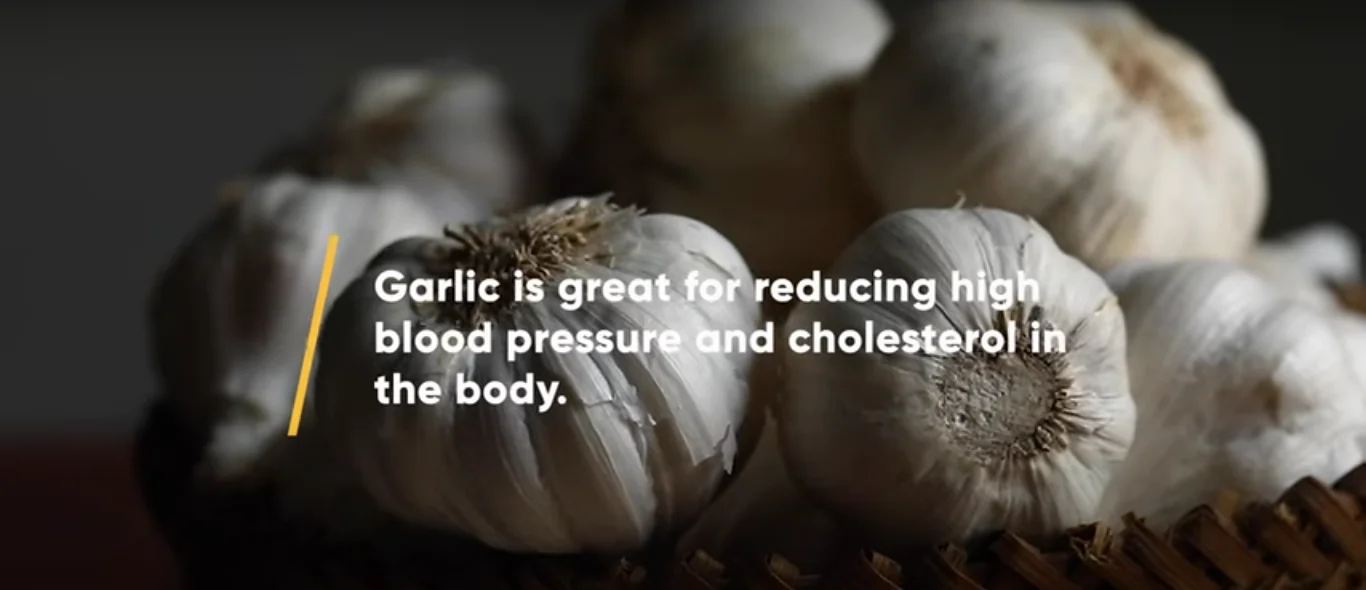
Garlic is rich in allicin, which has been clinically shown to reduce elevated LDL cholesterol level and total cholesterol—particularly when consumed raw on an empty stomach. Lemons enhance this effect with antioxidants and citric acid.
- Great for those with cholesterol 208, cholesterol 214, or cholesterol 243
- Supports those seeking LDL cholesterol high treatment
💡 Try raw garlic on empty stomach with lemon juice for 30 days for noticeable improvements.
When weighing garlic with lemon benefits for cholesterol, remember that if your most recent lipid panel showed numbers in this range, it’s worth understanding what they mean in context. A total cholesterol reading in the low 200s is generally considered borderline-high by most U.S. guidelines, while readings above 240 are typically flagged as high. These numbers alone don’t tell the whole story—your doctor will also look at your LDL, HDL, triglycerides, and your overall cardiovascular risk factors (age, blood pressure, smoking history, family history, and diabetes status) to decide whether lifestyle changes alone are appropriate or whether medication is warranted.
The “30 days” timeframe mentioned above lines up reasonably well with how cholesterol-lowering interventions are typically evaluated in research—most studies recheck lipid levels after 4-12 weeks of a consistent dietary change, since cholesterol synthesis and clearance in the liver operate on a timescale of weeks, not days. If you decide to try a daily garlic-and-lemon routine, it’s reasonable to mention it to your doctor before your next lipid panel so the two of you can interpret any changes accurately, rather than attributing shifts to garlic alone when diet, exercise, stress, and medication adherence all play a role too.
⬆️ 2. May Slightly Improve HDL (Small Studies)
Boosting your high density lipoprotein cholesterol (HDL) is key to heart health. Garlic and lemon, especially combined with intermittent fasting and cholesterol-friendly meals, can raise HDL levels naturally.
- Especially helpful for those with my good cholesterol is low
- Try pairing with oatmeal and cholesterol meals for a stronger effect
HDL is often called “good” cholesterol because it helps transport excess cholesterol away from artery walls and back to the liver for processing—a function sometimes referred to as “reverse cholesterol transport.” Low HDL (generally below 40 mg/dL for men and 50 mg/dL for women) is itself considered an independent risk factor for heart disease, separate from LDL levels. While medications that specifically raise HDL have had mixed results in large trials, lifestyle factors—including regular physical activity, not smoking, moderate alcohol use, and certain dietary patterns—have more consistent evidence for nudging HDL upward over time.
When people ask about garlic with lemon benefits for HDL, the answer is that garlic’s contribution appears more modest and less consistent in the research than its effect on LDL, but some studies have found small increases with regular intake over several weeks. Pairing it with soluble fiber sources like oats—which have well-documented cholesterol benefits of their own by binding bile acids in the digestive tract—creates a more comprehensive approach than relying on garlic alone. For seniors, a simple routine might look like: a morning garlic-lemon tonic, followed later by an oatmeal breakfast with berries, repeated consistently for a month before checking in with a follow-up lipid panel.
🧽 3. Fits a Liver-Friendly Diet
Your liver does its own detox work. Garlic and lemon simply fit into a liver-friendly diet; cutting back on alcohol does far more.

- Works well alongside apple juice cleanse liver routines
The liver is the body’s primary site for cholesterol synthesis, regulation, and clearance, which is why “liver support” and “cholesterol management” are often discussed together. Garlic’s sulfur compounds have been studied for their role in activating certain liver detoxification enzymes—part of what’s known as Phase II detoxification, where the liver neutralizes and prepares compounds (including alcohol byproducts and some medications) for elimination. Lemon’s citric acid and vitamin C content may support this process indirectly by providing antioxidant protection to liver cells, which face oxidative stress when processing toxins.
When listing garlic with lemon benefits, it’s worth being realistic about what “detox” means in a practical, everyday sense: your liver and kidneys are detoxifying your body around the clock regardless of what you eat, and no food or drink “flushes out toxins” in the dramatic way some marketing suggests. What garlic and lemon can reasonably do is support the normal, ongoing function of these organs as part of an overall healthy diet—particularly useful context for seniors who may be taking multiple medications that the liver also has to process. If you take medications metabolized by the liver, it’s a good idea to mention any new dietary habit, including a daily garlic-lemon routine, to your pharmacist, since garlic has been noted to interact with certain blood thinners and antiviral medications.
⚖️ 4. A Low-Calorie Way to Add Flavor
Garlic and lemon may help regulate metabolism and curb appetite. This makes them ideal for those on a keto diet for high cholesterol or a vegan diet to lower cholesterol.

- Great for cholesterol weight loss strategies
- Works well with low cholesterol dinners and avocado lower cholesterol meals
The relationship between weight and cholesterol is well established: even modest weight loss—in the range of 5-10% of body weight—has been shown in clinical studies to improve LDL, HDL, and triglyceride levels. Garlic has been studied for its potential effects on appetite regulation and fat metabolism, with some animal and small human studies suggesting it may influence genes involved in fat storage, though this research is still considered preliminary compared to the cholesterol data.
For seniors, weight management often comes with additional considerations: preserving muscle mass, maintaining adequate protein intake, and avoiding overly restrictive diets that could lead to nutrient deficiencies. Weighing the garlic with lemon benefits honestly, a garlic-and-lemon morning tonic isn’t a weight-loss shortcut on its own, but it can fit naturally into a broader pattern of mindful eating—for instance, some people find that starting the day with this tangy, savory drink helps them feel more attuned to hunger cues before breakfast, rather than reaching for something sugary first thing in the morning.
How to Use Garlic with Lemon
1. Morning Tonic
Crush 1 garlic clove, squeeze half a lemon, mix with warm water, and drink on an empty stomach.
2. Salad Dressing
Mix lemon juice, minced garlic, olive oil, and herbs for a heart-healthy topping in your low cholesterol keto or vegan diet cholesterol plan.
3. Morning Shot
Blend garlic, lemon, turmeric and ginger for a spicy start.
A few practical notes can make these routines for getting garlic with lemon benefits more comfortable, especially for older adults who may have more sensitive digestion. Raw garlic on an empty stomach can cause heartburn, acid reflux, or stomach upset in some people—if this happens, try taking it with a small amount of food, or switch to lightly cooked garlic, which retains some benefits with a gentler effect on the stomach lining. The morning tonic is typically made with about one clove and the juice of half a lemon in 8 ounces of warm (not boiling) water; boiling water can degrade some of garlic’s beneficial compounds, so warm-to-hot rather than scalding is the better choice. If you ever store garlic in oil, read these garlic in oil botulism safety tips first.
For the salad dressing, a ratio of roughly 1 part lemon juice to 3 parts olive oil, with one minced clove of garlic and a pinch of salt and herbs like oregano or basil, makes a versatile dressing that works on greens, roasted vegetables, or grain bowls. The detox shot with turmeric and ginger adds its own set of compounds—curcumin from turmeric and gingerols from ginger—both of which have anti-inflammatory properties studied somewhat independently of garlic and lemon, making this version a more concentrated, multi-ingredient approach best started with smaller amounts to assess tolerance.
Compatible Diets and Lifestyle Approaches
| Diet Type | Benefit |
|---|---|
| Keto diet and high cholesterol | Garlic reduces the LDL-raising effect of saturated fats |
| Vegan high cholesterol | Supports those with naturally elevated cholesterol due to genetics |
| Intermittent fasting cholesterol | Enhances the lipid-lowering effect of time-restricted eating |
| Statins to lower cholesterol | Can support or reduce dependency when approved by a doctor |
| Running and cholesterol | Boosts the benefits of exercise and cardio for HDL |
🔗 Try the Mayo Clinic cholesterol diet with garlic and lemon as daily staples.
This table highlights an important point about garlic with lemon benefits: garlic and lemon aren’t a standalone “diet” but rather a flexible addition that complements whatever eating pattern you already follow. For seniors on a ketogenic or low-carb approach, where saturated fat intake tends to be higher, garlic’s documented LDL-lowering effect may help offset some of that impact—though regular monitoring with your doctor remains important on any diet that significantly changes your fat intake. For those following plant-based or vegan diets, who sometimes have naturally elevated LDL due to genetic factors (a condition that diet alone may not fully resolve), garlic and lemon are a welcome, low-calorie addition but shouldn’t be relied upon as the primary strategy if genetics are a major contributing factor.
The statin row deserves a careful note: garlic supplements (particularly concentrated capsules, as opposed to food-amount garlic) have been studied for interactions with certain medications, including some blood thinners. If you’re on a statin or any other cholesterol medication, this is exactly the kind of addition to mention at your next appointment—not because it’s likely to cause a problem at food-level amounts, but because your doctor can tell you definitively whether your specific medication and dose make any interaction relevant.
Who Should Be Cautious?
If you have cholesterol 250 or above (especially cholesterol 290 or 400 cholesterol), consult your doctor before trying home remedies. Garlic may interact with statins, niacin and statins, or blood pressure medications.
Also, avoid if you’re allergic to garlic or have stomach ulcers.
Garlic supplements can raise bleeding risk with warfarin and other blood thinners and before surgery. Lemon is acidic and can bother reflux or tooth enamel; rinse with water after. Never store raw garlic in oil at room temperature (botulism risk).
These cautions about garlic with lemon benefits are especially relevant for seniors, who are more likely to be managing multiple chronic conditions and medications simultaneously. Garlic has natural blood-thinning properties due to its effect on platelet aggregation—this is part of why it’s been studied for cardiovascular benefits, but it’s also why anyone taking warfarin, aspirin, clopidogrel, or other blood-thinning medications should discuss garlic supplementation (especially concentrated forms) with their doctor, as combining blood thinners can increase bleeding risk. Food-level amounts, like one clove a day, are generally considered low-risk for most people, but it’s still worth a conversation if you’re on anticoagulants.
For those with very high cholesterol readings—numbers in the 250-400+ range—it’s important to understand that these levels often indicate a need for medical evaluation and possibly medication, regardless of dietary changes. Extremely high cholesterol can sometimes signal an underlying condition like familial hypercholesterolemia, a genetic disorder that significantly increases cardiovascular risk and typically requires treatment beyond diet alone. Using garlic and lemon as a delaying tactic instead of seeking medical evaluation for very high numbers could mean missing a window for more effective intervention. And for anyone with a history of stomach ulcers, acid reflux, or GERD, raw garlic’s acidity and pungency can aggravate symptoms—cooked garlic in moderate amounts is usually better tolerated in these cases.
Key Takeaways
✅ Helps reduce LDL and may slightly improve cholesterol when paired with a heart-healthy diet
✅ Supports keto with high cholesterol and vegan diet cholesterol goals
✅ Complements fasting and cholesterol improvements
✅ Aids in cholesterol and sugar balance
✅ Excellent support for cholesterol daily management and heart wellness
BONUS: What to Eat With Garlic and Lemon
- Oats good for cholesterol
- Avocado good for cholesterol
- Brown rice good for cholesterol
- Tomatoes and cholesterol-balancing salads
- Red wine lower cholesterol (in moderation)
Alongside the garlic with lemon benefits, each of these foods brings something different to a cholesterol-friendly plate. Oats contain beta-glucan, a soluble fiber with some of the strongest clinical evidence among foods for lowering LDL—a bowl of oatmeal most mornings is a reasonable companion to the lemon-garlic routines described earlier. For another kitchen-based combination, see onion, garlic, ginger and honey. Avocados provide monounsaturated fats similar to those in olive oil, which research links to improved HDL-to-LDL ratios when they replace saturated fats in the diet rather than simply being added on top of an already high-fat diet.
Brown rice and tomatoes both contribute fiber and antioxidants (lycopene, in tomatoes’ case) that support overall cardiovascular health, while the mention of red wine “in moderation” deserves a clear caveat for seniors: the American Heart Association does not recommend starting to drink alcohol for heart health if you don’t already drink, and even moderate amounts can interact with common medications like blood thinners, blood pressure drugs, and sleep aids. If you already enjoy a glass of wine, the research on resveratrol and cardiovascular benefits is interesting but modest, and the same antioxidants are available without the alcohol from grapes, berries, and other plant foods—often a better choice for older adults balancing multiple health considerations.
Sources:
Frequently Asked Questions
Is it safe to take garlic and lemon every day after 60?
For most healthy older adults, a small daily amount—about one clove of garlic and the juice of half a lemon—is generally well tolerated. Those on blood thinners, with stomach ulcers, or with multiple chronic conditions should check with their doctor first.
How long does it take to see changes in cholesterol?
Most studies that found benefits checked results after 4 to 12 weeks of consistent daily use, paired with an overall heart-healthy diet. A single dose won’t produce noticeable changes—consistency matters more than any individual day.
Can garlic and lemon replace my cholesterol medication?
No. This remedy may offer a modest complementary effect, but it is not a substitute for prescribed statins or other cholesterol medications. Never stop or adjust a prescription without talking to your doctor.
What’s the best time of day to take a garlic-lemon tonic?
Most traditional approaches recommend taking it in the morning on an empty stomach, about 20-30 minutes before breakfast. If raw garlic causes stomach discomfort, try it with a small amount of food instead.
Does cooking garlic reduce its benefits?
Cooking does reduce allicin content somewhat, since allicin is heat-sensitive. However, cooked garlic still retains other beneficial sulfur compounds and is a good option for anyone who finds raw garlic too harsh on the stomach.
Can this remedy help with high blood pressure too?
Garlic has been studied for modest blood pressure-lowering effects in some people, often attributed to its effect on blood vessel relaxation. As with cholesterol, any effect is likely to be modest and works best alongside, not instead of, prescribed blood pressure management. You can also read about herbs that may help blood pressure.
⚕️ Medical Disclaimer
The information provided on this page is for educational purposes only and is not intended as medical advice, diagnosis, or treatment. Always consult a qualified healthcare professional before making changes to your diet, starting any supplement, or if you have an existing medical condition. KeepFitQuote does not provide medical diagnoses or treatment recommendations. Read our full disclaimer.
Related Posts