If you’ve ever searched how to drop body weight fast, you’ve probably been bombarded by fads, powders, and empty promises. But real, lasting fat loss—especially for busy Americans juggling jobs, kids, and that 5:30 Peloton strength session—starts with science-backed strategies and intentional changes that don’t burn you out.
Whether you’re just starting your intermittent fasting diet plan 16 8 or exploring super slow strength training, this no-fluff guide breaks down what actually works. And yes, it involves water, weights, and a little wisdom.
1. Eat Slowly, Drop Fat Faster
You can lose weight just by slowing down your fork. Literally. Eating slowly for weight loss taps into your body’s natural hunger cues, helping you recognize when you’re full before you overeat. Pair this with intentional eating—the act of tuning into each bite—and you start burning fat without feeling deprived.
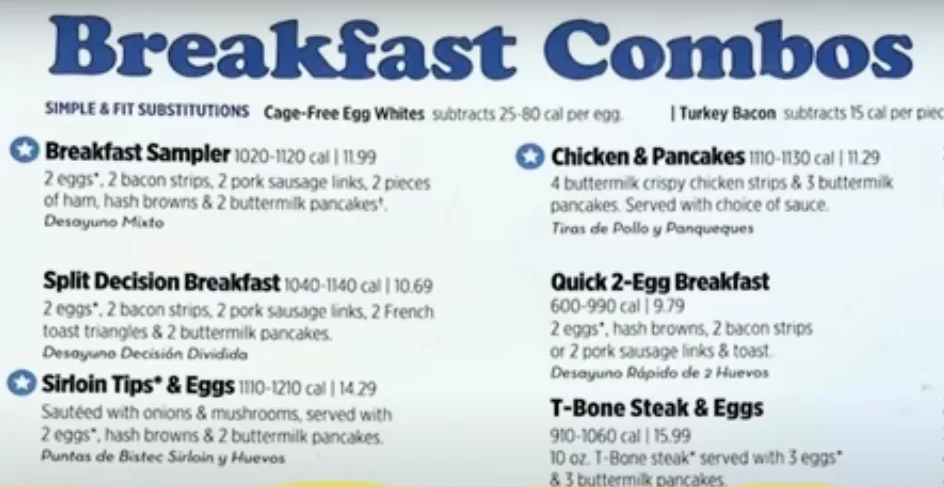
Research shows conscious eating habits reduce calorie intake, improve digestion, and support long-term weight management. So next time you’re at Smoothie King ordering your high protein blend, sip it like it’s a fine wine.
The science behind slow eating is well-established. A large review published in the BMJ Open found that people who ate quickly were significantly more likely to be overweight compared to those who ate at a normal or slow pace. The reason comes down to gut hormones: it takes roughly 20 minutes after eating begins for your stomach to signal your brain that you are full. When you rush a meal, you can easily consume hundreds of extra calories before that satiety signal kicks in. For adults over 50, this delay can be even more pronounced because hormone sensitivity naturally shifts with age.
Practical ways to slow down include setting a timer and aiming for at least 20 minutes per meal, putting your fork down between bites, and chewing each mouthful 20 to 30 times. Eating without screens is another powerful tool—research from the American Journal of Clinical Nutrition showed that distracted eating leads to consuming about 10% more calories per sitting. Start with one mindful meal a day and build the habit gradually. Over several weeks, this single change can translate into meaningful calorie reduction without any diet overhaul.
2. Time-Restricted Eating Works—If You Work It
Intermittent fasting 16 8 weight loss isn’t just a buzzword—it’s a lifestyle hack. By fasting for 16 hours and eating during an 8-hour window (say noon to 8 p.m.), you reduce insulin spikes, boost metabolic flexibility, and burn more fat during rest.
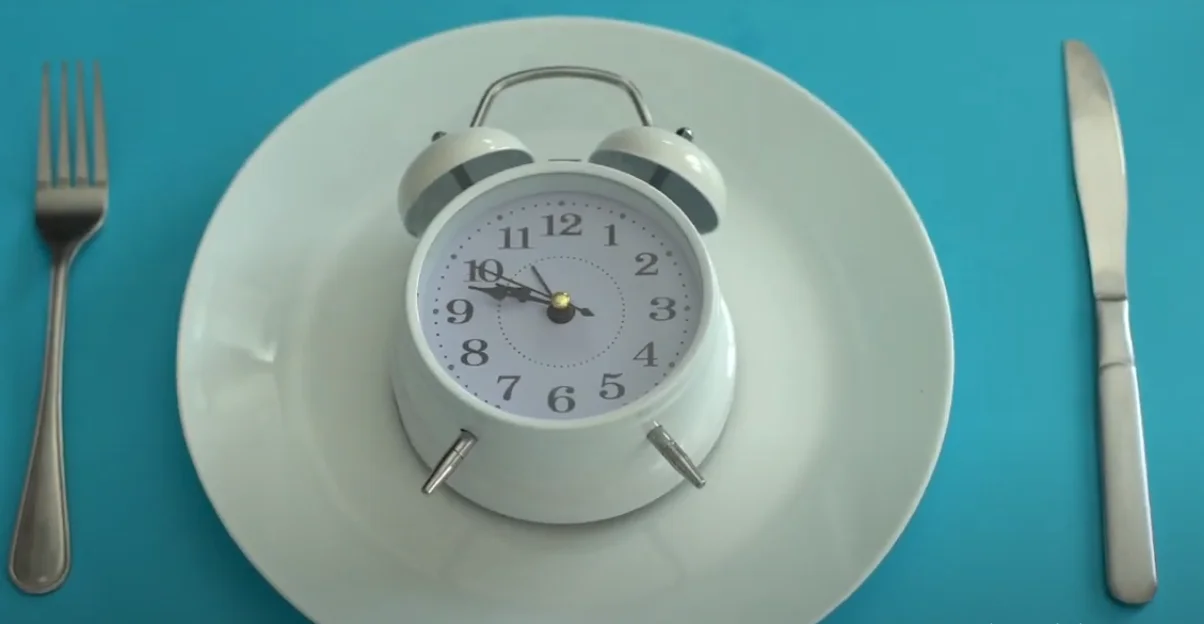
Still not sure how long to fast? Try easing in with a 15 hour intermittent fasting approach or test alternate day fasting for stubborn pounds. For athletes or postpartum moms, intermittent fasting postpartum and intermittent fasting bodybuilding routines can be modified to match your needs. Even the Mayo Clinic intermittent fasting approach now supports time-restricted eating as a sustainable option.
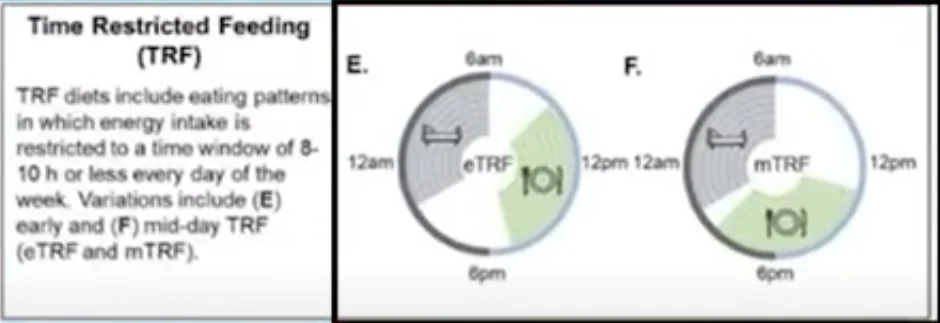
Need motivation? Start a tracker like Waterllama, the best water reminder app, to keep tabs on hydration and fasting hours.
The metabolic benefits of time-restricted eating go well beyond simple calorie reduction. A 2020 study published in Cell Metabolism found that adults who followed a 16:8 eating window saw improvements in blood pressure, insulin sensitivity, and oxidative stress markers—all without changing what they ate. For seniors over 50, these metabolic improvements can be particularly meaningful because insulin resistance tends to increase with age, making it harder to manage weight through calorie-cutting alone. During the fasting window, insulin levels fall, which prompts fat cells to release stored energy. This metabolic state, sometimes called “fat-adapted,” allows the body to burn fat more efficiently even during low-intensity activity.
To make the 16:8 protocol work in real life, try finishing dinner by 7 or 8 p.m. and having your first meal around noon. Black coffee, plain tea, and water are allowed during the fasting window and can help manage hunger. If you take medications with food, speak with your doctor before adjusting meal timing. Starting with a 12-hour fast and gradually extending it over two to three weeks is a gentler on-ramp that most seniors can tolerate well.
3. Strength Training Over Cardio: Build to Burn
Muscle is your metabolism’s best friend. Metabolic resistance training and high intensity weight training create an afterburn effect that torches calories long after your session ends. No need for a fancy gym—body weight training, resistance training exercises for weight loss, or a 30 min body weight workout at home works wonders.
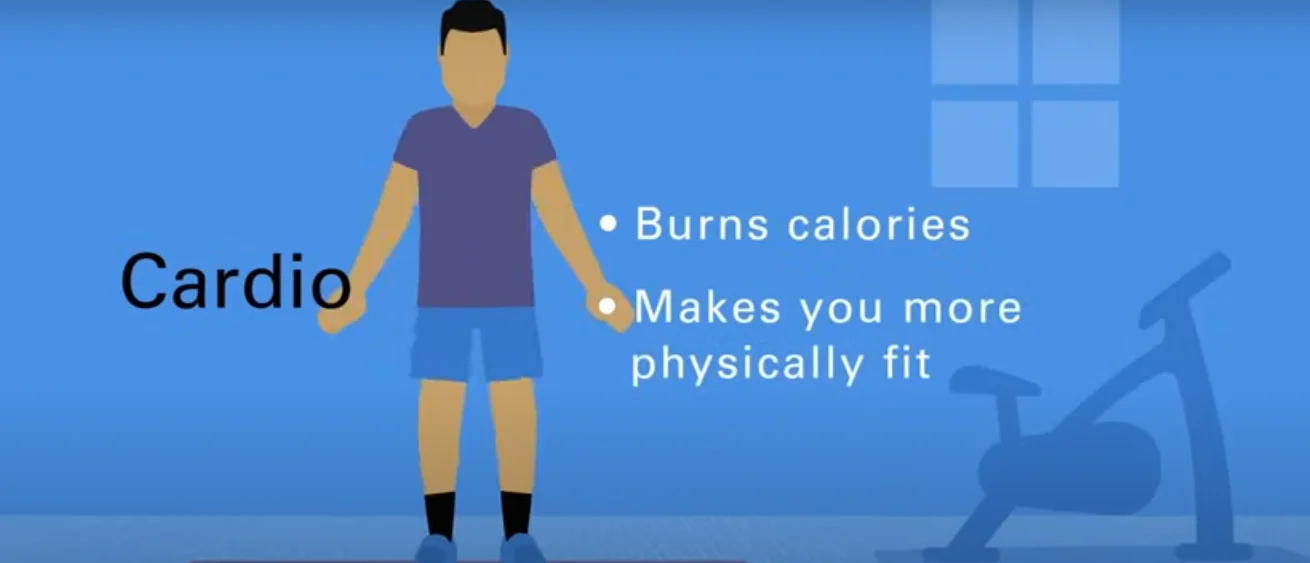
New to the game? Start with a full body gym workout for beginners or join kettlebell classes to build strength and agility training. If you’re over 40, don’t worry—strength training over 40 is not just possible, it’s powerful.
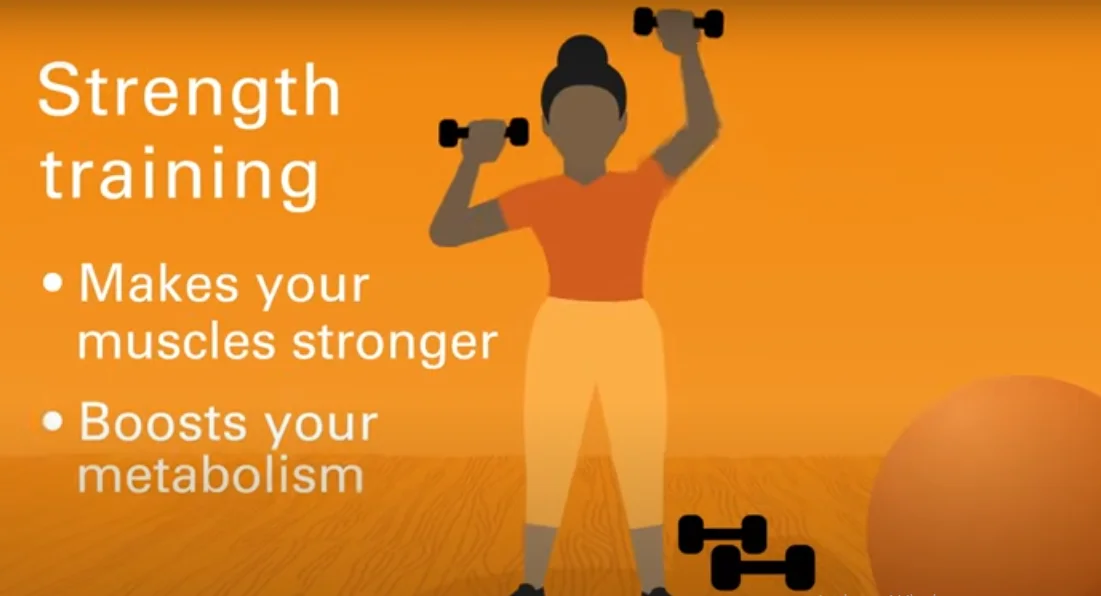
Want structure? Programs like Peloton strength or Juggernaut powerlifting program are ideal for progression. If you’re into team sports, consider a football strength and conditioning program or baseball lifting program that fits your goals.
The fat-burning advantage of strength training comes from a phenomenon called excess post-exercise oxygen consumption, or EPOC. After a resistance training session, your body continues burning calories at an elevated rate for up to 38 hours as it repairs muscle tissue and restores energy stores. A landmark study in the Journal of Applied Physiology found that older adults who performed two strength sessions per week for six months increased their resting metabolic rate by an average of 7%—equivalent to burning an extra 100 calories per day without any additional effort. For seniors, this metabolic boost is especially important because muscle mass naturally declines about 3 to 5% per decade after age 30, a process called sarcopenia that slows metabolism and makes weight gain more likely.
Aim for two to three strength sessions per week, targeting all major muscle groups. Compound movements—squats, deadlifts, rows, and push-ups—deliver the most metabolic bang per minute because they recruit multiple muscle groups at once. Begin with light resistance and focus on form before adding weight. If joint sensitivity is a concern, water-based resistance training or chair-supported exercises are excellent low-impact alternatives that still build meaningful muscle.
4. Hydration: The Weight Loss Secret No One Talks About
We often confuse thirst with hunger. Drinking more water—especially before meals—can curb appetite and rev up metabolism. Try lemon water in the morning. It’s trendy for a reason.
Looking for something fun? Use a best water tracker app and aim to hit your daily target. Drinking 1 gallon of water a day is a great benchmark for most adults, especially if you’re doing intense training like crossfit strength workout or a 45 minute strength workout.

Hydration matters. Water and health go hand-in-hand, and dehydration often masquerades as hunger.
The weight-loss power of water has solid research backing. A clinical trial published in Obesity found that adults who drank 500 ml (about 17 ounces) of water 30 minutes before each main meal lost 44% more weight over 12 weeks than those who did not pre-hydrate. The mechanism is straightforward: water takes up space in the stomach, activating stretch receptors that send fullness signals to the brain. Additionally, drinking cold water requires your body to expend a small amount of energy to warm it to body temperature—a process called diet-induced thermogenesis that can add up over the course of a day. For older adults, the thirst mechanism becomes less sensitive with age, meaning it is easy to be mildly dehydrated without feeling particularly thirsty.
A practical daily strategy: start each morning with 12 to 16 ounces of water before coffee or breakfast, drink another glass 20 to 30 minutes before lunch and dinner, and keep a water bottle visible throughout the day as a visual cue. Herbal teas count toward your daily fluid intake and can add variety. Signs that you are well-hydrated include pale yellow urine and feeling alert in the morning. If you are on diuretic medications, discuss your individual water needs with your physician.
5. Push Hard, Rest Harder
Want faster results? You need high intensity strength training with equal parts recovery. Don’t skip rest days. Instead, add mobility work, pilates and weight lifting, or even balance classes for seniors near me if you’re older and want a gentler routine.

Athletes should look into basketball strength training program, rugby strength and conditioning, or volleyball strength and conditioning program to maintain performance while cutting fat.
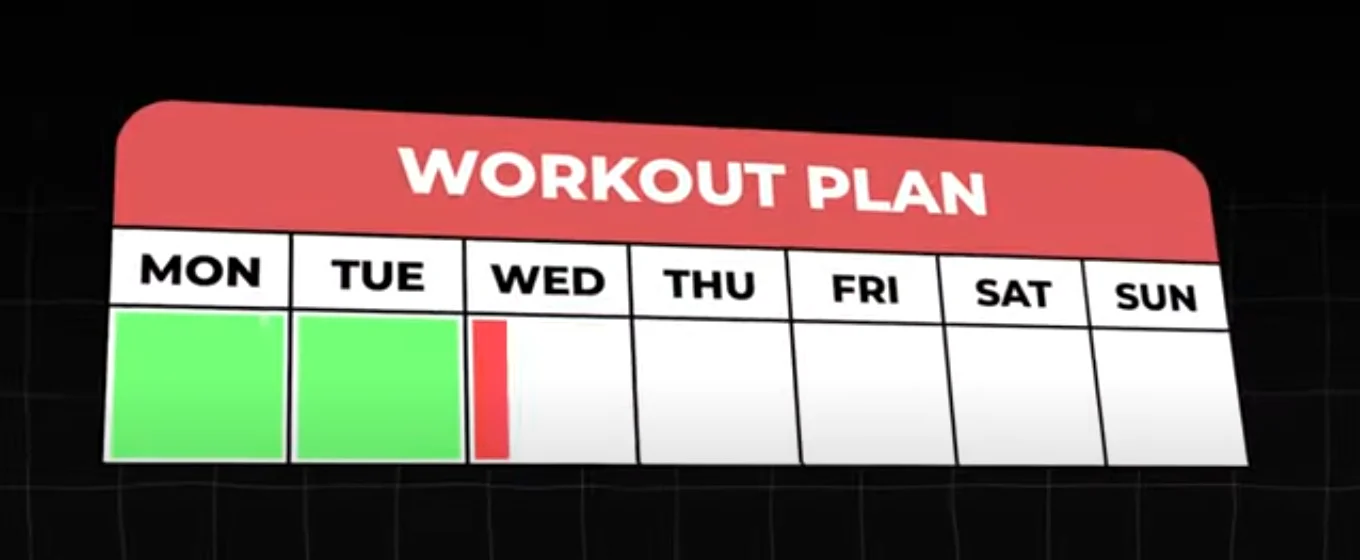
Remember: Overtraining kills results. Your body burns fat more efficiently when you’re not constantly inflamed.
The science of recovery is often overlooked in weight-loss conversations, but it is every bit as important as the workouts themselves. During sleep and rest, the body secretes human growth hormone (HGH), which plays a direct role in fat metabolism and muscle repair. A study from the Annals of Internal Medicine demonstrated that when dieters reduced their sleep from 8.5 to 5.5 hours per night, the proportion of weight lost from fat dropped by 55%, while they lost significantly more muscle mass instead. Chronic overtraining also elevates cortisol, a stress hormone that encourages the body to store fat—particularly around the abdomen—and break down muscle tissue for energy.
For adults over 50, a sensible schedule involves no more than four to five exercise sessions per week, with at least one or two full rest days. Active recovery days—gentle walking, stretching, or yoga—support circulation and reduce muscle soreness without creating additional stress on the body. Prioritizing seven to eight hours of quality sleep each night is not optional; it is a foundational fat-loss strategy. If night waking or poor sleep quality is an issue, address it with your doctor, as it could be undermining your best fitness efforts.
6. Protein is King—Especially for Cutting Weight
A high protein diet isn’t just for bodybuilders. It helps retain lean muscle while in a calorie deficit, keeps you full longer, and boosts metabolism. Think high protein Indian food, protein rich foods vegetarian Indian, or high protein breakfast Indian dishes to stay satisfied.
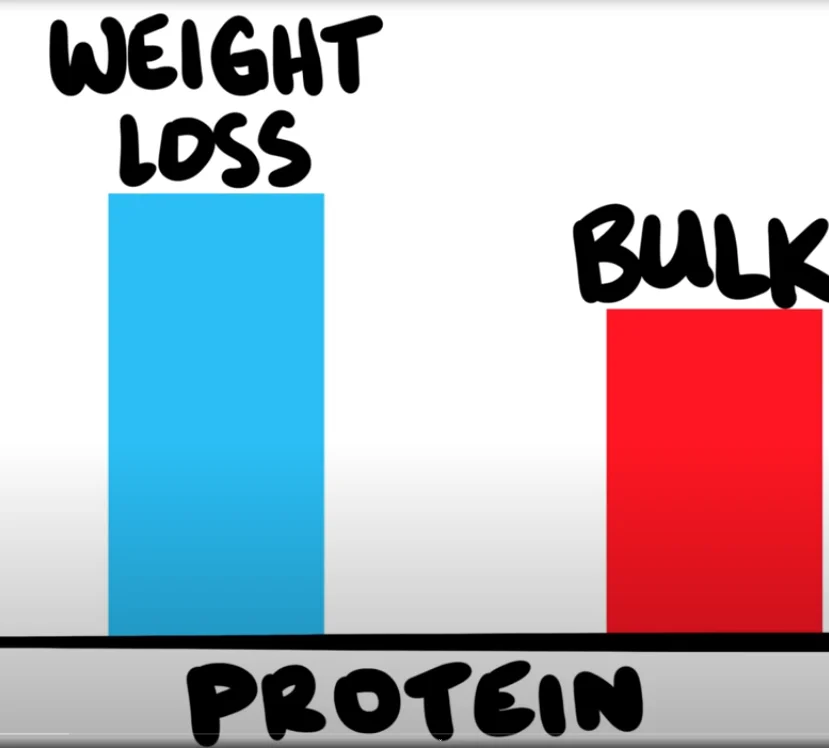
Need fast food hacks? Order a Chick-fil-A high protein low calorie meal or try Taco Bell low calorie high protein options. For a morning fix, high protein Starbucks drinks or mcdonald’s high protein breakfast get the job done.
Protein’s role in weight loss operates through multiple pathways simultaneously. First, it has the highest thermic effect of food—your body burns 20 to 30% of protein calories just to digest and process it, compared to 5 to 10% for carbohydrates and only 0 to 3% for fats. Second, protein powerfully suppresses appetite by increasing levels of satiety hormones like PYY and GLP-1 while reducing ghrelin, the hunger hormone. A meta-analysis in the American Journal of Clinical Nutrition found that higher-protein diets led to greater fat loss and better preservation of lean muscle than standard-protein diets in adults over 50 following the same calorie intake. This muscle-preservation effect is crucial for seniors: losing muscle during weight loss lowers your resting metabolism, making it harder to maintain the loss long term.
The general recommendation for adults seeking to lose weight while preserving muscle is 1.2 to 1.6 grams of protein per kilogram of body weight per day—roughly 80 to 100 grams daily for a 150-pound adult. Spread protein intake across three to four meals rather than concentrating it in one sitting, as the body can only effectively use about 30 to 40 grams per meal for muscle synthesis. Excellent sources include eggs, Greek yogurt, cottage cheese, canned fish, legumes, and edamame. Aim to include at least 20 to 30 grams of protein at breakfast to set the appetite-control tone for the rest of the day.
7. Mix It Up: Programs, Protocols, and Progress
Plateaus happen when routines become repetitive. Change is the trigger for progress. Rotate between:
- Full body strength program
- Upper body hypertrophy workout
- Body weight circuit
- Power training exercises
- Strongman workout program
Try fasting variations like 20 hour intermittent fasting, 24 hour fast every day, or even a 36 hour intermittent fasting reset for metabolic flexibility.
Want expert-backed insight? Check out Dr. Jason Fung’s ideas on fasting for longevity, fung fasting, or listen to a Ted Talk intermittent fasting for inspiration.
The concept of periodization—systematically varying the type, volume, and intensity of exercise over time—is the same principle elite athletes use to keep improving, and it works just as well for everyday weight loss. When you do the same workout repeatedly, your body becomes highly efficient at it and burns fewer calories to complete the same task. Researchers at the Journal of Strength and Conditioning Research found that individuals who followed a periodized training plan lost significantly more fat and gained more muscle over 12 weeks compared to those who followed a non-varied routine. For older adults, mixing modalities also reduces overuse injury risk—alternating between strength, mobility, and low-impact cardio sessions keeps different tissues fresh and challenged.
A practical approach is to plan your training in four-week blocks. Spend the first week establishing a baseline with moderate weights and straightforward movements. In weeks two and three, progressively add intensity by increasing weight, reducing rest, or switching to more complex exercises. In week four, reduce volume by about 40% to allow full recovery before starting a new, slightly different block. This simple cycling approach prevents plateaus, keeps workouts mentally engaging, and gives your body the variety it needs to keep adapting—which ultimately means burning more fat over the long haul.
Final Thoughts: The Fast Track Isn’t Always the Shortcut
If you want to drop body weight fast and keep it off, it’s not about extreme calorie cutting or overtraining. It’s about a smart mix of:
- Strategic intermittent fasting (like intermittent fasting 16 8 diet plan)
- Strength and fitness routines (from Peloton strength program to barbell strength)
- Hydration (track it with Waterllama)
- High protein nutrition (aim for most protein per calorie)
With consistency, awareness, and a few smart tweaks, dropping weight becomes less of a struggle and more of a lifestyle shift. You don’t need to be extreme—just extremely committed.
Explore, test, and tweak. Your body is your lab, and the results are worth the experiment.
Frequently Asked Questions (FAQs)
What is the fastest way to drop body weight?
The fastest and safest way to drop body weight is by combining intermittent fasting (like the 16:8 method), a high protein diet, and resistance training. Adding metabolic resistance workouts, staying hydrated, and practicing intentional eating can further accelerate fat loss without compromising your metabolism.
Can I lose weight by just lifting weights?
Yes. Strength training for fat loss increases muscle mass, which boosts resting metabolism and helps you burn more calories throughout the day. Many people experience better body composition results with resistance training than cardio alone.
How long should I fast to lose weight fast?
A 16:8 intermittent fasting diet plan is a proven starting point. More aggressive approaches include 20-hour intermittent fasting or occasional 24-hour fasts. The best fasting length varies per individual, but consistency matters more than extremity.
Does drinking water help lose weight?
Absolutely. Drinking more water—especially before meals—can reduce appetite and prevent overeating. Using a water reminder app like Waterllama can keep you on track. 1 gallon of water a day is a common goal for active individuals.
What’s the best high protein food for weight loss?
High protein Indian food, lean meats, protein-rich vegetarian meals, and options like Greek yogurt, eggs, or even Chick-fil-A high protein meals support muscle retention and reduce cravings. Look for the most protein per calorie when choosing.
Is 30 minutes of strength training enough to lose weight?
Yes, a well-structured 30 minute strength workout—especially one involving compound lifts or body weight training—can promote fat burning and lean muscle gain. Aim for 3–5 sessions per week and pair it with proper nutrition and sleep.
Can postpartum women do intermittent fasting?
Yes, with caution. Intermittent fasting postpartum can be effective but should be tailored to individual energy needs and breastfeeding status. Always consult your healthcare provider before starting a fasting protocol post-pregnancy.
What’s the best app to track water intake?
Waterllama is among the best water tracker apps for its ease of use and fun interface. It helps users stay hydrated, especially those on fasting schedules or intense workout programs like Peloton strength or CrossFit strength workouts.
⚕️ Medical Disclaimer
The information provided on this page is for educational purposes only and is not intended as medical advice, diagnosis, or treatment. Always consult a qualified healthcare professional before making changes to your diet, starting any supplement, or if you have an existing medical condition. KeepFitQuote does not provide medical diagnoses or treatment recommendations. Read our full disclaimer.
Related Posts