If you’re wondering what’s the benefit of eating dates, you’re not alone. More Americans are starting to pick up this chewy fruit—but not everyone knows just how powerful it can be for your health.

Let’s break it down: dates aren’t just sweet snacks from desert trees. They’re packed with real nutrients your body can use. And they come with some surprising health perks you might not expect.
What Makes Dates So Special?
At first glance, dates look like brown, wrinkled fruit. But inside, they’re loaded with fiber, minerals, and natural sugars that offer steady energy—not sugar crashes.

Here’s what you’ll find in a single serving:
Natural carbohydrates (great for quick energy)

Fiber (helps with digestion)

Potassium (supports your heart)

Magnesium (calms muscles and nerves)
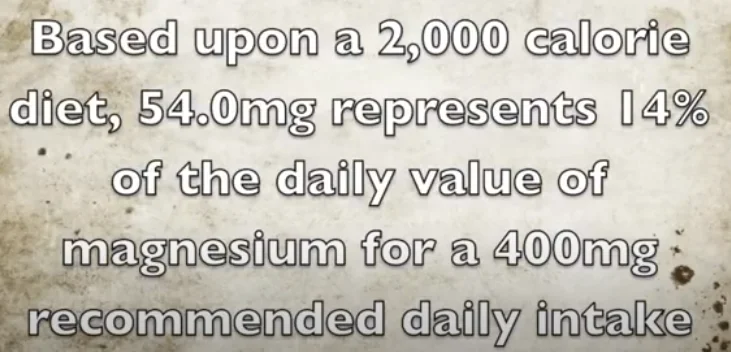
Iron (helps your blood carry oxygen)

And they’re naturally free of fat, cholesterol, and added sugars.
This nutrient list is worth appreciating for how unusually dense it is for a fruit this size — a single Medjool date (about 24 grams) delivers roughly 1.6 grams of fiber, 167mg of potassium, and small but meaningful amounts of magnesium, copper, and B6, all in about 66 calories. What makes dates particularly notable compared to other high-sugar fruits is the fiber-to-sugar ratio: the fiber physically slows down how quickly the natural sugars (mostly glucose and fructose) are absorbed into the bloodstream, which is the mechanism behind the “steady energy, not sugar crashes” claim in this section — it’s a genuine, measurable effect of fiber’s interaction with digestion, not just marketing language.
The mineral profile also deserves a closer look. Potassium and magnesium work together in the body in a way that’s directly relevant to muscle and heart function: potassium helps regulate the electrical signal that triggers your heartbeat, while magnesium helps muscle fibers relax after contracting — a combination that’s part of why dates are frequently recommended as a natural pre- or post-workout snack, addressing both energy and the mineral needs of working muscles simultaneously.
10 Straightforward Health Benefits of Eating Dates
1. Improves Digestion
Thanks to their high fiber content, dates can help you stay regular and ease bloating. A few dates daily may help support a smoother gut.
Dates contain both soluble and insoluble fiber, and the combination matters: soluble fiber forms a gel-like substance in the digestive tract that softens stool and slows digestion just enough to support nutrient absorption, while insoluble fiber adds bulk that helps move waste through the intestines more efficiently. Beyond fiber alone, dates also contain small amounts of prebiotic compounds that feed beneficial gut bacteria — a 2020 study found that regular date consumption over three weeks increased populations of beneficial bacteria including Bifidobacteria in the gut, alongside a reduction in certain markers associated with digestive inflammation.
2. Boosts Energy Naturally
Feeling sluggish? Dates give your body a quick fuel source—perfect for mornings, workouts, or late afternoons.

The three natural sugars in dates — glucose, fructose, and sucrose — are absorbed through slightly different pathways in the body, which is part of why dates provide a smoother energy delivery than a food with a single concentrated sugar source (like plain table sugar or candy). Glucose is used almost immediately by cells for energy, fructose is processed more gradually by the liver, and sucrose must first be broken down into the other two — this staggered absorption, combined with the fiber discussed above, is the practical reason dates are popular among endurance athletes as a whole-food alternative to processed energy gels and chews.
3. Supports Heart Health
Dates are rich in potassium, a mineral that helps regulate your heartbeat and maintain blood pressure.

Potassium’s role in cardiovascular health goes beyond heart rhythm — it also helps counterbalance sodium’s effect on blood pressure by supporting the kidneys’ ability to excrete excess sodium through urine. Most American diets run heavy on sodium and comparatively light on potassium, which is part of why the American Heart Association specifically recommends increasing potassium-rich whole foods (dates among them) as a practical, food-based strategy for blood pressure support, alongside — not instead of — reducing sodium intake.
4. Aids Iron Absorption
They contain small amounts of iron and vitamin C, which may help boost your body’s absorption of this essential mineral—especially helpful if you often feel tired.
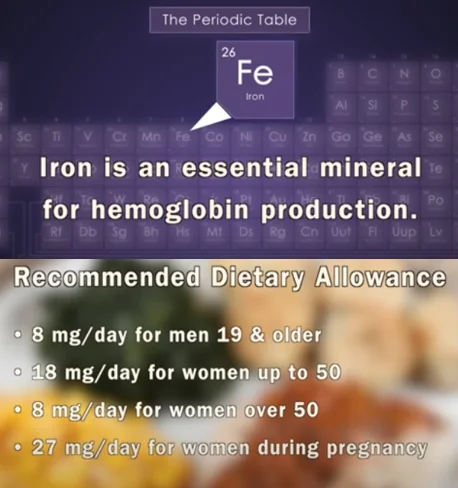
It’s worth being precise here: dates themselves don’t contain large amounts of vitamin C, but they do contain small amounts of iron directly, in a non-heme (plant-based) form that the body absorbs somewhat less efficiently than the heme iron found in meat. Pairing dates with a genuine vitamin-C source — a few orange segments, some strawberries, or a squeeze of lemon over a date-based snack — meaningfully improves how much of that non-heme iron your body actually absorbs, since vitamin C converts iron into a more bioavailable form during digestion. For anyone managing mild fatigue related to borderline-low iron, this kind of pairing is a small but genuinely useful habit.
5. Reduces Unhealthy Cravings
They’re sweet enough to stop sugar cravings but won’t spike your blood sugar like candy.

The craving-reduction effect works through two combined mechanisms: the fiber-slowed sugar release discussed earlier prevents the sharp blood-sugar spike-and-crash cycle that often triggers a subsequent craving for more sugar shortly after, and the dense, chewy texture of dates requires more actual chewing than most processed sweets, which contributes to a stronger sense of satisfaction and fullness per bite. Swapping a piece of candy or a cookie for two or three dates — particularly when paired with a small amount of protein or fat, like a spoonful of nut butter — tends to produce a more lasting sense of satisfaction than the sugar-only alternative.
6. Helps with Muscle Recovery
Magnesium and carbs found in dates help tired muscles recover after physical activity.

After exercise, muscles need two main things to recover efficiently: carbohydrates to replenish glycogen (the stored form of energy in muscle tissue that gets depleted during activity), and adequate magnesium, which supports the relaxation phase of muscle contraction and has been associated in research with reduced post-exercise muscle soreness. Dates deliver both in a single, easily digestible package — which is part of why they’ve become a popular whole-food addition to post-workout smoothies and recovery snacks among athletes looking for alternatives to processed recovery bars.
7. Improves Skin Appearance
Dates contain antioxidants that help your skin fight dryness, dullness, and signs of early aging.

The specific antioxidants in dates — including various polyphenols and carotenoids — work by neutralizing free radicals, the unstable molecules generated by UV exposure, pollution, and normal metabolism that contribute to the breakdown of collagen and elastin in skin over time. While no food eaten alone can replace sunscreen or a proper skincare routine, a diet consistently rich in antioxidant-dense whole foods like dates provides the body with more raw material to defend against this ongoing oxidative stress — a genuine, if gradual and cumulative, contribution to skin health from the inside out.
8. Promotes Bone Strength
Dates have trace minerals like phosphorus and calcium, which your bones need as you age.
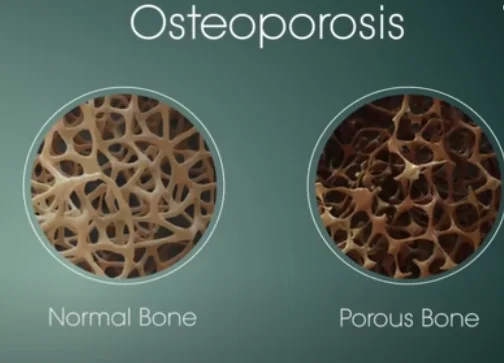
While dates aren’t a primary calcium source compared to dairy or leafy greens, the combination of trace minerals they provide — including phosphorus, manganese, and copper alongside smaller amounts of calcium — all play supporting roles in bone mineral density and the maintenance of bone matrix over time. Manganese in particular is a frequently overlooked mineral in bone health discussions, despite being a required cofactor for enzymes involved in building the collagen framework that bone mineral attaches to. Dates work best here as a complement to, not a replacement for, calcium-rich foods and, when appropriate, vitamin D — the fuller nutritional picture that bone health actually depends on.
9. Gentle on Blood Sugar
Though dates are sweet, their fiber content slows down sugar absorption. That means a lower spike in blood sugar—when eaten in moderation.

This is worth quantifying a bit: dates have a glycemic index (GI) generally in the 40-55 range depending on the variety, which places them in the low-to-medium category — notably lower than white bread (GI ~75) or many candies, despite dates tasting considerably sweeter. Glycemic load (which accounts for typical serving size, not just the type of sugar) matters just as much as glycemic index here, which is exactly why portion control — the 2 to 4 dates per day guideline referenced throughout this article — is the key variable, more so than avoiding dates altogether, even for people who need to be mindful of blood sugar.
10. Supports Focus and Brain Health
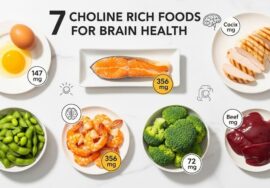
B vitamins in dates, including choline, may help your memory, concentration, and overall brain function.

Choline is a genuinely underappreciated nutrient in most American diets — it’s a precursor to acetylcholine, a neurotransmitter directly involved in memory formation and muscle control, and national dietary surveys consistently find that the large majority of U.S. adults fall short of recommended choline intake. While dates aren’t among the richest choline sources (eggs and liver top that list), every contribution matters toward closing that common dietary gap. The B vitamins present in dates also support the broader metabolic processes that convert food into usable brain energy, which is part of the mechanistic basis behind their reputation as a “brain food,” alongside their steady-energy-delivery properties discussed earlier in this article.
How to Add Dates to Your Diet (Without Overdoing It)
A few ideas that work well for American-style meals:
Chop into yogurt or oatmeal

Blend into protein shakes
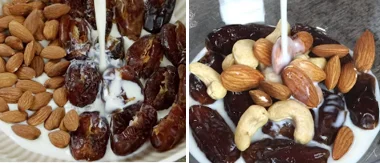
Stuff with almond or peanut butter

Use in place of chocolate chips

Mash into energy bites with oats and nuts

Stick to 2 to 4 dates per day to avoid too much sugar, even though it’s natural.
A practical note on ingredient swaps worth expanding on: using mashed dates or date paste in place of refined sugar in baking (muffins, granola bars, energy bites) doesn’t just reduce added sugar — it also adds fiber, potassium, and the other nutrients discussed throughout this article to a dish that would otherwise contribute empty calories. As a rough baking conversion, ¾ cup of packed, pitted, softened dates blended with a few tablespoons of water can generally replace about 1 cup of granulated sugar in most quick-bread and cookie recipes, though the result will be slightly denser and moister than a sugar-based version — an easy adjustment to get used to rather than a drawback.
Top 10 Questions People Ask About Dates
1. How many dates should you eat in a day?
For most healthy adults, 2 to 4 dates per day is enough. Too many can raise your sugar intake.
2. Can eating dates help you lose weight?
Yes, if you use them to replace junk food. They’re sweet and filling, helping you avoid empty-calorie snacks.
3. Are dates safe for people with diabetes?
Dates have a low-to-medium glycemic index, but moderation is key. Always talk to your doctor before adding them regularly.
4. What’s the best time to eat dates?
Morning, pre-workout, or as an afternoon snack. Avoid late-night binges, as they still contain sugar.
5. Can dates improve digestion?
Yes. Their soluble fiber can help ease constipation and support your gut lining.
6. Do dates have added sugar?
No. Their sweetness comes naturally from fructose, glucose, and sucrose.
7. Are dates good for your skin?
Yes. Antioxidants in dates may protect your skin from dryness and stress.
8. Can you bake with dates instead of sugar?
Absolutely. Use mashed dates or date paste as a substitute in muffins, cookies, and more.
9. Do dates give you energy?
Yes. Dates are a quick fuel source, especially helpful before workouts or long meetings.
10. Can kids eat dates safely?
Yes, in small amounts. Make sure to remove the pit or buy pitted ones to prevent choking.
Final Word
Eating dates is one of the simplest things you can do to support your body—without changing your entire diet. They’re natural, tasty, and packed with nutrition in a small bite.
Whether you want to improve energy, digestion, or just cut back on sugar cravings, dates offer a solid starting point. Add a few to your day, and see how your body feels.
What makes dates a genuinely worthwhile everyday addition — rather than just another trending “superfood” — is how many of their benefits stem from the same underlying mechanism: fiber-slowed sugar absorption paired with a dense mineral profile. That combination touches digestion, energy, blood sugar, heart health, and muscle recovery simultaneously, all from one simple, minimally processed food that requires no preparation beyond opening the package. For most people, the biggest risk isn’t from eating dates — it’s from treating “natural” as synonymous with “unlimited.” Sticking to the 2-to-4-date guideline keeps their benefits working in your favor.
⚕️ Medical Disclaimer
The information provided on this page is for educational purposes only and is not intended as medical advice, diagnosis, or treatment. Always consult a qualified healthcare professional before making changes to your diet, starting any supplement, or if you have an existing medical condition. KeepFitQuote does not provide medical diagnoses or treatment recommendations. Read our full disclaimer.
Related Posts