
If you’re over 60 and your eyes pop open around 4 in the morning, you’re not alone. Many older adults deal with early waking, and while sometimes it’s harmless, other times it’s your body trying to tell you something. The key is figuring out which it is.

Sleep researchers describe this pattern as “advanced sleep phase,” and it’s one of the most common age-related sleep changes reported by adults over 60. According to the National Sleep Foundation, roughly half of older adults report some form of disrupted sleep, with early-morning waking being among the most frequent complaints. The shift often happens gradually — you might notice that bedtimes that once felt normal now leave you wide awake before sunrise, even if you go to bed at the same time as always. This isn’t a sign that something is broken; it’s largely a reflection of how the body’s internal clock, hormone production, and sleep architecture naturally evolve with age. That said, the difference between a harmless shift and a sleep problem worth addressing usually comes down to how you feel during the day. If 4 AM wakeups leave you refreshed and ready to start the day, your body may simply be on an earlier schedule. But if you’re waking up groggy, irritable, or struggling to stay alert by afternoon, it’s worth digging into the possible causes covered below — many of which have simple, practical fixes.
Why This Happens More With Age
As we grow older, sleep changes — that’s just how the body works. Melatonin, the sleep hormone, drops as we age, which means lighter sleep and earlier mornings. Many seniors notice they wake up at the smallest sound or just can’t stay asleep as long as they used to.
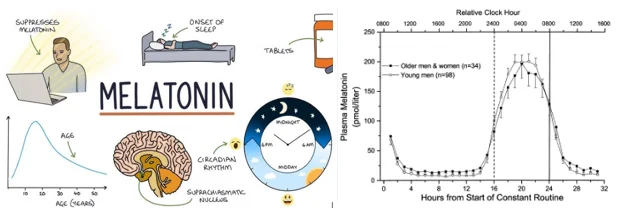
The biology behind this is well-documented. The pineal gland, which produces melatonin, gradually reduces its output starting in middle age, and by the time most people reach their 60s and 70s, nighttime melatonin levels can be significantly lower than they were in young adulthood, according to research published in sleep medicine journals. Lower melatonin doesn’t just mean less sleepiness — it also reduces the depth of sleep, particularly slow-wave (deep) sleep, which is the stage most associated with feeling truly rested. At the same time, the body’s circadian rhythm — the internal clock that governs when we feel sleepy and alert — tends to shift earlier with age, a phenomenon sleep scientists call a “phase advance.” This is why many older adults naturally feel tired earlier in the evening and, as a direct consequence, wake up earlier in the morning, since a typical sleep cycle still totals roughly 7 to 8 hours. None of this means your sleep is broken; it simply means the clock has moved. Understanding this can help take some of the anxiety out of early waking — worrying about it can itself make falling back asleep harder, creating a frustrating cycle.
Possible Reasons You’re Waking Up So Early
1. Stress or Mental Overthinking
Worry doesn’t switch off at bedtime. Whether it’s about health, family, or money, an active mind makes sleep lighter, so you’re up before dawn.

Stress affects sleep through the hormone cortisol, which the body produces in response to anxiety and which naturally rises in the early morning hours to help you wake up. For people under chronic stress, cortisol levels can spike too early or stay elevated overnight, triggering a wake-up well before the alarm. Mayo Clinic sleep specialists note that this is especially common among older adults navigating major life changes — retirement, the loss of a spouse, health concerns, or worries about adult children — all of which can keep the mind active at 3 or 4 AM even when the body is tired. A practical approach many therapists recommend is a “worry journal”: spending 10 minutes before bed writing down whatever is on your mind, which research suggests can reduce the mental rumination that often triggers early waking. Relaxation techniques like deep breathing, progressive muscle relaxation, or a short guided meditation can also help calm the nervous system enough to drift back to sleep if you do wake early.
2. Low Magnesium or B12
Deficiencies aren’t talked about enough, but they matter. Low magnesium can make your muscles tense, and low B12 affects nerve function — both can mess with sleep cycles.

Magnesium plays a key role in regulating the nervous system, and it helps activate the parasympathetic (“rest and digest”) response that allows the body to relax into deep sleep. According to the National Institutes of Health, magnesium deficiency becomes more common with age, partly because absorption decreases and partly because certain medications — including some blood pressure drugs and diuretics — can deplete magnesium levels. Low B12, meanwhile, is particularly common in adults over 50, since the stomach produces less of the acid needed to absorb B12 from food as we age. B12 is essential for healthy nerve function, and deficiency has been linked to disrupted sleep patterns and restless legs. If early waking is a persistent issue, it’s reasonable to ask your doctor for a simple blood test checking magnesium and B12 levels — correcting a deficiency, whether through diet or a supplement recommended by your physician, can sometimes make a noticeable difference within a few weeks.
3. Too Much Screen Time at Night
Phones and TV before bed block melatonin. The brain thinks it’s still daytime, making deep sleep harder to maintain.
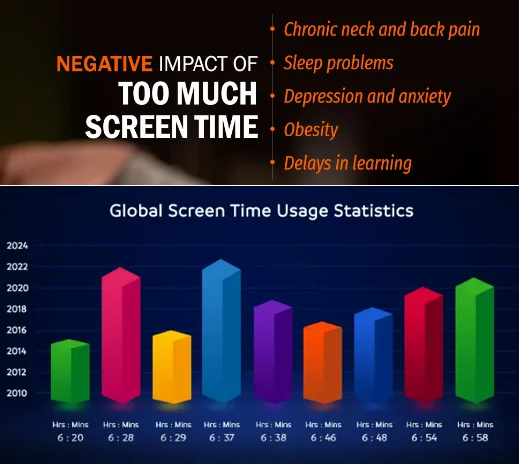
The blue light emitted by phones, tablets, and televisions is particularly effective at suppressing melatonin production, according to research from Harvard Medical School. This matters even more for older adults, since melatonin levels are already naturally lower — adding a blue-light signal that tells the brain “it’s still daytime” compounds an existing problem. Beyond the light itself, the content of late-night screen time matters too: scrolling through news, social media, or emails can activate the same stress response described earlier, making it harder to wind down. Sleep experts generally recommend powering down screens at least 60 minutes before bed, and if that’s not realistic, using “night mode” settings that reduce blue light, or wearing blue-light-blocking glasses in the evening, can help. Replacing screen time with a low-stimulation activity — reading a physical book, light stretching, or listening to calming music — signals to the brain that it’s time to wind down.
4. Drinking Habits
Not enough water can leave you cramped or restless, but too much before bed wakes you for bathroom trips. A small drink in the evening is better than several cups.

This balance becomes trickier with age because of a condition called nocturia — the medical term for waking at night to urinate — which becomes increasingly common after 60 due to changes in kidney function, bladder capacity, and hormone levels that affect fluid regulation overnight. The Urology Care Foundation notes that nocturia is one of the leading disruptors of senior sleep, often causing multiple wakeups that can be mistaken for general “early waking.” At the same time, dehydration can cause leg cramps and muscle tightness that interrupt sleep just as easily. A practical middle ground: front-load your fluid intake earlier in the day, and taper off in the two to three hours before bed, while still drinking enough overall (the general guidance is about 6-8 cups of fluid daily, adjusted for activity level and any medical conditions). If nocturia is frequent and disruptive despite these adjustments, it’s worth mentioning to your doctor, since it can sometimes be linked to treatable conditions like an enlarged prostate or diabetes.
5. Health Conditions
Thyroid issues, sleep apnea, or even low blood sugar can trigger early waking. If this is new for you and comes with fatigue, talk to a doctor.
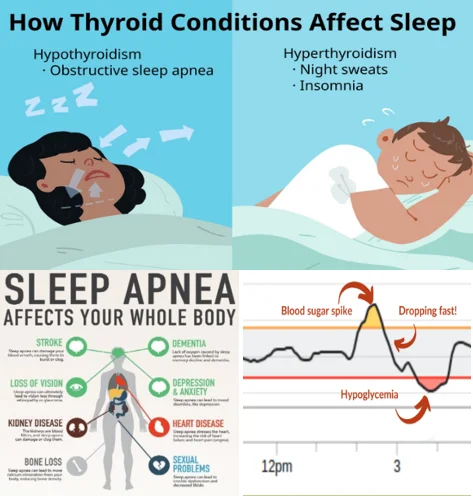
Several common health conditions in older adults have early-morning waking as one of their telltale signs. An overactive thyroid (hyperthyroidism) can speed up metabolism and heart rate enough to disrupt sleep, while an underactive thyroid can cause its own sleep disturbances and daytime fatigue. Sleep apnea — a condition where breathing repeatedly stops and starts during sleep — becomes more common with age and weight gain, and the resulting oxygen dips can cause the brain to jolt awake, often without the person realizing why; a partner noticing loud snoring or gasping is sometimes the first clue. Blood sugar swings, particularly in people with diabetes or prediabetes, can also cause early waking if levels drop too low overnight, triggering a stress-hormone response that wakes the body. The common thread across all of these is that early waking accompanied by daytime exhaustion, rather than feeling rested, is a signal worth bringing to a doctor — a simple conversation and, if needed, some basic tests can often identify a treatable underlying cause.
Should You Worry?
Not always. Some seniors naturally shift to an earlier sleep cycle and feel fine during the day. But if you’re tired, irritable, or foggy, it’s a sign you’re not getting quality sleep.
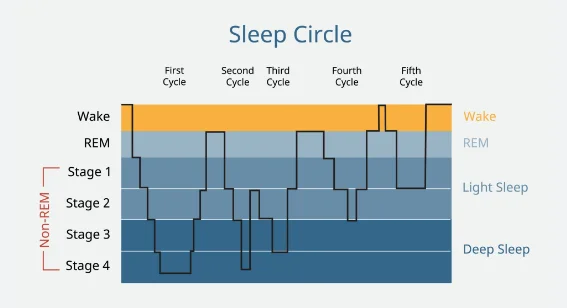
A helpful way to think about this is the “function test” rather than the “clock test.” It doesn’t matter as much what time you wake up — what matters is whether your body and mind are getting the restorative sleep they need. Ask yourself: Do I feel alert and able to concentrate through the morning? Is my mood stable, or am I more irritable than usual? Am I needing naps just to get through the day? If the answers point to feeling generally fine, an earlier wake time may simply be your new normal, and trying to force yourself back to an old schedule can sometimes cause more frustration than benefit. On the other hand, the National Institute on Aging notes that chronic poor sleep in older adults is linked to increased risks of falls, memory problems, and even cardiovascular issues over time — which is why persistent fatigue, rather than the early hour itself, is the real signal to take seriously and discuss with a healthcare provider.
Simple Ways to Sleep Better
- Keep a routine – Go to bed and wake up at the same times daily.

- Eat magnesium-rich foods – Almonds, spinach, or pumpkin seeds help muscles relax.

- Shut screens early – Avoid phones or TV an hour before bed.

- Move a little every day – A short walk or stretching helps deeper sleep.

- Make the room sleep-friendly – Cooler temperature, dim lights, and quiet surroundings help you stay asleep longer.
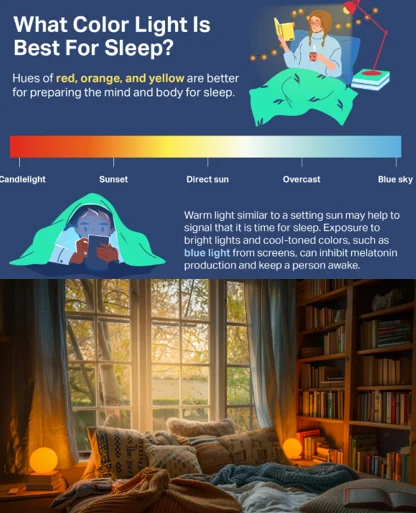
Each of these habits reinforces the others, which is why sleep experts recommend tackling them together rather than picking just one. A consistent routine helps anchor your circadian rhythm, so your body knows when to release melatonin and when to wind down. Magnesium-rich snacks in the evening — a small handful of almonds or a banana with a spoonful of pumpkin seeds — can be a simple, food-based way to support muscle relaxation without needing a supplement. For the bedroom environment, the National Sleep Foundation recommends a temperature between 60 and 67°F as ideal for most adults, along with blackout curtains or a sleep mask to block early-morning light, which can be a major trigger for early waking once melatonin levels are already low. Even light movement, like a 10-15 minute walk after dinner, has been shown in studies to improve sleep quality without the stimulating effects of more vigorous exercise close to bedtime. None of these changes require special equipment or significant cost — just small, consistent adjustments that, together, can meaningfully improve how rested you feel.
Quick Q&A for Seniors
- 1. Is waking up at 4 AM normal after 60?
Yes, if you feel rested. If you’re tired all day, something’s off. - 2. Can stress cause early waking?
Absolutely — an overactive mind keeps you from deep sleep. - 3. What vitamins help older adults sleep better?
Magnesium and B12 are important for relaxation and nerve health. - 4. Can dehydration affect sleep?
Yes, cramps and restlessness are common when you don’t drink enough water. - 5. Should I drink water before bed?
A little is fine. Too much will have you running to the bathroom. - 6. Can sunlight help reset sleep patterns?
Yes, morning sunlight helps balance your body clock. - 7. Are short naps okay if you wake up early?
Yes, 20–30 minutes is fine. Long naps can hurt night sleep. - 8. Does walking really help with better sleep?
Yes, regular movement improves circulation and deeper sleep stages. - 9. When should I see a doctor?
If early waking is new, constant, or makes you feel exhausted. - 10. Can cutting caffeine really help?
Yes, caffeine lingers for hours and can make early waking worse.
⚕️ Medical Disclaimer
The information provided on this page is for educational purposes only and is not intended as medical advice, diagnosis, or treatment. Always consult a qualified healthcare professional before making changes to your diet, starting any supplement, or if you have an existing medical condition. KeepFitQuote does not provide medical diagnoses or treatment recommendations. Read our full disclaimer.
Related Posts









Pingback: Pain After 60: 6 Common Types & When to Get Help