If you are wondering about the benefits of eating dates, you are not alone. More Americans are picking up this chewy fruit, and for good reason: dates are a nutrient-dense whole food. They are also high in natural sugar, so portions matter, especially for older adults and anyone watching blood sugar.
Quick Answer: The main benefits of eating dates are fiber for digestion, potassium and magnesium, and a quick source of natural energy. For most healthy adults, 2 to 4 dates a day is a sensible portion. Dates are calorie-dense and high in natural sugar, so older adults and people with diabetes should keep portions small and ask their doctor or dietitian what fits their plan.

Let’s break it down: dates are more than sweet snacks from desert trees. They contain real nutrients your body can use, along with a few perks you might not expect. The sections below also flag where the evidence is thin, so you can decide how dates fit your day.
Why the Benefits of Eating Dates Start With Nutrients
At first glance, dates look like brown, wrinkled fruit. But inside, they’re loaded with fiber, minerals, and natural sugars that offer steady energy – not sugar crashes.

Here’s what you’ll find in a single serving:
Natural carbohydrates (great for quick energy)

Fiber (helps with digestion)

Potassium (supports your heart)

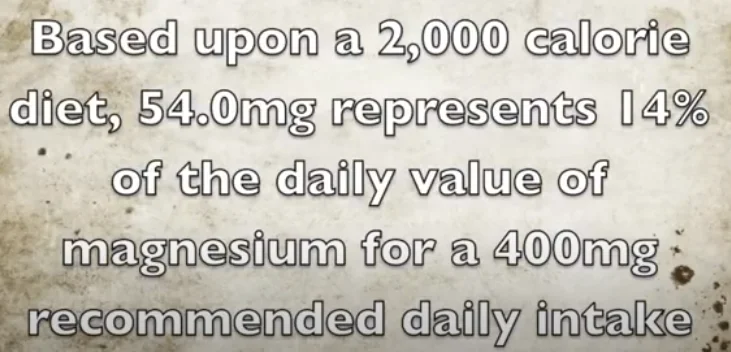
Magnesium (supports muscles and nerves)
Iron (helps your blood carry oxygen)

Plain dates are naturally very low in fat, contain no cholesterol, and have no added sugar (check the label on coated or sugar-rolled dates).
This nutrient list is dense for a fruit this size. According to USDA FoodData Central, Medjool dates provide about 6.7 grams of fiber and 696 mg of potassium per 100 grams, which works out to roughly 1.6 grams of fiber, 167 mg of potassium and about 66 calories in one Medjool date (about 24 grams). Dates also have a good fiber-to-sugar ratio compared with many sweets, and fiber slows how quickly their natural sugars (mostly glucose and fructose) are absorbed. That is the reason dates tend to give steadier energy than candy, although they still raise blood sugar.
Potassium and magnesium are both involved in muscle and heart function: potassium helps regulate the electrical signals that keep your heartbeat steady, while magnesium helps muscles relax after contracting. That combination is part of why dates are a popular snack before or after a workout.
10 Straightforward Health Benefits of Eating Dates
These benefits come from the nutrients in dates and from how they replace less nutritious snacks. They are not treatments, and no single food can fix a health problem on its own.
1. Benefit of Eating Dates: Supports Digestion
Thanks to their fiber content, dates may help you stay regular. A few dates daily may support smoother digestion, although some people find very sweet fruit can cause gas or loose stools.
Dates contain both soluble and insoluble fiber, and the combination matters: soluble fiber forms a gel-like substance that softens stool, while insoluble fiber adds bulk that helps move waste through the intestines. Dates also contain small amounts of plant compounds that may feed beneficial gut bacteria, though research on this is still early. If constipation is a regular problem, see our guide to gentle constipation relief for older adults and the NIDDK guidance on diet and constipation.
2. Gives Quick, Natural Energy
Feeling sluggish? Dates give your body a quick fuel source, which suits mornings, workouts, or late afternoons.

The natural sugars in dates (glucose, fructose, and sucrose) are absorbed through slightly different pathways, and the fiber in dates slows absorption further. This is why dates are popular with endurance athletes as a whole-food alternative to processed energy gels and chews. Even so, the sugar is real: a few dates are an energy snack, not a free food.
3. May Support Heart Health
Dates contain potassium, a mineral that helps regulate your heartbeat and supports healthy blood pressure.

Among the benefits of eating dates, potassium also helps counterbalance sodium by supporting the kidneys’ ability to excrete extra sodium. Most American diets are heavy on sodium and light on potassium, so potassium-rich whole foods like dates can be one small part of a blood-pressure-friendly eating pattern, alongside (not instead of) cutting back on sodium. If you have kidney disease or take a blood pressure medicine that raises potassium (such as an ACE inhibitor or a potassium-sparing diuretic), ask your doctor before adding potassium-rich foods.
4. Adds a Little Iron
Dates contain small amounts of iron, a mineral your blood needs to carry oxygen. They are a minor source, not a fix for low iron.
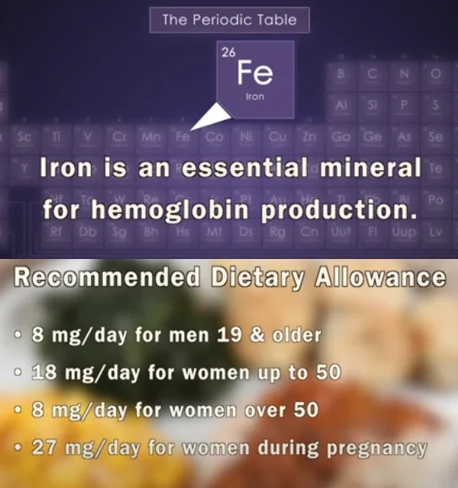
It is worth being precise here: dates contain little vitamin C, and their iron is the non-heme (plant) type that the body absorbs less efficiently than iron from meat. Pairing dates with a vitamin-C food, such as orange segments or strawberries, can improve absorption of plant iron. If you often feel tired, ask your doctor about a blood test before assuming iron is the cause.
5. May Help With Sweet Cravings
They are sweet enough to satisfy a sweet tooth, and their fiber means they raise blood sugar more slowly than candy, though they can still raise it.

When it comes to the benefits of eating dates for cravings, two things may help: fiber slows sugar release, which can soften the spike-and-crash cycle that triggers more cravings, and the chewy texture takes longer to eat than most processed sweets. Swapping a cookie for two or three dates, ideally with a spoonful of nut butter for protein and fat, often feels more satisfying. Because dates are calorie-dense, this works best as a swap, not an addition.
6. May Support Muscle Recovery
Magnesium and carbohydrates in dates may help tired muscles recover after physical activity.

After exercise, muscles need carbohydrates to replenish glycogen (stored energy) and magnesium, which supports muscle relaxation. Dates provide both in an easily digestible form, so they make a handy addition to a post-workout smoothie or snack. For older adults, protein matters just as much for muscle, so pair dates with yogurt, milk, or nuts.
7. May Support Skin Health
Dates contain antioxidants that may help protect skin cells from everyday oxidative stress.

The antioxidants behind some benefits of eating dates include polyphenols and carotenoids, which neutralize free radicals formed by UV light, pollution, and normal metabolism. No food can replace sunscreen or a skincare routine, but a diet rich in antioxidant-containing whole foods supplies raw material your body uses to protect and repair skin over time. The effect is gradual and modest.
8. Supports Bone Strength
Dates have minerals like phosphorus, manganese and a little calcium, which your bones need as you age.
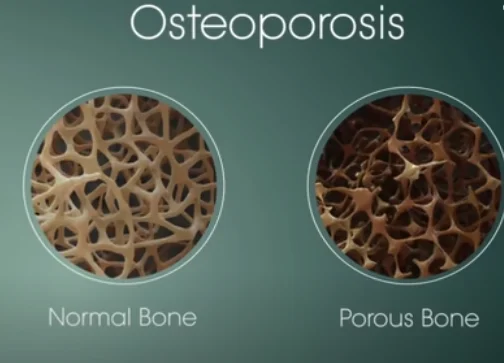
Compared with dairy or leafy greens, dates are not a primary calcium source, but the minerals they provide, including phosphorus, manganese, and copper, play supporting roles in bone health. Dates work best as a complement to calcium-rich foods and, when appropriate, vitamin D, not a replacement for them.
9. Gentler on Blood Sugar Than Sweets
Though dates are sweet, their fiber slows sugar absorption, so they tend to raise blood sugar less sharply than candy when eaten in moderation. They still contain carbohydrate that counts.

One of the benefits of eating dates is a moderate glycemic impact: dates are generally reported to have a glycemic index (GI) in the low-to-medium range, roughly 40 to 55 depending on variety, versus about 75 for white bread. Glycemic load, which accounts for serving size, matters just as much, which is why a small portion of 2 to 4 dates is the key variable. If you have diabetes or prediabetes, count dates as carbohydrate in your meal plan and check how you respond with your glucose meter, and see the CDC guidance on healthy eating with diabetes. For more ideas, read our natural blood sugar tips for older adults.
10. May Support Focus and Brain Health
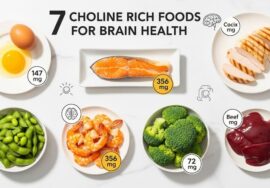
Dates provide small amounts of B vitamins and a trace of choline, nutrients your brain uses every day.

Among the benefits of eating dates, choline helps make acetylcholine, a chemical messenger involved in memory and muscle control, and many adults fall short of recommended intake. They are not a rich source (eggs are far richer), and the B vitamins they contain are present in modest amounts. Still, dates are a reasonable part of a brain-friendly diet, but no food has been shown to prevent memory loss on its own.
Benefits of Eating Dates for Older Adults
Many of the benefits of eating dates are especially relevant for older adults, with a few cautions. Constipation becomes more common with age, and the fiber in dates is a gentle, food-based option. Their soft texture is also easier to chew than many raw fruits and nuts, and a small portion adds energy when appetite is low.
The cautions matter just as much. Dates are high in natural sugar, so older adults with diabetes should count them as carbohydrate and keep to a small portion. Because they are rich in potassium, anyone with kidney disease or on certain heart or blood pressure medicines should check with a doctor first. Their stickiness can cling to teeth and dentures, so rinse your mouth after eating them, and always remove the pit. For general guidance on eating well later in life, see the National Institute on Aging healthy eating guide. Our full nutrition breakdown of dates has more detail.
How to Enjoy the Benefits of Eating Dates (Without Overdoing It)
A few ideas that work well for American-style meals:
Chop into yogurt or oatmeal

Blend into protein shakes

Stuff with almond or peanut butter

Use in place of chocolate chips

Mash into energy bites with oats and nuts

To keep the benefits of eating dates working for you, stick to about 2 to 4 dates per day to avoid too much sugar, even though it is natural.
Using mashed dates or date paste in place of some refined sugar in baking adds fiber and potassium to a dish that would otherwise contribute only added sugar. As a rough guide, 3/4 cup of packed, pitted, softened dates blended with a few tablespoons of water can replace about 1 cup of granulated sugar in many quick breads and cookies. The result is slightly denser and moister, and it still counts as sugar for people watching their intake.
Top 10 Questions About the Benefits of Eating Dates
These are the questions readers ask most often about the benefits of eating dates and how much is enough.
1. How many dates should you eat in a day?
For most healthy adults, 2 to 4 dates per day is enough. Eating many more adds a lot of sugar and calories. Older adults and people with diabetes should start with 1 to 2 dates and ask their doctor.
2. Can eating dates help you lose weight?
They may help if they replace less nutritious sweets, because they are sweet and filling. But dates are calorie-dense (about 66 calories in one Medjool), so portions matter, and no single food causes weight loss.
3. Are dates safe for people with diabetes?
Dates have a low-to-medium glycemic index, but they still contain a lot of carbohydrate, so moderation is key. Talk to your doctor or dietitian before adding them regularly, and count them in your carbohydrate plan.
4. What’s the best time to eat dates?
Morning, pre-workout, or as an afternoon snack. Avoid heavy late-night snacking, as they still contain sugar.
5. Can dates improve digestion?
They may. Their fiber can help ease constipation and support regular bowel movements, but drink enough water and talk to your doctor if constipation lasts.
Questions About Sugar, Skin and Baking With Dates
6. Do dates have added sugar?
Plain dates have no added sugar. Their sweetness comes naturally from fructose, glucose, and sucrose. Check the label on coated or rolled dates, which can have added sugar.
7. Are dates good for your skin?
They may help. Antioxidants in dates may help protect skin from everyday stress, but they are no substitute for sunscreen and a skincare routine.
8. Can you bake with dates instead of sugar?
Yes. Use mashed dates or date paste as a partial substitute for sugar in muffins, cookies, and more. It still counts as sugar for people watching their intake.
9. Do dates give you energy?
Yes. Dates are a quick fuel source, especially helpful before workouts or long meetings.
10. Can kids eat dates safely?
Yes, in small amounts for older children. Remove the pit or buy pitted ones, and cut dates small for young children to prevent choking.
Final Word
Enjoying the benefits of eating dates is one of the simplest things you can do to support your body without changing your entire diet. They are natural, tasty, and packed with nutrition in a small bite.
Whether you want more energy, better digestion, or a way to cut back on sugary sweets, dates are a solid starting point. Add a few to your day and see how your body feels.
What makes dates a worthwhile everyday food, rather than just another trending superfood, is that most of their benefits come from the same source: fiber that slows sugar absorption, paired with a dense mineral profile. For most people, the biggest risk is not eating dates but treating “natural” as meaning “unlimited.” Sticking to the 2-to-4-date guideline keeps their benefits working in your favor. If you have diabetes, kidney disease, or take regular medicines, check with your doctor first.
Sources
- USDA FoodData Central: Dates, medjool
- CDC: Healthy Eating with Diabetes
- NIDDK: Eating, Diet, and Nutrition for Constipation
- National Institute on Aging: Healthy Eating
This article is for general education and is not medical advice. Talk to your doctor or a registered dietitian about your own diet.
⚕️ Medical Disclaimer
The information provided on this page is for educational purposes only and is not intended as medical advice, diagnosis, or treatment. Always consult a qualified healthcare professional before making changes to your diet, starting any supplement, or if you have an existing medical condition. KeepFitQuote does not provide medical diagnoses or treatment recommendations. Read our full disclaimer.
Related Posts