How Muscle Mass Affects Metabolic Rate After 60: Senior Health Guide
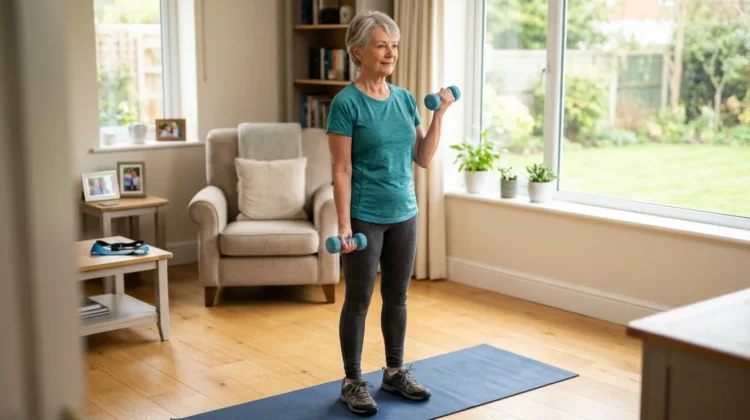
As we age past 60, our resting metabolic rate (RMR) naturally declines, largely because of age-related muscle loss. Muscle is metabolically active tissue, so more muscle increases the calories burned at rest. Seniors lose roughly 1% of muscle mass per year after age 60, contributing to a slower metabolism and higher fat accumulation. The good news is that evidence shows older adults can build and maintain muscle: resistance training can slow and, in many cases, reverse age-related muscle loss even into the 70s.
This guide provides actionable tips for adults 60+ to preserve muscle and boost metabolism. Key points: aim for about 150 minutes per week of moderate aerobic exercise plus 2–3 days of strength training; consume about 1.0–1.2 g of protein per kg of body weight daily; ensure ample protein at each meal, especially leucine-rich foods; and stay active in daily life. Safety is paramount: consult your doctor, start slow, and use proper form.
Seniors can maintain metabolic health by preserving muscle mass. Aim for 150 minutes per week of moderate exercise plus 2+ strength workouts, and eat about 1.2 g of protein per kg of body weight daily to support muscle growth. Together these habits boost resting calorie burn and aid weight control and blood sugar management in adults over 60.
Biological Mechanisms Linking Muscle Mass and Metabolic Rate After 60

Muscle tissue is a major consumer of energy even at rest. Lean muscle burns more calories than fat — muscle mass is a key factor in basal metabolic rate, according to Mayo Clinic. Muscle requires a lot of energy to maintain itself, so a person with more muscle has a higher resting metabolic rate. Conversely, the normal decline in muscle with age means a lower RMR. After menopause, hormonal shifts, like lower estrogen, also contribute to muscle loss.
At the cellular level, muscle fibers contain mitochondria that consume glucose and fat to fuel contraction and upkeep. Larger muscles have more mitochondria and enzymes, so they use more energy even during sleep or sitting. Muscle is also crucial for glucose disposal; it’s the main reservoir for the uptake of glucose, aiding blood sugar control. A loss of muscle, called sarcopenia, therefore not only slows metabolism but raises insulin resistance risk.
Age-related changes compound the effect. By age 60–80, older adults lose roughly 8% of muscle per decade (about 1% per year) and begin with about 15% less muscle at age 60 than at 20. This underlies why resting metabolic rate decreases with age mainly due to a loss of muscle mass. In sum, preserving muscle is key to maintaining a higher metabolic rate in later life.
How Does Muscle Use Energy at Rest After 60?
Muscle fibers need ATP even at rest. They break down stored glycogen and fat for energy and constantly remodel protein. The more muscle you have, the greater this idle energy expenditure. Research confirms RMR decline with age tracks with muscle loss. Even small gains in muscle mass can meaningfully raise daily calorie burn.
Why Does Metabolism Slow Down After 60?
Aging introduces anabolic resistance, meaning muscles require stronger signals, such as more protein or heavier exercise, to grow. In practice, this means older muscle builds more slowly, but not that it can’t build. Men and women continue to gain muscle well into their 70s with proper stimulus. However, without training, adults lose 4–6 pounds of muscle each decade.
How Do Hormonal and Inflammatory Changes Affect Muscle After 60?
Lower growth hormone, testosterone, and insulin-like growth factor (IGF-1) with age hinder muscle growth. Chronic low-level inflammation, sometimes called “inflammaging,” can also impair muscle. Fortunately, exercise itself acts like an anti-inflammatory tool that combats these effects.
Exercise & Activity Recommendations for Seniors
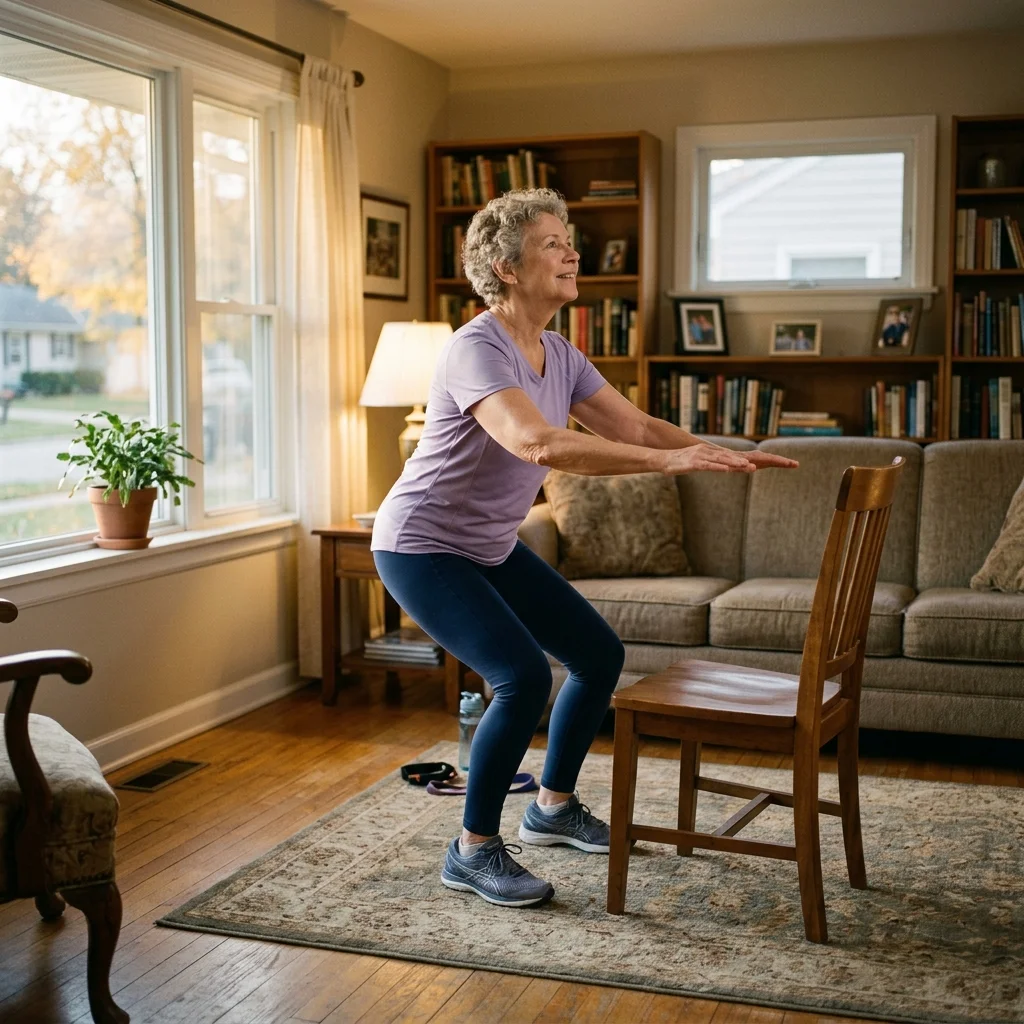
Regular physical activity is essential for preserving muscle and metabolic health. The CDC’s activity recommendations for older adults suggest adults 60+ aim for 150 minutes of moderate aerobic exercise per week, or 75 minutes vigorous, plus at least two strength-training days. Moderate activity includes brisk walking or water aerobics; vigorous includes jogging or aerobic dance.
Aerobic exercise helps burn calories and improve cardiovascular health, but resistance (strength) training is crucial for muscle mass. Lifting weights, using resistance bands, or doing body-weight exercises such as chair rises and wall push-ups 2–3 times per week stimulates muscle growth. The CDC recommends 8–12 repetitions per major muscle group per session, working to near fatigue. Even seniors who begin lifting later in life can increase muscle size and strength, as the WHO physical activity fact sheet confirms.
How Does Exercise Build Muscle and Raise Metabolism After 60?
Resistance exercise causes muscle fibers to tear slightly, then rebuild stronger during rest. Over time this increases lean mass, which raises RMR. Studies show stronger muscles improve blood sugar uptake, reducing diabetes risk. In practice, adding muscle means each pound of new muscle burns extra calories daily, boosting metabolism and aiding weight control. For a deeper look at building strength affordably, see our guide to building muscle after 60 with cheap everyday foods.
How Often Should Adults Over 60 Do Strength Training?
- Strength training: 2–3 days per week, covering all major muscles (legs, hips, back, chest, arms, core). Beginners might start with one set of 10–15 reps per exercise and gradually add a second set.
- Aerobic activity: At least 150 minutes per week of moderate effort (for example, 30 minutes, 5 days), or 75 minutes per week vigorous. Spread out into 10–15 minute bouts throughout the day if needed.
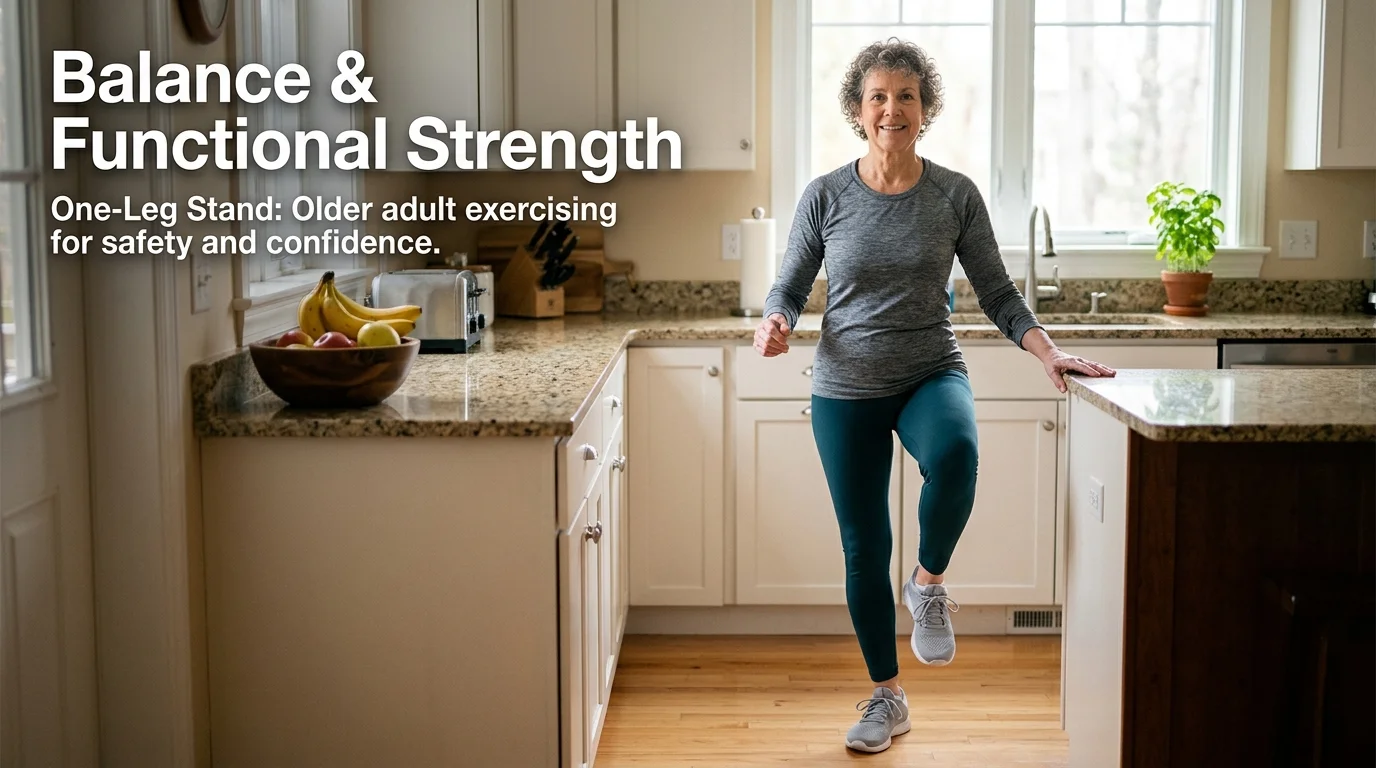
- Balance & flexibility: Include activities like standing on one foot, or yoga/tai chi, at least 2 days to prevent falls.
- Progressive overload: Gradually increase weight or resistance. Ideally the last 1–2 reps of a set feel challenging.
What Safety Precautions Should Seniors Consider Before Strength Training?
Before starting, seniors should consult a healthcare provider. Key precautions:
- For those with heart conditions, high blood pressure, osteoporosis, or joint issues, tailor exercises accordingly and consider supervised programs.
- Use good form: for example, sit on a stable chair for standing exercises, bend at hips/knees with back straight.
- Start slowly with light weights or bands and listen to your body. Rest 1–2 days between strength sessions.
- Be cautious of dizziness or chest pain; stop and seek help if these occur.
What Are Practical Senior-Friendly Steps to Build Muscle?
- Home exercises: Body-weight moves like chair squats or wall presses; resistance bands for biceps/triceps; walking up stairs or carrying groceries for functional strength.
- Gym options: Machines or free weights (dumbbells) are fine once comfortable. Many community centers offer senior strength classes.
- Consistency tips: Schedule workouts like appointments; enlist a friend or trainer for support; use calendars or apps to track sessions.
- Integrate movement: Stand up while talking on the phone; do household chores briskly; take short walking breaks each hour to boost daily calorie burn.
Protein & Nutrition for Muscle Preservation
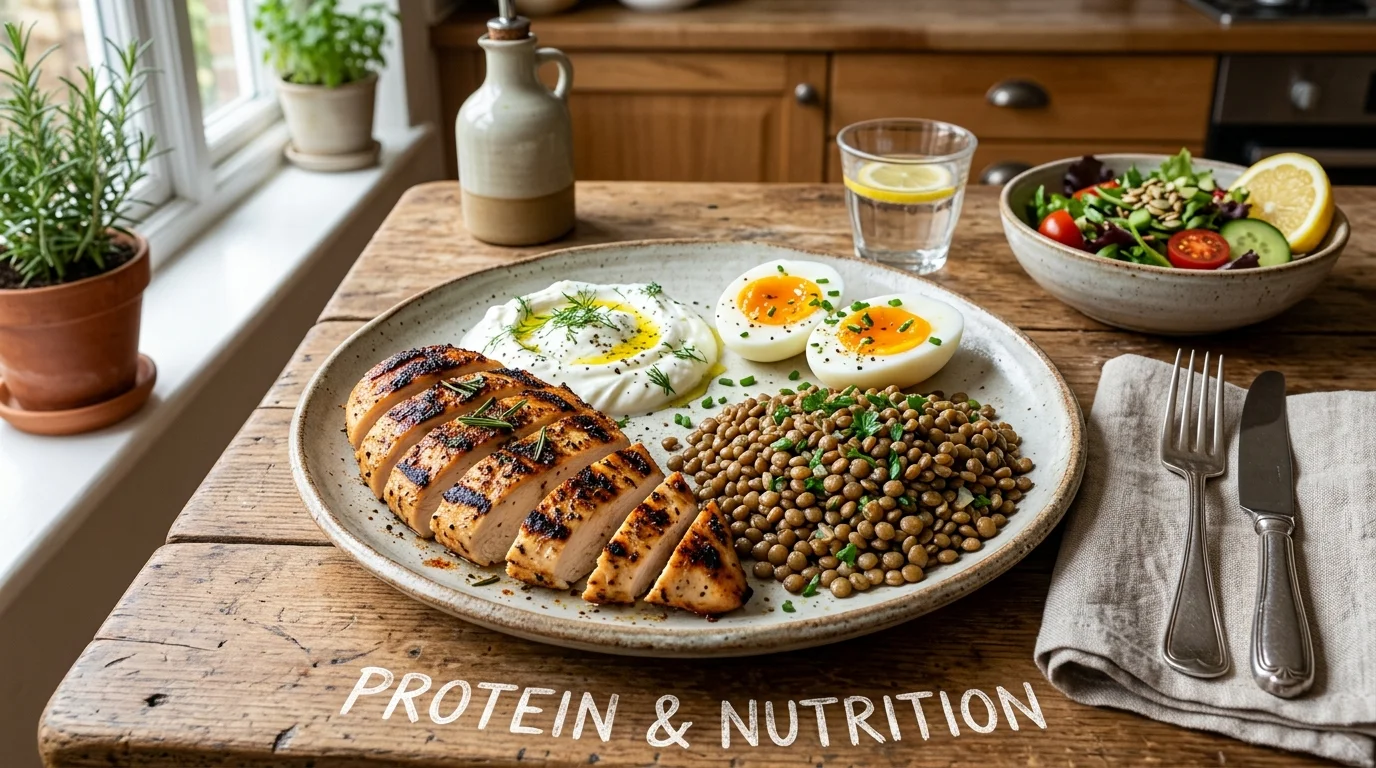
Adequate nutrition is the building block for muscle. Protein is especially critical: it provides amino acids to repair and build muscle fibers after exercise. Older adults face anabolic resistance, meaning they need more protein to achieve the same muscle-building effect. The Harvard Health guide to preserving muscle mass suggests seniors aim for about 1.0–1.2 grams of protein per kg body weight per day, versus the 0.8 g/kg standard RDA. For a 70-kg (154-lb) person, that’s roughly 70–84 grams of protein daily.
Spread protein intake evenly across meals. Each meal should include a protein source, preferably with high leucine content such as dairy, fish, eggs, or soy. For example, 25–30g of protein at breakfast and lunch, and 30–40g at dinner, can help stimulate muscle synthesis. A study in older women showed that increasing protein from 0.8 to 1.2 g/kg for 12 weeks significantly improved muscle mass and strength.
Which Protein Sources Best Support Muscle After 60?
- Lean meats & fish: Chicken, turkey, salmon. One palm-sized serving (about 100g) has roughly 20–30g protein.
- Dairy: Greek yogurt, cottage cheese (high in leucine).
- Legumes & nuts: Lentils, chickpeas, beans, almonds. Combine with grains for full protein.
- Eggs: One large egg has about 6g protein, rich in leucine.
- Protein supplements: If appetite is low, consider whey or soy protein powder mixed into smoothies or milk, especially useful if chewing difficulties are present.
For more food ideas built around this pattern, see our list of fruits for muscle health over 60.
How Should Seniors Balance Calories and Nutrients for Muscle?
While focusing on protein, don’t forget overall calorie needs. Seniors often need fewer calories due to lower activity, but cutting calories too much can accelerate muscle loss. Aim for a modest calorie deficit if weight loss is needed, but ensure protein is high. Adequate healthy fats (olive oil, fish oil) and complex carbs (whole grains, vegetables) will fuel workouts. Vitamin D and calcium also support muscle function and bone health; ensure adequate sun exposure or supplementation per the NIH Office of Dietary Supplements vitamin D guidelines.
Safety and Precautions for Seniors
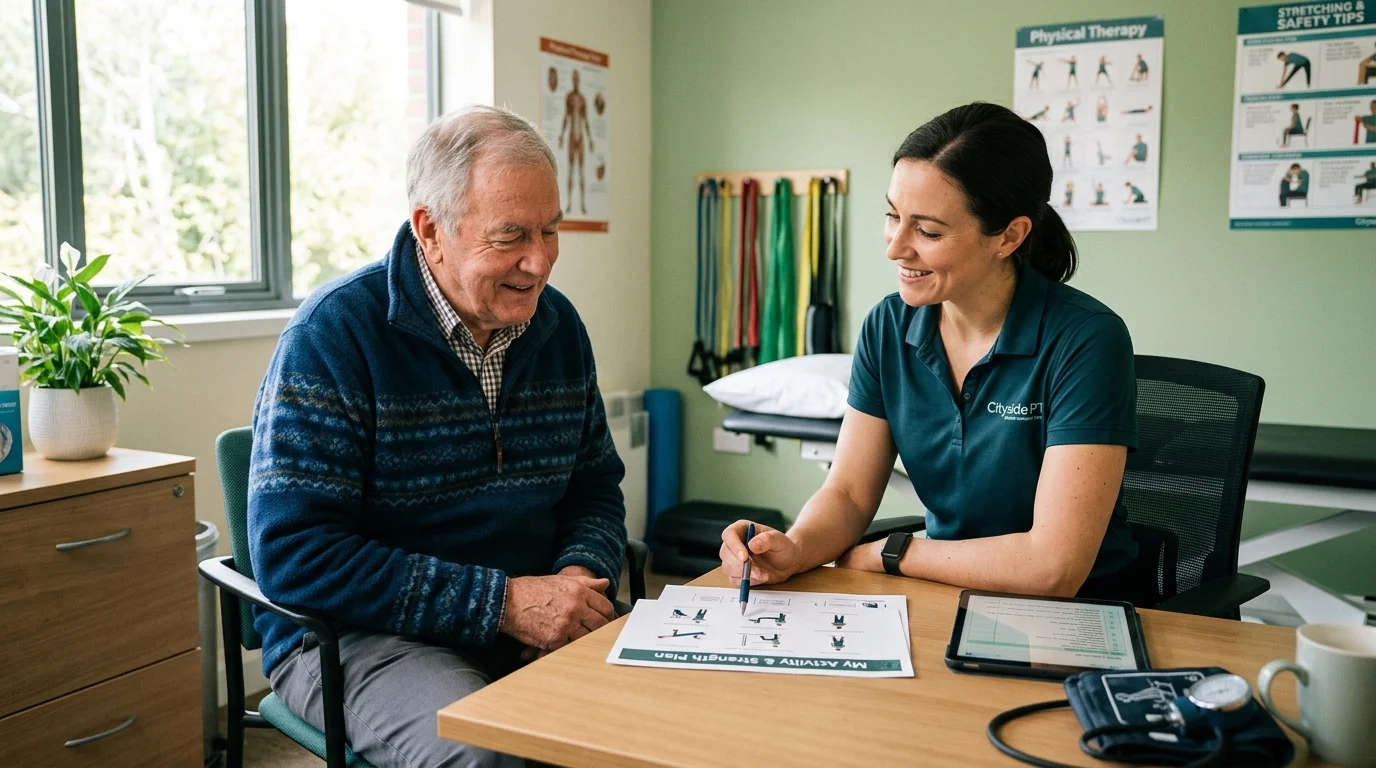
Before undertaking a new exercise or diet plan, it’s wise for older adults to get a medical check-up. Discuss plans with a doctor if you have conditions like heart disease, arthritis, osteoporosis, or neurological issues. Key safety tips:
- Gradual start: Begin with low weights or body-weight exercises. For strength training, even lifting light household items or water bottles is a start.
- Proper supervision: If possible, work with a physical therapist or certified trainer, especially early on. They can correct form and tailor exercises.
- Balance and support: Use chairs, rails, or walls for support to prevent falls during exercises. For example, stand behind a chair when doing heel raises or squats.
- Listen to your body: Muscle soreness is normal, but sharp pain or joint pain is not. If you feel dizzy, nauseated, or experience chest pain, stop immediately and seek medical attention.
- Hydration and environment: Drink water before/during exercise. Exercise in a cool environment to avoid overheating.
By taking these precautions and starting carefully, seniors can safely reap the benefits of increased muscle activity without undue risk. If joint pain is a recurring concern, our guide to pain after 60: 6 common types covers safe ways to manage it without losing mobility.
Practical Implementation Strategies

To turn these recommendations into daily habits:
- Daily movement goals: Beyond workouts, aim for 7,000–10,000 steps a day (about 30–60 minutes of walking) if feasible. Set alarms to stand up and stretch every hour.
- Home exercise routine: Dedicate 15–20 minutes per day to strength moves — 10 sit-to-stands (chair squats), 10 wall push-ups (or countertop presses), and 10 calf raises (holding a chair). Repeat this circuit twice, rest, and do again.
- Incidental strength work: Carry groceries in each hand to add resistance; do a few calf raises while waiting for the kettle; stand on one leg while brushing teeth to improve balance and leg strength.
- Meal prep: Plan protein-rich meals ahead. For example, grill a batch of chicken or beans on Sunday. Keep Greek yogurt or hard-boiled eggs handy for a quick protein boost.
- Accountability: Consider a workout buddy (spouse or friend) or use a fitness app to track activity. Joining a senior exercise group or class can also motivate consistency.
Each small action adds up. Over time, these practical steps will not only raise metabolism but improve strength, balance, and independence.
Evidence & Research Summary
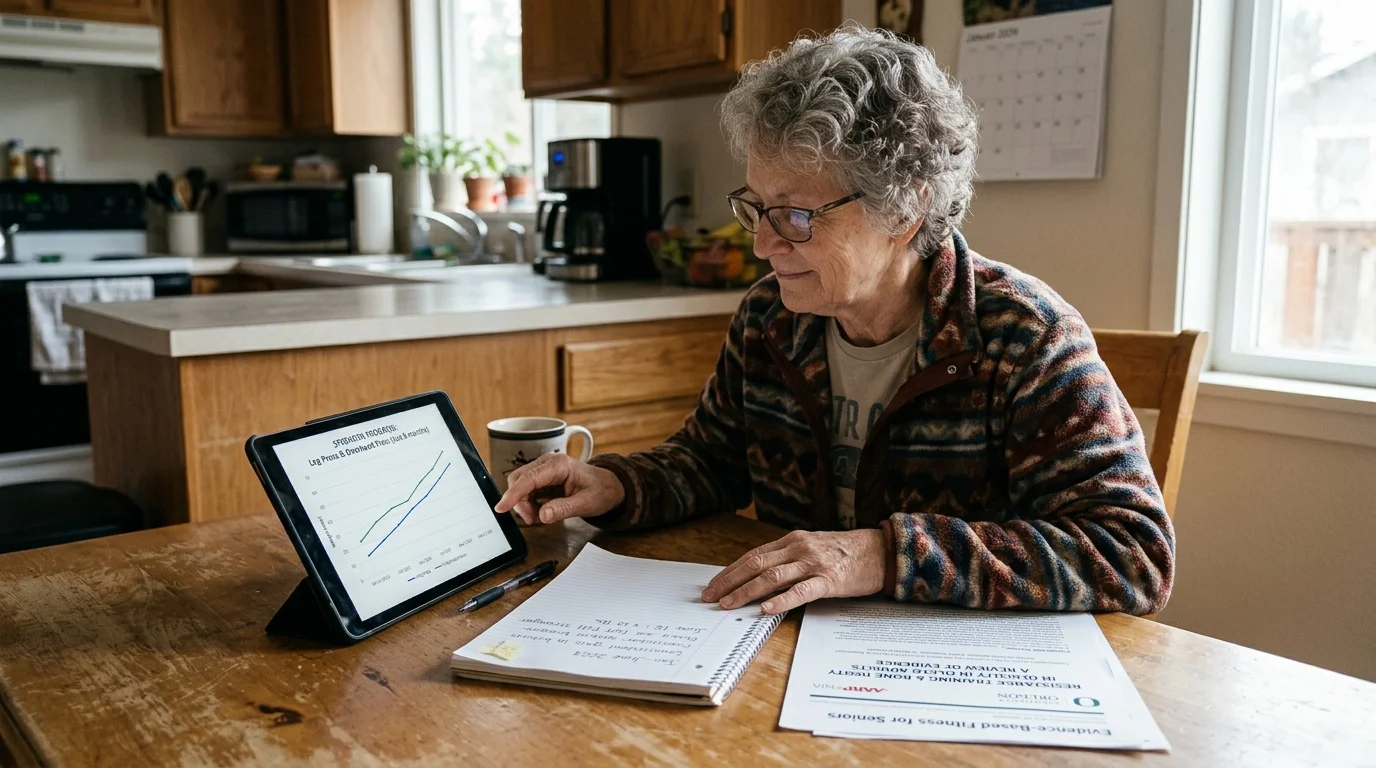
Recent studies reinforce these guidelines. A 2025 Frontiers in Nutrition clinical trial found that elderly women who increased protein to about 1.2 g/kg/day saw significant gains in muscle mass and strength. Other research shows that resistance training, even with low weights and more repetitions, can build muscle in older adults without heavy loads. Observational studies link higher muscle strength in seniors with longer lifespan, underscoring the importance of maintaining muscle.
Expert panels, including European societies, recommend 1.0–1.3 g/kg protein for seniors. U.S. guidelines from the CDC and the National Institute on Aging emphasize the 150-minute-per-week and 2-day strength rule. All evidence converges: a combined approach of exercise and nutrition delivers the biggest benefits.
7-Day Action Plan Sample
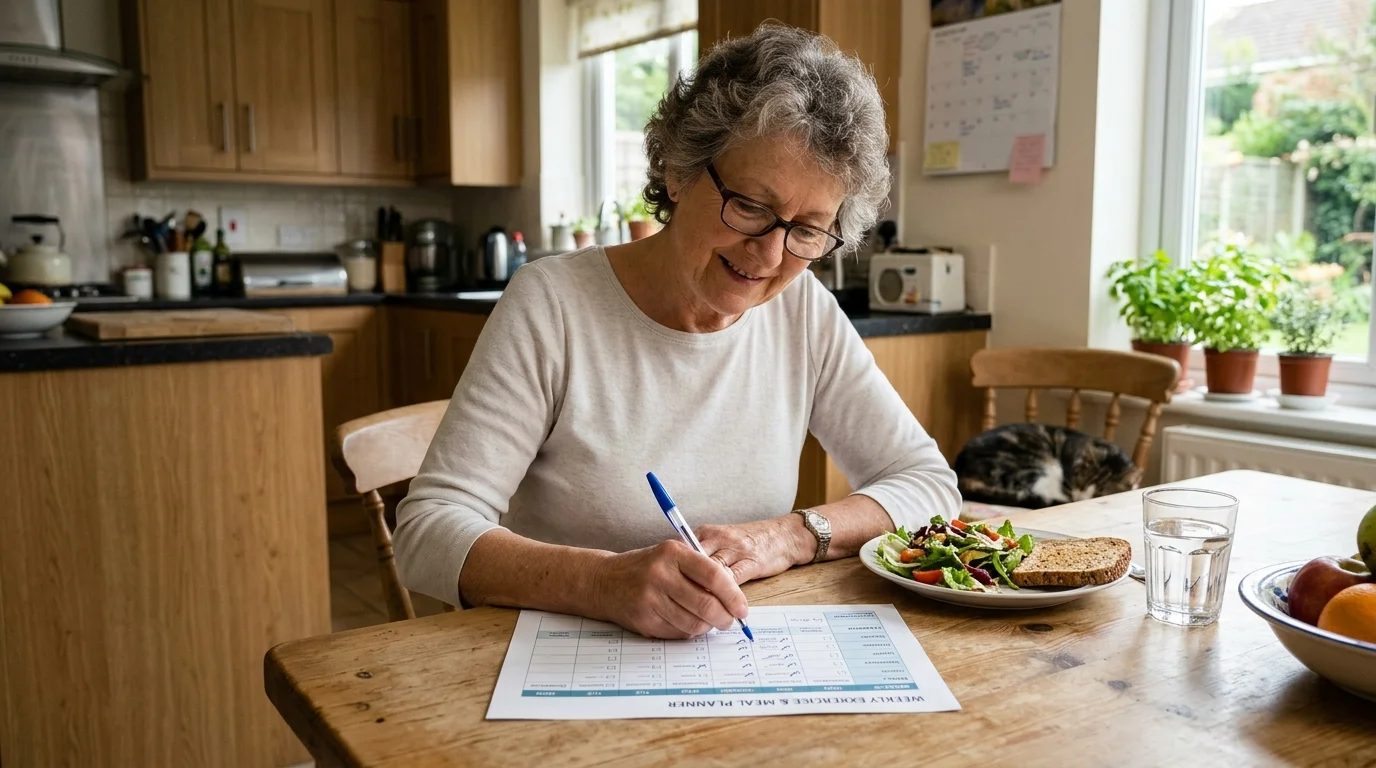
| Day | Activities |
|---|---|
| Mon | 30 min brisk walk (moderate cardio) + stretching. 10 min light strength: chair squats and wall push-ups (1 set each). High-protein meals, such as Greek yogurt at breakfast. |
| Tue | Strength training: 2 sets of 10 reps each using body weight or resistance bands, including squat, calf raise and bicep curl. Add light gardening or active chores. |
| Wed | 30 min water aerobics or cycling at moderate effort. Add 10 min balance exercises, such as one-leg stands. Stretch and hydrate. |
| Thu | Strength training similar to Tuesday or light dumbbells. Include a protein-focused lunch, such as beans, chicken, fish, eggs or tofu. |
| Fri | 30 min brisk walk + 15 min core exercises such as seated leg lifts and gentle twists. Choose fish, tofu or legumes at dinner. |
| Sat | Gentle yoga or tai chi for strength, balance and flexibility. Add a longer walk if energy and safety allow. |
| Sun | Rest day or light 10 min walk. Meal prep lean protein portions and review weekly progress and goals. |
Adjust duration and intensity as fitness improves. The key is consistency and gradual progression. In week two, keep the easiest habits and increase only one variable at a time — a few more minutes, one additional strength set, or one extra protein-rich meal.
Frequently Asked Questions
Yes. Muscle tissue burns more calories at rest than fat tissue. Increasing lean muscle mass through resistance exercise can raise resting metabolic rate and help older adults burn more energy each day.
Many older adults benefit from about 1.0 to 1.2 grams of protein per kilogram of body weight daily, spread across meals, unless a clinician recommends a different target due to kidney disease or another medical condition.
Resistance training is the main exercise type for building muscle. Senior-friendly options include resistance bands, machines, free weights, and body-weight exercises such as sit-to-stands and wall push-ups.
Yes, many adults can start strength training after 60 when they begin gradually, use proper form, and adjust exercises for medical conditions. People with heart symptoms, falls, major joint pain, or osteoporosis should ask a clinician first.
Gains are usually slower than in youth, but older adults can still increase strength and preserve or rebuild muscle with consistent resistance training, adequate protein, recovery, and progressive overload.
A major reason is the gradual loss of muscle mass, combined with hormonal changes and lower activity levels. Less muscle generally means fewer calories burned at rest.
It may not be possible to prevent every age-related change, but resistance exercise, protein-rich meals, daily movement, and adequate recovery can significantly slow muscle loss.
Practical progress measures include strength gains, chair-stand performance, grip strength, waist trend, walking endurance, body composition testing, and clinician-guided RMR assessment when available.
Bottom Line
Muscle mass and metabolic rate are closely linked, and that relationship doesn’t have to work against you after 60. By combining regular strength training, sufficient protein intake, and daily movement, most seniors can slow or even reverse the muscle loss that drives metabolic decline. Start with small, consistent steps, prioritize safety, and check in with your doctor before major changes — the goal is steady progress, not perfection.
Authoritative Sources
- Mayo Clinic – Metabolism and Weight Loss – How muscle mass affects basal metabolic rate.
- Cleveland Clinic – Sarcopenia – Age-related muscle loss, causes, and management.
- Harvard Health – Preserve Your Muscle Mass – Protein targets and strength training guidance for older adults.
- CDC – Physical Activity for Older Adults – Weekly aerobic and strength training targets.
- WHO – Physical Activity Fact Sheet – Global activity guidance and health benefits.
- National Institute on Aging – Exercise and Physical Activity – Senior-specific exercise guidance.
- NIH Office of Dietary Supplements – Vitamin D – Vitamin D’s role in muscle and bone function.
Related reading: See how to prevent sarcopenia in older adults and what to eat to gain muscle after 60 for practical next steps.
⚕️ Medical Disclaimer
The information provided on this page is for educational purposes only and is not intended as medical advice, diagnosis, or treatment. Always consult a qualified healthcare professional before making changes to your diet, starting any supplement, or if you have an existing medical condition. KeepFitQuote does not provide medical diagnoses or treatment recommendations. Read our full disclaimer.