
Skincare Routine for Oily Skin Over 60
Oily skin is not only a concern for teenagers or younger adults. Some people continue to notice shine, visible pores, blackheads, or occasional breakouts well into their 60s. At the same time, mature skin usually becomes thinner, more delicate, and less able to hold moisture. This creates a confusing combination: the forehead, nose, and chin may look oily, while the cheeks feel tight or dry.
A good skincare routine for oily skin over 60 should not try to remove every trace of oil. Natural oil, called sebum, helps protect the skin. The real goal is balance: remove excess oil and makeup without damaging the skin barrier, keep pores clear without over-exfoliating, replace lost moisture with a light moisturizer, and protect the skin from ultraviolet damage every day.
If you are searching for an oily skin routine after menopause, remember that there is no single routine that suits everyone. Hormonal changes, medicines, climate, stress, and long-standing skin type can all affect oil production. Sudden new oiliness, acne, facial hair growth, scalp scaling, or inflamed spots should be discussed with a doctor or dermatologist. This guide uses simple steps and cautious product advice based on guidance from recognized dermatology and health organizations. It is educational and does not replace personal medical care.
The Routine at a Glance
| Time | Essential Steps | Optional Step |
|---|---|---|
| Morning | Gentle cleanse → lightweight moisturizer → broad-spectrum SPF 30+ | Niacinamide or a gentle antioxidant serum |
| Evening | Remove makeup/sunscreen → cleanse → moisturizer | Low-strength retinol on selected nights |
| Weekly | Barrier-recovery nights with cleanser and moisturizer only | One mild exfoliant, once weekly at first |
A simple morning routine has four main steps: cleanse gently, apply one optional treatment, moisturize lightly, and use broad-spectrum sunscreen. A simple evening routine has three or four steps: remove makeup or sunscreen, cleanse, apply a treatment only if your skin tolerates it, and moisturize. Start slowly. Mature skin often reacts badly when several strong products are introduced at once. Add one new product, use it for at least one to two weeks, and watch for burning, persistent redness, swelling, itching, or peeling.
Understanding Oily and Aging Skin
With age, collagen and elastin gradually decline, the skin becomes thinner, and oil glands often produce less oil. This is why many people develop dry or fragile skin later in life. However, some people remain naturally oily, especially in the T-zone. Others have combination skin: oily in the center of the face and dry around the cheeks, jaw, or eyes.
Oiliness and dehydration are not the same thing. Oily skin has more surface sebum. Dehydrated skin lacks water. A face can be shiny and dehydrated at the same time. Signs of dehydration include tightness after washing, fine surface lines, stinging, and flaky areas. Using harsh soap or alcohol-heavy toner may make these symptoms worse even when the skin still looks oily.
The American Academy of Dermatology explains that oily skin can clog pores and contribute to breakouts, but natural oil also helps preserve the skin. The aim is to control excess shine while maintaining natural moisture. Older skin usually benefits from a gentler approach than the aggressive “dry it out” routines commonly marketed for young acne-prone skin. For more on supporting skin from the inside, see our list of collagen-boosting vegetables.
How Menopause May Affect Oily or Combination Skin
Menopause can change the way skin feels, but it does not affect everyone in the same way. Lower estrogen levels are commonly linked with thinner, drier, and less elastic skin. A person who was oily for most of life may still have an oily T-zone while developing dryness elsewhere. This mixed pattern is one reason a standard acne routine can be too harsh after 60.
An oily skin routine after menopause should therefore be adjusted by area. Use the same mild cleanser over the whole face, but apply treatment products mainly where they are needed. For example, salicylic acid may be used on the nose and chin rather than on dry cheeks. Moisturizer can be applied more generously around the mouth and cheeks and more lightly on the center of the face.
Hormones are only one possible influence. Heat, humidity, occlusive makeup, hair products, stress, and some medicines can also change the amount of visible oil. A sudden change deserves attention, particularly when it is accompanied by new coarse facial hair, scalp symptoms, or persistent acne.
How to Reduce Oily Skin in Your 60s Without Over-Drying It
The safest way to reduce oily skin in your 60s is to remove excess oil without repeatedly stripping the skin. Wash no more than twice a day unless you have been sweating. Use lukewarm water and your fingertips rather than a rough cloth or cleansing brush. Choose lightweight products labelled oil-free, non-comedogenic, or non-acnegenic.
Do not judge a product only by how “squeaky clean” your face feels. That tight feeling can mean the cleanser is too harsh. When the skin barrier is irritated, the face may become red, rough, sensitive, or uncomfortable. A mild routine used consistently is usually more helpful than switching products every few days.
Morning Skincare Routine
1. Cleanse Gently

In the morning, use a mild cleanser if your face feels greasy when you wake up. A gentle foaming or gel cleanser can remove surface oil without leaving a heavy film. If your cheeks are dry and your face is not very oily, rinsing with lukewarm water may be enough on some mornings.
Avoid scrubbing. Massage the cleanser lightly for about 20 to 30 seconds, rinse well, and pat the face dry. Fragrance-free products are often easier for sensitive mature skin to tolerate. If a cleanser causes burning, lasting tightness, or visible peeling, use it less often or change to a milder formula.
2. Apply One Optional Treatment
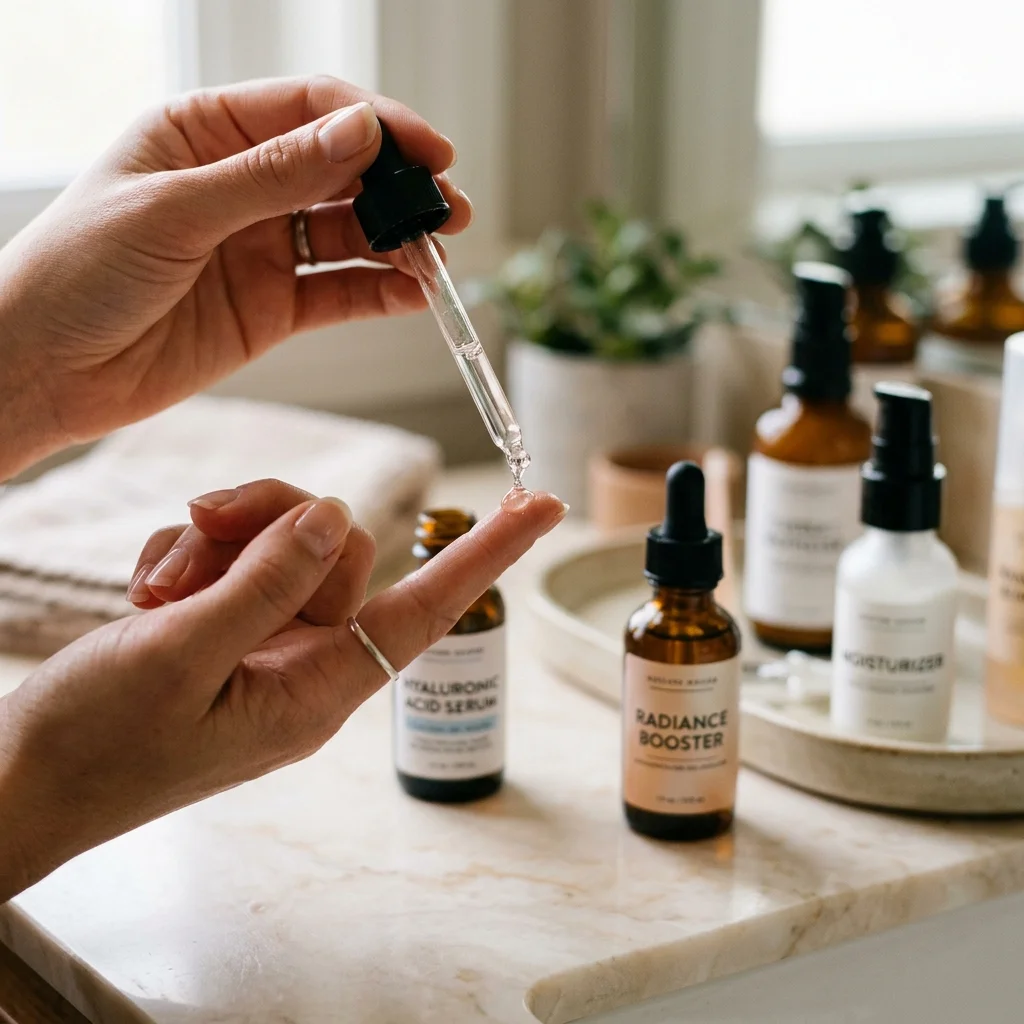
A treatment serum is optional. A simple routine is often better than a crowded routine. Niacinamide is commonly used in lightweight products for oily or combination skin. It may support the skin barrier and can help improve the appearance of uneven tone and enlarged pores. Choose a modest-strength formula and stop if irritation develops.
Vitamin C products may help improve the appearance of dullness and discoloration, but they are not essential. Some formulas sting or feel sticky. A person who is new to active ingredients should usually choose either niacinamide or vitamin C in the morning, not several serums together.
Hyaluronic acid and glycerin are humectants. They help attract and hold water in the upper layers of the skin. They do not add facial oil. Apply a hydrating serum to slightly damp skin and seal it with moisturizer. If the serum feels tight when used alone, that usually means it needs a moisturizer on top.
3. Use a Lightweight Moisturizer

Oily skin still needs moisturizer. The American Academy of Dermatology recommends moisturizing after cleansing, even for oily skin. For mature oily skin, a light lotion or gel-cream is usually easier to wear than a thick balm.
Look for ingredients such as glycerin, hyaluronic acid, ceramides, or niacinamide. Choose fragrance-free products if your skin is reactive. Apply a small amount and add more only to dry areas. You do not have to use the same amount on the entire face. A little more around the cheeks and less on the nose may work well for combination skin.
The phrase “oil-free” can be useful, but the overall formula matters more than one marketing claim. A product that does not clog your pores, does not sting, and keeps your skin comfortable is a better choice than a product that simply promises a matte finish.
4. Finish With Broad-Spectrum Sunscreen

Sunscreen is the most important daytime step for preventing further sun damage. Use a broad-spectrum sunscreen with SPF 30 or higher. Apply it to the face, ears, neck, and other exposed skin. Use enough product and reapply when you are outdoors for extended periods, sweating, or wiping the face.
For oily skin, look for fluid, gel, lotion, or matte-finish sunscreen labelled non-comedogenic. Mineral sunscreens containing zinc oxide or titanium dioxide can suit sensitive skin, but some feel heavy or leave a visible cast. Modern chemical or hybrid sunscreens may feel lighter. The best sunscreen is one you can apply generously and regularly. The AAD’s guidance on selecting anti-aging products emphasizes starting with sunscreen and moisturizer.
A moisturizer with SPF can be suitable for short, mainly indoor days if enough is applied. For prolonged outdoor exposure, a dedicated sunscreen is often easier to apply in the required amount. A wide-brimmed hat, sunglasses, shade, and protective clothing add important protection.
Evening Skincare Routine
1. Remove Makeup and Water-Resistant Sunscreen
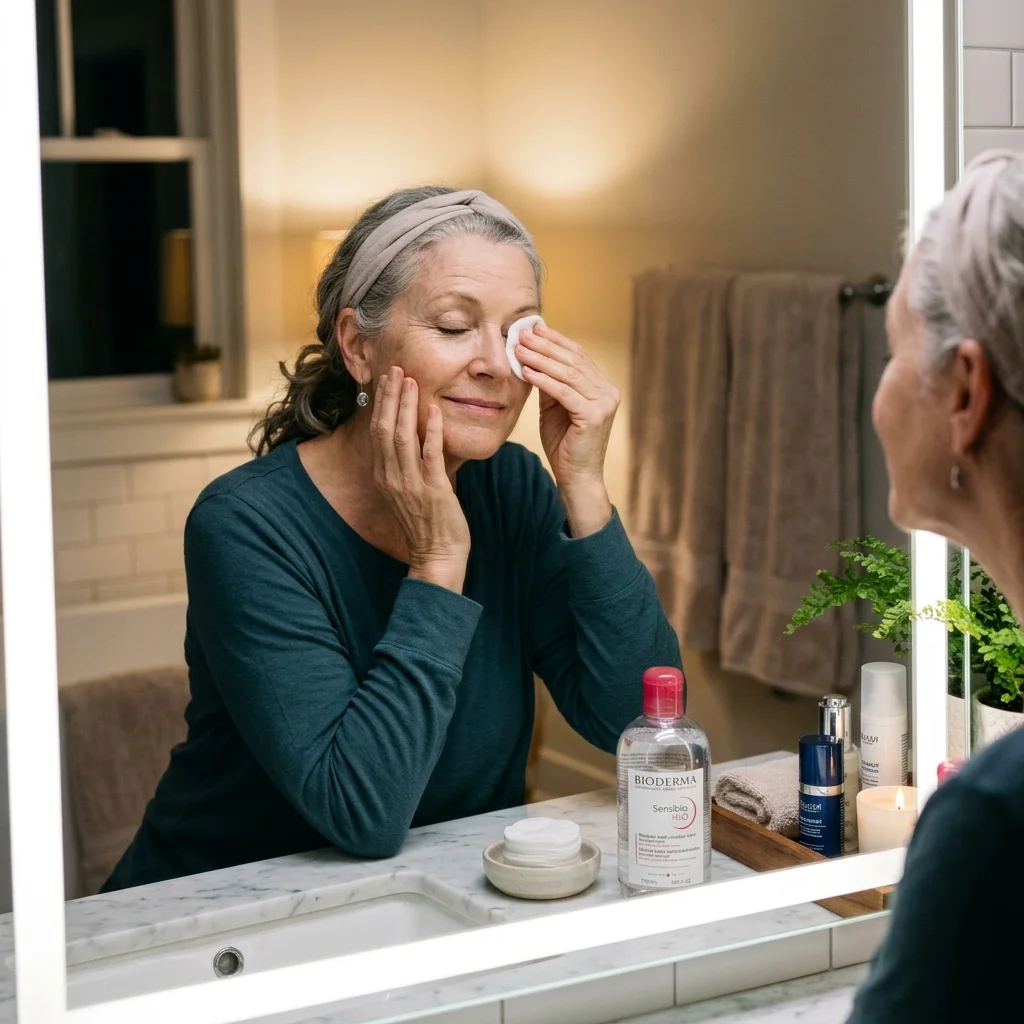
At night, remove makeup and water-resistant sunscreen before cleansing. Micellar water or a gentle makeup remover can be used first, followed by a mild cleanser. Avoid rubbing the eye area. Sleeping in makeup can leave oil, pigment, and product residue on the skin and may worsen blocked pores.
Double cleansing is not necessary for everyone. Use it when you wear heavy makeup, water-resistant sunscreen, or products that do not rinse away easily. If your skin feels dry or irritated after two cleansing steps, use less product, choose gentler formulas, or reserve double cleansing for the days you need it.
2. Use Retinol Carefully, Not Every Night
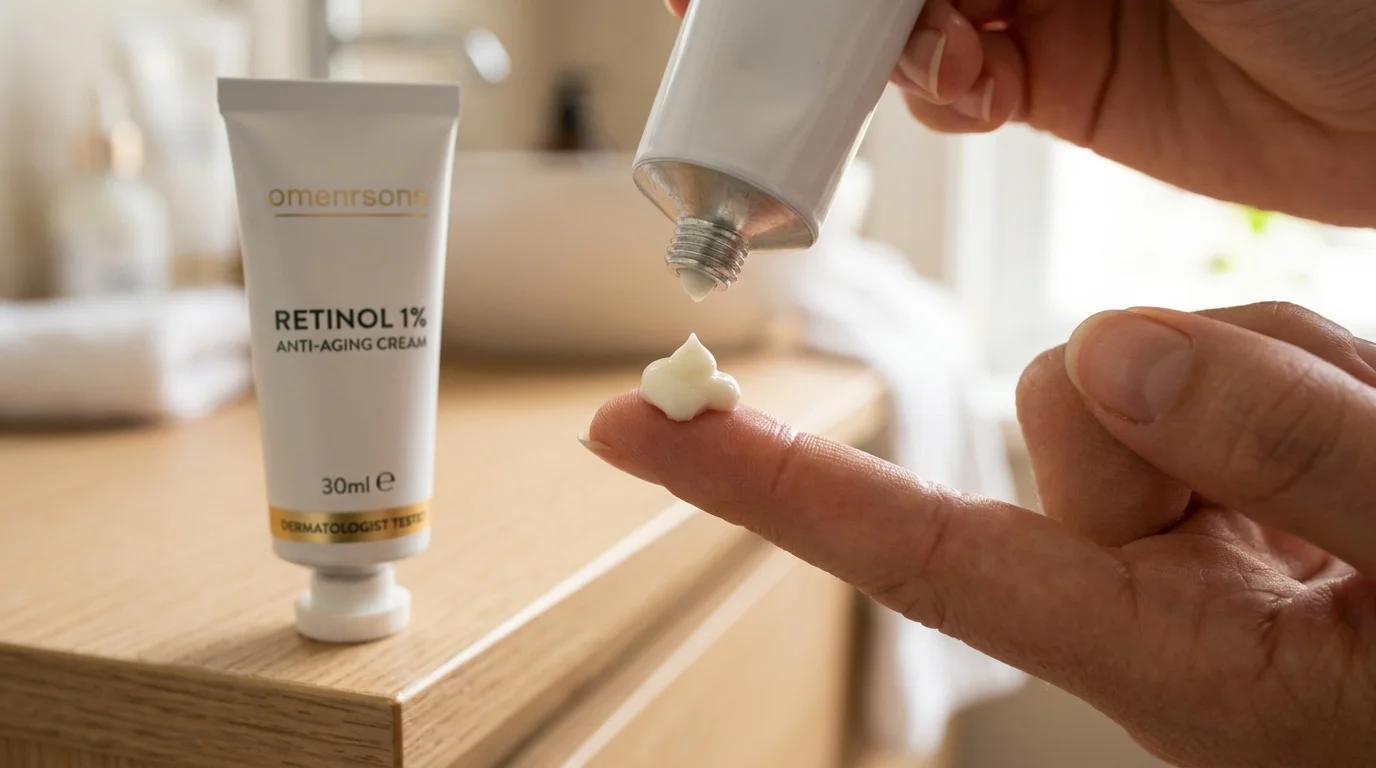
Retinoids are vitamin A–related ingredients used for acne and visible signs of aging. Prescription tretinoin has strong evidence for acne and photoaging, while over-the-counter retinol is usually milder. Retinoids can help prevent pores from clogging and may gradually improve fine lines and uneven texture. The AAD’s overview of retinoids and retinol explains their acne and sun-sensitivity considerations.
Mature skin should begin cautiously. Use a low-strength retinol only two nights a week at first. Apply a pea-sized amount to completely dry skin, avoiding the eyelids, corners of the nose, and lips. Follow with moisturizer, or apply moisturizer before and after the retinol if your skin is sensitive.
Do not combine retinol with an exfoliating acid on the same night when you are starting. Redness, burning, cracking, or persistent peeling means the routine is too strong. Retinoids increase sun sensitivity, so daily sunscreen is essential. People with eczema, rosacea, a history of strong reactions, or prescription medicines should ask a clinician before starting.
3. Use Simpler Alternatives on Other Nights
You do not need retinol to have a useful routine. On non-retinol nights, use a plain hydrating serum and moisturizer. If clogged pores or blackheads are the main concern, a salicylic acid product may help because it can work within oily pores. Mature skin may tolerate a wash-off salicylic acid cleanser better than a strong leave-on treatment.
Start once a week. If there is no irritation, increase slowly to twice a week. Do not use it on broken, inflamed, or freshly shaved skin. If you already use a prescription acne medicine or retinoid, ask a pharmacist or dermatologist before adding another exfoliating ingredient.
Gentle Exfoliation for Mature Oily Skin
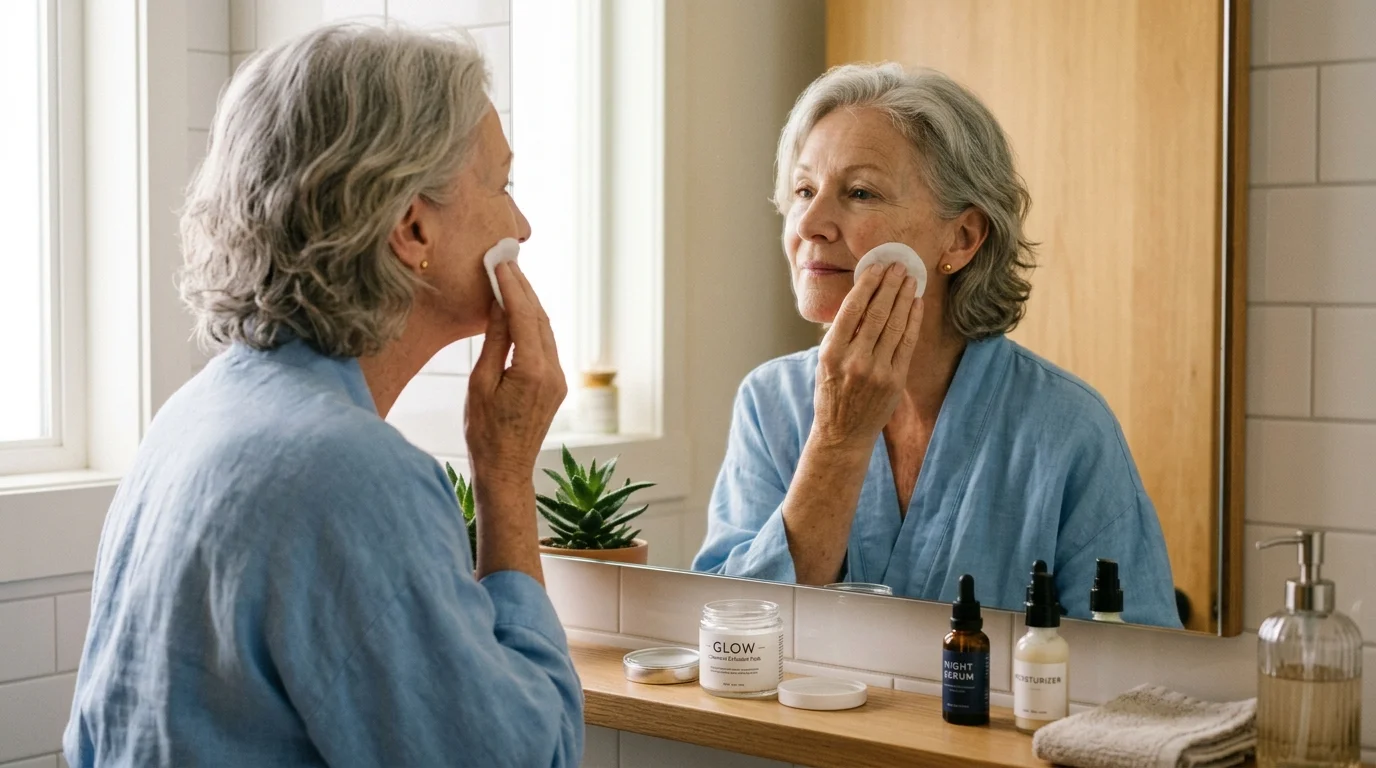
Exfoliation is optional, not compulsory. The skin naturally sheds dead cells, but this process can become slower with age. Gentle chemical exfoliation may improve rough texture and help prevent blocked pores. Abrasive scrubs, stiff brushes, and rough cleansing tools are more likely to irritate mature skin.
Choose one exfoliant. A beta-hydroxy acid such as salicylic acid is often selected for oily, blackhead-prone areas. An alpha-hydroxy acid such as lactic acid may be more suitable for dry, rough surface texture. Use only once a week at first. Never assume that stronger or more frequent use will give faster results.
Skip exfoliation when the skin is sunburned, inflamed, peeling, or unusually sensitive. Moisturize afterward and continue daily sunscreen. If your face stays red or sore for more than a day, stop the exfoliant and let the barrier recover.
Ingredients and Product Labels to Look For
Useful product labels include non-comedogenic, non-acnegenic, fragrance-free, and formulated for sensitive skin. Helpful ingredients may include glycerin, hyaluronic acid, ceramides, niacinamide, low-strength retinol, and carefully used salicylic or lactic acid.
Avoid products that repeatedly sting or leave the face tight. Strong alcohol-based toners, frequent peels, gritty scrubs, and several active ingredients in one routine can be too irritating. Heavy butters or oils may feel uncomfortable or worsen breakouts for some people, although reactions vary. Patch-test new products on a small area for several days before applying them to the whole face.
“Natural” does not automatically mean gentle. Essential oils, citrus extracts, and strongly scented plant products can irritate sensitive skin. Likewise, an expensive product is not automatically better. A short routine with a mild cleanser, suitable moisturizer, and sunscreen often gives better results than a shelf full of products.
How to Choose Products Without Wasting Money
When choosing products, read the complete label rather than focusing on one fashionable ingredient. A cleanser should rinse clean without leaving the face tight. A moisturizer should keep the skin comfortable for several hours without causing new bumps. A sunscreen should spread evenly and be pleasant enough to use every day.
Introduce products one at a time. Keep the receipt when possible and note the date you started. If a reaction occurs, stop the newest product first. A true allergic reaction may cause swelling, hives, intense itching, or blistering and needs medical attention. Mild dryness from an active ingredient may improve when the product is used less often, but persistent burning should not be ignored.
Do not use a product merely because it is labelled “anti-aging.” Many anti-aging creams are rich and fragranced, which may not suit oily or sensitive skin. Choose products for your current skin needs: gentle cleansing, light hydration, pore care where necessary, and sun protection.
A Simple Weekly Schedule
A practical weekly plan keeps strong ingredients separated. For example, use retinol on Monday and Thursday nights. Use a salicylic or lactic acid product on Saturday night only if the skin is comfortable. Use cleanser and moisturizer alone on the remaining nights. This spacing gives the skin time to recover and helps you identify which product causes a reaction. If the face becomes dry, reduce the active products rather than adding more treatments.
| Day | Evening Treatment | Purpose |
|---|---|---|
| Monday | Low-strength retinol | Pore care and visible aging |
| Tuesday | Cleanser + moisturizer only | Barrier recovery |
| Wednesday | Cleanser + moisturizer only | Barrier recovery |
| Thursday | Low-strength retinol | Pore care and visible aging |
| Friday | Cleanser + moisturizer only | Barrier recovery |
| Saturday | One mild exfoliant, only if tolerated | Texture or blackhead care |
| Sunday | Cleanser + moisturizer only | Barrier recovery |
Makeup and Shine Control
Choose water-based, oil-free, or non-comedogenic makeup where possible. A matte product may reduce shine, but very drying foundation can settle into fine lines. A lightweight skin tint or breathable foundation may look more natural on mature skin.
Use blotting paper by pressing it gently onto shiny areas. Do not rub it across the face. Clean makeup brushes and sponges regularly, and do not share them. Remove makeup before bed.
Lifestyle, Diet, and Supplements

Skincare products work best alongside basic health habits. Eat a varied diet containing vegetables, fruit, protein, whole grains, and healthy fats. Drink according to your thirst and medical advice. Drinking excessive water does not replace moisturizer, and no single food can “detox” the skin. Our list of 10 best foods to eat every day after 60 covers nutrient-dense choices that support skin and overall health together.
Supplements are not required for a good skincare routine. Omega-3, collagen, or antioxidant supplements may not be suitable for everyone and can interact with medicines or medical conditions. Discuss supplements with a doctor or pharmacist, especially if you take blood thinners or have a chronic condition. For evidence-based supplement information, consult the NIH Office of Dietary Supplements omega-3 fact sheet and discuss personal use with a clinician or pharmacist.
Smoking accelerates visible skin aging and delays healing. Alcohol can contribute to dehydration and flushing in some people. Sleep, stress management, and regular physical activity support general health, but they should not be presented as a cure for oily skin. A consistent gentle body-care routine, like the one in our gentle body reset after 60 guide, can complement skincare by supporting overall circulation and recovery.
Common Mistakes to Avoid
Common mistakes include washing the face many times a day, using astringent toner after every cleanse, layering retinol with strong acids, skipping moisturizer, and changing the entire routine after one breakout. These habits can make it difficult to understand what the skin actually needs.
Another mistake is treating every bump as acne. Small white bumps may be milia, inflamed red areas may be rosacea, and greasy scaling may be seborrheic dermatitis. Products made for acne can worsen some of these conditions. When the appearance is unusual or persistent, diagnosis is more useful than adding another active ingredient.
Finally, do not expect instant change. A gentle cleanser may improve comfort quickly, but retinoids and treatments for clogged pores often need several weeks. Take a clear photograph in the same light once a month rather than checking the mirror several times a day.
When to See a Dermatologist
Seek professional advice if oiliness or acne begins suddenly after age 60, becomes painful, leaves scars, or does not improve with gentle over-the-counter care. Also make an appointment for persistent redness, yellow or greasy scaling around the nose or eyebrows, severe itching, or a rash that spreads. These symptoms may represent a condition such as seborrhoeic dermatitis, rosacea, contact dermatitis, or another problem that needs a proper diagnosis. The NHS inform guide to acne also covers when persistent breakouts warrant medical review.
A dermatologist can review your medicines, skin history, and current products. Bring the products you use or photographs of their labels. Mention any new hormone treatment, steroid medicine, supplements, or changes in facial hair. Do not use someone else’s prescription cream.
Frequently Asked Questions
Yes. Retinol can help with both acne and wrinkles by unclogging pores and supporting collagen renewal. Start with a low-strength product at night, use it only a few times a week, and wear sunscreen during the day.
Absolutely. Mature oily skin is often dehydrated. A lightweight, oil-free moisturizer keeps the skin comfortable and supports the barrier without requiring a heavy cream.
Yes, but it must be gentle. Choose one mild chemical exfoliant such as an AHA or BHA and begin once a week. Avoid abrasive scrubs and stop if the skin becomes sore or persistently red.
Avoid products that repeatedly burn, sting, or over-dry the skin. Heavy oils such as coconut oil or cocoa butter may worsen breakouts for some people, while alcohol-heavy toners and fragranced products can irritate mature sensitive skin.
A balanced diet supports general health, but it does not replace skincare or medical treatment. Supplements are optional and should be discussed with a healthcare professional if you take medicines or have a chronic condition.
Bottom Line
The best skincare routine for oily skin over 60 is gentle, consistent, and flexible. Cleanse without scrubbing, use only one treatment at a time, moisturize even when the skin is shiny, and protect the face from the sun every day. The purpose is not to make the skin completely oil-free. It is to keep it comfortable, clear, hydrated, and protected.
Begin with the basic three products: a mild cleanser, a lightweight moisturizer, and broad-spectrum SPF 30 or higher. After the skin has been comfortable for several weeks, add niacinamide, retinol, or a mild exfoliant only if there is a clear reason. When symptoms are sudden, severe, painful, or persistent, ask a dermatologist rather than continuing to experiment.
Authoritative Sources
- American Academy of Dermatology – How to Control Oily Skin – Cleansing, product selection, and daily habit guidance.
- American Academy of Dermatology – How to Select Anti-Aging Skin Care Products – Choosing sunscreen, moisturizer, and realistic expectations.
- American Academy of Dermatology – Retinoid or Retinol? – Acne and sun-sensitivity considerations for retinoid use.
- Harvard Health – Skin Care for Aging Skin – Hydration, sun protection, and gentle treatment guidance.
- NHS inform – Acne – When persistent breakouts need medical review.
- DermNet – Seborrhoea – Clinical overview of seborrhoeic skin conditions.
- NIH Office of Dietary Supplements – Omega-3 Fatty Acids – Evidence-based supplement guidance.
⚕️ Medical Disclaimer
The information provided on this page is for educational purposes only and is not intended as medical advice, diagnosis, or treatment. Always consult a qualified healthcare professional before making changes to your diet, starting any supplement, or if you have an existing medical condition. KeepFitQuote does not provide medical diagnoses or treatment recommendations. Read our full disclaimer.