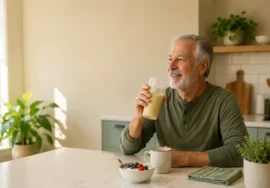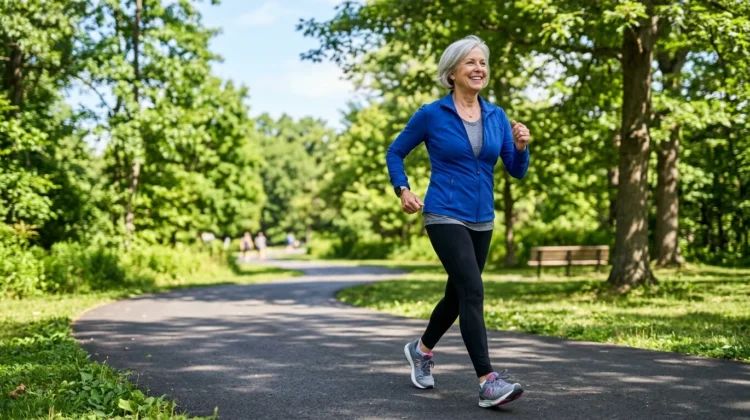
How to Slow Biological Aging After 60: 7 Lifestyle Tips
Biological aging is the gradual loss of resilience across your body’s systems — it is not simply the number of birthdays you have had. After 60, the encouraging news is that many of the behaviors most strongly linked to slower biological aging are ordinary, affordable, and within your control: regular movement, resistance training, a protein-aware plant-forward diet, consistent sleep, tobacco avoidance, low-risk alcohol use, and good control of blood pressure, blood sugar, and body weight. Social connection and mentally active routines round out the picture.
This guide translates the current geroscience and public-health evidence into seven practical lifestyle habits adults over 60 can start this week, with clear safety notes for frailty, heart disease, kidney disease, falls, and medication interactions.
Adults over 60 can support healthier biological aging by combining 150 minutes of weekly moderate activity, two or more strength sessions, regular balance work, protein-rich plant-forward meals, consistent sleep, tobacco avoidance, low-risk alcohol use, and good control of blood pressure, blood sugar, and body weight. Social connection and mentally active routines further support long-term function and independence.
Understanding Biological Aging After 60
Biological aging shows up as slower recovery, weaker muscles, higher inflammation, insulin resistance, worsening sleep, poorer balance, and greater susceptibility to chronic disease. Researchers estimate it using combinations of clinical function, organ-system measures, and laboratory biomarkers such as DNA-methylation (“epigenetic”) clocks, while public-health organizations translate that science into behaviors that improve healthspan rather than just lifespan.
That distinction matters after 60 because many people can still improve meaningful aging indicators. Stronger legs, better balance, better sleep regularity, lower blood pressure, improved glucose control, and lower inflammatory burden all move in the same direction: they reduce frailty, preserve independence, and often correspond to “younger” biological profiles. The goal here is not age reversal in a sensational sense — it is slower decline, better reserve, and more years of physical and cognitive function.
Biological Age vs. Chronological Age
Chronological age is simply the number of years you have lived. Biological age reflects how your cells, organs, and systems are actually functioning relative to that timeline. Two 65-year-olds can have very different biological ages depending on muscle mass, cardiovascular fitness, inflammation, glucose control, and sleep quality — which is exactly why lifestyle habits, not just genetics, carry so much weight in healthy aging.
Physical Activity and Resistance Training
If one lifestyle input deserves the top spot, it is movement. The CDC physical activity guidelines for older adults recommend that adults 65 and older get at least 150 minutes of moderate-intensity aerobic activity per week, at least two days of muscle-strengthening activity, and balance work. The WHO physical activity fact sheet adds that insufficiently active adults have a 20% to 30% higher risk of death than sufficiently active adults, with added benefits for cognition, sleep, body fat, falls, diabetes, and cardiovascular disease.
Biological Mechanisms of Movement
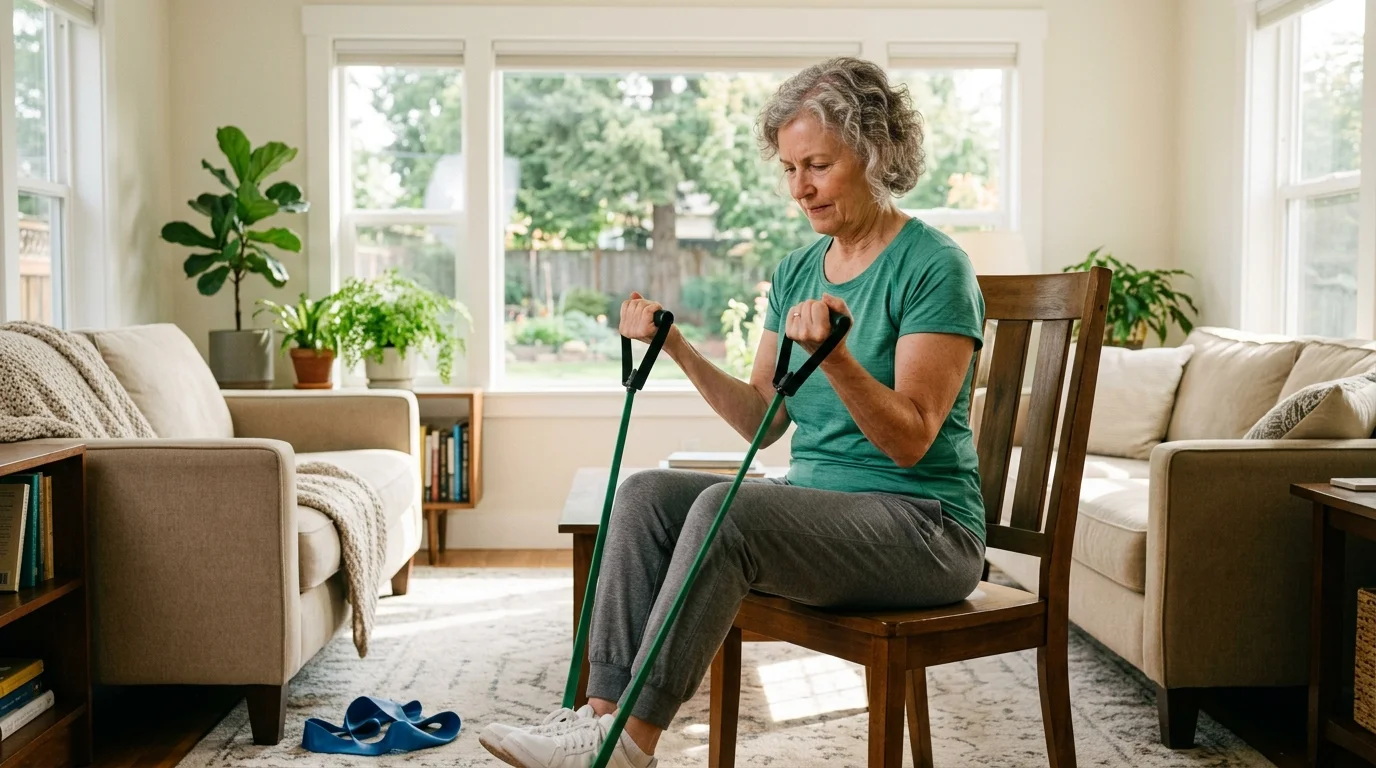
Physical activity improves mitochondrial efficiency, insulin sensitivity, endothelial function, blood pressure, muscle protein turnover, and inflammatory tone. Resistance training is especially important after 60 because it directly targets sarcopenia — age-related muscle loss — one of the clearest functional expressions of biological aging. Aerobic activity supports heart, brain, and metabolic aging; strength work supports muscle, bone, and glucose metabolism; balance work reduces fall risk.
Recommended Frequency and Targets for Seniors
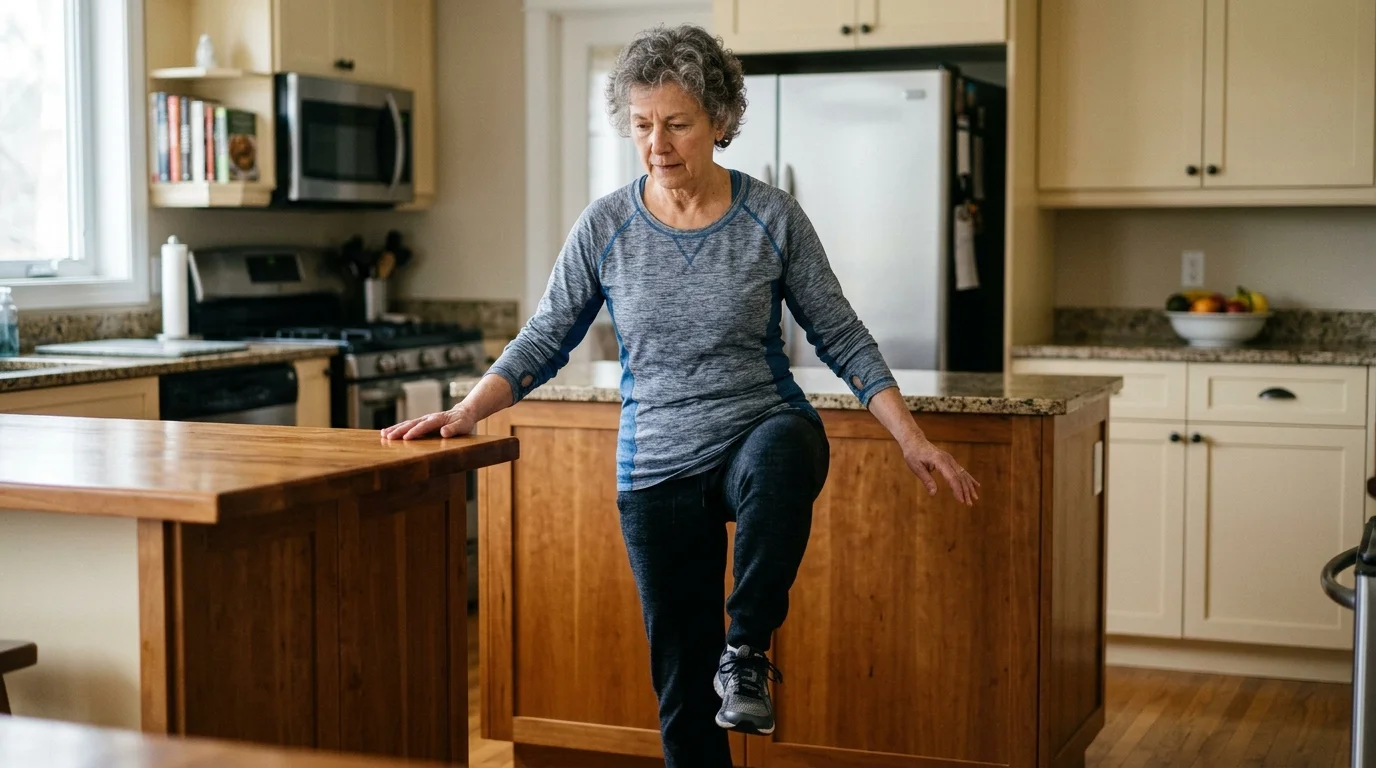
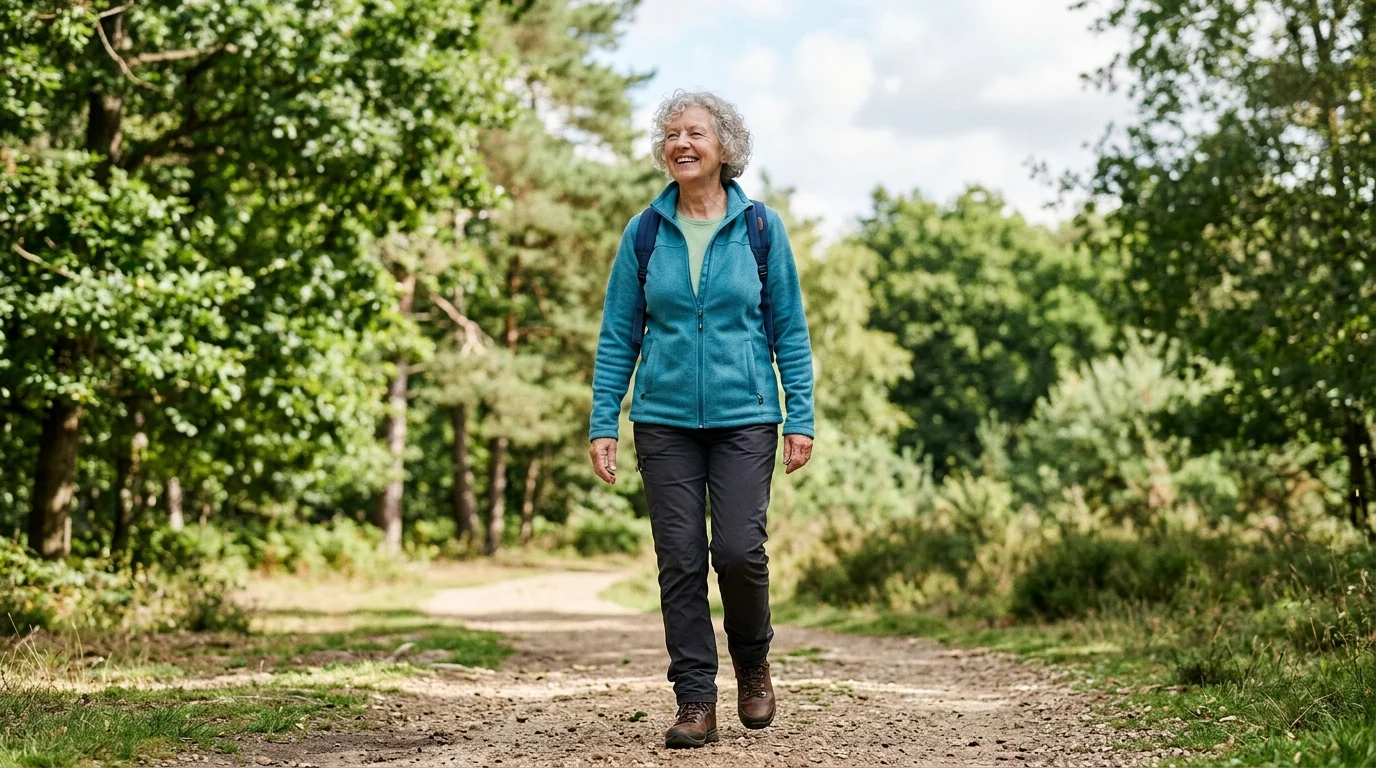
A strong, senior-friendly baseline is brisk walking or similar moderate movement for about 30 minutes on five days each week, plus strength training on two or three nonconsecutive days, plus short balance drills most days. A practical model: walking Monday through Friday, resistance training Tuesday and Saturday, and five to ten minutes of heel-to-toe walking, sit-to-stands, or single-leg holds most days.
Safety Considerations and Contraindications
People with unstable angina, poorly controlled arrhythmias, a recent fracture, severe symptomatic aortic stenosis, acute illness, or new neurologic symptoms should get medical clearance before starting a new program. Frail adults should begin with chair-supported balance drills, walking intervals, and light resistance bands rather than jumping, sprinting, or maximal lifts. Pain that is sharp, chest-related, or accompanied by dizziness is a stop signal.
Practical Senior-Friendly Implementation Steps
Start below your current ceiling, not above it. If 30 continuous minutes is too much, do three 10-minute walks instead. For strength, begin with sit-to-stands, wall pushups, step-ups, resistance-band rows, and carries with light grocery-bag weights. Progress slowly: add consistency first, then volume, then intensity. Readers looking for a structured starting routine can review our guide on how to build muscle after 60 with cheap everyday foods for pairing strength work with the right nutrition.
Protein, Diet Quality, and Energy Balance
Diet quality influences biological aging partly through inflammation, vascular risk, glucose regulation, and muscle maintenance. Research on long-term healthy-aging patterns consistently supports a plant-forward pattern rich in vegetables, fruit, legumes, nuts, whole grains, and unsaturated fats, in line with the Harvard Nutrition Source healthy eating plate. That does not prove a single perfect anti-aging diet, but it strongly supports prioritizing food quality over fad restriction.
Biological Mechanisms of Diet Quality
Better diet quality reduces cardiometabolic strain, supports the gut microbiome, improves blood lipids, lowers blood pressure, and supplies the protein and micronutrients needed for tissue repair. For adults over 60, protein becomes especially important because age-related anabolic resistance means muscle responds less robustly to meals than it did decades earlier. A practical evidence-based range for many healthy older adults is about 1.0 to 1.2 grams of protein per kilogram of body weight per day, especially when preserving muscle and function is a priority.
Recommended Protein and Meal Pattern
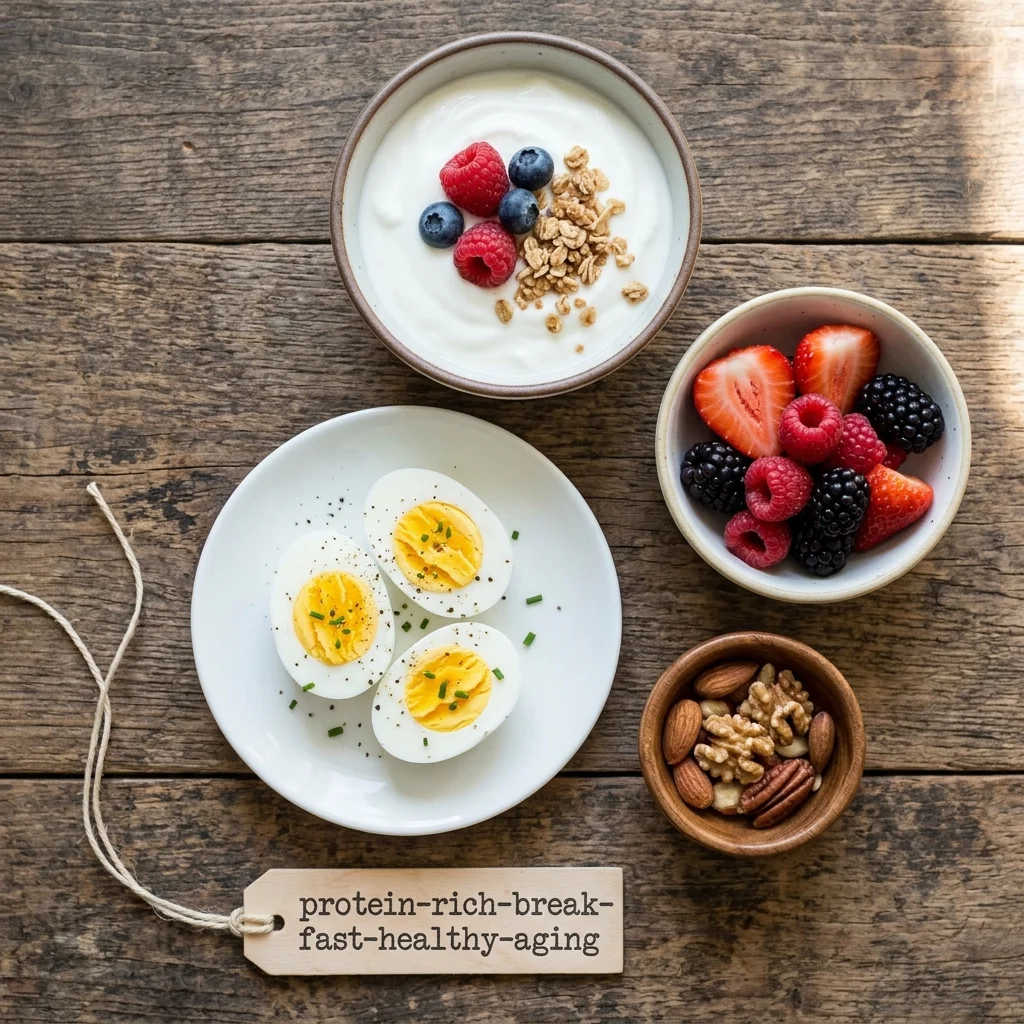
Rather than packing protein into dinner alone, spread it across the day — breakfast, lunch, and dinner, with roughly 25 to 35 grams at each meal when feasible. Combine that with a Mediterranean-style pattern: olive oil, fish, beans, yogurt, eggs, nuts, oats, berries, leafy greens, and minimally processed carbohydrates. If weight loss is needed, use modest calorie reduction rather than crash dieting, since aggressive restriction in adults over 60 can worsen lean-mass loss if done carelessly.
Safety Considerations and Medical Cautions
Protein may need adjustment in advanced chronic kidney disease, and high-potassium foods may need tailoring in kidney disease. Poorly fitting dentures, swallowing problems, or low appetite may call for softer protein foods such as Greek yogurt, eggs, cottage cheese, tofu, lentils, or protein-fortified soups. Adults with unexplained weight loss should not begin calorie restriction without medical evaluation.
Practical Senior-Friendly Food Steps
Build meals from a simple template: one palm-sized protein source, two fist-sized portions of vegetables or fruit, one quality carbohydrate if tolerated, and one healthy fat. Keep ready-to-use foods on hand — canned salmon, Greek yogurt, nuts, beans, frozen vegetables, eggs, kefir, and prewashed greens. For more meal ideas built around this template, see our list of 10 best foods to eat every day after 60. The best longevity diet is the one you can still follow on an ordinary Wednesday.
Sleep Quality and Circadian Regularity
Sleep is one of the clearest bridges between daily habit and biological aging. Recent research summarized by Verywell Health found a U-shaped association between sleep duration and biological aging, with roughly 6.4 to 7.8 hours per night associated with the slowest aging across several organ systems. In older adults specifically, sleep efficiency and regularity may matter as much as raw duration.
Biological Mechanisms of Sleep Regularity
Chronic short sleep and irregular sleep can worsen inflammation, insulin resistance, mood, blood pressure, and daytime function. In older adults, fragmented sleep also interacts with pain, nocturia, sleep apnea, depression, and medication effects. Better sleep is not just passive rest — it is a systems-level recovery process supporting brain, metabolic, and immune resilience. If dry mouth from CPAP therapy is disrupting your sleep, see our guide on CPAP dry mouth in older adults for fixes that protect both sleep quality and oral health.
Recommended Sleep Targets for Adults Over 60
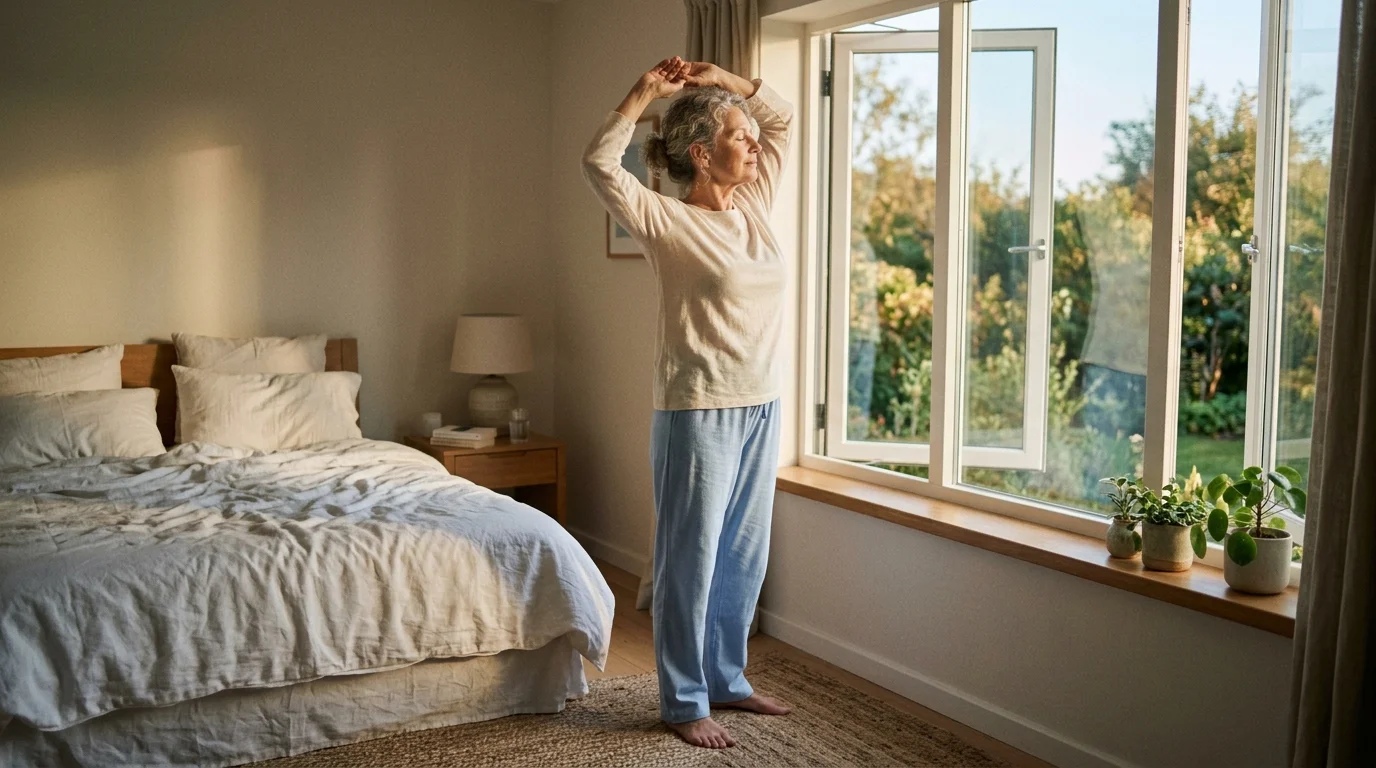
Aim for a stable sleep window that leaves you rested — usually around seven hours for many older adults, while recognizing individual needs differ. Anchor your wake time first. Get morning light exposure, keep daytime activity up, avoid heavy alcohol close to bedtime, and reduce late caffeine. If insomnia persists for months, cognitive behavioral therapy for insomnia is generally a safer first-line strategy than simply escalating sleep medications.
Sleep Red Flags and Medical Cautions
Snoring with witnessed pauses, sudden daytime sleepiness, restless legs, recurrent early waking with low mood, or needing sleeping pills most nights warrants medical review. Overnight awakenings may reflect sleep apnea, medication timing, prostate symptoms, heart failure, or depression rather than “normal aging.”
Practical Sleep Routine Steps
Use a repeatable evening sequence: dim the lights, stop scrolling on your phone, keep the bedroom cool and dark, and maintain the same wake time even after a poor night. Add morning daylight and a walk before noon whenever possible — those two behaviors often improve circadian timing and sleep pressure without adding medication burden.
Tobacco-Free Living and Low-Risk Alcohol Use
Among all lifestyle choices, smoking remains one of the clearest accelerators of biological wear. In the cardiovascular-aging literature summarized in coverage of the American Heart Association’s Life’s Essential 8 framework, non-smoking sits alongside diet, movement, sleep, weight, blood pressure, cholesterol, and glucose as a core determinant of healthier biological aging.
Biological Mechanisms of Tobacco and Alcohol Risk
Tobacco smoke increases oxidative stress, endothelial injury, inflammation, cardiovascular risk, cancer risk, and chronic lung damage — all of which narrow physiological resilience. Quitting is beneficial at any age because it reduces future vascular and pulmonary injury even if it cannot erase every prior exposure. Alcohol is more nuanced: emerging headlines about modest longevity signals should not be read as a reason to start drinking. For adults over 60, especially those with fall risk, sleep problems, liver disease, hypertension, atrial fibrillation, or interacting medications, less is usually safer.
Tobacco and Alcohol Targets After 60
The safest target for smoking is complete cessation. For alcohol, if you do not drink, there is no evidence-based need to begin. If you do drink, keep it low, avoid binge patterns, and consider alcohol-free evenings as the default.
Safety Considerations and Medication Interactions
Alcohol should be minimized or avoided in people with insomnia, recurrent falls, neuropathy, liver disease, pancreatitis, active depression, memory complaints, sedative use, or anticoagulation. Tobacco cessation medications and nicotine replacement can be very helpful, but should be chosen with a clinician if you have significant cardiac disease or take multiple medications.
Practical Cessation and Alcohol-Reduction Steps
Replace both habits by redesigning your cues, not just relying on willpower. Make morning walking your first daily cue, change the location of after-dinner routines, remove cigarettes and visible alcohol from easy reach, and get social accountability. The goal is a daily environment where the healthier action is the default, not the effortful choice.
Cardiometabolic Control and Weight Maintenance
One of the most practical ways to slow biological aging after 60 is to stop thinking in terms of “anti-aging” and start thinking in terms of measurement. Blood pressure, HbA1c or fasting glucose, waist circumference, lipids, and physical function are aging markers in real life because they predict what your heart, kidneys, brain, and blood vessels are experiencing. Research linked to the AHA’s Life’s Essential 8 framework found that higher cardiovascular-health scores corresponded to slower biological aging and, at the high end, a biological age several years younger than chronological age.
Biological Mechanisms of Cardiometabolic Control
Good blood-pressure control lowers arterial stiffness and stroke risk. Better glucose control reduces glycation, vascular injury, and neuropathy. Healthy waist circumference reflects lower visceral fat and lower inflammatory burden. This is why adults who improve diet quality, physical activity, sleep, and smoking status frequently improve biological-aging proxies even without dramatic weight loss. If you want to know the warning signs that your glucose control needs attention, see our guide on 7 warning signs your blood sugar is too high after 60.
Recommended Health Markers and Tracking Targets
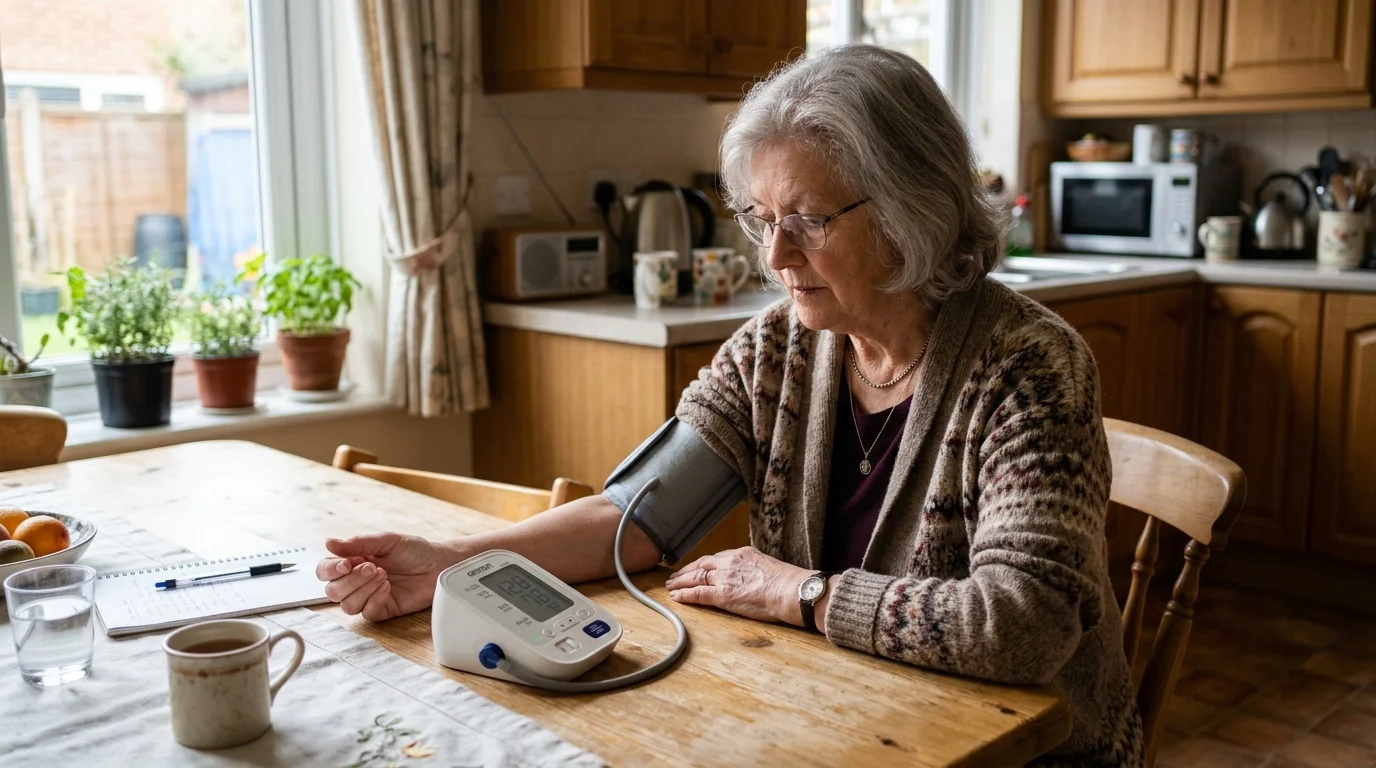
Know your personal baseline, then work with your clinician on individualized targets. A sensible self-management routine includes checking home blood pressure if you have hypertension, getting periodic lipid and glucose testing, walking after meals when possible, and keeping resistance training in your week because it improves both glucose disposal and functional reserve.
Medical Cautions for Weight and Diet Changes
Unintentional weight loss in older adults is a warning sign, not a victory — it can reflect cancer, depression, malabsorption, thyroid disease, medication effects, or frailty. Likewise, very low-carbohydrate or fasting regimens can increase dizziness, dehydration, and medication mismatch in older adults who take insulin, sulfonylureas, or blood-pressure drugs.

Practical Tracking and Daily Action Steps
Make “small daily wins” the rule: a ten-minute walk after lunch, protein at breakfast, one blood-pressure check on the same day each week, and a prescription review at each medical visit. Longevity is built from repeated low-drama habits that keep risk factors from silently drifting upward.
Stress, Social Connection, and Cognitive Challenge
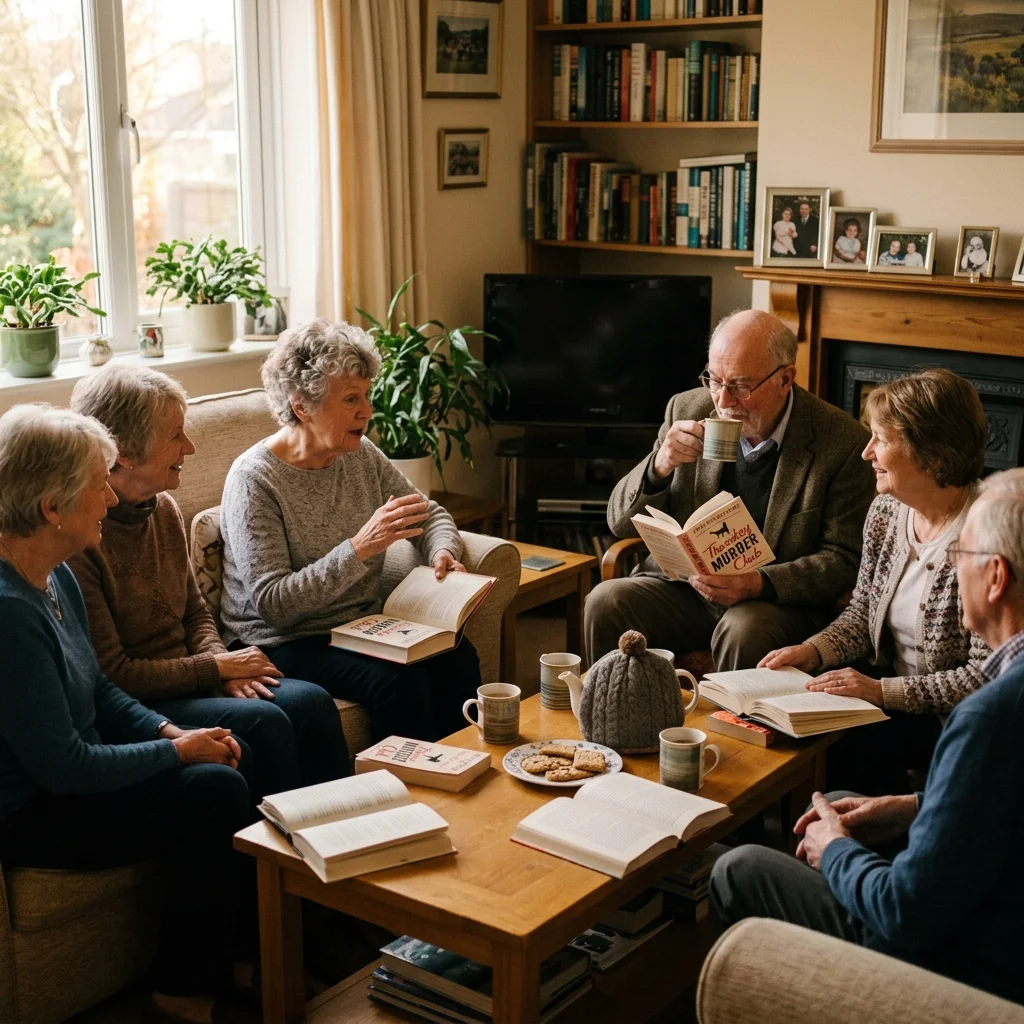
The evidence here is more observational than experimental, but it is still important. Social isolation in older adults has repeatedly been linked to poorer physical and mental health, higher mortality risk, and cognitive decline, according to the National Institute on Aging’s overview of loneliness and social isolation.
Biological Mechanisms of Connection and Cognitive Challenge
Chronic stress and isolation can amplify sleep disruption, inactivity, depressive symptoms, and inflammatory signaling. Social connection, purpose, and mentally engaging routines likely work indirectly by protecting behavioral consistency: people who see friends, volunteer, take classes, attend faith communities, or care for grandchildren often move more, eat better, sleep more regularly, and notice health changes earlier.
Recommended Social and Cognitive Frequency
Aim for at least several meaningful social contacts each week and at least one cognitively challenging activity most days. That can be book clubs, language learning, choir, volunteer work, bridge, gardening plans, woodworking, structured walking groups, or technology classes. The goal is not to “keep busy” for its own sake — it is to preserve engagement, novelty, and purpose.
Red Flags and Mental-Health Considerations
Sudden withdrawal, apathy, new confusion, or worsening loneliness may reflect depression, hearing loss, grief, medication effects, or an early cognitive disorder, and deserves clinical attention. Cognitive challenge should also be tailored — frustration-heavy activities are less sustainable than enjoyable ones with mild stretch.
Practical Connection and Cognitive Steps
Put one recurring social appointment on the calendar before you “feel ready,” scheduled the same way you would a medical visit. Add a mentally engaging practice to an existing habit: audiobooks while walking, ten minutes of language practice after breakfast, or a standing weekly class. Strong aging routines are easier to keep when they are anchored to identity and community, not just discipline.
Practical Weekly Plan
A realistic week for an adult over 60 could look like this: brisk walking for 30 minutes on five days, resistance training on two or three days, five minutes of balance work after brushing your teeth, protein-rich breakfasts, vegetables at lunch and dinner, alcohol-free weeknights, and a fixed sleep schedule with morning daylight. Add one social activity, one cognitively challenging activity, and regular tracking of blood pressure or blood sugar if relevant.
| Day | Movement | Nutrition Focus | Connection / Mind |
|---|---|---|---|
| Monday | 30-min brisk walk | Protein at every meal | 10-min language practice |
| Tuesday | Resistance training | Vegetables at lunch & dinner | Call a friend or family member |
| Wednesday | 30-min brisk walk + balance drills | Plant-forward dinner | Audiobook while walking |
| Thursday | 30-min brisk walk | Fish or legumes at dinner | Home blood-pressure check |
| Friday | Resistance training | Protein-rich breakfast | Book club or class |
| Saturday | 30-min brisk walk | Batch-cook for the week | Family or social time |
| Sunday | Gentle walk + balance drills | Plan next week’s meals | Rest and reflection |
The deeper point is consistency. Biological aging is not driven by one birthday or one hard workout — it reflects accumulated exposures. Small actions repeated for months, like walking, lifting, sleeping on schedule, eating better protein and fiber, quitting smoking, and staying connected, are exactly the behaviors most likely to compound into slower decline and better function after 60.
Frequently Asked Questions
You can often slow the pace of decline in meaningful ways — through better function, lower cardiometabolic risk, better sleep, and improved resilience — even if you cannot “stop aging.” Human studies show modest but real shifts in biological-aging measures and strong benefits in healthspan-related outcomes.
For most adults over 60, regular physical activity plus resistance training offers the broadest return because it affects muscle, balance, glucose control, blood pressure, mood, and cognition all at once.
A common evidence-based target is at least 150 minutes of moderate aerobic activity each week, at least two days of muscle-strengthening activity, and balance work, per CDC guidelines for older adults.
No. A high-quality, plant-forward pattern with adequate protein is more evidence-based than branded anti-aging diets. Consistency matters more than novelty.
No. Calorie restriction has interesting human signals, but aggressive restriction can be risky in older adults, especially if it causes muscle loss, weakness, or undernutrition.
Many older adults do best around seven hours, and recent evidence suggests a range near 6.4 to 7.8 hours may be associated with slower aging, but sleep regularity and quality matter too.
Not automatically. Evidence from older-adult trials is promising but modest, so supplements should complement — not replace — exercise, diet, and routine medical care.
Yes. Tobacco avoidance remains one of the clearest ways to reduce cardiovascular and systemic aging burden at any age, including for long-time smokers who quit later in life.
Yes. Social connection supports mood, adherence to healthy habits, and cognitive resilience. Social isolation in older adults is linked in the research literature to worse health outcomes.
Seek individualized guidance before major exercise or diet changes if you have chest pain, recurrent falls, frailty, unexplained weight loss, insulin use, severe lung disease, an unstable heart rhythm, advanced kidney disease, or significant sleep symptoms such as suspected sleep apnea.
Bottom Line
Slowing biological aging after 60 is less about chasing a single breakthrough and more about stacking ordinary, well-supported habits: regular movement and resistance training, a protein-aware plant-forward diet, consistent sleep, tobacco avoidance, low-risk alcohol use, good cardiometabolic control, and real social and cognitive engagement. None of these require extreme protocols or expensive supplements — they require consistency, and a willingness to involve your doctor when red flags appear. Adults who build these seven habits into an ordinary week give themselves the best evidence-based chance at a longer, more functional healthspan.
Authoritative Sources
- WHO – Physical Activity Fact Sheet – Global guidance on activity levels and mortality risk.
- CDC – Physical Activity Guidelines for Older Adults – Weekly aerobic, strength, and balance targets.
- Harvard T.H. Chan School of Public Health – Healthy Eating Plate – Evidence-based dietary pattern guidance.
- Verywell Health – Sleep Duration and Biological Aging – Research on the sleep-duration sweet spot for slower aging.
- Tom’s Guide – Sleep Duration and Healthy Aging Study – Independent coverage of the same sleep-aging research.
- Health.com – Heart-Healthy Habits and Biological Aging – Cardiovascular-health score linked to biological age.
- National Institute on Aging – Loneliness and Social Isolation – Health risks of social isolation in older adults.
- The Guardian – Omega-3 and Healthspan Trial – Reporting on the DO-HEALTH omega-3/vitamin D/exercise trial.
- TIME – Researchers May Have Found a Way to Slow Human Aging – Coverage of the CALERIE calorie-restriction trial.
⚕️ Medical Disclaimer
The information provided on this page is for educational purposes only and is not intended as medical advice, diagnosis, or treatment. Always consult a qualified healthcare professional before making changes to your diet, starting any supplement, or if you have an existing medical condition. KeepFitQuote does not provide medical diagnoses or treatment recommendations. Read our full disclaimer.