CPAP Dry Mouth in Older Adults: Causes, Fixes & Relief Tips
Waking up with a sticky tongue, cracked lips, bad breath, or a throat that feels like sandpaper can make continuous positive airway pressure therapy difficult. This is especially true for older adults who already manage medications, dental work, nasal congestion, or chronic conditions. The good news is that CPAP dry mouth is usually fixable. In most cases, the answer is not to stop therapy; it is to identify why the mouth is drying out and then correct the mask, humidity, breathing pattern, oral-care routine, or medical factors behind the problem.
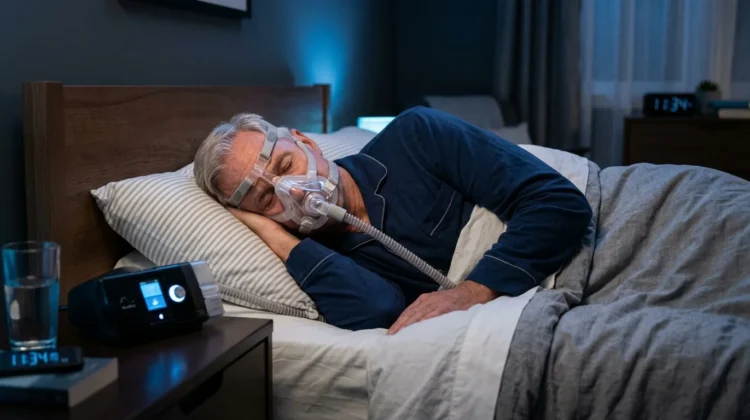
CPAP therapy keeps the airway open by delivering pressurized air through a mask during sleep. The NHLBI CPAP overview describes CPAP as a treatment that uses mild air pressure to keep breathing airways open. That airflow can be very helpful for sleep apnea, but it can also dry exposed oral tissues when air leaks through the mouth or when the air is not humidified enough.
Older adults need a slightly different approach because dry mouth in later life is often caused by more than one issue. The CPAP device may be part of the problem, but medicines for blood pressure, depression, allergies, bladder symptoms, pain, or other conditions may also reduce saliva. Diabetes, Sjogren’s disease, dehydration, dentures, reduced thirst, and nighttime mouth breathing can make symptoms worse. A strong fix must therefore answer two questions at the same time: why CPAP can cause dry mouth and why seniors are more vulnerable to it.
Quick Answer: How to Fix CPAP Dry Mouth in Older Adults
For many seniors, the fastest improvement comes from four practical steps: use a heated CPAP humidifier, check the mask for leaks, reduce mouth breathing, and protect oral health during the day. If you use a nasal mask and wake with a very dry mouth, you may be opening your mouth during sleep. A chin strap, better treatment of nasal congestion, or switching to a full-face mask may help. If you already use a full-face mask, the issue may be leakage around the seal, low humidity, dry bedroom air, or medication-related low saliva.
Start with the simplest changes first. Fill the humidifier chamber correctly, increase humidity gradually, consider heated tubing if condensation occurs, replace worn mask cushions, and ask your sleep provider to review leak data from the CPAP machine. At the same time, drink enough fluids during the day, avoid alcohol and tobacco, use sugar-free gum or saliva-supporting products when appropriate, and visit a dentist if dryness is causing sores, tooth decay, denture discomfort, or persistent bad breath.
What Is CPAP Dry Mouth?
Dry mouth is also called xerostomia. The NIDCR dry mouth guide explains that saliva is important because it moistens the mouth, helps break down food, supports swallowing, washes food particles away from teeth and gums, and helps protect teeth. When the mouth remains dry night after night, the problem can affect comfort, taste, speech, dental health, and willingness to continue CPAP therapy.
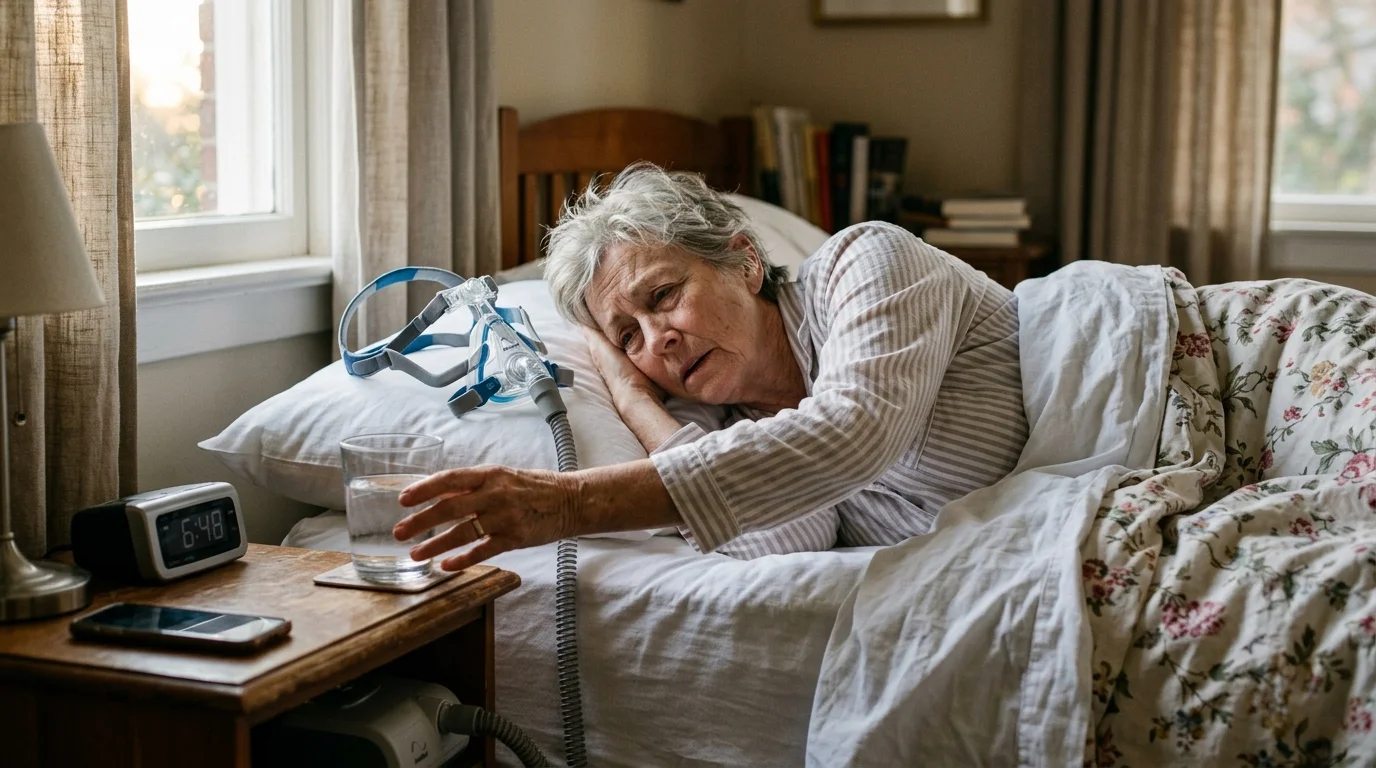
CPAP-related dry mouth usually appears in the morning. A person may remove the mask and feel a dry tongue, burning mouth, dry throat, thicker saliva, cracked lips, or a need to drink water immediately. Some people also notice bad breath, hoarseness, coughing, or a sour taste. These symptoms can be mild at first, but they can become discouraging when they happen every night.
The important point is that dry mouth is a symptom, not a diagnosis. It tells you that the mouth is losing moisture faster than saliva can replace it, or that saliva production is already reduced. CPAP airflow can expose the problem, but the root cause may be air leak, mouth breathing, insufficient humidity, medication effects, dehydration, or disease-related salivary gland changes. Finding the cause is the key to choosing the correct fix.
Why Older Adults Are More Likely to Experience CPAP Dry Mouth
Medication burden is higher after 60
Many older adults take several daily medications. This matters because many medicines can reduce saliva. Common contributors may include some blood-pressure medicines, antidepressants, antihistamines, decongestants, diuretics, bladder-control medicines, pain medicines, sleep aids, and anxiety medicines. When a CPAP user already has medication-related low saliva, pressurized airflow can make morning dryness feel much worse.
This does not mean a patient should stop prescribed medicine. Instead, make a medication list and ask a physician, dentist, or pharmacist whether any medicine is likely to worsen dry mouth. Sometimes the answer is a timing change, a dose adjustment, a substitute medicine, or a saliva-supporting product. Never change prescription medication without medical guidance.
Thirst and hydration patterns can change with age
Some seniors drink less because they do not feel thirsty, worry about nighttime bathroom trips, or have mobility problems that make drinking water inconvenient. A dry bedroom, hot climate, diuretics, caffeine, or illness can add to the problem. If the body is under-hydrated before bedtime, CPAP airflow has less moisture reserve to work with.
Dental work and dentures can increase discomfort
Older adults may have crowns, bridges, implants, partial dentures, or full dentures. Dry mouth can make these appliances rub, loosen, or irritate soft tissues. Because saliva helps protect teeth and gums, persistent dryness may increase the risk of cavities, gum irritation, oral infections, and denture sores. CPAP dry mouth with dentures should be treated as an oral-health issue, not only a sleep-device issue.
Chronic conditions can reduce saliva or nasal breathing
Diabetes, Sjogren’s disease, previous head or neck radiation, neurological conditions, chronic sinus disease, and allergies can all contribute to dry mouth or mouth breathing. See the Sleep Foundation CPAP dry mouth guide for a thorough overview of these related causes and troubleshooting options.
Main Causes of CPAP Dry Mouth in Seniors
Mask leaks and mouth breathing
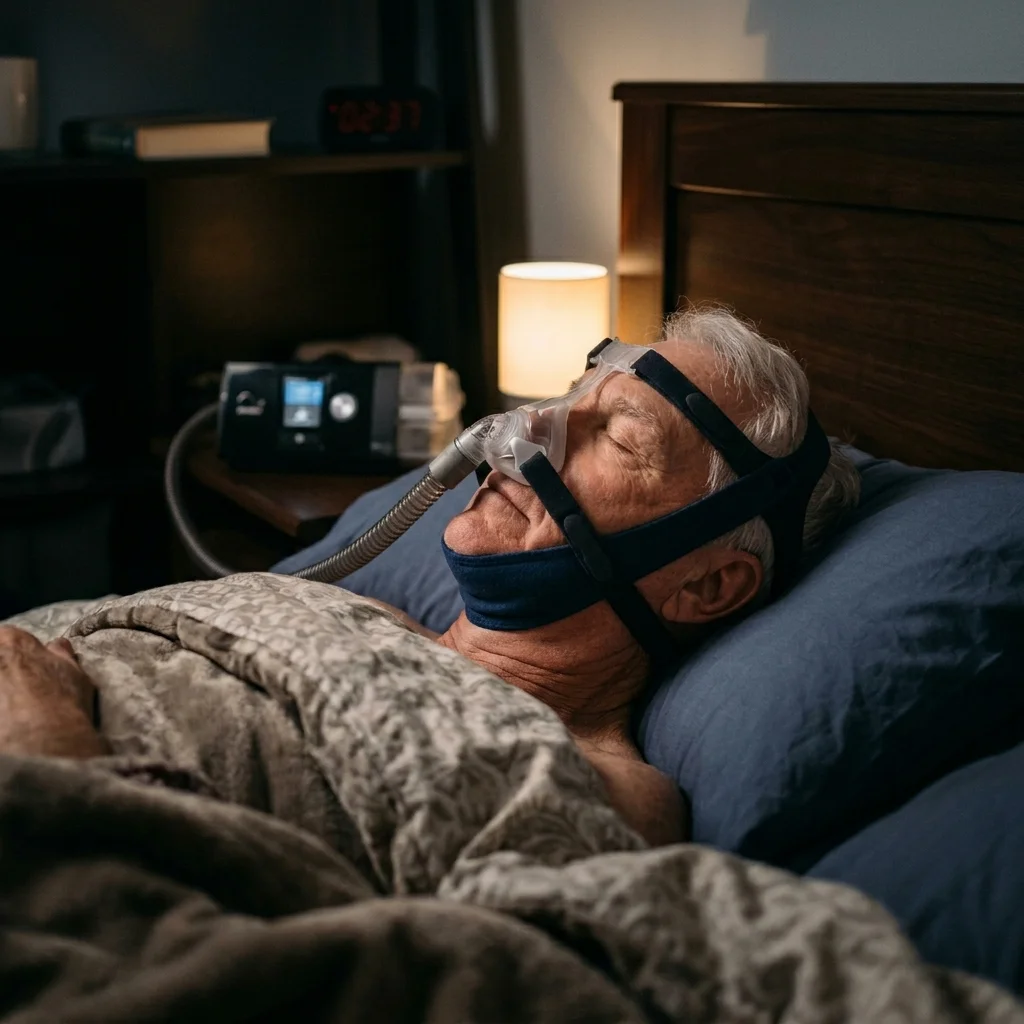
The most common CPAP-specific cause is air escaping through the mouth or around the mask. If a person uses a nasal mask or nasal pillows and the mouth opens during sleep, pressurized air can enter through the nose and exit through the mouth. This bypasses the normal warming and humidifying function of the nose and dries the tongue, cheeks, gums, and throat.
Mask leaks can also happen with full-face masks. A cushion that is worn out, the wrong size, or overtightened may leak around the cheeks, nose bridge, or chin. Overtightening can distort the cushion and create new leaks. Older adults with facial changes, weight loss, facial hair, dental changes, or dentures may need a fresh mask fitting even if the mask worked well in the past.
Low humidity and dry airflow
CPAP air may feel dry when the humidifier setting is too low, the water chamber is empty, the bedroom air is dry, or the tubing is not keeping warm moist air stable. Heated humidification is often the first equipment adjustment to try because it adds moisture directly to the airflow.
Humidity must be balanced. If the setting is too low, the mouth and nose may stay dry. If the setting is too high in a cool bedroom, water may condense inside the tubing — a problem many users call rainout. Heated tubing, a tube cover, warmer room temperature, or a slightly lower humidity setting may help control condensation while preserving comfort.
Nasal congestion
Nasal blockage pushes many people into mouth breathing. Allergies, sinus infection, deviated septum, nasal polyps, dry nasal passages, or certain medicines can make it hard to breathe through the nose. Treating nasal congestion with clinician-approved measures can reduce mouth leaks and improve comfort.
Pressure, ramp, and comfort settings
High pressure is not always the direct cause of dry mouth, but it can make leaks more likely. If pressure feels too strong, a user may open the mouth, loosen the mask, or remove the mask during sleep. Ramp features, expiratory pressure relief, auto-adjusting pressure, or a different mask style may improve comfort. These changes should be reviewed with a sleep professional because pressure that is too low can reduce treatment effectiveness.
Poor cleaning and worn equipment
Old cushions, stretched headgear, dirty filters, cracked tubing, or mineral buildup in the humidifier chamber can make therapy feel harsher and less effective. Equipment that no longer seals well may create air leaks even when the user believes everything is fitted correctly. A simple replacement and cleaning schedule can prevent recurring dry mouth caused by worn supplies.
Cause, Symptom and First-Fix Table
| Likely Cause | Common Signs | First Fix | When to Escalate |
|---|---|---|---|
| Mouth leak with nasal mask | Very dry mouth on waking, high leak data, air rushing from mouth | Try mask refit, chin strap, nasal treatment, or full-face mask review | If leak remains high or AHI worsens |
| Low humidity | Dry nose, throat, and mouth; empty or low water chamber | Increase humidifier slowly and consider heated tubing | If condensation or discomfort prevents use |
| Nasal congestion | Blocked nose, mouth breathing, poor nasal mask tolerance | Use clinician-approved nasal care and address allergies | If congestion is chronic or one-sided |
| Medication-related dry mouth | Dry mouth during day and night, thick saliva | Review all medicines with clinician/pharmacist | If symptoms are severe or accompanied by dry eyes |
| Dental/denture irritation | Sores, bad breath, denture rubbing, cavities | Improve oral care and schedule dental review | If sores, white patches, bleeding, or chewing problems occur |
How to Fix CPAP Dry Mouth Step by Step
Step 1: Confirm whether the mouth is opening during sleep
A dry mouth with a nasal mask strongly suggests mouth leak, especially when the nose also feels dry or the bed partner hears air rushing from the mouth. Check the CPAP report or app for leak information. A high leak rate can reduce treatment quality and cause dryness at the same time. Possible fixes include a chin strap, soft cervical collar, mask refitting, treatment of nasal congestion, or a change from a nasal mask to a full-face mask.
Step 2: Optimize humidification
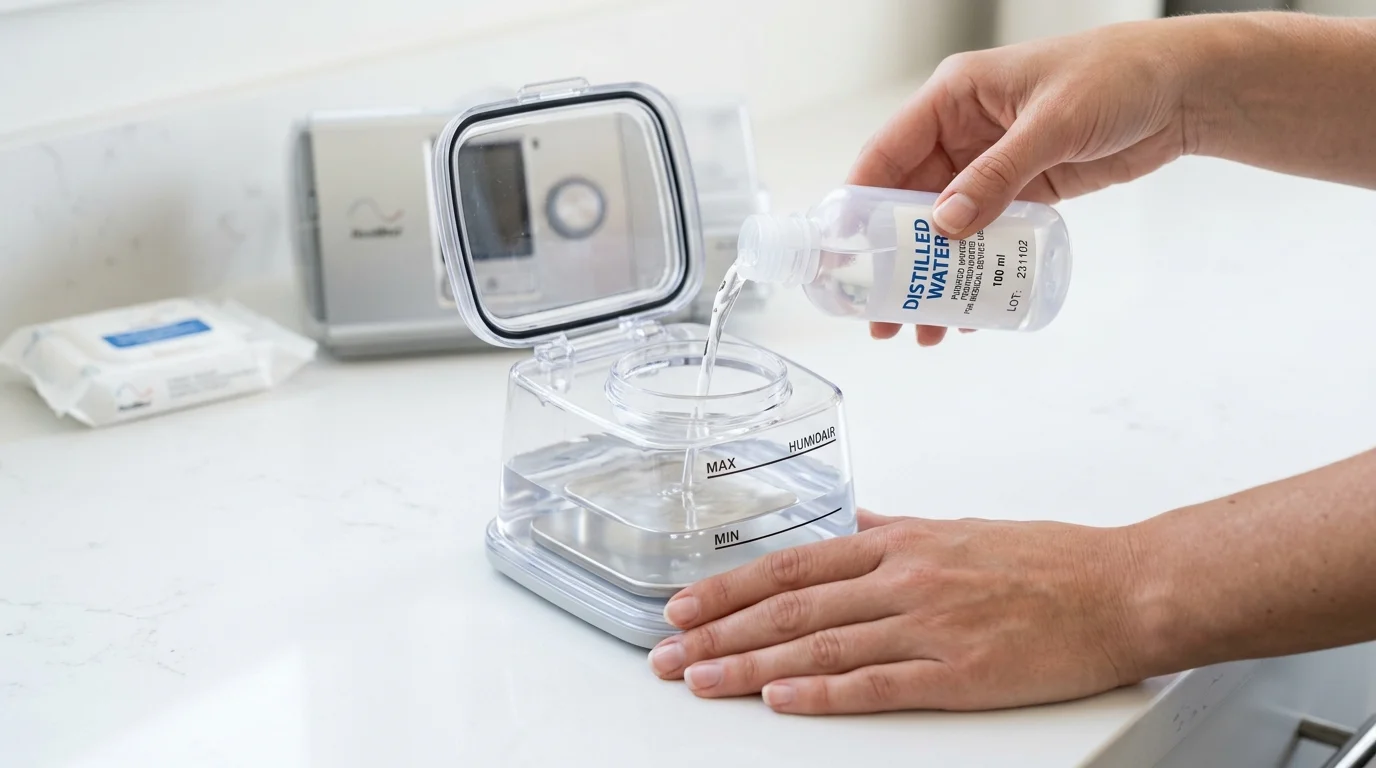
Use the CPAP humidifier consistently if your machine has one. Fill it with the recommended water type — usually distilled water — and do not run it dry. Start with a moderate humidity setting and increase slowly over several nights. If dryness improves but water collects in the tube, add heated tubing, reduce humidity slightly, warm the room, or use a tube cover.
Step 3: Improve mask fit without overtightening
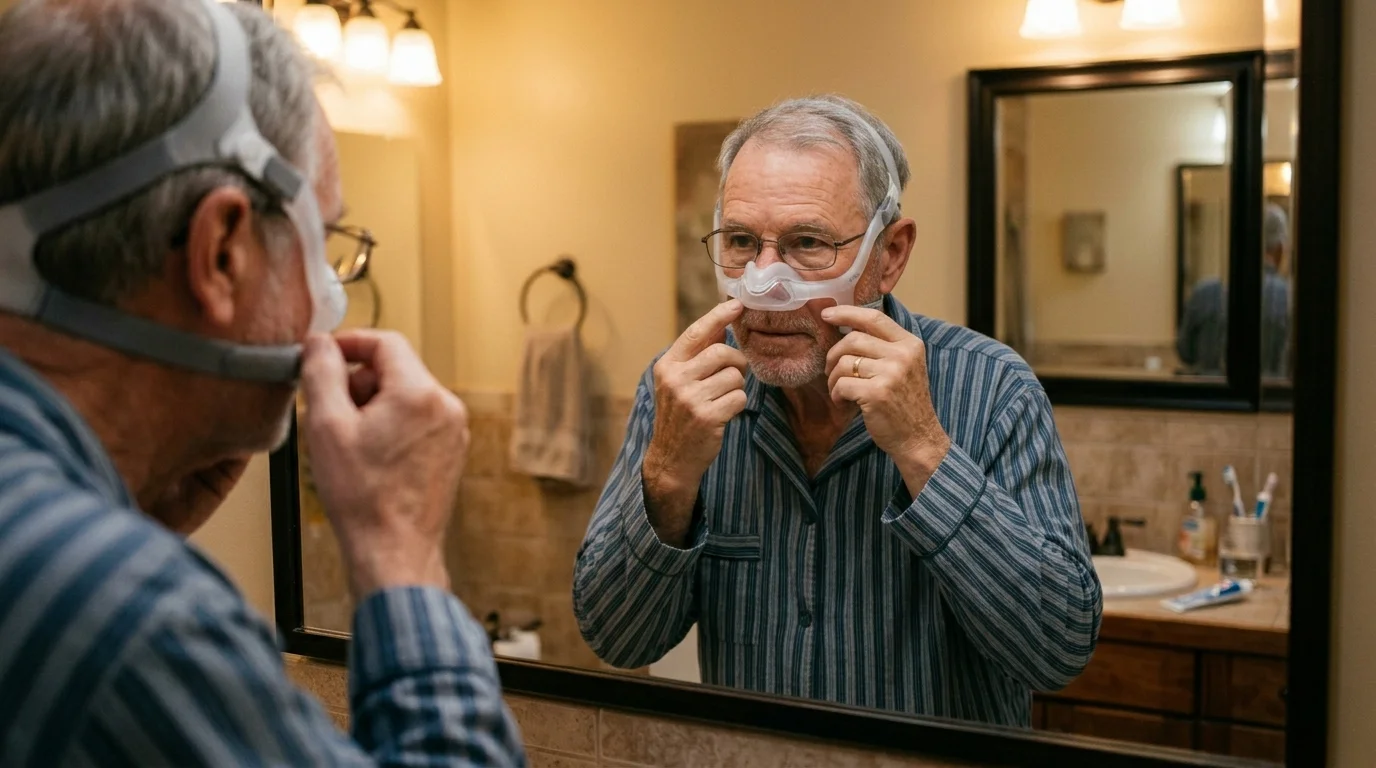
A proper mask should seal when the machine is running at treatment pressure. Fit the mask while lying down because facial tissues shift in the sleeping position. Clean the cushion regularly, replace worn parts, and avoid skin creams that can interfere with the seal. If the cushion leaves deep marks, causes sores, or still leaks after adjustment, ask for a different size or style.
Step 4: Treat nasal obstruction
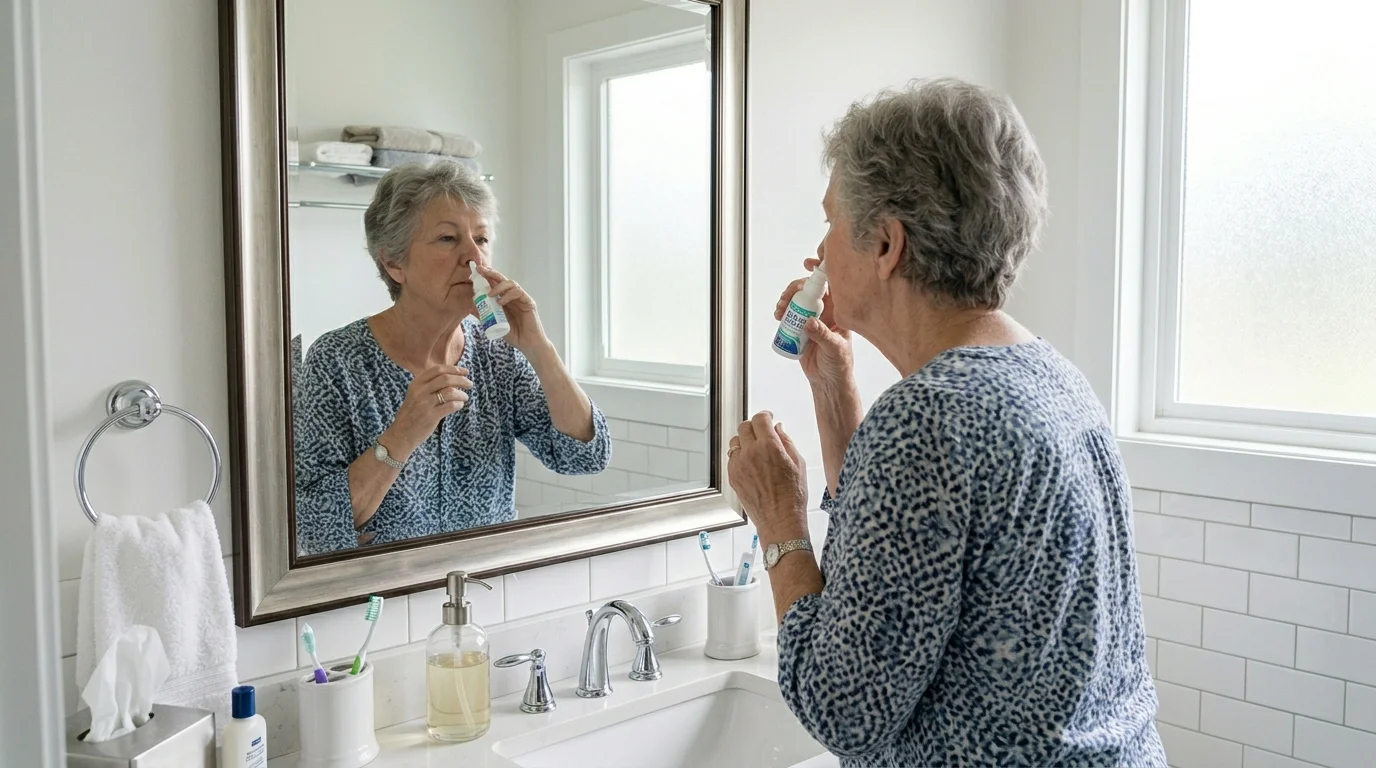
Nasal breathing is one of the most important long-term fixes for CPAP mouth dryness. Saline spray, nasal rinsing, allergy treatment, or a clinician-recommended nasal steroid may help some users. Avoid using decongestant sprays for longer than recommended because rebound congestion can occur. See the ResMed guide to CPAP dry mouth for practical tips on managing nasal issues alongside CPAP therapy.
Step 5: Support saliva and protect the mouth
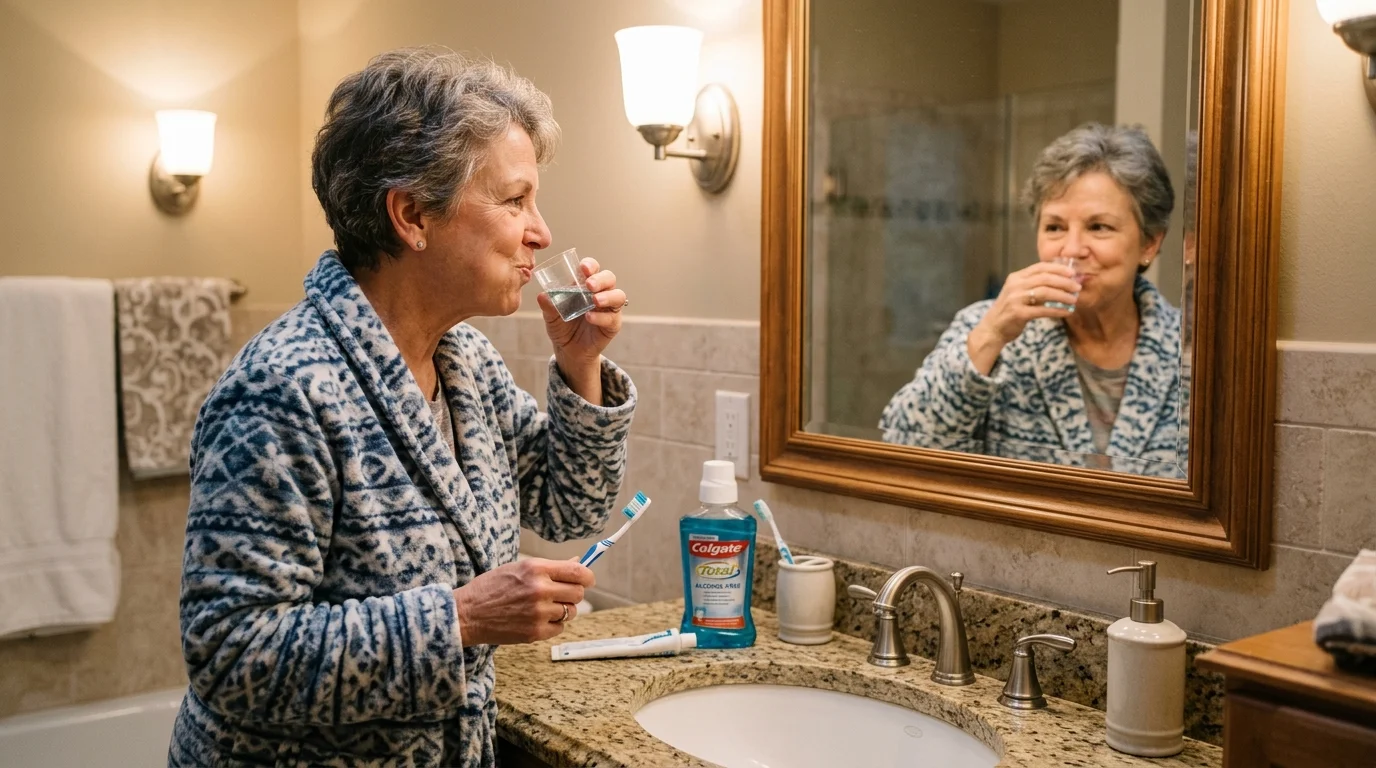
During the day, drink water regularly and limit caffeine and alcohol if they worsen symptoms. A dentist may suggest saliva substitutes, fluoride toothpaste, fluoride rinses, xylitol products, or prescription-strength fluoride for people at higher risk of cavities. Choose alcohol-free mouthwash because alcohol-containing rinses may worsen dryness. The MedlinePlus dry mouth resource provides a helpful overview of oral care strategies for persistent xerostomia.
Step 6: Review medications and medical causes
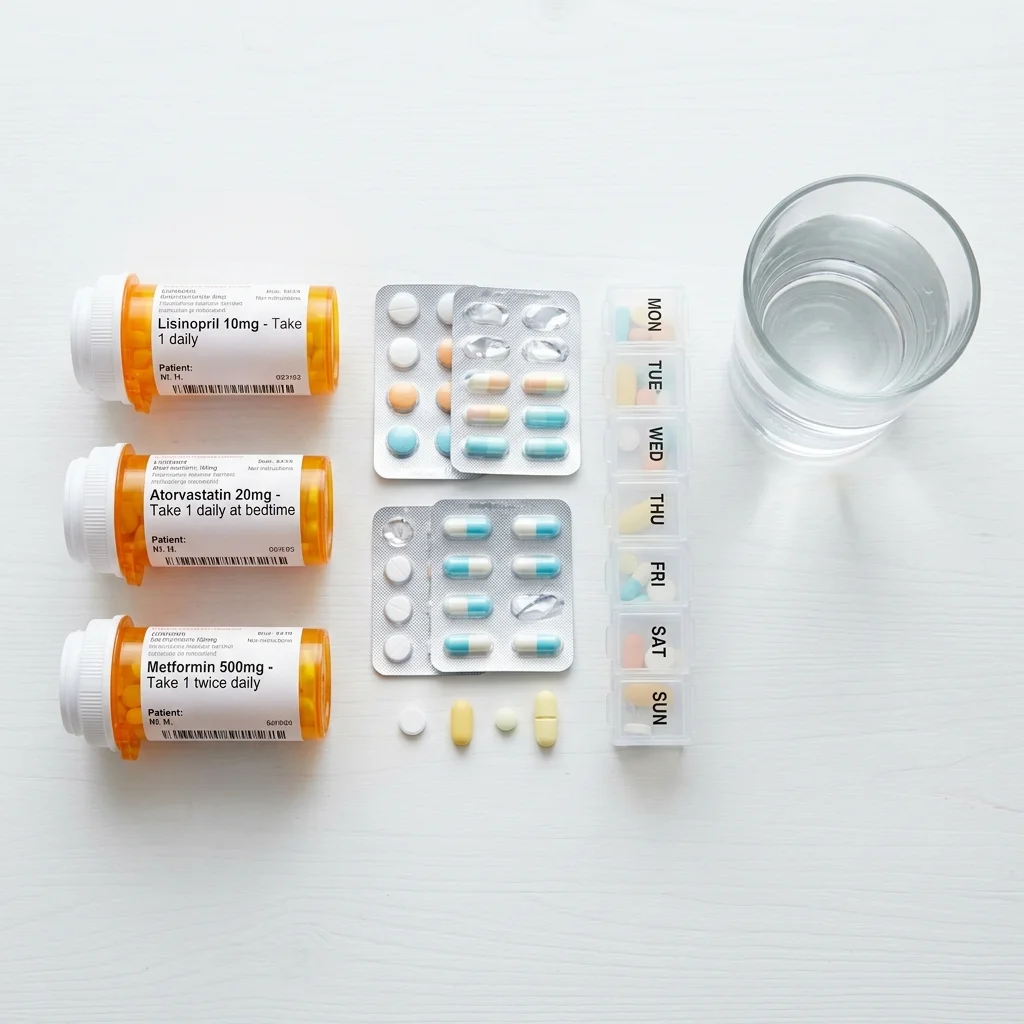
If equipment changes do not solve the problem, look beyond the CPAP machine. Bring a complete medication list to the doctor or pharmacist and ask specifically about dry mouth. Include prescription drugs, over-the-counter medicines, allergy tablets, sleep aids, supplements, and bladder medicines. If you use injectable medications such as GLP-1 medications after 60, include those as well since injection-site and systemic effects can interact with other symptoms.
Mask Choice Table: Nasal Mask vs Full-Face Mask
| Mask Option | Best For | Dry-Mouth Risk | Optimization Tip |
|---|---|---|---|
| Nasal mask | Users who breathe comfortably through the nose | High if mouth opens during sleep | Treat nasal congestion and check for mouth leak |
| Nasal pillows | Users who prefer minimal facial contact | High if mouth leak occurs | Use only if nasal breathing is reliable |
| Full-face mask | Mouth breathers or users with frequent nasal blockage | Can still occur if seal leaks | Refit if leaks occur near cheeks, chin, or nose bridge |
| Hybrid / oral-nasal option | Users who cannot tolerate standard masks | Variable | Trial under sleep-clinic guidance |
Troubleshooting by Symptom
- Dryness only in the morning: First check mouth leak, mask fit, humidifier setting, and whether the water chamber ran dry.
- Dryness all day: Review medicines, hydration, diabetes, Sjogren’s disease, and dental factors.
- Dry throat but mouth not extremely dry: Check heated tubing, nasal congestion, room humidity, and pressure comfort.
- Bad breath is the main issue: Focus on oral hygiene, saliva support, denture cleaning, and dental evaluation.
- High machine leak logs: Solve structural mask or mouth leak before changing multiple other settings.
A useful method is to change one variable at a time for three to five nights. For example, first increase humidification. If that helps only partly, adjust mask fit. Next, try nasal congestion treatment or a chin strap. Tracking symptoms, humidity setting, mask type, leak score, and wake-up dryness helps the sleep clinician see patterns instead of guessing.
When to Talk to a Doctor, Dentist, or Sleep Specialist
Seek professional advice if dry mouth is severe, painful, or persistent despite basic CPAP adjustments. Also seek help if dryness causes mouth sores, cracked corners of the lips, frequent cavities, loose dentures, difficulty chewing or swallowing, oral burning, white patches, bleeding gums, or repeated infections. Do not stop CPAP therapy without discussing it with the sleep clinician.

| Professional | Best Reason to Contact | What They Can Review |
|---|---|---|
| Sleep specialist | High leak data, pressure discomfort, mask intolerance | Mask type, leak rate, pressure settings, humidification, adherence data |
| Dentist | Cavities, sores, denture discomfort, bad breath, oral burning | Fluoride plan, saliva substitutes, denture fit, gum and tooth protection |
| Primary doctor / pharmacist | Daytime dry mouth or many medications | Medication side effects, dehydration, diabetes, autoimmune symptoms |
| ENT specialist | Chronic nasal blockage or sinus symptoms | Deviated septum, polyps, allergies, chronic congestion |
Prevention Plan for Long-Term Relief
- Every night: Check that the humidifier chamber has water, the mask cushion is clean, the straps are not twisted, and the tubing is connected.
- Every morning: Note whether the mouth felt dry and whether water collected in the tube.
- Every week: Clean equipment as instructed and inspect the cushion, headgear, filter, and tubing.
- Every month: Review whether supplies need replacement and whether leak data is trending upward.
- At dental visits: Tell the dentist about CPAP use and dry mouth symptoms.
- At medical visits: Mention persistent dryness and ask whether medications or medical conditions could be contributing.
Frequently Asked Questions
The most likely reason is that air is escaping through your mouth or around your mask. A humidifier adds moisture, but it cannot fully compensate for a large mouth leak or a mask that shifts during sleep. Check leak data, mask fit, mouth breathing, nasal congestion, heated tubing, and humidity level before changing pressure settings.
Occasional mild dryness is usually manageable, but persistent dry mouth should not be ignored. Low saliva can increase the risk of tooth decay, oral infection, mouth sores, bad breath, and difficulty chewing or swallowing. It can also make people less willing to use CPAP consistently.
A chin strap may help when the mouth opens during sleep while using a nasal mask or nasal pillows. It is not the best solution for everyone, especially when the person cannot breathe comfortably through the nose. Nasal blockage should be addressed first, and the chin strap should not cause jaw pain or push the jaw backward.
A full-face mask can help some mouth breathers because it covers both the nose and mouth, but it still has to seal properly. Some people do better with nasal masks plus nasal treatment; others need a full-face mask. The best mask is the one that controls leak, feels comfortable, and supports regular CPAP use.
The best first fix is usually a combination of heated humidification and leak control. Fill and adjust the humidifier, inspect the mask cushion, review leak data, and address mouth breathing. Older adults should also review medications and oral health because these factors often make CPAP dryness worse.
Yes. Many medicines can reduce saliva, including some blood-pressure medicines, antidepressants, antihistamines, decongestants, diuretics, bladder-control medicines, pain medicines, and sleep aids. The safe approach is to review prescriptions and over-the-counter medicines with a physician, dentist, or pharmacist rather than stopping any medicine without guidance.
Morning-only dryness usually points to a night-time CPAP issue such as mouth leak, mask leak, low humidifier setting, dry bedroom air, or nasal blockage that forces mouth breathing. Check the machine leak report, inspect the mask cushion, confirm that the humidifier chamber has water, and ask your sleep provider to review the data if the problem continues.
Persistent dry mouth can increase the risk of cavities, gum irritation, bad breath, oral infection, denture sores, and difficulty chewing or swallowing because saliva helps protect the mouth. Older adults should tell their dentist about CPAP-related dryness, especially if they have crowns, bridges, implants, dentures, exposed roots, or frequent cavities.
Common signs include waking with dry mouth, hearing air rushing from the mask or mouth, feeling air blowing into the eyes, seeing high leak values in the CPAP app or report, or waking because the mask shifts. A mask should be fitted while lying down with the machine running at treatment pressure.
A heated tube can help when moist air cools in the tubing and causes condensation, also called rainout. It keeps the air warmer as it travels from the humidifier to the mask, allowing more stable humidity delivery. It may not fix dry mouth caused by mouth leak, so it works best together with good mask fit and controlled mouth breathing.
Increase humidity gradually rather than jumping to the highest setting. Too little humidity may leave the mouth and throat dry, while too much humidity in a cool room may cause water droplets in the tubing or mask. Increase the setting slightly for a few nights, monitor comfort, and add heated tubing or a tube cover if condensation appears.
Yes. Nasal congestion often forces mouth breathing, especially with nasal masks or nasal pillows. Allergies, sinus infection, dry nasal passages, deviated septum, nasal polyps, or rebound congestion from overused decongestant sprays can contribute. Treating nasal blockage with clinician-approved measures can reduce mouth leak and improve CPAP comfort.
It can be worse with a nasal mask if the user opens the mouth during sleep. A full-face mask covers both the nose and mouth and may be better for some mouth breathers, but it must seal properly. The best option is the mask that controls leak, fits the face, and allows consistent therapy.
Caregivers can check whether the humidifier chamber is filled, the mask cushion is clean, the headgear is not stretched, the tubing is connected, the filter is clean, and the machine report shows excessive leak. They should also watch for oral sores, cracked lips, denture rubbing, bad breath, reduced eating, or complaints of burning mouth.
Dry mouth may need medical evaluation when it occurs all day, not only after CPAP use, or when it is associated with dry eyes, frequent cavities, swollen salivary glands, oral burning, white patches, difficulty swallowing, unexplained weight loss, high blood sugar symptoms, or new medication changes.
Bottom Line
CPAP dry mouth in older adults is common, frustrating, and usually solvable. The most effective approach is to treat it as a combined sleep-therapy and oral-health problem. Start with humidification, mask fit, leak control, and nasal breathing. Then address hydration, medications, dental protection, and medical conditions that reduce saliva. With a careful step-by-step plan, most seniors can reduce morning dryness, protect their teeth and gums, and continue receiving the benefits of CPAP therapy without waking up parched. For those who use injectable therapies alongside CPAP, learning how to avoid bruises from injections can further reduce discomfort and support ongoing treatment.
Authoritative Sources
- NHLBI – CPAP Overview – How CPAP works, uses, and benefits for sleep apnea.
- NIDCR – Dry Mouth Guide – Causes, symptoms, and oral-health impact of xerostomia.
- MedlinePlus – Dry Mouth – Patient-level overview of dry mouth causes and care strategies.
- Mayo Clinic – Dry Mouth Diagnosis and Treatment – Clinical diagnosis and treatment options for xerostomia.
- Sleep Foundation – CPAP Dry Mouth: Causes, Treatment, and Prevention – Sleep-health guidance on managing CPAP-related dryness.
- ResMed – Common CPAP Complaint: Dry Mouth – Equipment-focused tips from a leading CPAP manufacturer.
⚕️ Medical Disclaimer
The information provided on this page is for educational purposes only and is not intended as medical advice, diagnosis, or treatment. Always consult a qualified healthcare professional before making changes to your diet, starting any supplement, or if you have an existing medical condition. KeepFitQuote does not provide medical diagnoses or treatment recommendations. Read our full disclaimer.