From turmeric to chili-based healing, discover homegrown health helpers that won’t empty your wallet.
Why Natural Remedies Still Matter Today
In an age of high-tech medicine, many Americans are turning back to time-tested natural remedies. Whether it’s turmeric milk for sore throat, a slow cooker vegetarian chili for winter wellness, or mango chile chicken with healing spices, natural healing is becoming part of the everyday American kitchen again. Here’s how simple ingredients like turmeric, chilis, garlic, and herbs can help you heal — without the pharmacy visit.

This renewed interest isn’t happening in a vacuum — it reflects a broader, well-documented shift in how Americans think about everyday health maintenance. According to national surveys on complementary health approaches, a majority of U.S. adults now use some form of dietary supplement or food-based remedy alongside conventional medicine, not as a replacement for it. The most successful approach, and the one this guide follows throughout, treats food-based remedies as a complement to medical care for minor, everyday issues — supporting digestion, easing mild inflammation, taking the edge off a cold — while reserving diagnosed conditions, persistent symptoms, and anything serious for a healthcare provider.
1. Turmeric: The Golden Healer
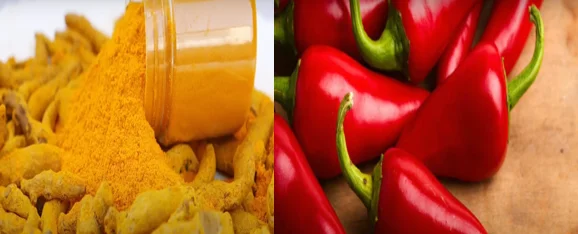
Known in Indian households as haldi, turmeric is having a moment in Western wellness. But this isn’t hype — it’s supported by centuries of tradition and now by science too.

Turmeric for digestion: A cup of turmeric milk for weight loss or bloating may help ease digestive upset.
Turmeric and high blood pressure: Research suggests that curcumin, turmeric’s active compound, may support cardiovascular health by reducing inflammation.
Turmeric for wounds: Applying a paste made from turmeric and honey on cuts or skin blemishes is a time-honored remedy.
Turmeric for depression: Some studies suggest turmeric’s anti-inflammatory benefits may help ease mood symptoms naturally.
Taking turmeric daily (especially in warm milk) is now backed by modern integrative medicine for its anti-inflammatory and antioxidant perks.
💡 Turmeric tip: Want to get the most out of turmeric? Add black pepper. It increases absorption dramatically.
The black pepper tip deserves real emphasis because it’s the single most impactful thing you can do to make turmeric actually work in your body. Curcumin — turmeric’s primary active compound — has notoriously poor bioavailability on its own; a large portion is metabolized and eliminated before it can have a meaningful effect. Piperine, black pepper’s active compound, temporarily inhibits the liver enzymes responsible for this rapid breakdown, and multiple studies have found this combination increases curcumin’s bioavailability by up to 2,000%. In practical terms: a pinch of black pepper (roughly 1/20th of a teaspoon) added to your turmeric milk, curry, or golden paste isn’t optional flavoring — it’s the difference between turmeric that mostly passes through unused and turmeric that your body can actually access.
The turmeric-for-mood connection mentioned above is an active area of research worth a bit more context: several small clinical trials have compared curcumin supplementation to standard antidepressant treatment and found comparable improvement in mild-to-moderate depressive symptoms over 6-8 weeks, with the proposed mechanism involving curcumin’s anti-inflammatory effects on the brain, since chronic low-grade inflammation is increasingly recognized as a contributing factor in some forms of depression. This research is genuinely promising but still early — it shouldn’t be interpreted as a replacement for prescribed antidepressant treatment or therapy, but rather as one more reason turmeric earns a regular place in the diet, alongside its digestive and anti-inflammatory benefits.
2. Chili Peppers: Spice with a Side of Healing
From chilis Broadway to green chili Indian recipes, spicy peppers aren’t just flavor enhancers — they’re mini medicine bombs.

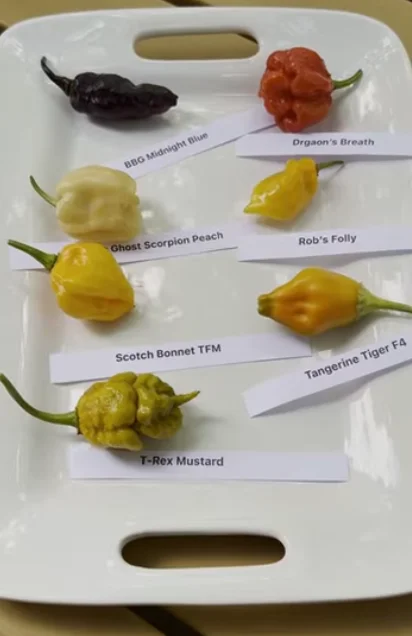
Capsaicin, found in dalle chilli, dragon breath chilli, and thai chili basil, may aid metabolism and act as a natural decongestant.
Hot sauce ingredients like vinegar, garlic, and chili can fight bacteria and stimulate digestion.
Sweet chili chicken wings or crispy chilli chicken can be a healthier indulgence when air-fried instead of deep-fried.
✅ Try This: Make a batch of easy chili mac or 5 bean chilli with turmeric and chili flakes for a double healing combo.
Capsaicin’s decongestant effect isn’t just folk wisdom — it has a clear physiological explanation. Capsaicin binds to a receptor called TRPV1, the same receptor that detects heat, which is why chili peppers create a burning sensation even though there’s no actual heat involved. Activating TRPV1 in the nasal passages triggers a temporary increase in mucus thinning and drainage, which is exactly why a spicy meal can clear a stuffy nose faster than most over-the-counter decongestant sprays, at least temporarily. This same receptor activation is behind capsaicin’s mild metabolism-boosting effect: it triggers a small, temporary increase in thermogenesis (heat production), which burns a modest number of additional calories — not a dramatic weight-loss tool on its own, but a genuine, measurable effect documented across multiple studies.
It’s worth noting that capsaicin tolerance varies enormously between individuals, and for some people — particularly those with acid reflux (GERD) or a sensitive digestive tract — chili peppers can trigger symptoms rather than relieve them. If spicy food consistently causes discomfort rather than the described benefits, that’s a signal to dial back the heat level rather than push through it; the goal is genuine benefit, not discomfort tolerance.
3. Simple Natural Recipes That Heal
Don’t overthink it. These easy recipes double as healing comfort food:
🍲 5 Ingredient Vegetarian Chili
Perfect for the slow cooker. Mix canned beans, tomatoes, green chili, onion, garlic, and cumin. Add turmeric per day for anti-inflammatory support.

This bean-based chili is a genuinely well-rounded healing meal beyond its convenience: beans provide both soluble fiber (which slows digestion and helps stabilize blood sugar) and plant-based protein, onion and garlic contribute the sulfur compounds and quercetin discussed elsewhere in natural remedy literature, and the turmeric addition — especially with a pinch of black pepper stirred in — turns a simple pantry-staple meal into a genuinely anti-inflammatory dish. The slow cooker format has an added benefit worth mentioning: the long, low-temperature cooking time allows spices like turmeric and cumin to fully infuse the dish, extracting more of their beneficial compounds than a quick 15-minute stovetop version would.
🥣 White Bean Chicken Chili Pioneer Woman Style
Loaded with lean protein and fiber, this version includes turmeric for blood pressure and white chilli chicken for satisfying flavor.

Swapping in white beans and lean chicken here changes the nutritional profile in a useful way for anyone managing blood pressure specifically: this combination is naturally lower in saturated fat than a beef-based chili, while still delivering the protein needed for satiety and muscle maintenance. Combined with turmeric’s documented mild blood-pressure-supporting properties (through its anti-inflammatory effect on blood vessel walls) and the potassium naturally present in white beans, this version of chili functions as a genuinely heart-conscious comfort food rather than an indulgence to be limited.
🍛 Chili Garlic Shrimp
Garlic and chili both aid immunity. Try a quick sauté with olive oil, ginger, and a touch of la yu (Japanese chili oil).

This lighter, faster option showcases how the “healing food” principle scales down to a 10-minute weeknight meal without losing its benefit: shrimp provides lean protein and selenium (an antioxidant mineral that supports immune function), while the garlic-ginger-chili combination stacks three of this guide’s key anti-inflammatory ingredients into a single quick sauté. Cooking with olive oil rather than a neutral oil adds oleocanthal, a compound in extra virgin olive oil with anti-inflammatory properties comparable, gram for gram, to a mild dose of ibuprofen — making even the cooking fat in this recipe a contributor to its healing profile, not just a neutral cooking medium.
4. Natural Remedies for Common Issues
Here’s how to handle everyday ailments with what’s already in your pantry:
🧄 Constipation
Turmeric for constipation? Yes — in small doses, it promotes gut motility. Try warm turmeric milk for cough or digestion in the morning. For a stuffy chest or throat, see our guide to natural mucus relief.

Turmeric’s effect on gut motility is thought to come from its stimulation of bile production in the liver — bile plays a role in fat digestion, and adequate bile flow supports overall digestive regularity. That said, it’s worth noting that turmeric’s effect here is genuinely dose-dependent: small amounts (the kind found in warm turmeric milk, roughly ½ teaspoon) tend to support gentle regularity, while very high doses can occasionally have the opposite effect or cause digestive upset in sensitive individuals. Pairing warm turmeric milk with adequate water intake and dietary fiber throughout the day — rather than relying on turmeric alone — produces more consistent results for constipation than turmeric in isolation.
💉 Blood Sugar
Turmeric good for diabetics and helps regulate blood sugar when consumed with food. Add it to easy chicken chili or vegetarian chili mac.

Curcumin’s blood-sugar-supporting effects appear to work through several pathways: it may improve insulin sensitivity, reduce glucose production in the liver, and its anti-inflammatory action addresses the low-grade inflammation increasingly recognized as a contributor to insulin resistance. Several clinical trials in people with prediabetes and type 2 diabetes have found modest but measurable improvements in fasting blood glucose and HbA1c (average blood sugar over 2-3 months) with regular curcumin supplementation over 8-12 weeks.
🧠 Brain Fog and Fatigue
A hot bowl of chickpea chili, rich in protein and iron, can improve energy. Combine with turmeric for added brain benefits.

The iron connection here is worth highlighting specifically, because iron-deficiency-related fatigue and brain fog is more common than many people realize, particularly among women of reproductive age and older adults with reduced dietary variety. Chickpeas provide plant-based iron (non-heme iron), which is less readily absorbed than the heme iron found in meat — but pairing chickpea chili with a vitamin-C-rich ingredient (diced tomatoes, a squeeze of lime, or bell peppers) significantly boosts non-heme iron absorption, since vitamin C converts iron into a more bioavailable form in the gut. Turmeric’s contribution to brain fog specifically relates to curcumin’s ability to cross the blood-brain barrier and its documented anti-inflammatory effect within brain tissue, an area of ongoing research interest for cognitive support as we age.
5. What About Curcumin?
You’ve seen curcuma y turmeric es lo mismo floating around, and yes — curcumin is turmeric’s active compound. It’s what gives turmeric its golden color and powerful effects.

Curcumin blood pressure and curcumin blood thinner claims are being researched.
It’s also linked to curcumin and depression benefits and even potential aid with turmeric and thyroid support.
It’s worth clarifying the relationship between turmeric and curcumin precisely, since the terms are often used interchangeably but aren’t identical: turmeric is the whole root/spice, while curcumin is just one of several curcuminoid compounds found within it, typically making up only about 2-5% of turmeric powder by weight. This is exactly why concentrated curcumin supplements exist separately from culinary turmeric — for someone seeking a specific, measurable therapeutic dose (as used in the clinical trials referenced throughout this article), a standardized curcumin extract supplement delivers a far more concentrated and consistent amount than turmeric powder used in cooking, even generously. For everyday wellness and flavor, culinary turmeric (with black pepper, as always) is excellent; for a specific health concern being actively addressed, a doctor or pharmacist can help determine whether a standardized curcumin supplement makes more sense.
The turmeric-thyroid research mentioned above deserves a nuance worth knowing: while curcumin’s antioxidant and anti-inflammatory properties are generally considered supportive of overall health, some preliminary research has raised questions about very high-dose curcumin supplementation potentially interfering with thyroid hormone medication absorption if taken at the same time. This is a good example of why timing and dosage matter — culinary amounts of turmeric in food are unlikely to be an issue, but anyone on thyroid medication considering concentrated curcumin supplements should space them several hours apart from their medication and mention the supplement to their prescribing doctor.
6. Chili-Based Comfort Foods That Heal
Whether you’re under the weather or just cold, these recipes bring both comfort and support:

Brisket chilli or elk chili for iron and energy
Chili corn or sweet potato chilli for fiber and fullness
The best chili on earth might just be your grandma’s — made with love and anti-inflammatory spices
Sweet potato chili deserves particular mention among these options for its beta-carotene content — sweet potatoes are one of the richest dietary sources of this vitamin A precursor, which supports immune function, a genuinely relevant benefit when you’re “under the weather” as this section suggests. Game meats like elk, mentioned here alongside brisket, tend to be notably higher in iron and lower in saturated fat than conventional beef, making elk chili a nutrient-dense option worth seeking out for anyone specifically targeting iron intake, whether for general energy or documented mild anemia.
7. Why Turmeric Belongs in Every U.S. Kitchen
According to Mayo Clinic, turmeric may help with arthritis, inflammation, and even GERD. Use it daily but safely:

Avoid high doses post-surgery (turmeric after surgery)
Check if you’re on blood thinners — turmeric may enhance their effect
🕒 How much? Experts suggest 500–1000 mg of turmeric extract or 1 tsp of powder daily.
For the arthritis benefit specifically mentioned above: several clinical trials comparing curcumin supplementation to NSAIDs (like ibuprofen) in people with knee osteoarthritis have found comparable pain relief and improved joint function, with curcumin generally producing fewer gastrointestinal side effects than long-term NSAID use — a genuinely meaningful finding for older adults who may be advised to limit NSAID use due to stomach or kidney concerns but still need effective options for joint pain management.
8. Frequently Asked Questions
What is turmeric good for?
Turmeric helps with inflammation, digestion, arthritis, and even mood. It’s often used in Indian chili chicken or haldi milk.
Can chili help with weight loss?
Yes! Chili basil, chipotle spicy salsa, and spicy foods like pizza chili may boost metabolism slightly due to capsaicin. The effect is real but modest — a temporary uptick in calorie burn, not a substitute for overall dietary balance.
Is turmeric safe every day?
Yes, when taken in moderate amounts. Many people start their day with turmeric milk for cough or digestion on an empty stomach. As covered above, anyone on blood thinners, diabetes medication, or with an upcoming surgery should check with their doctor about regular concentrated use.
How can I use turmeric and ginger together?
Create a turmeric and ginger tea or add both to easy vegan chili for powerful anti-inflammatory support. The two spices’ active compounds — curcumin and gingerol/shogaol — work through complementary anti-inflammatory pathways, which is part of why this pairing shows up so often across different culinary traditions, not just as a flavor choice.
What’s the best easy chili recipe?
Try simple turkey chili or 3 bean chilli in a crockpot with turmeric and chili flakes for a gut-friendly meal.
Final Thoughts
Natural remedies aren’t about replacing medicine — they’re about building a lifestyle that supports healing, immunity, and energy with real food. From white bean chilli to turmeric for wounds, your kitchen can be your first aid kit.
Start simple. Cook with purpose. And rediscover the power of food as medicine.
One theme runs through every remedy in this guide: small, consistent additions — a pinch of black pepper with your turmeric, a spoonful of chili flakes in your weeknight chili, ginger steeped into your evening tea — matter more than occasional large doses. Food-based healing works cumulatively, over weeks and months of regular use, rather than as a one-time fix. Approached that way, alongside appropriate medical care for anything persistent or serious, these pantry staples genuinely earn their reputation as some of the most accessible tools for everyday wellness available in any American kitchen.
⚕️ Medical Disclaimer
The information provided on this page is for educational purposes only and is not intended as medical advice, diagnosis, or treatment. Always consult a qualified healthcare professional before making changes to your diet, starting any supplement, or if you have an existing medical condition. KeepFitQuote does not provide medical diagnoses or treatment recommendations. Read our full disclaimer.
Related Posts