
Written by Allan Smith · Medically reviewed by Dr. Mark McGarey, MBBS · Last Updated: September 12, 2026
Parasites are an uncommon cause of fatigue in older adults in the U.S. More common causes include anemia, thyroid issues, sleep apnea, medications, and depression—see a clinician for proper testing rather than self-treating or “cleanses.”
Parasites aren’t the most common reason for being wiped out after 60 in the U.S., but in the right context—recent travel, untreated water, pets without deworming, steroid use—they can contribute to anemia, malabsorption, and sleep disruption. Targeted testing (not “cleanses”) is the smart path to answers.
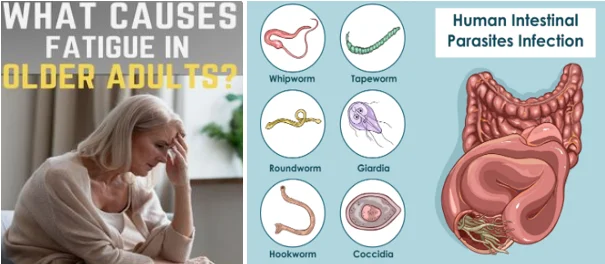
Why “I’m always tired” after 60 deserves a plan
Plenty of non-parasite issues can sap energy—sleep apnea, thyroid shifts, iron or B12 deficiency, medications, mood, dehydration, or blood sugar swings. Still, certain infections can add to the load, especially when fatigue pairs with gut changes or new iron/B12 problems. See the sections below to decide if a targeted test is worth discussing. For a quick refresher on iron-related tiredness, see the Mayo Clinic overview of anemia and fatigue.
Fatigue is one of the most common complaints clinicians hear from patients over 60, and it’s also one of the hardest to pin down because so many systems—cardiovascular, endocrine, digestive, and mental health—can all present with the same symptom. That’s exactly why a structured approach matters more than guessing: ruling out the common culprits first (thyroid panel, CBC, sleep history) usually resolves the mystery, and parasites move up the list only when specific clues line up, like recent travel or new digestive symptoms alongside the tiredness.
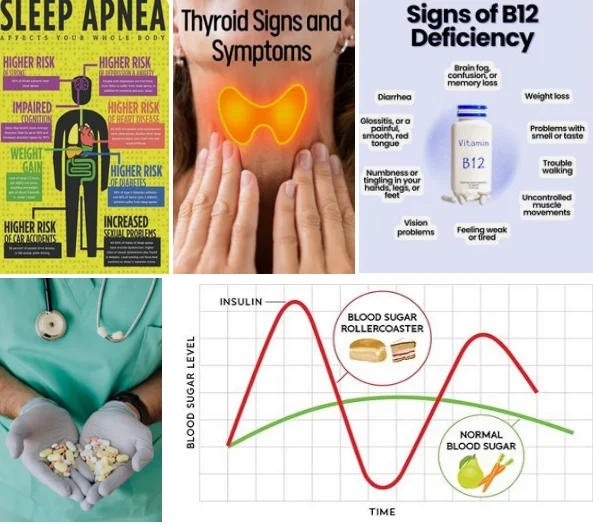
How intestinal parasites drain energy
Three main pathways:
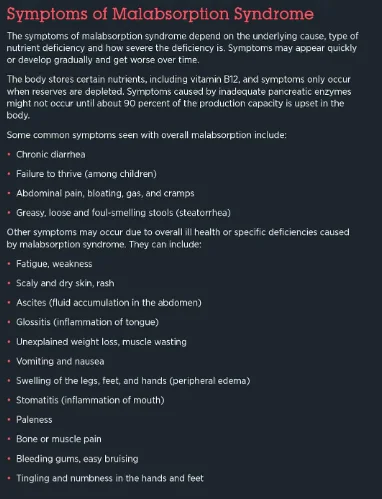
- Iron loss → anemia (you feel breathless, weak, heavy-limbed).
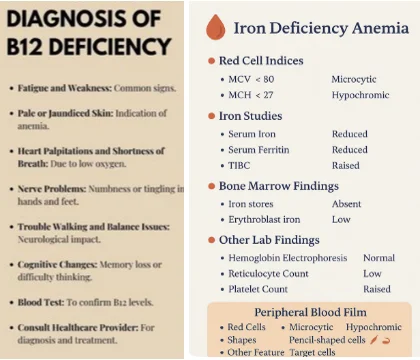
- Malabsorption (poor uptake of fat, vitamins like B12; bloating and loose/greasy stools).
- Sleep disruption & inflammation (night itching with pinworms; general immune activation).

Examples:
- Giardia can bring foul-smelling or greasy stools, gas, cramps, and rising fatigue—often after unsafe water or camping exposures (CDC—Giardia symptoms; Mayo—Giardia).
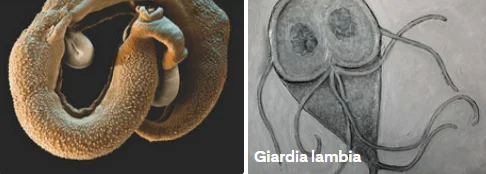
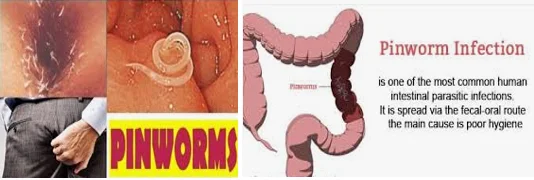
- Pinworm mostly causes nighttime anal itching, which wrecks sleep; some people have no other symptoms (CDC—Pinworm).
Each of these pathways has a distinct biological mechanism worth understanding. Intestinal parasites that attach to the gut lining, like hookworm species, can cause chronic low-level blood loss that depletes iron stores over months before anemia becomes obvious on standard labs. Giardia specifically coats the small intestine’s absorptive surface, interfering with fat and vitamin uptake — which is why greasy, foul-smelling stools often accompany the fatigue. Pinworm’s energy impact is more indirect: the nighttime itching it causes can fragment sleep for weeks without the person realizing why they’re waking up exhausted, since the itching itself may barely register consciously during sleep.
Who in the U.S. is at higher risk?
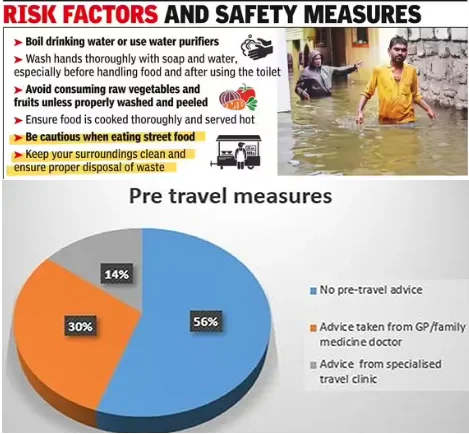
- Recent travel (especially to places with untreated water/food handling risks). The CDC notes travelers’ diarrhea is common, and simple food rules don’t eliminate risk (CDC Yellow Book).
- Campers/hikers using surface water without proper treatment (CDC—Food & water precautions).
- Pet owners who skip routine deworming.

- People starting or on steroids or other immune-affecting meds (risk for strongyloides) (CDC—Strongyloides clinical overview).

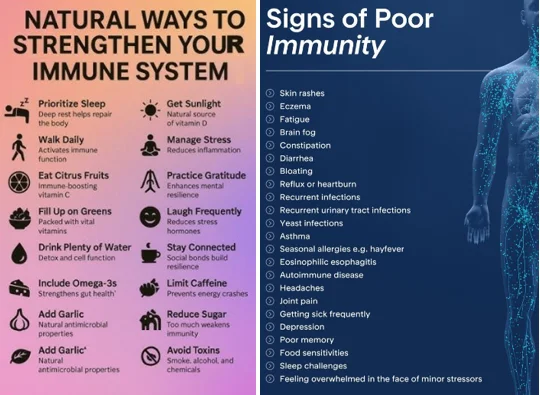
Age itself adds a layer of risk that’s easy to overlook. Immune function naturally becomes less robust after 60, a process researchers call immunosenescence, which can allow some parasitic infections to persist longer or cause more pronounced symptoms than they would in a younger adult. This is especially relevant for anyone on long-term steroids or other immunosuppressive medications for conditions like rheumatoid arthritis or COPD, since strongyloides — normally a mild, self-limiting infection — can become a serious, even life-threatening hyperinfection in someone whose immune system is suppressed. This is exactly why the CDC recommends strongyloides screening before starting long-term steroid therapy in anyone with a relevant travel or residence history.
Symptoms that make parasites more likely
- Ongoing bloating, cramps, diarrhea, or greasy stools
- Unexplained iron-deficiency or low B12 on labs
- Night itching disturbing sleep (pinworm)
- Weight loss or appetite swings
Check giardiasis symptom patterns here: CDC—Giardia.
No single symptom on this list is proof of a parasitic infection on its own — each one has many more common explanations. The pattern that raises suspicion is a cluster: for example, new fatigue plus greasy stools plus a recent camping trip, or unexplained weight loss plus iron-deficiency anemia that doesn’t respond to iron supplements the way ordinary dietary deficiency would. Bringing this full pattern to a clinician, rather than isolated symptoms, is what makes the difference between an efficient diagnostic workup and months of inconclusive testing.
The testing conversation to have (targeted, not random)
Ask your clinician about specific tests based on your story and exposures:
- Stool O&P exam (ova & parasites). The CDC recommends collecting three separate stool samples on different days to catch intermittent shedding (CDC—Diagnosis & testing; MedlinePlus—O&P test).
- Antigen/PCR for likely culprits (e.g., Giardia or Crypto). Crypto detection often needs multiple specimens across 3 days (CDC—Crypto testing). For Giardia, DFA is a gold-standard method, with PCR/antigen tests also used (CDC—Giardia testing for clinicians).
- CBC with differential, ferritin/iron, B12/folate to evaluate anemia and low energy. See anemia basics at Mayo Clinic.
- If steroid use or past endemic exposure: Strongyloides serology (CDC—About Strongyloides).
Why three stool samples instead of one? Parasites like Giardia and Cryptosporidium don’t shed eggs or cysts continuously — output can vary day to day, so a single sample can easily miss an active infection that a second or third sample catches. This is one of the most common reasons patients get a false reassurance from “negative” testing that was actually just insufficient testing. A clinician who understands this will usually order the full three-sample protocol upfront rather than waiting for symptoms to justify repeat testing later.
Treatment (evidence-based > “cleanses”)
When a parasite is confirmed, clinicians prescribe organism-specific medication (e.g., metronidazole/tinidazole for giardiasis; ivermectin is first-line for strongyloidiasis; albendazole is an alternative). U.S. dosing references: CDC—Strongyloides clinical care. Avoid self-treating—drug interactions and wrong dosing are real concerns.
Over-the-counter “parasite cleanse” supplements are not regulated the same way prescription antiparasitics are, and their ingredients (often a mix of herbs like wormwood, black walnut, and clove) have limited or no clinical trial evidence for treating confirmed infections. Worse, taking them without a confirmed diagnosis delays proper treatment if something else — like inflammatory bowel disease or a thyroid disorder — is actually causing the symptoms. Prescription antiparasitics, by contrast, are dosed based on body weight, kidney and liver function, and the specific organism identified, which is why self-treating carries real risk of under- or over-dosing.
Simple prevention that works (day-to-day)
- Water: filter/boil when uncertain; campers and travelers should follow CDC guidance (CDC Yellow Book—water safety).
- Produce: wash well; avoid cross-contamination (CDC Food Safety).
- Pets: keep routine vet-guided deworming and pick up waste promptly.
- Hygiene: handwashing before meals, after yard work, and after handling litter.
These four habits address the overwhelming majority of parasite exposure routes in the U.S., and none require special equipment or significant time. A simple portable water filter rated for cysts and parasites (look for an EPA or NSF certification) is inexpensive insurance for anyone who camps or hikes regularly. Handwashing remains the single most effective, evidence-backed intervention across nearly all fecal-oral transmitted infections, parasitic or otherwise — 20 seconds with soap and water before meals and after outdoor activity meaningfully lowers risk.
A quick “Should I test?” checklist
Consider bringing up stool and blood testing if you’ve had 2+ of the following for >2–3 weeks:
- New or worsening fatigue
- GI changes (diarrhea, gas, cramps, greasy stools)
- Low iron or B12 on labs
- Night itching that disturbs sleep
- Risky exposure (travel, untreated water, soil/pet contact)
Common myths—cleared up
- “Everyone needs a parasite cleanse.” Not in the U.S. Test first; treat what’s found.
- “One negative stool means I’m fine.” Many organisms require serial or antigen/PCR testing. (CDC—Parasitic testing).
- “Pinworms explain all my fatigue.” They mainly disturb sleep via nighttime itching—fixable with treatment (CDC—Pinworm diagnosis).
Q&A
Can parasites cause chronic tiredness after 60?
They can contribute, especially through anemia or malabsorption, but they’re rarely the primary cause of chronic fatigue in older U.S. adults. Non-parasitic causes like thyroid disease, sleep apnea, and anemia from other sources are far more common. (Mayo—Anemia & fatigue)
What parasite most often pairs fatigue with diarrhea?
Giardia, especially after untreated water exposure. Symptoms often include greasy stools and gas (CDC—Giardia symptoms).
How long should I wait before testing?
If symptoms persist for 2–3 weeks alongside a relevant exposure, it’s reasonable to bring up testing with your clinician rather than waiting longer.
Which stool tests actually help?
An O&P x3 (three separate samples) plus targeted antigen/PCR testing for likely organisms gives the most reliable results. (CDC—Giardia testing; CDC—Crypto testing)
Could pinworms be the reason I’m exhausted?
Possibly indirectly—night itching from pinworm can fragment sleep for weeks, leading to daytime fatigue even though the parasite itself doesn’t directly cause tiredness. (CDC—Pinworm)
I’m about to start steroids—anything special?
Ask about Strongyloides screening first, especially if you’ve lived in or traveled to warmer climates, since steroids can turn a mild infection into a serious hyperinfection. (CDC—Strongyloides overview)
Best first labs for unexplained fatigue?
A CBC, ferritin/iron, B12/folate, and TSH cover the most common non-parasitic causes and are a sensible starting point before parasite-specific testing. (Mayo Clinic)
What meds treat parasites?
Treatment is organism-specific—for example, ivermectin or albendazole for strongyloidiasis. Self-treating with unregulated “cleanse” products is not recommended. (CDC—Strongyloides clinical care)
Do I need a cleanse or detox?
No. Clinician-guided testing and organism-specific treatment is the evidence-based path; over-the-counter cleanses lack strong clinical trial support. (CDC—Parasitic testing)
How do I lower my risk on trips?
Follow CDC food & water precautions, and remember basic rules aren’t foolproof—filtering or boiling water when uncertain adds an extra layer of protection. (CDC Yellow Book)
Can Crypto be missed on one test?
Yes—multiple specimens over 3 days improve detection since shedding is often intermittent. (CDC—Crypto testing)
What if all parasite tests are negative?
That’s useful information—it means your fatigue is more likely from a non-parasite cause, and it’s time to focus follow-up testing on thyroid, sleep, iron/B12, and mood.
Concise answer bank
Main causes of unexplained fatigue after 60 (U.S.): more often sleep apnea, thyroid issues, anemia, meds; parasites are contextual contributors. (Mayo—Anemia)
When to suspect parasites: fatigue plus GI changes, low iron/B12, night itching, or risky exposure. (CDC—Giardia)
Best first tests: O&P x3 plus targeted antigen/PCR. (CDC—Parasitic testing)
Treatment: organism-specific prescription meds (e.g., ivermectin for strongyloides). (CDC—Strongyloides care)
Prevention: safe water/produce, hand hygiene, pet deworming, travel precautions. (CDC—Food & water)
Sources & helpful links
Giardiasis—symptoms & testing: CDC | CDC—Testing (clinicians) | Mayo Clinic
Pinworm—about & diagnosis: CDC—About | CDC—Diagnosing
Parasitic testing basics: CDC—Testing & diagnosis | MedlinePlus—O&P test
Cryptosporidium—testing: CDC—Crypto testing
Strongyloides—overview & treatment: CDC—About | CDC—Clinical care
Anemia & fatigue: Mayo Clinic—Anemia
Travel & water safety: CDC Yellow Book—Travelers’ diarrhea | CDC—Food & water precautions
Final word
Fatigue isn’t something to “push through.” Use the checklist above, take stock of your exposures, and have a short, focused conversation with your clinician about the right tests. That’s how you move from guesswork to getting your energy back.
⚕️ Medical Disclaimer
The information provided on this page is for educational purposes only and is not intended as medical advice, diagnosis, or treatment. Always consult a qualified healthcare professional before making changes to your diet, starting any supplement, or if you have an existing medical condition. KeepFitQuote does not provide medical diagnoses or treatment recommendations. Read our full disclaimer.
Related Posts









What’s Going down i’m new to this, I stumbled upon this I’ve found It positively useful and it has aided me out loads. I’m hoping to contribute & aid other users like its aided me. Great job.