Belly fat tends to sneak up on us as we get older. A slower metabolism, hormonal changes, and a more relaxed lifestyle can all contribute. While there’s no magic drink that melts fat instantly, some natural beverages can make it easier to manage weight when paired with sensible meals and light activity.
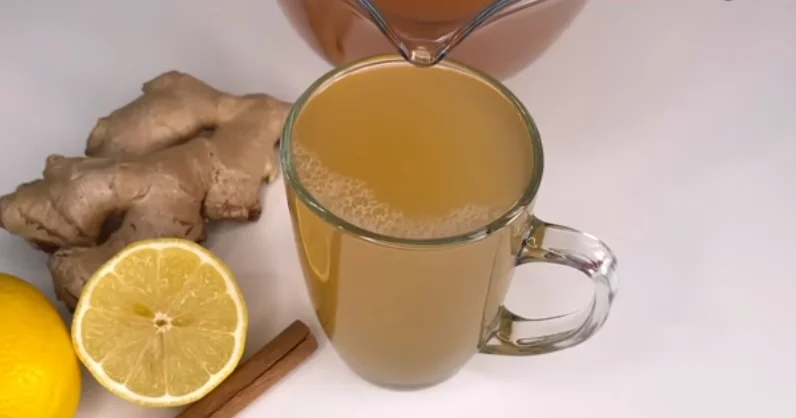
If you’re an older adult — or caring for one — here are some simple drinks that can support a healthier belly.
Age-related abdominal fat gain is driven by a distinct set of physiological changes that differ meaningfully from weight gain earlier in life, which is why generic weight-loss advice designed for younger adults often falls short for people over 60. Sarcopenia — the progressive loss of muscle mass that begins around age 30 and accelerates after 60 — reduces resting metabolic rate, since muscle tissue burns significantly more calories at rest than fat tissue. Hormonal shifts, including declining estrogen in postmenopausal women and declining testosterone in aging men, both favor a shift in fat storage patterns toward the abdominal region specifically, a pattern associated with higher cardiometabolic risk than fat stored elsewhere on the body. The drinks in this guide are not fat-melting miracles — no beverage produces meaningful fat loss on its own — but each one supports a specific physiological process (digestion, blood sugar stability, hydration, inflammation) that becomes increasingly relevant to healthy weight management with age. Used consistently alongside movement and balanced meals, they provide genuine, gentle support.
Table of Contents
- Why Belly Fat Becomes a Problem in Later Years
- Lemon and Ginger Morning Water
- Green Tea With a Hint of Cinnamon
- Apple Cider Vinegar Before Meals
- Refreshing Cucumber and Mint Water
- Turmeric Tea With Black Pepper
- Extra Tips for Seniors Trying to Lose Belly Fat
- 10 Questions Older Adults Often Ask
- Safety Tips
Why Belly Fat Becomes a Problem in Later Years
As we age, the body naturally loses muscle and burns calories more slowly. Women often notice this even more after menopause, when hormone shifts encourage fat to settle around the belly. The good news is that natural drinks can gently nudge the body toward better digestion and less belly bloat.

Beyond the muscle loss and hormonal shifts already mentioned, several additional factors compound abdominal fat accumulation specifically in older adults. Cortisol regulation tends to become less efficient with age, and chronically elevated cortisol has a well-documented specific effect of promoting visceral (abdominal) fat storage, as this fat type has a higher density of cortisol receptors than subcutaneous fat elsewhere on the body. Sleep quality frequently declines with age due to changes in sleep architecture, reduced melatonin production, and increased likelihood of conditions like sleep apnea — and poor sleep is independently associated with increased hunger hormone (ghrelin) and decreased satiety hormone (leptin), driving overeating and specifically abdominal fat gain in research studies. Digestive changes, including reduced stomach acid production and slower gut motility that become more common with age, can contribute to the bloating that, while not true fat gain, makes the belly area feel and appear larger. Addressing all of these contributing factors — not just calories in versus calories out — is why a holistic approach combining hydration, digestive support, and blood sugar stability tends to work better for older adults than restrictive dieting alone.
Lemon and Ginger Morning Water
One of the easiest ways to start the day is with warm water mixed with lemon and fresh ginger. Many older adults find this combination soothing for digestion. Ginger helps reduce bloating, and lemon supports liver function, which is essential for digestion.

How to try it: Squeeze half a lemon into warm water, add a couple of ginger slices, and sip slowly before breakfast. For what the research really shows, see our guide to lemon and ginger metabolism claims.
The physiological rationale for this simple morning ritual is stronger than it might initially appear. Warm water itself stimulates gastric motility upon waking, helping to “restart” digestive function after the overnight fast. Ginger contains gingerols and shogaols, compounds shown in research to accelerate gastric emptying and reduce the sensation of bloating and fullness — a 2011 study in the Journal of Neurogastroenterology and Motility found that ginger significantly sped gastric emptying in healthy volunteers, which is particularly relevant for older adults, who commonly experience slower baseline gastric motility. Lemon’s role is less about direct “liver detox” (a term with limited scientific basis, as the liver detoxifies continuously regardless of lemon intake) and more about its vitamin C content, which supports the synthesis of carnitine — a compound required to transport fatty acids into mitochondria for energy production — and its mild diuretic effect, which can reduce the sensation of water-retention bloating. Together, this combination creates a gentle digestive “wake-up call” that many older adults find genuinely helps reduce morning bloating and supports more comfortable digestion throughout the day.
Green Tea With a Hint of Cinnamon
Green tea has been a popular weight-loss drink for years, but adding a pinch of cinnamon can make it more effective. Cinnamon may help stabilize blood sugar, which can reduce fat storage around the waist.
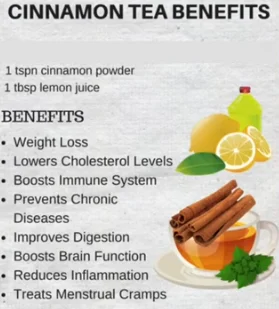
Quick tip: Brew a cup of green tea, sprinkle a little cinnamon, and enjoy it mid-morning or early afternoon.
Green tea’s weight-management properties are among the most extensively researched of any beverage, primarily attributed to its catechin content, especially epigallocatechin gallate (EGCG), which has been shown in multiple clinical trials to modestly increase thermogenesis (calorie burning) and fat oxidation, particularly when combined with green tea’s naturally occurring caffeine, which appears to have a synergistic effect with catechins on metabolic rate. A meta-analysis published in the International Journal of Obesity found green tea catechin consumption associated with modest but statistically significant reductions in body weight and waist circumference over 12+ week periods. Cinnamon’s contribution operates through a different but complementary mechanism: certain cinnamon compounds, particularly methylhydroxychalcone polymers, appear to enhance insulin sensitivity and glucose uptake into cells, helping to moderate the blood sugar spikes that, when chronic, promote fat storage — particularly relevant for older adults, who experience naturally declining insulin sensitivity with age (a phenomenon sometimes called “age-related insulin resistance”). For older adults sensitive to caffeine, decaffeinated green tea retains most of the catechin content while reducing the risk of jitters or sleep disruption, an important consideration given caffeine sensitivity often increases with age.
Apple Cider Vinegar Before Meals
Many older adults use apple cider vinegar (ACV) to help with digestion and appetite control. While it isn’t a magic solution, the acetic acid in ACV may help you feel full faster, which may reduce calorie intake over time.
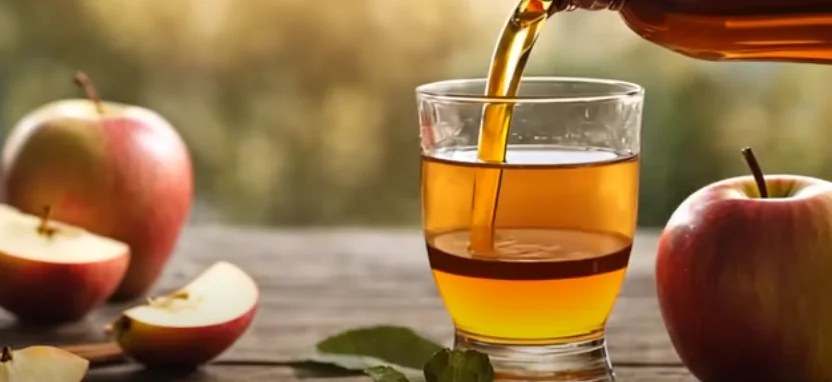
Best way to drink: Mix one teaspoon of ACV in a glass of warm water and have it before lunch or dinner. If you have stomach sensitivity or are on medication, ask your doctor first.

Acetic acid, the primary active compound in apple cider vinegar, has a modest but reproducible evidence base for supporting weight management, primarily through two mechanisms documented in clinical research. First, acetic acid appears to delay gastric emptying slightly, which extends the sensation of fullness after a meal and may reduce subsequent calorie intake — a 2005 study in the European Journal of Clinical Nutrition found that vinegar consumed with a meal significantly increased satiety and reduced food intake at a subsequent meal compared to a control. Second, acetic acid has been shown to improve insulin sensitivity and reduce the post-meal blood glucose spike when consumed before a carbohydrate-containing meal, an effect with particular relevance for older adults managing prediabetes or early insulin resistance. However, the caution about medication interactions deserves emphasis: ACV can interact with insulin and other diabetes medications by unpredictably lowering blood sugar, and its acidity can be problematic for anyone with acid reflux, esophageal issues, or those taking medications that irritate the stomach lining. Diluting adequately (never drinking concentrated vinegar) and using a straw to protect tooth enamel are additional practical safety considerations for regular use.
Refreshing Cucumber and Mint Water
Staying hydrated is one of the simplest ways to reduce belly bloat, and cucumber water with mint is both cooling and gentle on the stomach. Cucumber is naturally high in water and fiber, while mint soothes the stomach.
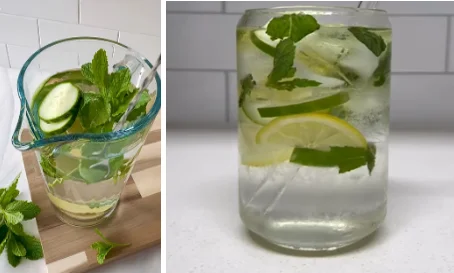
Make a jug: Slice half a cucumber, add a few mint leaves, and let it sit in a jug of water for a few hours. Sip throughout the day.
Hydration deserves particular emphasis for older adults specifically, because the body’s natural thirst signal becomes measurably less sensitive with age — a phenomenon well-documented in gerontological research, meaning many older adults are mildly chronically dehydrated without any subjective awareness of thirst. Mild dehydration slows metabolic rate, since numerous metabolic processes including fat oxidation require adequate water as a cofactor, and can also be mistaken for hunger, leading to unnecessary snacking when what the body actually needs is fluid. Cucumber’s high water content (approximately 96% by weight) combined with its potassium content supports fluid balance and helps counter the water retention that contributes to bloating, particularly in people consuming higher sodium diets. Peppermint’s menthol content has documented antispasmodic effects on gastrointestinal smooth muscle — this is the same mechanism behind peppermint oil capsules used clinically for irritable bowel syndrome — helping to ease the cramping and gas that contribute to abdominal bloating and discomfort. Because this drink contains no caffeine or strong active compounds requiring caution, it is one of the safest and most universally appropriate options on this list, suitable for sipping throughout the entire day without the timing restrictions that apply to green tea or ACV.
Turmeric Tea With Black Pepper
Turmeric is famous for its anti-inflammatory benefits, which can help the body handle fat more efficiently, while black pepper boosts its absorption. Many older adults also find it comforting before bed.

Easy method: Stir half a teaspoon of turmeric into hot water, add a pinch of black pepper, and drink warm.
Chronic low-grade inflammation is increasingly recognized as a significant contributor to metabolic dysfunction and abdominal fat accumulation, particularly since visceral fat tissue itself is metabolically active and produces inflammatory cytokines, creating a self-reinforcing cycle where inflammation promotes fat storage and fat tissue promotes further inflammation. Curcumin, the primary active compound in turmeric, has demonstrated anti-inflammatory activity in numerous clinical trials by inhibiting NF-κB, a key transcription factor that drives inflammatory cytokine production. However, curcumin has notoriously poor bioavailability on its own — it is rapidly metabolized and eliminated by the body before much can be absorbed. This is precisely why the black pepper addition matters mechanistically rather than just for flavor: piperine, black pepper’s active compound, has been shown in a landmark study published in Planta Medica to increase curcumin bioavailability by up to 2,000% by inhibiting the liver and intestinal enzymes that would otherwise rapidly break curcumin down. For older adults specifically, this combination offers a genuinely evidence-supported approach to supporting the body’s inflammatory balance, with the added benefit of turmeric’s naturally warming, calming quality making it a pleasant bedtime ritual that doesn’t interfere with sleep the way caffeinated options might.
Extra Tips for Seniors Trying to Lose Belly Fat
- Pair these drinks with light activity — daily walking or simple chair exercises make a big difference.
- Eat more fiber-rich foods; they help control appetite naturally.
- Don’t skip sleep; poor rest slows metabolism and encourages fat gain.
These three foundational habits deserve emphasis because, frankly, they will produce more meaningful results than any beverage on this list, which are best understood as supportive additions to these core practices rather than substitutes for them. Even modest daily walking — 20 to 30 minutes at a comfortable pace — has been shown in research on older adults to meaningfully reduce visceral fat and improve insulin sensitivity, with the added benefit of supporting the muscle mass that counters age-related metabolic slowdown. Chair exercises and light resistance training are particularly valuable for older adults because they directly address the sarcopenia driving reduced metabolic rate, and research consistently shows that even brief resistance training sessions (10-15 minutes, 2-3 times weekly) produce measurable muscle mass and strength improvements in adults over 65. Fiber deserves specific mention for its appetite-regulating effects: soluble fiber forms a gel in the digestive tract that slows gastric emptying and promotes sustained satiety, while also feeding beneficial gut bacteria that produce short-chain fatty acids linked to improved metabolic health. Sleep, as discussed in the “why belly fat happens” section, directly influences the hunger and satiety hormones that drive both appetite and where the body preferentially stores fat — making consistent, adequate sleep (7-8 hours for most older adults) one of the highest-leverage, cost-free interventions available.
10 Questions Older Adults Often Ask
Q1: Will these drinks melt belly fat on their own?
No, but they can help reduce bloating and improve metabolism when combined with a balanced diet and regular movement.
Q2: How soon will I see results?
Most people notice less bloating in a week or two, while belly fat loss may take several weeks to months of consistent healthy habits.
Q3: Can I drink these every day?
Yes, but rotate between them and don’t overdo ACV or cinnamon, as excessive amounts of either can cause digestive irritation or interact with medications.
Q4: Are these safe for diabetics?
Mostly, yes, but cinnamon and apple cider vinegar should be used with caution and monitored, since both can lower blood sugar and may require medication adjustment under a doctor’s supervision.
Q5: Which is best first thing in the morning?
Lemon and ginger water is ideal for starting digestion early in the day and is gentle enough for an empty stomach.
Q6: What’s a good evening drink?
Turmeric tea is soothing and supports overnight metabolism without the stimulating effects that could disrupt sleep.
Q7: Can green tea affect sleep?
Yes, if taken too late in the day, due to its caffeine content. Have it before 3 p.m., or choose a decaffeinated version if sensitivity is a concern.
Q8: Can I replace meals with these drinks?
No, they’re only meant to complement a balanced diet, not replace the nutrients and calories needed from actual meals.
Q9: What’s the simplest drink for daily use?
Cucumber and mint water is easy to sip all day and keeps you hydrated without any timing restrictions or medication concerns.
Q10: Is exercise necessary?
Yes, even gentle daily movement helps belly fat reduction far more than drinks alone, and is the single most impactful addition to this routine.
Written by Allan Smith · Medically reviewed by Dr. Mark McGarey, MBBS · Last Updated: October 15, 2026
Sources: NIH NCCIH: Green Tea; CDC: Healthy Aging; American Heart Association: Healthy Eating.
Safety Tips
- Talk to your doctor before adding new drinks, especially if you have chronic illnesses.
- Start with small amounts and observe how your body reacts.
- Combine these drinks with healthy meals, not processed or sugary foods, for best results.
⚕️ Medical Disclaimer
The information provided on this page is for educational purposes only and is not intended as medical advice, diagnosis, or treatment. Always consult a qualified healthcare professional before making changes to your diet, starting any supplement, or if you have an existing medical condition. KeepFitQuote does not provide medical diagnoses or treatment recommendations. Read our full disclaimer.
Related Posts