If there’s one root vegetable you should consider adding to your daily diet, it’s red beetroot. This deep crimson gem isn’t just beautiful on the plate—it’s packed with powerful nutrients that can help manage high blood pressure, support heart health, and boost overall wellness.
For adults over 50, beetroot deserves a closer look because of how it interacts with the cardiovascular system. A 2017 meta-analysis published in the journal Nutrients reviewed multiple randomized controlled trials and found that beetroot juice supplementation produced a measurable reduction in both systolic and diastolic blood pressure, with effects often visible within just a few hours of consumption. Researchers attribute much of this to beetroot’s exceptionally high concentration of dietary nitrates—among the richest of any commonly eaten vegetable. As your body ages, blood vessels naturally become stiffer and less responsive, which is part of why blood pressure tends to creep upward over the decades. Nitrate-rich foods like beetroot offer a gentle, food-based way to support vessel flexibility without the side effects sometimes associated with overusing blood pressure medications. That said, beetroot is a complement to your treatment plan, not a replacement for it. If you’re on prescription antihypertensives, talk with your doctor before making major dietary changes, since combining strong nitrate sources with certain medications can occasionally cause blood pressure to drop too low, leading to dizziness or lightheadedness—something that’s especially important to watch for in older adults at risk of falls.
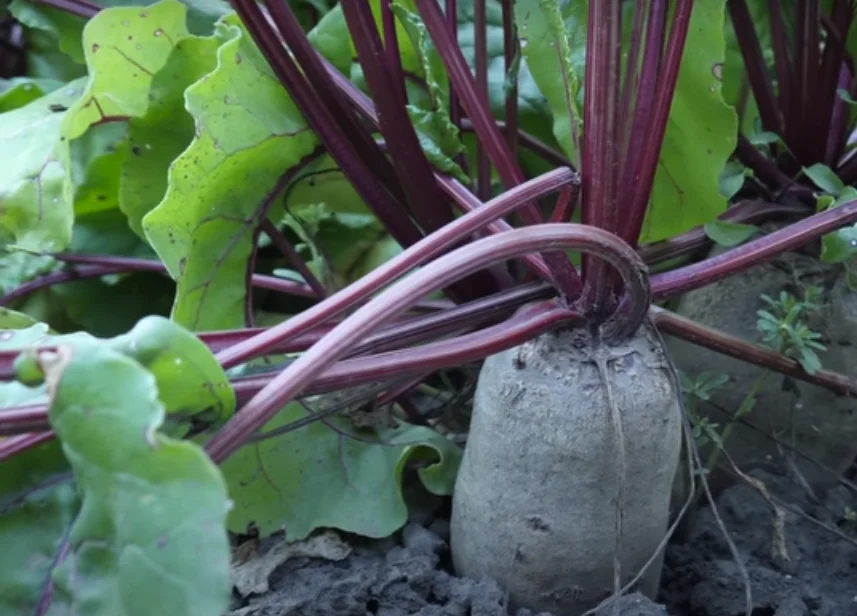
Table of Contents
Nature’s Blood Pressure Balancer
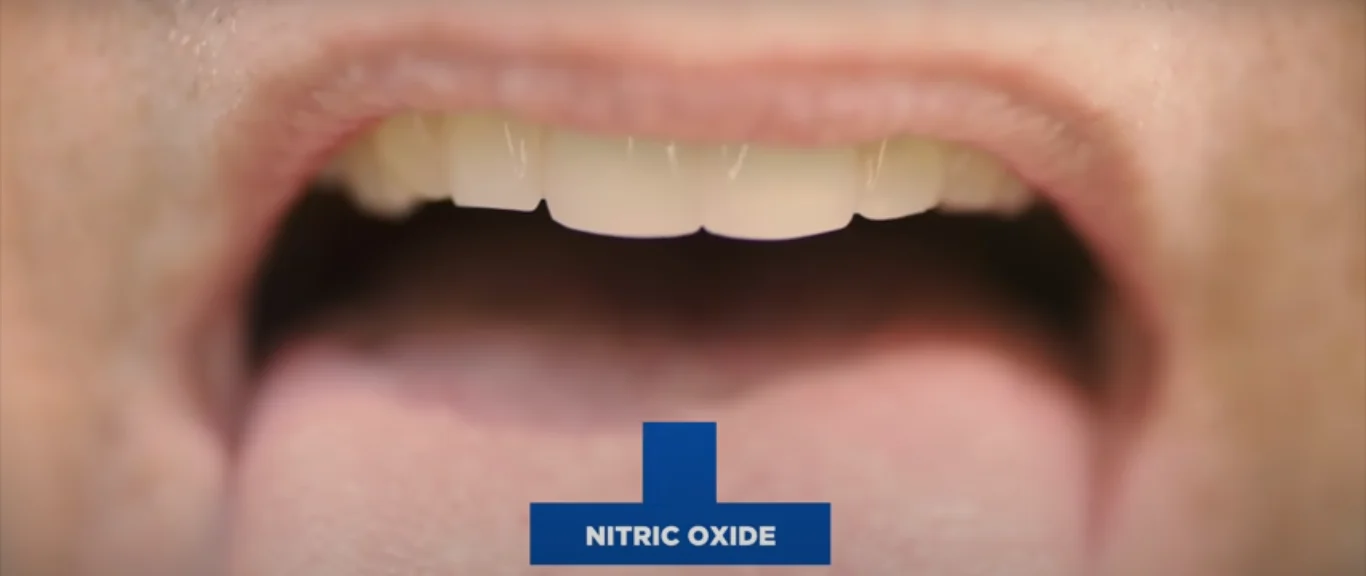
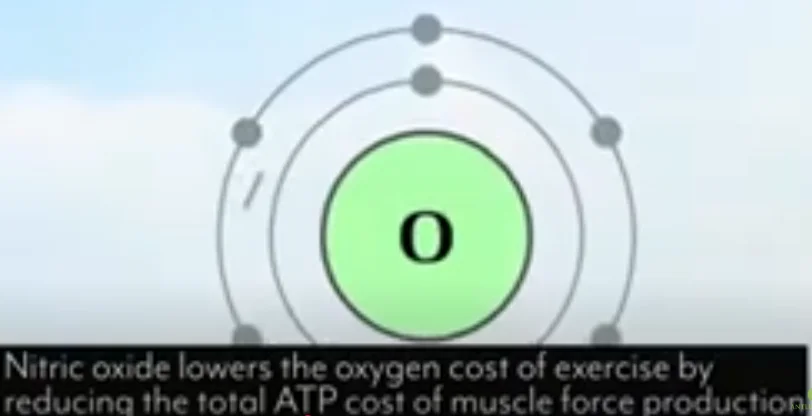
Red beet root is rich in nitrates, which your body converts into nitric oxide—a molecule that helps relax and widen blood vessels. This process improves blood flow and can naturally lower blood pressure fast. For people asking how to lower high blood pressure immediately or wondering about the best way to lower blood pressure fast at home, beetroot juice might be one of the simplest and most effective remedies.

Many people search for how to lower blood pressure quickly emergency, and while no home remedy replaces urgent medical care, drinking beetroot juice has been shown to reduce systolic blood pressure within a few hours. So, if you’re looking for what will lower blood pressure fast or how to get blood pressure down fast, this humble vegetable could be the answer.
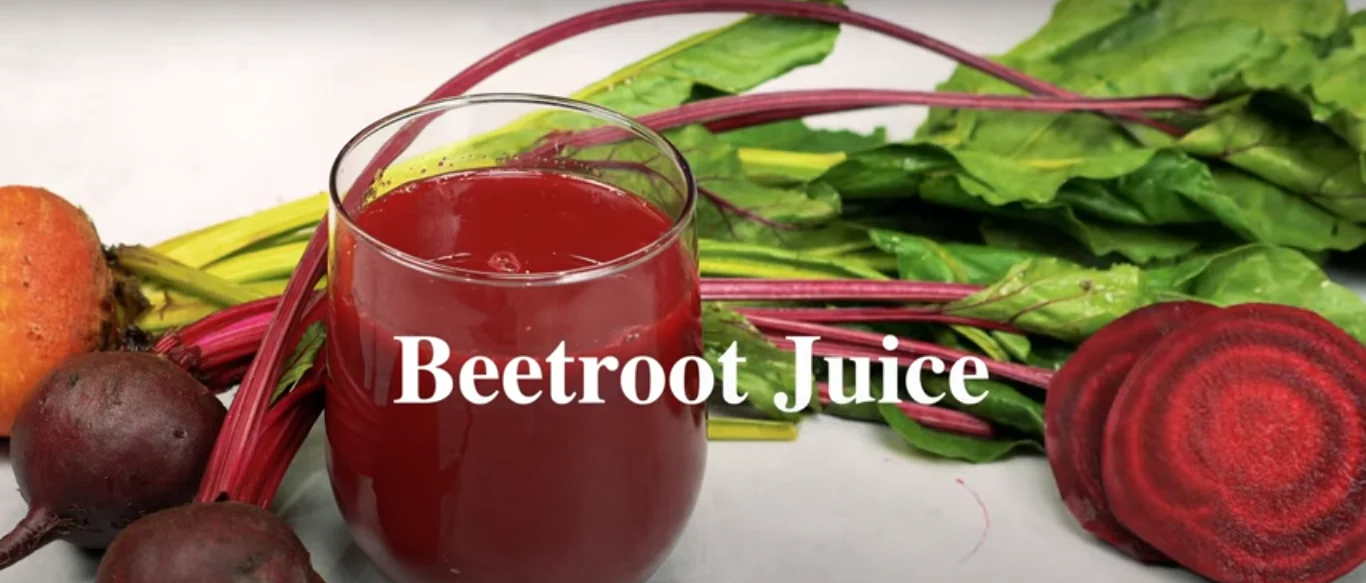
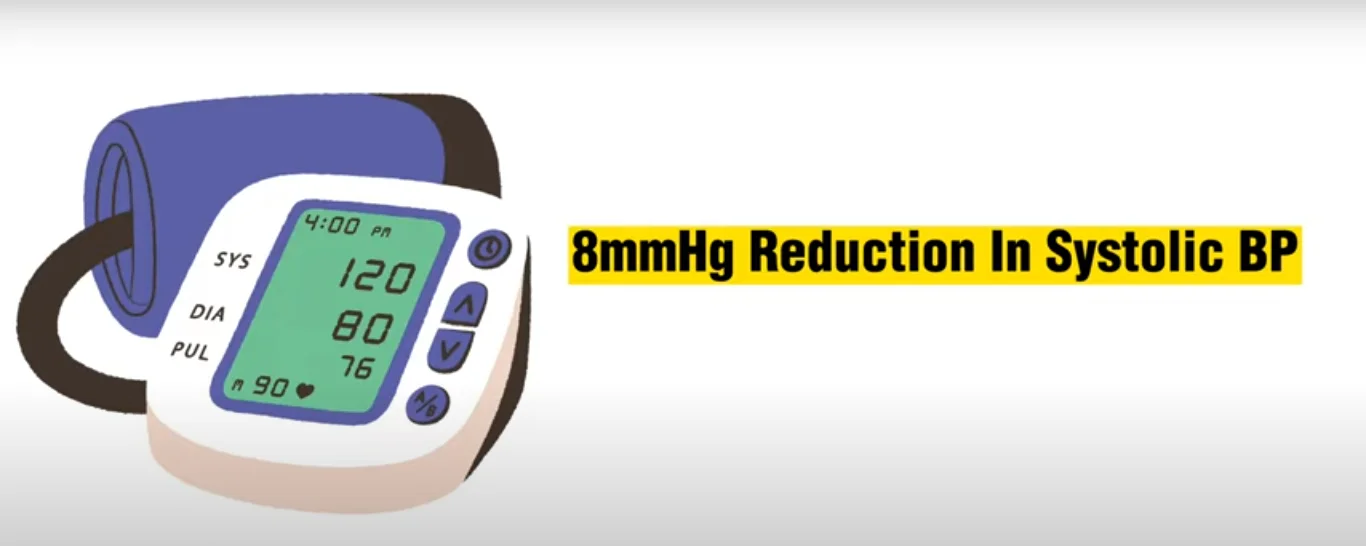
Here’s what’s happening at the cellular level: nitric oxide acts as a signal to the smooth muscle lining your arteries, telling it to relax. This widening of the blood vessels—called vasodilation—reduces the pressure your heart has to work against with every beat. A study in Hypertension, a journal of the American Heart Association, found that a single dose of concentrated beetroot juice lowered systolic blood pressure by an average of 4 to 5 mmHg within one to three hours in adults, an effect comparable to some lifestyle interventions. For practical use, many people start with about 8 ounces (roughly one cup) of beetroot juice, or two medium roasted beets, once daily. If you’re managing your sodium intake closely, choose unsalted, no-sugar-added juice and check labels carefully. One important safety note: beets are high in oxalates, compounds that can contribute to certain types of kidney stones in susceptible individuals. If you have a history of calcium oxalate kidney stones or kidney disease, talk to your doctor before adding concentrated beet juice to your routine, and consider pairing beets with a calcium source at meals, which can help bind oxalates in the gut.
Anti-Inflammatory and Antioxidant Support
One of beetroot’s greatest strengths is its anti-inflammatory properties. Chronic inflammation plays a major role in cardiovascular disease, including high blood pressure. Red beet is also a potent anticarcinogen and is loaded with antioxidants, which help neutralize harmful free radicals and reduce oxidative stress—another hidden contributor to hypertension.
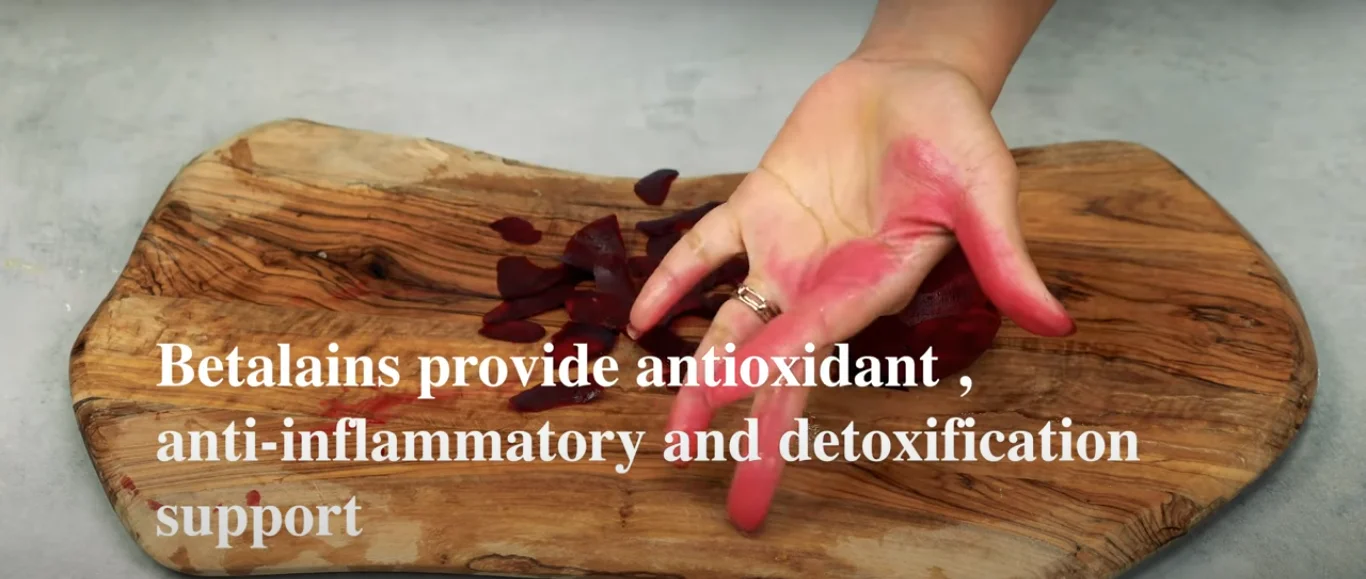
Much of beetroot’s anti-inflammatory punch comes from a group of pigments called betalains, which give beets their vivid red-violet color. Laboratory and animal studies published in journals such as the Journal of Agricultural and Food Chemistry have found that betalains can inhibit some of the same inflammatory enzymes involved in chronic pain and vascular inflammation. For older adults, this matters because low-grade, ongoing inflammation has been linked not just to high blood pressure, but also to joint stiffness, fatigue, and a higher risk of conditions like atherosclerosis. Beetroot also contains a healthy dose of vitamin C and manganese, both of which support the body’s own antioxidant defense systems. A practical way to take advantage of this: roast beets with a drizzle of olive oil (whose healthy fats can help your body absorb the fat-soluble nutrients in beets) and toss them into salads several times a week. One thing to be aware of—don’t be alarmed if your urine or stool takes on a pink or reddish tint after eating beets. This harmless and surprisingly common effect, called beeturia, is simply the pigment passing through your system and is not a cause for concern.
Long-Term Help for Hypertension
People often ask can you cure high blood pressure or how to get rid of hypertension, and while there’s no overnight cure, managing high blood pressure naturally is possible—and red beet can help. It supports blood vessel flexibility, improves circulation, and complements other strategies like walking, a good diet, and stress reduction techniques such as 4-7-8 breathing to lower blood pressure.
Whether you want to know how to stop high blood pressure, how to lower blood pressure and cholesterol, or how to reduce systolic blood pressure, incorporating red beet into your routine is a smart step. It’s also helpful if you’re dealing with high blood pressure at night or asking how to control high bp immediately.
The real value of beetroot for hypertension isn’t a single dramatic drop—it’s the cumulative effect of consistent use. Research presented in the American Journal of Clinical Nutrition found that participants who consumed beetroot juice daily for several weeks experienced more sustained improvements in blood vessel function (measured by flow-mediated dilation) compared to a single dose alone. This is encouraging for anyone managing blood pressure as a long-term condition rather than a one-time problem. For seniors, it also pairs well with other heart-healthy patterns, such as the DASH or Mediterranean approach, which already emphasize vegetables, whole grains, and limited sodium. If you take diuretics (“water pills”) for blood pressure, be aware that beets are fairly high in potassium, which is generally good for heart health but worth discussing with your doctor if you’re on a potassium-sparing diuretic, since the combination could occasionally push potassium levels higher than ideal. Routine blood tests during regular checkups can help keep this in balance.
Home Remedies that Work
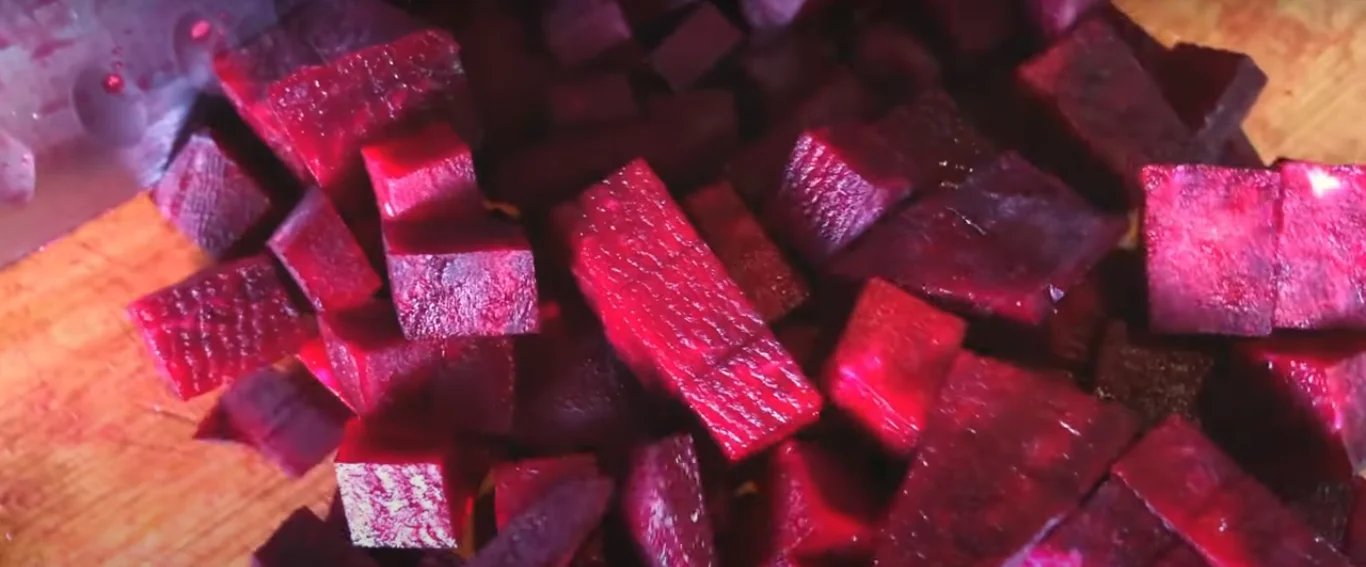
If you’re searching for home remedies to lower your blood pressure or what can bring blood pressure down fast, try this simple tip: blend fresh beets with lemon and ginger. Drink it first thing in the morning. This powerful combo not only helps to lower high blood pressure fast but can also regulate blood sugar and reduce stress.
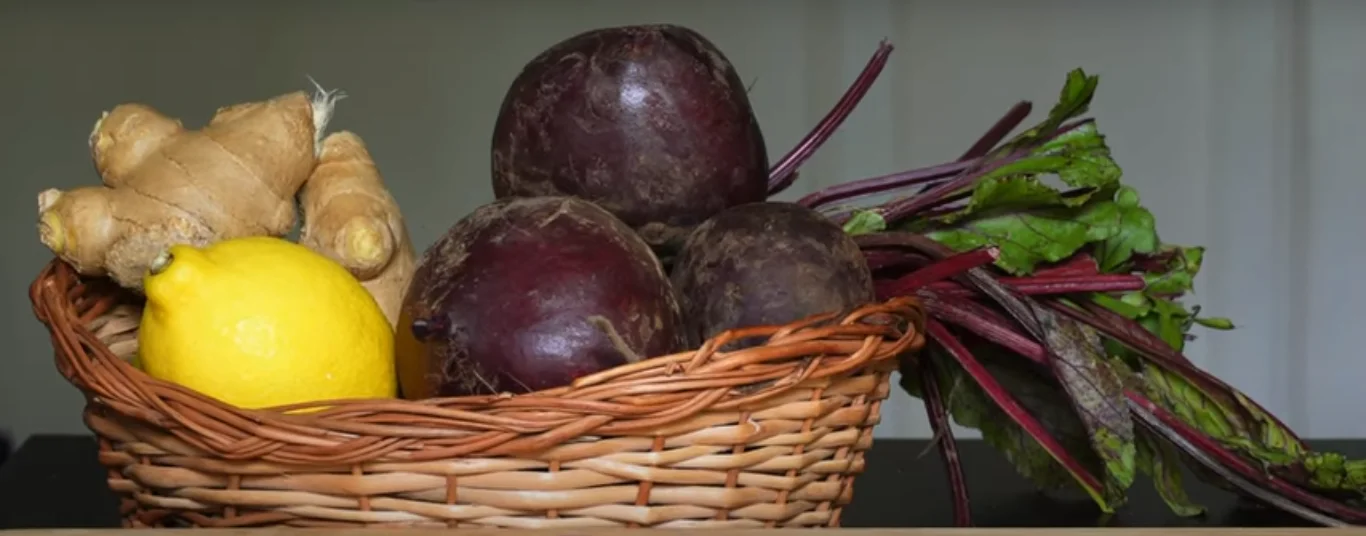
Beetroot’s naturally sweet taste also makes it a great addition to salads, smoothies, or even roasted with olive oil. It’s an easy way to improve blood pressure, keep blood pressure normal, and support better cardiovascular health.
If raw beets feel too earthy for your taste, there are several gentle preparation methods worth trying. Steaming or roasting beets until fork-tender mellows their flavor considerably while preserving most of their nitrate content (boiling for long periods can leach some nutrients into the cooking water). For a quick morning ritual, try grating a small raw beet into a smoothie with a banana, a handful of spinach, and a splash of orange juice—the sweetness of the fruit balances the earthiness nicely. If you’re new to beets, start with small portions, about half a cup a few times a week, and pay attention to how your digestion responds, since the fiber content can take some getting used to. Pickled beets are a popular pantry option, but be mindful that the brining process often adds significant sodium, which can work against your blood pressure goals—look for low-sodium versions or rinse pickled beets before eating. As always, any home remedy works best as part of a broader conversation with your healthcare provider about your overall blood pressure management plan.
Lifestyle + Beetroot = Stronger Results
Managing blood pressure doesn’t come down to one magic food. It’s about consistent choices. Pairing beetroot with a keto diet for high blood pressure or the DASH diet low in sodium can help you stay on top of your health. Plus, if you’ve wondered how much weight to lose to lower blood pressure, know that even modest weight loss combined with beetroot consumption can yield significant benefits.
For people looking to reduce high blood pressure fast, remember: beetroot works best when combined with walking to lower blood pressure, staying hydrated, and keeping stress levels in check.
Think of beetroot as one piece of a larger puzzle rather than a standalone fix. Even modest, sustainable weight loss—research suggests that losing just 5 to 10 pounds can meaningfully lower blood pressure in many adults—works synergistically with the vascular benefits beetroot provides. Walking is an especially good pairing because physical activity itself triggers nitric oxide production in blood vessels, essentially working through some of the same pathways as beetroot’s nitrates. A daily 20 to 30 minute walk, even broken into shorter sessions, combined with a beet-rich diet, gives your cardiovascular system support from two directions at once. Hydration matters too: beetroot’s fiber content requires adequate water intake to move through your digestive system comfortably, and proper hydration also supports healthy blood volume and circulation. Finally, don’t underestimate stress management. Chronic stress triggers the release of hormones that constrict blood vessels and raise blood pressure, potentially offsetting some of the gains from diet alone, so practices like deep breathing, gentle stretching, or time outdoors can amplify the benefits of the dietary changes you’re already making.
The Takeaway
Red beetroot isn’t just a superfood—it’s a simple, natural way to support your heart and control your blood pressure. Whether you’re looking for how to reduce high blood pressure quickly, wondering how to help lower blood pressure, or searching for the best diet for blood pressure, don’t overlook the power of this vibrant root.
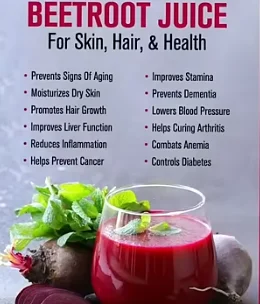
So, next time you’re thinking about how to deal with high blood pressure or how to lower high blood pressure and sugar, reach for beets. They’re not only good for your heart, but for your entire body.
The bottom line for readers over 50: red beetroot is an affordable, accessible food with real, research-backed support for healthy blood pressure and circulation. It works gradually and gently, which makes it an ideal addition to an already heart-conscious lifestyle rather than a quick fix. As with any new dietary habit, especially if you manage chronic conditions or take regular medications, it’s worth a quick conversation with your doctor or pharmacist—not because beetroot is risky for most people, but because your healthcare team can help you fit it into your individual care plan in the way that benefits you most.
Frequently Asked Questions
How much beetroot or beet juice should I consume daily to help with blood pressure?
Most studies showing blood pressure benefits use roughly one cup (about 8 ounces) of beetroot juice or one to two medium cooked beets daily. If you’re new to beets, start with smaller amounts a few times a week and gradually increase as your body adjusts, paying attention to digestion and any medication interactions.
Can beetroot interact with my blood pressure medication?
Because beetroot can lower blood pressure on its own, combining it with antihypertensive medication may occasionally cause blood pressure to drop lower than expected, leading to dizziness or lightheadedness. This is rarely dangerous but worth monitoring, especially when starting out. Always mention dietary changes like this to your doctor.
Why does my urine or stool turn red after eating beets?
This harmless effect is called beeturia and is caused by betalain pigments passing through your digestive system. It’s more common in people with lower stomach acid and is not a sign of bleeding or any health problem, though if you’re ever uncertain, it’s reasonable to mention it to your doctor for peace of mind.
Is beetroot safe for people with kidney problems or a history of kidney stones?
Beets are relatively high in oxalates, which can contribute to calcium oxalate kidney stones in susceptible individuals. If you have a history of kidney stones or kidney disease, talk with your doctor before regularly consuming concentrated beet juice, and consider pairing beets with calcium-rich foods at the same meal.
What’s the best way to prepare beets if I don’t like the taste?
Roasting or steaming beets mellows their earthy flavor while preserving most of their beneficial nitrates. Blending small amounts of raw or cooked beet into smoothies with fruits like banana or berries can also mask the taste while still providing the cardiovascular benefits.
Can beetroot replace my blood pressure medication?
No. Beetroot can be a helpful complement to a healthy lifestyle and medical treatment, but it should never replace prescribed medication without your doctor’s guidance. Always work with your healthcare provider before making changes to your treatment plan.
⚕️ Medical Disclaimer
The information provided on this page is for educational purposes only and is not intended as medical advice, diagnosis, or treatment. Always consult a qualified healthcare professional before making changes to your diet, starting any supplement, or if you have an existing medical condition. KeepFitQuote does not provide medical diagnoses or treatment recommendations. Read our full disclaimer.
Related Posts