Natural toothache remedies can ease pain for a short time, but they do not fix the cause. A toothache usually points to decay, a cracked tooth, gum disease, or an infection. So treat the options below as comfort measures while you arrange to see a dentist.
Tooth pain gets more common with age. The National Institute of Dental and Craniofacial Research (NIDCR) explains that many older adults have receding gums, which can expose the tooth root to decay. Dry mouth also raises the risk, and it is a side effect of hundreds of medicines. Below, we cover seven gentle options for older adults, plus the warning signs that mean you need dental care soon.
Why Older Adults Need Care With Natural Toothache Remedies
Older mouths often heal more slowly, and many older adults take daily medicines. That matters because some home remedies can irritate thin gum tissue or interact with drugs. For example, clove oil may affect bleeding, so ask a pharmacist first if you take a blood thinner.
Dry mouth is another factor. Saliva washes away food and helps protect teeth, so less saliva means more decay. The NIDCR notes that dry mouth is not a normal part of aging, so mention it to your dentist or doctor. For more ideas, see our guide to CPAP dry mouth in older adults.
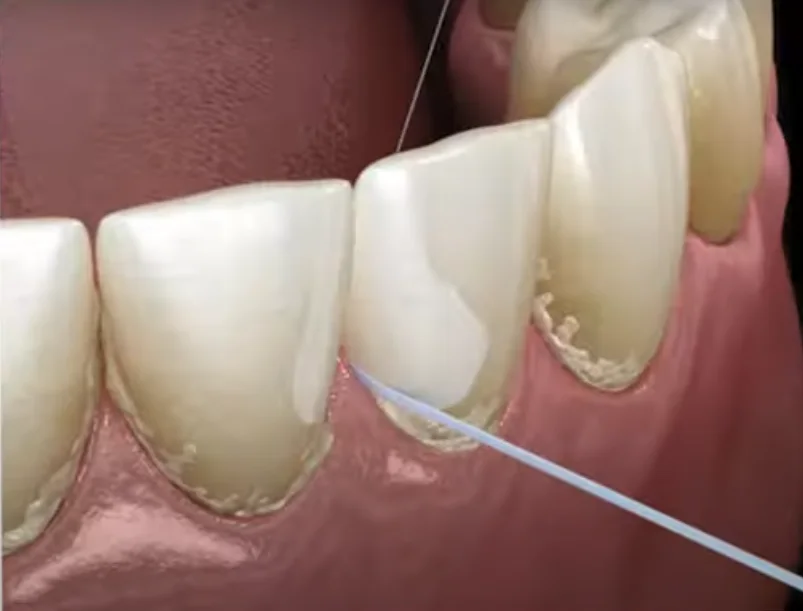
The American Dental Association (ADA) MouthHealthy site gives simple first steps for a toothache. Rinse your mouth with warm water. Then gently use floss to remove any food caught between the teeth. Do not put aspirin on the aching tooth or gum, because it can burn the tissue. A cold compress on the outside of your cheek can also help with swelling.
1. Clove Oil: Numbing Relief in Small Amounts
Clove contains eugenol, a compound with numbing and antiseptic effects. Dentists have used it for many years, and some pharmacies sell dental clove oil. The research is limited, though, and clove oil is strong.
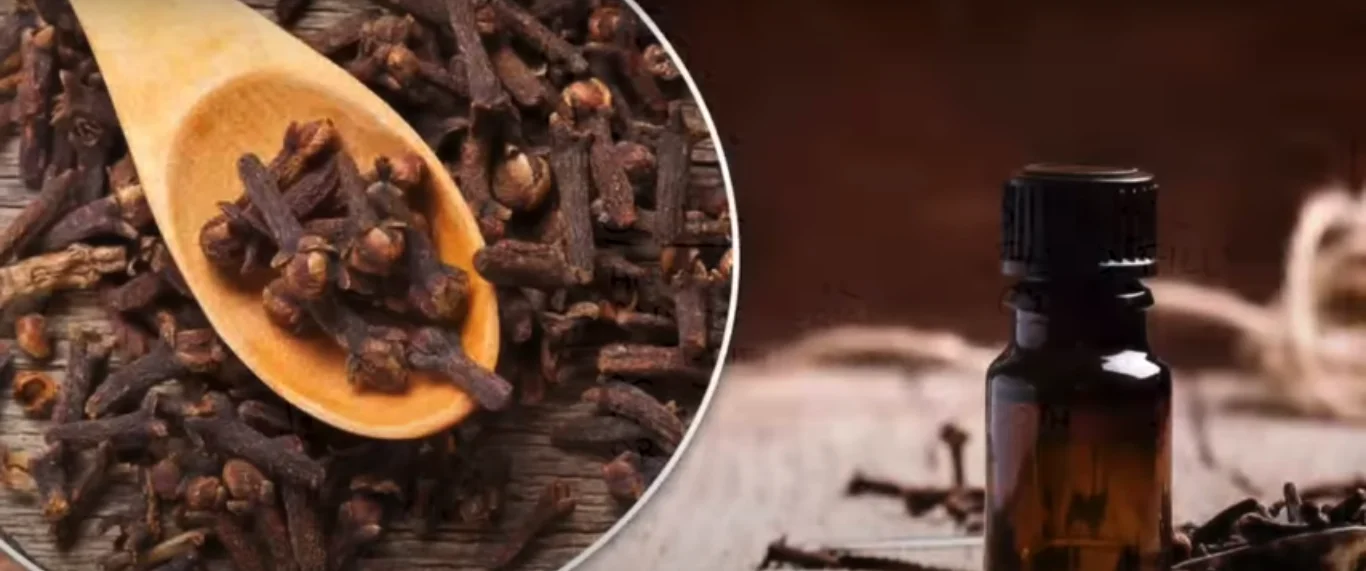
- Mix 1 to 2 drops of clove oil into a teaspoon of olive or coconut oil.
- Dab a little on a cotton swab and touch it to the sore spot.
- Keep it off your tongue and cheeks, and do not swallow it.
- Use it only now and then, not every day.
Undiluted clove oil can burn the gums and cause more pain. Because clove oil may affect bleeding, ask a pharmacist before using it if you take warfarin or a similar medicine. If the tooth still hurts after a day or two, see your dentist.
2. Diluted Hydrogen Peroxide: Use With Care
A diluted peroxide rinse may freshen the mouth and loosen debris around the gums. However, it is not a toothache treatment, and it can irritate sore tissue. Use it only for a few days.
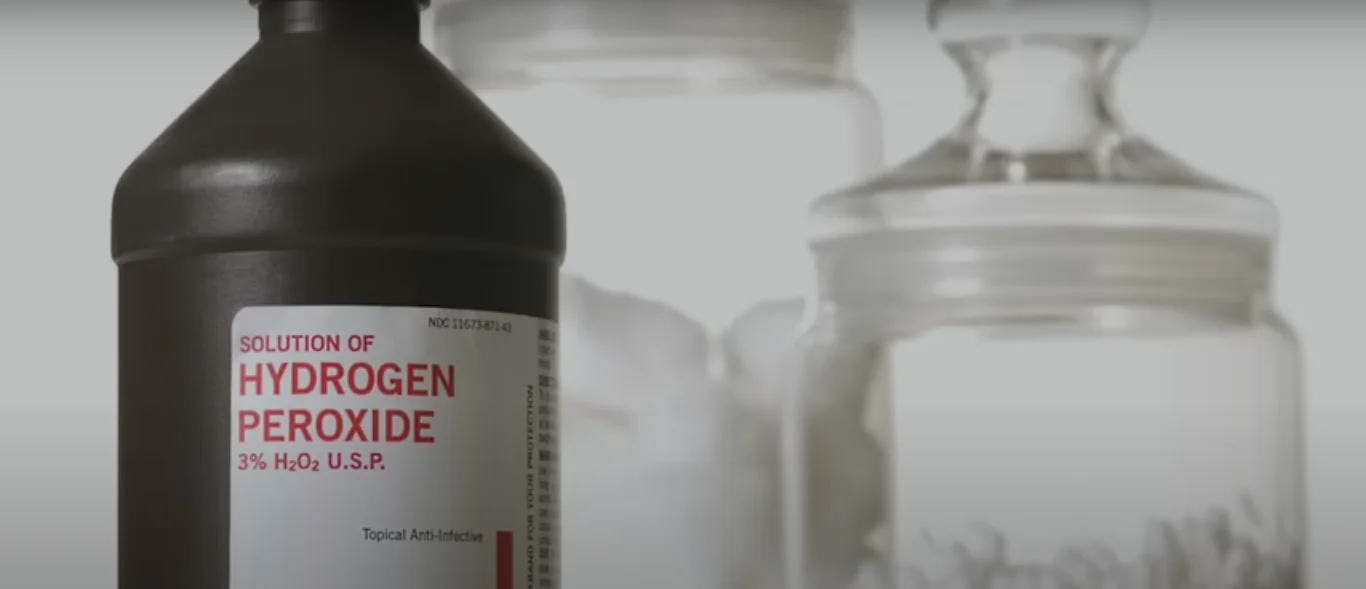
- Mix equal parts of 3% hydrogen peroxide and plain water.
- Swish for about 30 seconds, then spit it out.
- Rinse your mouth well with plain water afterward.
- Never swallow the mixture.

Use only the 3% drugstore kind, and always dilute it. Skip this rinse if your gums are sore, bleeding, or covered in mouth sores. If you wear dentures, ask your dentist how often to use it. Do not combine it with baking soda scrubs.
3. Salt Water: The Simplest of the Natural Toothache Remedies
A warm salt water rinse is gentle and costs almost nothing. It can wash out food debris and may calm sore, swollen gums. Dentists often suggest it after a tooth is pulled, so it is a sensible first step.
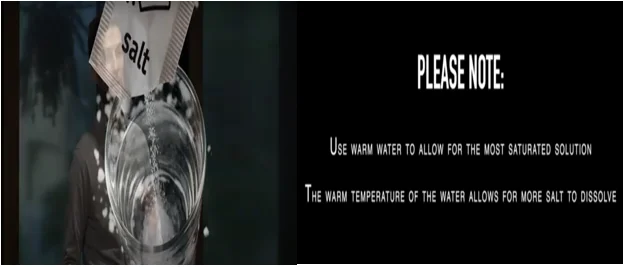
- Mix 1/2 teaspoon of salt into a cup of warm water.
- Swish gently for about 30 seconds, then spit it out.
- Repeat 2 to 3 times a day while you wait for your dental visit.
A salt rinse will not cure an abscess or draw out an infection. If you follow a low-sodium diet, spit the rinse out rather than swallowing it. Stop if your mouth feels sore or stings.
4. Garlic: Interesting Lab Results, Limited Proof
Crushed garlic releases allicin, a compound that fights some bacteria in lab studies. However, no strong human trials show that garlic treats a toothache. Raw garlic can also burn the gums, so this option is better skipped by anyone with sensitive tissue.
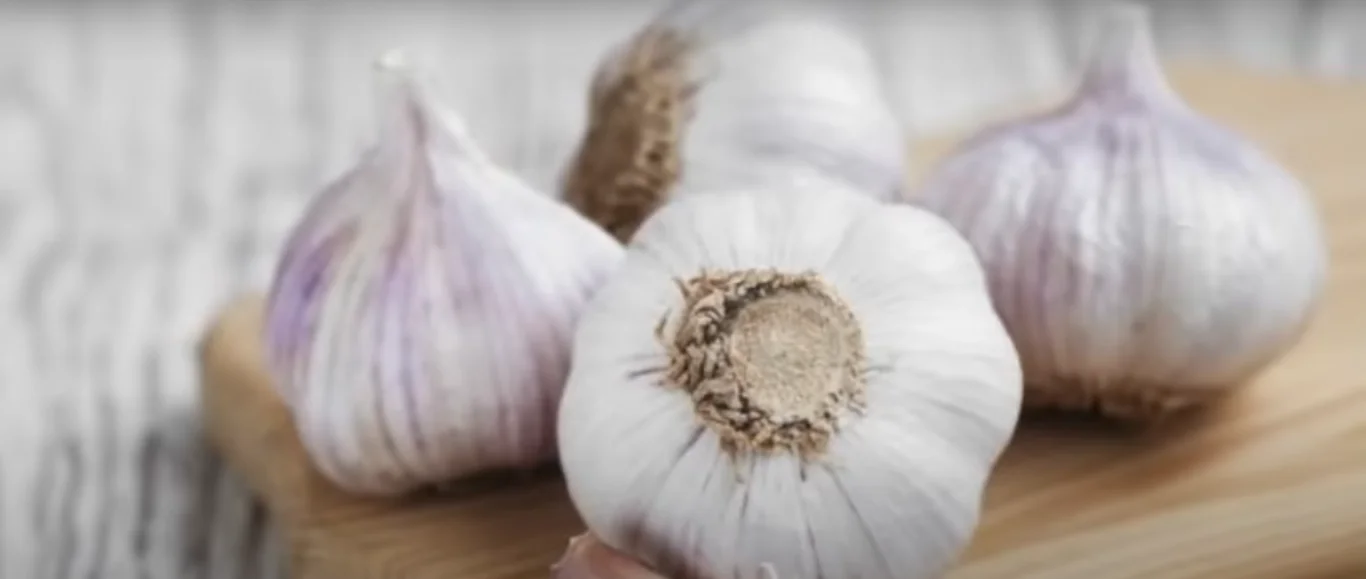
- If you try it, hold a tiny piece of crushed garlic near the sore gum for a minute or two.
- Stop right away if it burns, then rinse with warm water.
- Do not leave garlic in your mouth overnight.
Garlic is a better fit in your meals than on your gums. If you make garlic in oil at home, read our guide to garlic in oil and botulism risk first. Older adults on blood thinners should also ask a pharmacist before eating large amounts of garlic.
5. Thyme Rinse: A Gentle Herbal Option
Thymol, a compound found in thyme, is an ingredient in some antiseptic mouthwashes. A homemade thyme tea has not been tested as a toothache treatment. Still, it is a mild rinse that some older adults find less harsh than store-bought mouthwash.
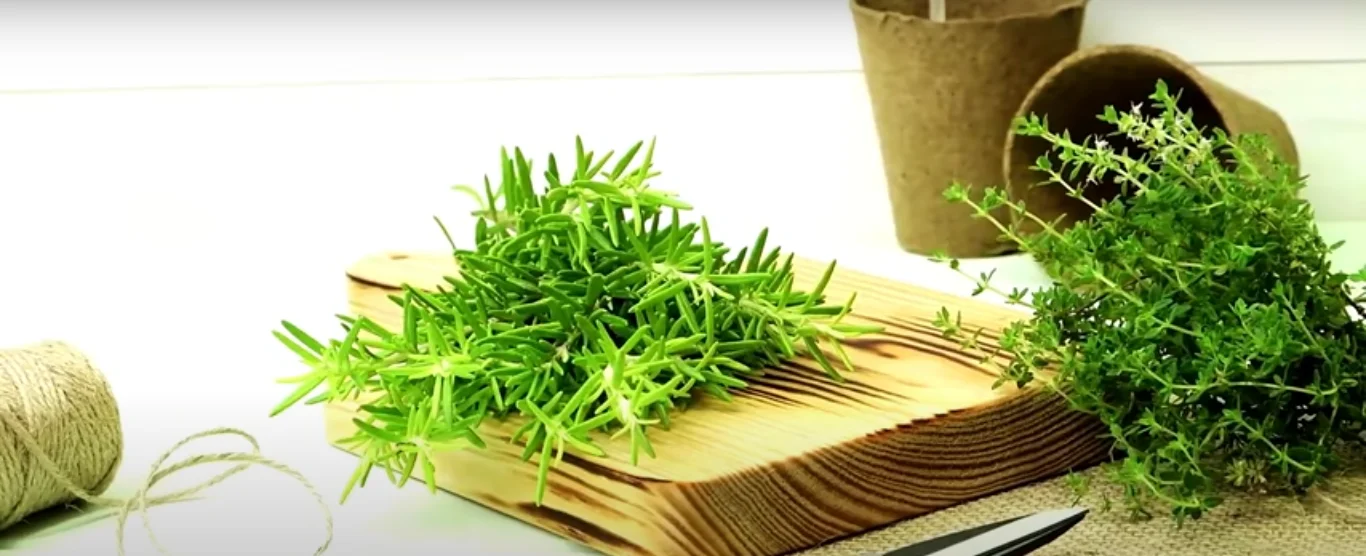
- Steep 1 teaspoon of dried thyme in a cup of hot water for 10 minutes.
- Let the tea cool fully, then strain it.
- Swish for 30 seconds and spit it out.
Avoid putting thyme essential oil in your mouth. Concentrated oils can burn the lining of the mouth, even when diluted.
6. Aloe Vera Gel for Sore Gums
Small studies suggest that aloe vera gel may calm gum inflammation, but the evidence is early. It is not a treatment for tooth pain. Some people simply like its soothing feel on sore gums, especially when their mouths feel dry.
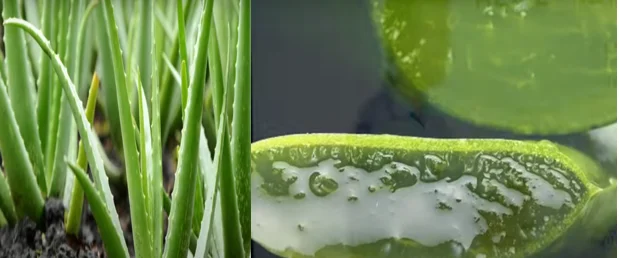
- Choose a pure aloe gel made for use in the mouth.
- Dab a small amount on sore gums with a clean finger.
- Test it on your skin first if you have never used aloe.
Skip aloe juice as a toothache remedy. Swallowed aloe products can upset the stomach and cause diarrhea in some people.
7. Peppermint Tea Bag: Cooling Comfort
Peppermint contains menthol, which creates a cooling feeling. This may take the edge off mild gum soreness for a short time. There is no good research showing that it treats tooth pain.

- Brew a peppermint tea bag and let it cool until it is just warm.
- Hold the tea bag against the sore area for a few minutes.
- Sip the tea slowly if you like it, but skip it if mint worsens your reflux.
When Natural Toothache Remedies Are Not Enough
Natural toothache remedies cannot treat an infected tooth. The National Institute of Dental and Craniofacial Research (NIDCR) says an abscess can cause pain, facial swelling, and fever. If you notice any of these signs, call your dentist the same day.
- Swelling in your face, jaw, or gums
- Fever or chills
- A bad taste, pus, or a pimple-like bump on the gum
- Pain that lasts more than a day or two
- Pain when you bite down, or a cracked tooth
Go to an emergency room if swelling makes it hard to swallow or breathe. For more on telling pain types apart, see our guide to pain after 60 and when to get help. Also keep up with regular dental checkups, because early decay often causes no pain at all.
Quick Reference: Natural Toothache Remedies at a Glance
| Remedy | What it may do | Main caution |
|---|---|---|
| Warm salt water | Cleans debris, calms swollen gums | Spit it out; mind sodium |
| Clove oil | Brief numbing | Dilute it; may affect bleeding |
| Hydrogen peroxide (diluted) | Loosens debris | Short-term only; never swallow |
| Garlic | Lab antibacterial effect | Can burn gums |
| Thyme tea rinse | Mild rinse | Not tested for toothache |
| Aloe vera gel | Soothes sore gums | Do not swallow aloe products |
| Peppermint tea bag | Cooling feel | May worsen reflux |
Final Thoughts: Using Natural Toothache Remedies Safely
Natural toothache remedies can bring comfort, but they cannot treat decay, a crack, or an infection. Start with the gentlest option, such as warm salt water, and keep your use short. Then book a dental visit.
Tell your dentist about your medicines and any dry mouth. This helps them find the real cause of your pain. For more reading, see MedlinePlus: Dental Health and MedlinePlus: Tooth Disorders. This article is general information and does not replace dental care.
Frequently Asked Questions
Questions About Home Care and Safety
How long can I safely try home remedies before seeing a dentist?
Most dental professionals recommend seeing a dentist if tooth pain lasts longer than one to two days, or sooner if it is accompanied by fever, facial swelling, or difficulty swallowing. These can signal a spreading infection that needs prompt treatment.
Is clove oil safe for older adults with sensitive gums?
It can be, in small diluted amounts and only now and then. Undiluted clove oil can irritate or even burn gum tissue, so a drop or two in a teaspoon of coconut or olive oil is the safer approach, especially for thinner, more sensitive aging gum tissue.
Can these remedies interact with dentures or dental work?
Salt water and peppermint tea are generally fine around dentures, crowns, and implants. Hydrogen peroxide and garlic are less gentle, so ask your dentist before using them if you have dental work, and always rinse well afterward.
More Questions About Natural Toothache Remedies
Why do toothaches seem to get worse at night?
Lying down increases blood flow to the head, which can raise pressure inside an inflamed tooth or gum pocket. Propping your head up slightly with an extra pillow can sometimes ease nighttime discomfort.
Are natural remedies enough to treat a tooth infection?
No. These remedies ease pain and reduce surface bacteria, but a true infection (abscess) usually requires antibiotics or dental treatment to fully resolve. Persistent swelling, a bad taste, or a visible bump on the gum are signs to see a dentist promptly.
Can I combine several of these remedies at once?
It is best to keep it simple. Pick one gentle option, such as a salt water rinse, and avoid stacking several remedies or mixing them in your mouth at the same time. If one does not help within a day or two, call your dentist.
Sources and Further Reading
- ADA MouthHealthy: Dental Emergencies (toothache first steps)
- NIDCR: Tooth Decay
- NIDCR: Dry Mouth
- MedlinePlus: Tooth Disorders
- MedlinePlus: Dental Health
⚕️ Medical Disclaimer
The information provided on this page is for educational purposes only and is not intended as medical advice, diagnosis, or treatment. Always consult a qualified healthcare professional before making changes to your diet, starting any supplement, or if you have an existing medical condition. KeepFitQuote does not provide medical diagnoses or treatment recommendations. Read our full disclaimer.
Related Posts