When you hear the name Mike Fremont, you’re not just hearing about a runner or a centenarian; you’re hearing a story of a man who stared down death and outran it—literally.

At 101 years old, Fremont became a symbol of resilience, redefining what survival looks like in the face of disease. Diagnosed with colorectal cancer at the age of 70 and later with heart failure, many believed his time was limited. But Mike didn’t just survive—he thrived, smashing expectations and setting age-group world records in long-distance running. While others looked at charts and graphs, Mike laced up his shoes and hit the pavement.

In a world obsessed with statistics—where the small cell lung cancer prognosis is often bleak, and the glioblastoma prognosis by age leaves little hope—Mike Fremont serves as the living, breathing exception to the rule.
Fremont’s case is remarkable precisely because it runs counter to what oncologists typically expect from a colorectal cancer diagnosis at 70. The American Cancer Society notes that five-year survival rates for colorectal cancer drop meaningfully with advanced stage and advanced age at diagnosis, largely due to slower recovery from treatment and a higher likelihood of competing health conditions. What set Fremont apart was his aggressive commitment to lifestyle factors research consistently links to better outcomes: regular aerobic exercise, a plant-forward diet low in processed foods, and maintained cardiovascular fitness — all of which support immune function and resilience during and after cancer treatment.

When Numbers Say “No,” Mike Says “Go”
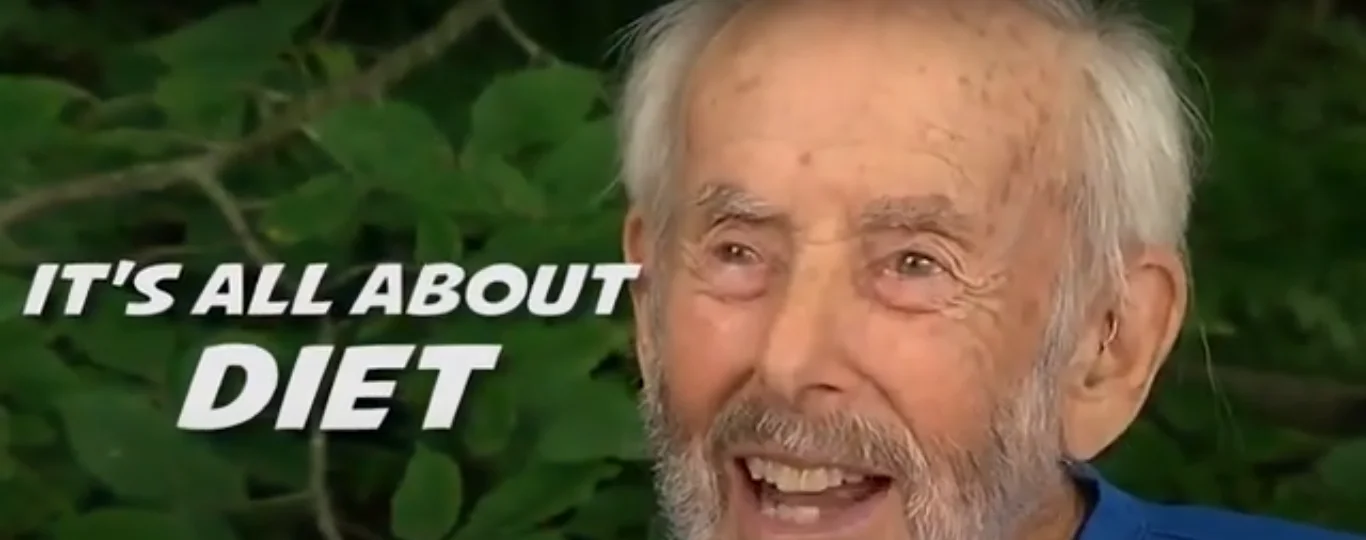
Let’s talk numbers. The lung cancer survival rate by stage and age, for instance, paints a grim picture, especially when you factor in advanced diagnoses like stage 4 non small cell lung cancer prognosis or metastatic lung cancer prognosis. But Fremont believed in lifestyle over labels. He embraced a plant-based diet, clean living, and physical activity with a passion rarely seen even in people half his age.
Consider how diseases like prostate cancer prognosis, aml leukemia survival rate by age, or bladder cancer prognosis affect the elderly. Statistics show sharp declines in survival past the age of 80, with terms like survival rate of prostate cancer or survival rate of stage 3 lung cancer leaving little to the imagination. Fremont, however, never let numbers dictate his narrative.
Long-distance running in one’s 80s, 90s, and beyond is remarkable enough on its own — but doing so after cancer treatment and a heart failure diagnosis places Fremont in genuinely rare territory. Sports medicine research on masters athletes (competitors over 60, and especially over 80) consistently finds that lifelong or late-adopted endurance training correlates with better cardiovascular markers, preserved muscle mass, and lower inflammation compared to sedentary peers of the same age. Fremont’s record-setting times weren’t a fluke of genetics alone; they reflect decades of consistent aerobic conditioning that most people stop pursuing entirely by their 70s.
Beyond Cancer: Defying a Catalogue of Conditions
As medical journals continue to report on illnesses such as non Hodgkin’s lymphoma survival rate by age, melanoma prognosis, or congestive heart failure prognosis, Fremont’s story remains an outlier. His survival echoes beyond lung adenocarcinoma prognosis or small cell lung cancer prognosis after chemotherapy—he’s the personification of what can happen when optimism meets discipline.
He outlived statistics on glioblastoma survival rate stage 4, advanced prostate cancer prognosis, and leukemia survival rate by age without ever receiving those diagnoses—but the relevance is that he beat the odds that are stacked against his demographic peers daily. While most succumb to the weight of multiple diagnoses like heart failure in the elderly prognosis or stage 4 bladder cancer prognosis, Mike simply kept running.
Congestive heart failure in particular carries a sobering statistic: roughly half of people diagnosed die within five years, according to American Heart Association data, with outcomes worsening substantially in patients over 80. Fremont’s continued athletic performance after his own heart failure diagnosis suggests that consistent, moderate cardiovascular exercise — done under medical supervision — may help some patients maintain heart function longer than population averages would predict, a finding echoed in cardiac rehabilitation research showing exercise-based programs reduce hospital readmissions and improve quality of life for heart failure patients of any age.
The Power of Choice in a World of Chance
Even with terms like lung cancer survival rate without treatment, melanoma brain tumor survival rate, or survival rate of stage 4 ovarian cancer hanging over the heads of millions, Fremont’s life proves that proactive choices—like nutrition, movement, and mindset—can be just as powerful as medicine.

Where many hear stage 3 ovarian cancer prognosis or stage iv lung cancer prognosis and prepare for the worst, Fremont offers an alternative: focus on the quality of life, not the quantity of time. His example invites us to look beyond frightening phrases like survival rate of cancer, chf survival rate, or metastatic melanoma prognosis, and instead ask: what can I control?
This mindset shift—from fixating on statistical prognosis to focusing on controllable daily habits—is increasingly echoed by palliative care and oncology specialists themselves. Research on “locus of control” in cancer patients has found that those who feel a sense of agency over lifestyle factors, even when the underlying prognosis is serious, often report better quality of life and lower anxiety than those who feel entirely at the mercy of their diagnosis. That doesn’t mean lifestyle choices override medical treatment, but it does mean the choices patients make around diet, movement, sleep, and stress management remain meaningfully within their own hands.
A Living Testament to Human Will
Mike Fremont never claimed to have a cure for cancer or a secret formula for immortality. But in a medical landscape filled with harsh statistics—melanoma of the eye survival rate, invasive ductal carcinoma prognosis, lymphoma survival rate by age, ankylosing spondylitis prognosis, and beyond—his story shines like a lighthouse in a storm.
Whether you’re facing a diagnosis like stage 4 prostate cancer prognosis, ocular melanoma prognosis, or amyloidosis survival rate, Fremont reminds us that even in the face of impossible odds, life can be rich, purposeful, and deeply inspiring.
The Man Who Ran Past Death
Mike Fremont is not just a runner; he is a movement—against complacency, against fear, and against the idea that statistics are fate. He inspires us not to ignore medical advice, but to complement it with action, hope, and the determination to live.

In the face of a medical world filled with words like glioblastoma prognosis, metastatic non small cell lung cancer prognosis, survival rate for metastatic prostate cancer, or psoriatic arthritis prognosis, Fremont dares to write his own ending. And it’s one filled not with despair, but with defiance, drive, and the endless rhythm of footsteps pounding pavement.
Because sometimes, survival isn’t just about living—sometimes, it’s about living fully.
Frequently Asked Questions
What conditions did Mike Fremont overcome?
Fremont was diagnosed with colorectal cancer at age 70 and later with heart failure. Despite both diagnoses, he went on to set age-group world records in long-distance running well into his 90s and 100s.
What lifestyle habits did Mike Fremont credit for his longevity?
He followed a plant-based diet, maintained consistent aerobic exercise through long-distance running, and prioritized clean living and an active mindset throughout his later decades.
Can exercise really help after a cancer or heart failure diagnosis?
Yes, when done under medical guidance. Cardiac rehabilitation and oncology exercise programs have both been shown to improve quality of life, reduce hospital readmissions, and support recovery, though individual exercise plans should always be reviewed with a physician.
Does Fremont’s story mean lifestyle choices can replace medical treatment?
No. His story illustrates that proactive lifestyle choices can complement medical care and may support better outcomes, but they are not a substitute for prescribed treatment, screening, or professional medical advice.
Why do stories like Mike Fremont’s matter for other patients?
They demonstrate that statistical prognoses describe population averages, not individual destinies, and that maintaining a sense of control over daily habits — diet, movement, mindset — is linked to better quality of life even amid a serious diagnosis.
⚕️ Medical Disclaimer
The information provided on this page is for educational purposes only and is not intended as medical advice, diagnosis, or treatment. Always consult a qualified healthcare professional before making changes to your diet, starting any supplement, or if you have an existing medical condition. KeepFitQuote does not provide medical diagnoses or treatment recommendations. Read our full disclaimer.
Related Posts