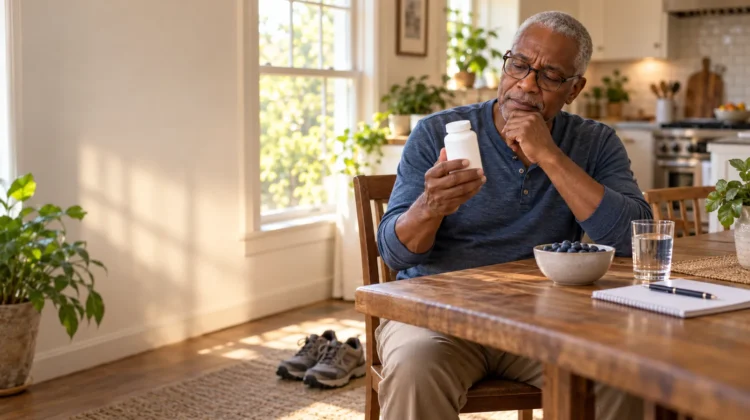
Do Nootropics Work After 60? What the Science Says
Do nootropics work after 60? This guide is written for older Americans and the families who care about them.
If you’re over 60 and you’ve walked into a room and forgotten why, you’re not alone. And you’ve probably seen the ads: pills promising a “sharper mind,” “clinically proven memory support,” or “brain fog relief.”
So do nootropics actually work after 60? The honest answer: a few help a little, most don’t help at all, and some can hurt. The good news is that science has found tools that do work. Most of them cost little or nothing.
Let’s walk through what the research really shows, in plain English.
Short answer: Do nootropics work after 60? For most people, not reliably. In well-designed trials of older adults, most “brain-boosting” supplements show weak or no benefit for memory, and some carry real risks. Limited evidence supports a standard daily multivitamin, and targeted B vitamins can help selected people with low B12 or high homocysteine. Blood pressure control, treating hearing loss and regular exercise have stronger evidence.
Key Takeaways
- Most “brain-boosting” supplements have not held up in large trials of people over 60.
- A daily multivitamin and B vitamins (when homocysteine is high) have the most credible supplement evidence.
- The most powerful brain protectors are blood pressure control, treating hearing loss, regular exercise, brain-speed training and staying socially active.
- Some supplements interact with blood thinners, and some “nootropic” products sold online have been found to contain unapproved drugs.
- Sudden or worsening memory problems deserve a doctor’s visit, not a supplement.
What Is a Nootropic, Really?
“Nootropic” (pronounced no-uh-TROH-pik) is a catch-all word for anything claimed to improve thinking, memory or focus. It includes:
- Dietary supplements (vitamins, herbs, mushrooms, amino acids)
- Prescription drugs used “off-label” (like modafinil)
- Unapproved drugs sold online (like racetams)
Here’s what most people don’t know. Under a 1994 US law called DSHEA (the Dietary Supplement Health and Education Act), the FDA does not approve supplements for safety or effectiveness before they’re sold. Companies can sell a “memory” supplement without proving it works. The FDA steps in mostly after problems show up. The Federal Trade Commission (FTC) polices false advertising.
💡 Did you know? A supplement label that says “supports memory” is a “structure/function” claim. It does not mean the FDA reviewed evidence that the product works. Look for the required disclaimer in small print: “This statement has not been evaluated by the Food and Drug Administration.”
How the Brain Changes After 60
Before asking whether nootropics work after 60, it helps to know what actually changes. Think of your brain like an old, well-loved house. The foundation is solid, but the wiring, plumbing and heating don’t work quite as efficiently as they used to. Here’s what changes:
1. Slower “messenger” chemicals. Acetylcholine is a chemical messenger that helps you learn and store new memories. Production and signaling tend to decline with age. That’s why many nootropics (citicoline, phosphatidylserine, racetams) try to target the acetylcholine system. (Related: 7 choline-rich foods for brain health after 60.)
2. Less blood flow. Your brain uses about a fifth of your body’s energy, delivered by blood. Stiffer arteries and high blood pressure reduce that flow, like low water pressure in old pipes. Damage to small blood vessels is a major and preventable cause of memory decline.
3. Low-grade inflammation. Aging brings a slow, simmering inflammation sometimes called “inflammaging.” Over years, it can harm brain cells.
4. Tired power plants. Mitochondria are tiny power plants inside cells. They become less efficient with age, so brain cells have less energy to spare. This is the theory behind creatine.
5. Shrinking memory center. The hippocampus, your brain’s “save button” for new memories, typically loses volume each year in later life.
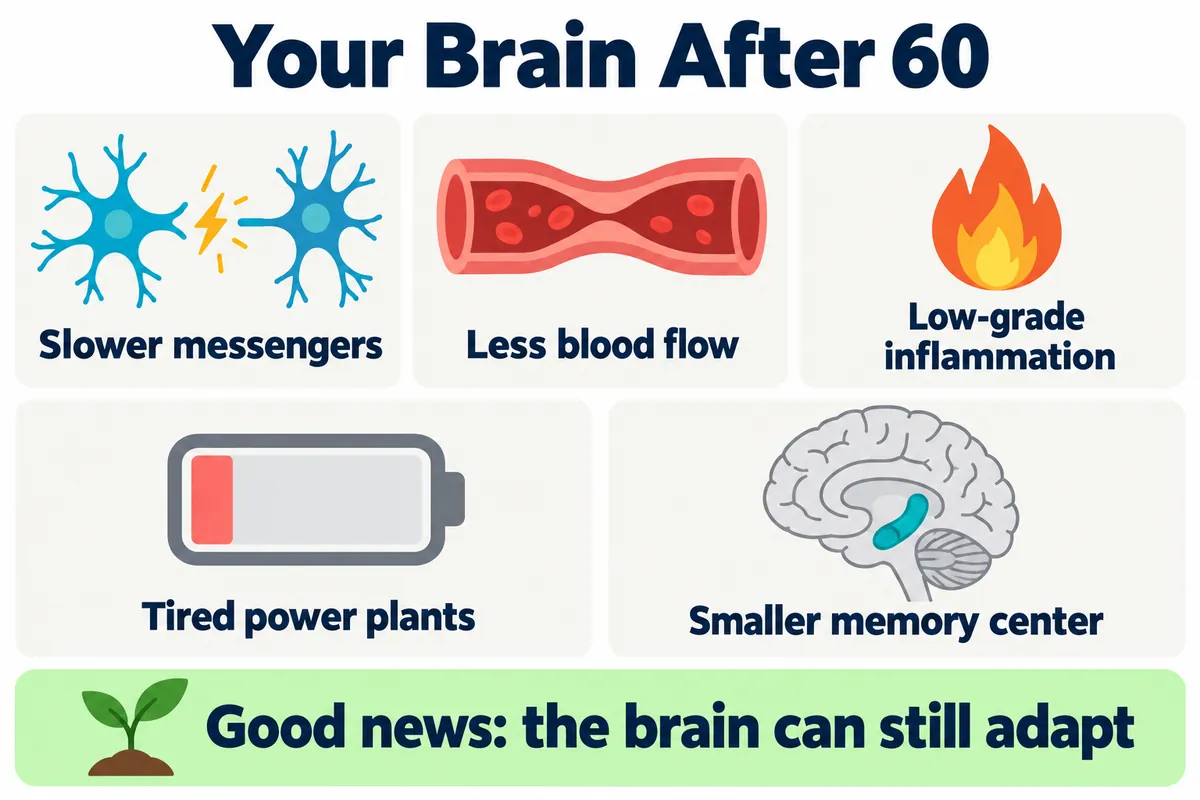
But here’s the hopeful part: neuroplasticity. Your brain can still form new connections at 60, 70 and 80. In a well-known University of Pittsburgh and University of Illinois trial of 120 older adults, one year of moderate aerobic exercise increased the size of the hippocampus by about 2%, while the stretching-only group lost about 1.4%. The house can be renovated.
Quick Self-Check: Normal Aging or Something More?
No brain supplement after 60 can fix a memory problem that has a medical cause, so start here. Read each statement and check the ones that sound like you. Then count your checks in Section B.
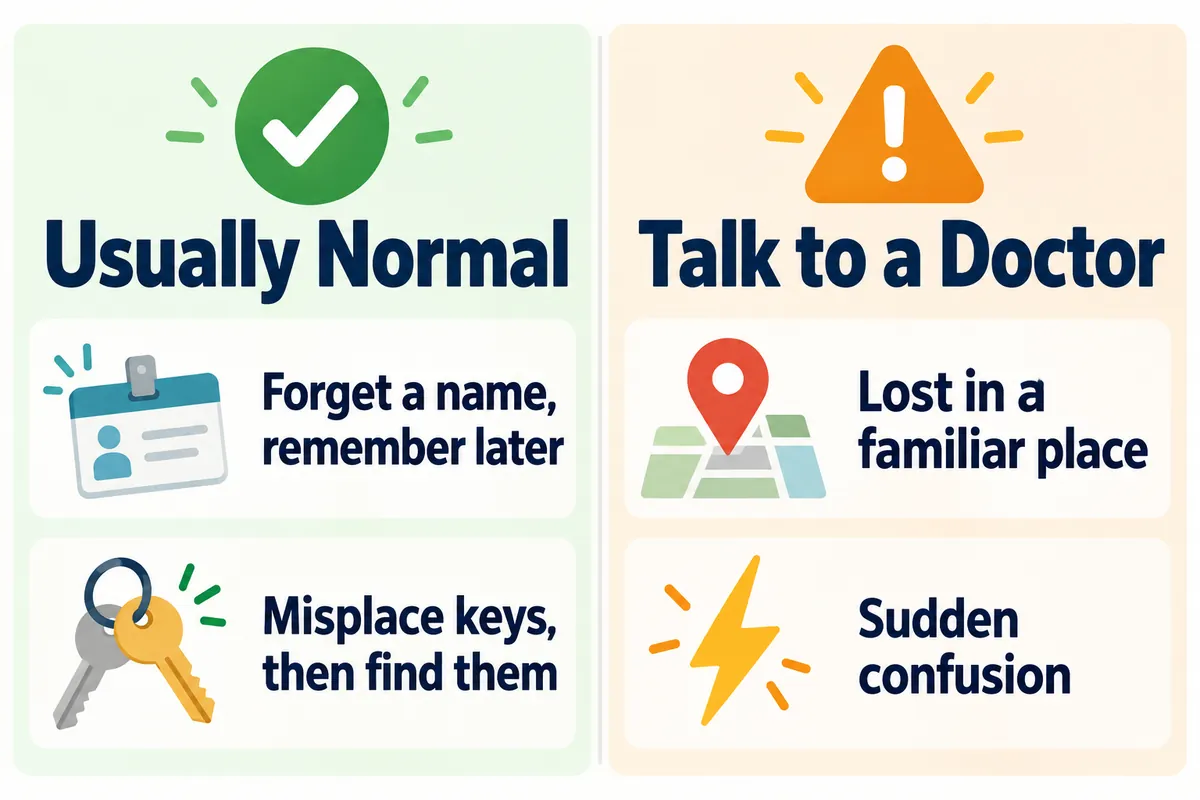
Section A — Usually normal aging (Yes is common and expected):
- ☐ I sometimes forget a name but remember it later.
- ☐ I occasionally misplace my glasses or keys, then retrace my steps and find them.
- ☐ I sometimes walk into a room and forget why.
- ☐ It takes me a bit longer to learn new technology.
- ☐ I sometimes struggle to find the right word, but it comes to me.
Section B — Worth discussing with a doctor:
- ☐ I’ve gotten lost in a familiar place (like my own neighborhood).
- ☐ I repeat the same question or story within minutes.
- ☐ Family members have noticed changes in my memory or personality.
- ☐ I’m having new trouble managing bills, medications or recipes I’ve made for years.
- ☐ I’ve had trouble following a conversation or a TV show plot.
- ☐ My memory changes came on suddenly (over days or weeks).
- ☐ I’ve had new confusion along with a fever, a fall or a new medication.
What your answers mean:
- 0 “Yes” in Section B: Your experiences sound like typical aging. Keep reading for the brain-health plan.
- 1–2 “Yes” in Section B: Mention these at your next checkup. Medicare’s Annual Wellness Visit includes a check for cognitive changes.
- 3 or more “Yes,” or ANY sudden change: Call your doctor soon. Sudden confusion can signal an infection, a medication side effect, a vitamin B12 deficiency, thyroid problems or a stroke. Many of these are treatable.
This quiz is for education only and is not a diagnosis.
What is MCI? Mild cognitive impairment is a stage between normal aging and dementia. Memory or thinking problems are noticeable on testing, but you can still handle daily life. Not everyone with MCI gets worse, and some people improve when an underlying cause is treated.
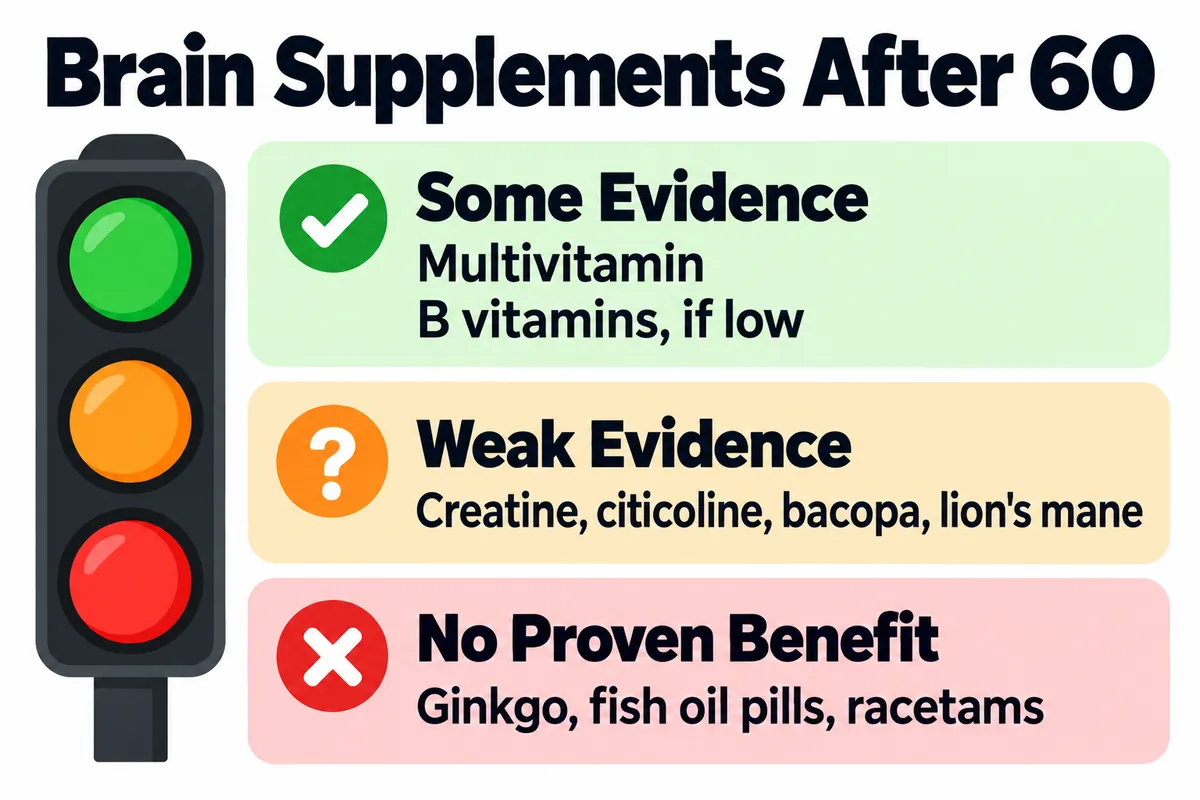
Do Nootropics Work After 60? The Evidence Scorecard
How we rate:
- Strong: Multiple large randomized controlled trials (RCTs) or meta-analyses in older adults showing benefit.
- Moderate: At least one large, well-run RCT in older adults, or consistent smaller trials.
- Weak: Small, short or industry-funded trials; mixed results.
- None/Negative: Good trials found no benefit, or there’s no reliable human evidence.
| Nootropic | Evidence after 60 | Best data | Key safety note |
|---|---|---|---|
| Multivitamin | Moderate | COSMOS trials, 5,000+ adults 60+ | Generally safe; watch vitamin K if on warfarin |
| B vitamins (B12, folate, B6) | Moderate (only if homocysteine is high) | VITACOG RCT in MCI | Ask for B12 and homocysteine blood tests |
| Omega-3 / DHA pills | None for healthy people | Cochrane 2012; VITAL | Possible bleeding at high doses with blood thinners |
| Vitamin D | None (unless deficient) | VITAL, 2,000 IU/day | Too much can raise calcium |
| Creatine | Weak | Small trials; mixed meta-analyses | Can raise a kidney lab value (creatinine) |
| Citicoline | Weak | One 12-week RCT, 100 adults | Limited long-term data |
| Phosphatidylserine | Weak | Old, small trials; FDA “very limited” claim | Usually mild GI upset |
| Bacopa monnieri | Weak | Meta-analysis of 9 small RCTs | Nausea, cramping; drug interactions possible |
| Ginkgo biloba | None/Negative | GEM trial, 3,069 adults | Bleeding risk with warfarin |
| Lion’s mane | Weak | One 30-person MCI trial | Stomach upset; allergy possible |
| Caffeine + L-theanine | Weak (short-term alertness only) | Small, short studies | Sleep, heart rhythm, blood pressure |
| Curcumin | Weak | One 40-person, 18-month RCT | GI upset; may affect blood thinners |
| Prevagen (apoaequorin) | None | Court barred memory claims in 2024 | Save your money |
| Racetams / “smart drugs” | None (unapproved in US) | Lab tests found hidden drugs | Unknown doses and combinations |
Now let’s look at each one.
Multivitamins: The Surprise Winner (Moderate)
Of all the brain supplements after 60, this one has the best trial data. The COSMOS trial, led by Brigham and Women’s Hospital in Boston, enrolled 21,442 older Americans (HCPLive). Three separate cognitive studies inside COSMOS tested a standard daily multivitamin against a placebo (a look-alike dummy pill).
- In COSMOS-Mind (published 2022), the multivitamin group did better on cognitive tests over 3 years. Researchers estimated it slowed cognitive aging by about 1.8 years, but noted this finding “requires confirmation” (COSMOS results).
- A 2024 analysis in the American Journal of Clinical Nutrition pooled the three studies (more than 5,000 people). It found benefits for overall thinking and episodic memory (remembering events). The authors wrote that the effect on global cognition appeared “equivalent to reducing cognitive aging by 2 y,” and lead author Chirag Vyas of Mass General cautioned, “We are not now recommending multivitamin use, but the evidence is compelling.”
What it means: It’s a modest effect, not a miracle. But it comes from a cheap, widely available product tested in a large group of Americans. That’s more than most nootropics can claim. A likely reason it works: many older adults absorb certain nutrients poorly, so a multivitamin fills small gaps.
B12, Folate and Homocysteine: Targeted Help (Moderate, If You Need It)
This is the clearest case where a supplement after 60 helps, but only if your levels are low. Homocysteine is an amino acid in your blood. High levels are linked to brain shrinkage and dementia risk. B vitamins (folate, B12, B6) bring it down.
In the University of Oxford’s VITACOG trial, people with MCI took folic acid (0.8 mg), B12 (0.5 mg) and B6 (20 mg) daily for two years (Food for the Brain). Homocysteine fell about 30%, and brain shrinkage slowed by about 30% compared with placebo (Medscape; IRNDP). In people who started with high homocysteine (above 13 µmol/L), shrinkage was 53% slower. A later analysis suggested the benefit showed up mainly in people with good omega-3 levels.
What it means: B vitamins aren’t a general brain booster. They help if you’re low or your homocysteine is high. B12 deficiency becomes more common with age, and long-term use of metformin or acid reflux drugs can lower B12. Ask your doctor for a B12 (and possibly homocysteine) blood test before buying high-dose pills.
Omega-3 / DHA (Fish Oil): Eat Fish, Skip the Pills for Memory (None)
Fish oil is one of the most popular nootropics for seniors, yet the memory trials are disappointing. Population studies suggest fish eaters have healthier brains. But pills haven’t matched that promise. A 2012 Cochrane review found “no benefit of omega-3 PUFA supplementation on cognitive function in cognitively healthy older people.” The large US VITAL trial tested 1 gram per day in more than 4,000 older adults and also found no slowing of cognitive decline (Alzheimer’s & Dementia journal; NIH full text).
What it means: Eat fatty fish (salmon, sardines, trout) one or two times a week as part of a healthy diet. Don’t count on capsules to protect your memory.
Vitamin D: Fix a Deficiency, Don’t Expect a Boost (None)
In two VITAL cognition studies (more than 4,200 adults aged 60+), 2,000 IU a day of vitamin D3 did not slow cognitive decline over 2–3 years. There was a possible benefit in Black participants that needs confirmation (Scientific Reports). Correct a true deficiency for bone health, but don’t take megadoses for memory.
Creatine: Promising for Muscles, Uncertain for Memory (Weak)
Creatine is the newest name on lists of nootropics for seniors. Creatine is famous in gyms, and your brain uses it for quick energy too. A 2023 meta-analysis found memory improvements, especially in adults aged 66–76. But a 2024 review found the strongest benefits in adults under 60. The European Food Safety Authority rejected a cognition health claim in 2024, citing flawed pooling of data (Frontiers in Nutrition).
What it means: Creatine combined with resistance training does help older adults keep muscle strength, which matters for staying active and independent. For memory alone, the evidence is still thin. Kidney note: creatine can raise your blood creatinine level, which doctors use to judge kidney function. Tell your doctor if you take it, especially if you have kidney disease. (More detail: creatine for brain fog after 60: safety and evidence.)
Citicoline (CDP-Choline): A Small but Real Signal (Weak)
Citicoline supplies building blocks for brain cell membranes and acetylcholine. In a 2021 trial in the Journal of Nutrition, 100 healthy adults aged 50–85 with age-associated memory complaints took 500 mg daily for 12 weeks. They improved on episodic memory tests compared with placebo. However, the study was funded by the ingredient’s maker, it was short, and the European Food Safety Authority judged the overall evidence insufficient in 2024 (IVB Wellness).
Is citicoline safe for seniors? It was well tolerated in that trial. Long-term data in older adults are limited.
Phosphatidylserine: An Old Claim With Little New Proof (Weak)
In 2003, the FDA allowed a “qualified health claim” for phosphatidylserine, but only with this disclaimer: “Very limited and preliminary scientific research suggests that phosphatidylserine may reduce the risk of cognitive dysfunction in the elderly. FDA concludes that there is little scientific evidence supporting this claim.” (Dr. Brad Stanfield) That’s a regulator’s version of “we’re not convinced.”
Bacopa Monnieri: Maybe Slightly Faster, Not Clearly Sharper (Weak)
Bacopa is an herb used in Ayurvedic medicine. A 2014 meta-analysis of 9 small trials (437 people) found it sped up attention slightly. Choice reaction time improved by about 10.6 milliseconds, a tiny difference you’d never notice in daily life (study summary). Effects usually take 8–12 weeks, and nausea and stomach cramps are common.
Ginkgo Biloba: The Big Disappointment (None/Negative)
Ginkgo was once the best known of all nootropics for seniors. Ginkgo is one of the best-tested nootropics, and it failed. The NIH-funded Ginkgo Evaluation of Memory (GEM) study gave 3,069 Americans aged 75+ either 120 mg of ginkgo twice daily or placebo, for a median of 6.1 years (DeKosky et al., JAMA 2008). Dementia developed in 277 people on ginkgo vs. 246 on placebo, so there was no protective effect (ScienceDaily; BioSpace). Ginkgo also didn’t slow memory decline. NCCIH warns ginkgo “may increase the risk of bleeding in people who are taking anticoagulant drugs, such as warfarin.”
Lion’s Mane Mushroom: Interesting, But Early (Weak)
Lion’s mane contains compounds that boost nerve growth factors in lab studies. In a small Japanese trial of 30 adults aged 50–80 with MCI, 3 grams a day for 16 weeks improved cognitive scores. But the gains faded within 4 weeks of stopping. Other trials are small and mixed. Lion’s mane for memory after 60 is a “maybe,” not a “proven.”
Caffeine + L-Theanine: A Short-Term Alertness Aid (Weak)
Caffeine (in coffee and tea) plus L-theanine (an amino acid in tea) can sharpen alertness for a few hours in small studies, mostly of younger adults. That’s a temporary boost, not long-term brain protection. After 60, caffeine can worsen sleep, which is itself a brain-health risk. It can also affect heart rhythm and blood pressure. The FDA cites up to 400 mg per day (about 4 cups of coffee) as generally safe for healthy adults; many older adults do better with less, and none after noon.
Curcumin: One Promising Small Trial (Weak)
In a UCLA trial, 40 adults aged 51–84 with mild memory complaints took a well-absorbed curcumin (Theracurmin, 90 mg twice daily) for 18 months. Memory scores improved about 28%. That’s encouraging, but 40 people is small, and a larger trial is now registered (NutraIngredients). Regular turmeric spice is poorly absorbed.
Prevagen (Apoaequorin): A Court Said Stop (None)
Prevagen is the most heavily advertised of the memory supplements after 60. Prevagen, made from a jellyfish protein, was heavily advertised on TV. The FTC and New York Attorney General sued in 2017 (WebMD). In 2024, after a jury trial, a federal court ordered maker Quincy Bioscience to stop claiming Prevagen improves memory or is “clinically shown” to work. The company said it would appeal (Chain Drug Review). The FTC’s message: “health claims need to be backed up by reliable scientific evidence.”
Racetams, Modafinil and “Smart Drugs”: Not Worth the Risk (None)
Piracetam and its relatives are not approved drugs in the US. When Harvard’s Dr. Pieter Cohen and colleagues tested 10 “brain” supplements bought in the US (Neurology: Clinical Practice, 2020), they found five unapproved drugs: omberacetam, aniracetam, phenibut, vinpocetine and picamilon. Omberacetam turned up at as much as 40.6 mg per serving, against a typical 10 mg pharmaceutical dose, or about four times the usual amount. One product contained four different drugs. Modafinil is a prescription medicine for sleep disorders, not an approved memory treatment. It can raise blood pressure and interact with other medicines.
Nootropics After 60: Myth vs. Fact
Tap or click each myth to see the fact.
Myth: “Natural” means safe.
Fact: Ginkgo, a natural herb, can raise bleeding risk with warfarin.
Myth: “Clinically proven” on a label means the FDA checked it.
Fact: The FDA doesn’t approve supplements before sale. Prevagen’s “clinically shown” claims were barred by a court.
Myth: Memory loss is just part of getting old.
Fact: Some memory loss is normal, but sudden or worsening confusion can come from treatable causes like low B12, thyroid problems or medication side effects.
Myth: Fish oil pills protect your memory.
Fact: Large trials in healthy older adults found no cognitive benefit from omega-3 pills (Cochrane review; VITAL trial).
Myth: Brain games are useless.
Fact: One specific kind, adaptive speed-of-processing training with boosters, was linked to 25% fewer dementia diagnoses over 20 years.
Myth: It’s too late to help your brain after 60.
Fact: Exercise grew the hippocampus in adults in their mid-60s within a year.
Nootropics After 60 and Your Medicine Cabinet
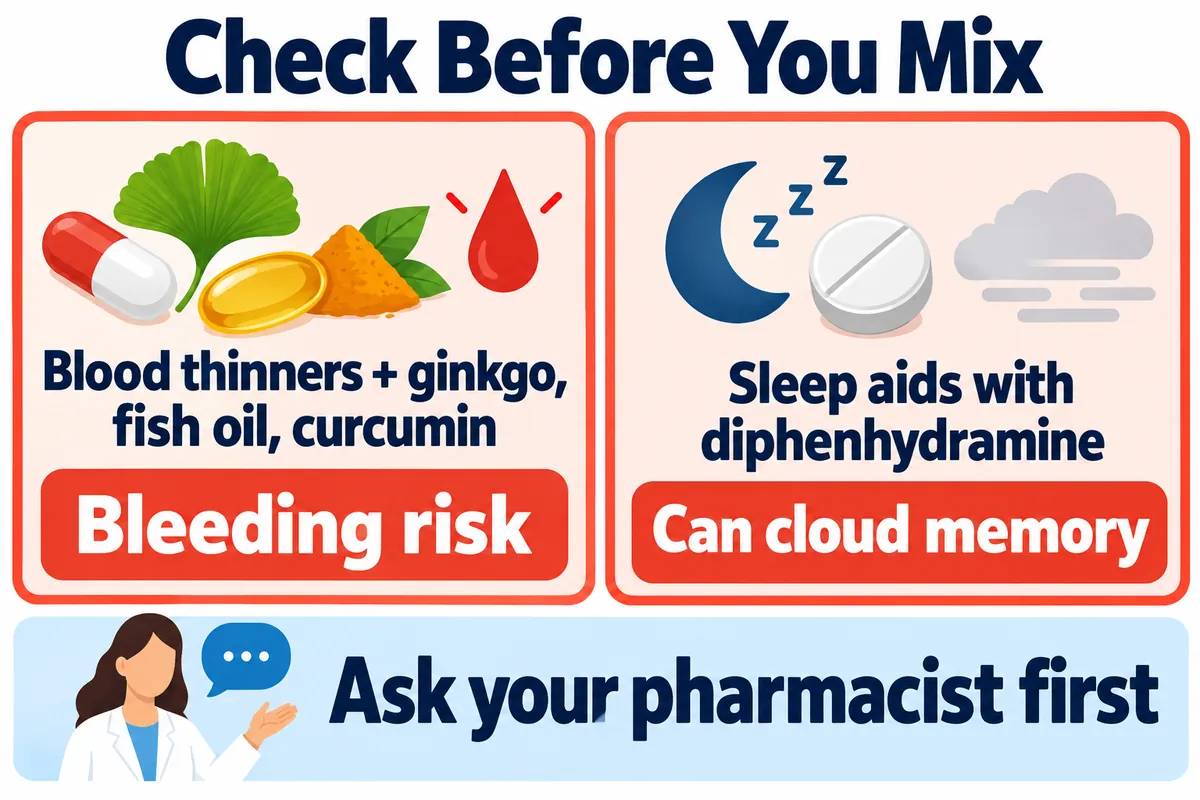
Before you add any nootropics after 60, check what is already in your cabinet. Do you take any of these?
- ☐ Blood thinners (warfarin/Coumadin, apixaban/Eliquis, rivaroxaban/Xarelto, clopidogrel/Plavix, daily aspirin). Be cautious with: ginkgo, high-dose fish oil, curcumin, vitamin E. Also, a multivitamin with vitamin K can change warfarin levels if you start or stop it suddenly.
- ☐ Sleep aids or allergy pills with diphenhydramine (Benadryl, “PM” pain relievers). Why it matters: The American Geriatrics Society’s 2023 Beers Criteria (a list of medicines older adults should usually avoid) says to avoid first-generation antihistamines like diphenhydramine because they are “highly anticholinergic,” meaning they block acetylcholine, the memory chemical (Medi-Cal Rx guidance).
- ☐ Bladder pills (oxybutynin), older antidepressants (amitriptyline) or muscle relaxants. Why it matters: These also have anticholinergic effects. In a study of 3,434 adults aged 65+, the heaviest long-term users of anticholinergic drugs had a 54% higher risk of dementia than non-users (National Institute on Aging).
- ☐ Blood pressure medicines. Why it matters: Some supplements (high-dose caffeine, yohimbe, “energy” blends) can raise blood pressure.
- ☐ Diabetes medicines, especially metformin. Why it matters: Long-term metformin use can lower B12. Ask about a B12 test.
- ☐ Antidepressants (SSRIs). Why it matters: St. John’s wort and some “mood” nootropics can interact dangerously with them.
- ☐ Five or more prescriptions (polypharmacy). Why it matters: Every new pill adds interaction risk. Ask for a “brown bag” medication review.
Checked any box? Bring this list to your doctor or pharmacist before starting any nootropic.

Quality check before you buy any supplement:
- ☐ Look for a USP Verified or NSF Certified seal. These independent groups test that the bottle contains what the label says, without harmful contaminants.
- ☐ Avoid “proprietary blends” that hide ingredient amounts.
- ☐ Skip anything listing piracetam, aniracetam, phenibut, Noopept (omberacetam), picamilon or vinpocetine (2020 lab study of “brain” supplements).
💡 Did you know? Older bodies clear drugs and supplements more slowly, partly because kidney function naturally declines with age. A dose that’s fine at 40 can build up at 75.
The Natural “Nootropics” With the Strongest Evidence
If you’re asking whether nootropics work after 60, these everyday steps are the better bet. This is the solution-focused part. These approaches beat every pill above in quality of evidence.
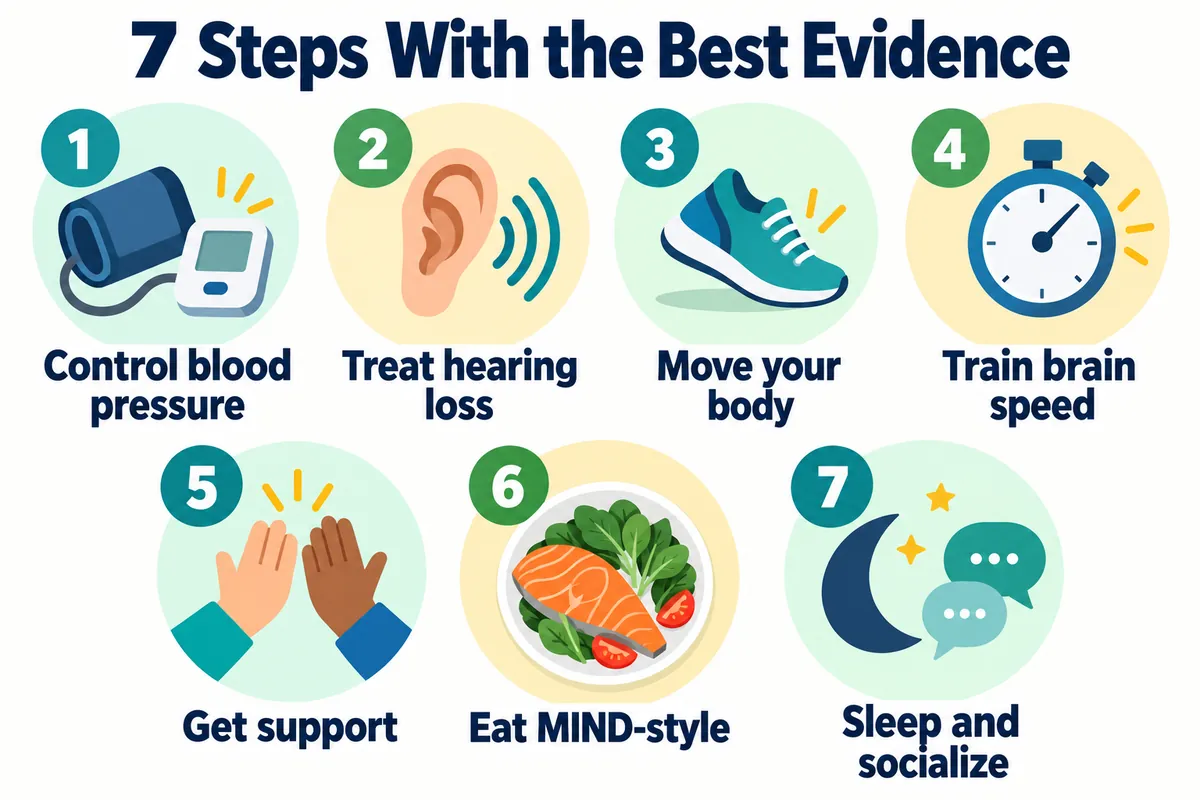
1. Control your blood pressure (Strong)
In SPRINT MIND (JAMA, 2019), an NIH-funded trial of 9,361 adults with high blood pressure (average age 67.9), aiming for a top number (systolic) under 120 instead of under 140 lowered the risk of mild cognitive impairment by 19%. The effect on dementia alone was not statistically significant (SPRINT MIND results). Longer follow-up suggests the benefit lasted for years (Neurology). Action: Buy an automatic upper-arm home monitor, check it a few times a week, and share the readings with your doctor. Don’t change your medications on your own.
2. Treat hearing loss (Moderate to Strong)
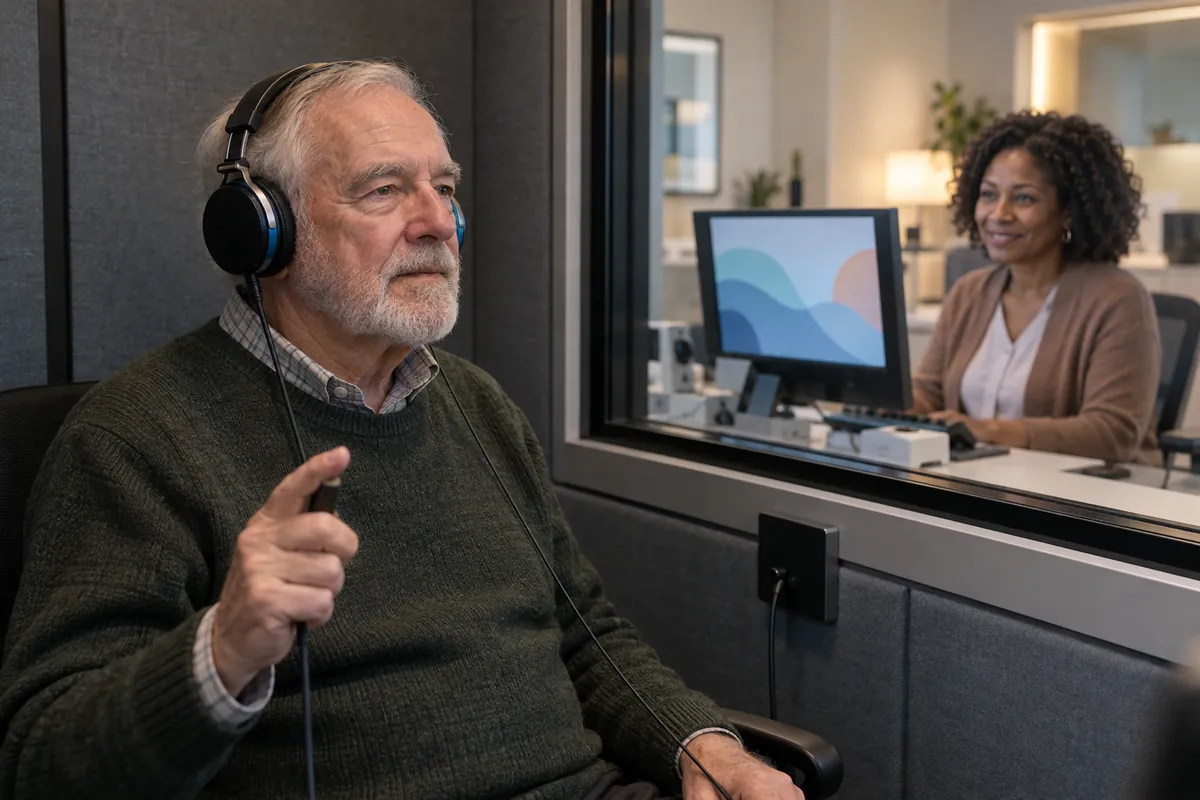
When you strain to hear, your brain spends energy decoding sound instead of storing memories. Hearing loss also pulls people away from conversation. In the ACHIEVE trial of 977 Americans aged 70–84, hearing aids plus audiologist support didn’t change results for the group as a whole. But among the 238 higher-risk participants recruited from the long-running Atherosclerosis Risk in Communities (ARIC) heart study, they slowed cognitive decline by 48% over three years (The Lancet, 2023). Action: Get a hearing test. Since 2022, FDA-regulated over-the-counter hearing aids are sold for adults with mild to moderate hearing loss. Traditional Medicare generally doesn’t cover hearing aids, but many Medicare Advantage plans offer some coverage.
3. Move your body (Strong)
Aerobic exercise grew the hippocampus by about 2% in one year in the Pittsburgh–Illinois trial (Scientific Reports). Action: Aim for 150 minutes a week of brisk walking (or similar), plus two days of strength training. Start where you are, even 10 minutes counts.

4. Train your brain’s speed, the right way (Moderate)
The NIH-funded ACTIVE trial followed 2,802 adults aged 65+ for 20 years using Medicare records (Patient Care). People who did adaptive, computer-based speed-of-processing training plus booster sessions had 25% fewer dementia diagnoses (40% vs. 49%) than the control group (Johns Hopkins Medicine). Memory and reasoning training did not show the same long-term effect. Action: Ask your doctor or library about evidence-based speed-training programs. Crossword puzzles are fun, but they’re not the same thing.
5. Combine it all with support (Strong)
US POINTER (2,111 at-risk adults, average age 68, published in JAMA in 2025) tested exercise, the MIND diet, brain challenges, social activity and health check-ins. Both groups improved, but the structured, coached version beat the self-guided version (JAMA study). Lifestyle works better with a buddy, a coach or a class.
6. Eat a brain-friendly diet (Moderate)
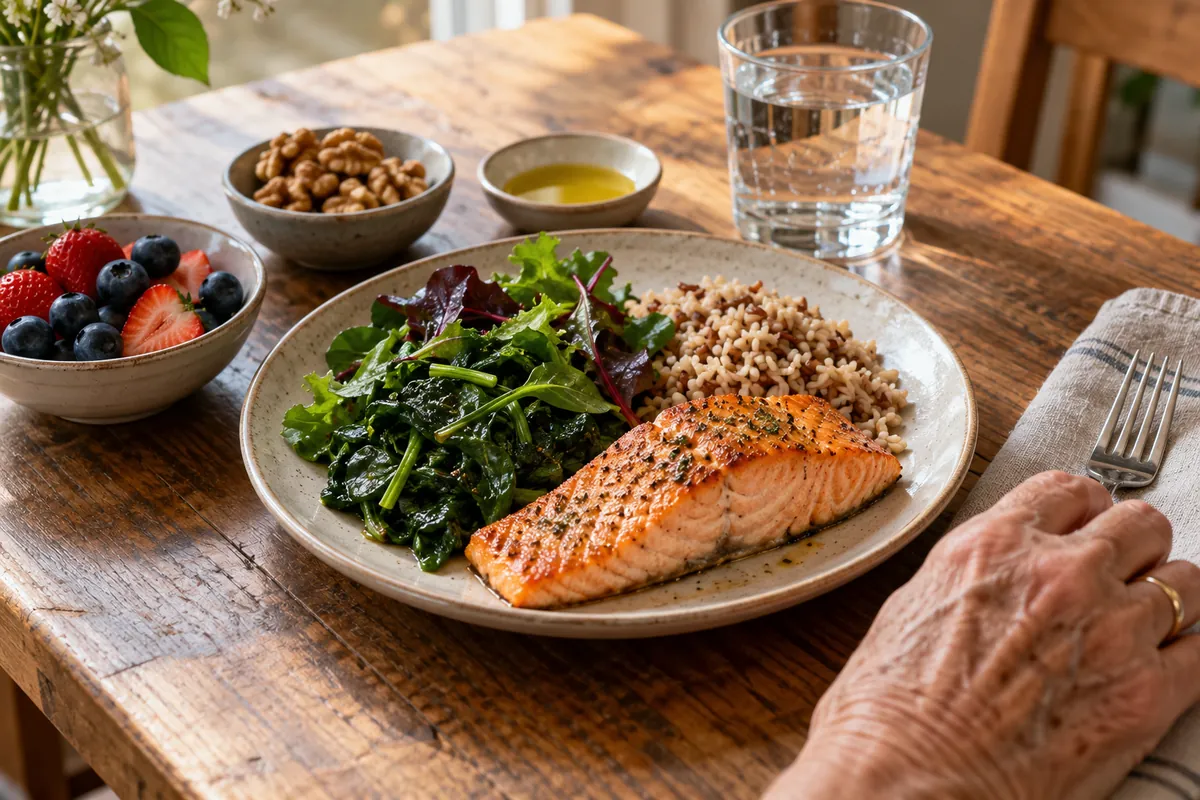
The MIND diet emphasizes leafy greens, berries, nuts, beans, whole grains, fish, poultry and olive oil. In a 3-year New England Journal of Medicine trial of 604 adults, the MIND diet and a comparison healthy, lower-calorie diet improved cognition about equally. Both groups lost about 11 pounds. The takeaway: healthy eating and a healthy weight help. You don’t need a perfect diet.
7. Sleep, socialize and manage diabetes (Moderate)
Poor sleep, loneliness and uncontrolled blood sugar are all linked to faster cognitive decline. Aim for 7–8 hours of sleep. Get screened for sleep apnea if you snore loudly. Keep your A1C at the target your doctor sets, and put social plans on your calendar like appointments. If you use a wearable, see how smart rings can help screen for sleep apnea and heart issues after 60.
Pick Your Path
Choose your main concern to see where to start.
“My main concern is MEMORY”
Get a B12 test and a medication review (look for anticholinergics). Consider a daily multivitamin. Start brisk walking. Ask about a cognitive screening at your Medicare Annual Wellness Visit.
“My main concern is FOCUS or brain fog”
Check your sleep first (consider sleep apnea testing). Get a hearing test. Limit alcohol. Use caffeine only in the morning. Try adaptive speed-training exercises.
“My main concern is ENERGY”
Ask for blood work (B12, thyroid, vitamin D, blood count). Add strength training two days a week. If your doctor agrees, creatine with resistance training can help muscle strength.
Your 30-Day Brain-Health Plan and Tracker
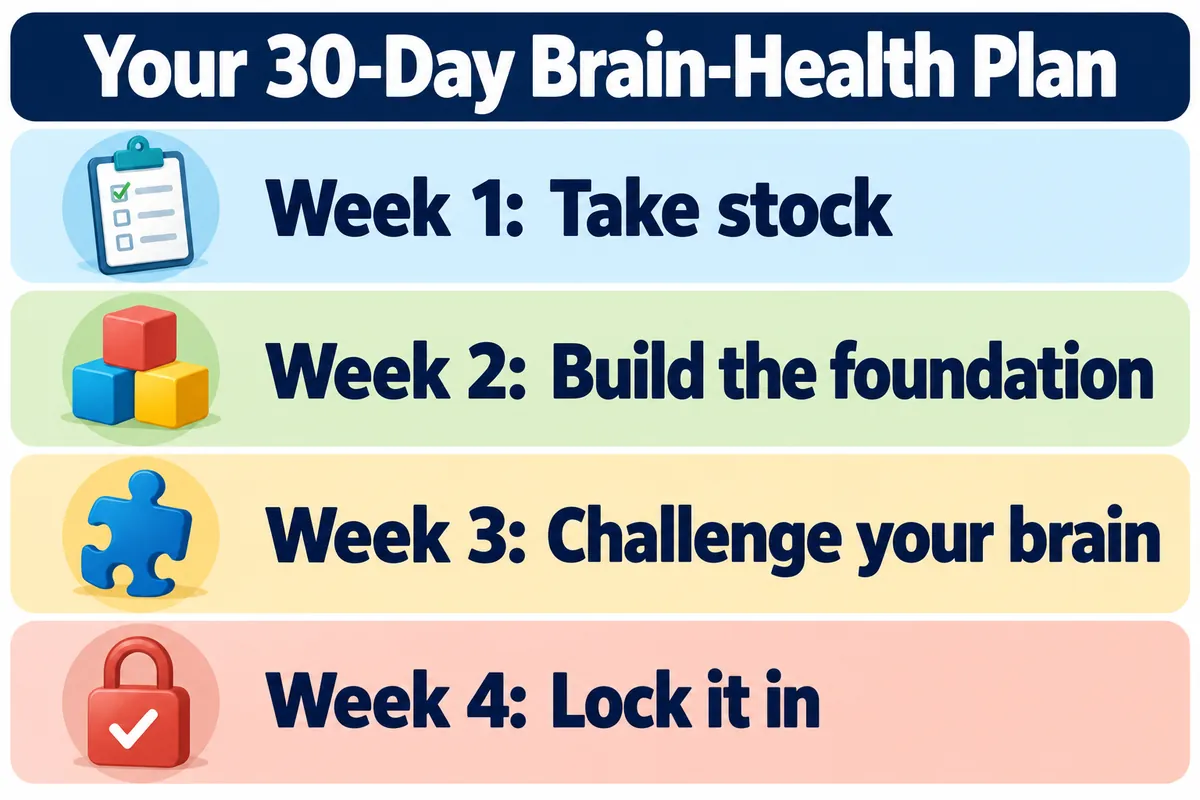
Week 1 — Take stock
- Schedule a checkup or your Medicare Annual Wellness Visit.
- Do a “brown bag” review: bring every pill and supplement to your pharmacist.
- Start home blood pressure checks (3 days this week).
- Walk 10 minutes a day.
Week 2 — Build the foundation
- Book a hearing test.
- Walk 15–20 minutes a day, 5 days.
- Add one leafy green and one handful of berries or nuts daily.
- Set a consistent bedtime and wake time.
Week 3 — Challenge your brain
- Try 15 minutes of adaptive speed training, 3 days.
- Add two strength sessions (chair squats, wall push-ups, resistance bands).
- Make two social plans (call a friend, join a class or volunteer).
Week 4 — Lock it in
- Walk 20–30 minutes, 5 days (working toward 150 minutes a week).
- Eat fish once or twice this week.
- Review your tracker and share your blood pressure log with your doctor.
- Decide, with your doctor, whether any supplement (multivitamin, B12) makes sense for you.
This plan does more than nootropics after 60 can, one week at a time. Daily tracker (check each box):
| Day | Moved 20+ min | Slept 7+ hrs | Greens/berries | Brain training | Social contact | BP checked |
|---|---|---|---|---|---|---|
| 1 | ☐ | ☐ | ☐ | ☐ | ☐ | ☐ |
| 2 | ☐ | ☐ | ☐ | ☐ | ☐ | ☐ |
| 3 | ☐ | ☐ | ☐ | ☐ | ☐ | ☐ |
| 4 | ☐ | ☐ | ☐ | ☐ | ☐ | ☐ |
| 5 | ☐ | ☐ | ☐ | ☐ | ☐ | ☐ |
| 6 | ☐ | ☐ | ☐ | ☐ | ☐ | ☐ |
| 7 | ☐ | ☐ | ☐ | ☐ | ☐ | ☐ |
Repeat this grid each week (Days 8–30), or print it and keep it on the fridge.
Want to go further? Repeat the cycle for 12 weeks. That’s about how long it takes for walking and strength gains to show up and for habits to stick.
Questions to Ask Your Doctor

- ☐ Is my memory change normal for my age, or should I have a cognitive screening?
- ☐ Could any of my medicines be affecting my memory (especially anticholinergics)?
- ☐ Should I have my B12, folate, thyroid, vitamin D or homocysteine checked?
- ☐ What should my blood pressure target be?
- ☐ Is it safe for me to take [supplement name] with my current medicines?
- ☐ Is my kidney function OK for creatine or other supplements?
- ☐ Should I get a hearing test or a sleep apnea evaluation?
- ☐ Are there brain-health programs or clinical trials near me?
Frequently Asked Questions
Do nootropics work for seniors over 60?
Bring this list, plus any brain supplements after 60 you take, to your next visit. Most over-the-counter nootropics show weak or no benefit in well-designed trials of adults over 60. A daily multivitamin and B vitamins for people with high homocysteine have the best supplement evidence. Lifestyle and medical steps such as blood pressure control, hearing aids and exercise have stronger evidence.
What are the best natural nootropics for older adults?
The best-supported “natural nootropics” are exercise, good sleep, a MIND-style diet, social engagement and treating hearing loss. Among supplements, a standard multivitamin has the most credible evidence, based on the COSMOS trials.
Is citicoline safe for seniors?
Citicoline at 500 mg a day was well tolerated in a 12-week trial of adults aged 50 to 85, but long-term safety data in older adults are limited. Check with your doctor first, especially if you take several medications.
Does lion’s mane help memory after 60?
Possibly, but the evidence is early. A 30-person trial in adults with mild cognitive impairment found improvement with 3 grams a day for 16 weeks, but benefits faded within weeks of stopping.
Is creatine good for brain health in older adults?
Creatine helps older adults build muscle when combined with strength training. Memory results are mixed, and in 2024 European regulators rejected a cognition claim. Tell your doctor if you use it, because it can raise a kidney lab value.
Can I take nootropics with blood thinners?
Be very careful. Ginkgo can increase bleeding risk with warfarin, and high-dose fish oil, curcumin and vitamin E may also affect bleeding. Always ask your doctor or pharmacist before combining supplements with anticoagulants.
Does ginkgo biloba work for memory in the elderly?
No. The GEM trial of 3,069 adults aged 75 and older found ginkgo did not prevent dementia or slow memory decline over a median of 6.1 years.
Should I take a multivitamin for memory over 60?
It’s a reasonable, low-cost option. In a 2024 American Journal of Clinical Nutrition meta-analysis of the COSMOS trials, a daily multivitamin had an effect “equivalent to reducing cognitive aging by 2 y” compared with placebo. Discuss it with your doctor if you take warfarin, because of vitamin K.
Can low B12 cause memory loss in older adults?
Yes. Vitamin B12 deficiency can cause memory problems, confusion and numbness, and it becomes more common with age and with long-term use of metformin or acid reflux drugs. A simple blood test can check your level.
Does Prevagen work?
There’s no reliable evidence that it does. In 2024 a federal court ordered Prevagen’s maker to stop claiming the product improves memory or is “clinically shown” to work, after a case brought by the FTC and New York’s Attorney General.
Are racetams like piracetam legal in the US?
Piracetam and related racetams are not FDA-approved drugs in the US and are not allowed as dietary supplement ingredients. Lab tests have found unapproved drugs, sometimes at high doses, in “brain” supplements sold online.
Can hearing aids help prevent memory loss?
They may. In the ACHIEVE trial, hearing aids slowed cognitive decline by 48% over three years in the 238 higher-risk participants drawn from the ARIC heart study, though there was no significant effect in the whole study group.
What’s the difference between normal aging and mild cognitive impairment?
Normal aging means occasional forgetfulness, like misplacing keys, that doesn’t disrupt daily life. Mild cognitive impairment means memory or thinking problems that others notice and that show up on tests, while you can still live independently.
Which common medications can affect memory in seniors?
Strongly anticholinergic drugs, such as diphenhydramine (Benadryl), some bladder medicines and older antidepressants, can impair memory. The 2023 Beers Criteria advise older adults to generally avoid them.
How long does it take to see results from a brain-health plan?
Some benefits, like better sleep and energy, can show up within weeks. In trials, measurable brain changes took longer: about one year for exercise to grow the hippocampus, and two years for lifestyle programs like US POINTER to improve thinking scores.
Authoritative Resources and Further Reading
Use these independent sources to verify the evidence, review supplement safety and prepare questions for your doctor or pharmacist.
- National Institute on Aging: Cognitive Health and Older Adults — Evidence-based guidance on memory, cognitive aging and actions that support brain health.
- National Institute on Aging: Memory Problems, Forgetfulness and Aging — How to distinguish common age-related forgetfulness from changes that warrant medical assessment.
- National Institute on Aging: Dietary Supplements for Older Adults — Practical safety information for adults considering vitamins, herbs or other supplements.
- FDA: FDA 101 – Dietary Supplements — An explanation of supplement regulation, labels, possible risks and safe consumer decisions.
- FDA: Mixing Medications and Dietary Supplements Can Endanger Your Health — Important information about supplement-drug interactions and when to consult a clinician or pharmacist.
- NCCIH: Dietary Supplements and Cognitive Function, Dementia and Alzheimer’s Disease — A research summary covering popular supplements promoted for memory and cognitive decline.
- NCCIH: Ginkgo – Usefulness and Safety — Current evidence on ginkgo, dementia prevention, side effects and medicine interactions.
- NIH Office of Dietary Supplements: Vitamin B12 Fact Sheet for Consumers — Recommended intake, deficiency risks in older adults, symptoms, food sources and medication interactions.
- National Institute on Aging: Daily Multivitamin May Improve Cognition in Older Adults — A plain-language summary of the COSMOS multivitamin findings and their limitations.
⚕️ Medical Disclaimer
The information provided on this page is for educational purposes only and is not intended as medical advice, diagnosis, or treatment. Always consult a qualified healthcare professional before making changes to your diet, starting any supplement, or if you have an existing medical condition. KeepFitQuote does not provide medical diagnoses or treatment recommendations. Read our full disclaimer.