7 Warning Signs Your Blood Sugar Is Too High After 60 (And What to Do About It)
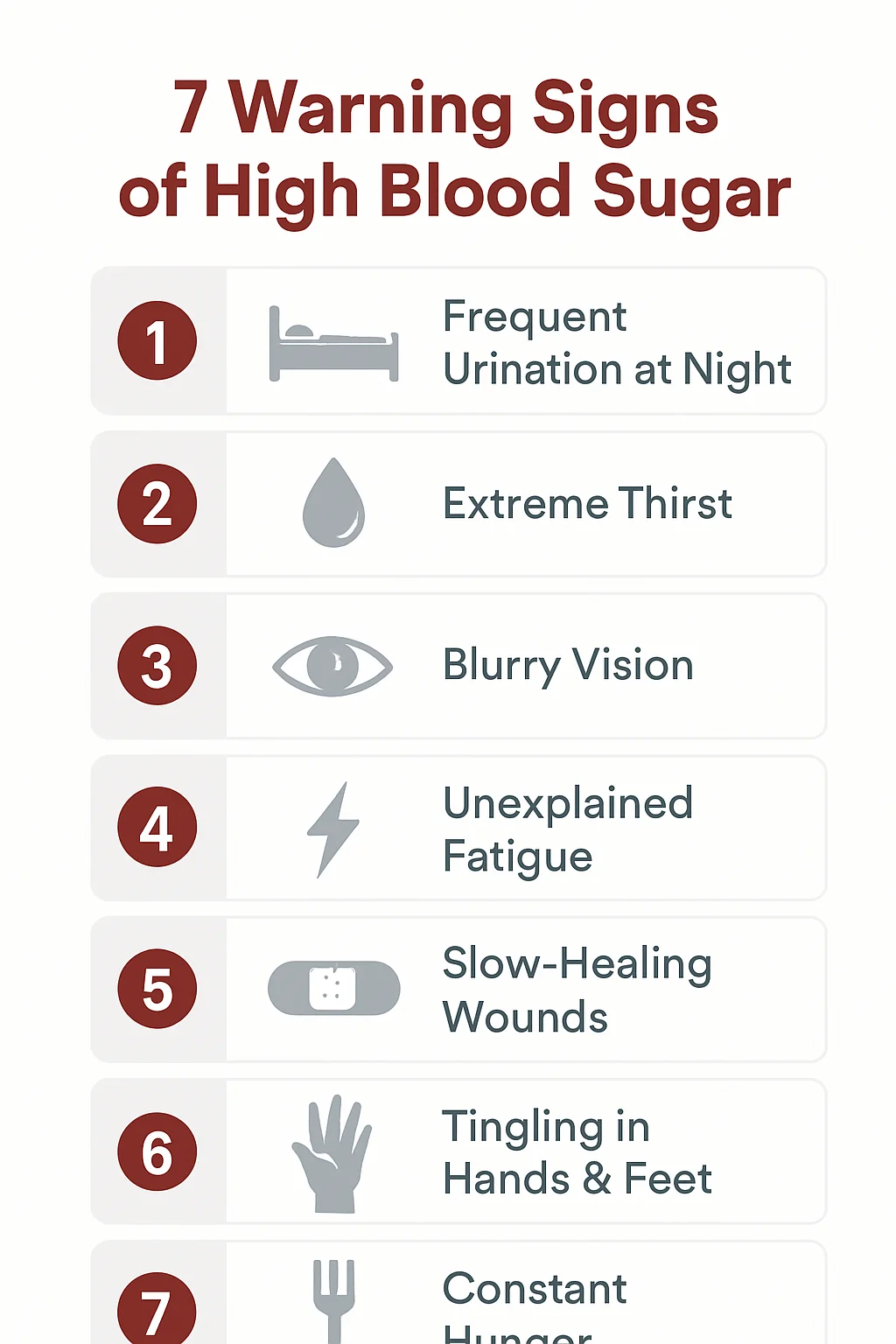
Quick answer: Common high blood sugar signs after 60 are peeing often (especially at night), strong thirst, blurry vision, tiredness, slow-healing cuts, tingling feet and extra hunger. Older adults may notice few symptoms, so a yearly blood test matters. Get urgent care for confusion, vomiting, fast breathing or a reading above 300 mg/dL.
If you’re over 60, your body handles blood sugar differently than it did decades ago. The pancreas slows down, insulin sensitivity decreases, and the symptoms of high blood sugar can be subtle — easy to dismiss as just “getting older.”
But catching these signs early can protect your kidneys, eyes, nerves, and heart. High blood sugar left unmanaged doesn’t just increase your risk of type 2 diabetes — it silently damages nearly every major organ system in the body. The good news is that once you know what to look for, these signs are recognisable, and many can be reversed through lifestyle changes alone.
Here are 7 high blood sugar signs after 60 that seniors should never ignore — plus exactly what to do about each one.

Why Blood Sugar Becomes Harder to Manage After 60
Before diving into the high blood sugar signs after 60, it helps to understand why seniors are more vulnerable to blood sugar problems in the first place.
As we age, several physiological changes make blood sugar regulation harder:
- Reduced insulin production: Beta cells in the pancreas become less efficient, producing less insulin in response to meals
- Increased insulin resistance: Muscle cells become less responsive to insulin’s signal to absorb glucose
- Loss of muscle mass: Muscle is the primary tissue that absorbs blood glucose after meals. Sarcopenia (age-related muscle loss) directly worsens blood sugar control
- Reduced kidney function: The kidneys are less efficient at clearing glucose, meaning it stays elevated longer
- Medication interactions: Many common medications taken by seniors — including steroids, diuretics, and some blood pressure drugs — raise blood sugar as a side effect
These changes mean that blood sugar issues can develop gradually over years without obvious symptoms — which is why knowing the early warning signs is so critical.
Safety first: Very high or worsening blood sugar needs medical guidance; do not rely on home remedies or delay care.
1. Frequent Urination — Especially at Night
When blood sugar is elevated, your kidneys work overtime to filter out excess glucose — pulling water along with it. If you’re waking up 2–4 times a night to urinate, this is one of the earliest and most consistent signs of high blood sugar in older adults.
This process is called osmotic diuresis — the excess glucose in the blood creates an osmotic pull that draws water into the urine. The result is significantly increased urine production, particularly at night when the body is not distracted by activity.
In seniors, frequent night-time urination (nocturia) is often dismissed as a normal part of aging or attributed to a smaller bladder. While both of those can be factors, blood sugar should always be ruled out — especially if the frequency has increased recently.
What to do: Track how often you urinate at night for one week. If it’s consistently more than twice, ask your doctor for a fasting blood glucose test. Also note whether the urination is large volume (suggesting blood sugar) or small volume (more likely a bladder issue).
2. Extreme Thirst That Doesn’t Go Away
Excess urination leads to dehydration, which triggers intense thirst. Many seniors mistake this for normal aging or dry weather. If you’re drinking water constantly but still feel parched, blood sugar may be the culprit.
Important: Seniors are less sensitive to thirst signals, so by the time you feel very thirsty, dehydration may already be significant. The thirst mechanism becomes less reliable with age, which means high blood sugar can cause severe dehydration in older adults before they feel compelled to drink.
This combination of excessive thirst and urination is known medically as polydipsia and polyuria — and together they are among the most classic early indicators of elevated blood glucose. If you notice both together, don’t wait to speak to your doctor.
3. Blurry Vision or Sudden Changes in Eyesight
High glucose causes fluid to shift into the lens of your eye, temporarily changing its shape and your ability to focus. If your vision seems blurry for no obvious reason — especially after meals — this is a red flag.
In seniors, this is sometimes mistaken for age-related vision decline. If it comes and goes throughout the day, blood sugar fluctuation is a likely cause. This type of blurriness typically improves when blood sugar is brought back into the normal range, distinguishing it from permanent vision changes.
Long-term uncontrolled blood sugar causes a more serious condition called diabetic retinopathy — damage to the small blood vessels of the retina that can lead to permanent vision loss. Catching blood sugar problems early is the single most effective way to prevent this.
What to do: If you notice blurry vision that fluctuates — better at some times, worse at others — schedule a blood glucose test and an eye exam. Mention the pattern of fluctuation to both your GP and your optician.
4. Unexplained Fatigue and Weakness
When cells cannot absorb glucose properly due to insulin resistance, your body is literally starved of energy — even though your blood sugar is high. The result is persistent fatigue that does not improve with rest.
Many seniors with undiagnosed type 2 diabetes report feeling exhausted all the time for months before diagnosis. If naps do not help, blood sugar could be the issue.
This fatigue is distinctive: it tends to be worst after carbohydrate-heavy meals (when blood sugar spikes then crashes), and it is accompanied by a sense of mental fog or difficulty concentrating. This post-meal energy crash is one of the most overlooked early signs of insulin resistance.
Some seniors also notice muscle weakness alongside fatigue — difficulty climbing stairs or getting up from a chair — which occurs because muscle cells deprived of glucose cannot function at full capacity.
5. Slow-Healing Cuts, Bruises, or Infections
High blood sugar damages blood vessels and impairs immune function, slowing the body’s natural healing process. A small cut that takes weeks to heal, recurring skin infections, or persistent urinary tract infections are serious warning signs.
Especially watch for: Wounds on the feet and legs, which have reduced circulation in diabetic seniors and can become dangerous quickly. Foot wounds in particular can escalate rapidly — what starts as a small blister or cut can progress to a serious infection requiring hospitalisation if blood sugar is not well controlled.
High glucose also impairs the function of neutrophils — the white blood cells responsible for fighting bacterial infections. This explains why seniors with poorly controlled blood sugar get more infections and struggle to clear them. Recurring UTIs, skin infections, or thrush can all be indirect signs of elevated blood glucose.

6. Tingling or Numbness in Hands and Feet
Prolonged high blood sugar damages nerves — a condition called diabetic neuropathy. It often begins as tingling, burning, or numbness in the toes and fingers. Many seniors describe it as pins and needles that do not go away.
This symptom means blood sugar has likely been elevated for some time. If you experience this regularly, seek medical attention promptly.
Diabetic peripheral neuropathy typically starts in the feet and moves upward in a “stocking and glove” pattern — affecting the feet and lower legs first, then potentially the hands. Early neuropathy may cause heightened sensitivity (even light touch feels painful), while advanced neuropathy causes numbness and loss of protective sensation.
The critical danger with neuropathy is that seniors can no longer feel injuries to their feet — a pebble in a shoe, a blister, or a small cut can go unnoticed and develop into a serious wound. Daily foot inspection becomes essential once neuropathy is present.
7. Increased Hunger — Even After Eating
When insulin cannot move glucose into cells efficiently, your brain receives signals that the body needs more fuel — even right after a meal. This leads to constant hunger that’s impossible to satisfy, and often contributes to weight gain.
If you finish a full meal and feel hungry again within an hour, this is worth discussing with your doctor. If cravings are part of the picture, our guide on how to stop sugar cravings shares practical habits for older adults.
This phenomenon — called polyphagia — occurs because cells are literally starving despite there being plenty of glucose in the blood. The brain interprets this cellular starvation as hunger and continues sending hunger signals regardless of how much food has been eaten. The result is a frustrating cycle of eating more, blood sugar rising further, and hunger persisting.
Who Is Most at Risk After 60?
While any senior can develop blood sugar problems, certain factors significantly increase the risk:
- Family history: Having a parent or sibling with type 2 diabetes roughly doubles your risk
- Excess abdominal fat: Visceral fat around the organs drives insulin resistance more than any other lifestyle factor
- Sedentary lifestyle: Physical inactivity reduces the muscle’s ability to absorb glucose; even light daily walking makes a measurable difference
- Poor sleep: Consistently sleeping less than 6 hours raises cortisol and growth hormone, both of which increase blood sugar
- High-carbohydrate diet: Diets heavy in refined carbohydrates, sugary drinks, and processed foods chronically stress the insulin system
- Certain medications: Corticosteroids, thiazide diuretics, statins, and some antipsychotics can all raise blood sugar as a side effect
The pancreas plays a central role in all of this; for more, read about pancreas health after 60.
5 Natural Steps to Help Manage Blood Sugar After 60
- Walk after meals: Even a 10-minute walk after eating can reduce post-meal blood sugar spikes by up to 22% according to research. The muscles activated during walking absorb glucose directly, lowering blood sugar without requiring insulin.
- Add cinnamon to your diet: Studies show that 1–2 teaspoons of cinnamon daily may improve insulin sensitivity in seniors. Ceylon cinnamon is preferred — Cassia cinnamon contains coumarin which can be harmful in large amounts.
- Cut liquid sugar first: Juices, sodas, and sweetened teas spike blood sugar faster than almost any food. Replacing them with water, sparkling water, or unsweetened herbal tea is one of the most impactful changes seniors can make.
- Eat protein and fat before carbohydrates: The order in which you eat food within a meal significantly affects the blood sugar response. Eating protein and vegetables before starchy foods can reduce the post-meal glucose spike by 30–40%.
- Prioritise sleep: Even one night of poor sleep (under 6 hours) impairs insulin sensitivity the following day. Improving sleep quality — through consistent bedtimes, a cool dark room, and limiting screens — directly improves blood sugar control.
What to Eat to Support Healthy Blood Sugar
Diet is the most powerful tool available to seniors managing blood sugar. These foods have strong evidence for improving blood glucose control. For more ideas, see these 7 practical blood sugar habits for seniors:
- Leafy greens (spinach, kale, Swiss chard) — very low glycaemic impact, high in magnesium which improves insulin sensitivity
- Fatty fish (salmon, mackerel, sardines) — omega-3s reduce inflammation that drives insulin resistance
- Legumes (lentils, chickpeas, black beans) — high fibre slows glucose absorption; studies show regular legume consumption lowers HbA1c
- Berries (blueberries, strawberries) — high in antioxidants and fibre; lower glycaemic response than most fruits
- Nuts and seeds — healthy fats slow digestion and blunt post-meal blood sugar spikes
- Apple cider vinegar: 1–2 tablespoons before a high-carb meal can reduce post-meal blood sugar by 20% in some studies
Foods to reduce or eliminate: white bread, white rice, sugary cereals, fruit juice, fizzy drinks, processed snacks, and anything made with refined flour.
Understanding Your Blood Sugar Numbers
If you get a blood glucose test, here is what the numbers mean for adults over 60:
- Fasting blood sugar under 100 mg/dL — normal range
- Fasting blood sugar 100–125 mg/dL — pre-diabetes (impaired fasting glucose)
- Fasting blood sugar 126 mg/dL or higher — diabetes (if confirmed on two separate tests)
- HbA1c under 5.7% — normal (reflects average blood sugar over 3 months)
- HbA1c 5.7–6.4% — pre-diabetes
- HbA1c 6.5% or higher — diabetes
Many seniors are diagnosed with pre-diabetes for years before it progresses to type 2 diabetes — and this window is the critical intervention period. Lifestyle changes during pre-diabetes can prevent or significantly delay the progression to full diabetes.
When to See a Doctor About High Blood Sugar Signs
If you notice 2 or more of these high blood sugar signs after 60 regularly, schedule a fasting blood glucose test without delay. The test is simple, inexpensive, and available at any GP surgery.
Early detection makes an enormous difference. Many seniors with pre-diabetes can reverse or delay type 2 diabetes entirely through diet and lifestyle changes alone. The longer blood sugar remains elevated without intervention, the more damage accumulates to blood vessels, nerves, and organs — much of which is irreversible.
Do not wait for high blood sugar signs after 60 to become severe. If you are over 60 and have not had a blood glucose test in the last year, request one at your next appointment — it should be part of routine screening at this age.
Frequently Asked Questions
What is a normal blood sugar level for seniors over 60?
A healthy fasting blood sugar for adults over 60 is generally 70–100 mg/dL. After meals, levels should return below 140 mg/dL within two hours. HbA1c (a 3-month average) should be below 5.7%. Some doctors accept slightly higher targets for very elderly patients to avoid the risks of low blood sugar.
Can high blood sugar cause dizziness in seniors?
Yes. High blood sugar can cause dizziness, particularly when it leads to dehydration or causes blood pressure fluctuations. Seniors with both diabetes and hypertension need to monitor both carefully. Sudden dizziness after meals may indicate a rapid blood sugar spike followed by a crash.
What foods spike blood sugar the fastest?
White bread, white rice, sugary drinks, candy, and fruit juice cause the fastest blood sugar spikes. Seniors should prioritise whole grains, leafy greens, lean protein, and healthy fats instead. Liquid sugar — juices and sodas — is the worst offender as it requires no digestion and enters the bloodstream almost immediately.
Can prediabetes go back to normal after 60?
Yes, pre-diabetes is reversible in many seniors, particularly when addressed early. Studies show that losing 5–10% of body weight, combined with 150 minutes of moderate exercise per week and a lower-carbohydrate diet, can return blood sugar to normal levels in a significant percentage of people with pre-diabetes. The earlier it is caught, the better the outcome.
How often should seniors over 60 get their blood sugar tested?
Adults over 60 without known risk factors should have fasting blood glucose or HbA1c tested every 1–3 years as part of routine health screening. Those with risk factors (family history, overweight, sedentary lifestyle, high blood pressure) should test annually. Those already diagnosed with pre-diabetes should be tested every 6 months.
Does stress raise blood sugar in seniors?
Yes. Physical and emotional stress triggers the release of cortisol and adrenaline, both of which raise blood sugar by stimulating the liver to release stored glucose. Chronic stress is a significant but often overlooked driver of persistently elevated blood sugar in older adults. Stress management techniques — including walking, meditation, and adequate sleep — directly improve blood sugar control.
Sources: CDC: Diabetes signs and symptoms · NIDDK: Diabetes symptoms and causes · MedlinePlus: Diabetes · NIA – Diabetes in Older People · ADA – Hyperglycemia
⚕️ Medical Disclaimer
The information provided on this page is for educational purposes only and is not intended as medical advice, diagnosis, or treatment. Always consult a qualified healthcare professional before making changes to your diet, starting any supplement, or if you have an existing medical condition. KeepFitQuote does not provide medical diagnoses or treatment recommendations. Read our full disclaimer.