Most people take their eyesight for granted—until they feel it slipping. Blurry vision, dry eyes, and trouble seeing at night are common complaints, especially as we age. But what many don’t realize is that our eyes need specific nutrients to stay sharp and healthy. Forget gimmicky eye drops and expensive supplements—real eye health starts with what you eat.
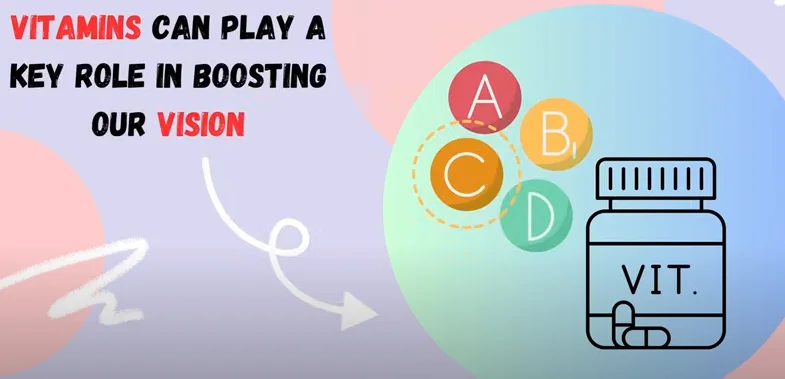
Let’s explore the most important nutrients for your eyes, how they support vision, and which foods quietly pack them in.
Vision changes are one of the most common health concerns among adults over 50—the American Academy of Ophthalmology recommends a baseline eye exam at age 40, with more frequent checkups as we get older, since conditions like cataracts, glaucoma, and age-related macular degeneration (AMD) become more common with each passing decade. While regular eye exams remain essential for catching problems early, research consistently shows that the foods on your plate play a meaningful supporting role in how well your eyes hold up over time. Nutrients for eyes work primarily by reducing oxidative stress and inflammation—two processes that accelerate the natural wear and tear on the delicate structures of the eye, including the retina and the lens. The encouraging part is that these aren’t exotic ingredients; they’re foods many of us already have in the kitchen, and small, consistent changes to your meals can add up to meaningful support for your long-term vision.
👁️ Why Eye Nutrition Matters More Than You Think
Your eyes are constantly exposed to light, stress, and strain. Over time, oxidative damage and inflammation can lead to serious problems like macular degeneration, cataracts, or simply feeling like your vision is “not what it used to be.” Here’s the good news: nutrients like lutein and zeaxanthin may help shield your eyes naturally.
Some people search for vitamins that strengthen retina health or foods to hydrate dry eyes—but the science shows it’s about feeding your body right from the inside out.
The large-scale Age-Related Eye Disease Studies (AREDS and AREDS2), funded by the National Eye Institute, found that a specific combination of vitamins and minerals—including vitamin C, vitamin E, zinc, copper, lutein, and zeaxanthin—reduced the risk of advanced AMD progressing by about 25% in people who already had intermediate-stage disease. This landmark research helped establish the connection between diet and long-term eye health that doctors still rely on today. Beyond AMD, oxidative stress from years of UV exposure, screen time, and normal aging contributes to the clouding of the eye’s lens that leads to cataracts—the leading cause of vision loss worldwide. The takeaway for seniors is simple: the nutrients discussed below aren’t just “nice to have”—they’re backed by some of the most rigorous nutrition research ever conducted on eye health.
1. Lutein and Zeaxanthin: The Blue Light Blockers
These two plant pigments act like natural sunglasses for your eyes. They filter harmful blue light and help reduce oxidative stress in the retina.
🟢 Best Food Sources:
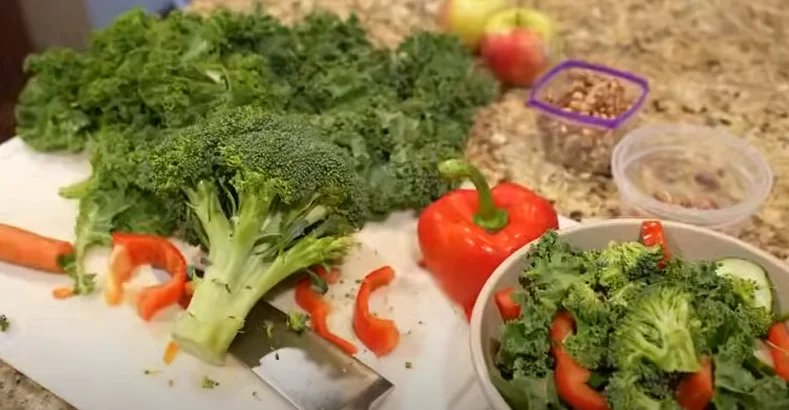
- Kale
- Spinach
- Egg yolks
- Yellow corn
Lutein and zeaxanthin are the only two carotenoids that the body deposits directly into the macula, the small central part of the retina responsible for sharp, detailed vision—the kind you use for reading, recognizing faces, and driving. Together they’re often called the eye’s “internal sunglasses” because they absorb high-energy blue light before it can damage the delicate photoreceptor cells underneath. Research published in nutrition journals has linked higher dietary intake of these carotenoids with a reduced risk of cataracts and AMD. For best absorption, pair these leafy greens and egg yolks with a small amount of healthy fat—like olive oil or avocado—since lutein and zeaxanthin are fat-soluble and absorb better when eaten this way. A simple habit: add a handful of fresh spinach to scrambled eggs for breakfast, which conveniently combines two of the best sources in one dish.
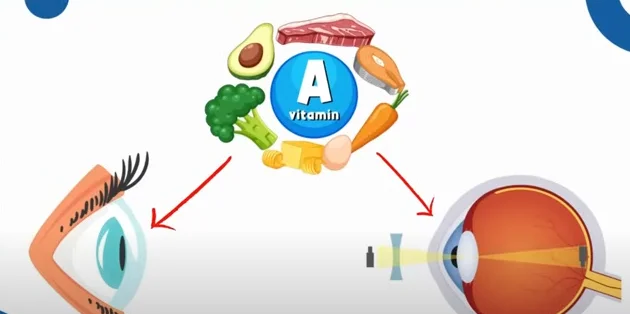
2. Vitamin A: The Night Vision Vitamin
Struggling to see in low light? You may be low on Vitamin A. This nutrient helps form the pigment in your retina responsible for night vision and keeps your cornea moist and healthy.
🟠 Top Food Sources:
- Carrots (try our honey glazed carrots recipe)
- Sweet potatoes
- Liver (beef or chicken)
- Butternut squash
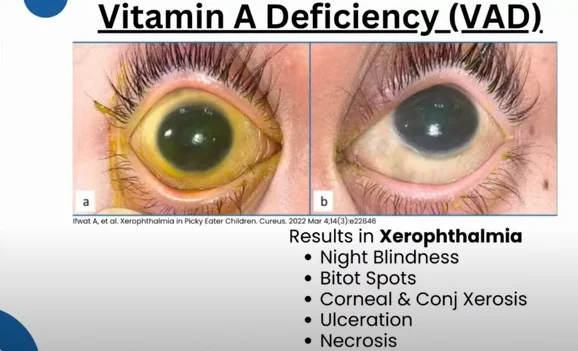
Vitamin A’s role in vision comes down to a molecule called rhodopsin, a light-sensitive pigment in the retina’s rod cells that allows your eyes to adjust when moving from bright to dim environments—think walking from sunlight into a dimly lit restaurant. When vitamin A levels drop, rhodopsin production slows, and night vision and adaptation to darkness suffer first, often before any other symptoms appear. This is also why vitamin A deficiency has historically been linked to “night blindness” in populations with limited access to vitamin-A-rich foods. For older adults, maintaining adequate vitamin A also supports the tear film and the surface of the cornea, helping prevent the gritty, dry sensation that often worsens with age. One practical tip: cooking carrots and sweet potatoes (rather than eating them raw) actually increases the amount of beta-carotene—the plant form of vitamin A—that your body can absorb, so a roasted sweet potato is an excellent choice.
3. Zinc: The Unsung Hero of Eye Health
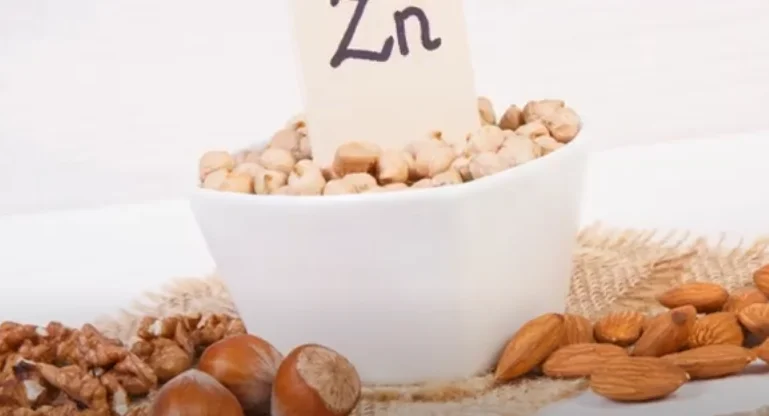
Zinc helps vitamin A do its job and may slow the progression of age-related vision decline. It’s especially helpful for older adults who are beginning to notice small but steady changes in sight.
⚙️ Where to Get It:
- Pumpkin seeds
- Chickpeas
- Grass-fed beef
- Cashews
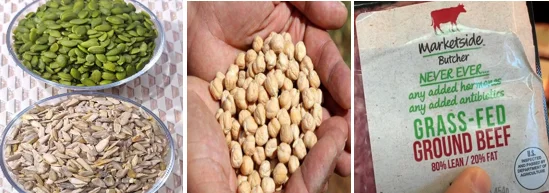
Zinc is found in remarkably high concentrations in the retina, where it plays a key role in transporting vitamin A from the liver to the eye and helping form melanin, a pigment that protects the eye from harmful light exposure. The AREDS2 study mentioned earlier specifically included zinc as one of its core ingredients because of this transport relationship—without enough zinc, even adequate vitamin A intake may not translate into the eye health benefits you’d expect. Zinc deficiency becomes more common with age, partly because absorption naturally decreases over time and partly because some medications commonly used by seniors can interfere with zinc levels. A small handful of pumpkin seeds or cashews as a daily snack is an easy, low-effort way to support healthy zinc intake without needing a supplement, though anyone considering a zinc supplement should check with their doctor first, since high doses can interfere with copper absorption.
4. Vitamin C: Defense Against Cataracts
Vitamin C isn’t just for your immune system—it helps protect the lens of your eye from oxidative damage, a major cause of cataracts.
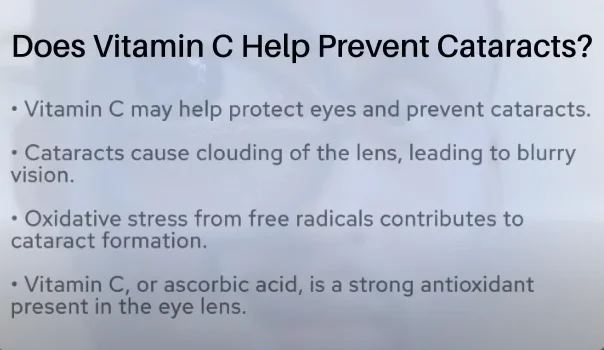
🍄 Best Sources:
- Bell peppers
- Oranges
- Kiwi
- Strawberries
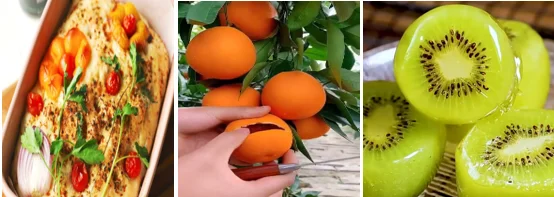
The lens of your eye contains an unusually high concentration of vitamin C compared to other tissues in the body—in fact, the aqueous humor (the fluid inside the front of the eye) has one of the highest vitamin C concentrations of any bodily fluid. This high concentration is believed to act as a protective buffer against the oxidative damage that causes proteins in the lens to clump together and form the cloudy patches characteristic of cataracts. Long-term studies have found that people with higher vitamin C intake over many years tend to have a lower risk of cataract formation and slower progression of existing lens changes. Since vitamin C is water-soluble and the body doesn’t store much of it, consistent daily intake matters more than occasional large amounts—a bell pepper sliced into your lunch salad or a kiwi after dinner are simple ways to keep levels topped up throughout the week.
5. Omega-3 Fatty Acids: For Dry, Tired Eyes
If you’re dealing with burning, itchy eyes or you stare at screens all day, omega-3s can be a game changer. They help produce tear film and reduce inflammation in the eye’s surface.
🐟 Eat These:
- Salmon
- Sardines
- Walnuts
- Chia seeds

Dry eye becomes significantly more common after age 50, partly because tear production naturally decreases with age and partly because the glands that produce the oily layer of the tear film (called meibomian glands) become less efficient over time. Omega-3 fatty acids, particularly the EPA and DHA found in fatty fish, have been shown in clinical studies to improve the quality and stability of the tear film by reducing inflammation along the eyelid margins and supporting healthy oil gland function. For people who don’t eat fish regularly, walnuts and chia seeds provide ALA, a plant-based omega-3 that the body can partially convert to the more active forms. A practical target many eye doctors mention is aiming for fatty fish like salmon or sardines two to three times per week; if screen use is a major part of your day, remember the “20-20-20” rule too—every 20 minutes, look at something 20 feet away for 20 seconds to give your eye muscles a break.
🥦 How to Build an Eye-Healthy Meal
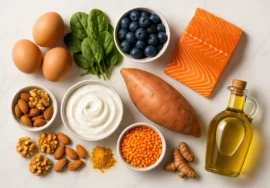
Want a quick example? A dinner of grilled salmon, sautéed kale, and roasted sweet potatoes hits vitamin A, omega-3s, lutein, and zinc all in one go.
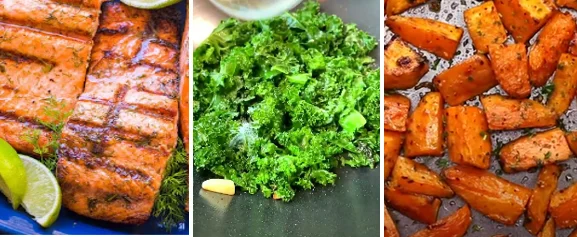
Throw in a fruit salad with strawberries and kiwi, and your eyes will thank you.
One of the most reassuring findings in eye nutrition research is that these nutrients work better together than in isolation—a concept nutritionists call synergy. For example, the fat in salmon helps your body absorb the lutein in kale, while the vitamin C in a fruit salad helps regenerate vitamin E, another antioxidant important for eye health. This is part of why whole-food meals tend to outperform isolated supplements in research: a single plate can deliver a combination of nutrients working through multiple protective pathways at once. For seniors who may be cooking for one or two, batch-preparing a few eye-healthy staples—like a tray of roasted sweet potatoes and a bag of pre-washed kale—can make it easier to build these combinations into weeknight meals without extra effort.
Real Talk: What Happens If You Don’t Get These Nutrients?
You might not feel it right away, but over the years, poor nutrition can slowly rob you of vision. You could develop:
- Early cataracts
- Macular degeneration
- Chronic dry eyes
- Poor night vision
That’s why eye-friendly nutrition isn’t just optional—it’s essential.
The frustrating part of nutrient-related vision decline is how gradual it is—most people don’t notice anything is wrong until the changes have become significant, because the brain is remarkably good at compensating for small losses in vision over time. This is one reason eye doctors recommend annual or biennial comprehensive eye exams for adults over 50, even if vision feels “fine”—exams can detect early lens changes, mild macular changes, or signs of nutrient-related dryness well before they become noticeable in daily life. If you notice persistent changes such as difficulty driving at night, colors seeming duller than they used to, or eyes that feel dry and tired by midday despite resting, it’s worth mentioning to your doctor alongside a conversation about your diet—sometimes these everyday symptoms are the first sign that your nutrient intake could use some adjustment.
👓 Frequently Asked Questions About Eye Nutrition
1. Which vitamin helps with blurred vision naturally?
Vitamin A and zinc are two key nutrients that support retinal health and help reduce blurry vision caused by nutritional deficiencies.
2. Can food really help prevent eye diseases?
Yes, antioxidants like lutein, vitamin C, and omega-3s help reduce inflammation and oxidative stress that contribute to cataracts and macular degeneration.
3. Is spinach good for eyesight?
Absolutely. Spinach is rich in lutein and zeaxanthin, which filter out harmful light and protect your retina.
4. What can I eat to avoid dry eyes?
Try including more omega-3 rich foods like salmon, chia seeds, and flaxseed oil to keep your eyes moist and reduce irritation.
5. Do supplements help if I don’t eat well?
Supplements can fill the gaps, but whole foods offer more complete nutrition with fiber and phytonutrients that work together.
Final Takeaway: See the Difference with Food First
Your eyes work hard for you every single day. Giving them the nutrients they crave isn’t complicated—it just takes a little awareness. Whether you’re trying to protect your sight as you age or improve your focus and comfort at work, these underrated vitamins and minerals could be your secret weapon.
⚕️ Medical Disclaimer
The information provided on this page is for educational purposes only and is not intended as medical advice, diagnosis, or treatment. Always consult a qualified healthcare professional before making changes to your diet, starting any supplement, or if you have an existing medical condition. KeepFitQuote does not provide medical diagnoses or treatment recommendations. Read our full disclaimer.
Related Posts