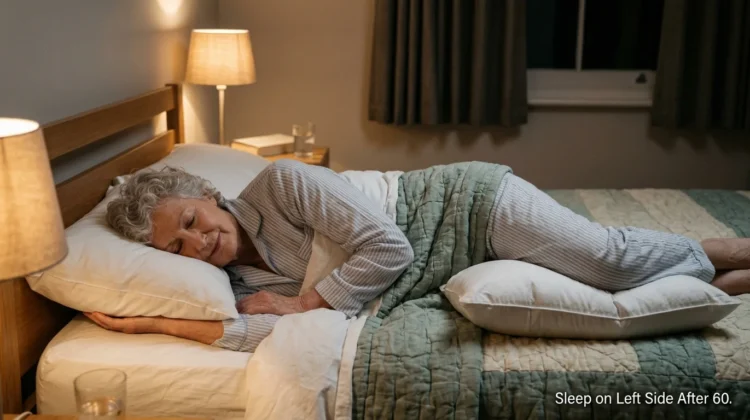
What Happens When You Sleep on Your Left Side After 60: Benefits, Risks and Tips
Quick Answer: What Happens When You Sleep on Your Left Side After 60?
Sleeping on your left side can have several benefits and some considerations for seniors. Left-side sleeping often improves digestion and reduces acid reflux, because gravity keeps stomach acid from backing up into the esophagus. It may also enhance circulation by aligning with the body’s natural anatomy. However, for some older adults with heart failure or breathing issues, left-side sleeping can sometimes feel uncomfortable — many such patients prefer the right side. In general, experts emphasize that sleep quality matters most: choose the position that gives you the most restful, uninterrupted sleep. Good side-sleeping supports better breathing (reducing snoring and sleep apnea) and may even aid brain “waste” clearance at night. Always use pillows for support, especially between the knees, and discuss any heart or breathing concerns with your doctor.
Why Sleep Position Matters After 60
As we age, sleep becomes both more precious and more elusive. Seniors often experience lighter, more fragmented sleep, and they are more likely to have chronic conditions that interact with sleep posture. The National Institute on Aging notes that sleep disorders and disrupted sleep become increasingly common with age, meaning older adults often do not get the restorative sleep they need. Poor sleep can worsen health problems: sleeping fewer than 7 hours a night has been linked by the CDC to higher rates of high blood pressure, heart disease, and stroke. If blood sugar control is also a concern, see our guide on 7 warning signs your blood sugar is too high after 60, since poor sleep and glucose control often affect each other.
For seniors, the sleep position can affect many aspects of health:
- Breathing and airway: Side sleeping tends to keep the airway open, reducing sleep apnea episodes.
- Digestion: Lying on the left side uses gravity to keep stomach acids down.
- Heart function: Some studies suggest left-side sleeping slightly shifts the heart’s position, with no harm for healthy hearts. In contrast, right-side sleeping may ease breathing in heart failure cases.
- Joint comfort: Curvature changes and arthritis in older adults mean a bad position can cause pain or pressure points.
Overall, the best sleep position is one that keeps you sleeping deeply. For most older adults, sleeping on the left side is often recommended because it can simultaneously aid digestion and circulation without significant downsides. However, individual needs vary: a senior with chronic nasal congestion, a hip injury, or heart failure may find another position more comfortable. The key is finding a position that helps you sleep soundly and wake refreshed.
Digestive Benefits: Acid Reflux and Left-Side Sleeping
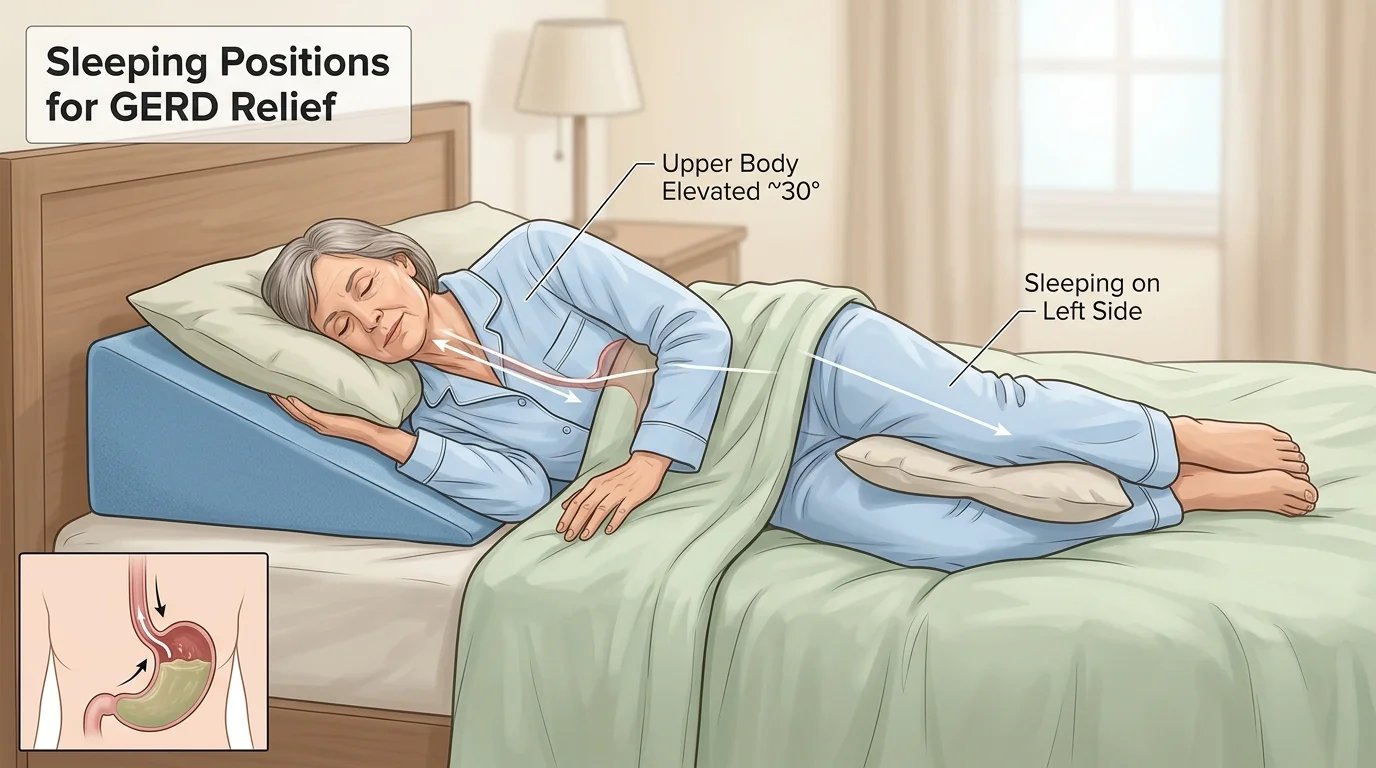
One of the clearest advantages of left-side sleeping is reduced gastroesophageal reflux (GERD), a major issue for many seniors. Normally, stomach acid can pool and flow back into the esophagus at night, causing heartburn and coughing. The Sleep Foundation reports that sleeping on the left side may help alleviate reflux-related sleep problems, since it keeps the esophagus positioned slightly higher than the stomach.
How left-side helps GERD: When you lie on your left side, the stomach lies below the esophagus, so gravity keeps acids in place. The lower esophageal sphincter (LES) — a valve that prevents reflux — stays above the acidic stomach contents in this position, drastically reducing backflow. In contrast, lying on the right side lifts the stomach higher, making it easier for acid to escape and cause heartburn. For seniors, this means left-side sleeping can significantly reduce nighttime reflux episodes.
Clinical evidence: A 2022 review and other studies consistently show left-side positioning improves GERD symptoms, with sleeping on the left side associated with significantly shorter acid exposure and faster esophageal clearance compared to right-side sleeping. In practical terms, doctors often advise elderly GERD sufferers to lie on their left and also elevate the head of the bed slightly (about 6–8 inches) to further keep acid down.
Key takeaway: For seniors prone to reflux or heartburn, sleeping on the left side is generally a simple, safe way to cut down symptoms. Paired with good sleep hygiene (avoiding late meals, elevating the head), it can prevent nighttime choking and improve sleep quality.
Heart and Circulation Effects
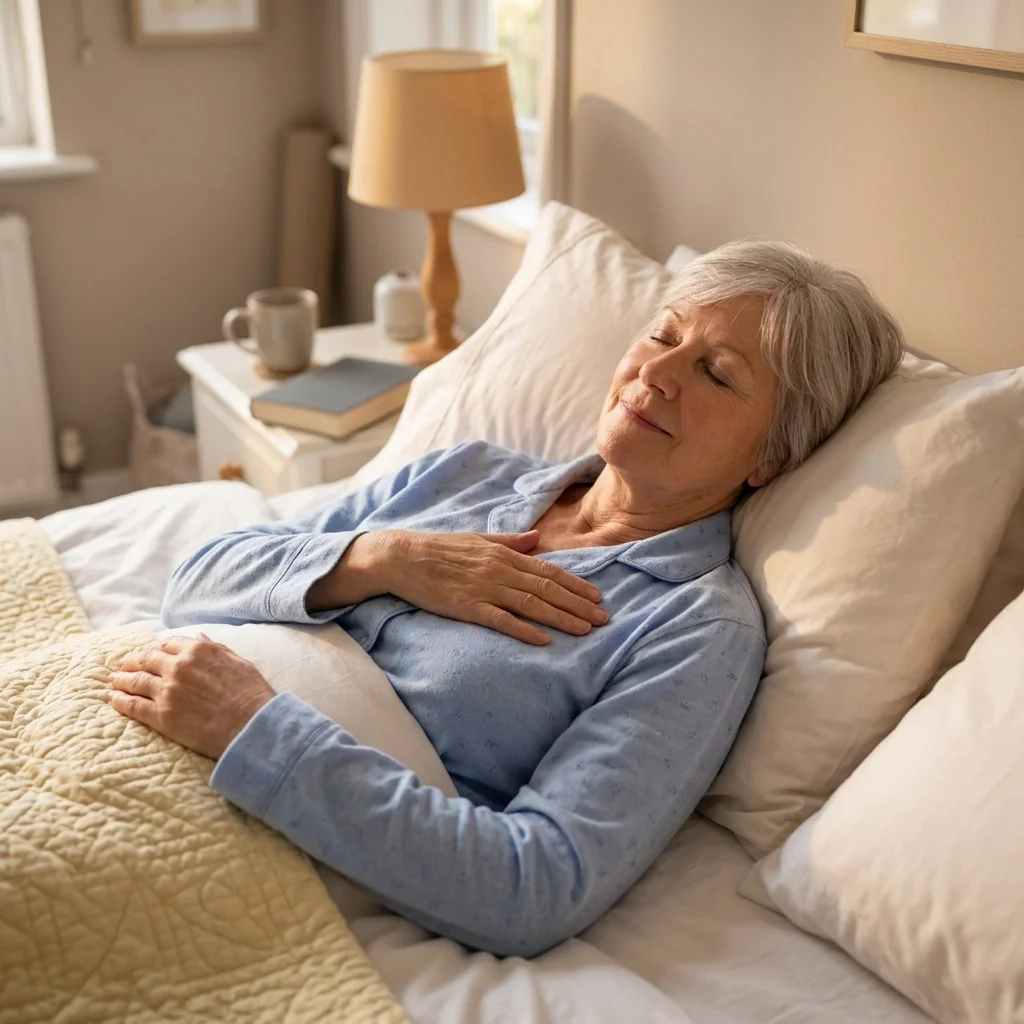
What about the heart? The impact of sleep position on cardiac function is a common concern for older adults, especially those with heart disease. The consensus from cardiology and sleep experts is that for healthy hearts, side-sleeping choices don’t pose significant risk. However, certain nuances exist:
Heart shift vs. function: When you lie on your left side, gravity causes a slight shift in heart position. Studies have observed subtle changes in an ECG tracing during left-side sleep, likely due to the heart’s orientation, but no change in the heart’s electrical function was found. In other words, the left side may tilt the heart, but it doesn’t make the heart malfunction in healthy people.
Heart disease and congestion: For seniors with heart failure or severe heart conditions, the picture can differ. Cardiology sources note that patients with congestive heart failure often prefer the right side and feel relief when not lying on the left, likely because left-side lying can increase pressure on the lungs and heart, making breathing slightly harder.
Circulation orientation: On the other hand, the aorta (the main artery) curves toward the left, so lying on the left side may help maintain natural blood flow patterns for some people. This advice is not universal and depends on individual cases.
Sleep apnea link: Sleep apnea is very common in older adults and a known risk factor for heart disease. Since side-sleeping (either side) typically reduces apnea events compared to back-sleeping, choosing a side can indirectly protect heart health by improving breathing.
Clinical guidance: If you have a healthy heart, sleeping on the left side is not known to harm heart function. If you have congestive heart failure or fluid in the lungs, discuss with your doctor — they may suggest trying the right side or elevating the torso instead.
Brain Health and Cognitive Function
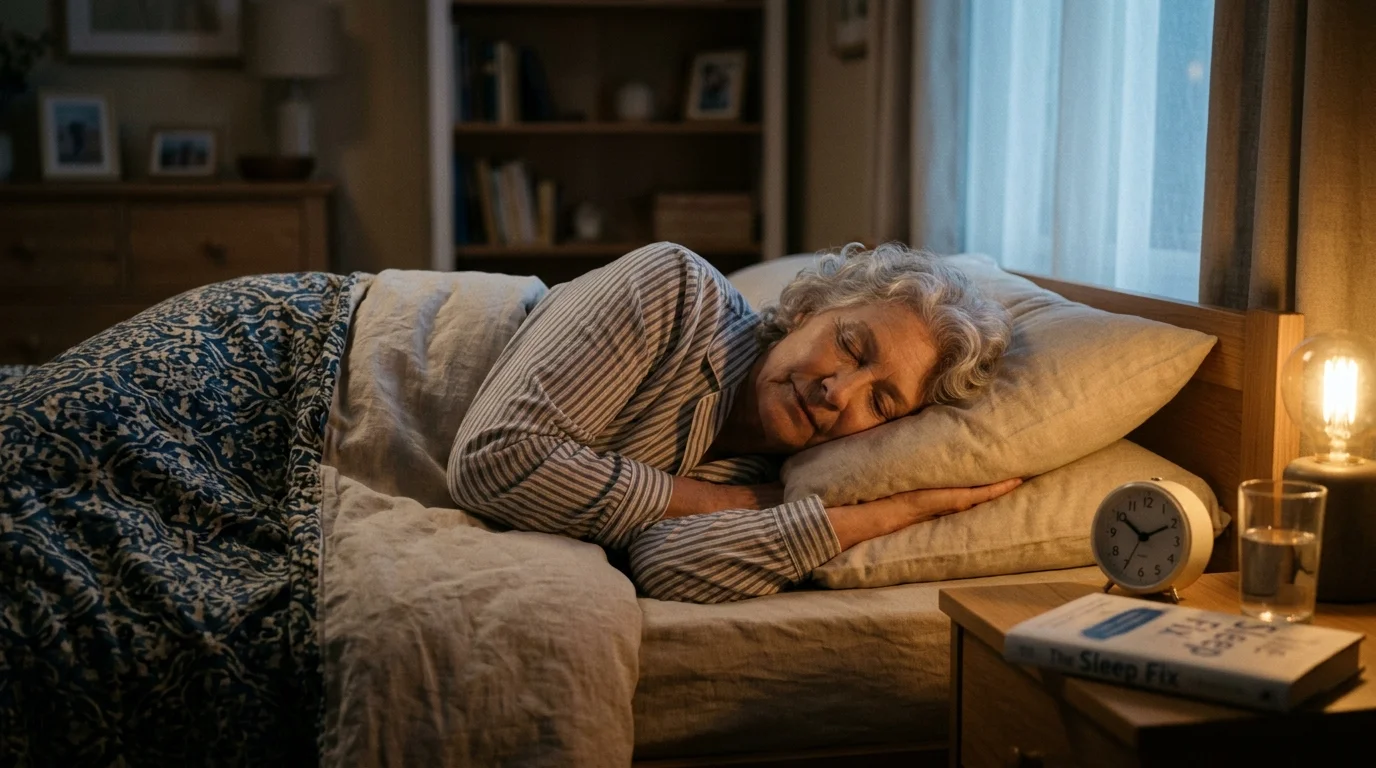
Emerging research suggests that sleeping on your side might play a role in brain health, an area of growing interest for older adults concerned about dementia and cognitive aging. The key idea is the glymphatic system — the brain’s waste-clearance pathway — which is more active during sleep. Studies in mice have found that side-lying positions help cerebrospinal fluid circulate more effectively, flushing out toxins like beta-amyloid (associated with Alzheimer’s). While human studies are still limited, these findings have led experts to propose that side sleeping may help keep the brain “cleaner” overnight than back or stomach sleeping.
A Harvard Health article notes that side sleeping could help keep you sharp by promoting better removal of brain waste. It’s not that sleeping left specifically has proven cognitive benefits over right side, but rather that any side-lying position appears superior for brain clearance.
Summary: Older adults who sleep on their side are likely benefiting their brain’s overnight cleaning process. While the difference between left vs. right for cognitive health is unclear, the broader point is that adequate side-sleep and overall sleep duration (7–8 hours) are important for long-term brain health.
Breathing and Sleep Apnea
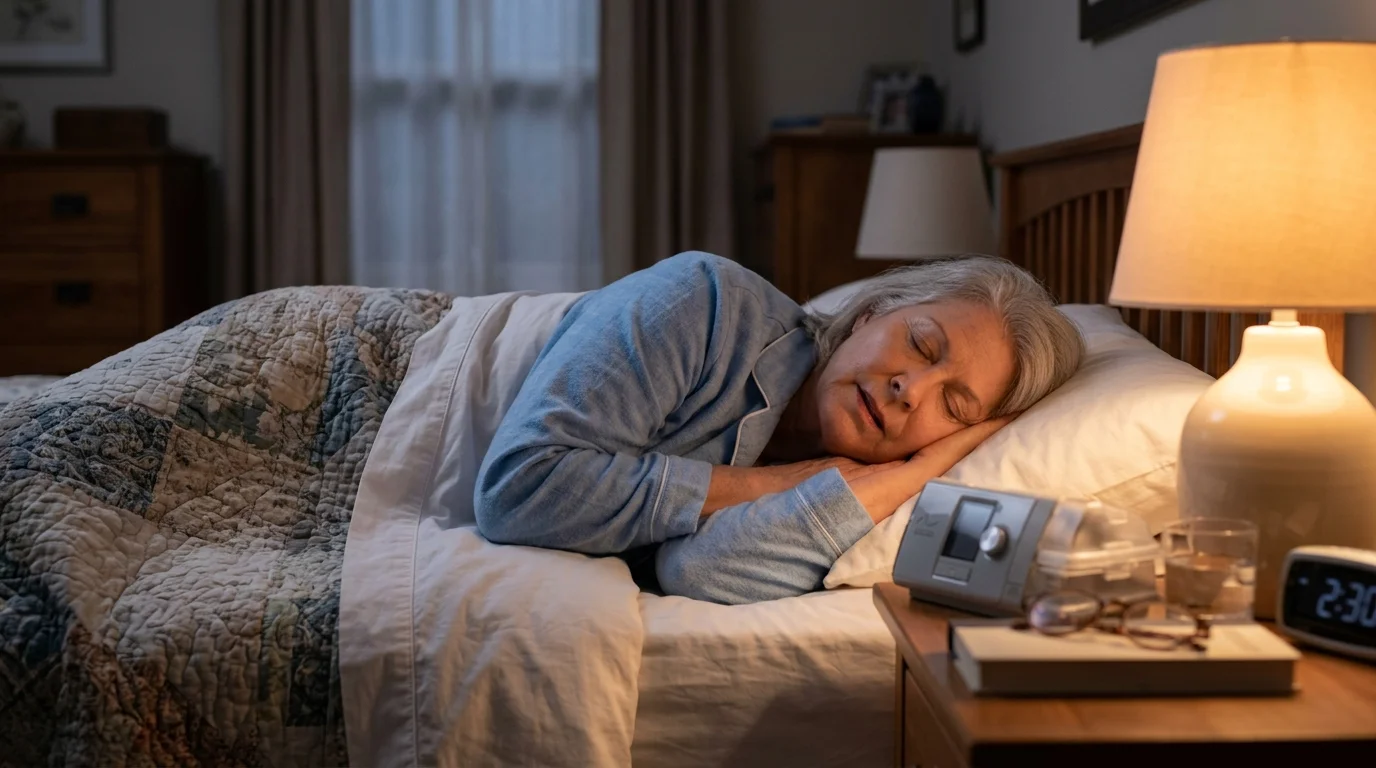
Respiratory issues such as obstructive sleep apnea (OSA) become more common with age and dramatically affect health. The good news is that side-sleeping — including left-side — is generally the best position for breathing. When lying on your side, gravity keeps the tongue and tissues from falling back into the throat, making it easier to breathe. Side sleeping helps keep the airway open and significantly reduces snoring and apnea events, which can improve sleep quality and lower the strain on the heart and brain, since untreated OSA raises blood pressure and stroke risk.
Sleeping on your left side may offer a slight advantage for breathing if you suffer from chronic nasal congestion or right-side lung issues, since the left lung can expand more freely. However, the key is to avoid lying flat on your back if you have sleep apnea, as this position is associated with more airway blockages. If left-side sleeping alone doesn’t fully resolve apnea, consider an apnea management plan such as CPAP or weight loss — and if dry mouth from CPAP is a problem, see our guide on CPAP dry mouth in older adults.
Practical note: Most people with sleep apnea sleep much better on their side than on their back. So if you find the left side most comfortable, it is a healthy choice for your lungs and heart by helping you get deeper sleep.
Spine Alignment and Joint Comfort
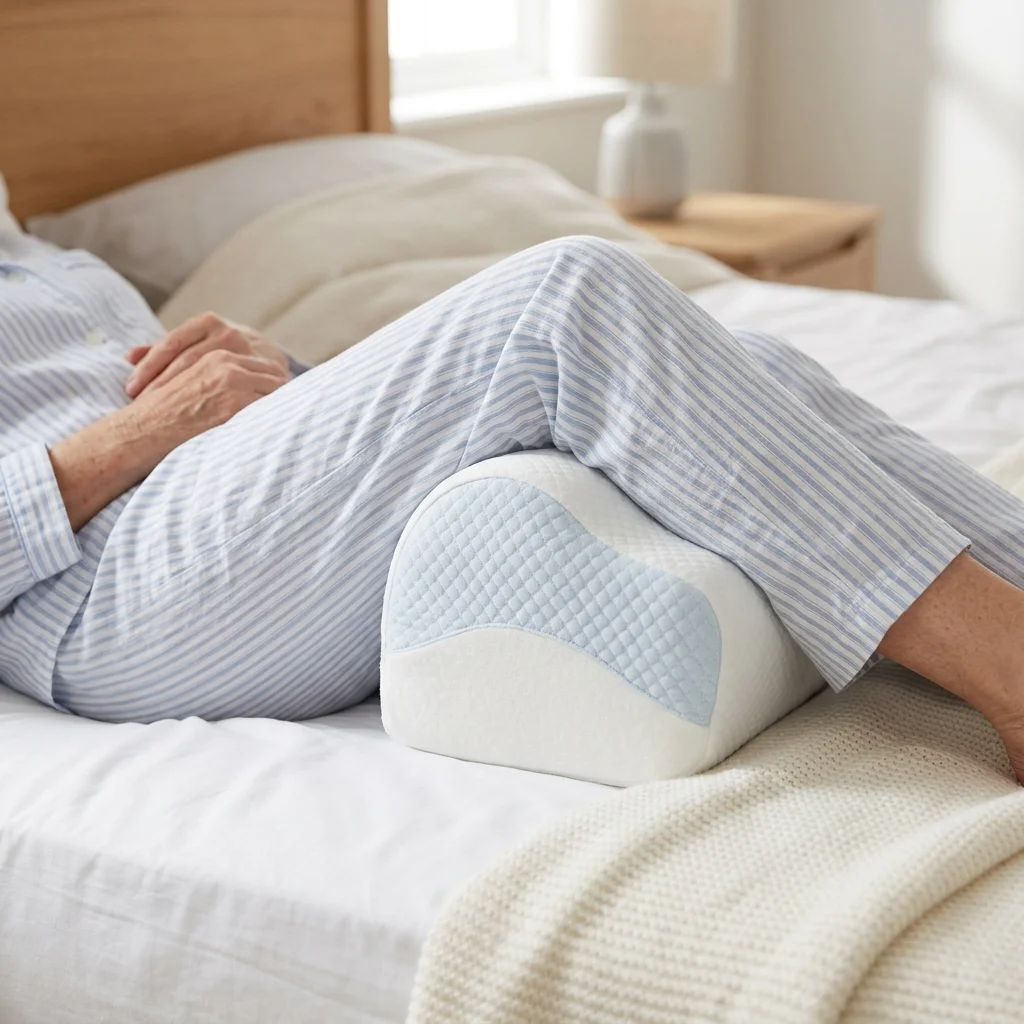
Proper support and alignment are crucial for seniors because age-related changes in the spine and joints can make certain positions uncomfortable. When lying on your left side, a common complaint is shoulder or hip pressure. Johns Hopkins Medicine notes that side-sleeping can concentrate stress on one shoulder or hip, potentially causing pain. To mitigate this, use a firm pillow between your knees: this keeps the hips and spine in a neutral line, preventing the upper leg from pulling the spine out of alignment, which is especially important for older adults with arthritis. If joint pain is a recurring issue, our guide on pain after 60: 6 common types covers safe ways to manage it.
Forgetting a knee pillow is one of the most overlooked details of side-sleeping — without it, many seniors wake up with worse hip or back pain. Additionally, ensure your mattress and head pillow support your body. A shoulder support pillow or sleeping with arms forward can relieve numbness.
In short, left-side sleeping can be gentle on the spine if properly supported. For many seniors, it actually reduces pressure on the lumbar area compared to stomach or flat back sleeping. But if you have orthopedic issues such as shoulder bursitis, you might alternate sides or adjust pillows to keep the painful shoulder on top and well-padded.
Left vs Right (and Other) Sleep Positions
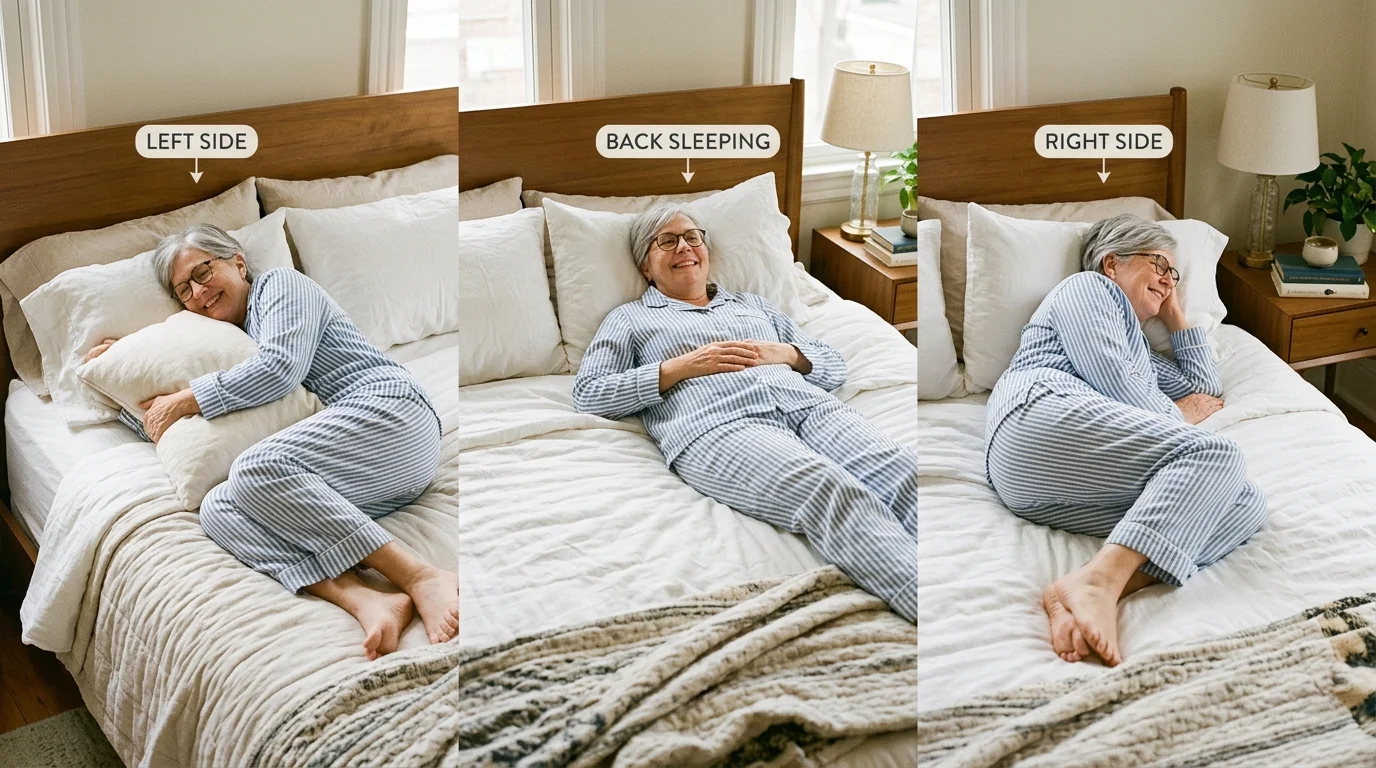
While this article focuses on the left side, it helps to briefly compare to other positions:
- Right-side sleeping: Many points about left-side benefits (reflux relief, brain health, spine alignment) apply similarly on the right side. Left side slightly favors digestion, while right side may slightly favor heart comfort. Right-side sleeping is very safe and is often recommended for pregnant women and some heart patients, and it also prevents snoring.
- Back sleeping: Flat on the back can worsen GERD (gravity allows acid to pool) and is the worst for sleep apnea. Seniors with breathing problems or reflux should be cautious with back sleeping. For older adults with severe hip pain and no reflux, sleeping on the back with pillows under the knees can be okay — just avoid it if you snore or have sleep apnea.
- Stomach sleeping: This is generally not recommended for older adults. It can twist the neck and spine, leading to pain, and also increases abdominal pressure, worsening reflux. If you sleep this way, switch to side-sleeping.
Bottom line: For seniors, either side-sleeping (left or right) is usually best. Left-side might give an edge for digestion; right-side might be slightly better if you have known heart failure or left shoulder issues. Ultimately, whichever side lets you sleep longest and wake refreshed is the preferred choice.
Precautions for Heart and Other Conditions

There are special considerations when sleeping on any side if you have certain medical conditions:
- Heart failure: If you have congestive heart failure, discuss positioning with your doctor. Many with CHF report more comfort on the right side, as it may ease breathlessness. More important than side is to elevate the torso — raising the head of the bed or using extra pillows is often the top recommendation to reduce fluid in the lungs.
- Pacemakers/ICDs: If you have a pacemaker or implantable defibrillator (usually placed under the left collarbone), you may sleep on the right side to avoid lying on the device, or adjust cushions to avoid pressure on the implant site.
- Hiatal hernia: A common cause of reflux in seniors, a hiatal hernia is alleviated by left-side sleeping, similar to GERD tips. Elevating the head and avoiding the right side after late meals is especially important.
- Parkinson’s or neurological issues: These conditions can reduce swallowing and clearing of saliva. Side-sleeping (especially left) may lower aspiration risk by keeping the airway safer than back sleeping.
- Osteoporosis/fractures: If you have spinal fractures or severe osteoporosis, talk to your doctor or physiotherapist about the best sleeping posture. Side-sleeping with supports is often preferred, but sometimes back sleeping with lots of pillows may be safer depending on your spine curvature.
In all cases, if sleeping on the left side causes any discomfort, breathing trouble, or chest pain, stop and consult a doctor. Also ensure you’re sleeping on a supportive mattress and keep movement in bed if needed for comfort.
Tips for Comfortable Sleep on Your Left Side
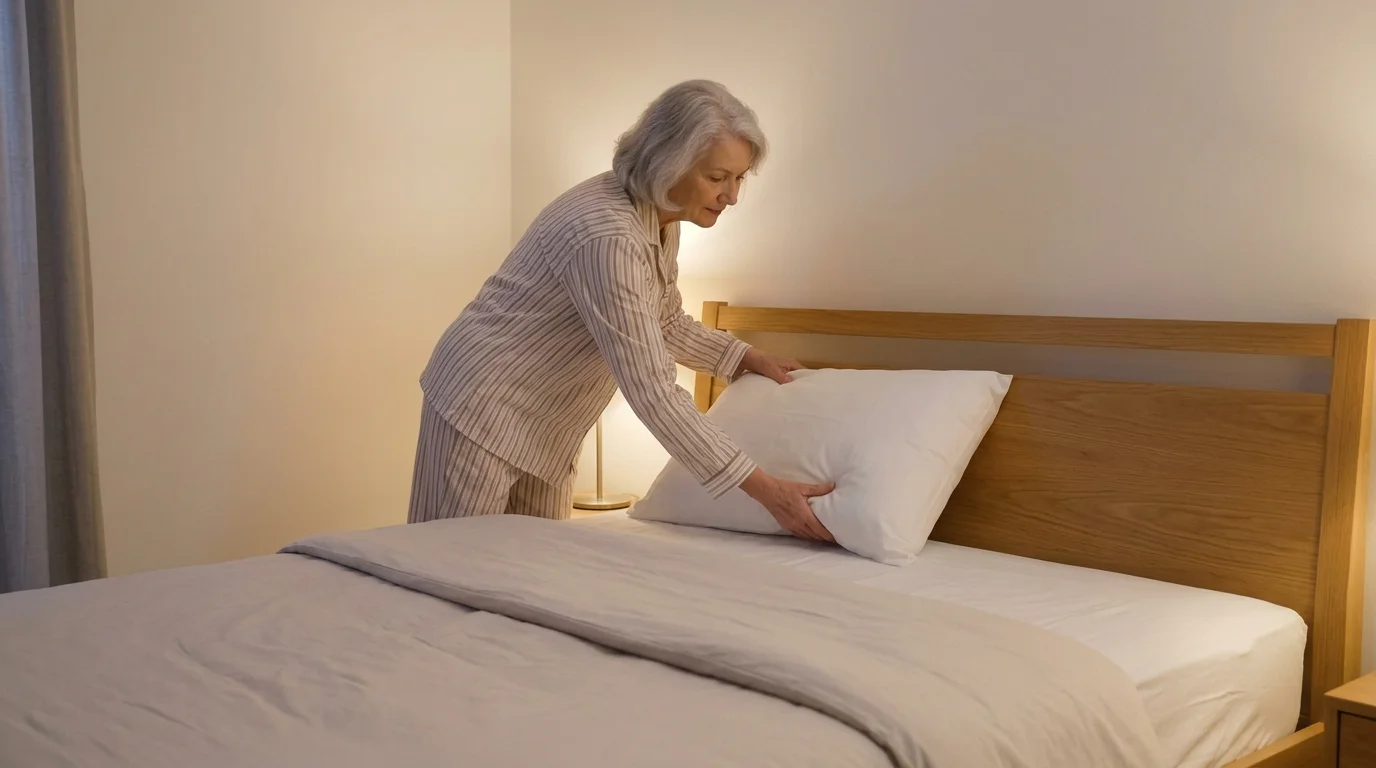
To make left-side sleeping as beneficial and comfortable as possible for seniors, consider these practical tips:
- Use a knee pillow: Place a firm pillow between your knees. This keeps your hips aligned and reduces strain on the lower back.
- Head and neck support: Use a medium-firm pillow that holds your neck without bending it upward. Your spine should be straight.
- Elevate the upper body: If you have reflux or shortness of breath, raise the head of the bed 6–8 inches or use a wedge pillow. Keeping your head above your chest further prevents acid reflux.
- Alternate sides: To avoid excessive pressure on one shoulder or hip, it’s fine to switch to the other side if needed, then resume left-side when comfortable again.
- Stay hydrated: If side-sleeping causes dry mouth, keep water nearby, but avoid drinking large amounts right before bed to avoid triggering reflux.
- Medication and routine: Take any prescribed reflux or heart medications as directed, and keep a consistent bedtime routine. Good sleep hygiene complements the physical position.
By paying attention to pillows and posture, many seniors can maximize the benefits of left-side sleeping while minimizing strain.
Bottom Line
For most healthy seniors, sleeping on the left side after age 60 offers notable advantages: it helps reduce nighttime acid reflux, may improve circulation by aligning with the aorta’s orientation, and is generally good for breathing and brain clearance.
However, if you have serious heart failure or severe sleep apnea, your doctor might suggest trying the right side or elevating the bed instead. In any case, sleep quality is most important — experts agree that the optimal sleep position is the one that lets you sleep deeply and undisturbed. Ensuring 7–8 hours of restorative sleep is a cornerstone of heart and overall health, no matter which side you choose.
In summary, what happens when you sleep on your left side after 60 is that you are likely helping your digestion and supporting your cardiovascular and brain health in several subtle ways. Just remember to use pillows for proper alignment and discuss any chronic conditions with your healthcare provider for personalized advice.
Frequently Asked Questions
For most seniors, sleeping on the left side is not harmful and may even align better with the heart’s anatomy. However, people with heart failure often feel more comfortable on the right side, as it can ease breathing. The most important thing is to sleep in a position that keeps you breathing well and sleeping deeply.
Yes. Medical studies and guidelines show that lying on the left side helps keep stomach acid from flowing up into the esophagus. For seniors with GERD, this simple change often leads to fewer heartburn episodes and less coughing at night.
There’s no evidence that left-side sleeping causes dangerous heart rhythms in healthy people. Some small studies noticed tiny changes on an ECG, but they did not translate into harm. If you have high blood pressure, focus on overall sleep quality and follow your doctor’s advice on sleeping positions and pillows.
Side-sleeping can stress the shoulder or neck if unsupported. Use a pillow to cushion your left shoulder and a firm pillow under your head to keep your spine aligned. Also put a pillow between your knees to reduce hip pressure. If shoulder pain persists, try alternating sides or consult a physical therapist for posture tips.
It’s fine to alternate sides to avoid pressure buildup. Alternate sides if one shoulder or hip hurts. Just try to get at least part of the night on each side. If GERD is a problem, make sure to include enough time on the left side because of its digestive benefits.
Potentially. Some research suggests side-sleeping (left or right) aids the brain’s clearance of waste products better than back sleeping. While it’s not proven that left is superior to right for cognition, sleeping on your side may be one of several good habits that protect brain health as you age.
Yes, if possible. Side-sleeping, including the left side, is generally recommended for sleep apnea, as it keeps airways more open than back sleeping. If you have a CPAP machine, use it. Otherwise, even without a machine, sleeping on your left side can significantly reduce apnea events.
Left-side sleeping is often recommended in late pregnancy to improve blood flow, but for non-pregnant seniors the benefit is mainly for digestion and possibly circulation. The bottom line for seniors is similar: left-side is often comfortable and healthy, but right-side is okay too if that suits you better.
While side-sleeping itself isn’t a substitute for sleep hygiene or treatment of sleep disorders, it can improve comfort and reduce disturbances like reflux or apnea. Better comfort often translates to better sleep quality, so for some seniors, changing to left-side sleeping might help them rely less on sleep aids by naturally improving sleep continuity.
Elevating the legs is usually more about back support. If your doctor recommended elevating legs for circulation, you can combine that with side-sleeping by putting a small pillow under your ankles. The more common advice is to raise the head of the bed or chest when lying on the left side, to prevent reflux.
Use a supportive pillow for your head that keeps your neck neutral. Place a firm pillow between your knees to align hips and spine. You may also hug a small pillow in front of you for arm support. If you have acid reflux, a wedge pillow under your upper body is helpful.
Yes, possibly. Some studies suggest left-side sleeping can aid digestion and morning bowel movements by using gravity to move waste through the colon. This isn’t a miracle cure, but many people anecdotally report feeling more regular when they consistently sleep on their left side.
Recent research, especially in people with advanced glaucoma, suggests avoiding prolonged pressure on one side of the head. If you have glaucoma or similar eye issues, it may be wise not to compress the eye against the pillow. You might alternate sides or use a softer pillow around the face.
Left-side sleeping complements reflux medications but does not replace them. Doctors often advise combining sleeping on the left with elevating the head, and if necessary, taking prescribed medications, for best results. It’s a safe behavioral adjustment that works alongside other treatments.
If the left shoulder pain is acute or severe, try sleeping on the right side or use extra padding on the left shoulder. However, try not to completely avoid one side — a posture or medical issue might cause pain that could be addressed directly with a doctor or physical therapy. Use shoulder-support pillows to ease strain on either side.
Authoritative Sources
- Healthline – Sleeping on Left Side and Heart – Heart-position and ECG research context.
- Sleep Foundation – GERD and Sleep – Sleep-position and head-elevation guidance for reflux.
- Harvard Health – Is Your Sleep Position Helping or Hurting You? – Side-sleeping, reflux, breathing, and joint-comfort context.
- Johns Hopkins Medicine – Choosing the Best Sleep Position – General medical guidance on sleep-position selection.
- National Institute on Aging – Sleep and Older Adults – Older-adult sleep and aging-health context.
- CDC – About Sleep – Sleep duration, sleep quality, and chronic-health risk context.
⚕️ Medical Disclaimer
The information provided on this page is for educational purposes only and is not intended as medical advice, diagnosis, or treatment. Always consult a qualified healthcare professional before making changes to your diet, starting any supplement, or if you have an existing medical condition. KeepFitQuote does not provide medical diagnoses or treatment recommendations. Read our full disclaimer.