
Managing high blood pressure doesn’t always require major overhauls. Sometimes, small changes—like what you drink—can make a real impact. Several natural beverages support healthier blood flow and vascular function. These drinks are backed by research, yet they’re rarely discussed in the mainstream.
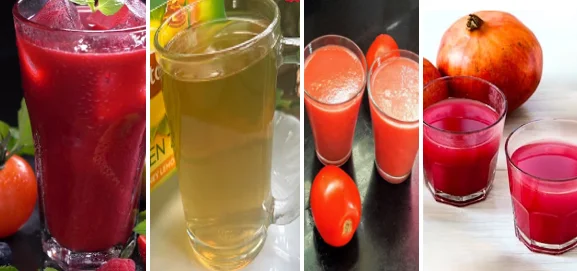
Below is a list of simple, effective drinks that help regulate blood pressure. Each one includes ingredients that promote cardiovascular support and work naturally with your body.
High blood pressure, or hypertension, affects nearly half of all American adults—and the numbers climb steeply after age 50. According to the American Heart Association, roughly 70% of adults over 65 are living with hypertension, making it one of the most urgent health priorities in this age group. While prescription medications are often necessary and life-saving, they work best when paired with thoughtful lifestyle choices, including what you eat and drink each day. The beverages listed in this guide contain natural compounds—polyphenols, dietary nitrates, potassium, magnesium—that support vascular flexibility and help the body maintain healthy circulation. Think of them as small but consistent acts of care for your heart, something you can do every single day without a prescription. Of course, always keep your physician in the loop before making changes to your routine, especially if you are currently on blood pressure medication, as some of these drinks can enhance medication effects.
Table of Contents
Reminder: Drinks may complement prescribed treatment and sodium habits, but they do not replace blood-pressure medicines or clinician advice.
1. Hibiscus Tea
Hibiscus tea contains compounds that help relax the blood vessels. This floral tea has a slightly tart flavor and is rich in antioxidants that support healthy arterial function.
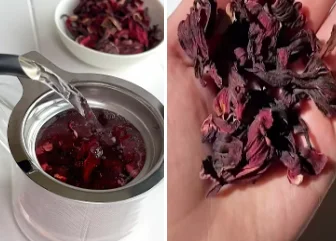
The science behind hibiscus tea is surprisingly robust. A widely cited 2010 study published in the Journal of Nutrition found that drinking three cups of hibiscus tea daily for six weeks produced an average systolic blood pressure reduction of about 7 mmHg in adults with mildly elevated levels—a meaningful drop that rivals some low-dose medications. The active compounds responsible are anthocyanins and other polyphenols, which appear to act similarly to ACE inhibitors: they block an enzyme that constricts blood vessels, allowing arteries to relax and widen. For practical use, steep one to two teaspoons of dried hibiscus flowers (or one commercial tea bag) in eight ounces of hot water for five to seven minutes. Drink it unsweetened or with a small touch of honey—avoid adding sugar, which counteracts cardiovascular benefits. Two cups daily is a reasonable starting point. One important caution: if you take diuretics or certain blood pressure medications like lisinopril, hibiscus can amplify their effects. Let your doctor know before making it a daily habit.
2. Beet Juice
Beets are high in dietary nitrates, which your body converts into nitric oxide—a compound that improves blood vessel dilation. This helps reduce pressure on artery walls.
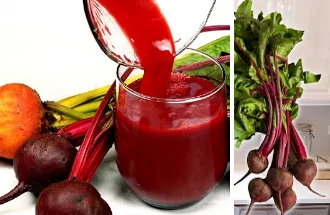
Nitric oxide is one of the most important signaling molecules for cardiovascular health, and beet juice is one of the richest dietary sources of the nitrates that produce it. A 2013 meta-analysis in the Journal of Nutrition reviewed multiple clinical trials and found that a single 250 ml (about 8.5 oz) serving of beet juice could reduce systolic blood pressure by an average of 4 to 10 mmHg within just a few hours. The effect peaks roughly two to three hours after drinking and can last up to 24 hours with consistent daily use. For adults over 50 who are looking for gentle, food-based support for their blood pressure, this makes beet juice one of the most immediately impactful options on this list. Start with four ounces of pure, unsweetened beet juice and work up to eight ounces as tolerated—larger amounts can cause temporary pink or red discoloration of urine, which is harmless. If you have a history of kidney stones, consult your doctor first, as beets are high in oxalates. Mixing beet juice with a small amount of apple or carrot juice can improve palatability without sacrificing much of the benefit.
3. Celery Juice
Celery contains phthalides, a group of natural chemicals that encourage smooth muscle relaxation in arteries. The juice is hydrating and works as a mild blood pressure balancer.
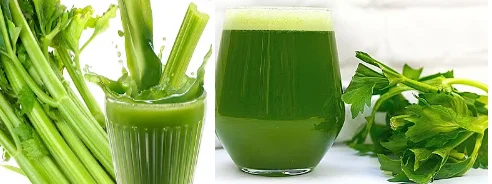
Phthalides—specifically 3-n-butylphthalide (3nB)—are the compounds in celery that have attracted the attention of researchers studying cardiovascular health. These phytochemicals appear to reduce the concentration of stress hormones that cause blood vessels to constrict, while simultaneously relaxing the smooth muscle tissue in artery walls. Traditional Chinese medicine has used celery for blood pressure support for centuries, and modern animal studies have shown results consistent with this use. For humans, the practical approach is to juice four to six fresh celery stalks each morning and drink the juice on an empty stomach. If you don’t have a juicer, blending and straining the celery works too. Celery is also high in natural sodium compared to most vegetables, so people following a very strict low-sodium diet should factor this in—though the potassium content largely offsets the sodium’s effect. Celery juice aligns well with the DASH diet (Dietary Approaches to Stop Hypertension), which is the gold-standard eating plan recommended by the American Heart Association for managing blood pressure naturally. A glass each morning takes about five minutes to prepare and costs very little.
4. Cucumber-Infused Water
Cucumber is rich in potassium and supports healthy sodium balance. When added to water, it offers a refreshing way to boost hydration and help regulate pressure.
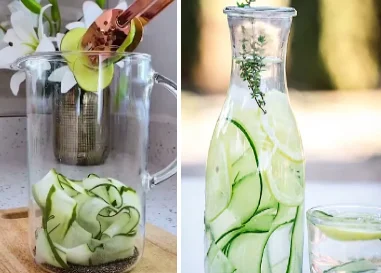
Dehydration is one of the most under-recognized contributors to elevated blood pressure in adults over 60. When the body is even mildly dehydrated, blood volume decreases and the heart has to work harder to maintain circulation—a direct driver of higher readings. Cucumber-infused water addresses this on two levels: it makes plain water more appealing (which helps you drink more of it), and it adds a small but consistent dose of potassium and magnesium—both of which are electrolytes that counteract the blood-pressure-raising effects of sodium. A medium cucumber contains roughly 440 mg of potassium. The DASH diet recommends 4,700 mg of potassium daily, and most Americans get far less than that. To make a pitcher, slice half a cucumber and combine with eight cups of cold water; let it sit in the refrigerator for at least two hours. You can add mint leaves or a few lemon slices for variety. Aim to drink eight or more cups of fluid per day, and cucumber water can count toward that goal beautifully. People on potassium-sparing diuretics or those with kidney disease should speak with their physician before significantly increasing potassium intake from any source.
5. Pomegranate Juice
Pomegranates provide polyphenols that improve circulation and reduce inflammation in arterial walls. A small glass of unsweetened pomegranate juice may support heart rhythm and vascular tone.
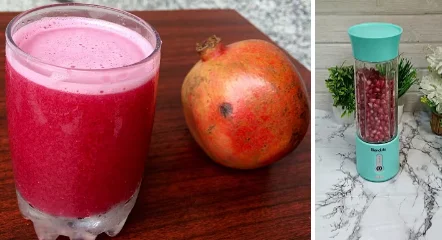
Pomegranate juice stands out among blood pressure lowering drinks for its particularly impressive concentration of punicalagins—powerful antioxidants that are unique to pomegranates and are among the most potent polyphenols found in any food. A 2012 meta-analysis published in Phytotherapy Research reviewed eight clinical trials and concluded that pomegranate juice consumption was associated with significant reductions in both systolic and diastolic blood pressure. One possible mechanism is ACE inhibition: some pomegranate compounds appear to block angiotensin-converting enzyme in a manner similar to ACE-inhibitor drugs, reducing vessel constriction. A practical serving is four to eight ounces (half to one cup) of 100% pure pomegranate juice daily—look for brands with no added sugars on the label. One cup of pomegranate juice contains roughly 34 grams of natural sugar, so adults managing diabetes or blood sugar need to account for this and may want to stick to the four-ounce serving. Taking it in the morning alongside breakfast is a simple way to build the habit. If you’re on warfarin or other blood-thinning medications, check with your physician first, as pomegranate may interact with these drugs.
6. Golden Milk (Turmeric Drink)
Turmeric contains curcumin, a compound known for reducing inflammation. When combined with black pepper and a plant-based milk, it helps promote endothelial function and supports lower blood pressure.
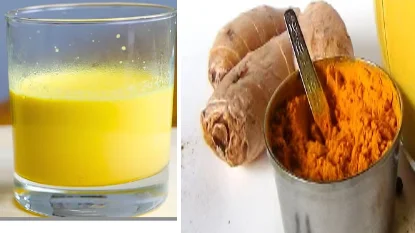
Chronic low-grade inflammation is a major driver of arterial stiffness—one of the underlying reasons blood pressure rises with age. Curcumin, the active compound in turmeric, is one of the most studied natural anti-inflammatory agents in the world. Research published in the American Journal of Hypertension and other journals suggests curcumin supports endothelial function—the health of the thin layer of cells lining blood vessels—which is directly tied to how well vessels dilate and respond to changes in circulation. The challenge with turmeric on its own is poor bioavailability: the body absorbs very little curcumin unless paired with piperine (found in black pepper), which boosts absorption by up to 2,000% according to a landmark 1998 study in Planta Medica. A classic golden milk recipe: heat one cup of unsweetened oat or almond milk, whisk in one teaspoon of turmeric, a pinch of black pepper, half a teaspoon of cinnamon, and a small drizzle of honey. Drink it warm, ideally in the evening. It’s naturally calming, which helps with the stress component of blood pressure. People taking blood thinners or who have gallbladder issues should use turmeric in culinary (not supplement) amounts and consult a doctor before making it a nightly ritual.
7. Coconut Water
Coconut water naturally contains potassium and magnesium—two electrolytes essential for heart rhythm and pressure control. It supports fluid balance and may assist in reducing sodium effects.

One cup of plain coconut water contains approximately 600 mg of potassium and 60 mg of magnesium—a meaningful contribution toward the daily levels the American Heart Association recommends for heart health. A small 2005 study published in the West Indian Medical Journal found that participants who drank coconut water for two weeks experienced a significant reduction in systolic blood pressure compared to those drinking plain water. While the study was small, it aligns with what we know about potassium: it helps the kidneys excrete excess sodium, relaxes blood vessel walls, and eases the workload on the heart. Magnesium, meanwhile, plays a key role in regulating vascular smooth muscle tone. For adults over 50, eight to sixteen ounces of plain, unsweetened coconut water daily is a reasonable serving—look for brands that list only “coconut water” on the ingredients panel. Flavored versions can contain significant added sugars that offset the cardiovascular benefit. Coconut water also has about 45 calories per cup, so it’s worth factoring into your overall daily caloric intake, especially if weight management is a goal. Fresh coconut water—if you can find it—is the gold standard.
Daily Timing Suggestion
| Time | Recommended Drink |
|---|---|
| Morning | Celery Juice or Beet Juice |
| Afternoon | Cucumber Water or Hibiscus Tea |
| Evening | Golden Milk or Coconut Water |
Timing your blood pressure lowering drinks strategically can make them even more effective. In the morning, blood pressure naturally tends to run higher—a phenomenon called the “morning surge” that is associated with increased cardiovascular risk in older adults. This makes morning the ideal time to consume nitrate-rich beet juice or phthalide-packed celery juice, both of which produce vasodilating effects within two to three hours. During the afternoon, staying hydrated with cucumber water helps prevent the mid-day dip in fluid levels that can trigger compensatory blood pressure spikes. Hibiscus tea in the afternoon provides a caffeine-free antioxidant boost without disrupting evening sleep. In the evening, golden milk’s anti-inflammatory curcumin works alongside its natural calming effect on the nervous system, which is especially helpful since stress and poor sleep are two of the biggest contributors to uncontrolled blood pressure in adults over 50. Rotating through these options—rather than drinking the same thing every day—also ensures a broader spectrum of beneficial compounds. The goal is consistency, not perfection: even two or three of these beverages incorporated daily can add up to meaningful cardiovascular support over weeks and months.
Common Questions (U.S. Reader Focus)
1. Can I drink all of these daily?
Yes, but it’s best to rotate them. Prioritize hydration and avoid excess sugar or sodium in any beverage.
Variety is genuinely beneficial here—each drink targets blood pressure through a different pathway, so rotating through them gives your body a broader range of protective compounds. That said, be mindful of total daily calorie and sugar intake, especially with pomegranate and coconut water. Keeping a simple log for the first two weeks can help you spot what’s working.
2. How long until results show?
Mild reductions may occur within a few weeks if drinks are consumed consistently. Diet and exercise also play a role.
Beet juice can produce measurable drops within two to three hours of a single serving. For drinks like hibiscus tea or pomegranate juice, consistent daily use over four to six weeks tends to produce the most reliable and lasting reductions. Monitor your numbers at home with a validated cuff-style blood pressure monitor and share your readings with your doctor.
3. Do these replace medications?
No. These are supportive measures. Always consult your physician before adjusting medications.
This point cannot be overstated. Natural beverages can complement a medication regimen and may help lower the dose needed over time—but any change to medication should be made only with your physician’s guidance and based on consistent blood pressure readings.
4. Is store-bought beet juice okay?
Only if it contains no added sugars or preservatives. Fresh juice is more effective for blood pressure purposes.
5. Which is best at bedtime?
Golden milk is calming and anti-inflammatory, making it a good choice before sleep.
Hibiscus tea (caffeine-free) is also a solid evening option. Avoid beet juice or high-potassium drinks late at night if you are prone to nighttime urination, as increased fluid intake before bed may disrupt sleep—which itself raises blood pressure. A small, warm cup of golden milk thirty to sixty minutes before bed supports both sleep quality and vascular health.
Final Note
These drinks aren’t magic bullets. They’re simple, low-cost, and naturally supportive of your cardiovascular health. With daily use, they can complement your lifestyle and help you maintain healthier blood pressure without depending solely on pills.
The real power of blood pressure lowering drinks lies in consistency and combination. No single beverage will transform your cardiovascular health overnight, but choosing even two or three of these options daily—alongside regular physical activity, a reduced-sodium diet, healthy sleep habits, and stress management—creates a compounding effect that is well-documented in the research literature. The DASH diet, which emphasizes potassium-rich fruits and vegetables, has been shown to reduce systolic blood pressure by 8 to 14 mmHg—as much as some medications. Many of the drinks on this list are essentially DASH principles in a glass. For adults over 50 managing hypertension, these beverages are one of the most accessible and enjoyable tools available. Start with one or two that appeal to you most, build the habit over two weeks, and then add others. Track your blood pressure at the same time each morning, share the results with your care team, and treat these drinks as a long-term investment in a healthier heart—because that is exactly what they are.
These drink choices work best alongside broader heart-health steps. See our guide to preventing clogged arteries, and review early heart-attack warning signs so you know when symptoms need urgent care.
Sources: American Heart Association: High blood pressure · NHLBI: High blood pressure
⚕️ Medical Disclaimer
The information provided on this page is for educational purposes only and is not intended as medical advice, diagnosis, or treatment. Always consult a qualified healthcare professional before making changes to your diet, starting any supplement, or if you have an existing medical condition. KeepFitQuote does not provide medical diagnoses or treatment recommendations. Read our full disclaimer.
Related Posts







Pingback: Natural Joint Pain Relief for Seniors 7 Proven Home Remedies