Honey glazed carrots are a simple, sweet side dish, and with a few smart tweaks they fit well into an eating plan for older adults. Because carrots are a rich source of beta-carotene, which your body turns into vitamin A, and a light honey glaze makes vegetables easy to enjoy, this dish is a good fit for older adults. This guide gives you an easy honey glazed carrots recipe, a printable recipe card, a 60+ nutrition breakdown, and a clear note on portions and sugar for people with diabetes.
Quick Answer: Honey glazed carrots can be a healthy side dish for older adults. Carrots supply vitamin A (as beta-carotene) and fiber, while honey adds about 8 grams of sugar per serving in this recipe. Keep portions to about 1/2 cup, use 1 tablespoon of honey instead of 2 for a lighter version, and count the carbohydrate if you have diabetes. They are a tasty vegetable side, not a treatment for any illness.
Why Honey Glazed Carrots Work Well After 60
The natural sweetness of honey complements the earthy crunch of carrots. Roasting creates a caramelized coating that appeals even to picky eaters, which matters because taste and appetite often change with age. As a result, a dish that tastes good makes it easier for older adults to eat more vegetables.
Carrots also bring real nutrition. For instance, they provide beta-carotene, fiber, potassium, and plant compounds called carotenoids. In addition, the small amount of olive oil or butter in this recipe helps your body absorb the fat-soluble beta-carotene. Meanwhile, honey adds flavor and a little sugar, so the goal is a light glaze, not a syrupy coating.
Honey Glazed Carrots Nutrition: Vitamin A, Fiber and Sugar
According to USDA FoodData Central, 100 grams of raw carrots provide about 41 calories, 2.8 grams of fiber, and 835 micrograms of vitamin A (as RAE). Our estimate for one serving of the recipe below (one quarter of the pan, about 1/2 cup) is roughly 110 calories, 20 grams of carbohydrate, 3 grams of fiber, and about 14 grams of total sugars, of which about 8 grams come from the honey.
Vitamin A from beta-carotene
First, vitamin A supports normal vision, the immune system, and healthy skin. The National Institutes of Health notes that the recommended daily amount for adults is 700 micrograms RAE for women and 900 micrograms RAE for men (see the NIH vitamin A fact sheet). By our estimate, one serving of this recipe supplies close to that amount. However, beta-carotene from food is not a toxicity concern in the way that high-dose vitamin A supplements can be. For more on vision-friendly foods, see our guide to eye nutrition and key vitamins.
Fiber for digestion and fullness
One pound of carrots has roughly 12 grams of fiber, so each serving adds about 3 grams toward your daily goal. Fiber also helps keep bowel movements regular and helps you feel full. However, if you are not used to much fiber, increase it gradually and drink enough water.
Honey, sugar and diabetes
Honey is still a sugar. For example, one tablespoon has about 17 grams of carbohydrate, so the 2 tablespoons in this recipe add roughly 8 grams of sugar per serving. Therefore, for older adults with diabetes or prediabetes, the key points are portion size and total carbohydrate. Use 1 tablespoon of honey for a lighter version, keep to about 1/2 cup, pair the carrots with protein such as chicken, fish, or eggs, and check your blood sugar to see how you respond. The CDC guidance on healthy eating with diabetes explains how to count carbohydrate, and our daily blood sugar habits for older adults offer more ideas. Finally, ask your doctor or dietitian what fits your own plan.
Printable Recipe Card: Honey Glazed Carrots
Honey Glazed Carrots (Recipe Card)
Prep: 10 minutes | Cook: 25 minutes | Total: 35 minutes | Serves: 4 (about 1/2 cup each)
Ingredients
- 1 lb fresh carrots, peeled and sliced about 1/2 inch thick (or baby carrots)
- 1 to 2 tablespoons honey (1 tablespoon for a lighter, lower-sugar version)
- 1 tablespoon olive oil or butter
- Salt and pepper to taste
- Optional: fresh thyme or parsley for garnish
Directions
- Preheat the oven to 400 degrees F.
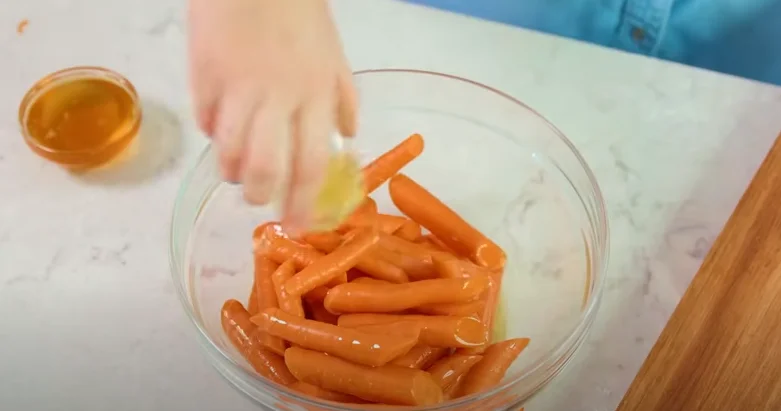
- Toss the carrots with the honey, oil, salt, and pepper in a bowl.
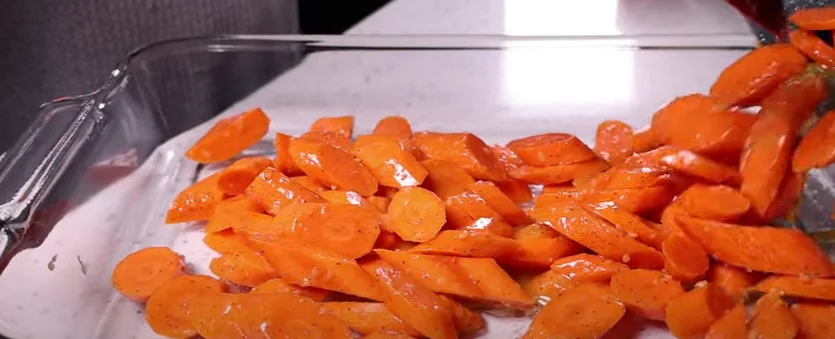
- Spread the carrots in a single layer on a baking sheet.
- Roast for 20 to 25 minutes, flipping once, until tender and lightly browned. For softer carrots, cover with foil for the first 10 minutes.
- Garnish and serve warm.
Estimated nutrition per serving (2 tablespoons honey): about 110 calories, 20 g carbohydrate, 3 g fiber, 14 g total sugars (about 8 g from honey), and roughly 900 mcg vitamin A (RAE). Estimates are based on USDA FoodData Central values and will vary with ingredients.
Stovetop option: Simmer the carrots in 1/4 cup of water, covered, for 8 to 10 minutes. Add the honey and butter, then cook uncovered for 3 to 5 minutes until glazed.
To print: Press Ctrl+P (Cmd+P on a Mac) and print this page, or select only the recipe card.
Tips for Making Honey Glazed Carrots Easier for Older Adults
- Choose fresh, firm carrots. Whole carrots that you slice yourself usually taste better than limp pre-cut ones. Purple, yellow, or white heirloom carrots add different plant pigments.
- Adjust the texture. If chewing is hard or you wear dentures, slice the carrots thinner, cover them with foil for part of the roasting time, or simmer them until fork-tender.
- Keep the honey light. A tablespoon or two for a whole pound of carrots is plenty. Also, pasteurized honey is the safer choice if your immune system is weak.
- Add protein. Serve the carrots with roasted chicken, grilled salmon, eggs, or lentil soup, so the meal helps with muscle as well as vitamins.
- Store leftovers safely. Refrigerate within two hours and eat within three to four days.
Is Honey on Carrots Safe for Everyone?
For most adults, yes. However, a few groups should take extra care. People with diabetes should count the carbohydrate in honey and carrots and ask their provider about portion size. Honey should never be given to babies under 12 months because of the risk of infant botulism. If you have a bee pollen allergy, start with a small amount of pasteurized honey and watch for a reaction.
Carrots are safe for nearly everyone. However, people with a birch pollen allergy sometimes feel mouth tingling from raw carrots, but cooking usually removes the problem. In addition, eating a lot of carrots can turn the skin slightly yellow-orange (carotenemia), which is harmless and fades when you eat less. If you take blood thinners or have kidney disease, keep your diet consistent and ask your doctor about any big change. For another honey safety topic, read why mixing honey and hot water can be risky after 60.
Frequently Asked Questions (FAQs)
Can you put honey on carrots?
Yes. Honey and carrots are a classic pairing. For example, roasting, steaming, or simmering carrots and finishing them with a little honey gives a sweet glaze without much effort.
Are honey glazed carrots healthy for older adults?
They can be. Carrots provide vitamin A and fiber, and the glaze makes vegetables enjoyable. However, keep the honey light, watch the portion size, and serve them as one part of a balanced plate.
Can people with diabetes eat honey glazed carrots?
Often, in a small portion. Honey is a sugar and the dish contains carbohydrate. Try about 1/2 cup with 1 tablespoon of honey in the pan, pair it with protein, and ask your doctor or registered dietitian how it fits your carbohydrate goals.
How do you make honey glazed carrots softer?
Slice them thinner, cover the pan with foil for the first 10 minutes of roasting, or simmer them in a little water before glazing. In general, longer cooking gives a softer texture.
Do honey glazed carrots cure colds, sinus problems, or headaches?
No. No food cures these problems. Warm, nutritious meals can be comforting, but you should still see a doctor for persistent sinus pressure, face pain, numbness, or headaches, especially if the symptoms are new or severe.
How long do honey glazed carrots keep?
Store them in a covered container in the refrigerator and eat within three to four days. Then reheat until hot, and add a splash of water if they dry out.
Sources
- USDA FoodData Central: Carrots, raw
- NIH Office of Dietary Supplements: Vitamin A and Carotenoids
- CDC: Healthy Eating with Diabetes
This article is for general education and is not medical advice. Talk to your doctor or a registered dietitian about your own diet.
⚕️ Medical Disclaimer
The information provided on this page is for educational purposes only and is not intended as medical advice, diagnosis, or treatment. Always consult a qualified healthcare professional before making changes to your diet, starting any supplement, or if you have an existing medical condition. KeepFitQuote does not provide medical diagnoses or treatment recommendations. Read our full disclaimer.
Related Posts